
YouYun•LuHuiTianFu sits in Chengdu’s higher-recognition dining tier, with a Black Pearl Restaurant Guide 2026 two-diamond rating giving it a clear trust signal in a city where Sichuan cooking is judged on sourcing, heat control, and balance rather than ceremony alone. The appeal is less about spectacle than about how regional ingredients are handled inside a polished restaurant format.

Pearl is the En Primeur Club membership app — saves, bookings, and concierge access live there. Same editors, same standards.
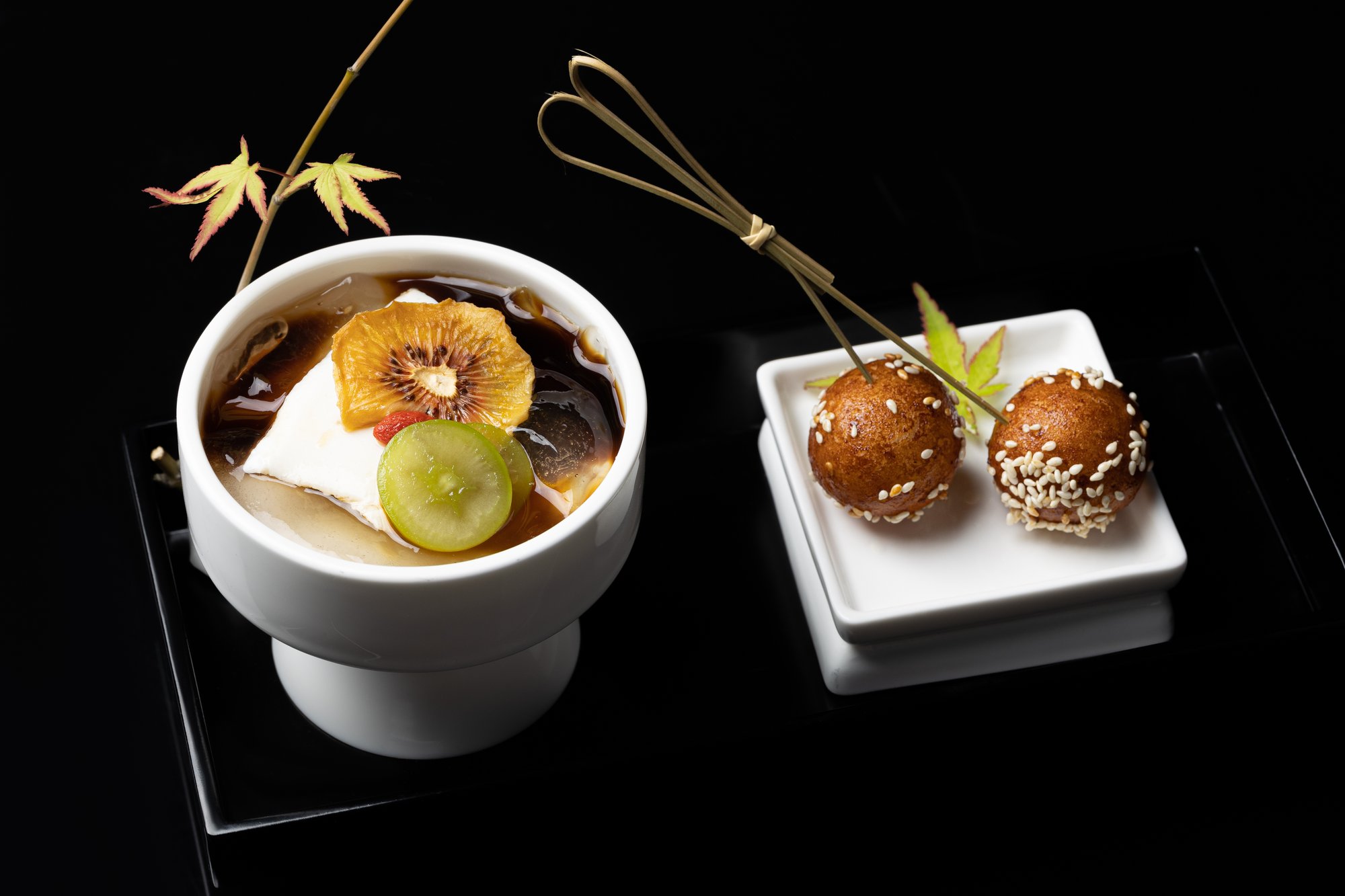
Chengdu dining announces itself before the first dish: the perfume of roasted chile, the numbing lift of Sichuan pepper, the soft clatter of shared plates, and a room culture built around appetite rather than performance. In that context, YouYun•LuHuiTianFu belongs to the city’s more serious Sichuan conversation, not because Chengdu lacks famous meals, but because recognition here has to compete with a deep everyday food culture that already sets a high bar.
The Black Restaurant Guide 2026 lists YouYun•LuHuiTianFu among its two-diamond restaurants, a useful marker in Chengdu because the city’s cooking hierarchy is unusually broad. At one end sit steamers, noodle counters, beef specialists, and hotpot rooms where repetition sharpens technique. At the other end are restaurants translating Sichuan’s agricultural depth into a more composed dining room language. The interesting question is not whether a polished Sichuan restaurant can impress outsiders; it is whether it can keep faith with the region’s raw materials while changing the frame.
Sichuan sourcing matters more than theatrics here
Sichuan cuisine is often flattened into a shorthand of chile heat and málà sensation. Chengdu locals know the wider grammar: fermented broad-bean paste, pickled vegetables, mountain herbs, river fish, rapeseed oil, cured meats, fresh tofu, and the controlled use of peppercorns that should brighten rather than numb the meal into silence. A restaurant operating in the two-diamond bracket has to show discipline across that spectrum. Ingredient sourcing is not a decorative claim in Chengdu; it is the basis for whether the cooking reads as regional or merely spicy.
That is why YouYun•LuHuiTianFu is better understood through Chengdu’s supply chain than through a single named dish. The strongest Sichuan kitchens depend on relationships with producers, market timing, and an ability to distinguish freshness from intensity. The province’s cooking can be forceful, but force without calibration becomes blunt. In a higher-end room, the test is whether fermented, pickled, fresh, and aromatic elements are allowed to work in sequence, giving the meal shape rather than volume.
This also explains why Chengdu remains a demanding city for destination dining. Visitors often arrive for hotpot, and rightly so, but the city’s restaurant culture is wider than the boiling cauldron. For a broader read on how the category splits between casual heat, regional technique, and polished service, the city index is a useful companion: Our full Chengdu restaurants guide. Within that wider map, links such as #8 (Hotpot), Art Yinba (Sichuan), Aurore, Bai Nian Fen Zheng Niu Rou, and Bainian Fenzheng Beef show how much range sits under the city’s dining umbrella.
A polished Chengdu room has to answer to street-level standards
Chengdu is not a city where refinement can detach itself from appetite. The local benchmark is unusually democratic: a small shop with one specialty can be judged as fiercely as a formal dining room, because the audience understands texture, oil temperature, seasoning rhythm, and value. That pressure gives restaurants like YouYun•LuHuiTianFu a narrower path than similar award-recognised venues in cities with less dominant everyday food traditions. Service and setting may be more composed, but the cooking still has to carry the directness that defines Sichuan meals.
The two-diamond Black recognition places the restaurant in a bracket for travellers who want a more structured Chengdu dinner without leaving the regional idiom behind. That matters for planning: this is not the same decision as choosing a quick bowl, a steam-focused specialist, or a hotpot night built around a long table. It is a choice for a slower meal where sourcing, seasoning control, and pacing do the work.
Chengdu also rewards travellers who plan meals by category rather than by hype. Hotels, bars, wineries, and experiences shape the rhythm around dinner as much as the restaurant booking itself, especially in a city where late meals and tea-house hours can stretch the day. For adjacent planning, use Our full Chengdu hotels guide, Our full Chengdu bars guide, Our full Chengdu wineries guide, and Our full Chengdu experiences guide. For a cross-city view of how Chinese regional dining appears in different markets, compare the broader archive entries for 100 Century Avenue Cantonese in Shanghai, 167 Shan Hai Li in Fuzhou, 1913 in Hangzhou, 1927 Dong Yuan Si Chu in Xiamen, 1949 - Duck de Chine in Beijing, and 1980烧肉粽 in 厦门市. Outside China, casual Japanese formats such as Jōdo Saké Bar in Los Angeles and Onigiri Time in Pasadena underline the same editorial point: format only matters when the sourcing and execution justify the attention.
Who should choose this dinner
The restaurant makes sense for travellers who want Chengdu’s regional cooking in a more formal register, with Black recognition acting as the principal external credential. It is less suited to anyone seeking a purely casual, walk-in grazing night or a single-dish specialist experience. The better reading is to treat it as a Sichuan restaurant for a considered evening: a place where the value lies in how the kitchen handles local ingredients, not in chasing novelty or turning heat into theatre.
How It Compares
Comparable venues nearby, for context on price, style, and recognition.
| Venue | Cuisine | Price | Notes |
|---|---|---|---|
| YouYun•LuHuiTianFuThis venue — the venue you are viewing | Sichuan Cuisine | $$$ | Not listed |
| Yinba | Modern Sichuan Fine Dining | $$$ | Suangliuxian |
| Nantangguan Sichuan Cuisine Cultural Restaurant | Sichuan Cuisine | $$$ | Wuhou District |
| 银芭 Yinba (科学城) | Modern Sichuan Cuisine | $$$ | Suangliuxian |
| Yongya Hexian | Sichuan River Fish Hot Pot | $$$ | Chengdushi |
| Longsenyuan | Authentic Chengdu Hotpot | $$ | Chengdushi |
Recognition history
Dated appearances from independent guides and award organizations, with the underlying list record or original source where available.
Black Pearl 2 Diamond
Black Pearl
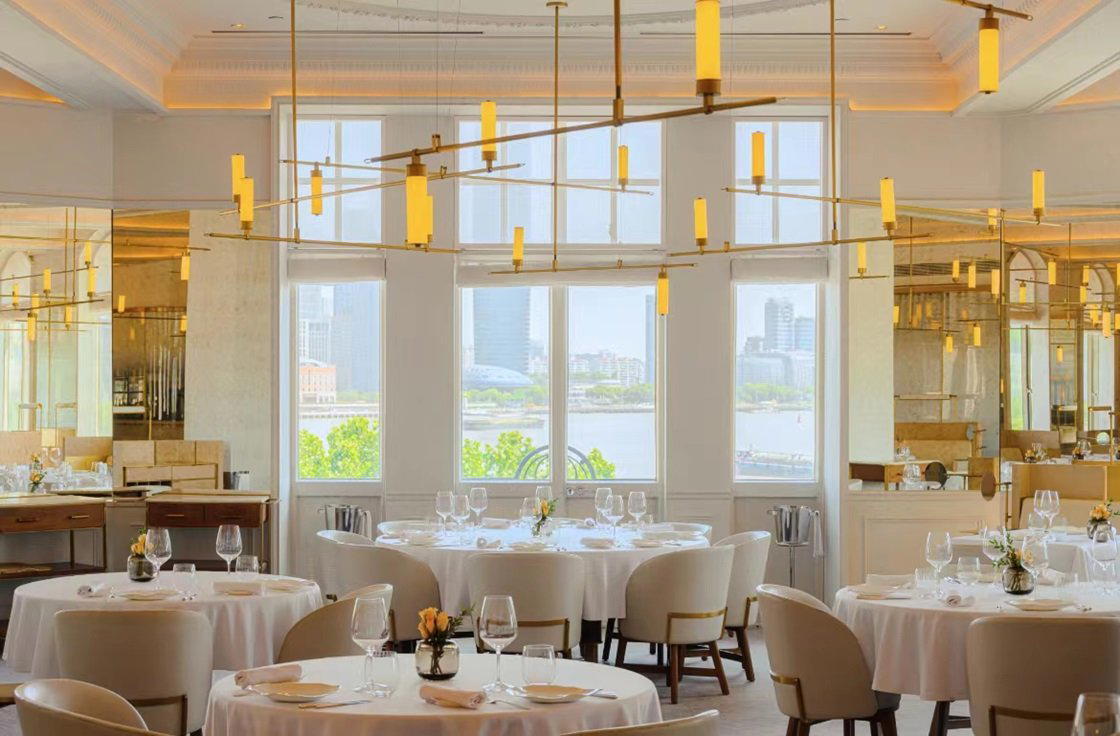
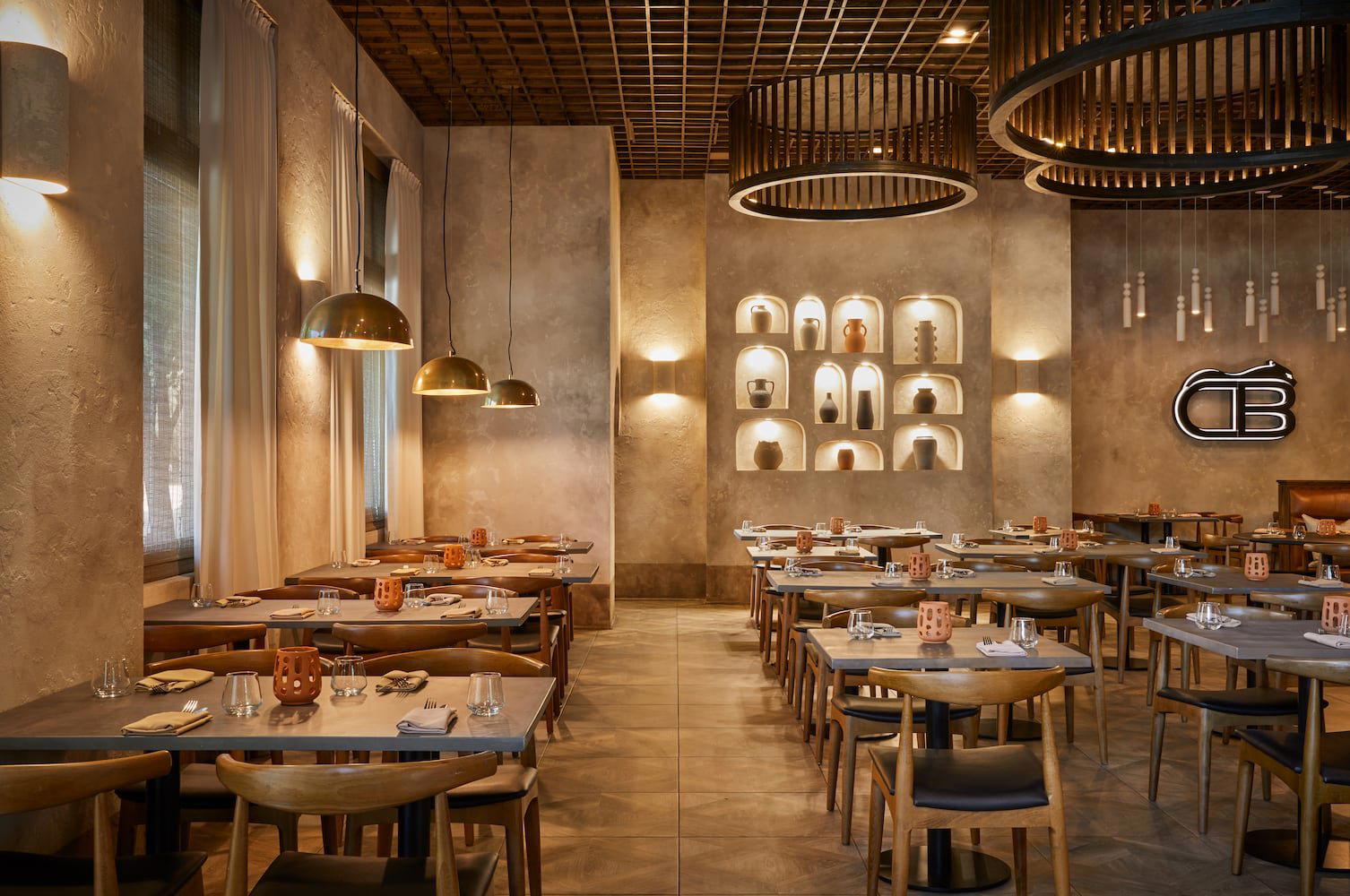
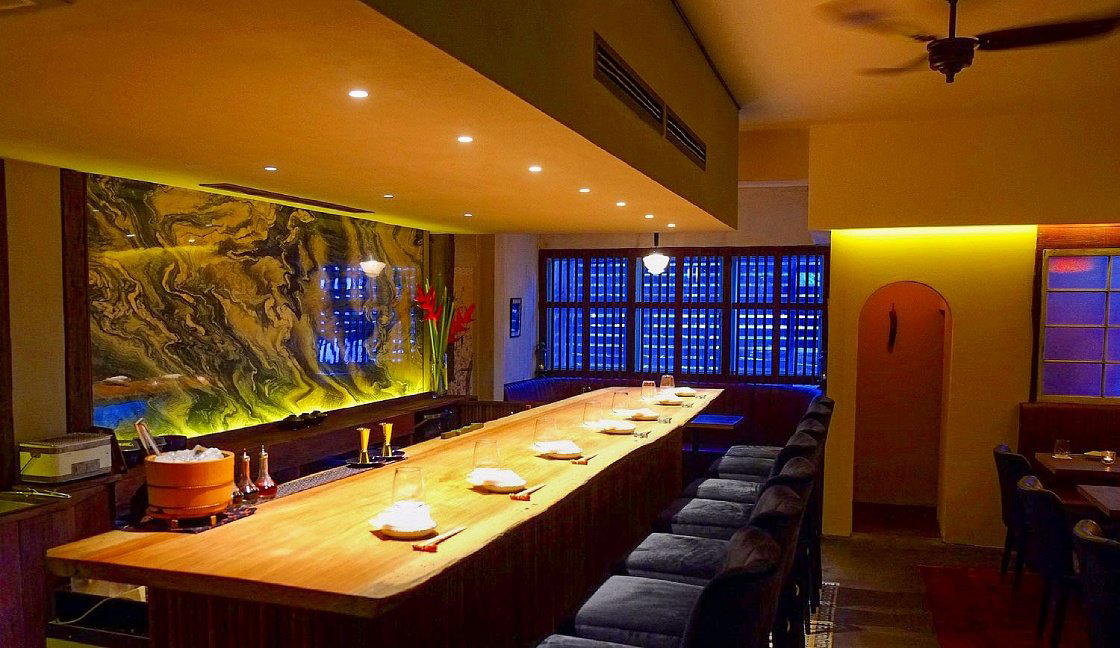
At a Glance
- Sophisticated
- Elegant
- Modern
- Classic
- Group Dining
- Business Dinner
- Celebration
- Special Occasion
- Standalone
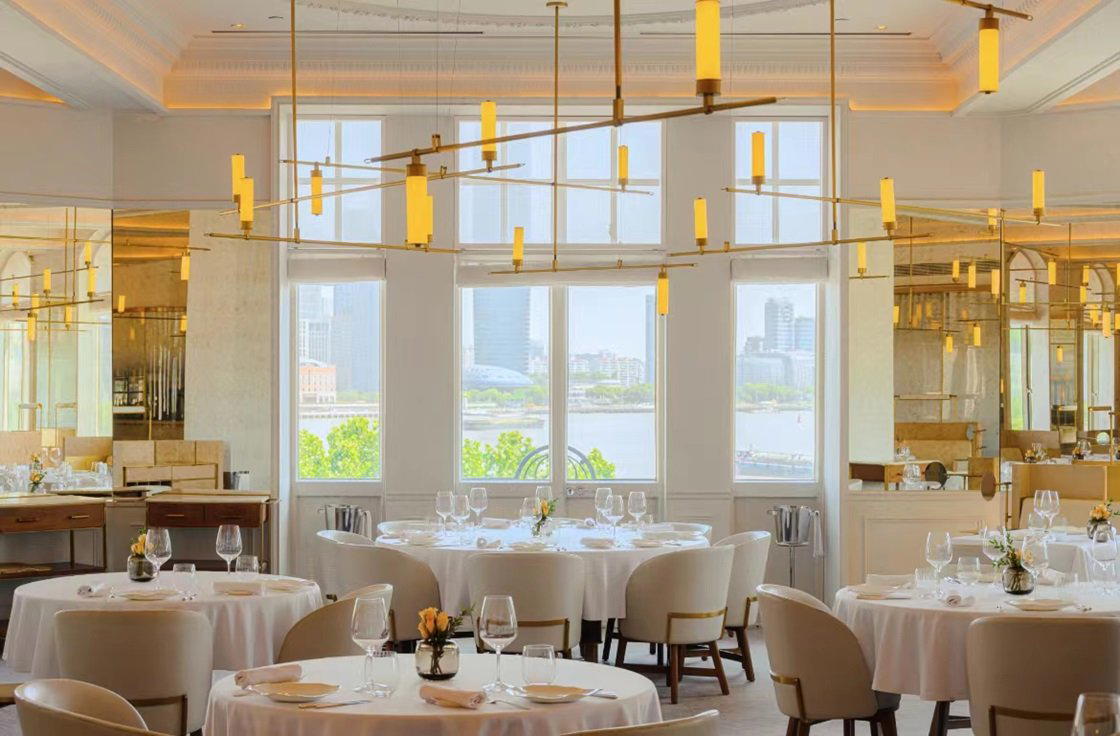
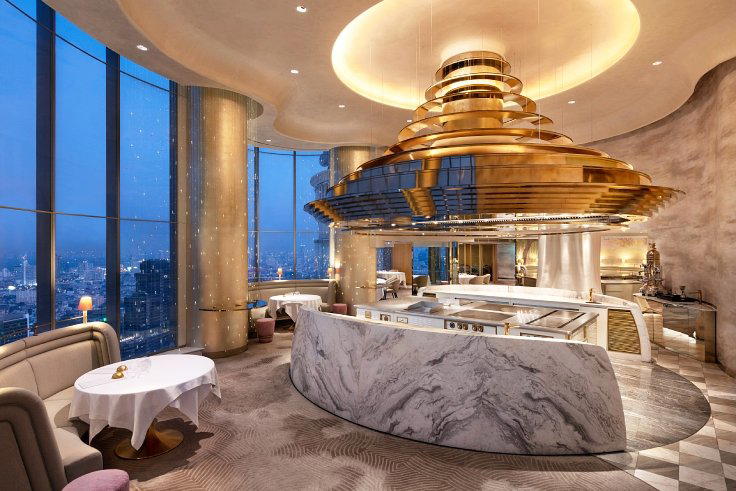
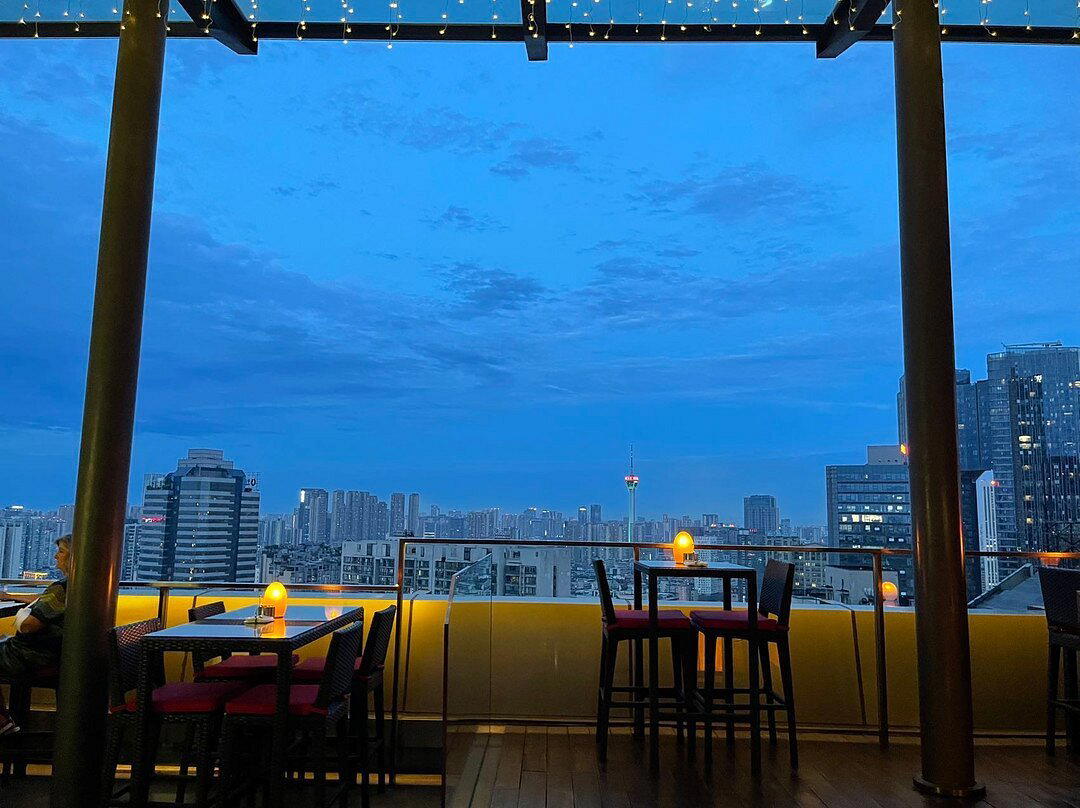
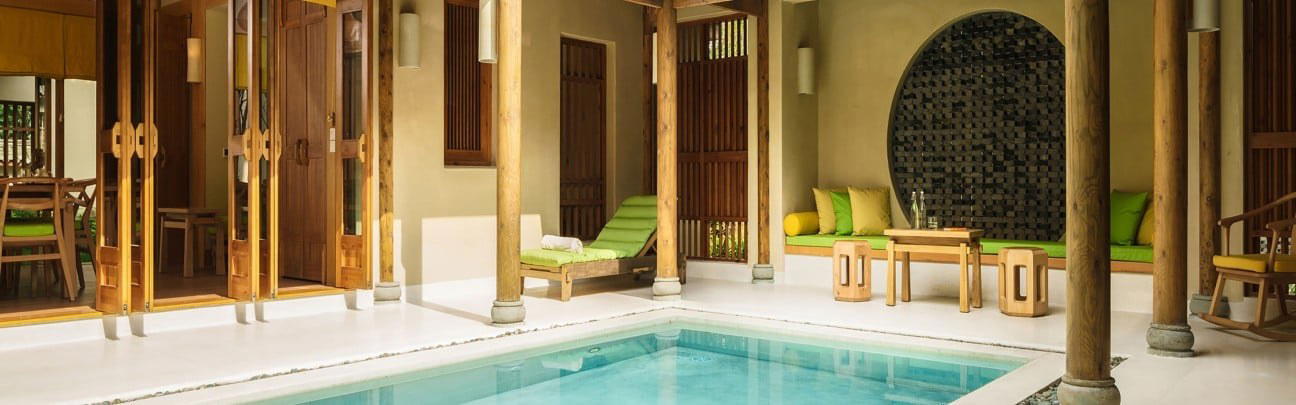
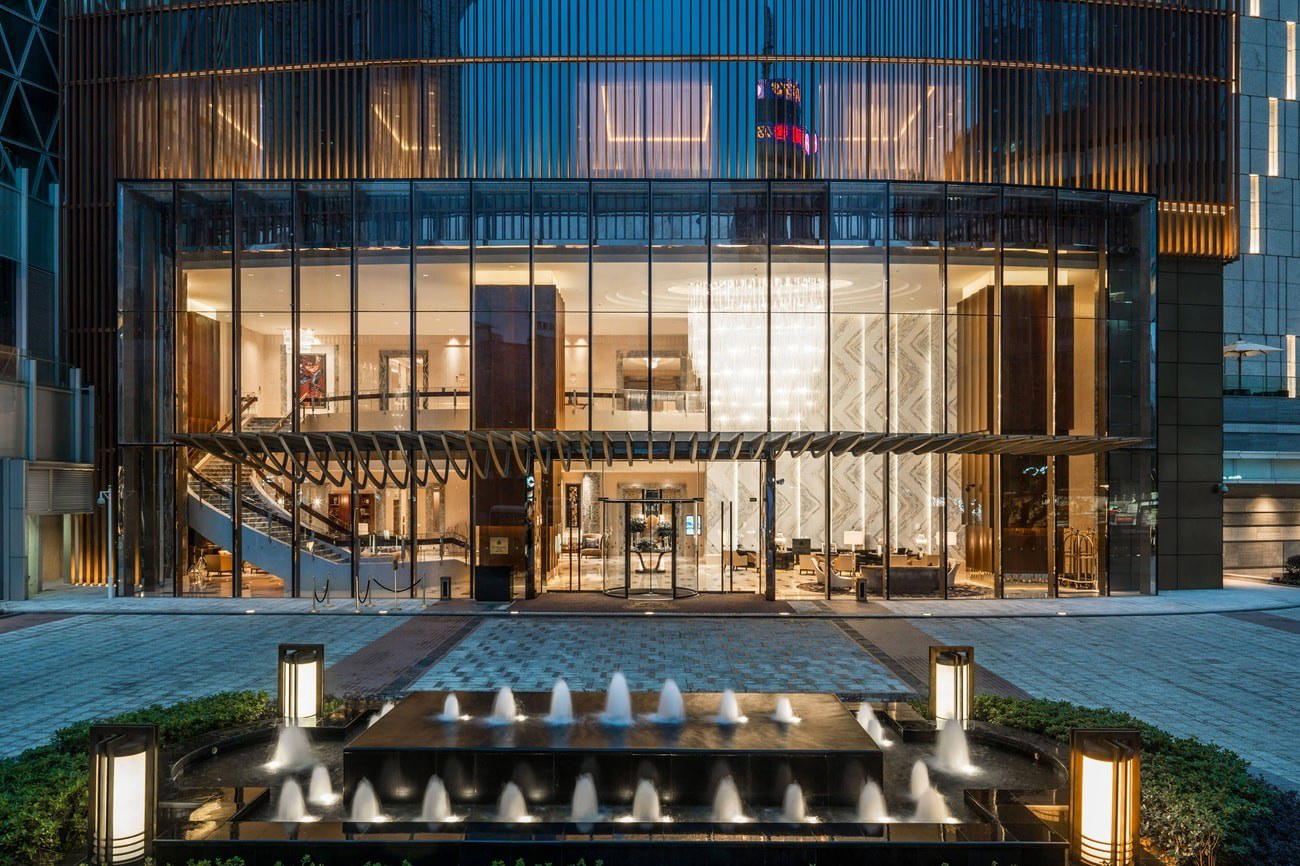
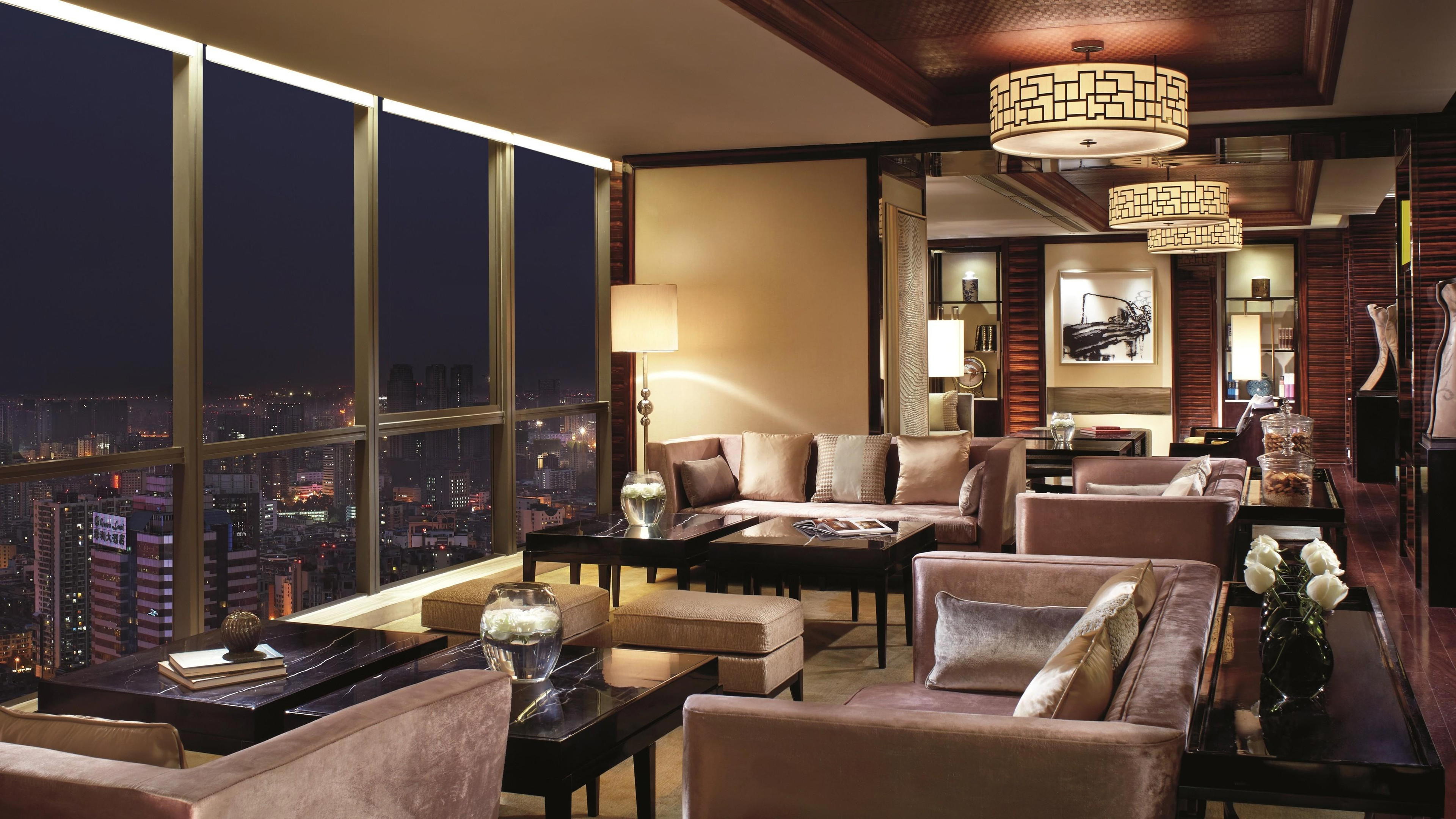
Refined and atmospheric, with guests describing the mood as especially strong and the setting as memorable.