Laemji
Our verdict
Laemji sits in Busan's Suyeong-gu district, a neighbourhood where the Gwangalli waterfront has drawn a new generation of destination restaurants. The address places it within a residential-commercial building overlooking the area's evolving dining strip, positioning it among Busan venues that serve a local-first clientele rather than a tourist circuit. Specific menu and format details remain sparse, which itself signals a word-of-mouth operation over a publicity-driven one.

Pearl is the En Primeur Club membership app, where members save venues, book tables and use the concierge.
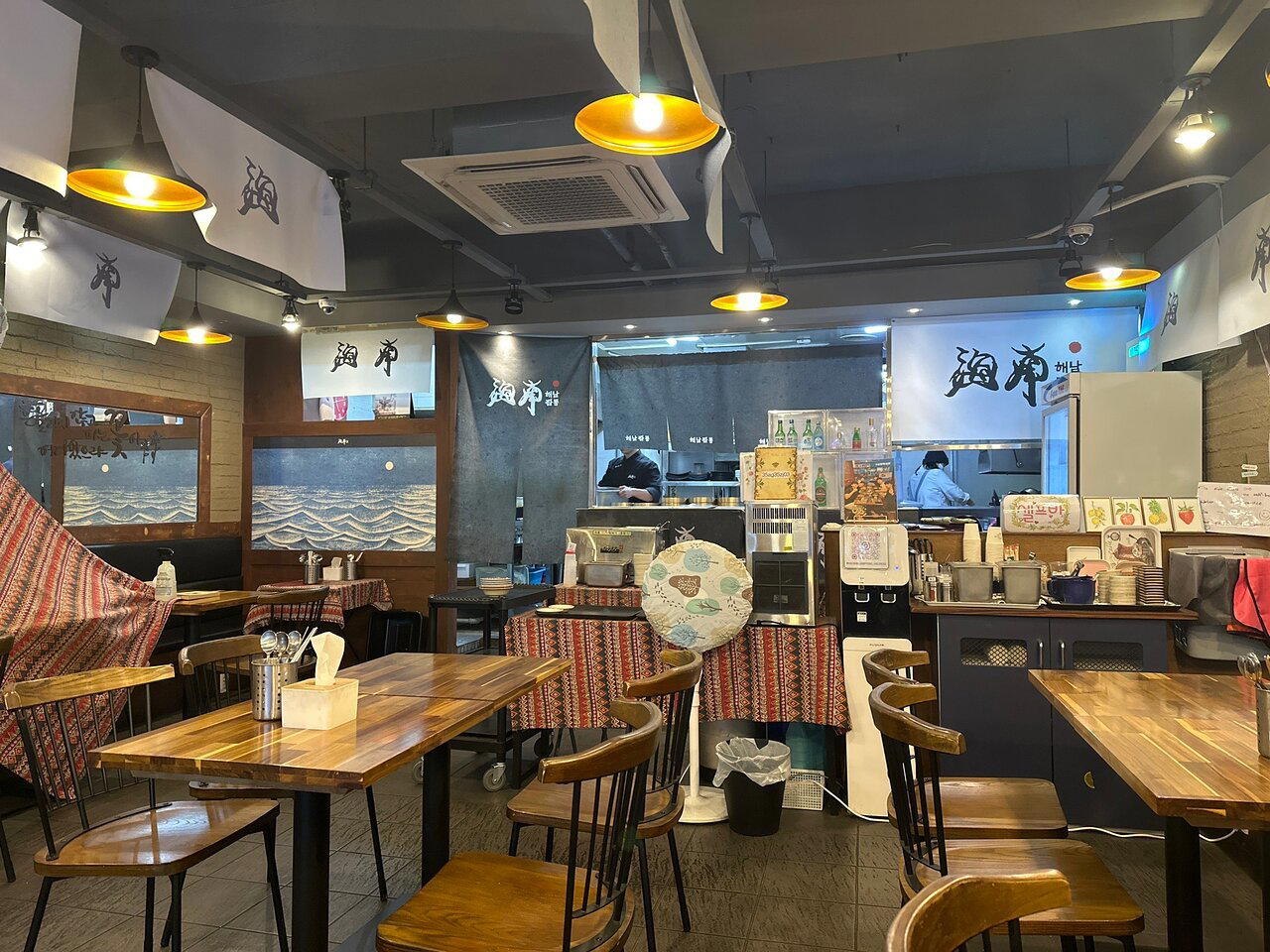
The menu
What to order
- Grilled Mackerel with Spicy Sauce
- Beef Tartare with Sesame Oil
Gwangalli's Quieter Register
Busan's dining geography has sharpened considerably over the past decade. The city once split cleanly between tourist-heavy Haeundae and the older, denser eating culture of Jagalchi and Nampo-dong. Suyeong-gu, and specifically the Gwanganhaebyeon-ro corridor behind Gwangalli Beach, has emerged as a third axis: residential enough to stay off most visitor itineraries, yet close enough to the waterfront to attract a clientele with money and appetite. Laemji sits at number 38 on that stretch, on the third floor of a building that offers no ground-floor theatre. The entrance is deliberate. You arrive knowing where you are going, or you do not arrive at all.
That geography matters because it shapes the competitive context. Venues in this tier of Suyeong-gu are not competing with the tourist-facing seafood halls of Millak-dong or the red-meat operations that serve the Haeundae hotel crowd. In Busan specifically, that format has gained ground as the city's food scene has diversified beyond its coastal staples into something with broader ambition. For a cross-section of that ambition across the city, our full Busan restaurants guide maps the range.
The Arc of a Meal in This Format
Korean dining has always understood the meal as a sequence, even when the architecture is not formally described as a tasting menu. The logic of banchan, small dishes arriving in waves, calibrated to accompany a central protein or broth, is itself a kind of progression, one where the cook controls tempo and the diner follows. At venues in Laemji's general tier and neighbourhood, that sequencing has become more considered. The influence of formal Korean fine dining, a category that Mingles in Seoul helped define for international audiences, has filtered outward. Even mid-market operations now think in terms of arc: how a meal opens, what anchors the middle, and how it resolves.
What can be said is that the venue's location within a residential block in Suyeong-gu, and the absence of promotional infrastructure, places it firmly in the category of restaurants where the kitchen does the communicating. In Korean food culture, that is not an unusual posture. It is, in fact, a traditional one: the assumption that the quality of ingredients and the skill of preparation speak without the mediation of a publicist. Venues in this mould tend to anchor their progression in seasonal availability, adjusting the sequence as supply dictates rather than as a printed menu permits.
The Gwangalli area provides strong supporting conditions for this approach. Proximity to Busan's fish markets and the shorter supply chains characteristic of Korea's regional cities mean that ingredient quality at this address is not an aspiration, it is a baseline expectation. The question for any venue in this position is not whether the raw material is good, but what it does with the progression from first course to last.
Where Laemji Sits in Busan's Wider Structure
Busan's restaurant spectrum runs wide. At the accessible end, operations like 100.1. Pyeongnaeng, which specialises in naengmyeon, and 1969 Buwondong Kalguksu represent the single-dish tradition: a format refined over decades, priced for regulars, and largely indifferent to the premium dining conversation. At the upper end, Born and Bred occupies the steakhouse tier where the price signal is unambiguous. Between those poles, venues like Palate and Mori sit in the contemporary and Japanese registers respectively, each operating with a clearer format than Laemji's available data currently confirms.
Laemji's address in a third-floor unit on Gwanganhaebyeon-ro places it in the mid-to-upper tier by geography alone: this is not a budget strip. The building number and floor suggest a deliberate remove from street-level foot traffic, a format that in Seoul's Gangnam or Itaewon neighbourhoods typically correlates with a reservation-dependent clientele and a kitchen that can price for that audience. Whether the same logic holds as firmly in Busan's Suyeong-gu is a function of the local market, where the ceiling for per-head spend remains somewhat lower than in the capital, even as the gap has been narrowing. Comparison points outside Korea are instructive here: the format of a low-profile, upper-floor room with deliberate obscurity as a filtering mechanism has proven durable everywhere from New York, where Atomix operates a comparable low-signage model, to the fine-dining tradition of Le Bernardin in Midtown, where reputation substitutes for visibility.
Elsewhere in the broader Korean region, the contrast is useful. Jeju Island operations like Badang Lounge and the pork-focused Black Pork BBQ in Seogwipo reflect a different market dynamic entirely: tourism-driven, volume-oriented, and built on ingredient specificity rather than format sophistication. Suwon's Doosoogobang and Gyeongju's traditional operations such as Hwangnam Bread and Busan Steamed Bun anchor their identity in regional specificity. Laemji's Busan context sits somewhere between those poles: a city with genuine culinary depth, a growing appetite for mid-to-upper dining formats, and a waterfront geography that rewards venues willing to trade visibility for selectivity.
Planning a Visit
The address at Gwanganhaebyeon-ro 284beon-gil, 38, Room 304, Suyeong-gu, Busan places Laemji within reach of Gwangalli Beach by foot and accessible from the wider Haeundae area by a short taxi or subway ride. The third-floor location means there is no walk-in dynamic to rely on. Given the absence of a published website or phone number in public records, the most reliable approach is to enquire through local booking aggregators or hotel concierge services that maintain direct contacts with Suyeong-gu venues. Timing matters: Busan's dining scene is busiest during the summer beach season and around major Korean public holidays, when reservation lead times across the city extend noticeably. Visiting outside those windows, particularly in the cooler months from October through February, tends to open up availability at venues that rely on a local rather than a visitor base. For comparison operations in Busan's Suyeong and Haeundae corridors, the Dining Room and 88돼지 in Jeju reflect adjacent formats worth cross-referencing when planning a broader South Korea itinerary. Galbi enthusiasts planning a regional circuit might also factor in Gobojeong Galbi in Suwon and Gyeongju Wonjo Kongguk for contrast. And for those approaching Busan via Japan's southern island, Hinode in Seogwipo represents the Japanese culinary influence that runs through Korea's coastal dining culture at its most direct.
Frequently asked questions
How do I find Laemji?
Laemji is located at South Korea, Busan, Suyeong-gu, Gwanganhaebyeon-ro 284beon-gil, 38 í´ë§í´íì 304í¸, Busan.
Is Laemji a good option for a quiet dinner near Gwangalli Beach without the crowds of Haeundae?
The third-floor address on a residential stretch of Gwanganhaebyeon-ro in Suyeong-gu places Laemji well outside the tourist circuit that concentrates around Haeundae. Gwangalli Beach is reachable on foot from the venue, offering a waterfront setting without the volume of foot traffic that defines Haeundae's dining strip. That physical separation from the main tourist corridor is the practical answer to the question.
What dish is Laemji famous for?
Its location in Suyeong-gu, near the Gwangalli waterfront, places it in a neighbourhood where proximity to coastal markets makes seafood-adjacent preparations common, but attributing a signature dish without verification would be guesswork. For accurate dish information, arriving and asking is the most reliable method.
What's the best way to book Laemji?
In Suyeong-gu specifically, turning up in person or asking locally connected contacts to make an introduction tends to be the working approach for venues operating this way.
Reputation First
Comparable venues nearby, for context on price, style, and recognition.
| Venue | Cuisine | Price | Awards | Notes |
|---|---|---|---|---|
| LaemjiThis venue (the venue you are viewing) | Modern Korean Seafood | Not listed | Not listed | Not listed |
| 모리 | korean | Not listed | Not listed | Jung 1(il)-dong |
| íì°ì¥ | Traditional Korean Pajeon | $10–20 | Not listed | Choryang 1(il)-dong |
| Sea Maru Abalone Porridge | Korean Abalone Porridge | Not listed | Not listed | Haeundae-gu |
| 코르 파스타바 | Modern Italian Pasta Bar | $10–20 | Michelin Bib Gourmand | Jeonpo 1(il)-dong |
| Namagjib | Modern Dwaeji-Gukbap | $10–20 | Michelin Plate | Daeyeon 3(sam)-dong |
Continue exploring
More in Busan
Restaurants in Busan
All restaurants in Busan →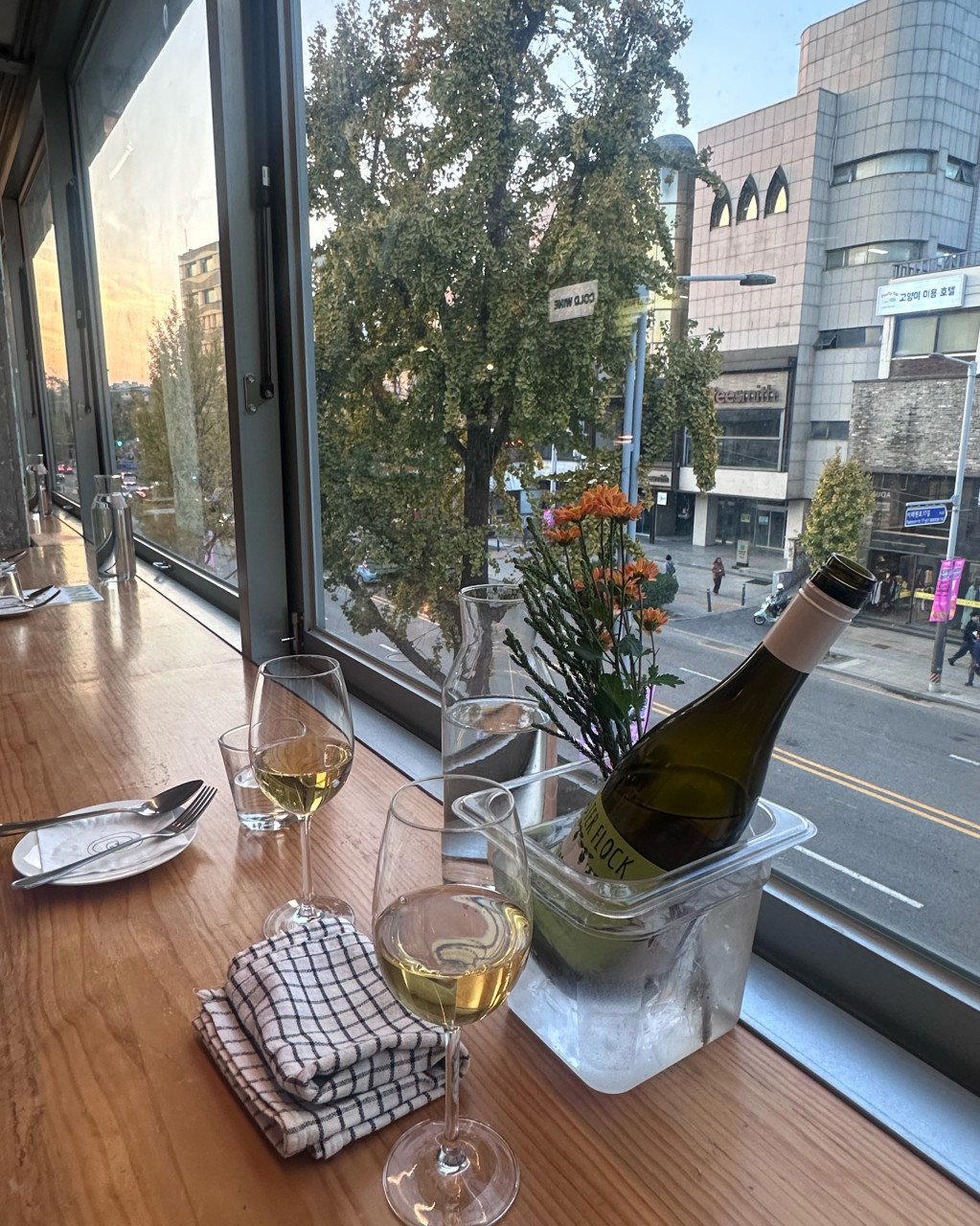
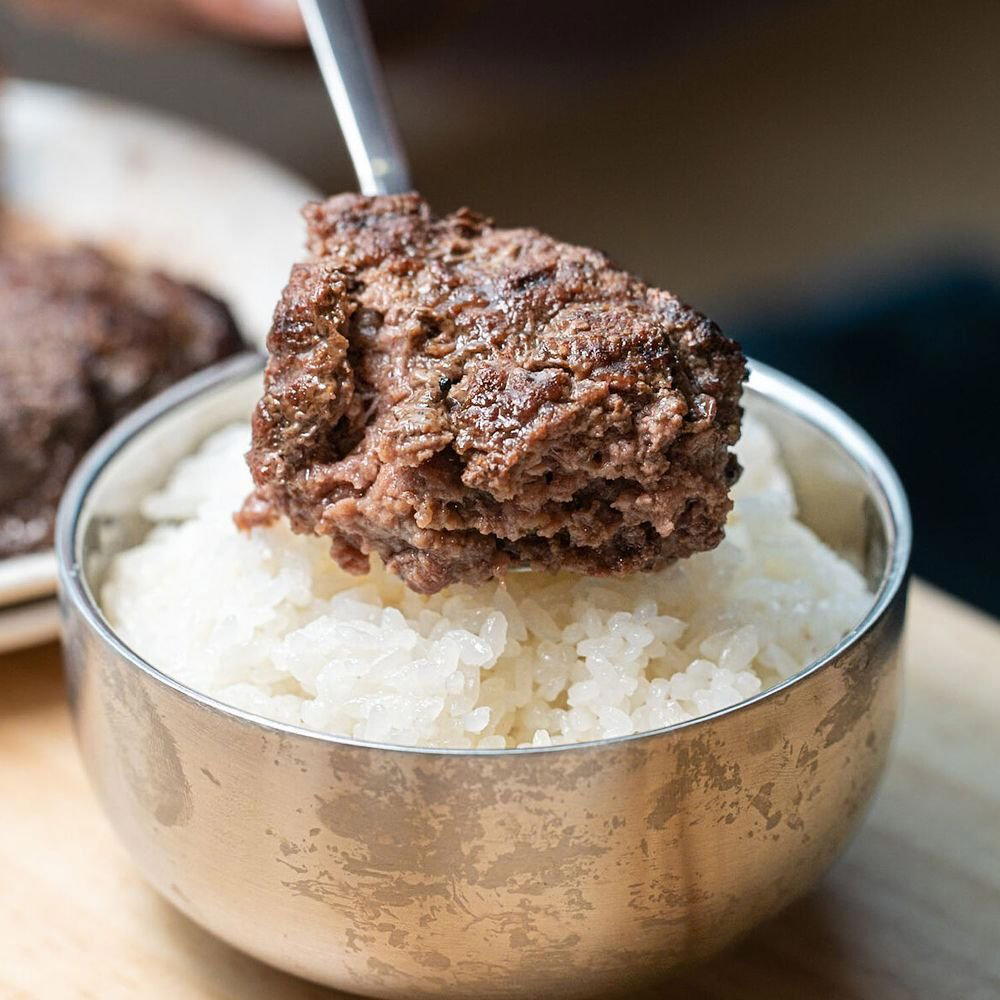
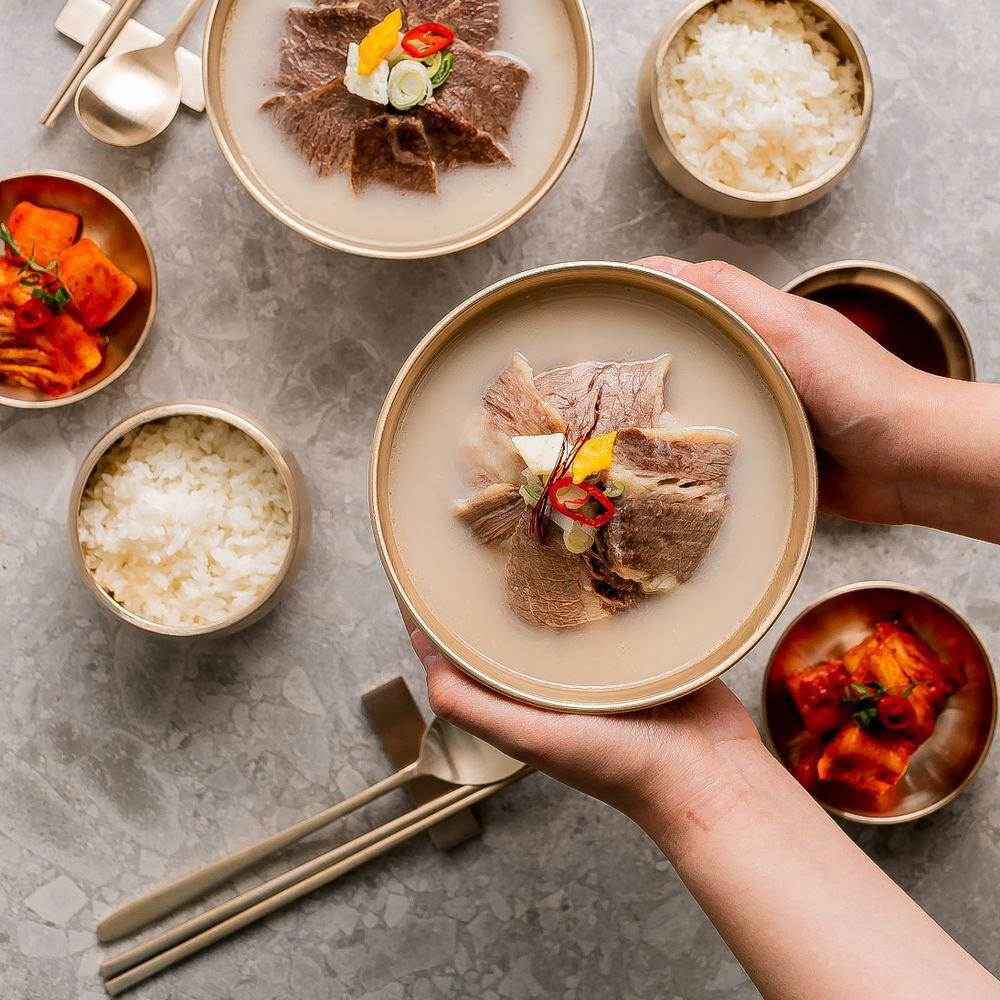
Bars in Busan
All bars in Busan →
Details
- Scenic
- Elegant
- Date Night
- Special Occasion
- Waterfront
- Local Sourcing
- Waterfront
- A La Carte
Current opening hours
- Monday
- Closed
- Tuesday
- Closed
- Wednesday
- 12–10 PM
- Thursday
- 12–10 PM
- Friday
- 12–10 PM
- Saturday
- 12–10 PM
- Sunday
- 12–10 PM
Hours can change for holidays and private events. Hours as of .
Oceanfront ambiance with well-known views enhancing the elegant dining experience.