코르 파스타바
코르 하우스바드 sits on the second floor of a Dongseong-ro address in Busan's Busanjin District, occupying a tier of the city's dining scene where front-of-house craft and kitchen output are expected to work in close alignment. Details on cuisine type, pricing, and booking are best confirmed directly with the venue before visiting.
 Discover on Pearl
Pearl is the En Primeur Club membership app — saves, bookings, and concierge access live there. Same editors, same standards.
- Address
- South Korea, Busan, Busanjin District, Dongseong-ro 25beon-gil, 13 2 층
- Phone
- +821023664570
- Website
- catchtable.net
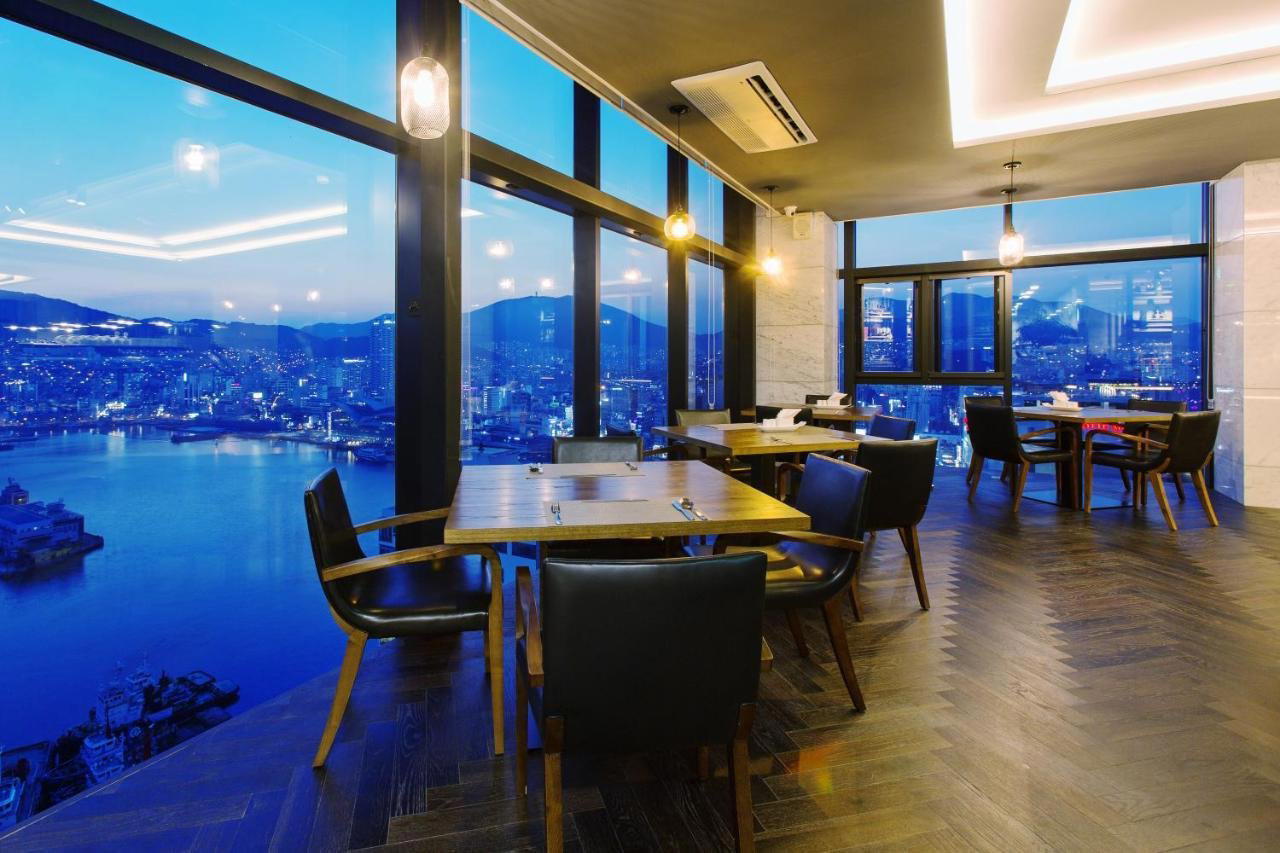
Busanjin's Upper Floor: Where Busan's Collaborative Dining Model Takes Shape
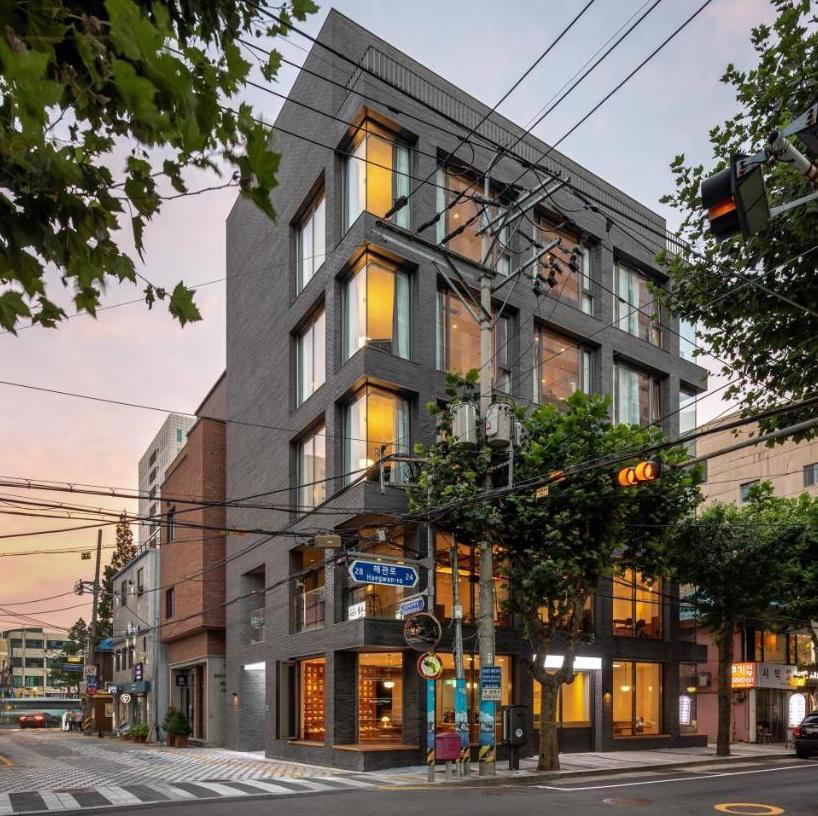
The dining room is upstairs. That detail matters more than it might seem. In Busan's Busanjin District, the restaurants that occupy second-floor addresses along Dongseong-ro and its side streets tend to operate on a different register from the street-level spots beneath them. The climb filters the crowd, reduces foot traffic, and creates the kind of deliberate arrival that separates a considered dining experience from a casual one. 코르 파스타바, on the second floor of a building along Dongseong-ro 25beon-gil, sits inside that pattern.
Busanjin has developed into one of the more interesting pockets of Busan's restaurant scene over the past several years, attracting formats that wouldn't survive on tourist-heavy Haeundae prices or in the older, more traditional dining corridors near Jagalchi. The district rewards the visitor who treats Busan as more than a weekend extension of Seoul, and 코르 하우스바드 is the kind of address that makes that case.
The Collaborative Frame: Kitchen, Floor, and Glass Working Together
Across Busan's newer generation of serious dining rooms, the clearest differentiator between venues at the same price tier is not the menu alone. It is whether the kitchen, the front-of-house, and any drinks program are operating as a single coordinated system or as three separate departments tolerating each other. The restaurants that have built sustained recognition in the city tend to be the ones where the floor team understands the food well enough to narrate it, and where the drinks selection has been chosen to extend rather than contradict what arrives from the kitchen.
This is the framework through which 코르 파스타바 is worth understanding. The Dongseong-ro address and upper-floor format both signal a venue designed around a particular kind of evening rather than volume throughput. Whether the kitchen leans Korean or somewhere between, the format suggests a tasting progression rather than a carte-driven approach, where the sequence of courses and the pacing of service are part of the offer. Venues operating in this mode in Busan currently include Palate, which works at a contemporary mid-range price point, and Mori, which handles Japanese cuisine at a higher spend level. Both illustrate how different the same collaborative-dining model can feel when executed through a different culinary tradition.
Further up the price bracket, Born and Bred demonstrates how a steakhouse format can be repositioned as a high-intention dining event when the floor team is capable of holding a guest through a longer meal. At the other end of the spending range, 100.1.Pyeongnaeng and 1969 Buwondong Kalguksu show that precision and craft in a single-dish format require no less coordination between kitchen and service, even when the format is stripped back and the price is low.
Busan in a Broader Korean Dining Context
Busan occupies a specific position in South Korea's dining hierarchy. Seoul gets the international attention, the concentration of Michelin stars, and the export of chefs whose training gets cited in conversation from Mingles on up. Busan operates with less international scaffolding but more local confidence. The city's food culture is grounded in seafood, in pork-based broths, in the kind of ingredient-forward cooking that doesn't require a tasting menu format to justify itself.
What's happened over the past decade is that a subset of Busan's dining venues has begun building on that foundation without abandoning it, adding service sophistication and drinks programs that place them in conversation with Seoul's more-discussed rooms. The comparison is instructive not because Busan is trying to replicate Seoul, but because the two cities are developing distinct answers to the same question: what does a serious Korean restaurant look like when it isn't bound by a single tradition. Atomix in New York City has made a version of that argument to an international audience; Le Bernardin in Manhattan demonstrates how a room built around a single protein category can sustain decades of front-of-house and kitchen alignment. The comparison across formats is intentional: the discipline required to keep a dining room operating as a system rather than a collection of components is not cuisine-specific.
Beyond Busan, the broader South Korean food scene offers useful reference points. The barbecue culture of Jeju, represented by 88돼지 and Black Pork BBQ in Seogwipo, is built on a completely different service dynamic, one where the guest controls the pace and the kitchen's role is preparation rather than progression. Suwon's Gobojeong Galbi and Doosoogobang represent regional galbi and noodle traditions that sustain themselves through product quality alone. Gyeongju's Hwangnam Bread and Busan Steamed Bun and Gyeongju Wonjo Kongguk operate in a heritage register entirely. Badang Lounge in Jeju and Hinode in Seogwipo show how island hospitality has developed its own service idiom. Dining Room (다이닝룸) in Busan proper represents the city's attempt at a format-driven room with an explicit fine-dining vocabulary. Each of these sits in a different relationship to the collaboration question: how much of the experience depends on coordination between the people serving and the people cooking.
Visiting: What to Know Before You Go
The address is 13 2층, Dongseong-ro 25beon-gil, Busan's Busanjin District. Hours and booking availability should be confirmed at the venue level, as details that have not been verified independently are not reproduced here. Given the format signals, a reservation is advisable rather than a walk-in attempt, particularly for weekend evenings when Busanjin draws the most visitor traffic. Arriving on time matters more in a structured dining format than in a casual one, where a late start affects not just your meal but the pacing for the whole room.
A Pricing-First Comparison
Comparable venues nearby, for context on price, style, and recognition.
| Venue | Cuisine | Price | Awards | Notes |
|---|---|---|---|---|
| 코르 파스타바This venue — the venue you are viewing | $$$ | , | ||
| Kobe Gyukatsu | $$ | , | Bujeon 2(i)-dong, Japanese Gyukatsu | |
| í ë¼íì¿ ê° | $$$ | , | Jung 1(il)-dong, Traditional Korean Steakhouse | |
| Piotto | $$$ | , | Jung 2(i)-dong, Contemporary Italian | |
| 싱싱뽈락회 | 해운대, Natural Pollack Sekkosi Specialist | $$$ | , | |
| 모리 | , | , | Jung 1(il)-dong, korean |
At a Glance
- Intimate
- Elegant
- Cozy
- Date Night
- Special Occasion
- Solo
- Chefs Counter
- Open Kitchen
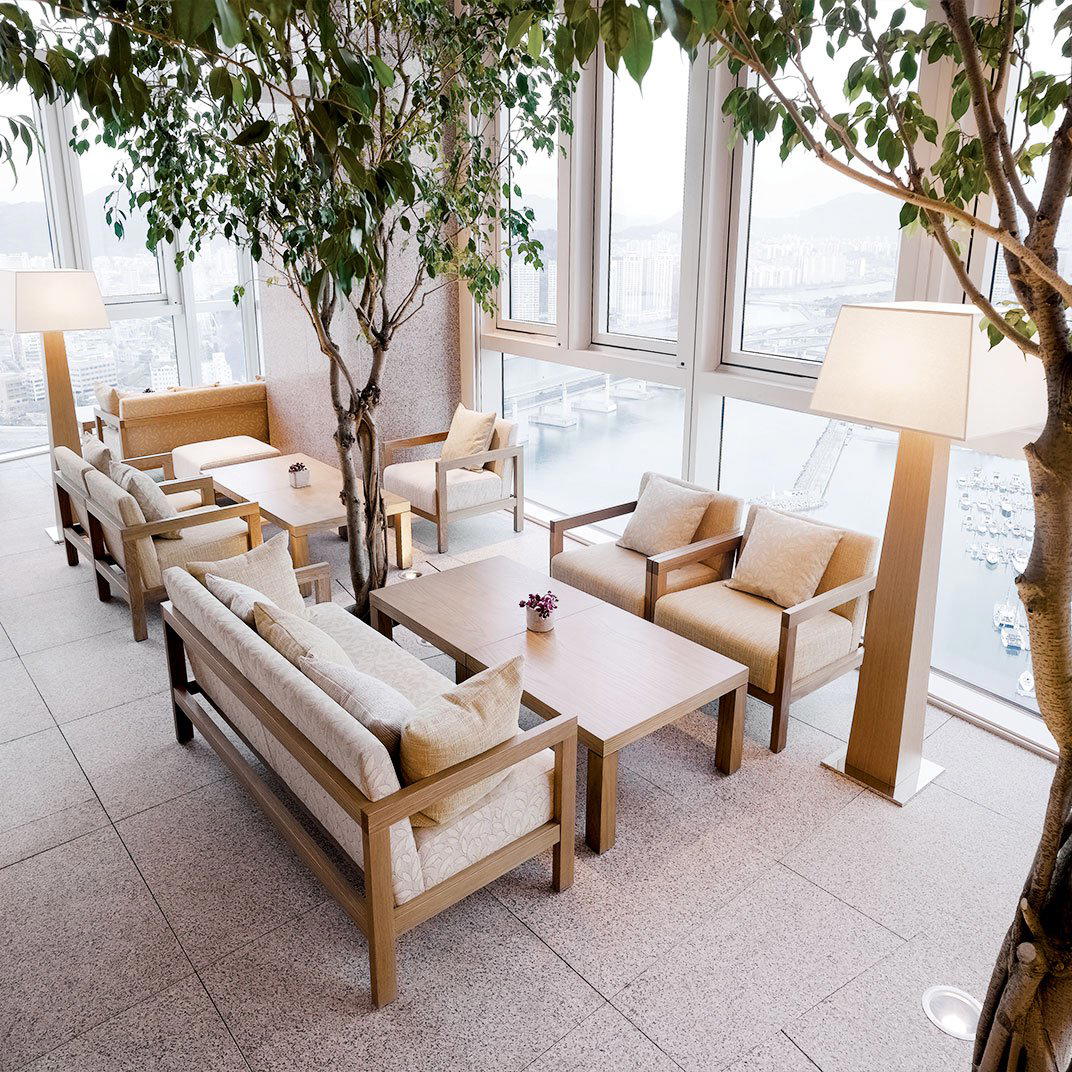
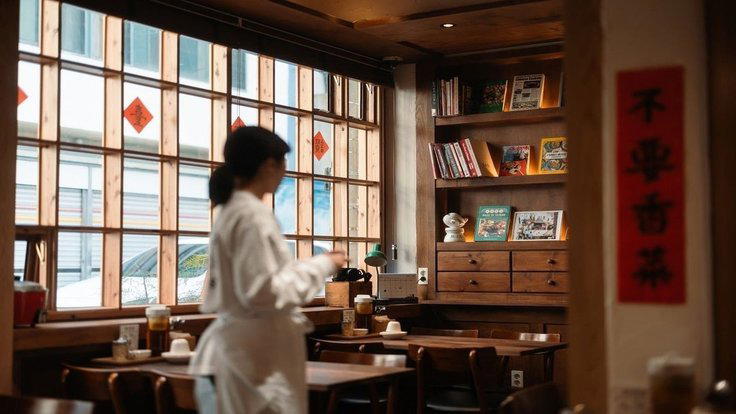
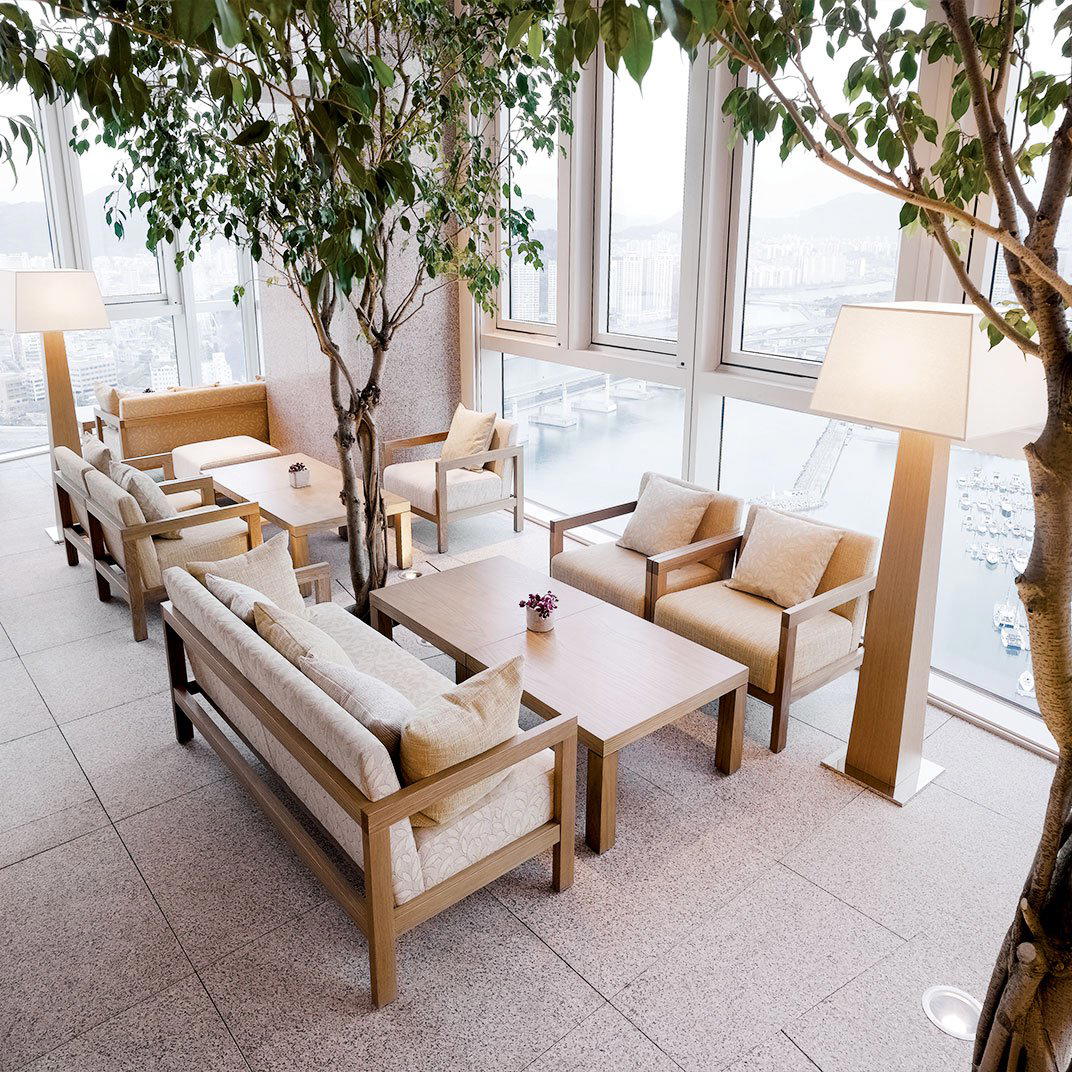
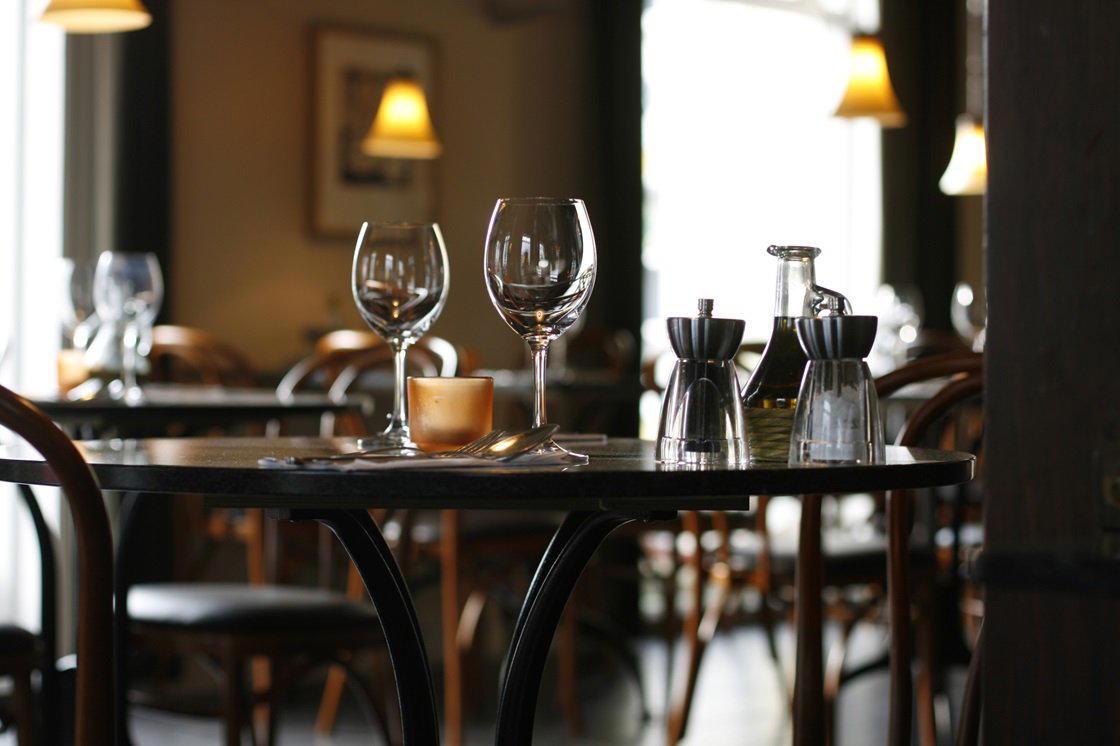
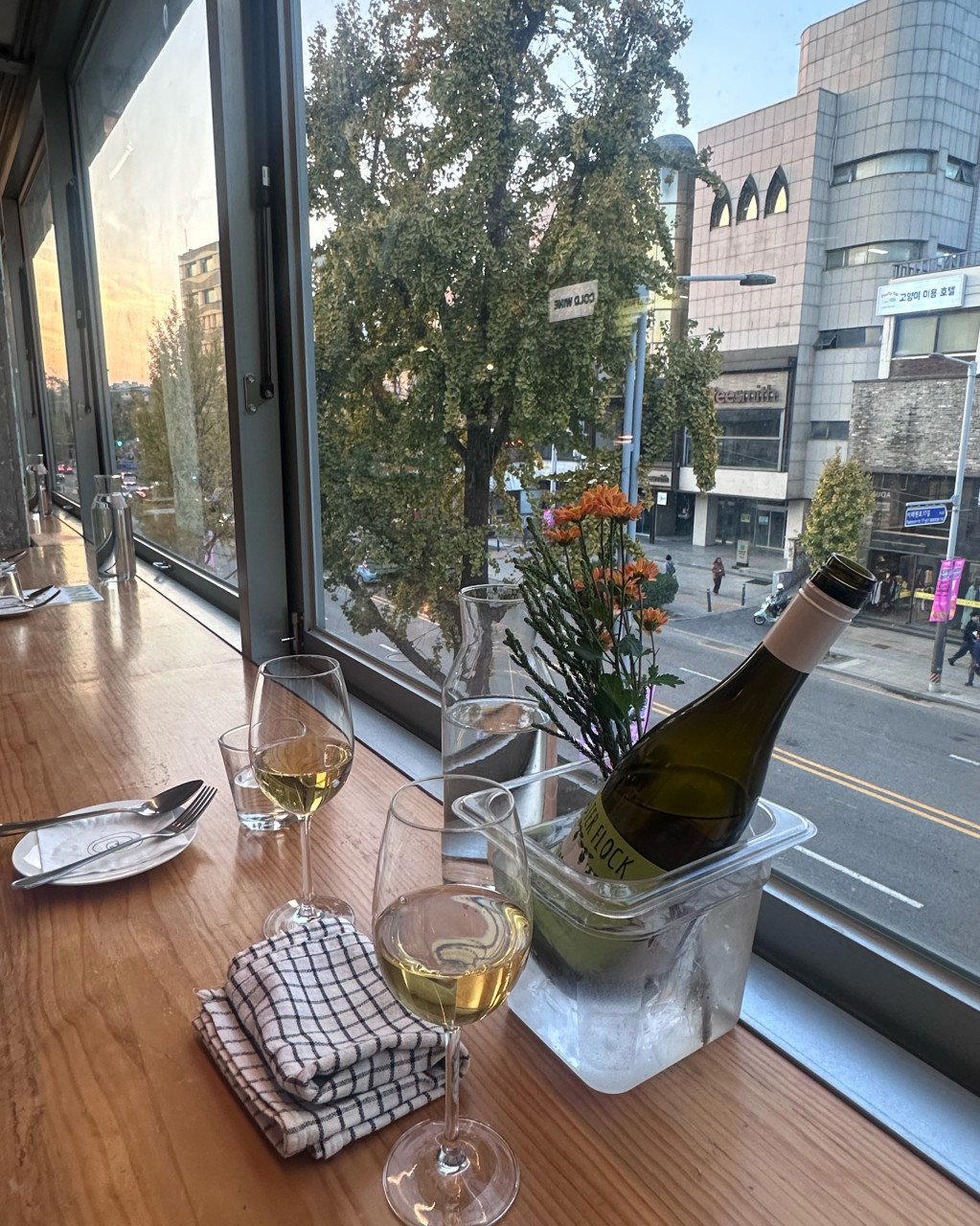
Petite yet cozy space adorned with fine tableware, glassware, and original artwork, creating an intimate and refined dining atmosphere.