Le dorer

1 Michelin Star
Our verdict
Le dorer sits in Busan’s contemporary Korean lane, using local seasonal ingredients as the argument rather than decoration. Its Michelin Plate recognition in 2024 and 2025 places it among the city’s more serious tasting-menu rooms, with Korean foundations shaped by French and Japanese technique and an ocean-view dining room reached through a small alley.

Pearl is the En Primeur Club membership app, where members save venues, book tables and use the concierge.
The menu
What to order
- Seared Scallops with Citrus Emulsion
- Wagyu Beef with Truffle Mashed Potatoes
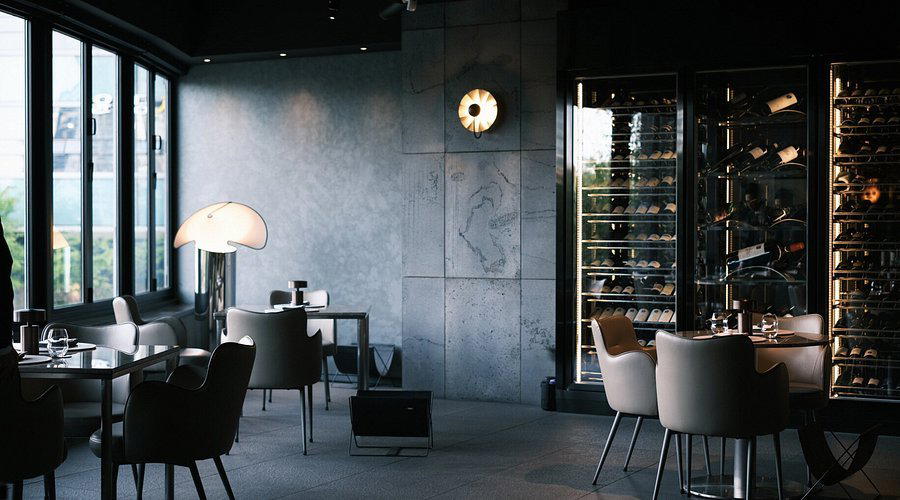
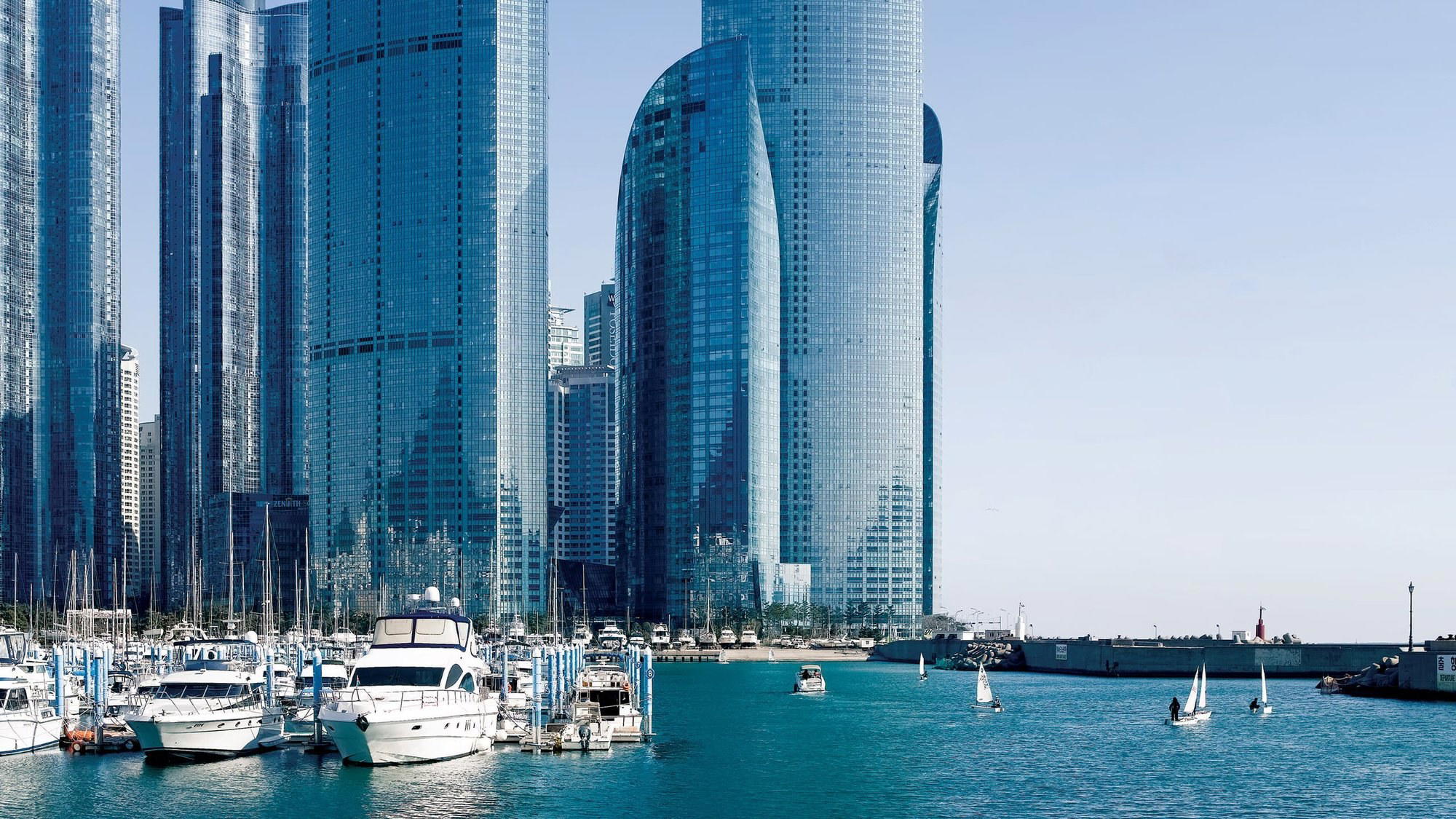
The approach begins with a small alley, then shifts into a speakeasy-like dining room where the sea becomes part of the meal’s framing. In Busan, that matters. The city’s dining identity is often read through casual counters, seafood restaurants, noodle specialists, and everyday local rooms, but its newer contemporary rooms are trying to translate the port city’s ingredients into a slower, more composed format.
Le dorer belongs to that smaller tasting-menu tier: contemporary Korean in structure, seasonal in sourcing, and more restrained than the high-energy dining rooms that define much of the coast. Michelin Plate recognition in 2024 and 2025 gives it an external marker without turning the room into a trophy exercise. The stronger point is local: Busan has enough seasonal raw material to support modern Korean cooking without borrowing another city’s dining vocabulary wholesale.
Seasonal Busan ingredients, treated through a contemporary Korean lens
The restaurant’s position is clearest in its ingredient logic. The cooking is described around seasonal local produce and the modernisation of traditional Korean cuisine, with French and Japanese technique used as supporting grammar rather than a change of nationality. That distinction is useful in Busan, where contemporary restaurants can drift toward generic luxury if the local supply chain disappears behind imported luxury cues.
Here, the editorial interest is the Korean base. The room began as a Korean restaurant and developed toward a contemporary style, so the tasting menu reads less like a rejection of tradition than a controlled revision of it. French technique can sharpen sauce work and sequencing; Japanese influence can tighten knife work, clarity, and restraint. Neither needs to dominate when the central promise is seasonal Busan produce.
That puts the restaurant in conversation with other contemporary Busan addresses such as Palate and Chef Gon. The distinction is not simply formality. A tasting menu has to justify pacing, ingredient selection, cellar depth, and room control, not just plating ambition.
Busan’s older food grammar remains essential context. A diner who understands the city through its everyday counters, noodle specialists, and casual local rooms will read this kind of contemporary dining more sharply. The point is not that one replaces the other. The point is that a modern tasting room has more credibility when it can be measured against the city’s everyday food traditions.
A quiet luxury format with wine as part of the structure
The speakeasy-like entry and ocean-facing room set a more controlled tempo than Busan’s open-street energy. That format suits a tasting menu, where the room needs to hold attention across courses rather than simply deliver a single headline dish. The well-stocked wine cellar and pairings are significant here because contemporary Korean tasting menus often ask wine to do difficult work: acidity against fermented flavours, texture against seafood, and enough aromatic range for dishes that may move between Korean, French, and Japanese reference points.
Michelin Plate recognition is a useful signal, but it should be read correctly. It is not a star rating, and it does not promise the theatrical polish associated with Korea’s highest-profile destination restaurants. It does indicate that Michelin found the cooking worth noting in consecutive editions, which matters in a city where the premium dining conversation is still less internationally mapped than some larger dining capitals.
The chef is described as a young Busan chef, which is relevant less as biography than as civic positioning. Contemporary Korean cooking in Busan works well when it is not a coastal copy of another city. Local authorship gives the menu a reason to look nearby first, and the seasonal-ingredient emphasis makes that more than a slogan.
For a broader Korean itinerary, the contrast is useful. Busan’s contemporary dining scene can be read alongside other dining in the city, while other regional tables show how different Korean places express ingredient identity. Even outside Korea, contemporary restaurants make the same point from another angle: contemporary cooking only becomes interesting when place, technique, and restraint stay in proportion.
How to place it within a Busan food trip
Le dorer makes the strongest case as the composed dinner in a Busan itinerary built around contrast. Busan gives the room its sea-facing frame, while the menu’s contemporary Korean format offers a slower reading of the region’s ingredients than the city’s casual counters and everyday dining rooms. It is better treated as an evening for pacing and pairings than as a quick stop between plans.
The format also shapes the decision. This is a more deliberate booking than much of Busan’s everyday dining, and the value lies in format: tasting-menu progression, seasonal local sourcing, Korean foundations, and a cellar built to support the meal. Diners looking for a broader read on the city can pair it with the practical curation in Our full Busan restaurants guide, then use Our full Busan hotels guide, Our full Busan bars guide, Our full Busan wineries guide, and Our full Busan experiences guide to build the rest of the stay.
The wider Korean map adds useful counterpoints, with other regional tables pointing to different relationships between place and table. In that company, this Busan address is not trying to be louder than the city around it. Its appeal is narrower and more useful: a contemporary Korean tasting menu that keeps local seasonality at the centre, with enough technique and wine structure to make the case feel complete.
Frequently asked questions
Is Le dorer suitable for children?
Le dorer is a tasting-menu restaurant in Busan, so it suits older children who can manage a formal meal. The Michelin Plate recognition and composed format point to a quieter dining room than a casual family spot.
What's the overall feel of Le dorer?
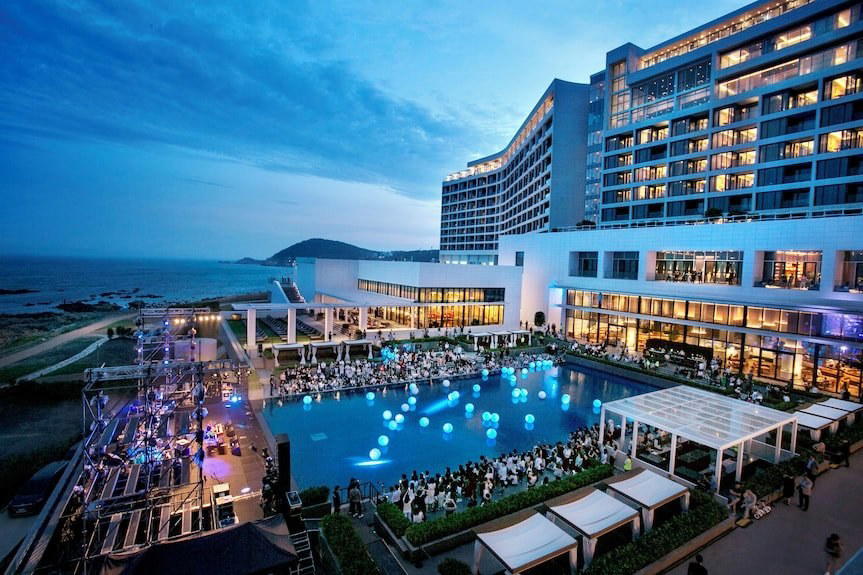
The room is speakeasy-like, with expansive ocean views and a controlled tempo. Its contemporary Korean tasting menu, seasonal local ingredients, and wine pairings give it a polished dinner-house feel in Busan.
Is Le dorer Michelin-listed?
Le dorer has received Michelin Plate recognition in 2024 and 2025. Michelin describes it as led by a young chef from Busan, with a tasting menu that modernises traditional Korean cuisine around seasonal local ingredients.
What style of cooking does Le dorer do?
Le dorer serves a tasting menu that modernises the essence of traditional Korean cuisine, with seasonal local ingredients at its core and subtle French and Japanese influences.
Comparable Spots, Quickly
Comparable venues by cuisine and price in the same metro.
| Venue | Cuisine | Price | Awards | Notes |
|---|---|---|---|---|
| Le dorerThis venue (the venue you are viewing) | Modern Korean Fine Dining | $150–200 | 1 Michelin Star | Not listed |
| Palate | Contemporary French with Korean Fusion | $150–200 | 1 Michelin Star · La Liste Top Restaurants | Contemporary |
| Chef Gon | Modern Seafood Tasting Menu | $100–150 | Michelin Plate | Contemporary |
Recognition history
Dated appearances from independent guides and award organizations, with the underlying list record or original source where available.
Michelin 1 Star
Michelin
Full recognition history (3 entries)
Michelin Plate
Michelin
Michelin Plate
Michelin
Continue exploring
More in Busan
Restaurants in Busan
All restaurants in Busan →
Bars in Busan
All bars in Busan →
Details
- Elegant
- Modern
- Sophisticated
- Intimate
- Special Occasion
- Date Night
- Waterfront
- Private Dining
- Extensive Wine List
- Local Sourcing
- Waterfront
- Tasting Menu
- Wine
Current opening hours
- Monday
- Closed
- Tuesday
- Closed
- Wednesday
- 12:30–2:30 PM, 6–10 PM
- Thursday
- 12:30–2:30 PM, 6–10 PM
- Friday
- 12:30–2:30 PM, 6–10 PM
- Saturday
- 12:30–2:30 PM, 6–10 PM
- Sunday
- 12:30–2:30 PM, 6–10 PM
Hours can change for holidays and private events. Hours as of .
Elegant blend of modern sophistication and traditional Korean elements with a speakeasy-like dining room featuring expansive ocean views.