Bibijae

Michelin Bib Gourmand
Our verdict
Bibijae brings Michelin Bib Gourmand recognition to one of Busan's more residential coastal stretches, Suyeong-gu, with a focused menu built around bibimbap. The kitchen works through both classic and seasonally inflected combinations, and every dish can be finished in a hot stone bowl. At the single-won price tier, it represents one of the more considered arguments for bibimbap as a serious format.

Pearl is the En Primeur Club membership app, where members save venues, book tables and use the concierge.
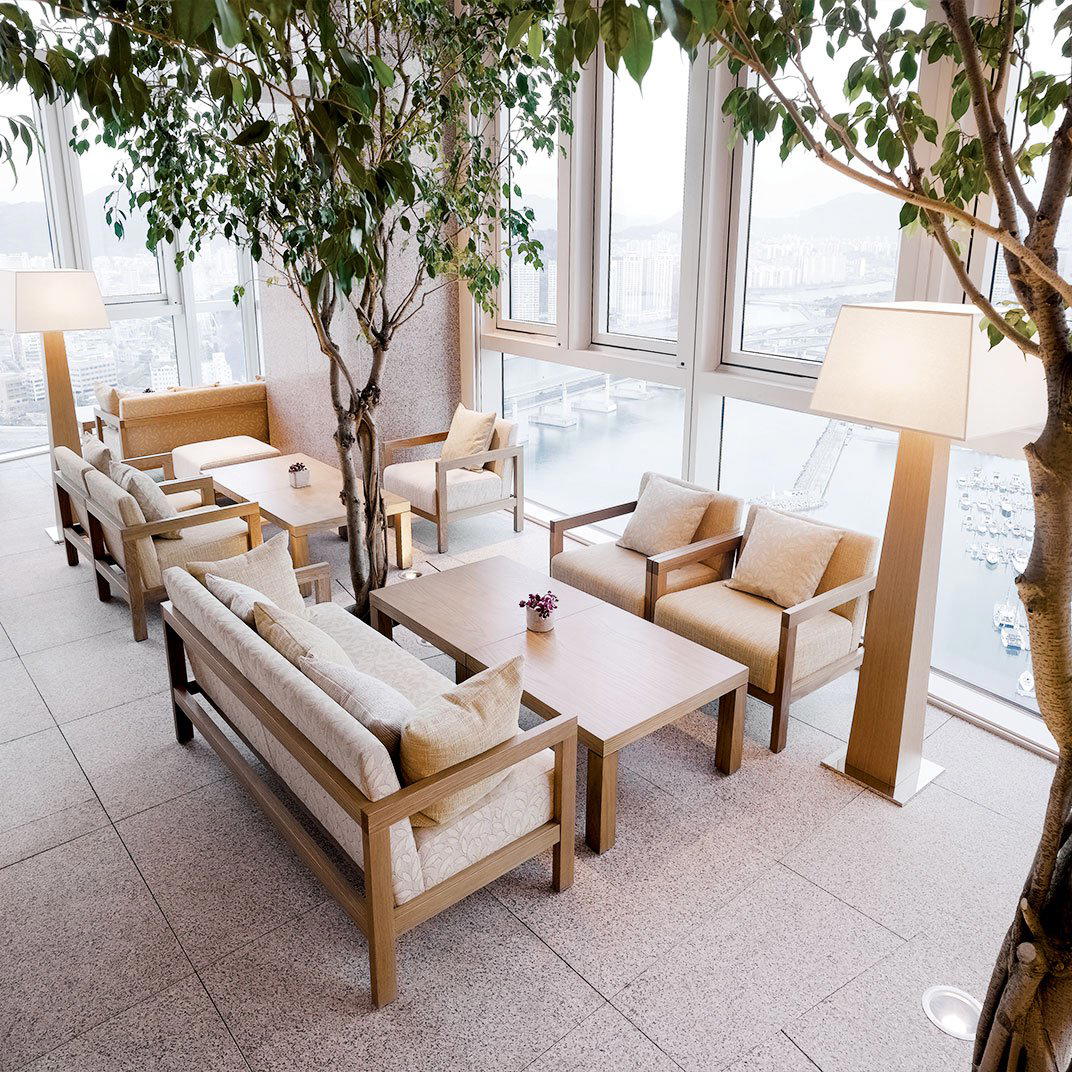
The menu
What to order
- Sichuan Pepper Bibimbap
- Spicy Pork Bibimbap
Suyeong-gu and the Case for Neighbourhood Dining in Busan
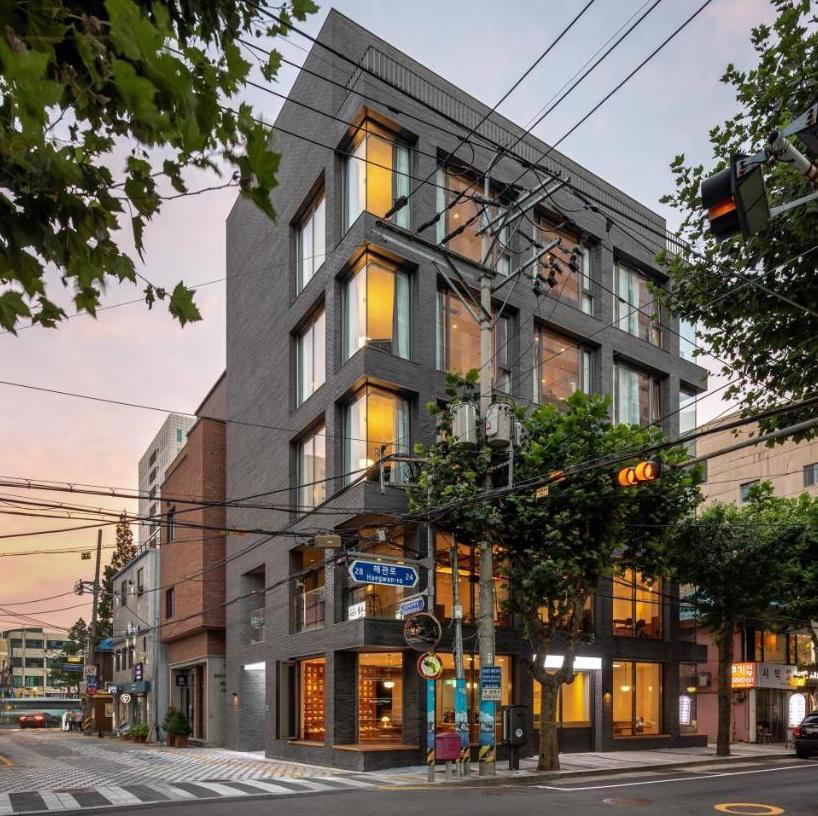
Busan's dining attention tends to cluster around Haeundae's beachfront strip or the older commercial energy of Seomyeon, but Suyeong-gu operates on a different logic. The district sits southeast of the city centre, pressed between the Suyeong River and the coast, and it sustains a local restaurant culture less shaped by tourist traffic than most of Busan's more prominent addresses. Namcheonbada-ro, where Bibijae sits at number 45, runs close to the water and carries the unhurried quality of a neighbourhood that feeds its own residents first. That context matters when you're evaluating what Bibijae does and why the Michelin Bib Gourmand committee noticed it in 2025.
The Bib Gourmand designation, awarded to restaurants offering good cooking at a price point below the starred tier, is a useful calibration tool in a city where Michelin recognition skews toward either high-end contemporary formats or long-standing specialist institutions. Busan's starred roster includes venues like Palate, a contemporary kitchen operating at ₩₩, and Mori, a Japanese counter at ₩₩₩. Bibijae sits below both in price and entirely outside their competitive set. Its peer group is places like Anmok (dwaeji-gukbap, ₩) and 100.1. Pyeongnaeng (naengmyeon, ₩), both operating at the single-won tier with the kind of format discipline that comes from doing one thing repeatedly and well. The Bib signals that Bibijae belongs in that category of focused, affordable, and technically considered cooking.
Bibimbap as a Serious Format
Bibimbap occupies a specific position in Korean culinary culture. It is simultaneously one of the most familiar dishes in the canon and one of the most variable: a base of rice topped with an arrangement of seasoned vegetables, protein, and gochujang paste, the whole thing mixed at the table. The flavor profile shifts substantially depending on ingredient quality, the ratio of components, and whether the dish is served in a hot stone bowl (dolsot), which crisps the bottom layer of rice and adds a textural dimension unavailable in the standard version.
What defines more ambitious bibimbap kitchens is the breadth of the ingredient vocabulary they apply to the format. In Seoul, venues like Gaon and Kwon Sook Soo situate bibimbap within multi-course fine dining, where it becomes one expression of Korean culinary tradition among many. Bibijae takes a different approach: the format is the entire focus, and the kitchen's ambition is expressed through the range of combinations on offer rather than through elaborate surrounding courses. That narrower focus is consistent with the Bib Gourmand tier, where restaurants tend to be defined by depth of specialisation rather than breadth of menu.
The kitchen works with seasonal ingredients alongside the standard components, which means the roster of combinations available shifts across the year. Seasonal produce integration is common across Korean restaurant formats, rooted in a culinary tradition that has historically tracked what is available and at its peak rather than maintaining fixed menus year-round. At Bibijae, that seasonal movement is applied specifically to the bibimbap format, producing variant combinations that extend what the dish can express. The hot stone bowl upgrade is available across the full menu, meaning the dolsot option is a matter of preference rather than a separate section of the menu.
The Chef and the Kitchen Context
The name itself signals a non-Korean background in a kitchen dedicated to a distinctly Korean format, a combination that has become less unusual across the region as culinary training has internationalised. Korean cuisine specifically has attracted sustained international attention over the past decade, reflected in the global recognition given to Seoul venues like Mingles and the broader conversation about Korean culinary tradition that institutions like Baegyangsa Temple represent at the other end of the formality spectrum. What Bibijae represents in that context is a focused, affordable expression of a traditional format, assessed on its own terms by the Michelin Bib Gourmand process rather than placed in a fine-dining hierarchy.
The Bib Gourmand award, granted in 2025, is the relevant credential here. It is a consistent signal across cities that a kitchen is executing its format with enough precision and value to merit recommendation to a reader who is spending thoughtfully rather than extravagantly. In Busan's context, that matters because the city has a different dining character than Seoul: more port-city directness, more emphasis on seafood and pork-based broths, and a slightly lower tolerance for high-price-point formalism. Bibijae's position in Suyeong-gu and its Bib designation together suggest a kitchen that fits its neighbourhood rather than one positioned against the city's more formal restaurant tier.
Planning a Visit
Bibijae sits at 45 Namcheonbada-ro in Suyeong-gu, a district accessible from central Busan and from Haeundae by metro along the line 2 corridor. The ₩ price tier makes it one of the more accessible Michelin-recognised addresses in the city, comparable in spend to Anmok or 100.1. Pyeongnaeng and well below the ₩₩ to ₩₩₩₩ range that covers Palate, Mori, and Born and Bred.
For a broader view of what Busan's restaurant scene offers across formats and price points, see our full Busan restaurants guide. Accommodation options across the city are covered in our full Busan hotels guide, and if you are building a wider itinerary, our full Busan bars guide, our full Busan wineries guide, and our full Busan experiences guide cover the rest of the city's premium offer.
Frequently asked questions
What does dinner at Bibijae typically cost?
Pricing at Bibijae is listed as ₩.
Where is Bibijae located?
Bibijae is located at 10byeon-gil, 45 Namcheonbada-ro, Suyeong-gu, Busan, South Korea, Busan.
Does Bibijae have a Michelin star or similar recognition?
Bibijae has received recognition including: Michelin Bib Gourmand (2025); Bibimbap is a versatile Korean dish with flavors that can drastically change depending on the ingredients. Bibijae offers bibimbap dishes made with creative combinations of ingredients and flavors. Diners can n….
What should I eat at Bibijae?
The entire menu is built around bibimbap, running from classic preparations to seasonal combinations that shift with available ingredients. Every bowl can be upgraded to a dolsot, the hot stone format that crisps the rice at the base. The 2025 Michelin Bib Gourmand recognition specifically calls out the creative ingredient pairings as the kitchen's defining strength.
Which chef is Bibijae associated with?
The chef associated with Bibijae is Daniel Pozuelo.
How far ahead should I plan for Bibijae?
Bibijae does not currently list a bookings page or phone number in public records, which suggests walk-in access may be the primary route. A Michelin Bib Gourmand listing in 2025 tends to accelerate foot traffic at smaller neighbourhood spots, so arriving early or at off-peak hours on weekdays is a practical precaution. The Suyeong-gu address on Namcheonbada-ro is reachable from central Busan via Line 2 metro.
Standing Among Peers
A quick snapshot of similar venues for side-by-side context.
| Venue | Cuisine | Price | Awards | Notes |
|---|---|---|---|---|
| BibijaeThis venue (the venue you are viewing) | Creative Bibimbap | $10–20 | Michelin Bib Gourmand | Not listed |
| Palate | Contemporary French with Korean Fusion | $150–200 | 1 Michelin Star · La Liste Top Restaurants | Contemporary |
| Mori | Japanese Kaiseki | $200–300 | 1 Michelin Star | Japanese |
| Born and Bred | Modern Hanwoo Beef Omakase Steakhouse | $100–150 | Michelin Plate · World's 50 Best #51 | Steakhouse |
| 100.1. Pyeongnaeng | Pyongyang-style Naengmyeon | $10–20 | Michelin Bib Gourmand | Naengmyeon |
| Anmok | Modern Korean Dwaeji-Gukbap | $10–20 | Michelin Bib Gourmand | Dwaeji-gukbap |
Recognition history
Dated appearances from independent guides and award organizations, with the underlying list record or original source where available.
Michelin Bib Gourmand
Michelin
Full recognition history (3 entries)
Michelin Bib Gourmand
Michelin
Michelin Bib Gourmand
Michelin
Continue exploring
More in Busan
Restaurants in Busan
All restaurants in Busan →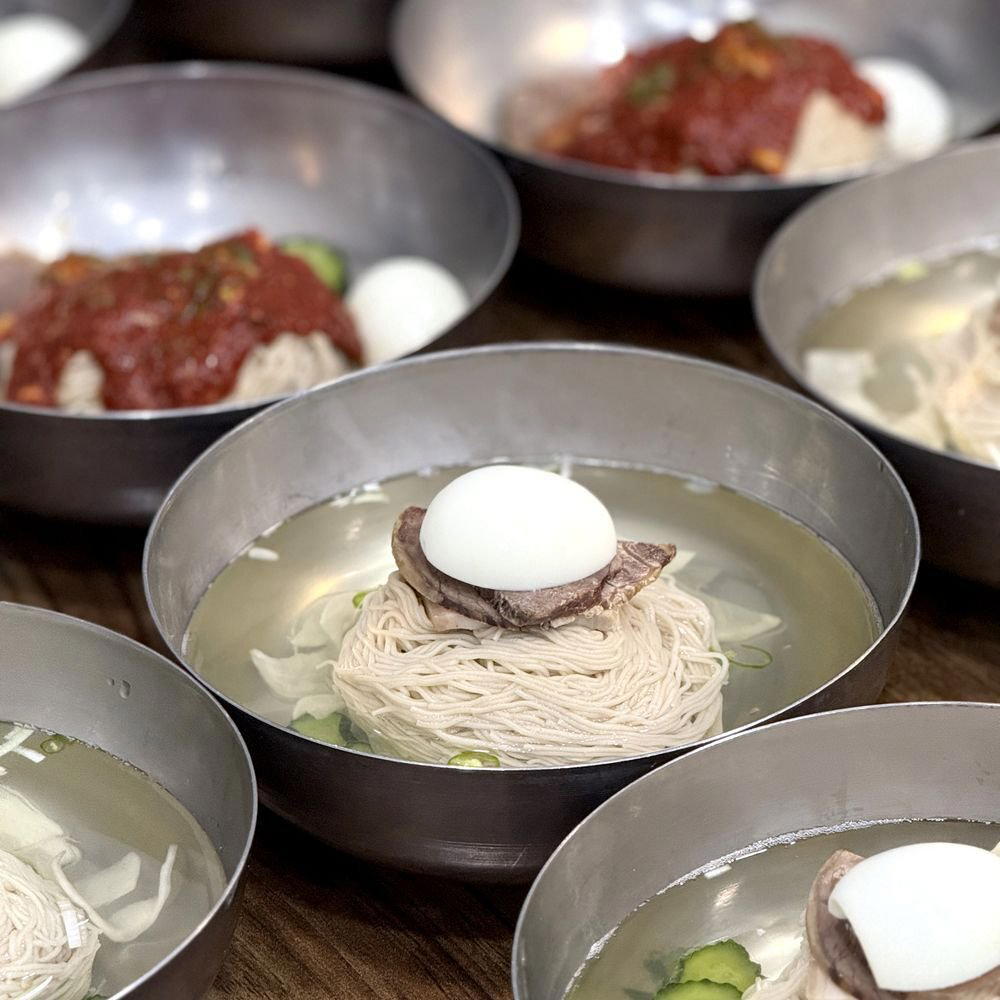
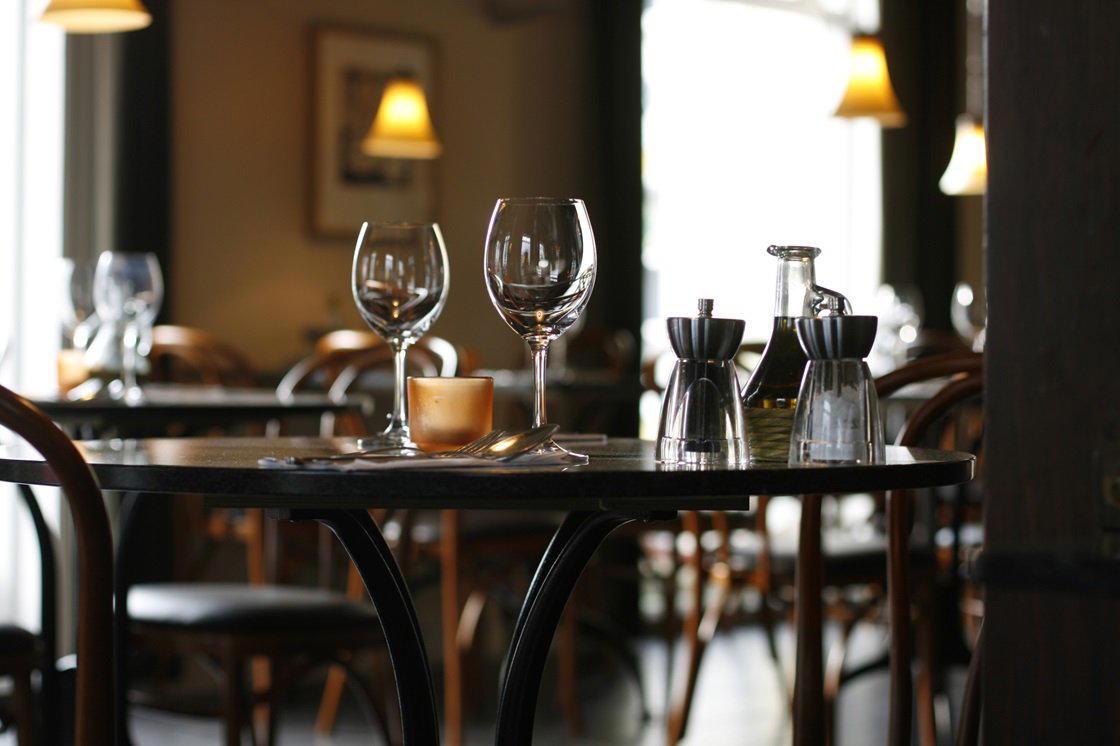
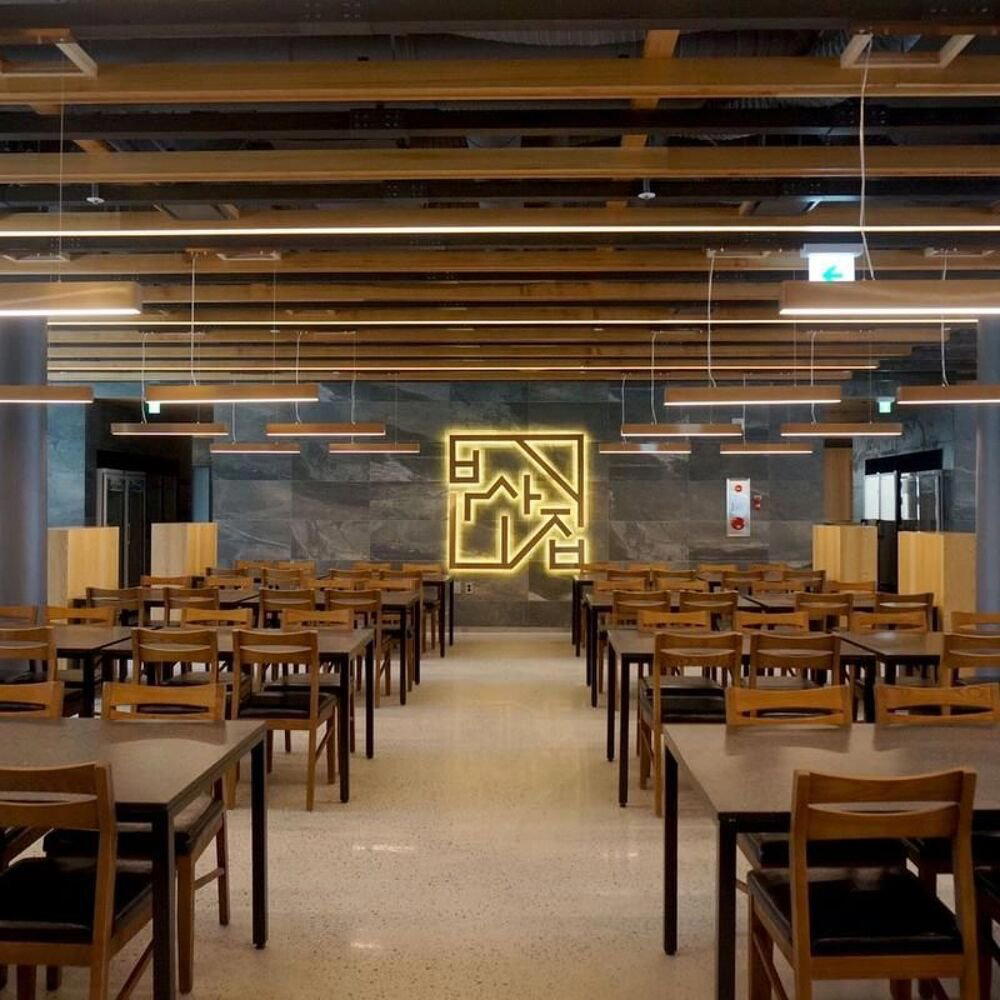
Bars in Busan
All bars in Busan →
Details
- Elegant
- Modern
- Family
- Casual Hangout
- A La Carte
- Vegetarian Friendly
Current opening hours
- Monday
- 11 AM–3 PM, 4:30–9 PM
- Tuesday
- 11 AM–3 PM, 4:30–9 PM
- Wednesday
- 11 AM–3 PM, 4:30–9 PM
- Thursday
- Closed
- Friday
- 11 AM–3 PM, 4:30–9 PM
- Saturday
- 11 AM–3 PM, 4:30–9 PM
- Sunday
- 11 AM–3 PM, 4:30–9 PM
Hours can change for holidays and private events. Hours as of .
Elegant atmosphere in a quiet street near Gwangan Beach, praised for high-quality ingredients and banchan.