Park Hyatt Busan



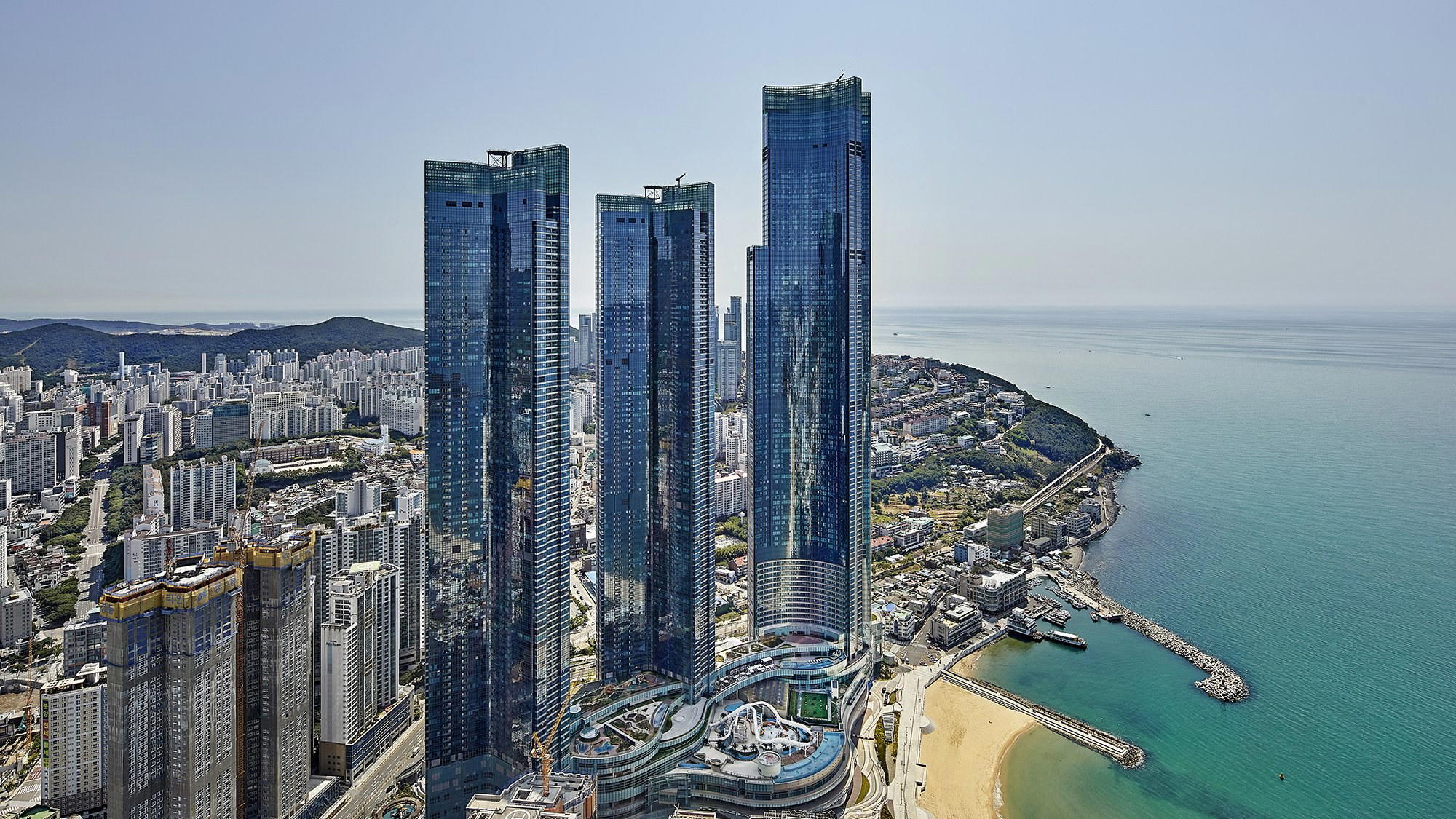
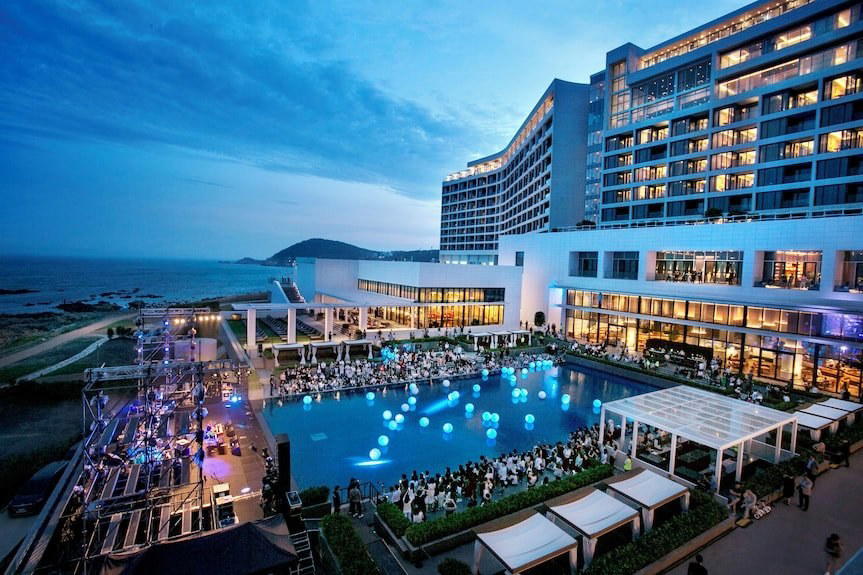
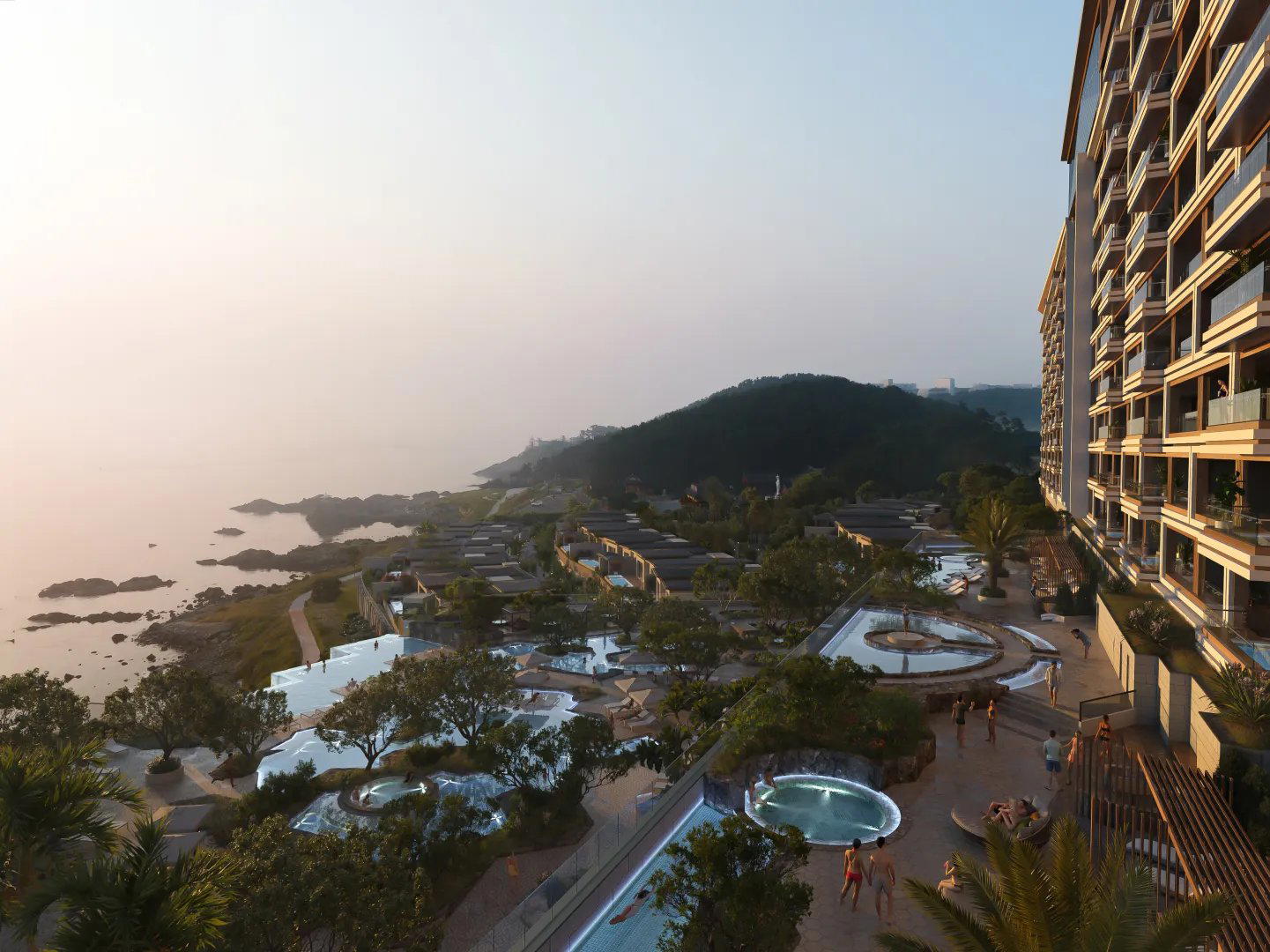
Park Hyatt Busan occupies a prime position in Haeundae, Busan's coastal and commercial centre, with direct views of Gwangan Bridge and the East Sea. Recognised in the La Liste Top Hotels 2026 rankings with 90 points and named Top Luxury Hotel in Haeundae, the property combines fine art installations, signature food and beverage programming, and residential-scale service across one of South Korea's most consequential waterfront addresses.
Pearl is the En Primeur Club membership app — saves, bookings, and concierge access live there. Same editors, same standards.
- Address
- 51 Marine city 1-ro, Haeundae, Busan
- Phone
- +82 51-990-1234
- Website
- hyatt.com
- Directions
- Get directions
 Saves & bookings on Pearl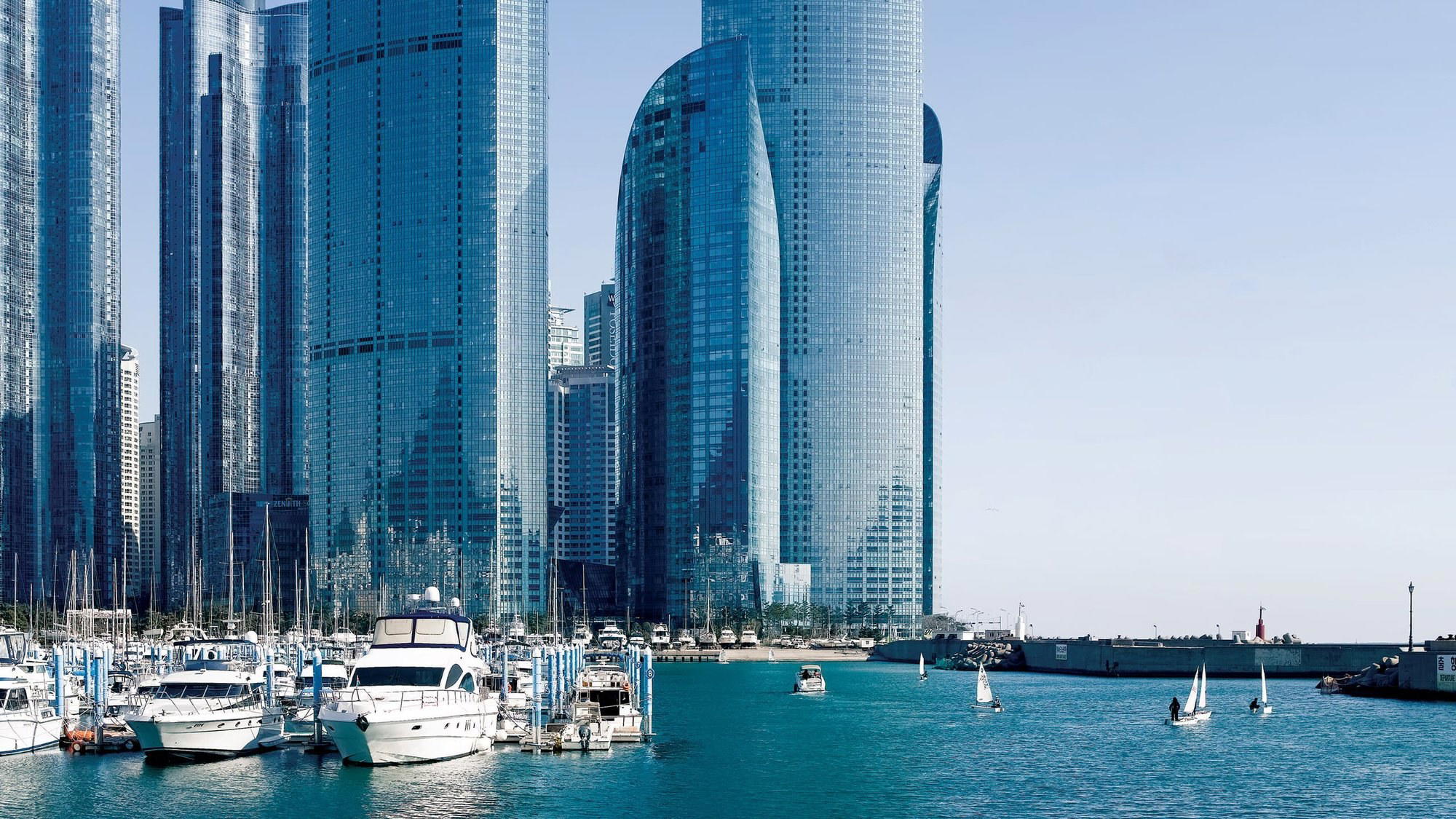
Haeundae's Upper Tier: Where the Park Hyatt Sits
Busan's luxury hotel market has consolidated around two distinct zones: the hillside boutiques closer to the old city, and the high-rise waterfront addresses of Haeundae and Marine City. The latter cluster has attracted the international flags with the resources for large-footprint, view-dependent properties, and Park Hyatt Busan is positioned squarely at the premium end of that group. Its address on Marine City 1-ro places it alongside BEXCO, the city's principal convention and exhibition centre, and within walking distance of Haeundae Beach. For a comparative read on the Haeundae competitive set, SIGNIEL BUSAN and Ananti at Busan Cove represent the two other addresses that regularly appear in the same conversation.
The La Liste Leading Hotels 2026 ranking, which awarded the property 90 points, provides a useful external calibration. La Liste aggregates global critical data rather than relying on a single jury, which means a score at that level reflects sustained performance across multiple assessment cycles rather than a single strong year. Among Busan hotels, that placement positions Park Hyatt at the upper end of internationally recognised addresses in the city.
The View as an Architectural Given
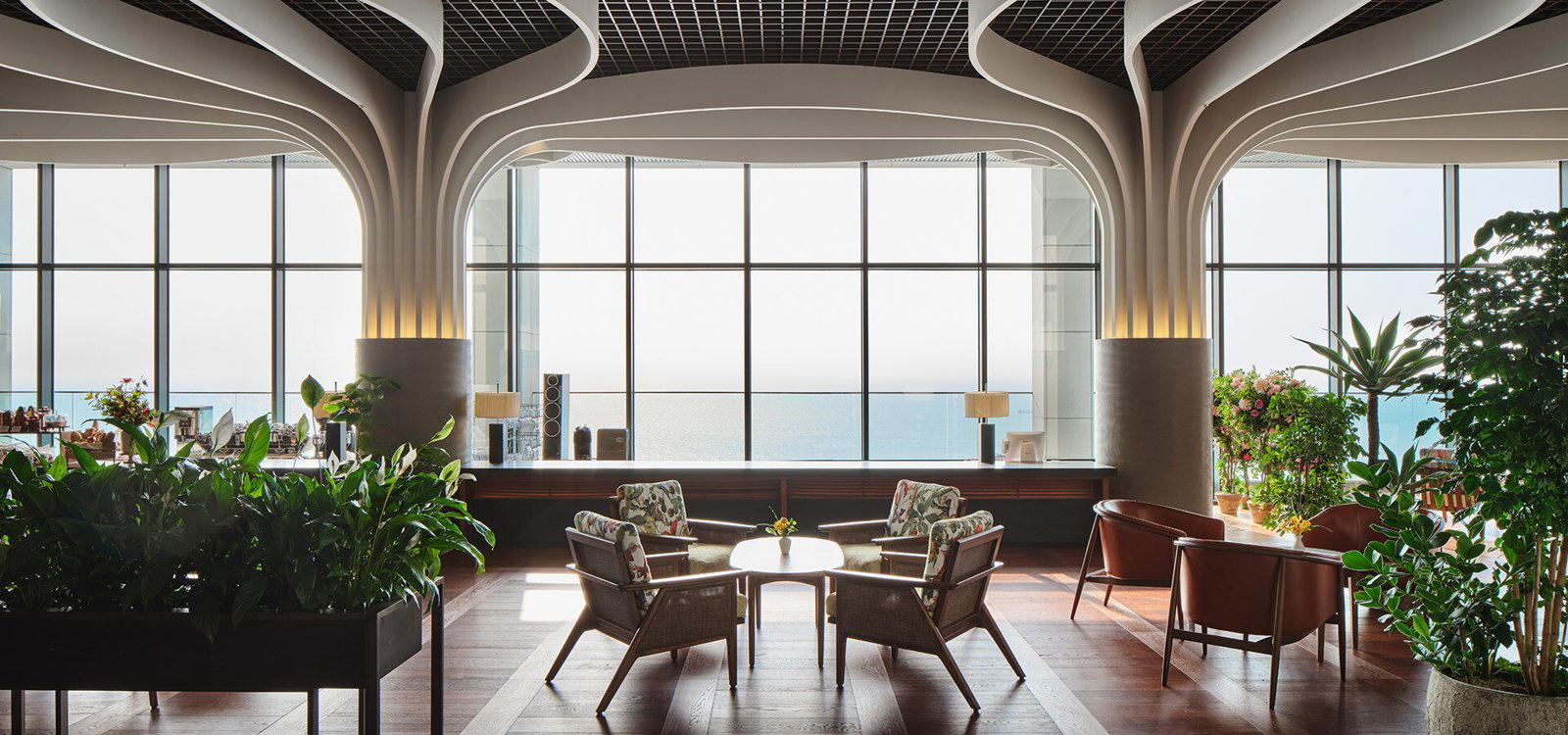
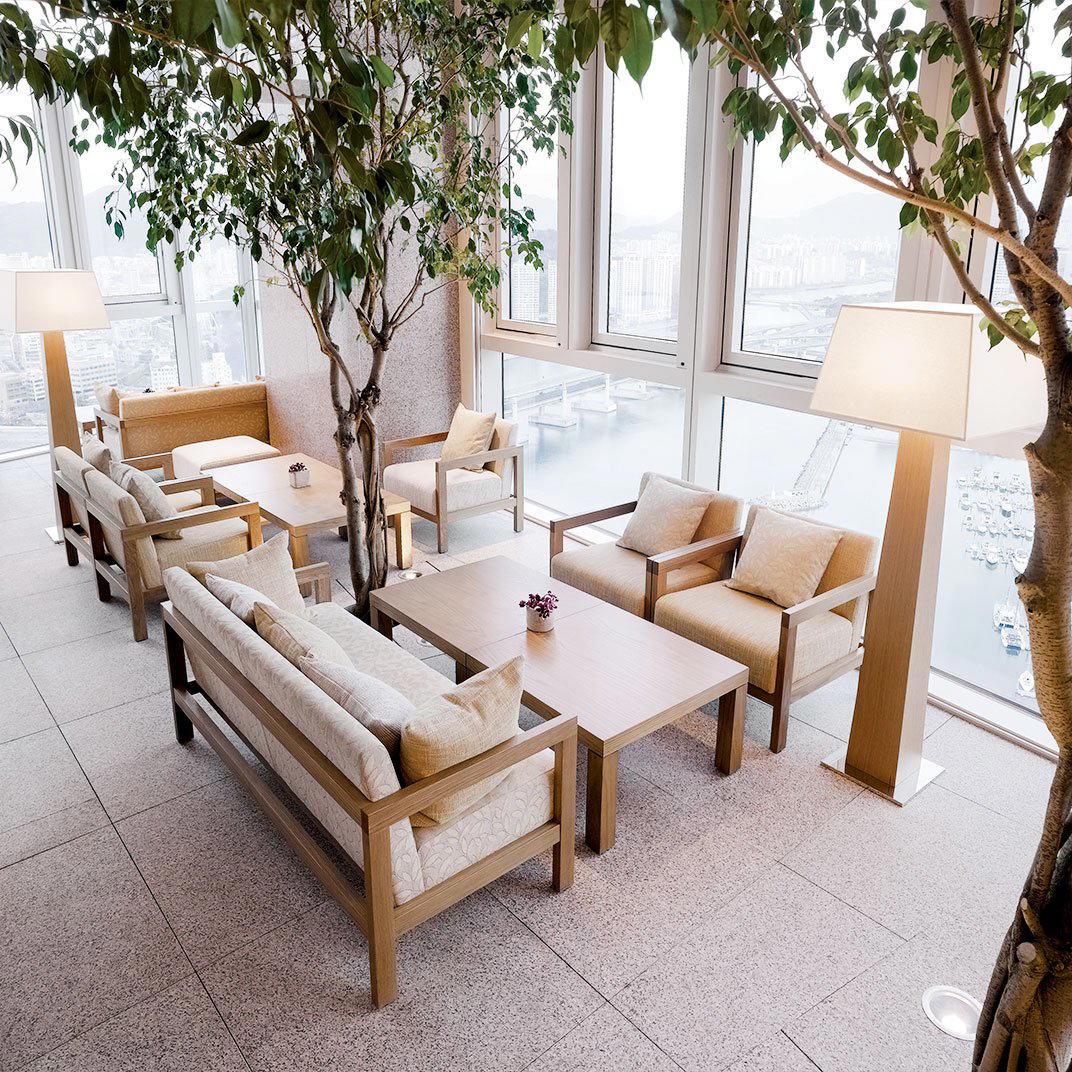
The Gwangan Bridge, a suspension bridge spanning approximately 7.4 kilometres across Gwangalli Bay, is one of Busan's defining visual references, and the hotel's Marine City location puts it within direct sightlines of that structure. In a city where water views are broadly available across the hotel market, proximity to a recognisable landmark at this scale functions as a meaningful differentiator. The East Sea light changes considerably across the day, and the bridge's illumination at night creates a backdrop that the hotel's food and beverage spaces are clearly designed to use. This is not incidental: Park Hyatt properties globally tend to programme their restaurants and bars around views as a structural element, not an amenity afterthought.
Food and Beverage: The Dining Programme at a Park Hyatt Address
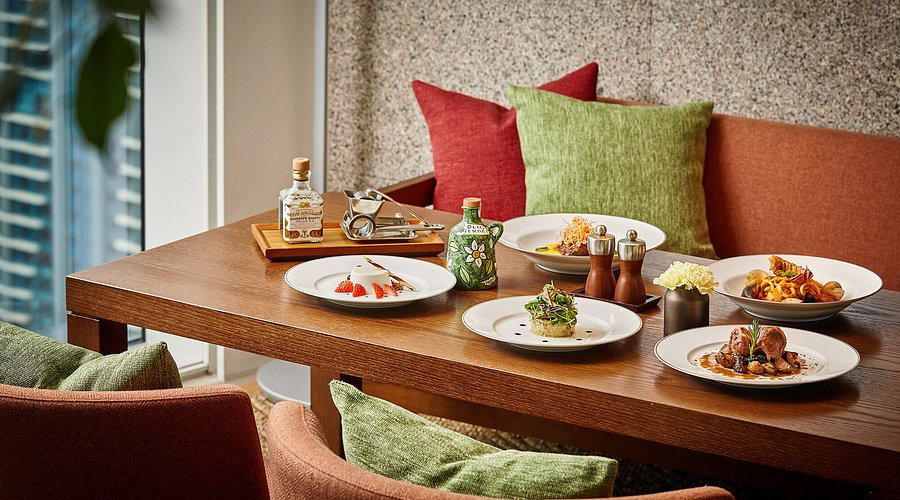
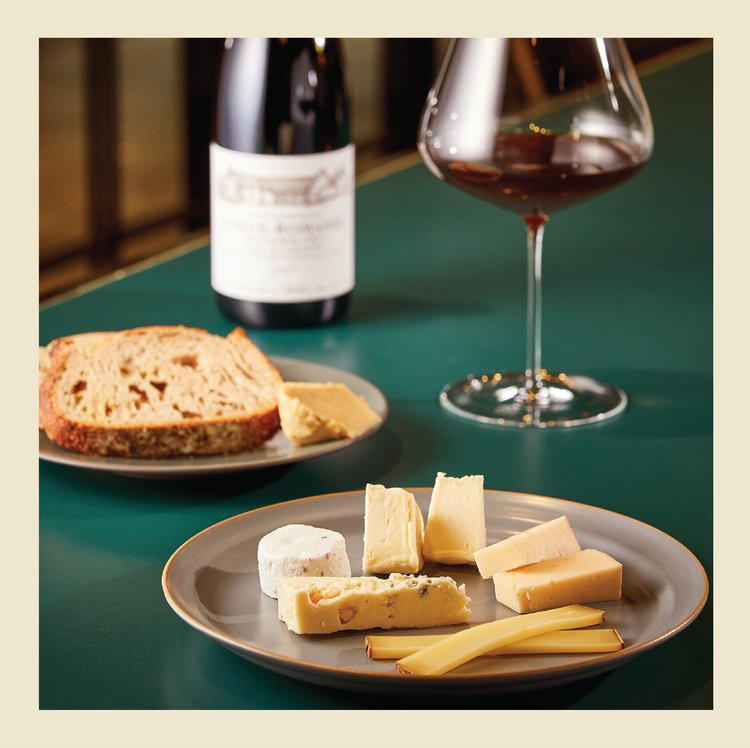
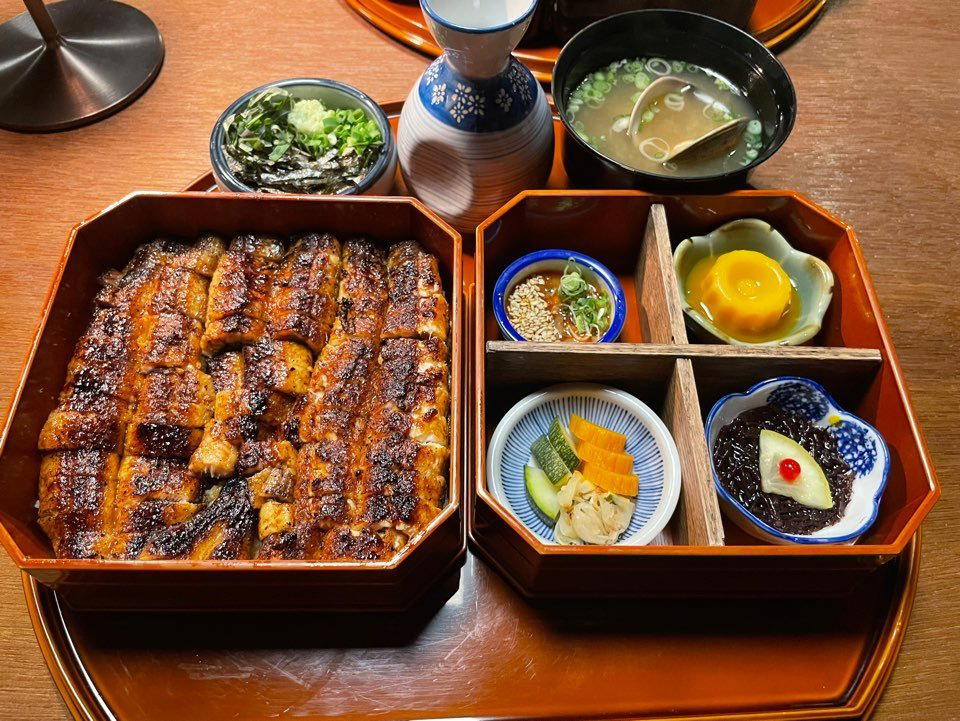
Across the network, from Tokyo to Sydney to Chicago, the brand has consistently positioned its hotels as destinations for local food and drink culture rather than generic international F&B. That orientation shapes expectations for the Busan property. In the context of Haeundae, where dining competition is relatively high, the neighbourhood draws both Korean and international visitors, a hotel that treats F&B as an identity statement rather than a convenience function occupies a different position than properties that outsource or minimise that dimension.
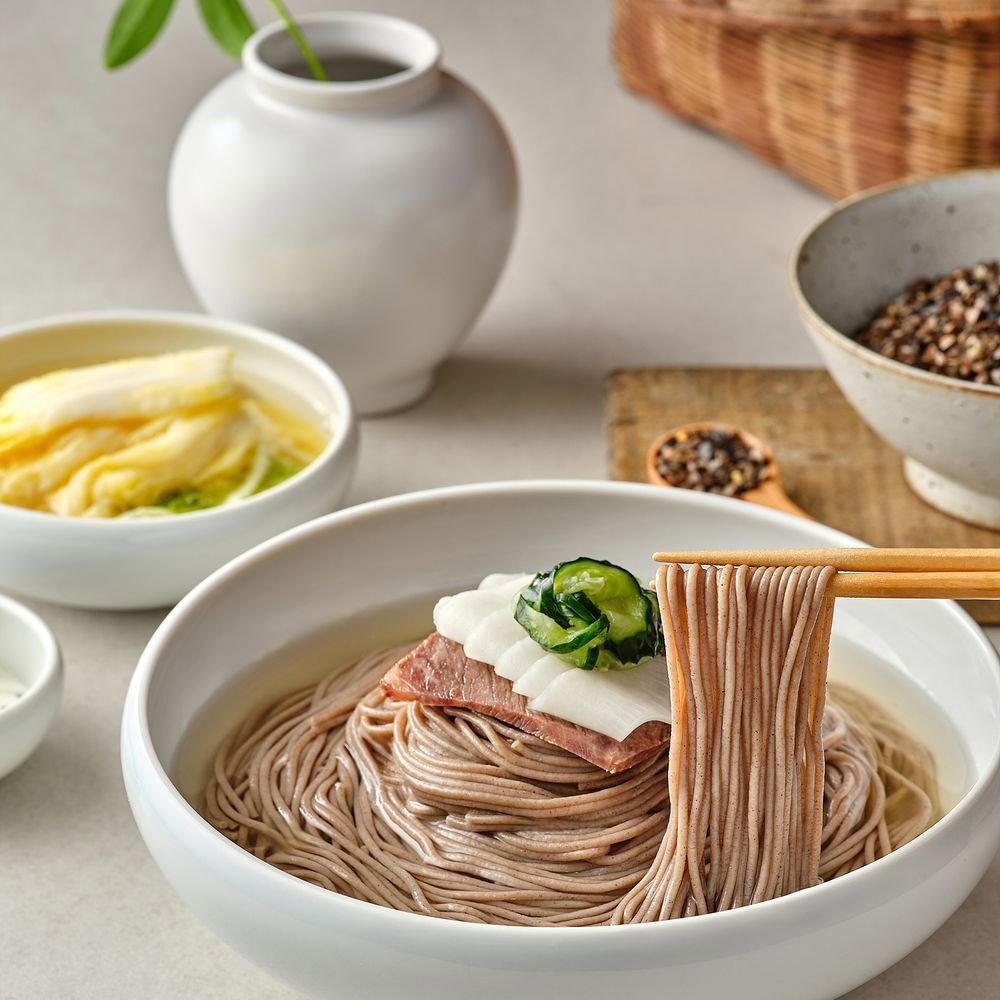
Busan's broader dining culture offers useful context here. The city has a distinct culinary identity anchored in raw fish markets (Jagalchi is the reference point), the specific local variant of pork spine stew known as dwaeji gukbap, and a growing number of contemporary Korean restaurants that draw from the city's port-city ingredient access. A hotel dining programme operating at the Park Hyatt level in this environment has both a higher bar to clear and a richer local tradition to draw from than an equivalent property in a less food-specific Korean city.
Art Programme and Interior Positioning
The fine art reference in the hotel's recognition signals a deliberate curatorial approach to the property's interior. This is consistent with the Park Hyatt brand's positioning in markets where the guest profile leans toward design-literate travellers. Korean contemporary art has gained significant international attention over the past decade, and a hotel in a major Korean port city that positions art as a guest-facing element rather than lobby decoration connects to a broader cultural current.
Haeundae as a District: What the Location Means in Practice
Haeundae is Busan's most commercially developed coastal district, and that concentration of activity has both advantages and trade-offs. The proximity to BEXCO makes the hotel a natural fit for conference delegates and corporate travellers during the city's frequent international events, Haeundae Beach itself, one of South Korea's most visited stretches of coastline, is accessible on foot. The Marine City high-rise zone where the hotel sits is a newer development corridor with a different character to the older Haeundae Beach strip: more vertical, more international in tone, and more oriented toward the permanent luxury residential market that has developed alongside the hotel cluster.
For travellers calibrating between a Busan city base and a resort-style experience further along the coast, the Park Hyatt's address resolves that tension reasonably well. It is urban enough for business use and coastal enough for leisure, without requiring the car dependency of more isolated coastal resort properties.
Positioning Against Korean Luxury Hotels More Broadly
South Korea's luxury hotel market has developed considerably since 2015, with new-build and repositioned properties appearing in Seoul, Jeju, and secondary cities. Seoul's upper tier, properties like Conrad Seoul, Four Seasons Hotel Seoul, Grand InterContinental Seoul Parnas, Josun Palace, and JW Marriott Hotel Seoul, sets the competitive benchmark for international flag luxury in the country. Park Hyatt Busan operates in a less crowded field by virtue of geography: Busan does not have the same density of internationally flagged luxury addresses as the capital, which gives a property performing at the 90-point La Liste level a more prominent position locally than the same score would command in a more saturated market. For travellers who want a Park Hyatt experience in Korea without the Seoul premium, or who are making Busan their primary destination, the calculus differs from capital-city comparisons. Readers considering the broader Korea luxury hotel circuit might also look at Grand Hyatt Jeju, JW Marriott Jeju Resort & Spa, or Haevichi Hotel & Resort Jeju for comparable international-flag positioning in a resort context. For design-led alternatives in less conventional Korean settings, South Cape Owners Club in Namhae and KOSMOS ULLEUNGDO represent a different tier and travel philosophy entirely. Further afield, Bvlgari Hotel Tokyo and Aman New York illustrate how the global luxury hotel field positions properties with a similar view-forward, art-integrated approach in other major cities.
Planning a Stay
Park Hyatt Busan is located at 51 Marine City 1-ro, Haeundae, placing it within the Marine City development zone with direct access to the coastline and BEXCO. The hotel holds the Leading Luxury Hotel designation for Haeundae and a 90-point score in the La Liste Leading Hotels 2026 rankings, making it one externally validated address in the immediate district.
Booking and Cost Snapshot
Comparable venues nearby, for context on price, style, and recognition.
| Venue | Price | Awards | Notes |
|---|---|---|---|
| Park Hyatt BusanThis venue — the venue you are viewing | $$$$ | 5-Star | Not listed |
| The Westin Josun Busan | $$$$ | 5-Star | Haeundae, Modern resort hotel with wellness focus and beachfront serenity |
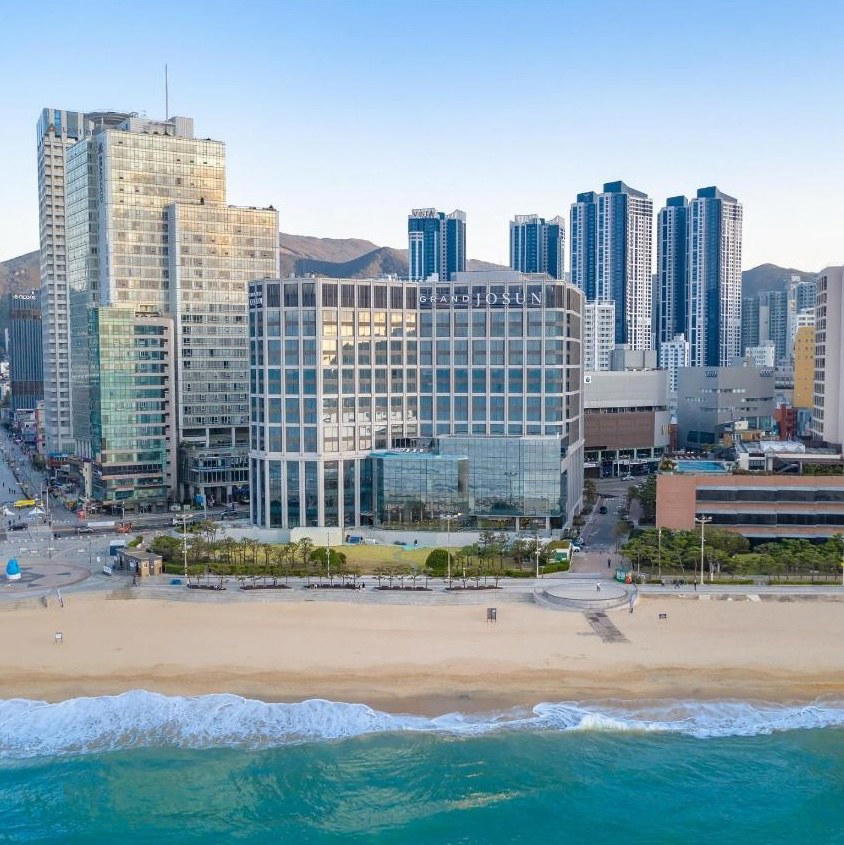
| Grand Josun Busan | $$$$ | 5-Star | Jung 1(il)-dong, Contemporary luxury beachfront resort with heritage brand positioning emphasizing reimagined excellence and family-oriented hospitality. |
| SIGNIEL BUSAN | $$$$ | 5-Star | Jung 1(il)-dong, High-rise luxury beachfront tower with panoramic balconies |
| Ananti at Busan Cove | $$$$ | 5-Star | Gijang-eup, Luxury oceanfront resort with cliffside design |
| Good Ol' Days Hotel | $$ | 4-Star | Jungang-dong, Contemporary boutique tribute to mid-century modernism in historic Jungang-dong. |
Recognition history
Dated appearances from independent guides and award organizations, with the underlying list record or original source where available.
La Liste Top Hotels
La Liste
Virtuoso Luxury Hotel Partner
Virtuoso
Michelin Selected
Michelin
At a Glance
- Elegant
- Sophisticated
- Modern
- Scenic
- Romantic Getaway
- Business Trip
- Wellness Retreat
- Anniversary
- Beachfront
- Destination Spa
- Waterfront
- Panoramic View
- Rooftop Pool
- Wi Fi
- Pool
- Spa
- Fitness Center
- Room Service
- Concierge
- Business Center
- Valet Parking
- EV Charging
- Restaurant
- Bar
- Sauna
- Hot Tub
- Bicycle Rental
- Waterfront
- Skyline
- Wi Fi
- Pool
- Spa
- Fitness Center
- Room Service
- Concierge
- Business Center
- Valet Parking
- EV Charging
- Restaurant
- Bar
- Sauna
- Hot Tub
- Bicycle Rental
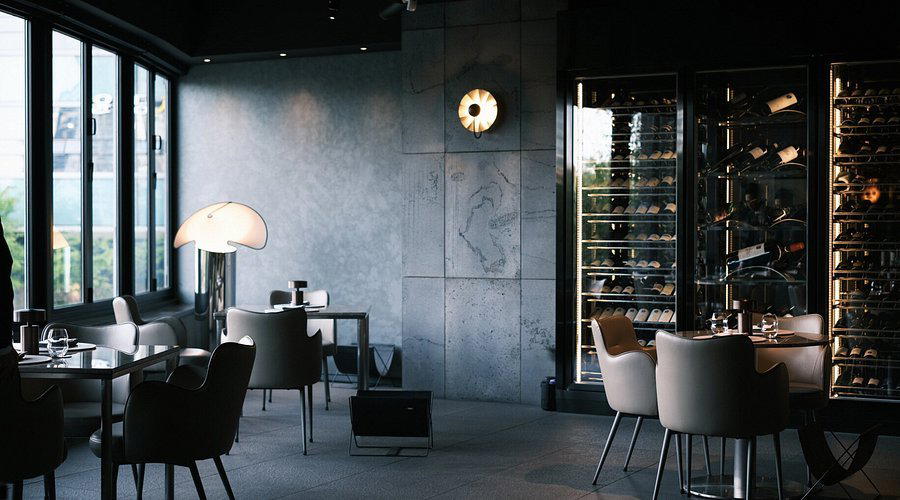
Sleek and contemporary interiors with ornate public spaces; guest rooms feature minimalist aesthetic with natural wood, floor-to-ceiling windows, and polished granite bathrooms with rain showers.