Namagjib
Namagjib sits in Nam-gu, one of Busan's older residential districts, where the dining culture runs closer to daily ritual than destination eating. The address places it firmly in neighbourhood territory rather than the tourist-facing strips of Haeundae or Seomyeon, suggesting a kitchen oriented around local regulars and the kind of sourcing that follows seasonal availability rather than menu ambition.
 Discover on Pearl
Pearl is the En Primeur Club membership app — saves, bookings, and concierge access live there. Same editors, same standards.
- Address
- South Korea, Busan, Nam-gu, ì¤íì´ Bunpo-ro, 145 ë 1층 1068í¸
- Phone
- +82517464882
- Website
- namakzip.com
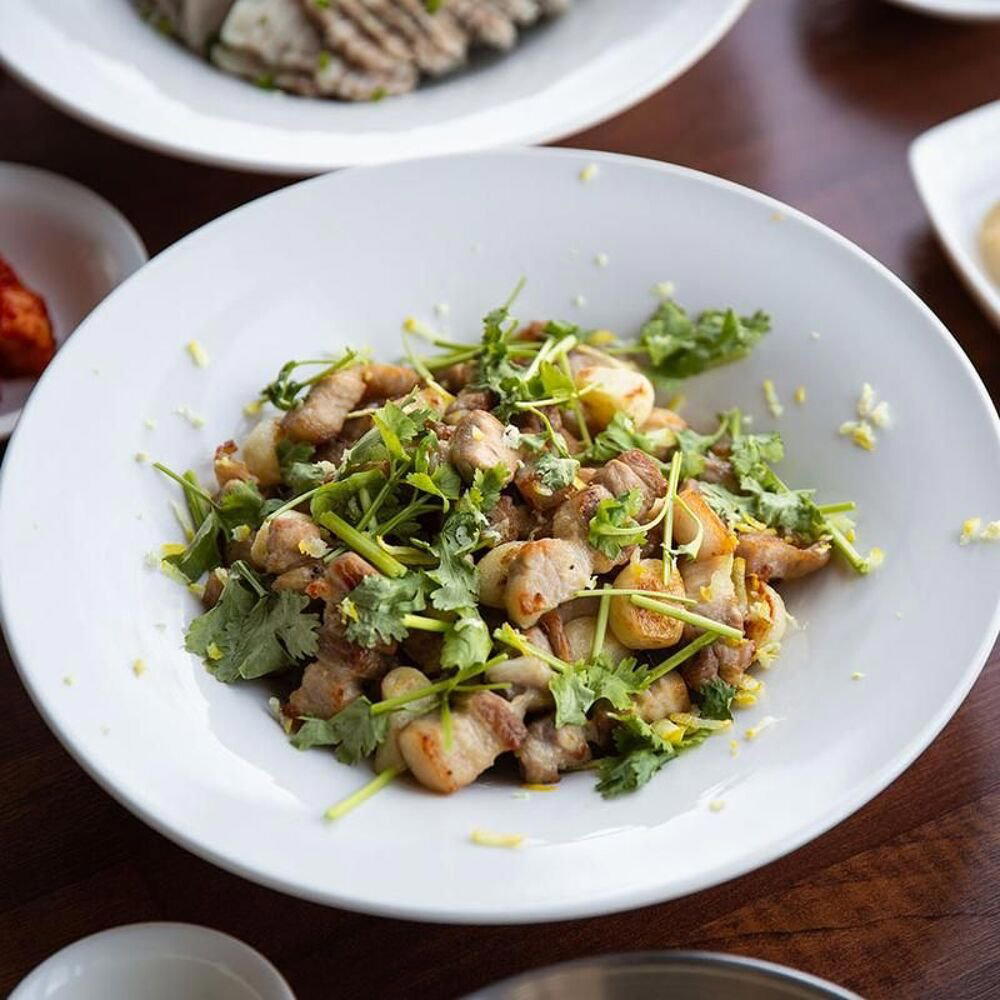
Where Nam-gu Eats
Busan's dining reputation tends to concentrate around two poles: the coastal seafood markets of Jagalchi and Gijang on one end, and the sleeker, more internationally aware restaurant floors of Haeundae and Seomyeon on the other. Nam-gu sits between those poles in both geography and character. It is a working residential district, older in its urban grain, where the restaurants that persist do so because they serve the neighbourhood reliably rather than because they generate itinerary traffic. Namagjib is a casual Korean Pork Bone Soup Specialist in Busan, priced at about $12 per person. The surrounding blocks are the kind of streets where lunch crowds come from nearby offices and apartments rather than from hotel concierge recommendations, and where a kitchen's relationship with its suppliers tends to be more durable and more local than in the tourist-facing corridors further north.
That context matters when thinking about ingredient sourcing in a city like Busan. Korea's second city has direct access to some of the country's most consequential seafood supply chains, the South Sea and the Korea Strait deliver a rotation of catch that shifts meaningfully with the season, and the restaurants that benefit most from that proximity are often the ones not performing for visitors. Proximity to the docks is a logistical advantage, but it translates into quality only when a kitchen actually uses it, which tends to happen more consistently in neighbourhood-anchored places operating on repeat custom than in restaurants calibrating to a tourist appetite for the familiar.
The Sourcing Logic of Korean Neighbourhood Kitchens
Korean culinary tradition has always been structured around what is available regionally and seasonally, and Busan's position on the southern coast gives its neighbourhood kitchens a sourcing calendar that differs from Seoul's. Spring brings hairtail and surf clams; summer shifts toward octopus and abalone from the Gyeongsang waters; autumn sees the prized ganjang gejang crabs that dominate tables across the country for a narrow window; winter is anchovy and oyster season along the southern coast. A kitchen in Nam-gu that sources according to this rhythm rather than against it will produce food that tastes different in March than in October, and that variability is a feature of the tradition rather than an inconsistency.
This stands in contrast to the higher-end contemporary Korean dining now drawing international attention. Restaurants like Mingles in Seoul, or at the global level, Atomix in New York City, formalize that seasonal logic into tasting menus with named producers and explicit sourcing narratives. Neighbourhood kitchens in Busan operate on the same underlying logic but without the editorial apparatus. The sourcing is real but unannounced. The seasonality is structural rather than marketed.
100.1.Pyeongnaeng (Naengmyeon) works the ₩ end of Busan's spectrum with a similarly ingredient-led discipline, in that case around the buckwheat and broth specifics of naengmyeon. Gyeongju Wonjo Kongguk (경주원조콩국) in Gyeongju takes a single ingredient, soybean, and builds a kitchen identity around it. Both illustrate how Korea's most durable regional restaurants tend to anchor around a narrow sourcing focus rather than a broad menu.
Nam-gu in the Context of Busan's Eating Geography
Busan's food geography rewards knowing which district to go to for what. Haeundae draws the high-end hotel dining and the contemporary restaurants targeting the weekend leisure crowd. Seomyeon is denser and more commercial, mixing mid-range Korean chains with the kind of late-night pojangmacha culture that defines a different dimension of the city. Nam-gu, by contrast, is where you find the restaurants that have been feeding the same streets for decades, places where the menu is short because the kitchen has learned what its customers want rather than because it is performing restraint as an aesthetic choice.
Busan's grilled pork tradition, represented at the upper end of the price scale by Born and Bred (Steakhouse) at ₩₩₩₩, has neighbourhood equivalents in nearly every district. So does the dwaeji-gukbap tradition, pork and rice soup that is as close to a civic dish as Busan has, where kitchens like Anmok at the ₩ tier represent the category in its most essential form. Nam-gu participates in all of these traditions without being defined by any single one.
Jeju's approach to sourcing offers a useful parallel for understanding what proximity to primary producers looks like at the regional level. 88돼지 in 제주시 and Black Pork BBQ in Seogwipo both derive identity from Jeju's black pork breed, a product so specific to its geography that the sourcing claim is built into the restaurant's premise. Busan's equivalent specificity is marine rather than agricultural, the catch calendars of the southern coast, and that is the regional currency that neighbourhood kitchens in Nam-gu trade in.
Planning a Visit
Namagjib's address on Bunpo-ro in Nam-gu is accessible from central Busan by subway via the Daeyeon or Gyeongseong-Bugyeong corridor, though exact transit times will depend on your starting point. Nam-gu sits south of the city centre, and the neighbourhood character rewards some orientation time before the meal: the streets around Bunpo-ro are dense with the kind of small-scale food retail, dried goods vendors, produce stalls, tofu makers, that signals an active local food culture rather than a dining-destination strip. Visiting during the autumn and winter months aligns with peak season for some of Korea's most distinctive southern-coast ingredients, including the crab and oyster windows that define November and December eating in the region. Comparing notes with other Busan neighbourhood kitchens before building an itinerary is worth doing: 1969 Buwondong Kalguksu offers a useful reference point for the kalguksu noodle tradition at a similar address register, and Dining Room (다이닝룸) operates at a different point on the formality spectrum within the city. At the other end of the geographic range, Doosoogobang in Suwon and Gobojeong Galbi #1 (가보정 1관) in 수원시 and Hinode (히노데) in 서귀포시 illustrate how Korea's neighbourhood dining traditions vary by region without losing their structural logic.
Nearby-ish Comparables
Comparable venues nearby, for context on price, style, and recognition.
| Venue | Cuisine | Price | Notes |
|---|---|---|---|
| NamagjibThis venue — the venue you are viewing | Korean Pork Bone Soup Specialist | $ | |
| 원조할매국밥 | Traditional Korean Beef Gukbap | $ | Haeundae |
| 훈이네김밥우동 | Korean Kimbap & Udon | $ | Haeundae-gu |
| ì목 본ì | Korean Restaurant | , | Namcheon 1(il)-dong |
| Sea Maru Abalone Porridge | Korean Abalone Porridge | $$ | Haeundae-gu |
| ì ë¡ë² ì´ì¤ | Korean | $$ | Millak-dong |
At a Glance
- Modern
- Casual
- Solo
- Casual Hangout
- Open Kitchen
- Local Sourcing
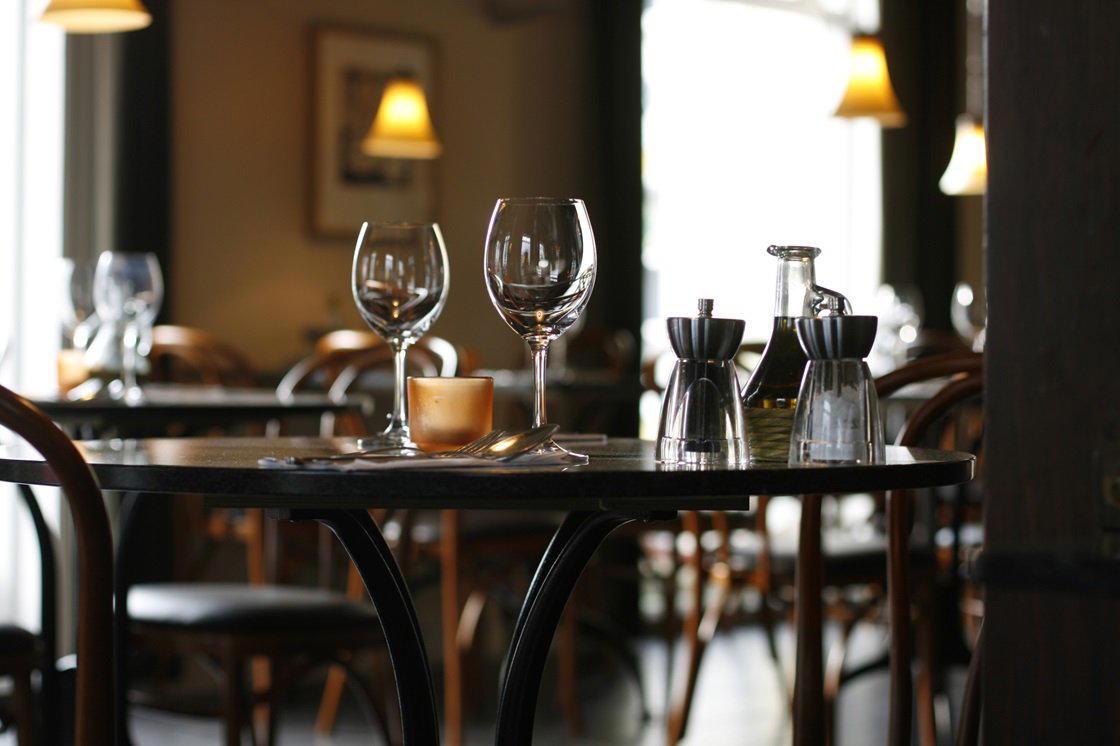
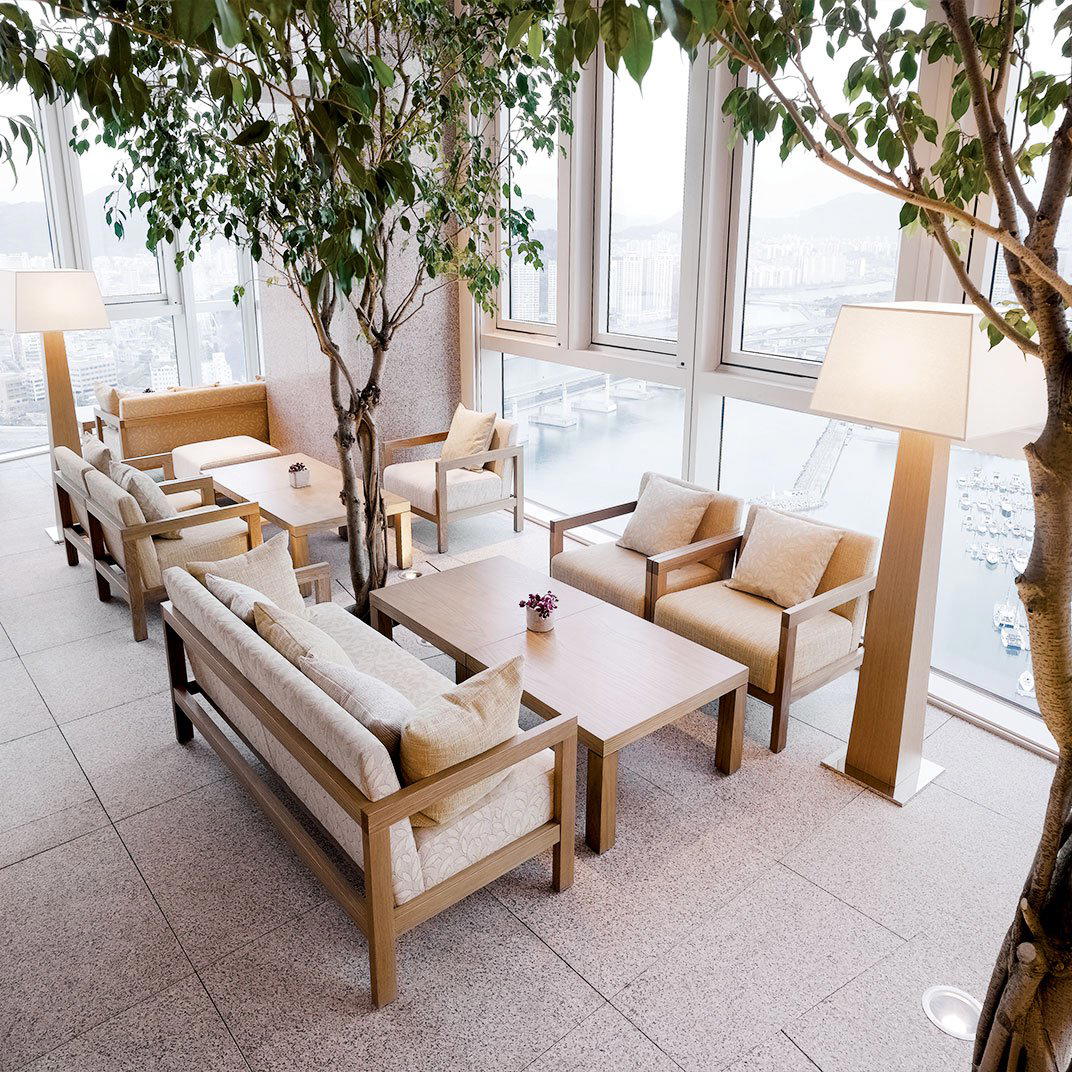
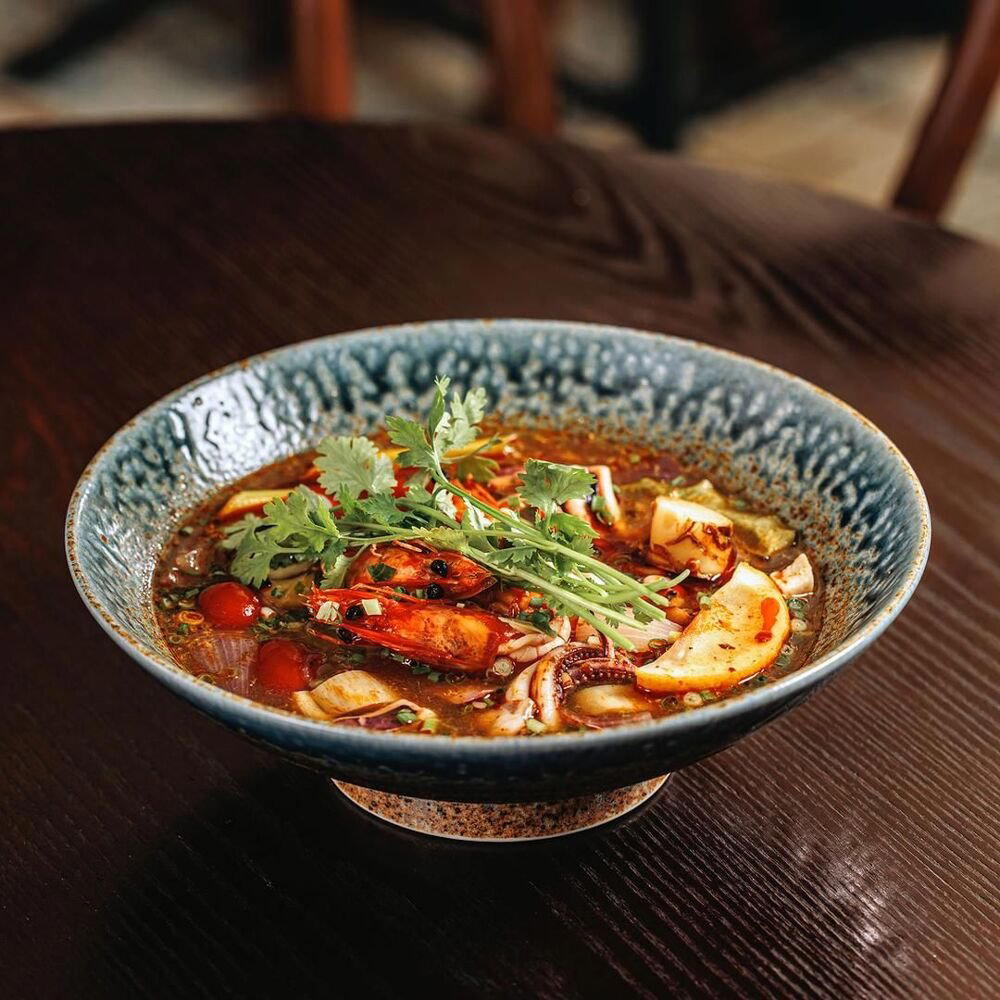
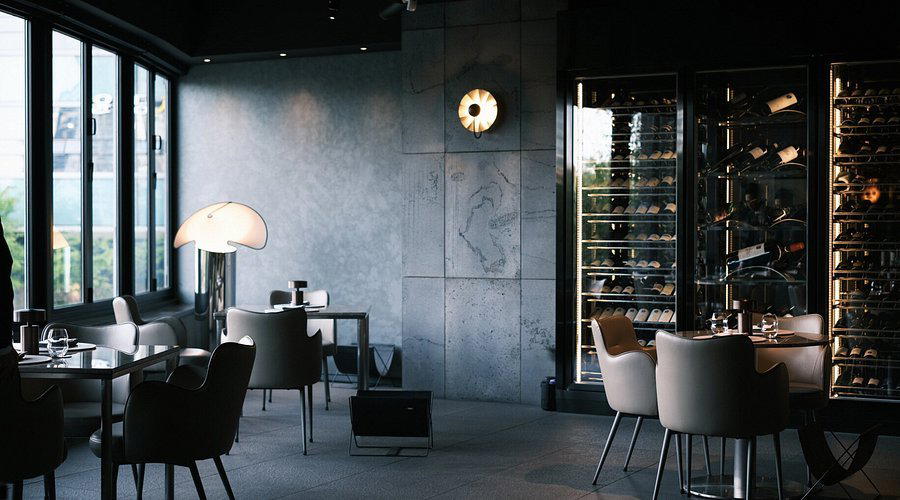
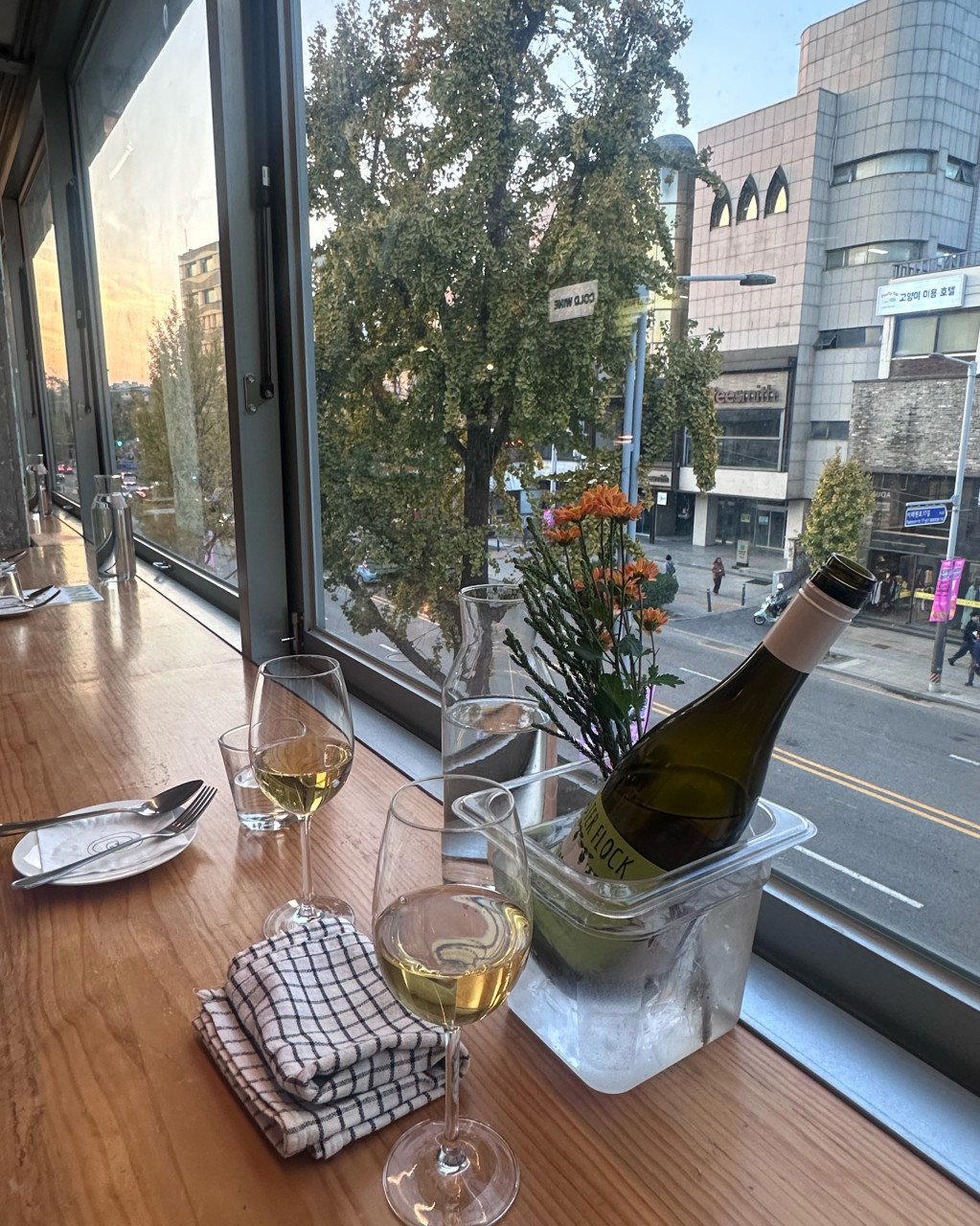
Modern, minimalist dining space with counter seating and a clean, contemporary aesthetic designed for focused enjoyment of the signature soup.