Anmok

Michelin Bib Gourmand
Our verdict
Anmok is a Michelin Bib Gourmand-recognised dwaeji-gukbap specialist in Busan's Suyeong-gu district, earning the award in both 2024 and 2025. At the single-symbol price tier, it represents the accessible end of Busan's nationally significant pork-and-broth tradition, drawing locals and travellers alike to a bowl that has defined the city's food identity for generations.

Pearl is the En Primeur Club membership app, where members save venues, book tables and use the concierge.
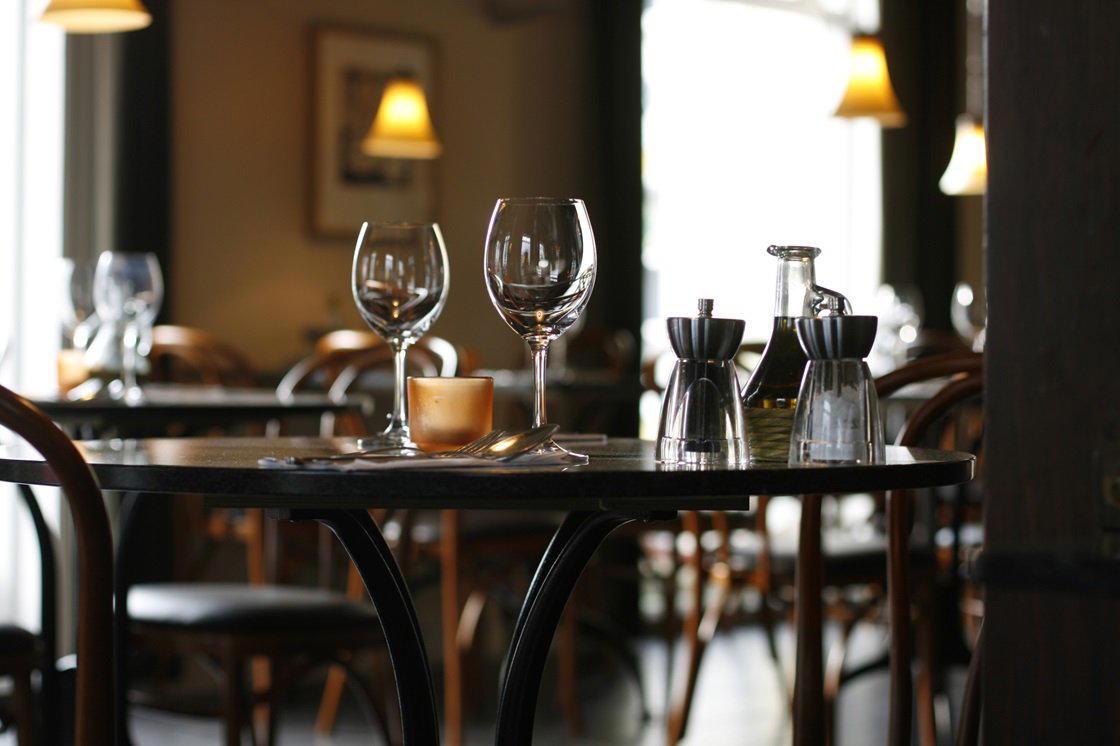
The menu
What to order
- Dwaeji Gukbap
- Dwaeji Ramyeon
Busan in a Bowl: The Dwaeji-Gukbap Tradition
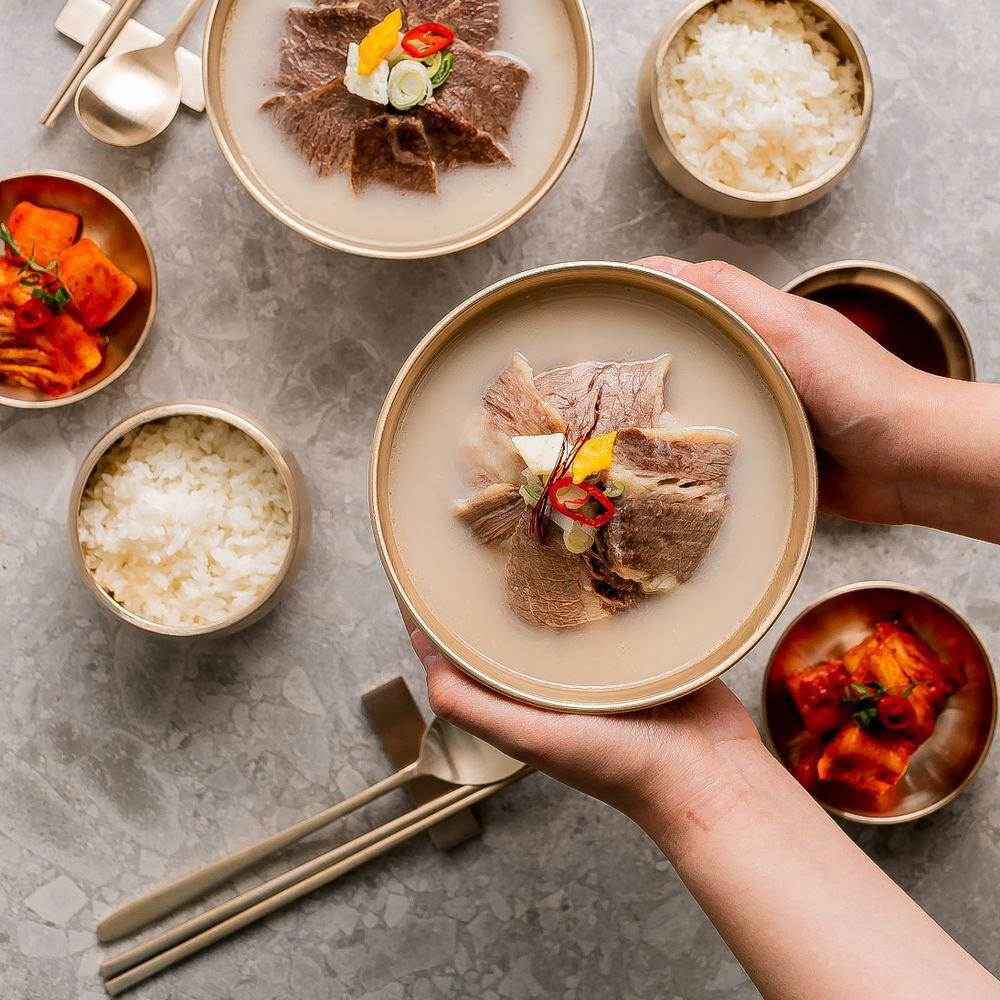
Approach the low-slung streets of Suyeong-gu on a cool morning and the smell arrives before anything else, pork bones, slow heat, a faint mineral depth that is specifically Busan. Dwaeji-gukbap, the city's defining dish, is not something that evolved in restaurant kitchens. It emerged from the refugee camps and port-adjacent markets of the 1950s Korean War period, when pork offcuts and bones were simmered into a meal that cost almost nothing and kept workers warm. The milky broth, served with rice submerged or alongside depending on preference, remains one of the most historically grounded things you can eat on the peninsula. Anmok, at 3 Gwangnam-ro 22beon-gil, operates inside that tradition and has now received Michelin Bib Gourmand recognition in consecutive years, 2024 and 2025, placing it among a handful of Busan addresses that the guide's inspectors return to specifically for this category.
What the Bib Gourmand Means in This Context
The Bib Gourmand designation, awarded for meals that inspectors consider worth seeking out at modest prices, signals something particular when it appears on a single-dish restaurant at the lowest price tier. It is not a consolation category. Michelin's Korea edition has shown consistent interest in the humbler registers of Korean cuisine, fermented side dishes, regional noodle houses, soup specialists, and dwaeji-gukbap has been part of that editorial position since the Busan guide launched. Anmok earning the award back-to-back suggests consistency rather than a single strong performance. For comparison, Busan's starred venues such as Palate (Contemporary) at ₩₩ and Mori (Japanese) at ₩₩₩ operate in entirely different price registers. Anmok's ₩ pricing places it in the same tier as Hapcheon Gukbapjip and other Busan specialists for whom the competitive pressure is reputational rather than price-point.
The Sourcing Logic Behind the Broth
Dwaeji-gukbap's character is almost entirely a function of the raw material. The dish is structurally simple, pork bones, water, time, seasoning, which means variation in quality lands directly on the palate with nowhere to hide. Busan's geographic position has historically given it access to the southern coastal supply chain, with livestock raised in the surrounding Gyeongnam provinces and processed through markets that have supplied the city's soup houses for decades. The broth at reputable establishments develops its characteristic milky opacity through extended bone simmering, a process that extracts collagen and marrow and creates a consistency distinct from the clearer broths found in Seoul-style guk. The pork cuts served alongside or within the soup, typically sliced boiled pork, offal, or both, are a further variable that differentiates one house from another. Seoul-based dwaeji-gukbap specialists such as ANAM, Gwanghwamun Gukbap, and Okdongsik represent the dish's northward migration, but Busan remains the format's spiritual and practical home.
Suyeong-gu and the Neighbourhood Context
Suyeong-gu sits east of the city centre, between the Gwangalli Beach district and the northern residential blocks that stretch toward Centum City. It is not one of Busan's tourist-first zones, which is precisely why a gukbap house thrives here. The neighbourhood's dining character skews local and functional, fish markets, grilled meat specialists, long-established noodle shops, rather than destination-led. Anmok's address on Gwangnam-ro 22beon-gil is consistent with the workmanlike register of the street itself. For travellers building a broader Busan itinerary, this part of the city connects naturally to the Gwangalli waterfront to the south and to Millak fresh fish market in the same district. Within the Busan gukbap circuit, Jeongjitgan and Namakzip represent other addresses worth mapping into the same trip.
Where Anmok Sits in the Wider Korean Dining Conversation
Korean cuisine at the high end has attracted significant international attention through tasting-menu formats, Mingles in Seoul, Gaon in Seoul, and Kwon Sook Soo in Gangnam-gu being among the most discussed. At the other end of the critical attention arc, simpler regional formats have gained ground through guides like Michelin and through increased domestic food media coverage of provincial cooking. Temple food, represented internationally by Baegyangsa Temple in Jangseong-gun, and regional pork dishes like dwaeji-gukbap occupy different points on that spectrum, but both reflect the same broader critical reappraisal of what Korean food means beyond banchan-led restaurant formats. Anmok's consecutive Bib Gourmand is a data point in that reappraisal, not just a local honour.
Planning Your Visit
Dwaeji-gukbap houses in Busan typically open for breakfast and lunch service, with some running through dinner, the dish is eaten at all hours, but mornings are culturally primary, when the broth has been running longest and the crowd is most local. The Suyeong-gu address is accessible by Busan Metro Line 2 (Gwangalli Station is the closest major stop), making it a practical addition to a day that might also take in Gwangalli Beach or the Millak area. For a wider view of eating and drinking in the city, our full Busan restaurants guide maps the category across price tiers and neighbourhoods, and our full Busan bars guide, our full Busan hotels guide, our full Busan wineries guide, and our full Busan experiences guide cover the rest of the city's offer in the same depth. If pork on the Korean peninsula extends your interest beyond Busan, The Flying Hog in Seogwipo on Jeju Island represents a completely different register of the same ingredient.
Frequently asked questions
Is Anmok award-winning?
Anmok has received recognition including: Michelin Bib Gourmand (2025); Michelin Bib Gourmand (2024).
What should I order at Anmok?
Dwaeji-gukbap is the kitchen's single focus, and Michelin inspectors awarded Bib Gourmand recognition in both 2024 and 2025 on the strength of that dish. The format is a pork bone broth served with rice, fermented kimchi, and seasoning condiments on the side. Order it, and let the table setup guide the rest.
Is Anmok expensive?
Pricing at Anmok is listed as ₩.
What's the address for Anmok?
Anmok is located at 3 Gwangnam-ro 22beon-gil, Suyeong-gu, Busan, South Korea, Busan.
Who is the chef connected to Anmok?
The chef associated with Anmok is Lis Hernandez.
Can I walk in to Anmok?
Walk-in is standard practice at Busan's dwaeji-gukbap houses, and Anmok's ₩ price tier is consistent with that format. No reservation infrastructure is in place, so arrival timing matters more than advance planning, particularly on weekday mornings when the dish is traditionally eaten.
Price Lens
| Venue | Cuisine | Price | Awards | Notes |
|---|---|---|---|---|
| AnmokThis venue (the venue you are viewing) | Modern Korean Dwaeji-Gukbap | $10–20 | Michelin Bib Gourmand | Not listed |
| Palate | Contemporary French with Korean Fusion | $150–200 | 1 Michelin Star · La Liste Top Restaurants | Contemporary |
| Mori | Japanese Kaiseki | $200–300 | 1 Michelin Star | Japanese |
| Born and Bred | Modern Hanwoo Beef Omakase Steakhouse | $100–150 | Michelin Plate · World's 50 Best #51 | Steakhouse |
| 100.1. Pyeongnaeng | Pyongyang-style Naengmyeon | $10–20 | Michelin Bib Gourmand | Not listed |
| Bao Haus | Taiwanese-inspired Bib Gourmand | $10–20 | Michelin Bib Gourmand | Not listed |
Recognition history
Dated appearances from independent guides and award organizations, with the underlying list record or original source where available.
Michelin Bib Gourmand
Michelin
Full recognition history (3 entries)
Michelin Bib Gourmand
Michelin
Michelin Bib Gourmand
Michelin
Continue exploring
More in Busan
Restaurants in Busan
All restaurants in Busan →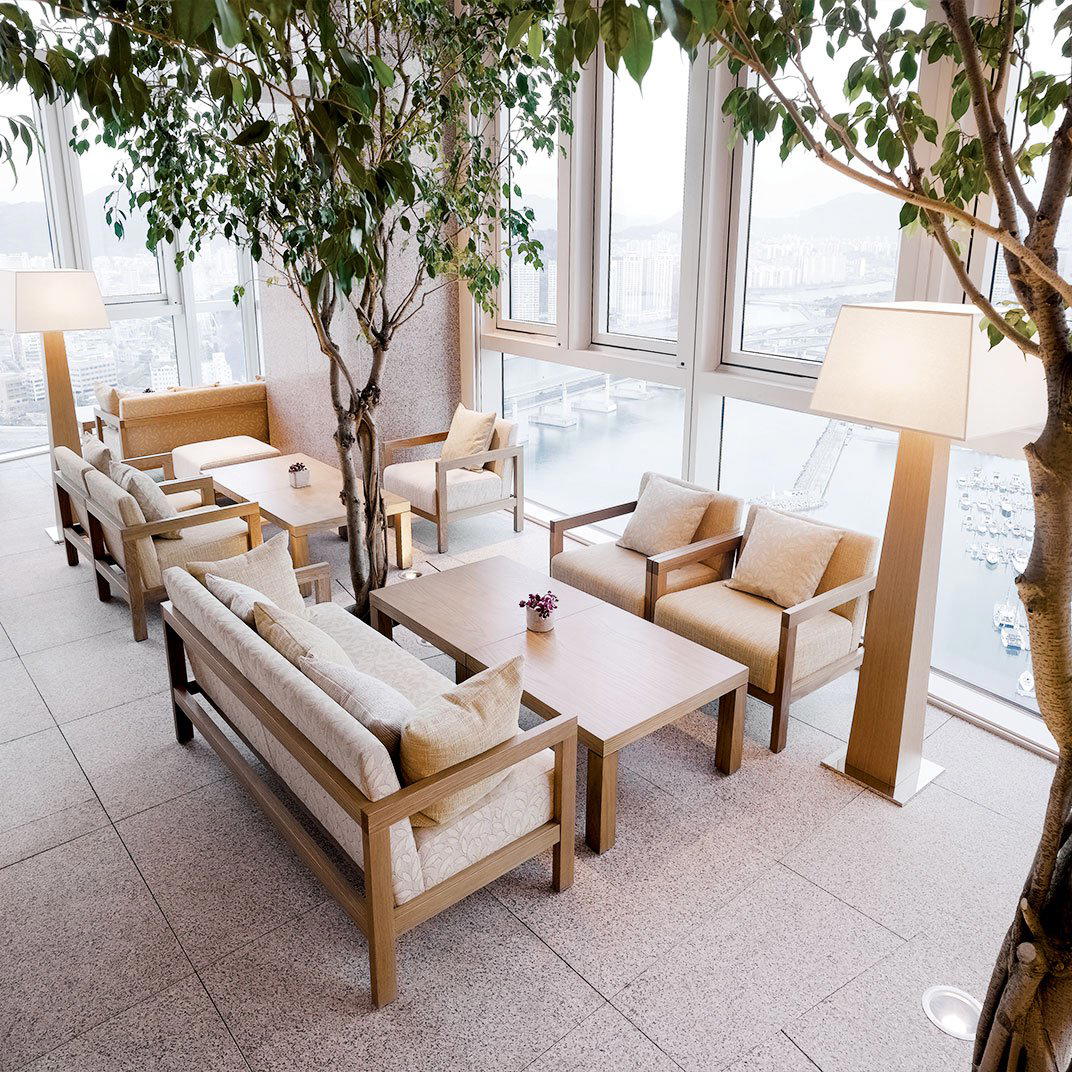
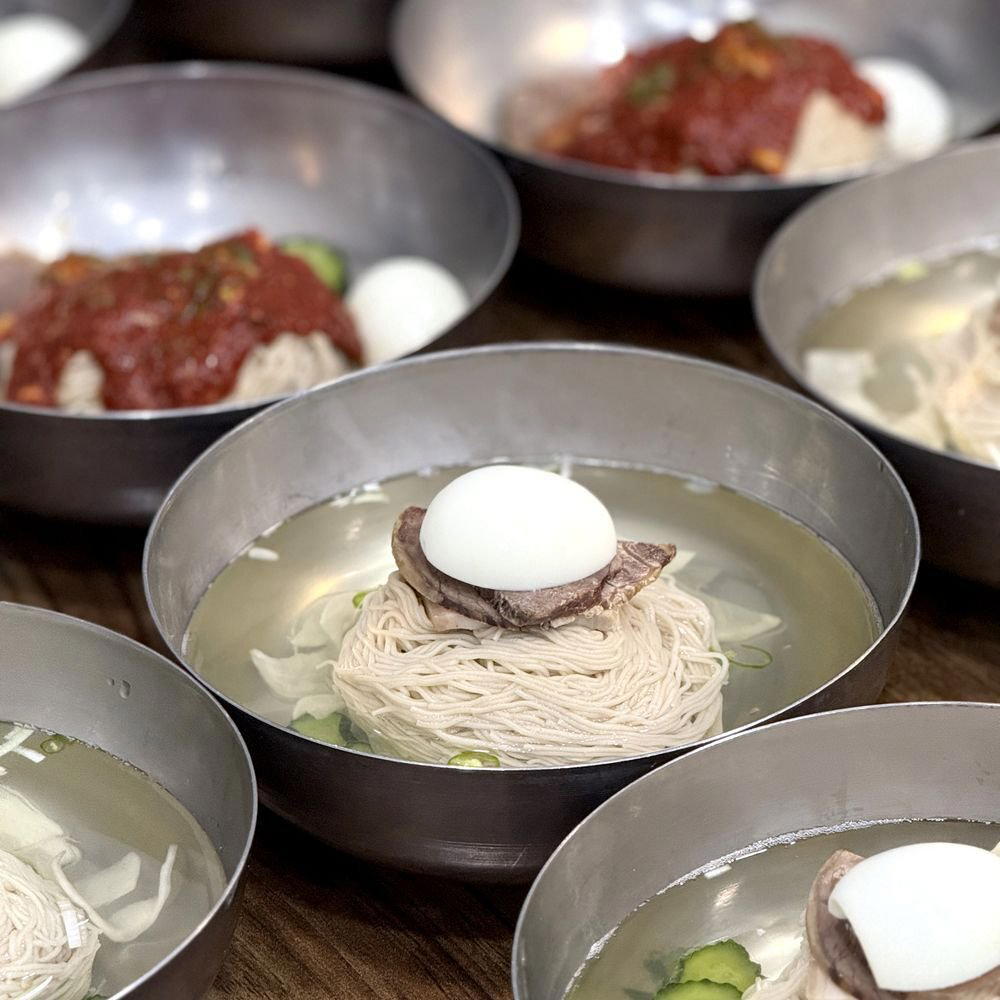
Bars in Busan
All bars in Busan →
Details
- Minimalist
- Modern
- Solo
- Counter Dining
Current opening hours
- Monday
- 11 AM–9 PM
- Tuesday
- 11 AM–9 PM
- Wednesday
- 11 AM–9 PM
- Thursday
- 11 AM–9 PM
- Friday
- 11 AM–9 PM
- Saturday
- 11 AM–9 PM
- Sunday
- 11 AM–9 PM
Hours can change for holidays and private events. Hours as of .
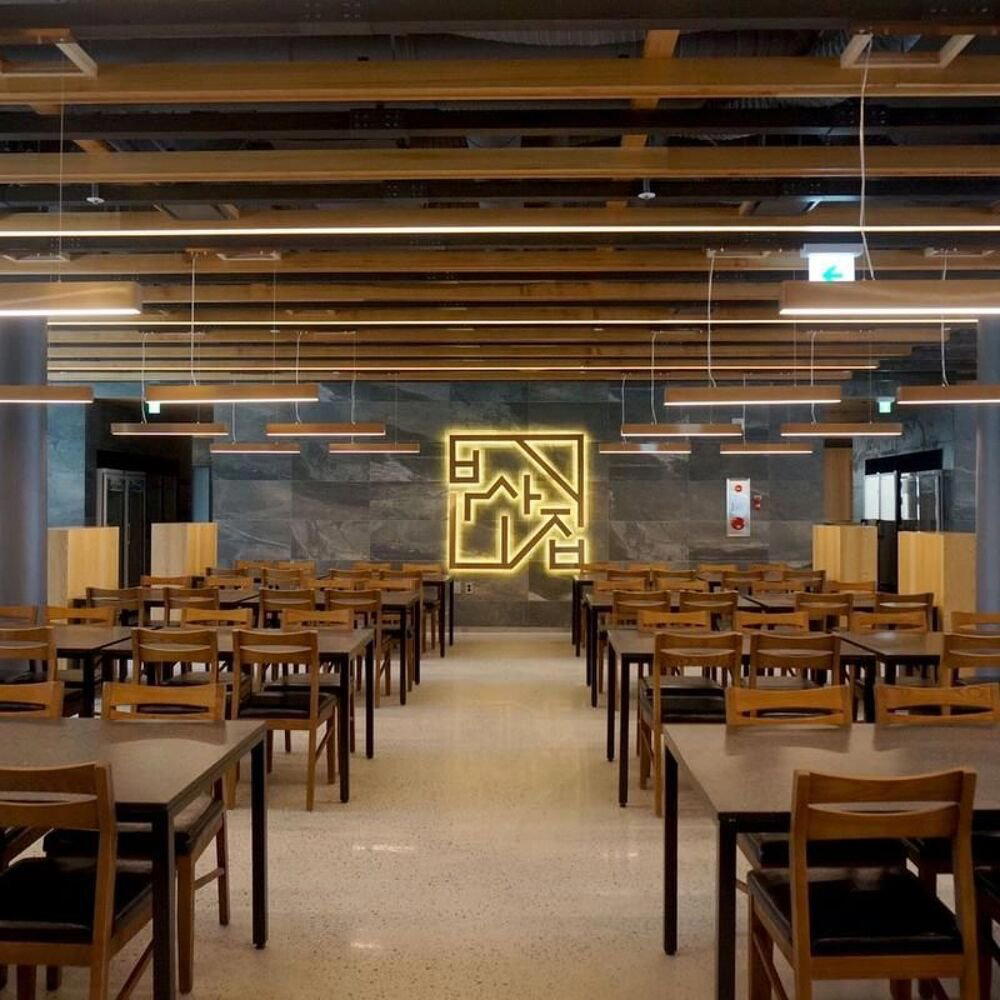
Modern, clean, and minimalistic interior with counter dining providing a comfortable and efficient atmosphere.