PILI PILI

Michelin Bib Gourmand
Our verdict
A Michelin Bib Gourmand-recognised Thai restaurant in Busan's Suyeong-gu district, PILI PILI holds back-to-back Bib Gourmand awards for 2024 and 2025 at a single ₩ price point, making it one of the city's most accessible entries in Michelin's recognised tier. The kitchen leans into southern Thai coastal cooking traditions in a city already fluent in seafood.

Pearl is the En Primeur Club membership app, where members save venues, book tables and use the concierge.
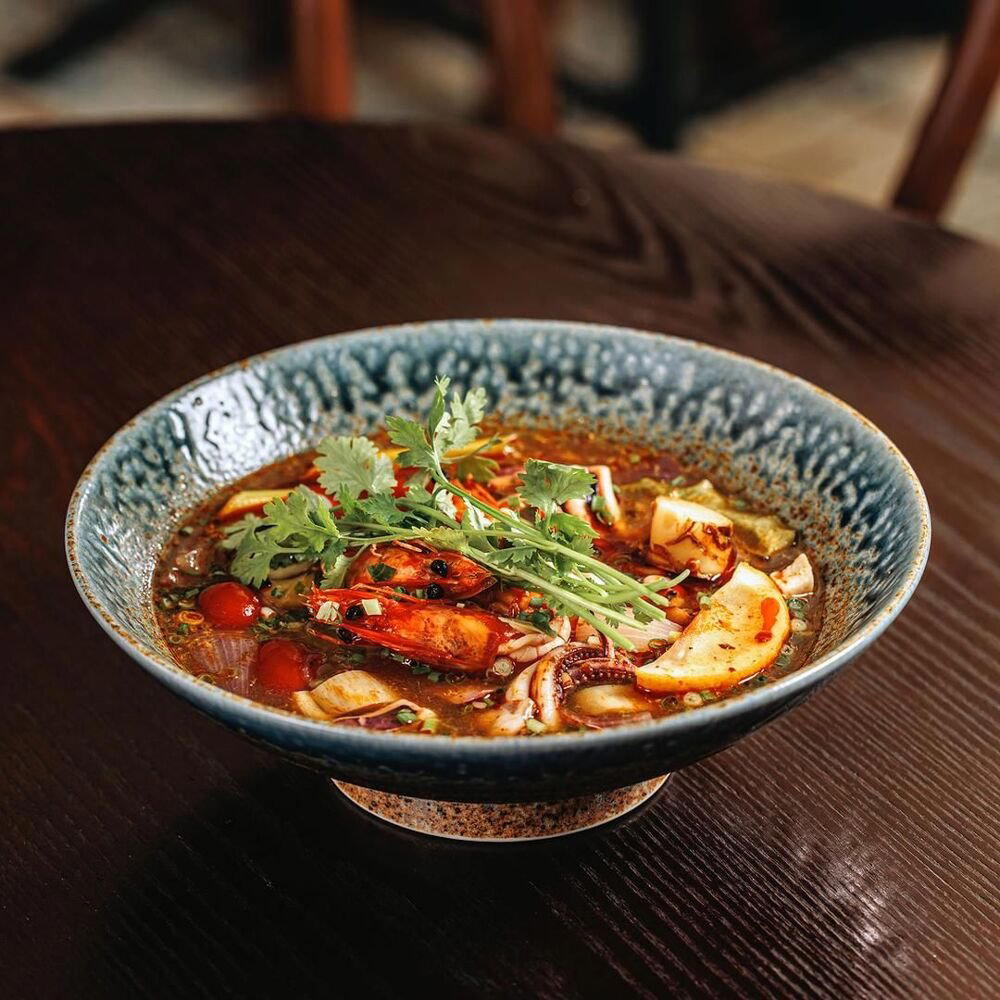
The menu
What to order
- Poo Pad Phong Curry
- Pad Thai
- Green Curry
- Yellow Curry
- Phad Krapow Moo
- Som Tam
Thai Coastal Cooking in a Korean Port City
Busan understands seafood on an instinctive level. The city's own culinary identity is built around it: the raw fish halls of Jagalchi, the anchovy markets of Nampo, the dawn hauls unloaded along Dadaepo. It makes a certain logic, then, that Thai food, specifically the southern coastal register of grilled fish, tamarind-soured broths, and crab-laced curries, should find a receptive audience here. Southern Thai cooking shares more with Korean port-city eating than most people expect: both traditions treat the sea as a larder, deploy fermented pastes as a backbone, and tolerate serious heat. PILI PILI, on a residential stretch of Muhak-ro in Suyeong-gu, operates at exactly that intersection.
The address places it away from Busan's main dining corridors. Suyeong-gu sits east of Haeundae, a neighbourhood with its own rhythm, quieter than the beach strip, more local in character, the kind of area where a single-cuisine specialist can build a regular clientele without competing for tourist foot traffic. Approaching from Suyeong station, the surroundings read as residential and low-rise. That context matters: this is not a restaurant designed to perform for a first-time visitor walking past. It is, in the most useful sense, a neighbourhood place with a Michelin credential.
What the Bib Gourmand Signal Actually Means Here
Back-to-back Michelin Bib Gourmand recognition in 2024 and 2025 positions PILI PILI within a specific tier of the Korea Michelin guide: high quality, accessible price. The Bib designation, awarded to restaurants offering what Michelin describes as good food at moderate prices, carries a different weight than a star, but it is not a consolation. In South Korea's Michelin context, Bib Gourmand entries frequently represent the guide's most locally useful picks, covering regional specialisms that full-star dining rarely touches. For Korean Michelin readers, a Bib at the ₩ price band is often the more actionable recommendation.
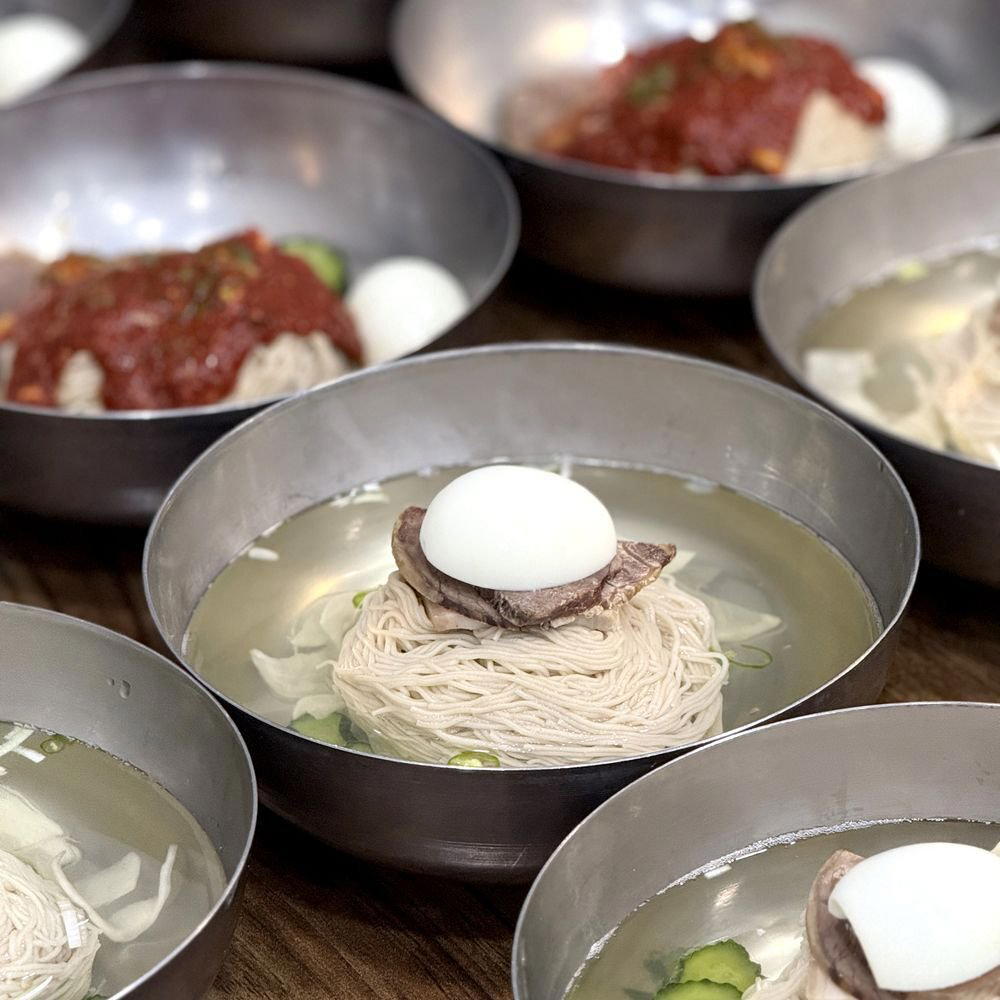
At a single ₩ price point, PILI PILI sits at the entry tier of Busan's recognised dining tier, comparable on price to 100.1. Pyeongnaeng and Anmok, both of which represent Busan's Korean specialist end of affordable dining. Where those venues trade in naengmyeon and dwaeji-gukbap respectively, PILI PILI occupies the inbound cuisine end of the same price bracket. Moving up the city's price tiers, Palate operates at ₩₩ in the contemporary register, Mori at ₩₩₩ for Japanese omakase, and Born and Bred at ₩₩₩₩ for premium steakhouse format. PILI PILI's Michelin recognition at ₩ makes it the most price-accessible of Busan's award-flagged tables by a considerable margin.
Southern Thai Cooking: The Coastal Tradition Behind the Menu
Southern Thai cooking is a distinct regional register, frequently misread in international Thai restaurants that default to the central Thai canon of green curry and pad thai. The southern tradition runs hotter, more sour, and more heavily spiced, shaped by proximity to Malaysia, a coastline that runs both the Gulf of Thailand and Andaman Sea sides, and fishing communities whose cooking is built around the day's catch rather than agricultural staples.
The canonical dishes of this tradition include gaeng tai pla, a fermented fish kidney curry with a depth that most diners encounter once and remember permanently, along with grilled mackerel served with nam prik, crab curries cooked with coconut milk or dry-fried with turmeric, and tamarind-soured prawn dishes where the acidity does structural work rather than merely adding brightness. Fermented shrimp paste (kapi) underpins much of southern Thai cooking the way doenjang anchors Korean cuisine: it is not optional, and its absence produces a fundamentally different dish. For reference points in the Thai restaurant context, Nahm in Bangkok and Samrub Samrub Thai represent the Bangkok end of serious Thai cooking, while AKKEE in Pak Kret shows how the regional traditions survive outside the capital. PILI PILI brings this same coastal-southern orientation to a city that, given its own seafood culture, may be better positioned to appreciate it than most.
The edit of Michelin-recognised Thai restaurants operating outside Thailand is small. Within South Korea's broader restaurant scene, dominated at the award tier by Korean fine dining houses like Gaon and Mingles in Seoul, or Korean specialists like Kwon Sook Soo and temple food traditions such as Baegyangsa Temple, a Thai restaurant holding consecutive Bib Gourmand awards represents an outlier worth examining.
Planning Your Visit
PILI PILI is at 54 Muhak-ro 33 beon-gil, Suyeong-gu, Busan. The Suyeong district is accessible by metro on Busan's Line 2 (Suyeong station), making it a practical stop from Haeundae or the city centre without requiring a taxi. The ₩ pricing means a full meal for two is achievable without the planning overhead that higher-tier Busan tables require. Given consecutive Michelin Bib recognition, booking ahead is advisable, Bib-flagged restaurants at this price point in Korean cities tend to run at consistent capacity from lunch through dinner service. Specific hours and reservation methods are best confirmed directly, as operating schedules are subject to change. For context on the broader dining scene in the city, our full Busan restaurants guide covers the range of recognised and independent tables across the city's districts.
Visitors building a broader Busan itinerary can cross-reference our Busan hotels guide, our Busan bars guide, our Busan wineries guide, and our Busan experiences guide for a complete picture of the city. For Korean dining beyond Busan, The Flying Hog in Seogwipo represents the Jeju end of the country's casual dining scene.
Frequently asked questions
Is PILI PILI child-friendly?
Nothing in PILI PILI's Michelin Bib Gourmand profile, a category defined by quality cooking at accessible prices, suggests a formal or adults-only format. Southern Thai cooking can run hot with chillies, so parents should factor that into ordering decisions for young children.
What's the vibe at PILI PILI?
PILI PILI sits in Suyeong-gu, a residential district of Busan reachable via Line 2 metro, which sets the tone: neighbourhood restaurant rather than tourist-facing destination. The Bib Gourmand designation (awarded consecutively in 2024 and 2025) points to a room where the cooking is the draw, not the decor.
Is PILI PILI Michelin-listed?
PILI PILI has received recognition including: Michelin Bib Gourmand (2025); Michelin Bib Gourmand (2024).
What do regulars order at PILI PILI?
That regional specificity is precisely what earned back-to-back Michelin Bib Gourmand recognition in a market where generic Thai restaurants are common.
What kind of cuisine does PILI PILI serve?
What's the pricing like at PILI PILI?
Pricing at PILI PILI is listed as ₩.
Where exactly is PILI PILI?
PILI PILI is located at 54 Muhak-ro 33 beon-gil, Suyeong-gu, Busan, 48268, South Korea, Busan.
Cost Snapshot
| Venue | Cuisine | Price | Awards | Notes |
|---|---|---|---|---|
| PILI PILIThis venue (the venue you are viewing) | Authentic Thai Cuisine | $20–30 | Michelin Bib Gourmand | Not listed |
| Palate | Contemporary French with Korean Fusion | $150–200 | 1 Michelin Star · La Liste Top Restaurants | Contemporary |
| Mori | Japanese Kaiseki | $200–300 | 1 Michelin Star | Japanese |
| Born and Bred | Modern Hanwoo Beef Omakase Steakhouse | $100–150 | Michelin Plate · World's 50 Best #51 | Steakhouse |
| 100.1. Pyeongnaeng | Pyongyang-style Naengmyeon | $10–20 | Michelin Bib Gourmand | Naengmyeon |
| Anmok | Modern Korean Dwaeji-Gukbap | $10–20 | Michelin Bib Gourmand | Dwaeji-gukbap |
Recognition history
Dated appearances from independent guides and award organizations, with the underlying list record or original source where available.
Michelin Bib Gourmand
Michelin
Full recognition history (3 entries)
Michelin Bib Gourmand
Michelin
Michelin Bib Gourmand
Michelin