
Seven generations into its history and still holding a Michelin Bib Gourmand, Kyogoku Kaneyo is where Kyoto's unagi tradition diverges from its Tokyo counterpart. The house signature, Kinshi Don, layers Edo-style kabayaki eel and a Kyoto-style omelette over rice dressed in a sauce unchanged since the Meiji era, making it one of the clearest expressions of east-west culinary exchange in the city.
Pearl is the En Primeur Club membership app — saves, bookings, and concierge access live there. Same editors, same standards.
- Address
- 456-2 Matsugaecho, Nakagyo Ward, Kyoto, 604-8034, Japan
- Phone
- +81 75-221-0669
- Website
- kyogoku-kaneyo.co.jp
- Directions
- Get directions
 Saves & bookings on Pearl
Where Kyoto and Tokyo Meet in a Rice Bowl
Nakagyo Ward has long been one of Kyoto's most commercially active districts, a zone of covered shopping arcades and old shopfronts where the city's working rhythms play out without the tourist choreography of Gion or Arashiyama. Inside that neighbourhood context, a queue outside a narrow facade is not unusual. At Kyogoku Kaneyo, the queue is a daily constant, and it has been, in various forms, since the Meiji period.
Seven generations of unagi service is not a marketing figure. In practical terms, it means the restaurant's dipping sauce predates Japan's twentieth century entirely, that the steaming-before-grilling technique at the heart of the menu arrived via a cook recruited from Tokyo during the founding era, and that the current format has had well over a century to settle into something coherent. Michelin awarded it the Bib Gourmand in both 2024 and 2025, the guide's marker for cooking worth seeking out at a modest price.
The East-West Tension at the Core of the Menu
Japan's unagi tradition splits along a clear geographic fault line. The Kansai style, native to Kyoto and Osaka, grills the eel directly without prior steaming, producing a firmer, more caramelised result. The Kanto style, associated with Tokyo and Edo-period cooking, steams the eel first, then grills it, yielding a softer, fattier texture with less char. Most unagi restaurants in Kyoto align squarely with one tradition or the other. Kyogoku Kaneyo does not.
The kabayaki preparation here follows the Kanto method, introduced during the restaurant's founding generation when the owner brought a Tokyo-trained cook to Kyoto. That decision locked an eastern technique into a western-city restaurant, and the menu has reflected that duality ever since. The dipping sauce, a constant since the restaurant's inception, has absorbed that history without resolving it. The result is a dish that does not read as fusion in any contemporary sense, but as a record of how Japan's culinary regions have always moved people and techniques across their own internal borders. For visitors coming from kaiseki-heavy itineraries through venues like Gion Sasaki or Hyotei, the register here is deliberately different: unpretentious, fast-moving, historically layered.
Kinshi Don: The Dish That Explains the House
The Kinshi Don is the clearest expression of what Kyogoku Kaneyo actually represents. Rice sits at the base, dressed with the house dipping sauce. Over it comes kabayaki-style eel, prepared in the Tokyo manner. On top of that, a Kyoto-style omelette, thin, pale, and sweetened in the local tradition. The combination is not accidental. The omelette is a Kyoto contribution layered onto a Tokyo technique, and the sauce below holds both together. In a single bowl, the dish maps the restaurant's origins more accurately than any signage could.
Unagi rice preparations are common across Japan, but the Kinshi Don format at this price point, in this city, with this depth of provenance, is specific enough that it draws repeat visitors and fills the dining room daily. For context within the unagi category: Tokyo references like Nodaiwa Azabu Iikura Honten and Ginza Yondaime TAKAHASHIYA operate in higher price brackets with more formal service structures. The restaurant sits at the accessible end of a specialist category, where the cooking does the work and the setting is secondary.
Reading the Bib Gourmand Signal
The Michelin Bib Gourmand designation, held here in both 2024 and 2025, functions as a category marker as much as a quality signal. It places the restaurant in a distinct tier from the city's multi-star kaiseki rooms: accessible pricing, consistent execution, a defined and repeatable format. Kyoto's starred dining, from the two-star Kaiseki rooms to the three-star formality of venues in the broader Kyoto restaurant scene, operates on extended menus, advance reservations, and price points that sit two to four tiers above what a single-digit yen range implies. The Bib Gourmand here signals value in the economic sense and a different kind of value in the experiential one: this is where Kyoto eats unagi without ceremony.
Other Kyoto specialists worth considering alongside it include Kanesho and Okuniya Mambei, both operating in the city's traditional dining culture. For those building a wider itinerary across the Kansai and broader Japan region, the EP Club has restaurant coverage in Osaka, Nara, Tokyo, Fukuoka, Yokohama, and Okinawa.
Planning Your Visit
The restaurant is located at 456-2 Matsugaecho, Nakagyo Ward, a short walk from the Kyogoku covered arcade and accessible from central Kyoto without significant transit effort. The price range sits around $50 per person, placing it among the more accessible unagi specialists in a city where traditional restaurants frequently run several multiples higher. Booking is recommended.
| Venue | Cuisine | Price Tier | Recognition | Format |
|---|---|---|---|---|
| The restaurant | Unagi | ¥ | Michelin Bib Gourmand 2024, 2025 | Walk-in, casual |
| Gion Sasaki | Kaiseki | ¥¥¥¥ | Michelin 3 Stars | Reservation required |
| Isshisoden Nakamura | Japanese | Not listed | Historic specialist | Reservation advised |
| Nodaiwa (Tokyo) | Unagi | ¥¥+ | Historic specialist | Reservation advised |
Accolades, Compared
Comparable venues nearby, for context on price, style, and recognition.
| Venue | Cuisine | Price | Awards | Notes |
|---|---|---|---|---|
| Kyogoku KaneyoThis venue — the venue you are viewing | Traditional Kyoto Unagi | $$$ | Bib Gourmand | Not listed |
| Shichiku Kiko | Seasonal Kyoto Kaiseki | $$$ | Bib Gourmand | Kita |
| Okuniya Mambei | Traditional Kyoto Unagi Kabayaki | $$$ | Michelin Plate | Nakagyō |
| Gion Senryu | Seasonal Tempura Omakase | $$$ | Michelin Plate | Higashiyama |
| Fuyacho 103 | Traditional Oden with Dashi Mastery | $$$ | Bib Gourmand | Nakagyō |
| Jikiba Ono | Seasonal Japanese Counter Dining | $$$ | Michelin Plate | Higashiyama |
Recognition history
Dated appearances from independent guides and award organizations, with the underlying list record or original source where available.
Michelin Bib Gourmand
Michelin
Michelin Bib Gourmand
Michelin
Michelin Bib Gourmand
Michelin
Continue exploring
More in Kyoto
Restaurants in Kyoto
Browse all →
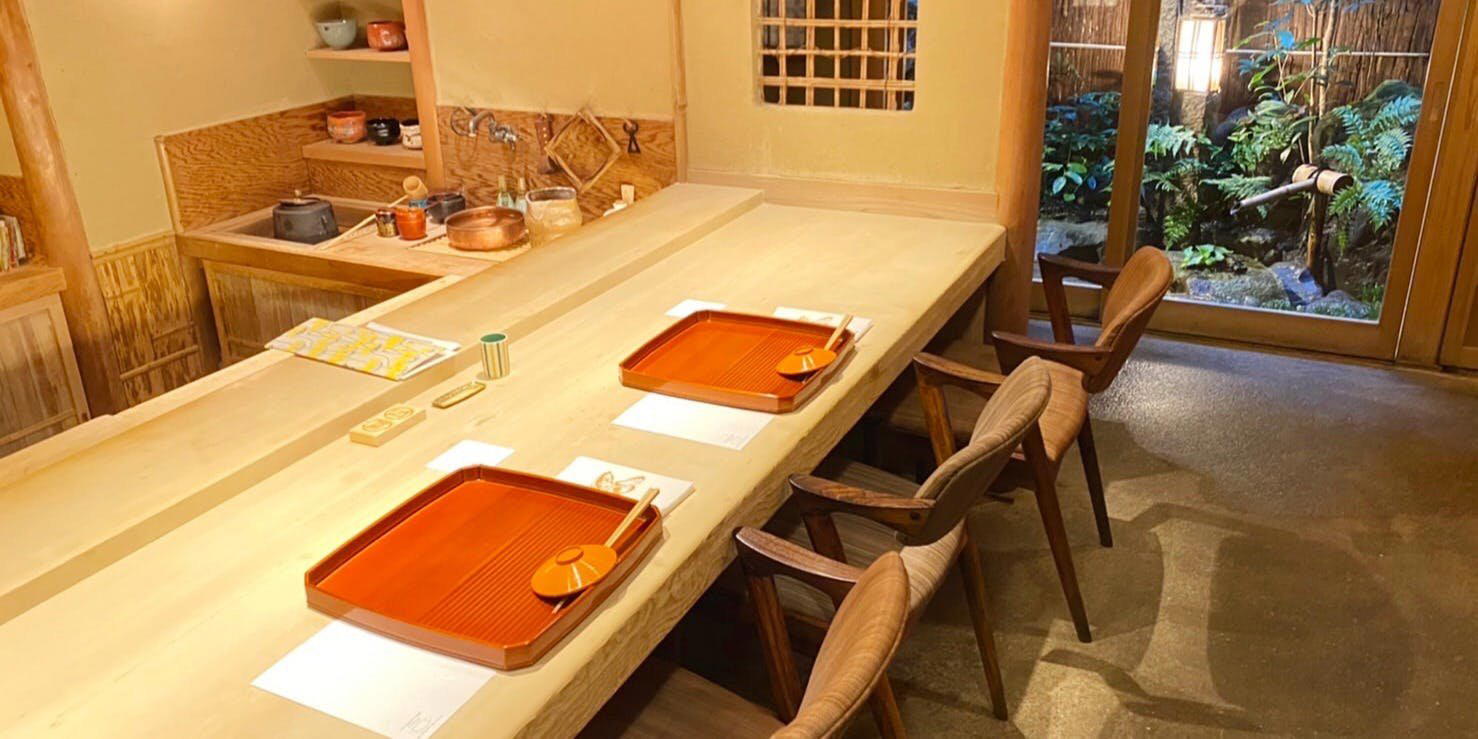
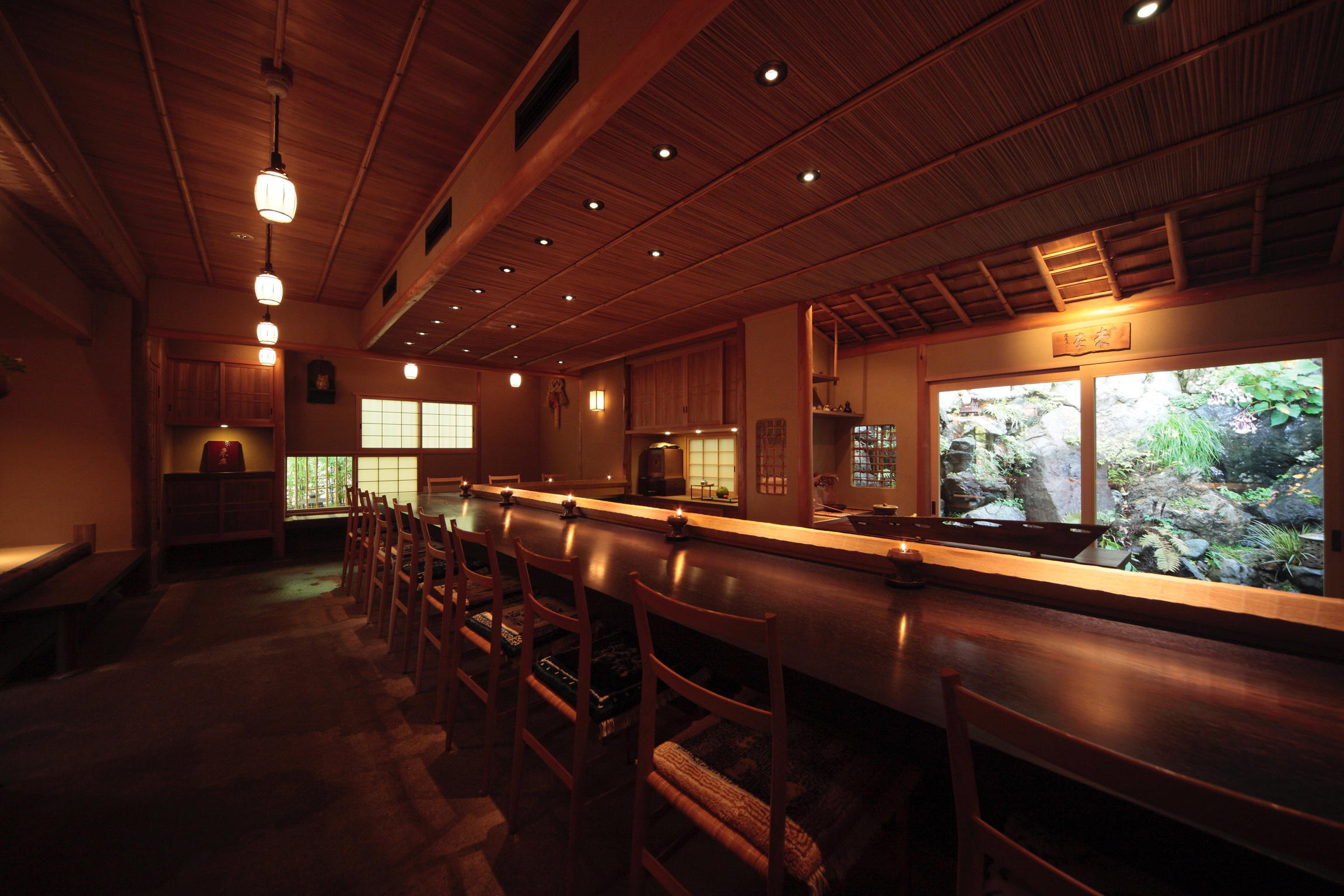
Bars in Kyoto
Browse all →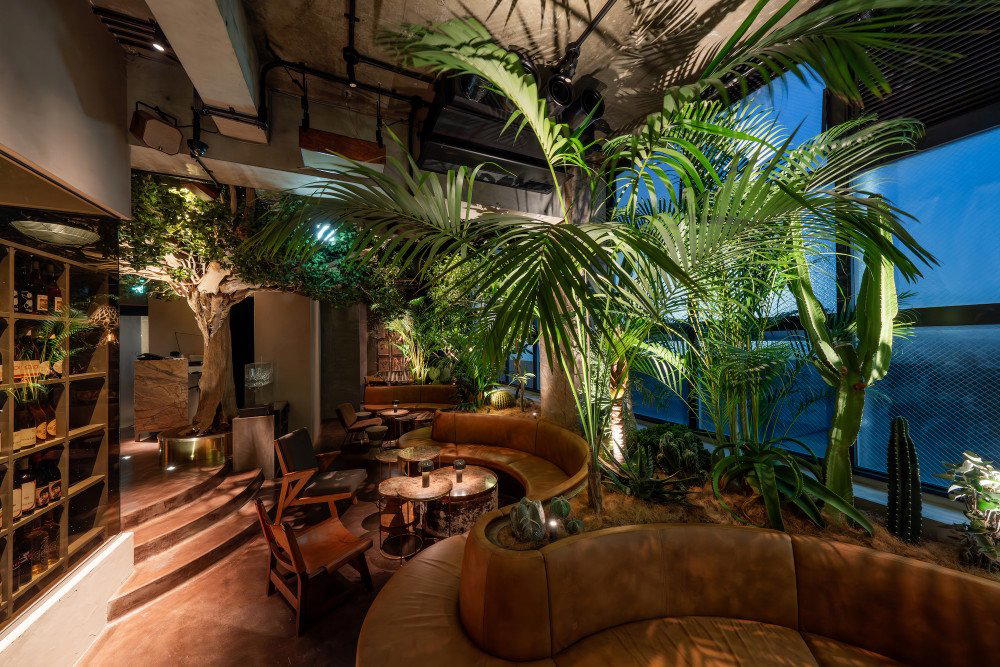
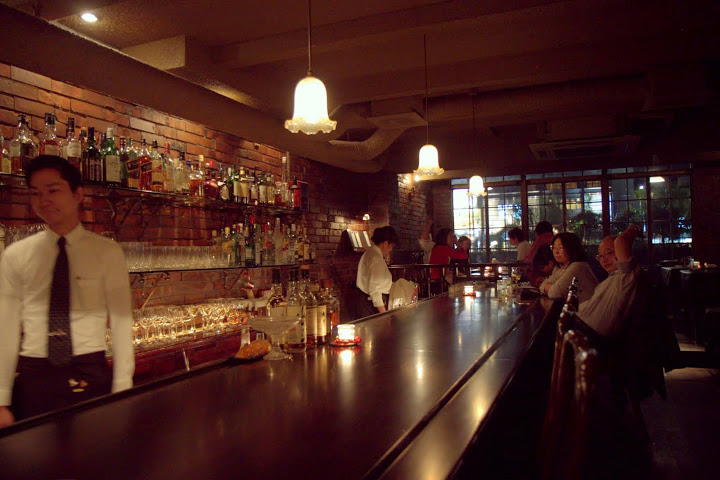
Hotels in Kyoto
Browse all →
Wineries in Kyoto
Browse all →
At a Glance
- Classic
- Cozy
- Historic
- Intimate
- Solo
- Family
- Historic Building
- Open Kitchen
- Sake Program
Current opening hours
- Monday
- 11:30 AM–3 PM, 5–8 PM
- Tuesday
- 11:30 AM–3 PM
- Wednesday
- Closed
- Thursday
- 11:30 AM–3 PM, 5–8 PM
- Friday
- 11:30 AM–3 PM, 5–8 PM
- Saturday
- 11:30 AM–3 PM, 5–8 PM
- Sunday
- 11:30 AM–3 PM, 5–8 PM
Hours can change for holidays and private events. Last verified .
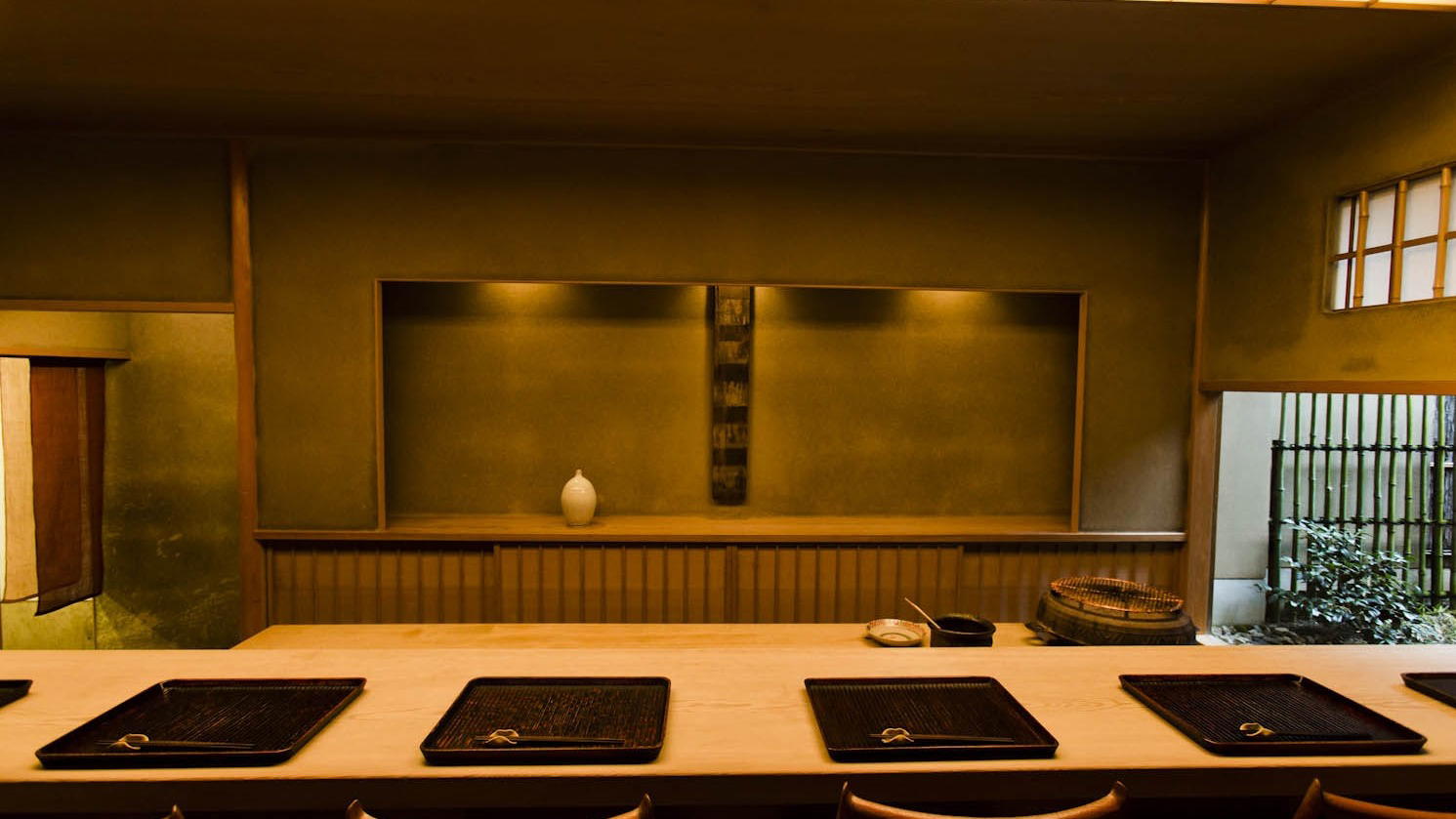
Traditional Japanese with retro wooden decor, tatami rooms upstairs, cozy atmosphere, and open kitchen view of grilling.