
Tokyo's dessert prix fixe scene has a quiet specialist in Minamiaoyama: Haruka Murooka, a counter built around a restaurant pâtissière's creative vision, seasonal Japanese fruit, and courses that borrow from a sculptural fine arts lineage. Michelin Plate recognition in both 2024 and 2025 places it firmly inside the capital's serious patisserie conversation, at a price tier well below the city's three-star dinner circuit.
Pearl is the En Primeur Club membership app — saves, bookings, and concierge access live there. Same editors, same standards.
- Address
- Japan, 〒107-0062 Tokyo, Minato City, Minamiaoyama, 1 Chome−21−9 LUXE南青山 1F-B
- Phone
- +81 3-6434-9168
- Website
- harukamurooka.jp
- Directions
- Get directions
 Saves & bookings on Pearl
A Different Kind of Counter in Minamiaoyama
Tokyo's dining scene is well mapped: the omakase counters of Ginza and Azabu, the kaiseki rooms of Roppongi and Kojimachi, and the French kitchens across the city. What gets less coverage is the format sitting below that tier in price but not necessarily in ambition: the specialist dessert course. Haruka Murooka, on a quiet stretch of Minamiaoyama, operates in that space with a focused prix fixe built entirely around patisserie, seasonal Japanese fruit, and a formal course structure more commonly associated with savoury tasting menus.
Minamiaoyama is a neighbourhood that rewards this kind of specialist concept. The area's concentration of design studios, galleries, and understated luxury retail has historically attracted venues with a considered, non-maximalist approach, and Haruka Murooka fits that register. The address, in the basement level of a low-profile building on Chome 1-21-9, makes it a destination rather than a walk-in.
The Dessert Prix Fixe as a Format
In Paris, dessert-only tasting menus have maintained a small following for years. In Tokyo, the format is rarer but finds fertile ground in a dining culture that applies the same rigour to wagashi, mochi, and seasonal confection as it does to any savoury course. Haruka Murooka works within that tradition while adopting the structure of a Western-style prix fixe: sequential courses, a specific progression, and a savoury interlude (a vegetable dish) served between dessert rounds to reset the palate.
That vegetable interlude is worth noting as a structural choice. Serious pastry-led formats often struggle with palate fatigue across an extended sweet menu; the placement of a savoury vegetable course mid-sequence addresses that directly, borrowing from the logic of a pre-dessert cleanser but giving it more weight. It is a detail that signals format literacy rather than improvisation.
Fruit, Producers, and Seasonal Anchoring
Japan's premium fruit market is one of the more documented aspects of the country's food culture abroad: strawberries sold individually in gift boxes, Shizuoka melons priced at multiples of what imported fruit costs in European luxury markets, Yamagata cherries with regulated sizing and grading standards. Haruka Murooka builds its menu around fresh fruit sourced from producers across Japan, which means the menu shifts with the seasons and the available harvest. This is not a stable, year-round document; it is a moving target that tracks what is in peak condition at any given time.
For a visitor planning around Japan's fruit calendar, that specificity matters. Spring brings strawberries from Tochigi and Fukuoka, summer moves into peaches and Yamagata cherries, autumn brings pears and persimmons, and winter's mandarin and yuzu varieties carry their own presence. A reservation in late spring reads differently from one in October, and both will be different again from what appears in the winter months. Its Michelin Plate recognition in 2024 and 2025 reflects consistent execution across that seasonal rotation.
Aesthetic Lineage and Presentation
The patissière's background includes parents working in sculpture and art education, and that context shapes how the venue frames its own aesthetic. Each course is described as a work of delicate construction rather than decoration for its own sake, a distinction that matters in the premium dessert format where visual elaborateness can substitute for actual craft. At the restaurant, the presentation appears to sit closer to the discipline of Japanese craft objects than to the baroque plating conventions of European pastry competitions.
The name itself carries meaning: Haruka translates loosely as the fragrance of spring, and the stated intention is to move guests through the courses rather than simply to feed them. The Michelin Plate designation across two consecutive years suggests the program delivers with enough consistency to earn and retain critical recognition. For comparison, venues in Tokyo that have gone through Michelin assessment at this tier and maintained recognition across multiple years are operating at a standard that the guide treats as reliable, even if the Plate sits below star designation.
Where It Sits in the Tokyo Dining Tier
At the ¥¥¥ price tier, the restaurant occupies a significantly different bracket from Tokyo's most decorated dinner counters. Harutaka (Sushi), L'Effervescence (French), and RyuGin (Kaiseki, Japanese) each sit at ¥¥¥¥ with three Michelin stars, a tier where the cost of an evening frequently exceeds ¥30,000 to ¥50,000 per person before drinks. A dessert prix fixe at ¥¥¥ delivers a structured, multi-course format from a Michelin-recognised kitchen at a fraction of that outlay.
This is the core value proposition: the format is serious, the sourcing is premium, the aesthetic is intentional, and the entry cost reflects that it is a dessert program rather than a full savoury tasting menu. For a Tokyo dining itinerary that already includes a three-star lunch or dinner, adding the restaurant as a standalone evening event changes the budget calculus significantly. For visitors building a Japan itinerary beyond Tokyo, restaurants such as HAJIME in Osaka, Gion Sasaki in Kyoto, and akordu in Nara illustrate how the premium creative dining tier distributes across the Kansai region at comparable or higher price points.
Within Tokyo's creative dining category, Yama and Sézanne (French) represent the upper tier of the creative and French categories respectively. The restaurant's niche is distinct from both: it is not a generalist creative kitchen but a single-format specialist with a defined structure and a specific culinary focus that does not overlap with savoury tasting menus.
Internationally, the Paris tradition of pastry-forward tasting menus at establishments like Alléno Paris au Pavillon Ledoyen and Arpège reflects a different inflection of the same creative discipline, but those are full restaurant programs with pastry as a component. The restaurant inverts the proportion entirely.
Planning Your Visit
Minamiaoyama is accessible via Omotesando Station on the Tokyo Metro Ginza, Hanzomon, and Chiyoda lines. The neighbourhood is walkable from Aoyama-Itchome station as well. Reservations are essential, and booking well in advance is the pragmatic approach. For those building a wider Tokyo itinerary, our full Tokyo restaurants guide covers the full range of the city's dining options, while our full Tokyo hotels guide, our full Tokyo bars guide, and our full Tokyo experiences guide provide context for the surrounding itinerary. Regional dining further afield is covered through venues like Goh in Fukuoka, 1000 in Yokohama, and 6 in Okinawa.
At a glance: Dessert prix fixe, ¥¥¥ tier, Michelin Plate 2024 and 2025, Minamiaoyama, Tokyo. Reservations recommended; advance booking advisable for peak seasonal windows.
Same-City Peers
Comparable venues nearby, for context on price, style, and recognition.
| Venue | Cuisine | Price | Notes |
|---|---|---|---|
| Haruka MurookaThis venue — the venue you are viewing | Modern Dessert Omakase | $$$$ | Not listed |
| Miyawaki | Kyoto-style Kaiseki | $$$$ | Minato |
| Oryori Katsushi | Seasonal Kaiseki Kappo | $$$$ | Chūō |
| Tasogare | Modern Japanese Bistro with European Influences | $$$$ | Minato |
| SUKIYAKI ASAI | Traditional Omi Beef Sukiyaki | $$$$ | Minato |
| Makimura | Kappo Kaiseki | $$$$ | Shinagawa |
Recognition history
Dated appearances from independent guides and award organizations, with the underlying list record or original source where available.
Michelin Plate
Michelin
Michelin Plate
Michelin
Michelin Plate
Michelin








At a Glance
- Elegant
- Intimate
- Modern
- Sophisticated
- Date Night
- Special Occasion
- Chefs Counter
- Open Kitchen
- Extensive Wine List
- Sake Program
- Craft Cocktails
- Local Sourcing
Current opening hours
- Monday
- 3–8:30 PM
- Tuesday
- Closed
- Wednesday
- Closed
- Thursday
- Closed
- Friday
- 3–8:30 PM
- Saturday
- 12–9 PM
- Sunday
- 12–9 PM
Hours can change for holidays and private events. Last verified .
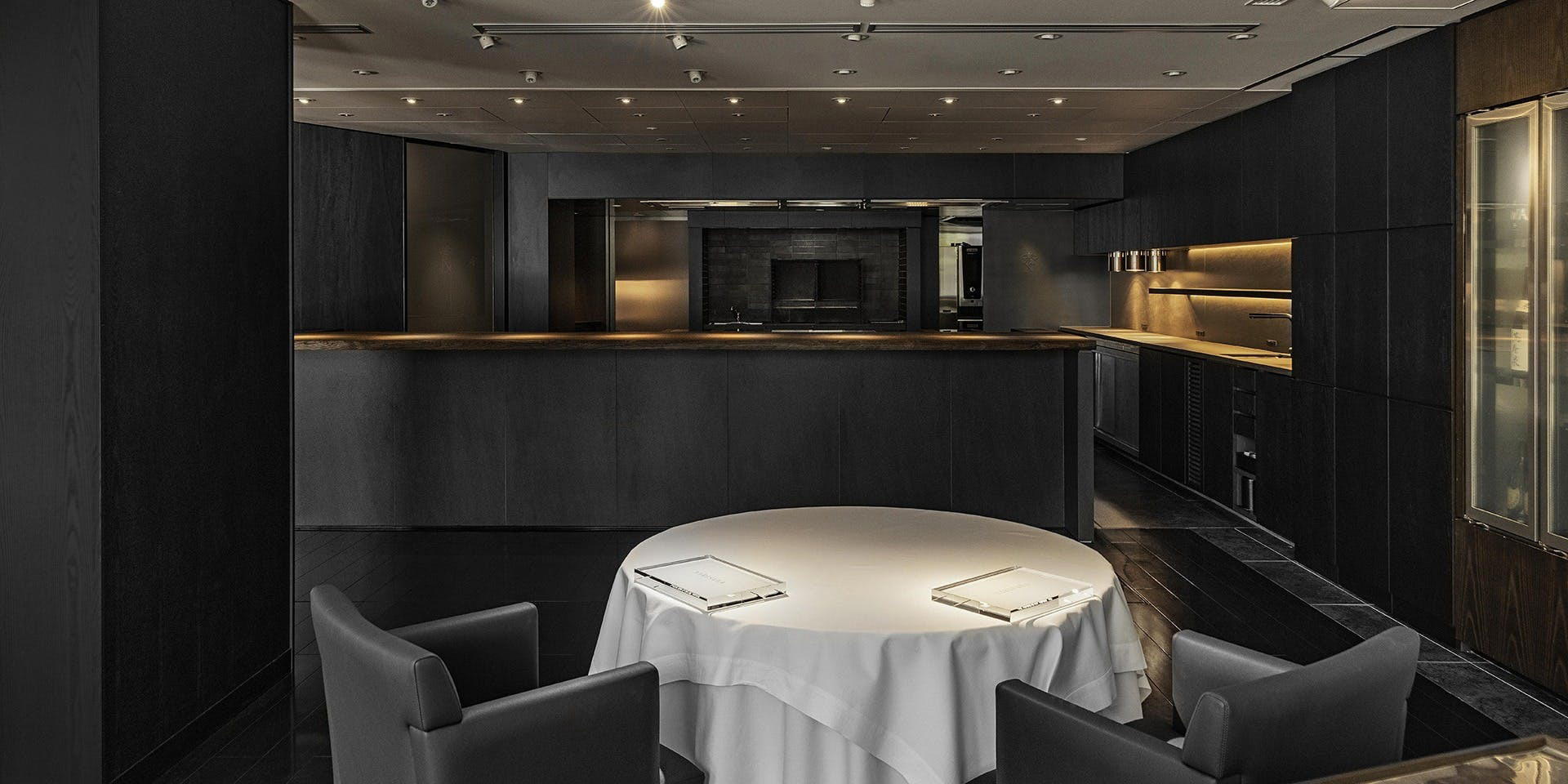
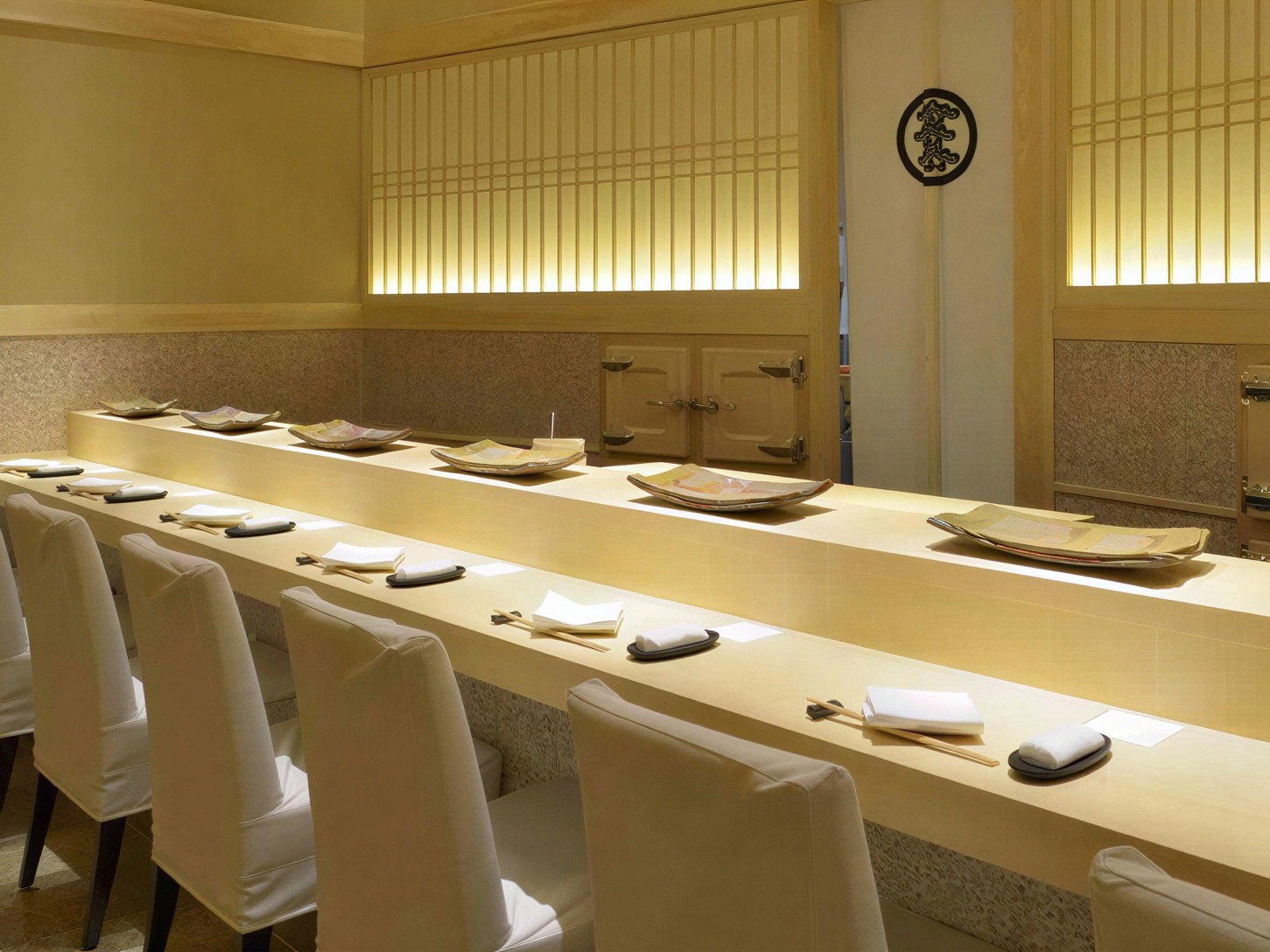
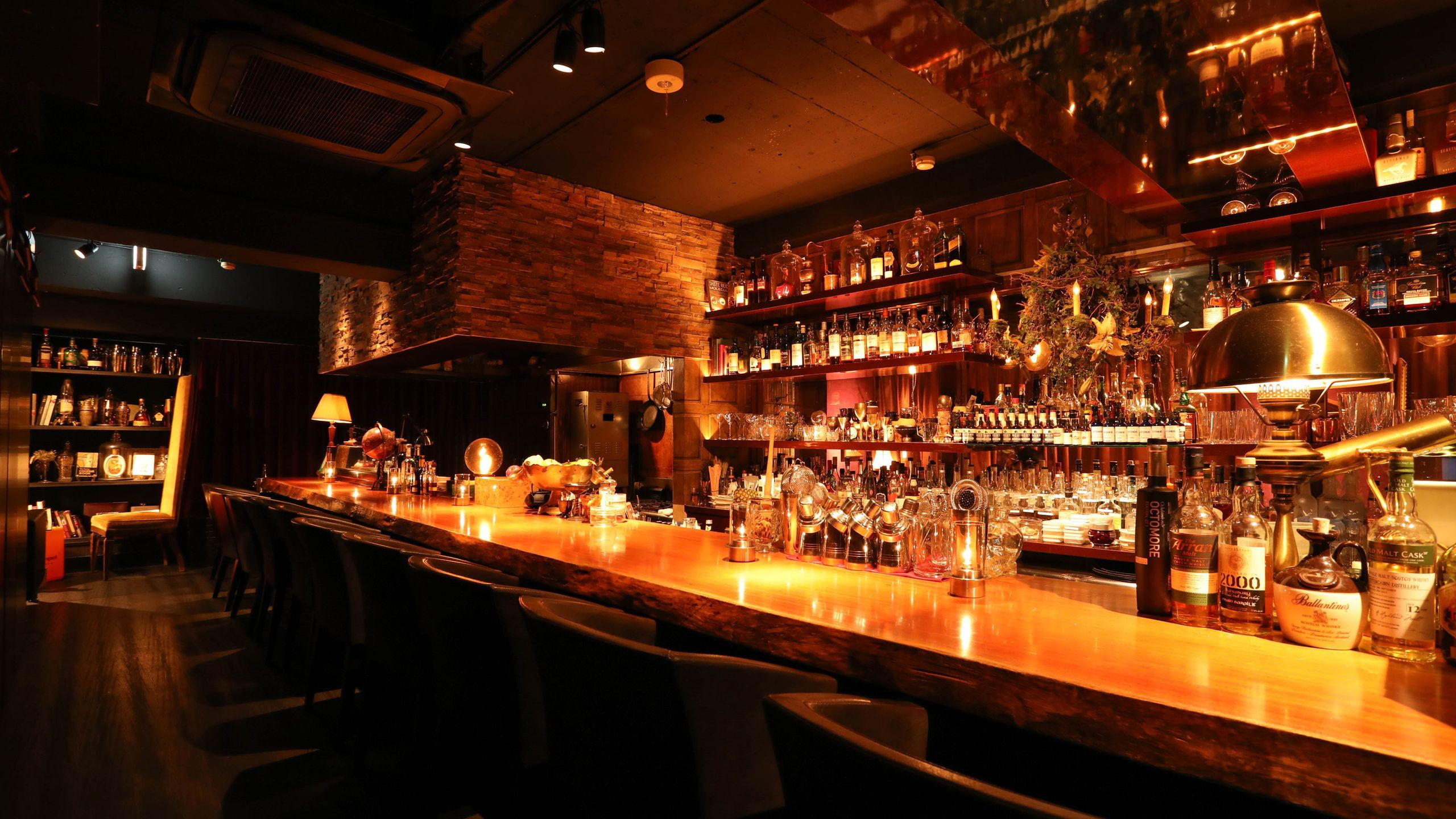
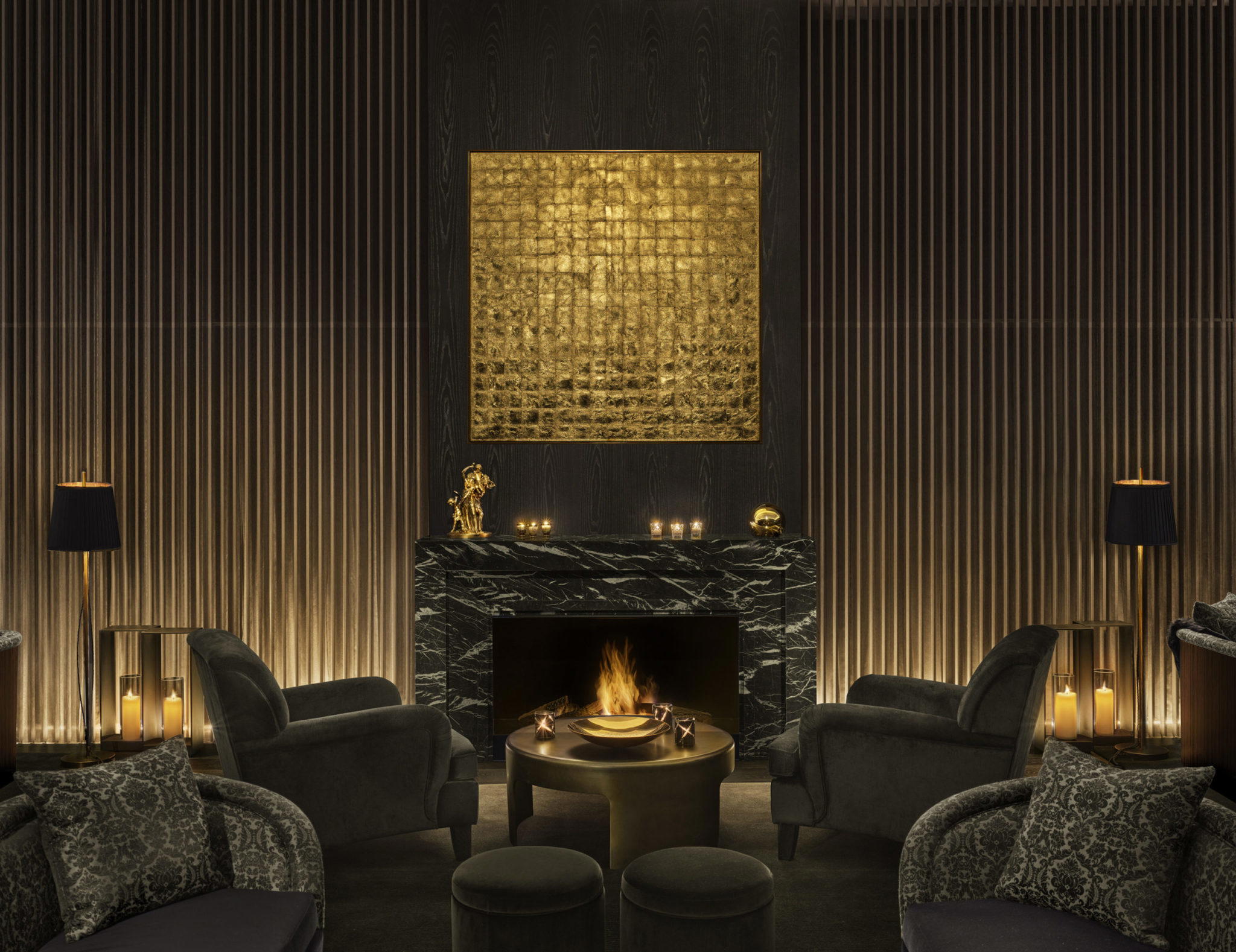
Softly rounded room with colorful Belgian Bealstone counter, curves creating luxury and femininity, inviting guests to watch desserts crafted in an elegant, intimate setting.