1 Michelin Star
Our verdict
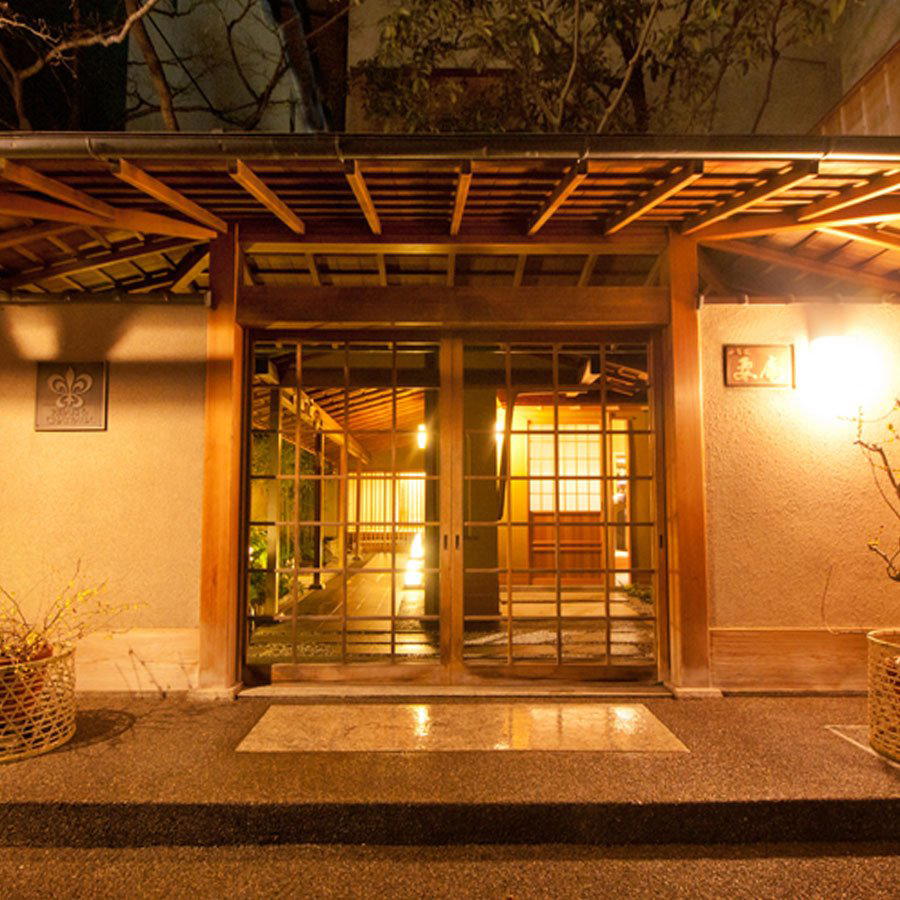
A Michelin-starred Japanese restaurant in Kyoto's Nakagyo Ward, Kentan Horibe operates from a tea-house setting where lacquerwork, seasonal decoration, and carefully paced cooking combine to reflect the depth of Kyoto's food culture. The name itself translates as 'the deep pursuit of self-improvement,' a phrase that shapes the restaurant's approach to both craft and seasonal cuisine. Pricing sits at ¥¥¥, making it accessible relative to Kyoto's highest-tier kaiseki rooms.

Pearl is the En Primeur Club membership app, where members save venues, book tables and use the concierge.
The menu
What to order
- Turnip surinagashi
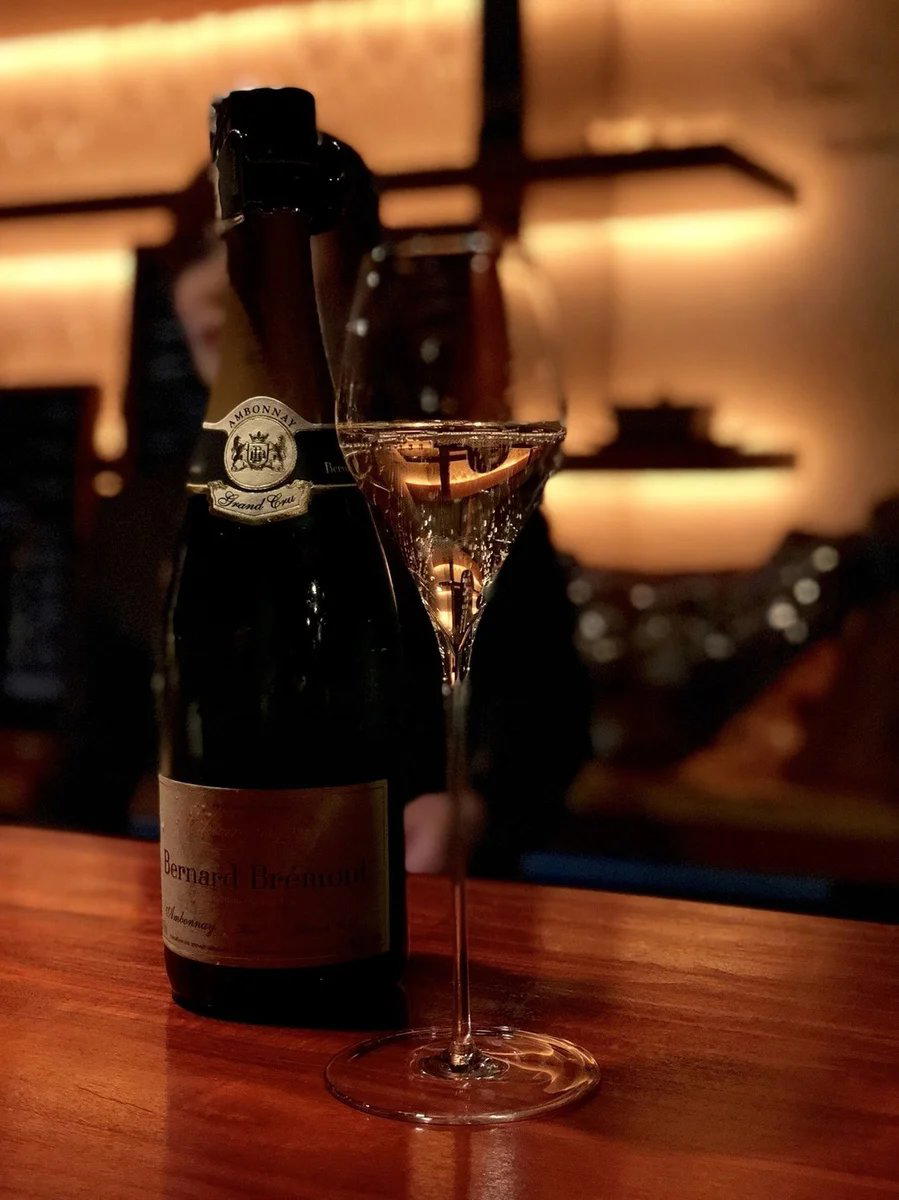
- Homemade sorbet with champagne
The Weight of a Lacquer Counter
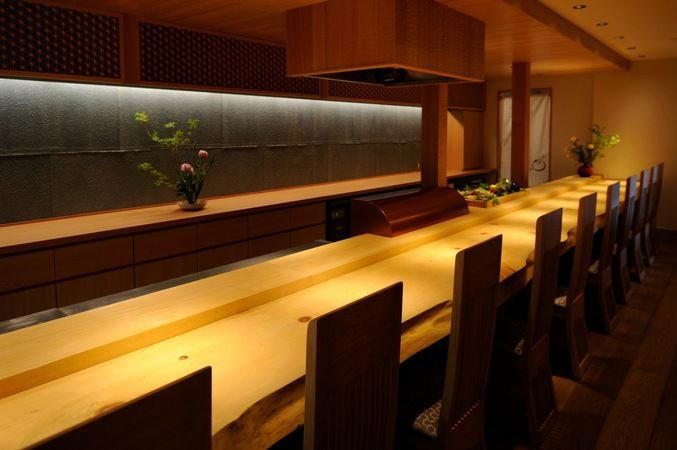
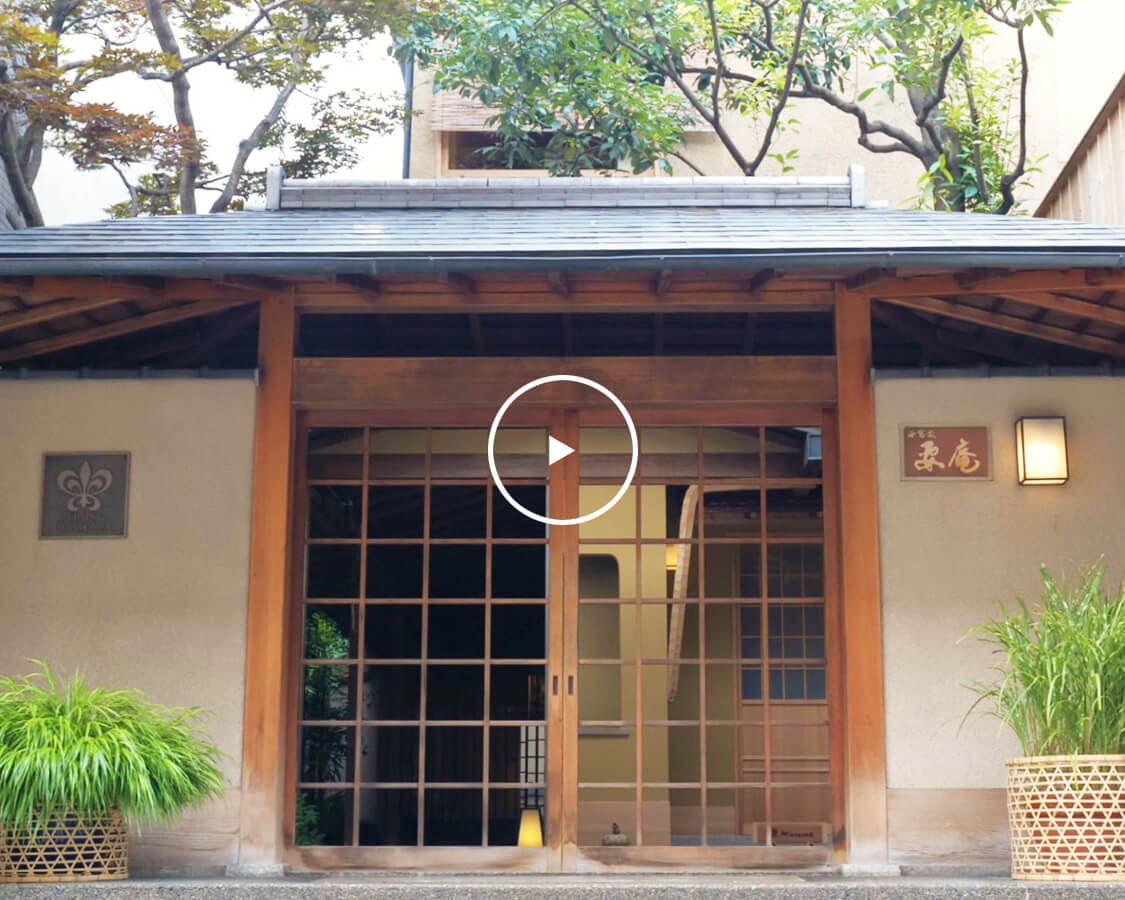
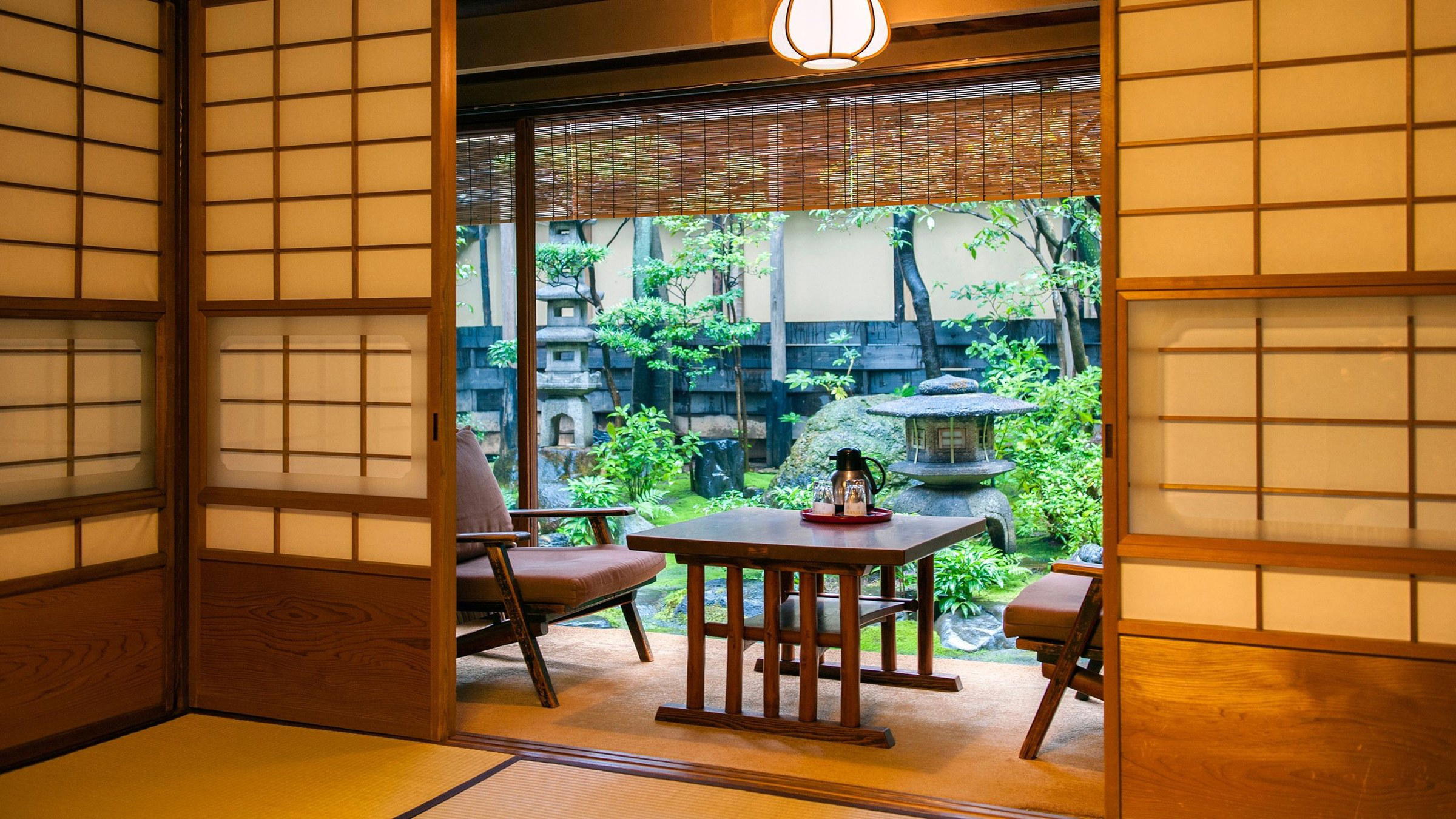
There is a moment, on entering certain Kyoto dining rooms, when the physical environment does most of the talking before a single dish arrives. At Kentan Horibe, on a quiet side street in Nakagyo Ward, that moment belongs to the lacquer counter. The chef coated and polished it himself, a detail that tells you something important about how this restaurant understands its own project. In Kyoto's dining culture, where the boundary between craft and cuisine has always been porous, a hand-finished counter is not an aesthetic flourish, it is a statement of intent.
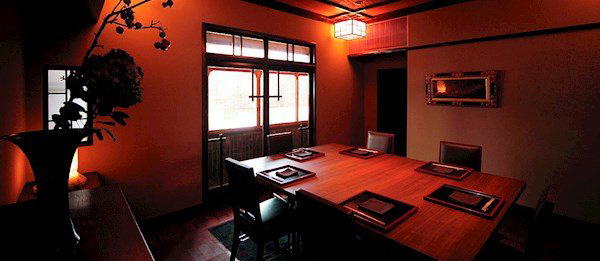
The tea-house interior places Kentan Horibe within a recognisable Kyoto idiom: restrained materials, seasonal decoration that shifts across the calendar, and serving ware chosen to extend the meaning of whatever is on the plate. This is a city where the vessel has long been considered part of the dish, and where the sequence and setting of a meal carry as much significance as the food itself. Kentan Horibe earns its 2024 Michelin star by operating entirely within that tradition while introducing modern technique, particularly low-flame grilling, at carefully chosen moments.
Kyoto's Mid-Tier and What It Means
Kyoto's restaurant hierarchy is compressed at the leading. Gion Sasaki holds three Michelin stars, Ifuki and Kyokaiseki Kichisen each hold two, and a cluster of one-star rooms, including Kentan Horibe, occupy the tier below. The price differential between these tiers is significant. Kentan Horibe's ¥¥¥ rating places it below the ¥¥¥¥ rooms that dominate Kyoto's kaiseki conversation, which means a diner can engage with serious, awarded Japanese cuisine here without committing to the highest price bracket in one of Japan's most expensive dining cities.
That positioning matters for how you read the experience. Venues like Isshisoden Nakamura and Gion Matayoshi occupy neighbouring rungs on Kyoto's formal dining ladder, each with its own relationship to the kaiseki canon. Kikunoi Roan and Kenninji Gion Maruyama offer further reference points. Within this competitive set, Kentan Horibe's argument is rooted in depth of craft rather than ceremony of scale: the name itself, translating as 'the deep pursuit of self-improvement,' signals an inward focus that runs against the grain of prestige positioning.
The Ritual of the Meal
Japanese fine dining has always been as much about pacing and sequence as about individual dishes, and Kyoto kaiseki formalised that logic into a structure that other cuisines have since borrowed from. The progression through a kaiseki or kaiseki-influenced meal follows an accumulated rhythm: lighter preparations early, building through textured and simmered courses, with grilled elements arriving at a considered moment in the sequence. Kentan Horibe works within this framework, but its use of low-flame grilling as a modern technique is worth noting in context.
Low-heat cooking over flame is not simply a contemporary gesture. It reflects a deeper attention to how heat moves through protein and vegetable matter, producing results that retain moisture and develop flavour without the char that high-heat methods introduce. In a dining room where seasonal ingredients are the primary language, controlling heat with this precision is a way of letting the season speak clearly. The technique sits alongside, rather than displacing, the classical architecture of the meal.
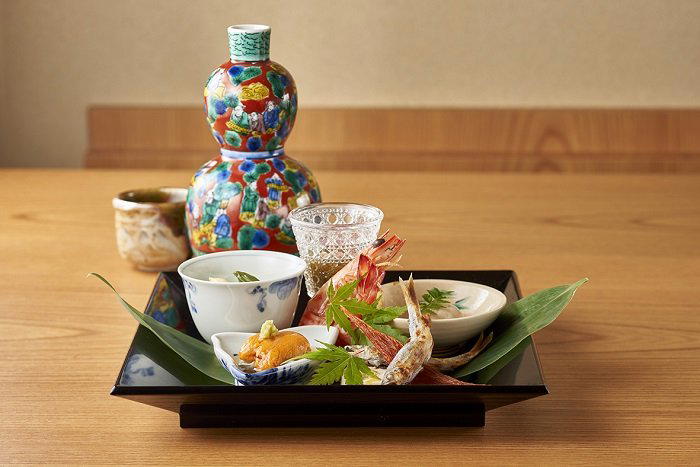
The seasonal decoration and serving ware are not incidental to this. In Kyoto's dining culture, the tableware collection at a serious restaurant is curated over years, with pieces selected to respond to specific seasons, ingredients, or courses. A ceramic chosen for autumn will differ in glaze and weight from one brought out in spring. Diners who arrive without awareness of this often miss one of the more absorbing dimensions of the experience. The meal at Kentan Horibe, as at comparable Kyoto rooms, is designed to be read as a whole.
For those exploring similar approaches to ritual and precision elsewhere in Japan, Harutaka in Tokyo and Myojaku offer contrasting expressions of Japanese fine dining discipline, while Azabu Kadowaki represents another serious Tokyo reference point. Beyond the capital, HAJIME in Osaka and Goh in Fukuoka extend the picture of how Japanese fine dining evolves across cities. akordu in Nara, 1000 in Yokohama, and 6 in Okinawa each bring regional perspectives that sharpen the comparison with Kyoto's more codified traditions.
Kyoto's Food Culture as Context
Kyoto cuisine carries a particular weight in Japan's culinary history. The city's landlocked geography shaped a cooking culture built around preservation, fermentation, and the transformation of vegetables and tofu into preparations of considerable sophistication, long before fresh seafood became available by refrigerated transport. That legacy is still present in how Kyoto restaurants think about ingredients and technique. Even rooms that work with excellent fish and meat from across Japan tend to foreground seasonal produce from the immediate region, whether Kyoto negi, Kamo eggplant, or the preserved pickles that accompany rice at the end of a formal meal.
Kentan Horibe positions itself explicitly within this context. The description of its cuisine as an opportunity to appreciate Japanese food 'in a broader context' points to a pedagogical ambition that is not unusual among Kyoto's more serious rooms. The city has always understood its restaurants as custodians of something, a relationship between place, season, and technique that requires active maintenance. The hand-polished counter and the hand-selected serving ware are part of that maintenance.
For those building a broader Kyoto itinerary, Kodaiji Jugyuan offers a further reference point among the city's awarded dining rooms. See our full Kyoto restaurants guide for a wider map of the scene, alongside our guides to Kyoto hotels, Kyoto bars, Kyoto wineries, and Kyoto experiences.
Know Before You Go
- Address: 273 Tenjinyamacho, Nakagyo Ward, Kyoto, 604-8221, Japan
- Price range: ¥¥¥
- Awards: Michelin 1 Star (2024)
- Booking: Contact details not publicly listed; approach through hotel concierge or a specialist Japan reservation service
- Dress code: No published code, but smart dress is consistent with the setting
- Leading timing: Seasonal decoration and cuisine shift across the year; spring and autumn are the periods when Kyoto's ingredient calendar is most expressive
Frequently asked questions
How do I find Kentan Horibe?
Kentan Horibe is located at 273 Tenjinyamacho, Nakagyo Ward, Kyoto, 604-8221, Japan, Kyoto.
Is Kentan Horibe focused on a specific cuisine style?
What kind of recognition has Kentan Horibe received?
Kentan Horibe has received recognition including: The first feature to catch your eye in the tasteful tea-house style interior is the lacquer counter, which the chef polished and coated himself. ‘Kentan’ means ‘the deep pursuit of self-improvement’. The seasonal interior decoration, servin….
What's the must-try dish at Kentan Horibe?
Specific dishes rotate with the season, so no single plate is fixed to the menu long enough to be named as a permanent signature. What the venue consistently delivers is a fully composed seasonal sequence where serving ware, interior decoration, and cuisine are selected to work as a unified whole, the kaiseki structure itself is the point, not any single course.
What does dinner at Kentan Horibe typically cost?
Pricing at Kentan Horibe is listed as ¥¥¥.
Can I walk in to Kentan Horibe?
Advance reservations are strongly advised for a Michelin 1-Star kaiseki counter in Nakagyo Ward. Walk-in availability at this tier in Kyoto is rare, particularly given the small counter format and the pacing demands of a multi-course kaiseki meal. Booking ahead through a hotel concierge or reservation service is the standard approach.
What's Kentan Horibe best at?
The venue's stated philosophy, 'kentan' translating as the deep pursuit of self-improvement, runs through every material detail, including a lacquer counter the chef polished and coated himself. Michelin awarded it one star in 2024 for its synthesis of Kyoto food culture, seasonal decoration, and modern technique including low-flame grilling. It sits within a competitive one-star tier that also includes Kyoto's most rigorous exponents of kaiseki tradition.
Style and Standing
| Venue | Cuisine | Price | Awards | Notes |
|---|---|---|---|---|
| Kentan HoribeThis venue (the venue you are viewing) | Traditional Kyoto Kaiseki | $150–200 | 1 Michelin Star | Not listed |
| Gion Sasaki | Modern Kaiseki | $300–500 | 3 Michelin Stars · La Liste Top Restaurants | Kaiseki, Japanese |
| cenci | Innovative Italian-Japanese Fusion | $100–150 | 1 Michelin Star · World's 50 Best #76 | Italian |
| Ifuki | Sumibi Kappo Kaiseki | $200–300 | 2 Michelin Stars · La Liste Top Restaurants | Kaiseki |
| Kyokaiseki Kichisen | Kyoto Kaiseki | $200–300 | 2 Michelin Stars · La Liste Top Restaurants | Japanese |
| Kyo Seika | Modern Chinese Fine Dining | $150–200 | 1 Michelin Star · Tabelog Bronze #216 | Chinese |
Recognition history
Dated appearances from independent guides and award organizations, with the underlying list record or original source where available.
Michelin 1 Star
Michelin
Full recognition history (2 entries)
Michelin 1 Star
Michelin