Alici Restaurant



Star Wine List · Gault & Millau UAE Selected Restaurant · Relais Chateaux Award
Our verdict
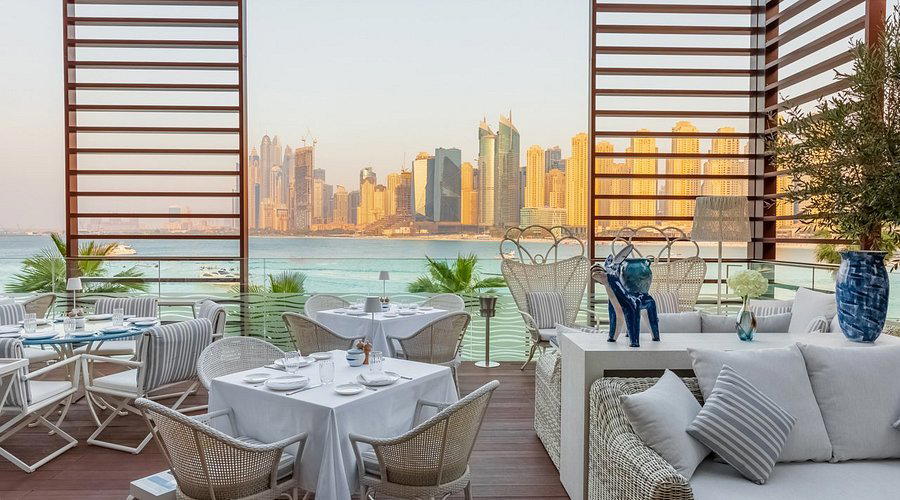
Alici holds a Michelin star at Borgo Santandrea, a clifftop hotel just outside Conca dei Marini on the Amalfi Coast. Chef Crescenzo Scotti draws from the coastal flavours of Amalfi, Naples, and his native Ischia, with Amalfi lemon threading through much of the menu. Dinner is served on a terrace with a majolica floor overlooking the sea, and the setting is as deliberate as the cooking.

Pearl is the En Primeur Club membership app, where members save venues, book tables and use the concierge.
The menu
What to order
- Cappuccino Mediterraneo
- Spaghetti alle vongole
- Risotto with Amalfi lemon and prawns
Where the Amalfi Coast Sets Its Own Fine-Dining Terms
The southern Italian coastline has never played by the same rules as the country's northern fine-dining circuit. While Osteria Francescana in Modena, Le Calandre in Rubano, and Enoteca Pinchiorri in Florence operate within a culinary framework built around technique and cellar depth, the Amalfi Coast's leading tables tend to anchor their authority in geography. The argument here is simpler and harder to replicate: the sea is right there, the citrus groves are on the terraces above you, and the boats that brought the catch in are visible from the dining room. At Alici, that argument is made with a Michelin star and a terrace floor covered in blue and azure majolica that reflects the sea it looks out over.
Alici sits within Borgo Santandrea, a clifftop hotel positioned just outside Conca dei Marini, one of the quieter bays along the coast. The hotel positions itself at the luxury end of the Amalfi accommodation spectrum, and Alici functions as its fine-dining centrepiece. For context on where to stay while visiting, see our full Amalfi Coast hotels guide.
The Terrace as Context, Not Backdrop
Coastal fine dining across the Mediterranean has long grappled with the same problem: how to stop the view from overwhelming the food. Many restaurants resolve this by placing their most serious cooking indoors, where the architecture can focus attention on the plate. Alici takes the opposite approach. Dinner is served on the terrace, and the majolica floor, blue and azure, echoing the colour of the sea below, makes the outdoor setting feel deliberate rather than incidental. The interior dining room with its vintage-style furniture exists, but the terrace is where the kitchen's intentions are properly framed.
This kind of outdoor dining carries specific operational demands. Temperature, light, and service timing all shift in an open-air environment, particularly on a cliff-edge terrace subject to coastal wind. That Alici holds a Michelin star in this format rather than retreating to a more controlled interior is a specific achievement, the kitchen cannot rely on the usual tools of ambient control that a sealed dining room provides.
The Sourcing Logic Behind the Menu
The editorial angle at Alici is essentially a sourcing argument. The Amalfi Coast's sfusato amalfitano, the elongated local lemon, protected by IGP status and grown on the terraced hillsides between Amalfi and Maiori, appears across multiple dishes. This is not a garnish or an affectation. The sfusato has a higher essential oil content than most commercial lemon varieties, which gives it a more aromatic, less acidic character that interacts differently with seafood than a standard lemon would. A kitchen that threads this ingredient through its menu is making a claim about provenance that only holds if the sourcing is actually local and seasonal.
The same logic applies to the fish. The waters off the Amalfi Coast supply a specific roster of seafood: red mullet, sea bream, anchovies (for which the region is historically known), squid, and lobster from the cleaner, deeper sections of the Tyrrhenian. Alici's Michelin citation references a dish called "Cappuccino Mediterraneo", boiled lobster served in a cup with a potato and soya cream, with powdered squid ink standing in for the cocoa dusting on leading. The composition is technical in the sense that it plays with visual expectation, but its core ingredients are drawn from the same waters visible from the terrace. The squid ink is functional rather than decorative: it adds flavour, not just colour. That specificity is what separates a sourcing-led kitchen from one that simply claims local credentials.
Chef Crescenzo Scotti: Career as a Coastal Map
Michelin inspector's note on Chef Crescenzo Scotti reads almost like a geography lesson. His documented positions move across the southern Italian coastline: a previous posting in Ravello, higher on the Amalfi cliffs; before that, a Michelin-starred role on the island of Vulcano in the Aeolian archipelago. The connection between these postings is not accidental. Each location sits within the same broad culinary and marine territory, the southern Tyrrhenian, the volcanic and volcanic-adjacent coastline where the seafood has a particular character and the citrus grows at altitude. His Ischia origins place him inside this tradition rather than arriving from outside it. The broader point is that the southern Italian coastal kitchen has its own grammar, and a chef who has spent his career moving within it is working from fluency rather than reference.
For comparison, Gambero Rosso in Marina di Gioiosa Ionica and Angler in London represent different points on the spectrum of seafood fine dining, one rooted in Calabrian tradition, the other in the British market-sourcing model. Alici sits closer to the former in its coastal specificity, though with the technical register of the latter.
Where Alici Sits on the Coast's Dining Spectrum
The Amalfi Coast's Michelin-starred tier is compact. La Caravella holds one star with a Venetian framework applied to local ingredients. Sensi operates at the same star level with a broader Mediterranean Cuisine remit. Alici's competitive position within this group is defined by its hotel setting and its specifically coastal, southern Italian orientation, it does not attempt a pan-Mediterranean or international framework. For a less formal seafood option along the same stretch, Marina Grande operates at the €€€ price tier with a direct harbour setting. The gap between Marina Grande and Alici represents the difference between accomplished regional seafood and a starred kitchen working the same ingredients through a more structured creative lens.
Italy's starred restaurant circuit beyond the coast includes kitchens like Enrico Bartolini in Milan, Piazza Duomo in Alba, Dal Pescatore in Runate, and Atelier Moessmer Norbert Niederkofler in Brunico. Each operates within a distinct regional tradition. Alici's distinction within this national frame is its commitment to the Amalfi Coast's specific marine and citrus identity, a narrower brief than most, but one it pursues with a level of precision that justifies the star. For a full view of dining options on the coast, see our full Amalfi Coast restaurants guide.
Planning a Visit
Alici is the fine-dining restaurant of Borgo Santandrea, which positions it within the hotel's booking ecosystem. Non-hotel guests can dine at Alici, but given the property's location outside Conca dei Marini and the limited car access typical of this stretch of coast, most visitors arrive by water taxi or are staying within the hotel itself. Dinner is the primary service, with the terrace as the default setting. Reservations should be made well in advance during the summer season, when demand across the coast's starred tier compresses available bookings significantly, July and August in particular see the coast at full capacity across all price points. Shoulder season visits in May, June, or September offer more flexibility and, arguably, better conditions on the terrace when the summer heat has moderated.
For those building a broader itinerary, our Amalfi Coast bars guide, our Amalfi Coast wineries guide, and our Amalfi Coast experiences guide cover the wider territory. The hotel property itself is profiled in our Borgo Santandrea listing.
Frequently asked questions
Is Alici Restaurant award-winning?
Alici Restaurant has received recognition including: Borgo Santandrea is a luxurious hotel along the Amalfi Coast, just outside Conca dei Marini, and Alici is its fineding, both symbols of Italian beauty. Beyond an interior dining room with vintage-style furniture, dinners always take place o….
What's the best thing to order at Alici Restaurant?
The Michelin inspector's published note singles out the "Cappuccino Mediterraneo", boiled lobster served in a cup with potato and soya cream, finished with powdered squid ink standing in for cocoa. It captures Chef Crescenzo Scotti's method precisely: a coastal ingredient reframed through a disarming visual conceit, without losing the flavour logic of the Amalfi Coast.
Who is the chef connected to Alici Restaurant?
The chef associated with Alici Restaurant is William Ng.
How hard is it to get a table at Alici Restaurant?
Alici operates as the fine-dining restaurant within Borgo Santandrea hotel, so reservations run through the hotel's booking system, guests staying at the property have a structural advantage during peak summer months. Non-hotel diners can book directly, but a 2025 Michelin star on one of Italy's most visited coastal stretches means the terrace fills quickly from June through September. Booking several weeks ahead is advisable for high season.
What is Alici Restaurant known for?
Alici holds a 2025 Michelin star for creative seafood cooking anchored in the produce of the Amalfi Coast, particularly the IGP-protected sfusato amalfitano lemon, which appears across multiple dishes. Chef Crescenzo Scotti, who previously held a star on the island of Vulcano, brings in reference points from Naples and his native Ischia alongside the local coastal tradition. Dinners are served on a terrace with a hand-painted blue and azure majolica floor overlooking the Tyrrhenian Sea.
| Venue | Cuisine | Price | Awards | Notes |
|---|---|---|---|---|
| Alici RestaurantThis venue (the venue you are viewing) | Modern Southern Italian Fine Dining | $150–200 | Star Wine List · Gault & Millau UAE Selected Restaurant | Not listed |
| La caravella | Traditional Italian Fine Dining | $150–200 | 1 Michelin Star · Star Wine List | Venetian |
| Sensi | Modern Mediterranean Fine Dining | $300–500 | 1 Michelin Star | Mediterranean Cuisine |
| Borgo Santandrea | Modern Amalfi Coast Italian Fine Dining | $150–200 | Relais Chateaux Award | Not listed |
| Marina Grande | Traditional Italian Seafood | $50–100 | Michelin Plate | Not listed |
Recognition history
Dated appearances from independent guides and award organizations, with the underlying list record or original source where available.
Star Wine List
Star Wine List
Gault & Millau UAE Selected Restaurant
Gault & Millau · Gault & Millau UAE 2026 - Selected Restaurant
Relais Chateaux Award
Relais Chateaux
Full recognition history (4 entries)
Relais Chateaux Award
Relais Chateaux
Continue exploring
More in Dubai
Restaurants in Dubai
All restaurants in Dubai →
Bars in Dubai
All bars in Dubai →
Details
- Elegant
- Sophisticated
- Scenic
- Date Night
- Special Occasion
- Waterfront
- Terrace
- Panoramic View
- Extensive Wine List
- Local Sourcing
- Waterfront
- Tasting Menu
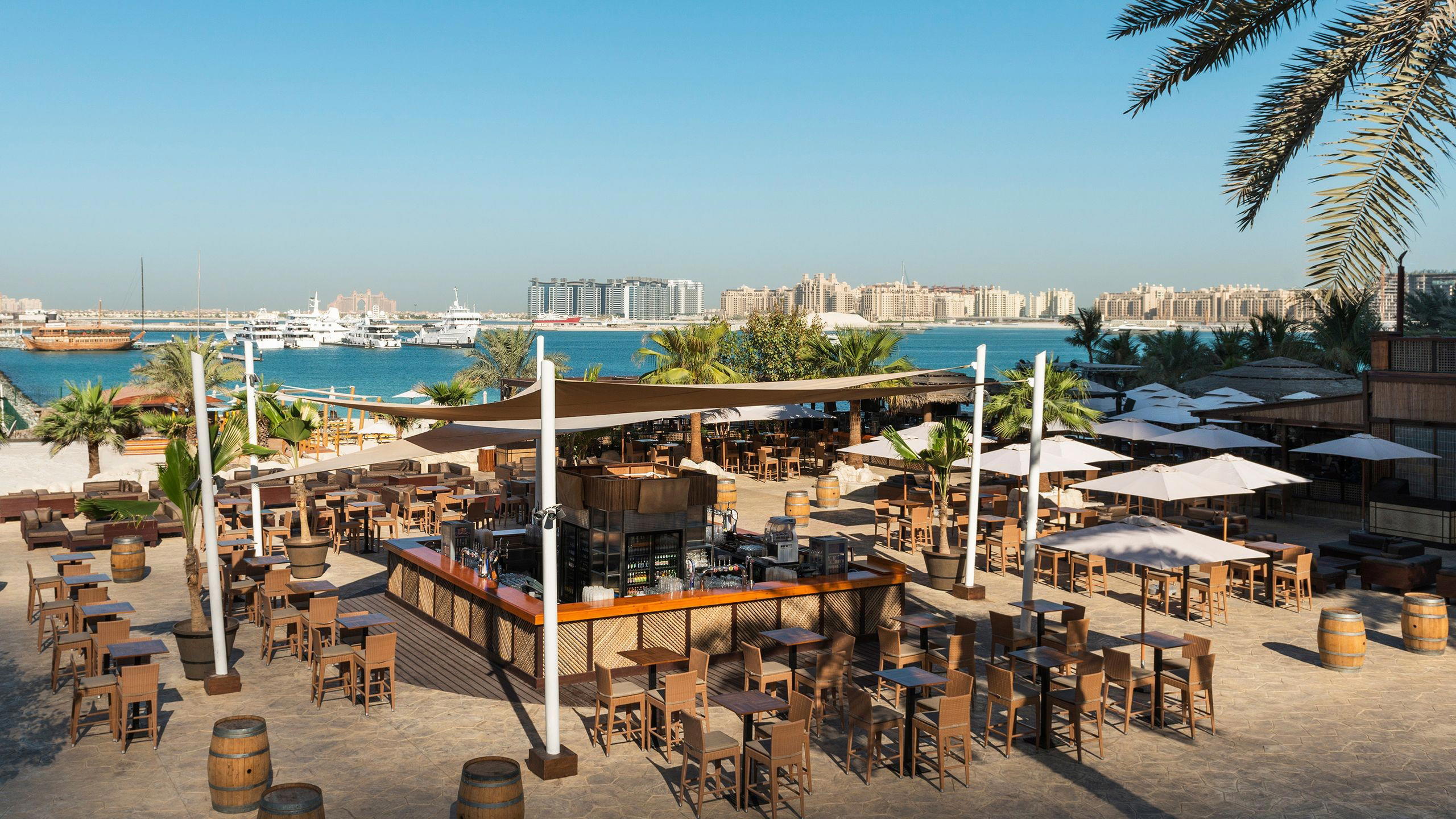
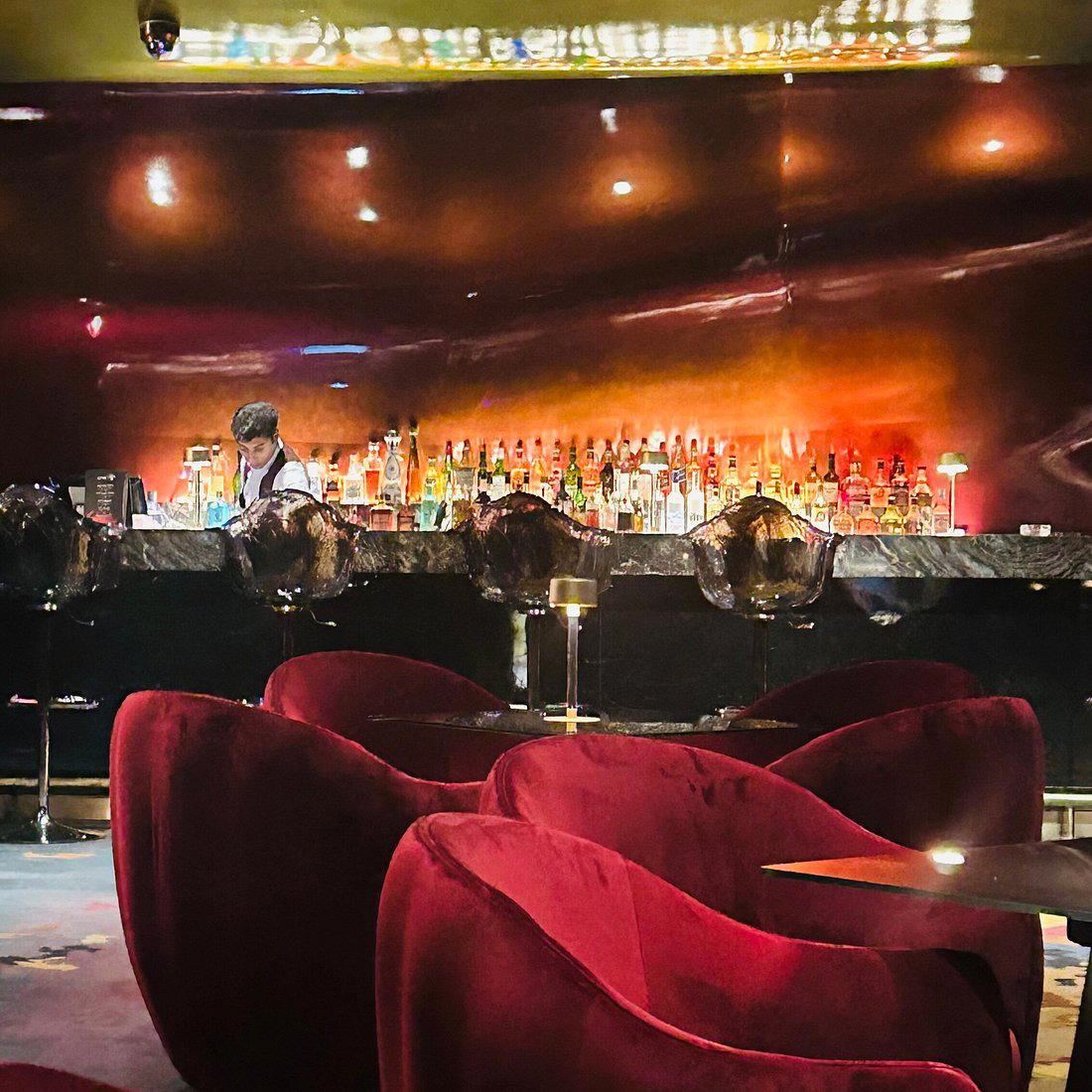
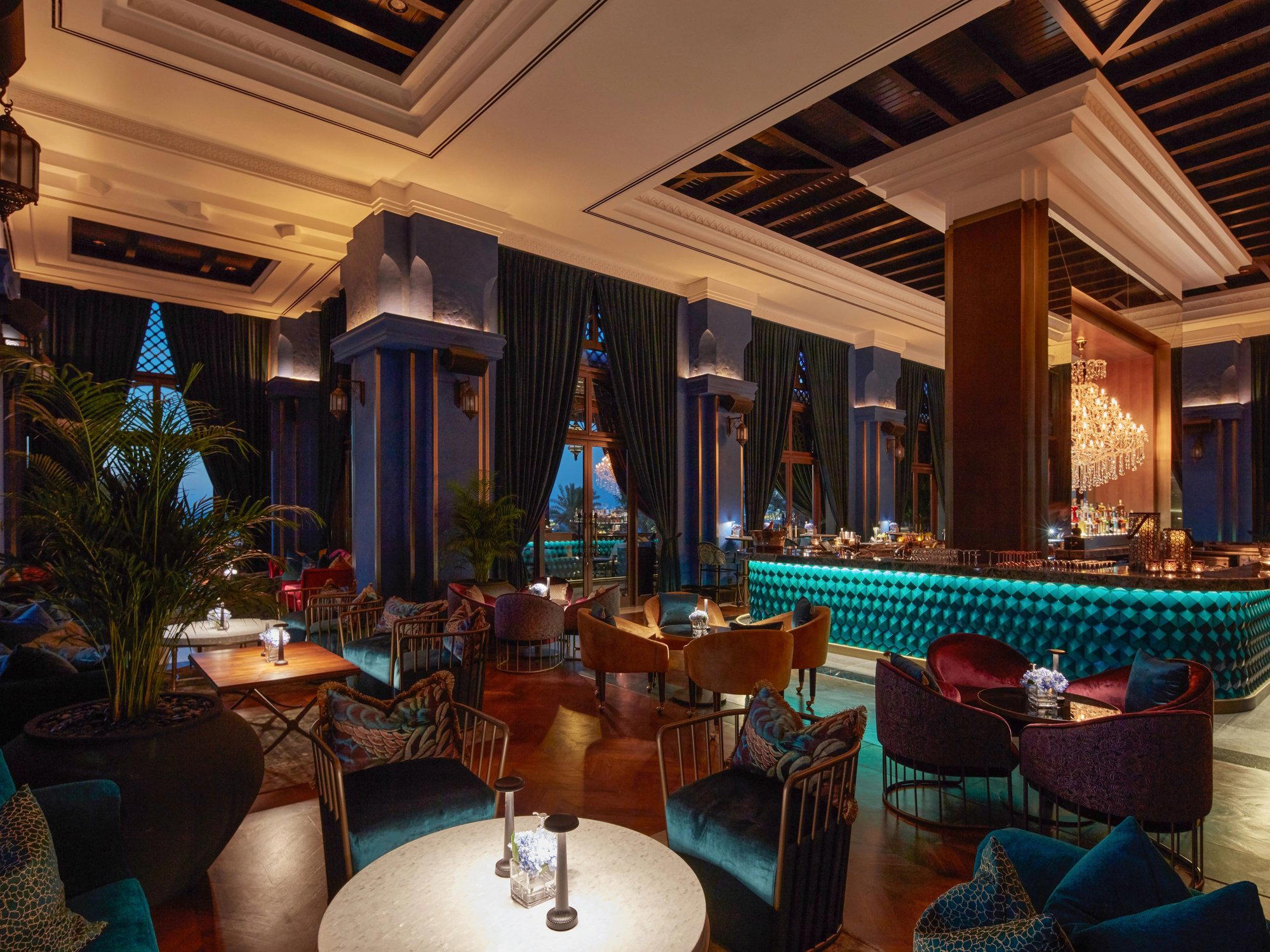
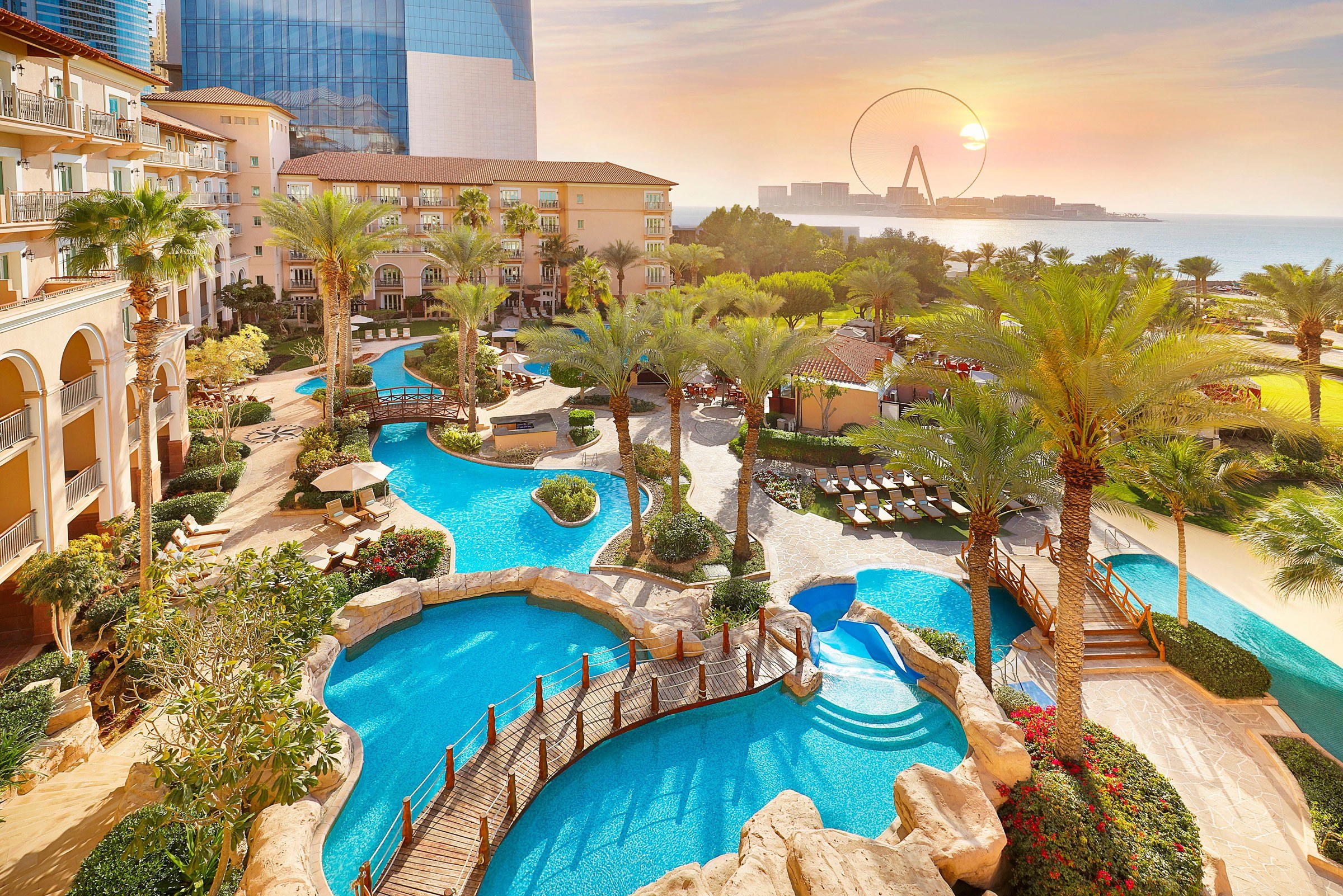
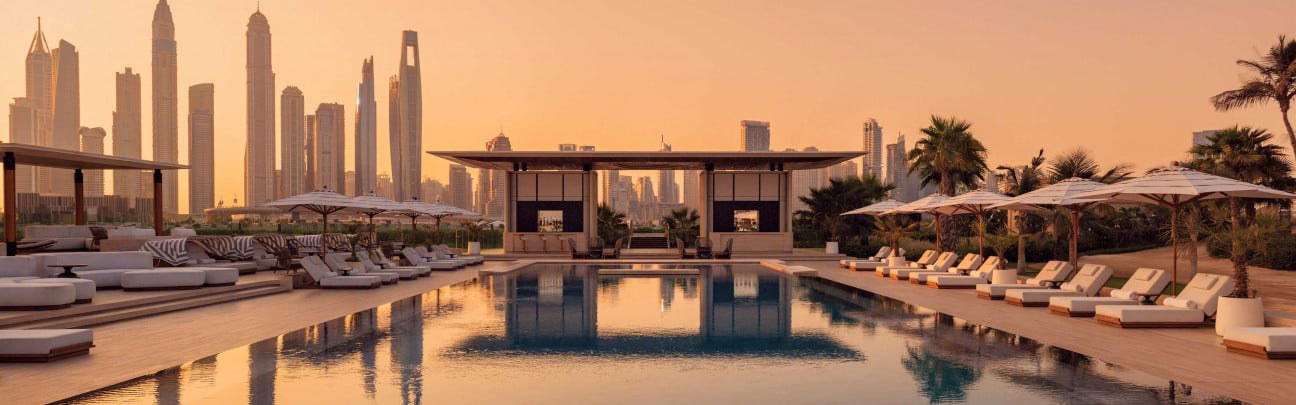
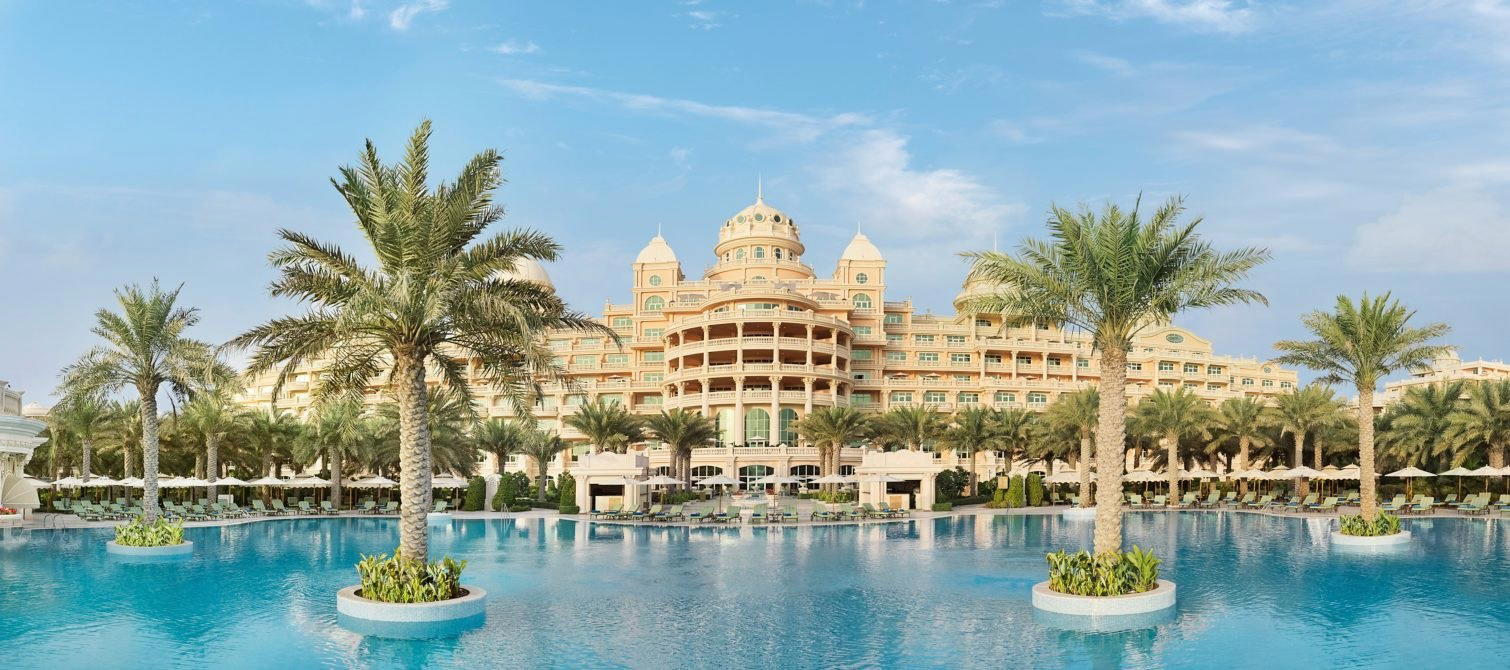
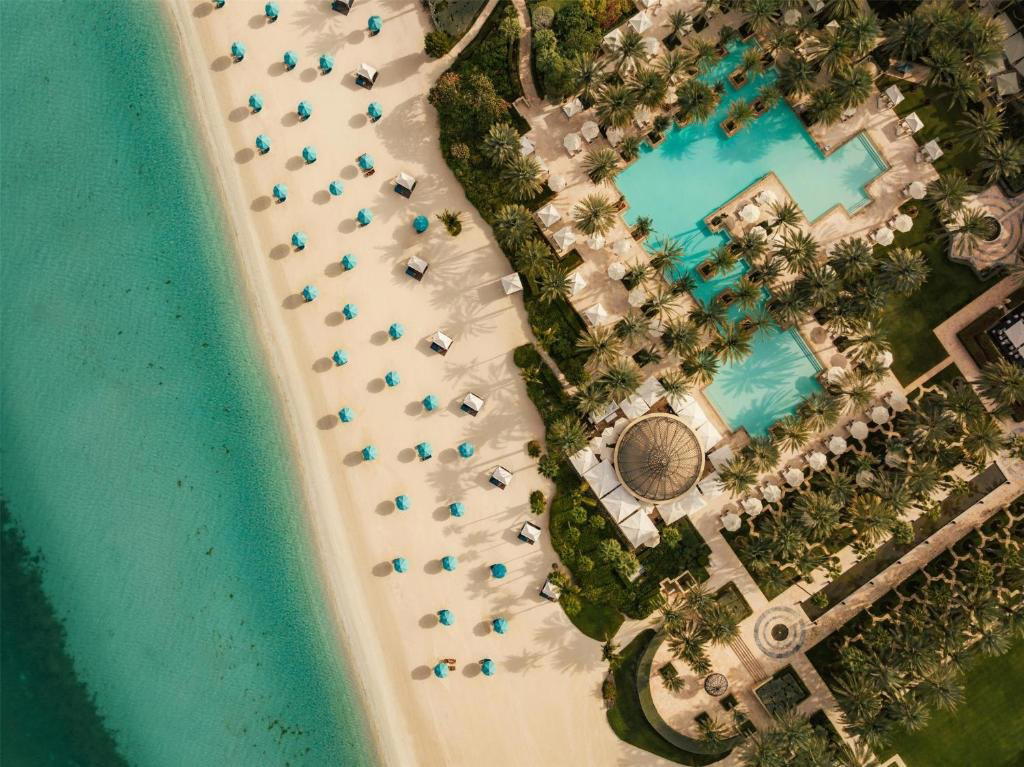
Elegant and scenic terrace setting with warm, attentive service and a refined atmosphere.