
Amida Soba Fuku no I gives Fukui’s soba tradition a station-side address, with Echizen oroshi soba built around 100% Fukui buckwheat and the sharp local habit of grated daikon. Its Tabelog 100 Soba WEST selections in 2024 and 2025 place it in a serious regional bracket, while the format remains casual, compact, and practical for travellers moving through Fukui Station.
Pearl is the En Primeur Club membership app — saves, bookings, and concierge access live there. Same editors, same standards.
- Address
- 福井県福井市中央1-2-1 ハピリン 1F
- Phone
- +81776430739
- Website
- amidasoba.com
- Directions
- Get directions
 Saves & bookings on Pearl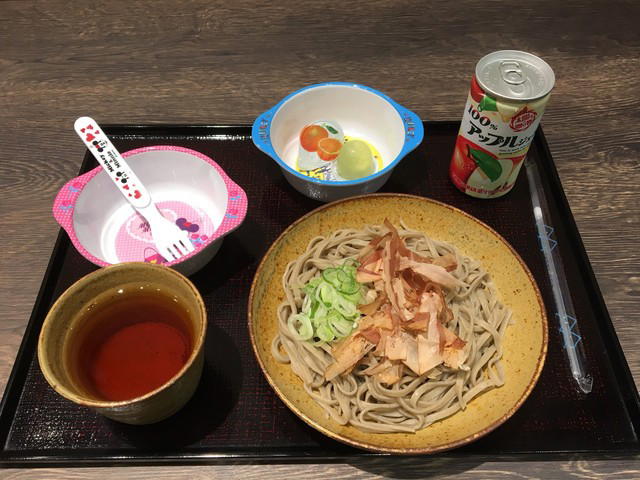
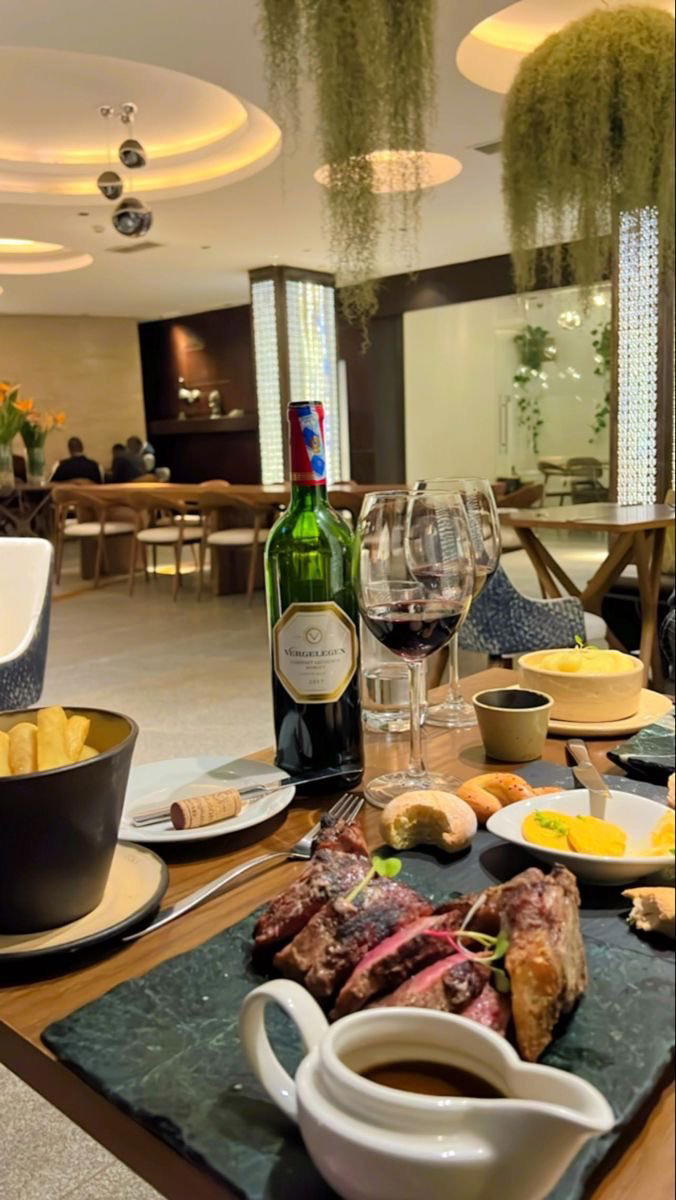
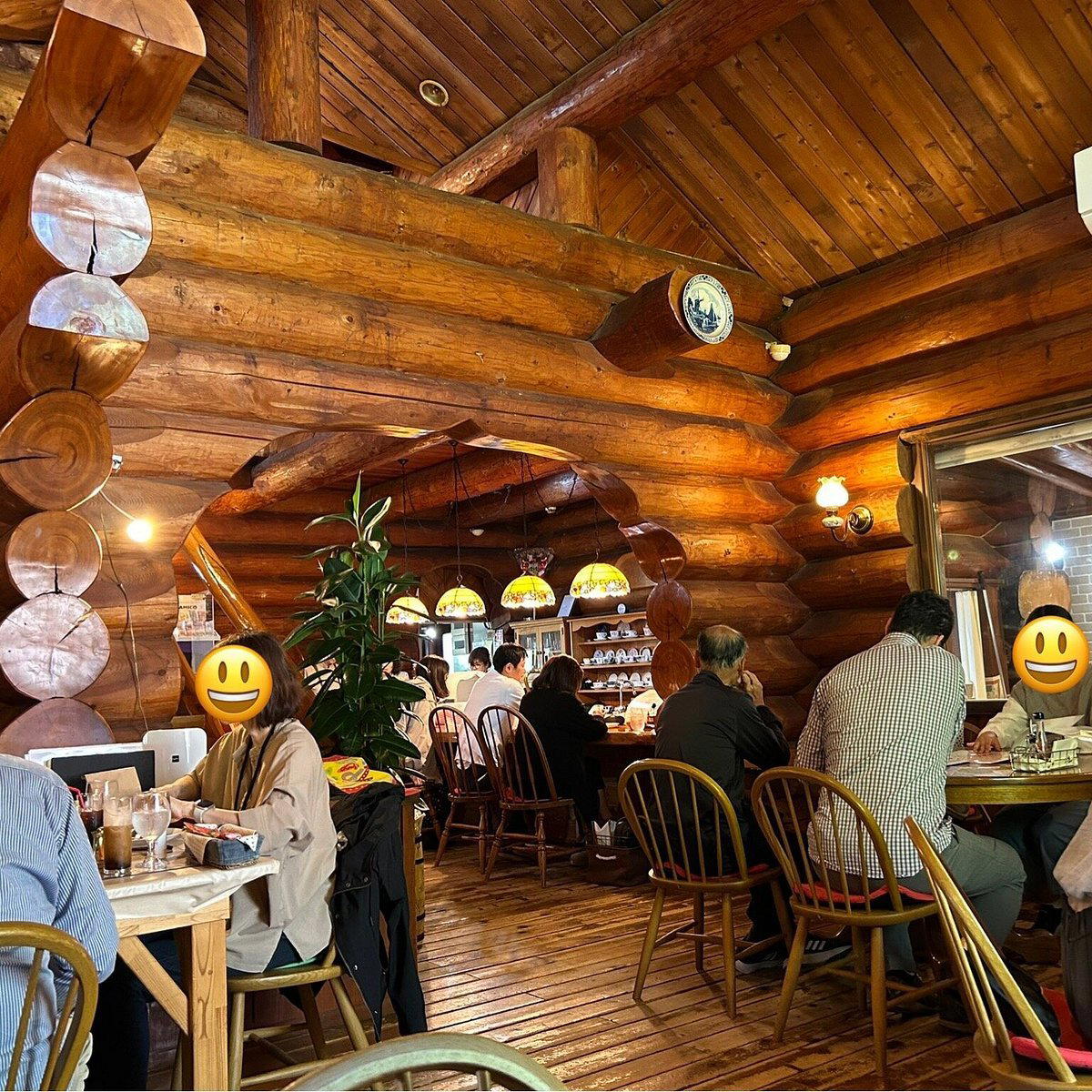
Happirin’s ground floor puts food in the path of rail traffic, errands, and short city stops, so the first impression here is not ceremony but immediacy: counter seats, table seating, and the steady rhythm of a soba shop serving a local staple at urban speed. In Fukui, that matters. Soba is not a side note to the seafood and crab narrative that often defines the prefecture for visitors; Echizen oroshi soba is one of the area’s clearest edible signatures, built on buckwheat noodles and grated daikon rather than luxury cues.
Amida Soba Fuku no I belongs to that practical tradition, but with enough recognition to separate it from a routine station meal. Tabelog selected it for the Soba WEST “Tabelog 100” in both 2024 and 2025, a useful signal in a category where small differences in flour, cut, water, and timing decide the experience. The restaurant’s stated emphasis is Fukui-sourced 100% buckwheat flour, a sourcing choice that gives the meal its editorial relevance: this is a regional noodle culture presented without the insulation of a formal dining room.
Fukui buckwheat, grated daikon, and the logic of oroshi soba
Echizen oroshi soba is a dish with a point of view. The local style leans on grated daikon for bite and clarity, using sharpness to frame the buckwheat rather than burying it under heaviness. That makes ingredient sourcing more than a line on a menu. When soba is made from 100% buckwheat flour, the noodle has less room for technical error than blended versions; texture, aroma, and handling become the argument.
The format also explains why this address works for Fukui. A traveller comparing the city’s dining range will find more formal regional cooking at Bouyourou (Crab Kaiseki), sauce-katsudon history at Europe Ken Souhonten, and a broader urban mix that includes Kaikatei (Chinese), Korean Chubo Senara, and Kyouya. Soba sits differently from all of them: quicker, more elemental, and more dependent on the grain itself.
That is the useful frame for Amida Soba Fuku no I. The restaurant does not need to behave like a destination counter to justify attention. Its importance is that it makes a prefectural staple easy to read: Fukui buckwheat, oroshi style, sake available, non-smoking room, children welcome. The result is a low-friction way to understand a local food tradition before or after a more structured dinner elsewhere in the city.
A compact station-side room with serious soba credentials
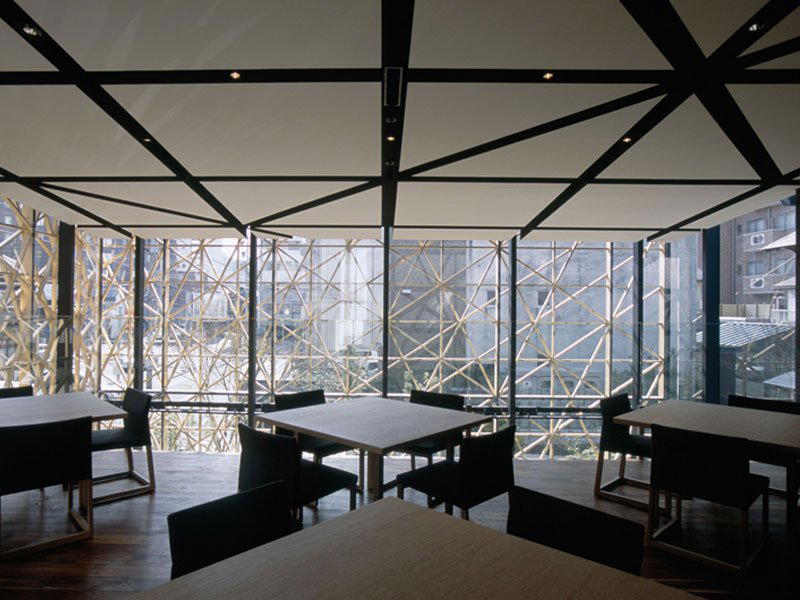
The room runs 33 seats, with 17 at the counter and four four-seat tables, a configuration that suits solo diners, couples, and families without turning the meal into a long booking exercise. Reservations are unavailable, which is not a flaw in this category; it keeps the shop closer to soba’s everyday function. The lack of parking also reinforces the station logic. This is a place to fold into a rail arrival, a short Fukui stop, or a central-city lunch rather than a car-based excursion.
Price is part of the appeal, but it should not be mistaken for insignificance. Lunch is listed up to JPY 999, with dinner in the JPY 1,000 to JPY 1,999 range. In Japan’s soba culture, modest pricing often coexists with technical seriousness, and Tabelog’s Soba WEST recognition gives this shop a credential beyond convenience. The opening date, April 28, 2016, also matters: nearly a decade of operation by 2026 gives the format a track record in a location that sees constant passenger flow.
Fukui’s restaurant scene rewards this kind of calibrated meal planning. Use the broader city rails to map the day: Our full Fukui restaurants guide for dining context, Our full Fukui hotels guide for where to stay, Our full Fukui bars guide for late stops, Our full Fukui wineries guide for regional drinking plans, and Our full Fukui experiences guide for cultural pacing around meals.
Where it fits in a Japan-wide noodle itinerary
For travellers building a Japan itinerary around regional staples, this is the kind of address that prevents the trip from becoming only omakase, kaiseki, and hotel dining. The comparison is not with luxury rooms; it is with other tightly focused casual formats across the country, from -Grilled beef Sukiyaki- KAMAKURA TANUKIAN 鎌倉 たぬき庵 in Kamakura to. 鮪と炭火焼き うお炭 秋葉原店 in Tokyo.cafe in Osaka.know in Kumamoto, (Shoku) Vietnam in Kawasaki, and [Curry Senmon Ten] Maruyama Kyoju. in Sapporo. Each asks the same question in a different register: what does a city eat when it is not performing for a tasting-menu audience?
Viewed that way, Amida Soba Fuku no I is a strong first Fukui meal rather than a grand finale. The ordering logic is clear: focus on the soba, treat the oroshi style as the reason to be here, and read the restaurant through the grain. Sake gives the meal a second register for those not rushing to a train, while the family-friendly setup keeps it accessible in a city where many visitors are balancing rail schedules, museums, temples, and onward travel.
The verdict is pragmatic and positive. Fukui has richer, longer, and more expensive meals, but few explain the prefecture’s buckwheat identity with this much efficiency. For travellers who care about sourcing and regional form, the value is not only the bowl; it is the way the bowl places Fukui’s soba culture within reach of the station concourse. For a wider Japanese casual-dining lens beyond Japan, compare focused formats such as Jōdo Saké Bar in Los Angeles and Onigiri Time in Pasadena, where narrow menus also carry a larger cultural argument.
At-a-Glance Comparison
Comparable venues by cuisine and price in the same metro.
| Venue | Cuisine | Price | Notes |
|---|---|---|---|
| Amida Soba Fuku no I | Echizen oroshi soba & juwari soba | $$ | Chuo |
| サンドウィッチ&コーヒー トレモロ | Sandwich & Coffee Cafe | $$ | 越前開発 |
| 幸寿し | Edomae Sushi | $$ | 田原 |
| 寿司政 | japanese | Not listed | Fukui |
| 紋や | Local Fukui Japanese Kaiseki | $$$ | Chuo |
| Soba Yasutake | Traditional Fukui Soba Noodle Shop | $$ | .null |
Recognition history
Dated appearances from independent guides and award organizations, with the underlying list record or original source where available.
Tabelog 100 #36 · No. 36
Tabelog · Tabelog 100 - Soba - WEST - 2025
Continue exploring
More in Fukui
Restaurants in Fukui
Browse all →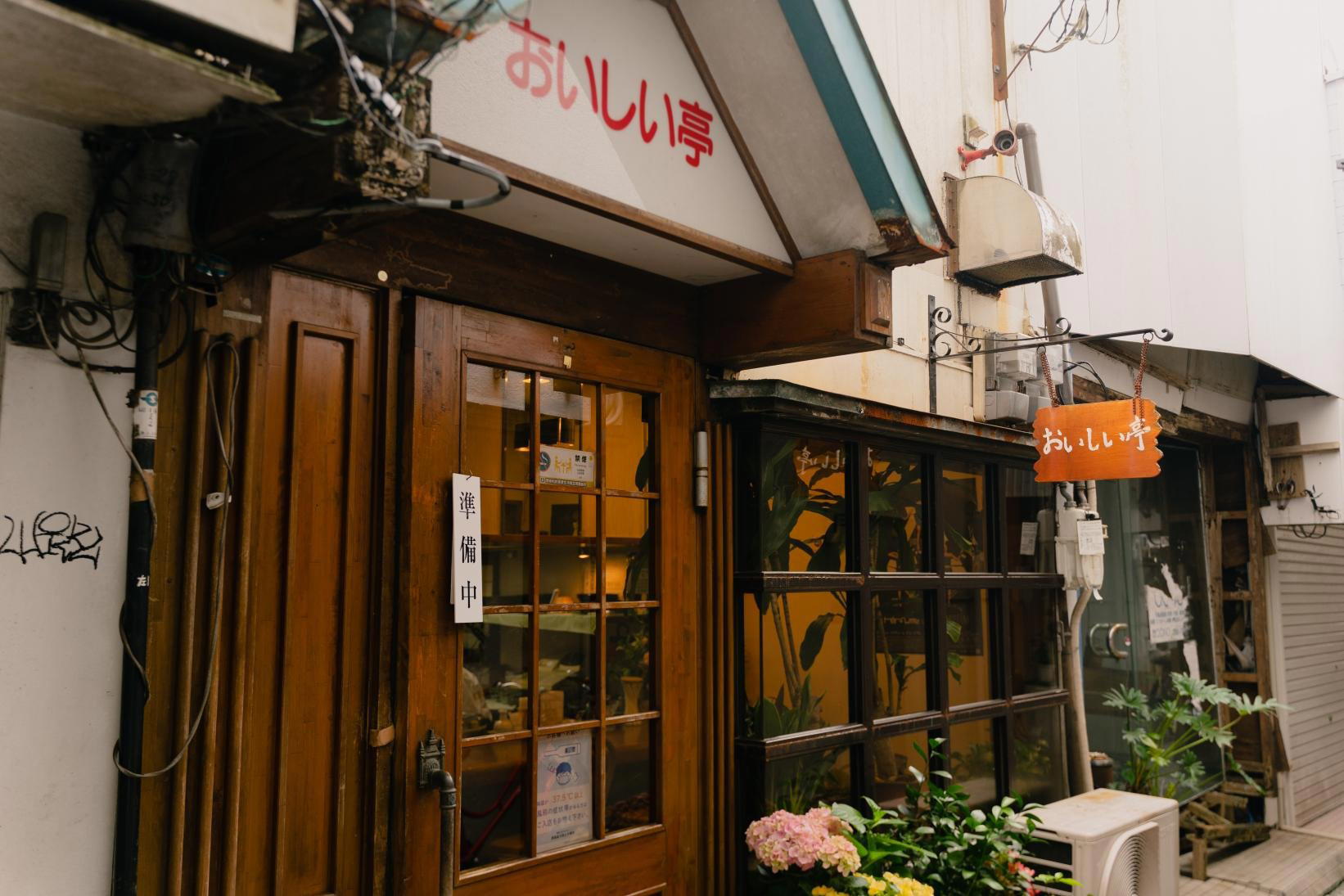
At a Glance
- Cozy
- Classic
- Lively
- Solo
- Family
- Casual Hangout
- After Work
- Group Dining
- Late Night
- Standalone
- Sake Program
- Beer Program
- Local Sourcing
- Street Scene