

A Michelin Plate-recognised ryotei in Higashi-Azabu where the kitchen draws on Kyoto provenance, seasonal vegetables, tofu skins, and light wanmono broth courses, served in a format that lets guests set their own pace. The meal opens with a sequence of smaller dishes before moving to menu selection, a structure that favours ease over ceremony. For Tokyo diners who find the capital's most formal kaiseki rooms too rigid, Kanshin offers comparable ingredient depth without the procedural weight.
Pearl is the En Primeur Club membership app — saves, bookings, and concierge access live there. Same editors, same standards.
- Address
- 1 Chome-19-2 Higashiazabu, Minato City, Tokyo 106-0044, Japan
- Phone
- +81 50-1722-2599
- Website
- kanshin-tokyo.com
- Directions
- Get directions
 Saves & bookings on Pearl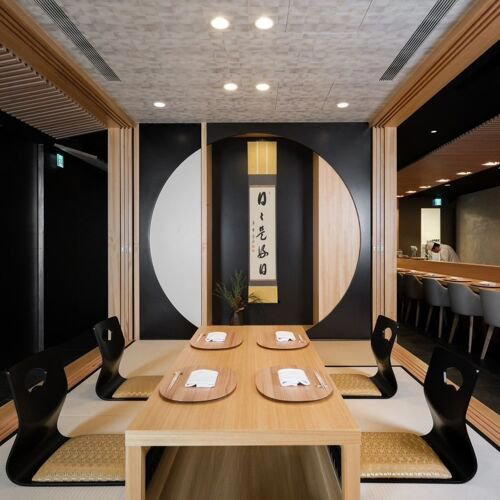
The Calm at the Centre of Higashi-Azabu Dining
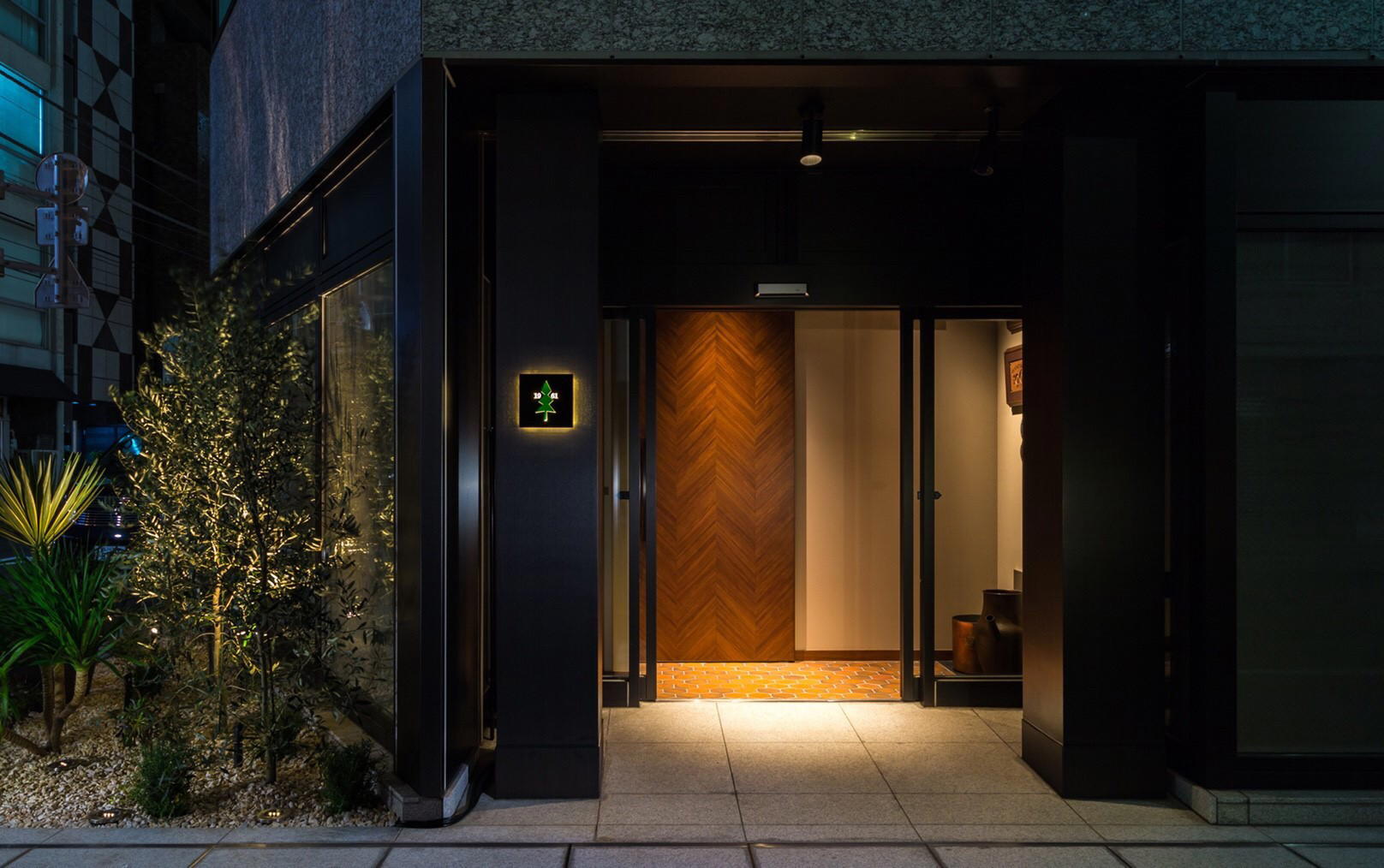
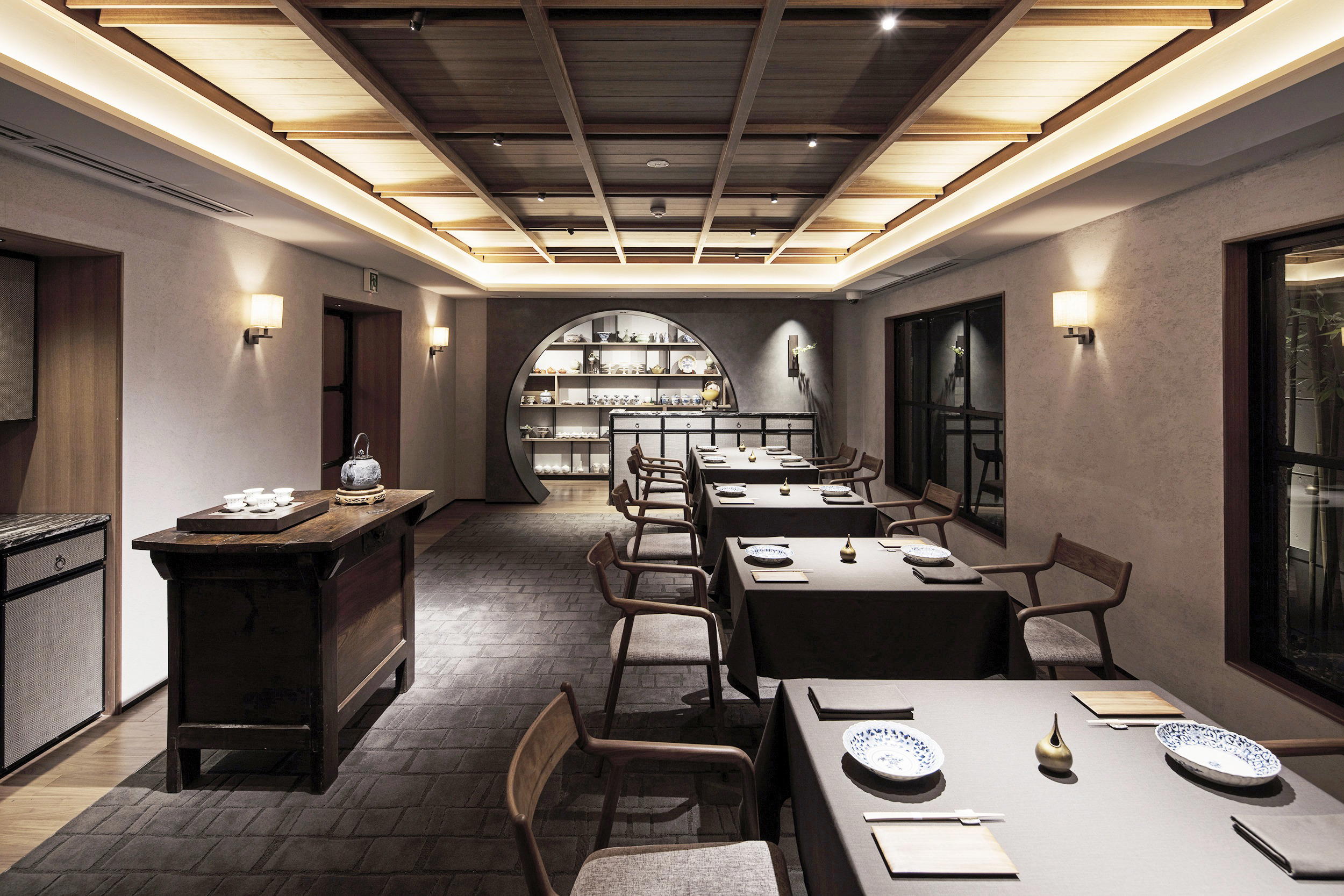
Higashi-Azabu occupies a quiet register within Minato's restaurant geography. The neighbourhood sits close enough to the embassies and low-rise residential blocks of Azabu-Juban to absorb some of their unhurried pace, while remaining a short walk from the denser restaurant clusters around Roppongi. It is the kind of address where a ryotei can exist without competing on spectacle, where the surrounding streets do not generate foot traffic so much as they filter for intent. Arriving at Kanshin, on a side street at 1 Chome-19-2 Higashiazabu, the physical environment reinforces that register: the approach is quiet, the entrance composed rather than declarative.
That atmosphere of calm is not incidental. The name Kanshin itself draws on words meaning relaxation and a generous spirit, and the house is designed around those values in a literal rather than aspirational sense. The service posture, warmly attended, unhurried, oriented toward guest comfort, sets the tempo before the first dish arrives.
How the Meal Moves: Ritual Without Rigidity
Tokyo kaiseki and ryotei dining exists on a wide spectrum of formality. At the more structured end, houses like Azabu Kadowaki and Kagurazaka Ishikawa build meals that move through fixed sequences with little deviation, each course predetermined, the guest's role largely receptive. That model reflects a particular philosophy about the chef's authority over the meal's shape. Kanshin operates on a different premise.
Here the meal opens with a selection of smaller dishes, creating an introductory passage that establishes the kitchen's sensibility and the season's ingredients without committing the guest to a single fixed direction. After that passage, guests select from the menu, a structure that retains the craft and ingredient-quality of ryotei cooking while allowing individual preference to shape the experience. This is not the same as à la carte dining in a Western sense; the context remains that of a traditional Japanese meal, with all the pacing and attention that implies. But the procedural weight is reduced, and the guest's agency is increased.
For diners who want to engage with serious Japanese cooking without the formality of a fully prescribed kaiseki sequence, that structure represents a genuine alternative within Tokyo's mid-to-upper tier. The price range sits at ¥¥¥, placing Kanshin in the same bracket as Den and at a step below the ¥¥¥¥ tier occupied by Kagurazaka Ishikawa or Ginza Fukuju. At that price point, the Michelin Plate recognition in 2025 signals a kitchen delivering consistent quality without the premium associated with starred houses.
Kyoto Ingredients in a Tokyo Room
The kitchen's Kyoto orientation is not a stylistic affectation. The chef is Kyoto-born and trained in that city's culinary traditions, and the sourcing reflects it directly: Kyoto vegetables, tofu skins (yuba), and wanmono, the delicate, clear-broth soup courses that are among the more technically demanding elements of kaiseki cooking. Kyoto's version of these courses tends toward restraint, with lighter seasoning and a preference for ingredient clarity over concentrated flavour. That aesthetic sits in contrast to some of the bolder, more ingredient-led kaiseki emerging from Tokyo kitchens in recent years.
In the broader context of how Japanese culinary traditions move between cities, the Kyoto influence at a Tokyo address is worth noting. Kyoto remains the reference point for classical Japanese haute cuisine, the city's long history with imperial court cooking, Buddhist vegetarian traditions, and the specific produce of its basin have shaped a distinct culinary logic. Houses like Isshisoden Nakamura in Kyoto and Gion Sasaki represent that tradition on home ground. When a chef carries Kyoto provenance to Tokyo, the ingredient relationships, with particular vegetable growers, with tofu producers in the Nishiki market supply chain, tend to travel with them, and the cooking retains its regional character rather than adapting to a Tokyo register.
The wanmono at Kanshin, described as light and wholesome, fits within that Kyoto template: these are not the richer, more assertive broths found in some Edo-style cooking, but compositions built on dashi clarity and ingredient precision. It is the kind of dish that rewards attention rather than appetite.
Where Kanshin Sits in the Tokyo Ryotei Conversation
Tokyo's ryotei and kaiseki scene is stratified in ways that reward some orientation before booking. The upper tier, three-starred houses like RyuGin, commands both premium pricing and significant advance booking lead times, often with significant protocol expectations. The middle tier, where Kanshin operates, is more varied: some houses in the ¥¥¥ bracket maintain high formality; others, like Myojaku or Jingumae Higuchi, bring distinct perspectives on how traditional Japanese formats can be adapted without losing their integrity.
Kanshin's position in that conversation is defined by two things: its Kyoto-rooted ingredient sourcing and its guest-directed meal structure. Those two characteristics together serve a particular type of diner, one who has enough familiarity with Japanese cuisine to appreciate the ingredient depth, but who prefers a less prescriptive format for the meal itself. It is also a meaningful option for visitors who have already experienced the more ceremonial end of kaiseki, at Kashiwaya in Osaka or HAJIME, and want to approach the same ingredient traditions from a different angle.
For those building a wider Japan itinerary, the comparison points extend further: akordu in Nara, Goh in Fukuoka, and 1000 in Yokohama each represent regional approaches to high-end Japanese dining that sit in productive comparison with what a Tokyo-based Kyoto-style house offers.
Planning Your Visit
Kanshin is located at 1 Chome-19-2 Higashiazabu, Minato City, Tokyo, a quiet address in the Higashi-Azabu residential pocket of Minato ward. The price range is ¥¥¥. The house holds a Michelin Plate in the 2025 guide. Kanshin is essential for reservations. The guest-directed meal format makes it a practical choice for groups with varying appetites or familiarity with Japanese dining customs.
Side-by-Side Snapshot
Comparable venues nearby, for context on price, style, and recognition.
| Venue | Cuisine | Price | Awards | Notes |
|---|---|---|---|---|
| KanshinThis venue — the venue you are viewing | Seasonal Japanese Kaiseki | $$$ | Michelin Plate | Not listed |
| Kushiage Ryori Kawata | Modern Kushiage Omakase | $$$ | Michelin Plate | Minato |
| Asakusa Nagami | Traditional Kaiseki | $$$ | Michelin Plate | Taitō |
| Tempura Aratamikawa | Edomae Tempura Omakase | $$$ | Michelin Plate | Minato |
| Kyoryori Aun | Kyoto-style Kaiseki with Dashi Focus | $$$ | Michelin Plate | Shibuya |
| Shimbashi Shimizu | Authentic Edomae Omakase | $$$ | Not listed | Minato |
Recognition history
Dated appearances from independent guides and award organizations, with the underlying list record or original source where available.
Michelin Plate
Michelin
Opinionated About Dining Top Restaurants in Japan Recommended
Opinionated About Dining
Michelin Plate
Michelin









At a Glance
- Elegant
- Intimate
- Quiet
- Sophisticated
- Business Dinner
- Special Occasion
- Date Night
- Family
- Chefs Counter
- Open Kitchen
- Private Dining
- Sake Program
- Sommelier Led
- Farm To Table
- Local Sourcing
- Sustainable Seafood
Current opening hours
- Monday
- 5 PM–12 AM
- Tuesday
- 5 PM–12 AM
- Wednesday
- Closed
- Thursday
- 5 PM–12 AM
- Friday
- 5 PM–12 AM
- Saturday
- 5 PM–12 AM
- Sunday
- 5 PM–12 AM
Hours can change for holidays and private events. Last verified .
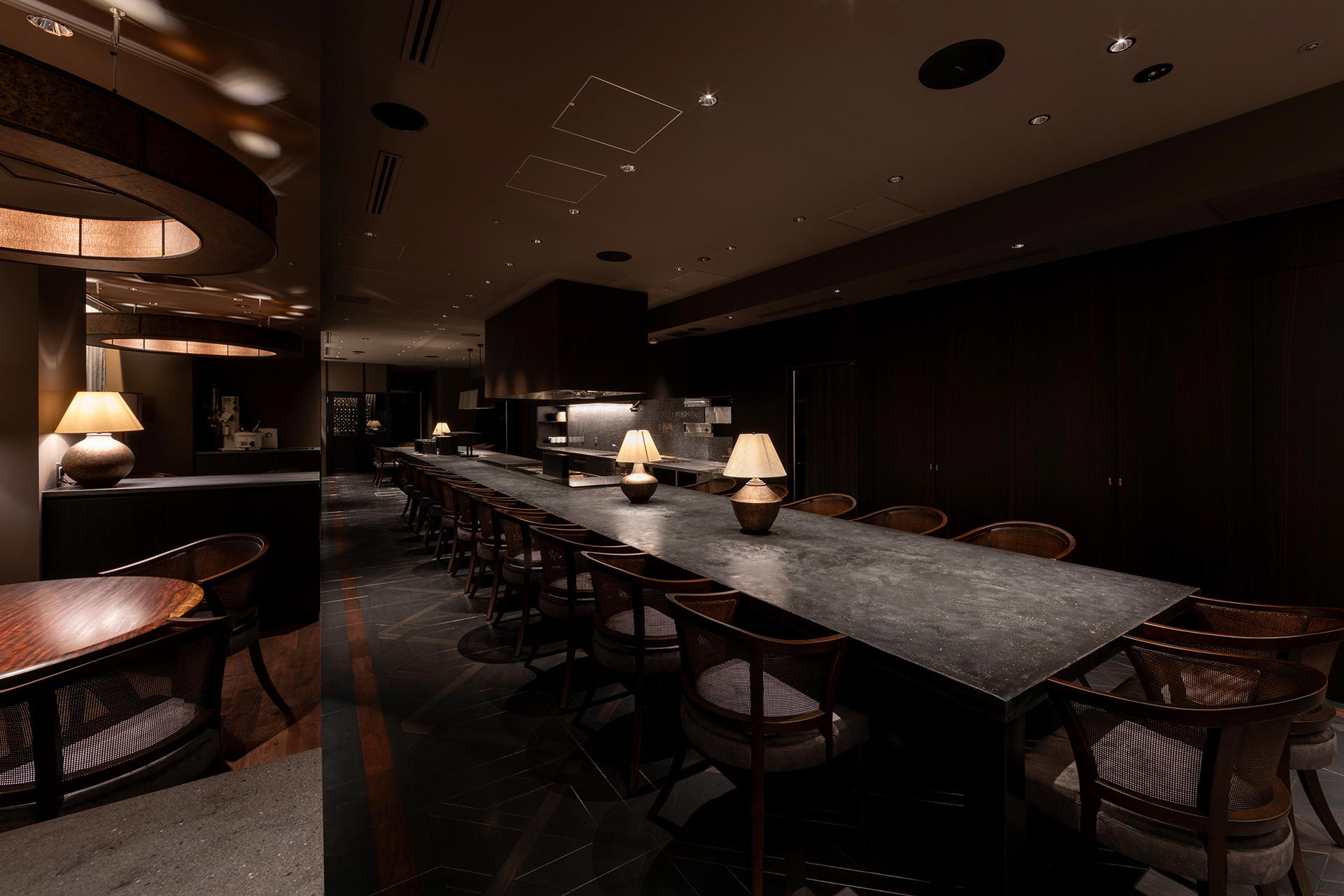
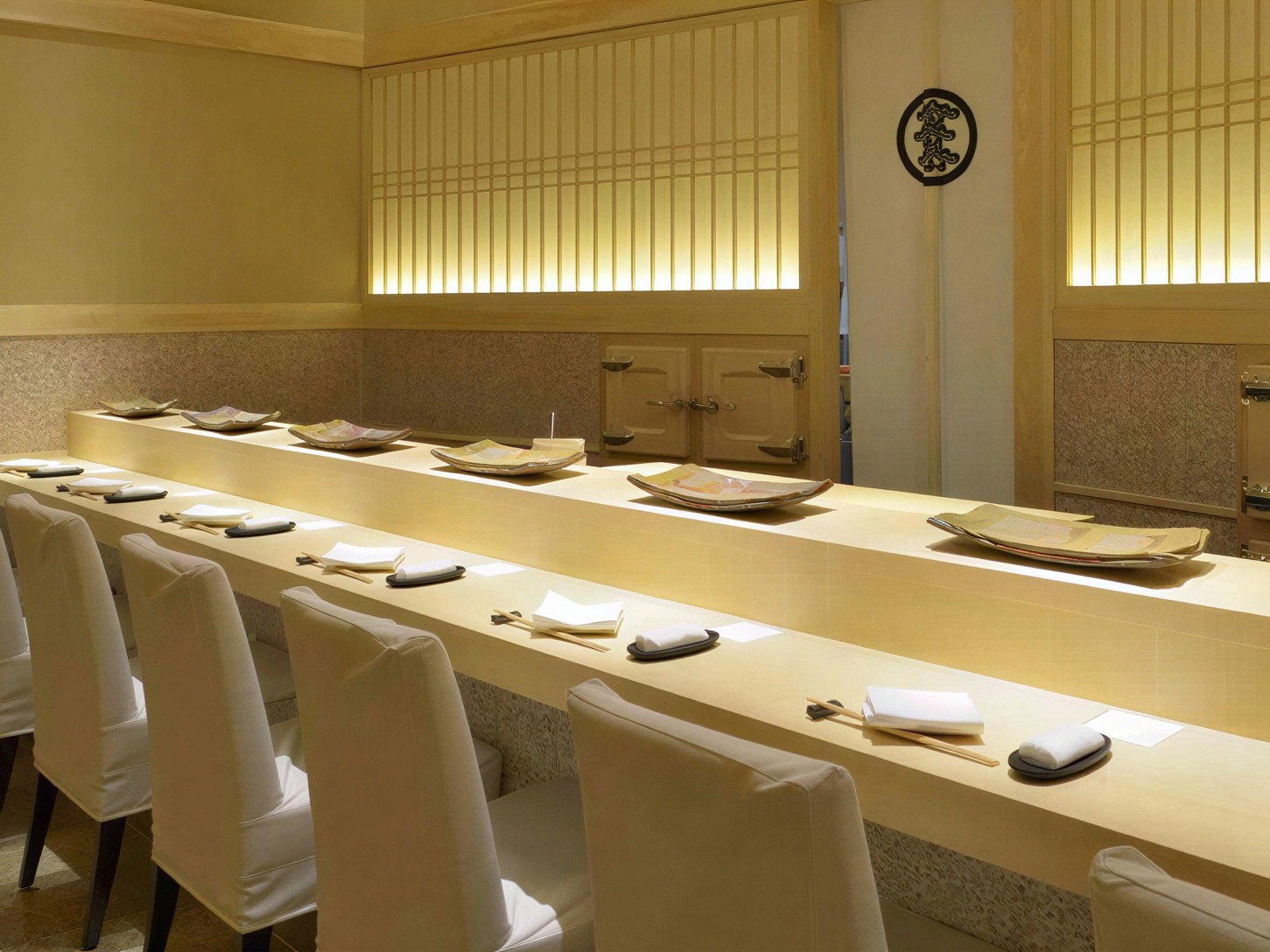
Warm, welcoming, and calm with wood-based design featuring counter seating and private rooms that create a relaxed yet refined atmosphere.