
A Michelin Plate-recognised kushiage counter in Azabujuban, Kawata applies technical discipline to the deep-fried skewer format: thin, egg-free batter, high-temperature frying in plant-based oil, and ingredients that run from tiger prawns and quail eggs to wagyu-wrapped egg yolk with truffle. The meal closes with fried rice finished in hot broth, a considered coda to a format that rewards attention.
Pearl is the En Primeur Club membership app — saves, bookings, and concierge access live there. Same editors, same standards.
- Address
- Japan, 〒106-0045 Tokyo, Minato City, Azabujuban, 1 Chome−6−9 ARUGA22 7階
- Phone
- +81 3-6721-0600
- Website
- tablecheck.com
- Directions
- Get directions
 Saves & bookings on Pearl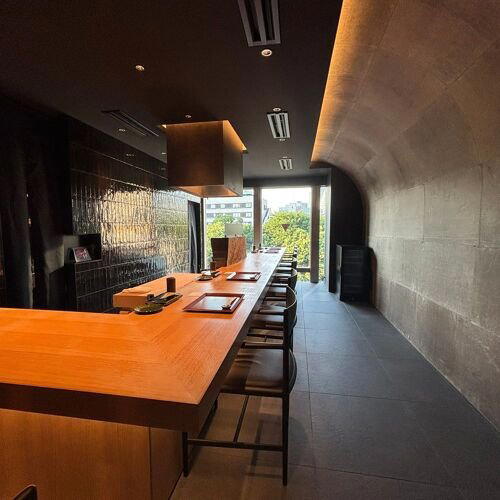
Where the Kushiage Tradition Meets Considered Technique
The history of kushiage, or kushikatsu as it is known in its Osaka birthplace, is a working-class one: breaded, skewered proteins and vegetables fried to order at counters that prized speed and economy. The format's migration to Tokyo over decades has produced a range of interpretations, from casual standing bars in Shinjuku to refined counter experiences in Minato that price themselves against kaiseki. Kushiage Ryori Kawata, operating from the seventh floor of the ARUGA22 building in Azabujuban, sits in that upper register of the category, where the cooking logic borrows from French-influenced Japanese fine dining without abandoning the defining character of the skewer.
Kawata's recognition positions it within a broader pattern in Tokyo's speciality-format dining: the acknowledgment that single-category cuisines, when executed with sufficient technical rigour, belong in the same conversation as multi-course tasting menus. That framing matters for how you approach the meal.
The Frying Philosophy and What It Produces at the Table
Across Tokyo's Michelin-recognised roster, the distinctions between practitioners of the same format often come down to a handful of technical choices made invisible by the time food arrives at the counter. At Kawata, those choices are: a thin, fine batter that excludes eggs and milk, exclusive use of light plant-based oils, and frying temperatures calibrated high enough to shed residual oil on exit from the fryer. The result is a category of fried food that reads lighter than the technique implies, which is the stated mission.
The standard progression moves through tiger prawns, soft-boiled quail eggs, and pork shoulder roast. These are reference points for the format: proteins that test the batter's integrity under different moisture levels and densities. Where Kawata extends the repertoire, the choices are specific rather than decorative. Buttered potatoes with truffle sit inside a richer flavour register; wagyu beef wrapped around egg yolk with truffle approaches the logic of a French preparation delivered through a Japanese medium. The meal's final movement, fried rice topped with nori seaweed and finished with hot broth, functions as a palate resolution, transforming the accumulated oil memory of the meal into something closer to a broth-based closer.
Azabujuban and the Neighbourhood Context
Azabujuban occupies an interesting position in Tokyo's dining geography. It is neither the theatrical high-density of Ginza nor the residential quiet of some Meguro side streets. The neighbourhood supports a mix of long-standing local businesses and destination-level counters that draw from across the city, partly because the international residential population in adjacent Minato wards has historically supported a more varied dining culture than areas of equivalent price density elsewhere. A seventh-floor address in a modern building rather than a converted townhouse signals a different kind of privacy from the hidden-staircase counters of Ginza, though the effect of remove from the street-level noise is comparable.
For visitors covering multiple districts, Azabujuban's position makes it practical to sequence with Roppongi or move toward Daikanyama without significant transit overhead.
Placing Kawata in Tokyo's Speciality Counter Tier
The Michelin Plate sits below the star system but signals that inspectors found consistent, cuisine-appropriate cooking worth recommending. Within the ¥¥¥ price band, Kawata operates in a tier shared with counters like Crony, though their categories and cooking philosophies differ substantially. The meaningful peer comparison for Kawata is within kushiage specifically, where the Kyoto interpretation at Ahbon in Kyoto provides a useful regional contrast, and Hidden Kitchen in Hong Kong shows how the format travels across cultural contexts.
For those building a multi-day itinerary that includes higher star-count destinations, the comparison table below sketches where Kawata sits relative to peers by format and price. Tokyo's three-star counters, including Harutaka for sushi and RyuGin for kaiseki, occupy a different investment level; L'Effervescence and Sézanne represent the French-in-Tokyo tier at equivalent recognition. Kawata's position in the ¥¥¥ band with Michelin recognition gives it a value-to-recognition ratio that is relevant when sequencing a serious Tokyo dining schedule.
Peer Comparison at a Glance
| Venue | Cuisine | Price Range | Recognition |
|---|---|---|---|
| Kushiage Ryori Kawata | Kushiage | ¥¥¥ | Michelin Plate 2025 |
| Crony | Innovative French | ¥¥¥¥ | Michelin 2 Stars |
| Harutaka | Sushi | ¥¥¥¥ | Michelin 3 Stars |
| RyuGin | Kaiseki | ¥¥¥¥ | Michelin 3 Stars |
| L'Effervescence | French | ¥¥¥¥ | Michelin 3 Stars |
A Note on Drinks in the Kushiage Context
The editorial angle of drinks pairing with kushiage is less discussed than with kaiseki or high-end sushi, but it matters. The frying medium's character, specifically the lightness created by high-temperature plant-based oil frying, opens the door to pairings that a heavier batter would close off. Cold sake in the junmai daiginjo register, which tends toward clean and aromatic rather than textured and umami-forward, works with the precision of the batter without competing with the truffle and wagyu items mid-sequence. Sparkling wine serves a similar function for those who prefer to anchor their pairing to acidity over grain. Venues at this tier in Tokyo's speciality counter segment do not always carry deep cellar lists, but the selection typically reflects the cooking's ambitions. Confirming the drinks offer directly before your visit is the reliable approach when a specific pairing is part of your plan.
Planning Your Visit
Kawata is on the seventh floor of ARUGA22 in 1 Chome-6-9, Azabujuban, Minato City, Tokyo. The ¥¥¥ price tier places it in the mid-to-upper range for specialty counter dining in the city. Azabujuban Station on the Namboku and Oedo lines is one direct approach. Booking in advance is essential for this counter in this district.
What to Order at Kushiage Ryori Kawata
What should I eat at Kushiage Ryori Kawata?
The counter format at Kawata means the kitchen sequences the meal, so the more useful question is what to focus attention on within that progression. The tiger prawns and pork shoulder roast are the anchors of the standard programme and the clearest demonstration of how the thin, egg-free batter performs across different proteins. The creative items, buttered potato with truffle and wagyu-wrapped egg yolk with truffle, represent the kitchen moving into richer territory and are worth slowing down for rather than moving through quickly. The fried rice with nori and hot broth that closes the meal is a structurally considered finish rather than an afterthought: it signals that the kitchen thinks about the meal as a sequence with a defined resolution, which is a characteristic shared with the kaiseki format even though the cooking style is entirely different.
Peers in This Market
Comparable venues nearby, for context on price, style, and recognition.
| Venue | Cuisine | Price | Notes |
|---|---|---|---|
| Kushiage Ryori KawataThis venue — the venue you are viewing | Modern Kushiage Omakase | $$$ | Not listed |
| Shimbashi Shimizu | Authentic Edomae Omakase | $$$ | Minato |
| Hakozakicho Sumito | Edomae Sushi | $$$ | Chūō |
| Tomato | Japanese Curry | $$$ | Suginami |
| Tempura Otsuka | Authentic Tempura | $$$ | Taitō |
| Chiso Koryu | Seasonal Japanese Kaiseki | $$$ | Chūō |
Recognition history
Dated appearances from independent guides and award organizations, with the underlying list record or original source where available.
Michelin Plate
Michelin
Michelin Plate
Michelin









At a Glance
- Elegant
- Intimate
- Sophisticated
- Relaxed
- Date Night
- Business Dinner
- Special Occasion
- Chefs Counter
- Open Kitchen
- Sake Program
- Street Scene
Current opening hours
- Monday
- 6–11 PM
- Tuesday
- 6–11 PM
- Wednesday
- 6–11 PM
- Thursday
- 6–11 PM
- Friday
- 6–11 PM
- Saturday
- 6–11 PM
- Sunday
- 6–11 PM
Hours can change for holidays and private events. Last verified .
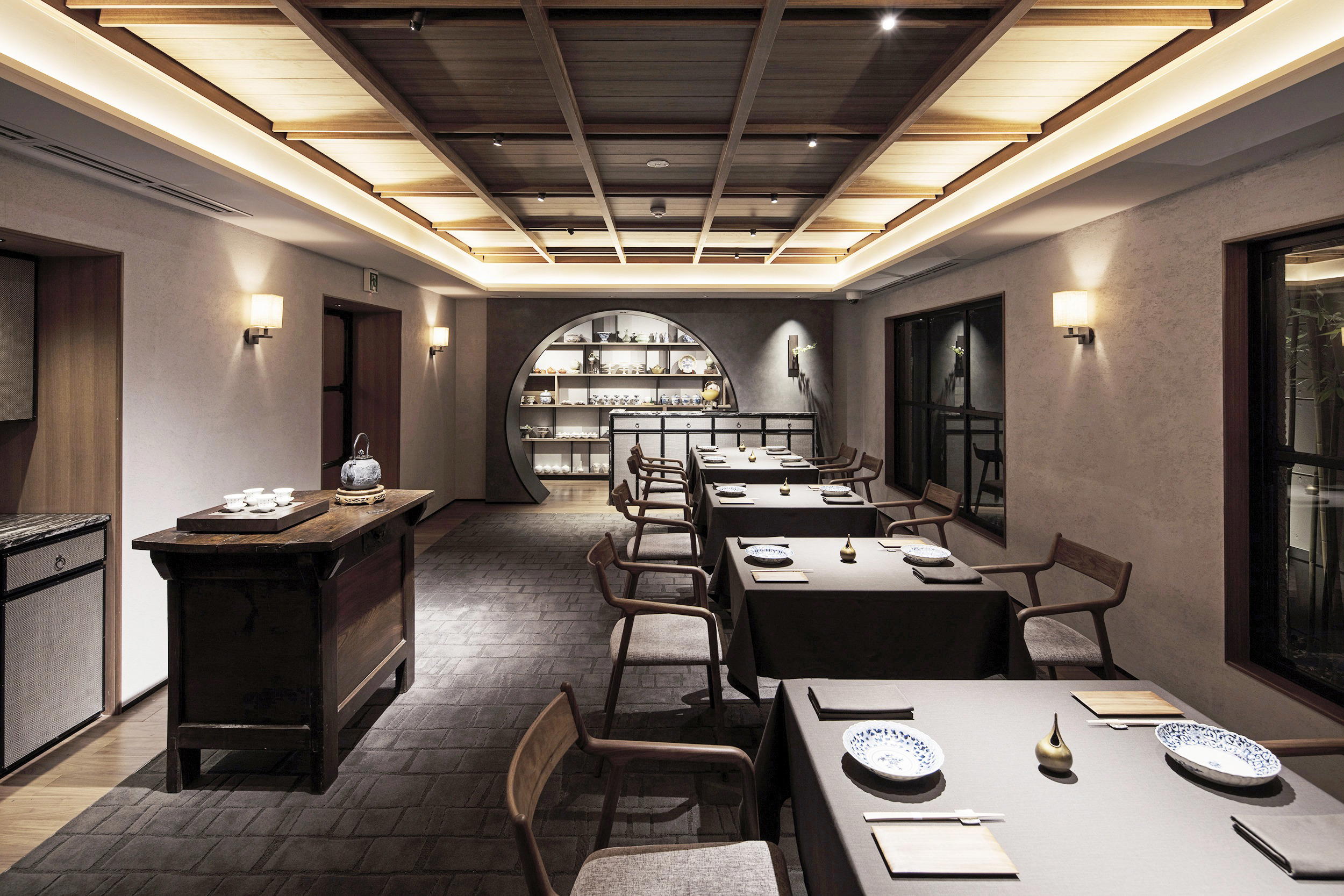
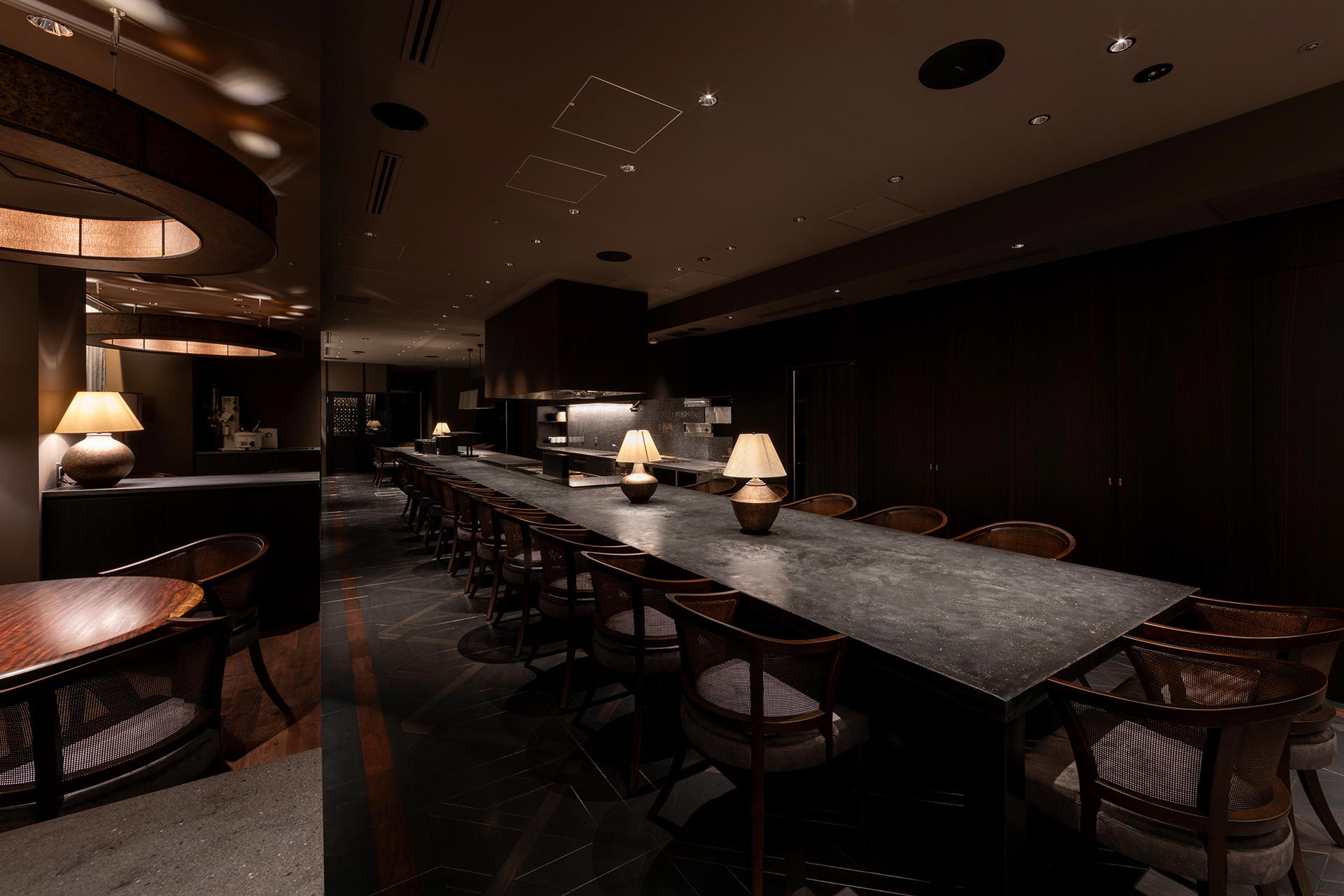
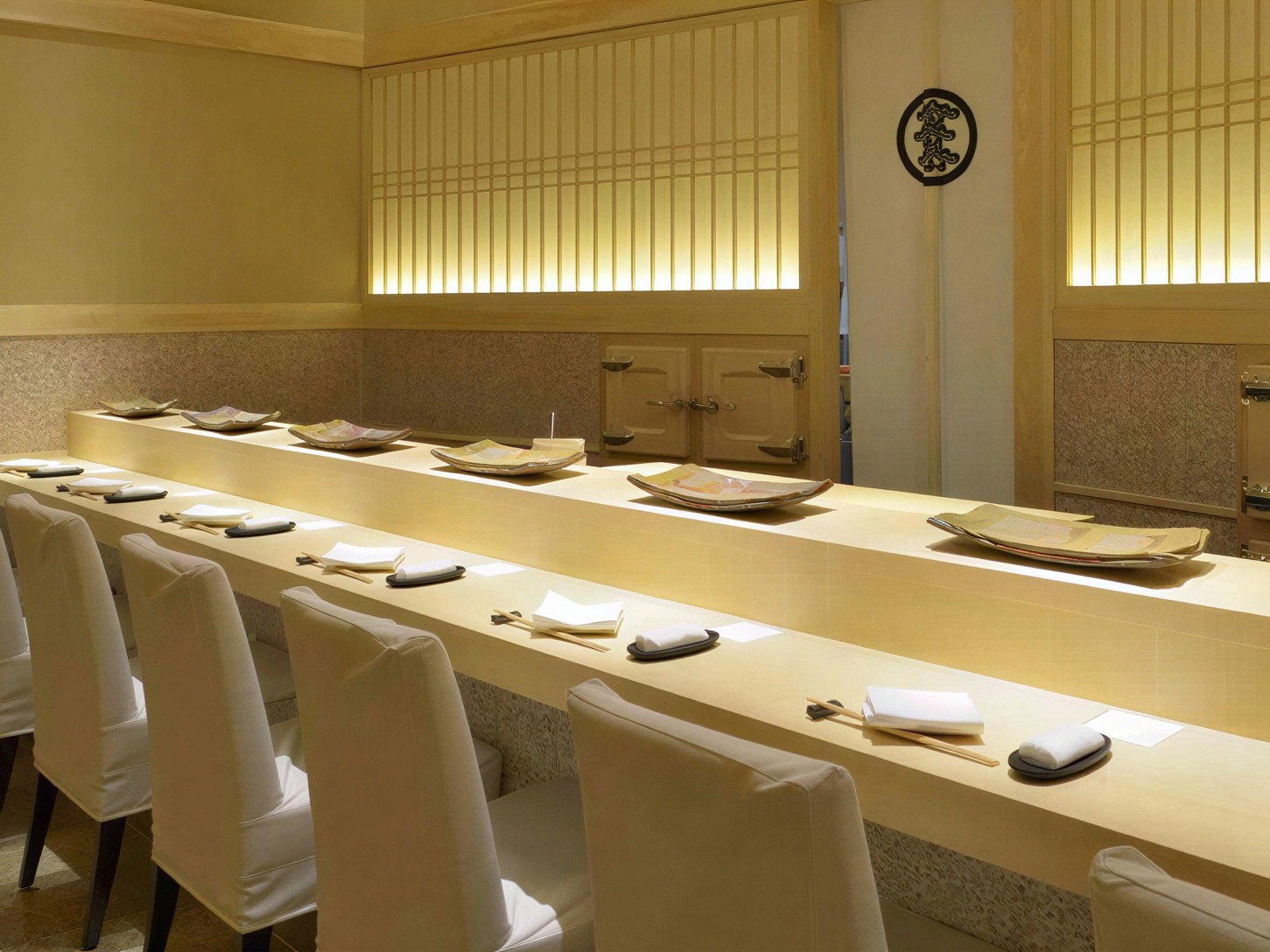
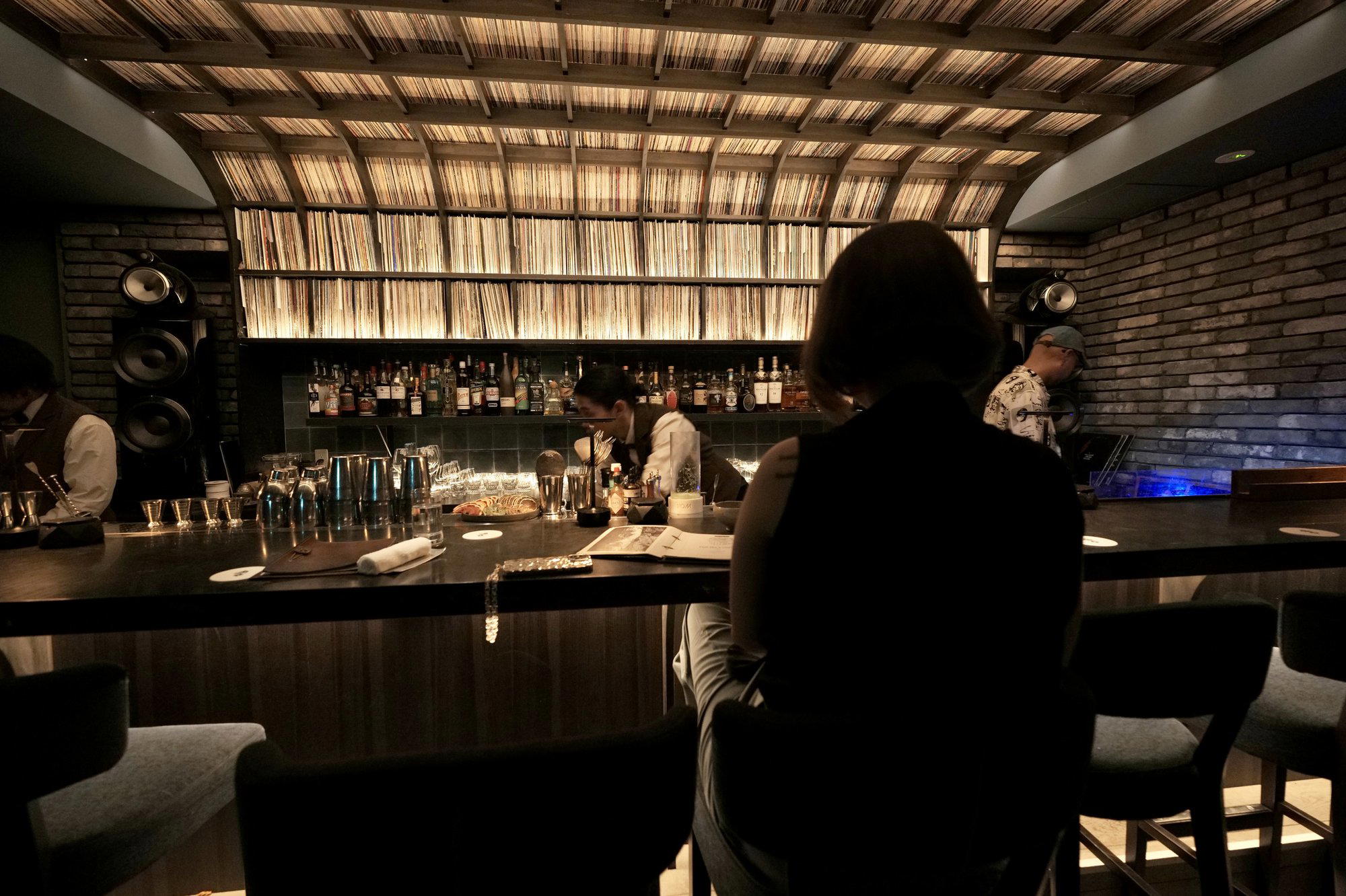
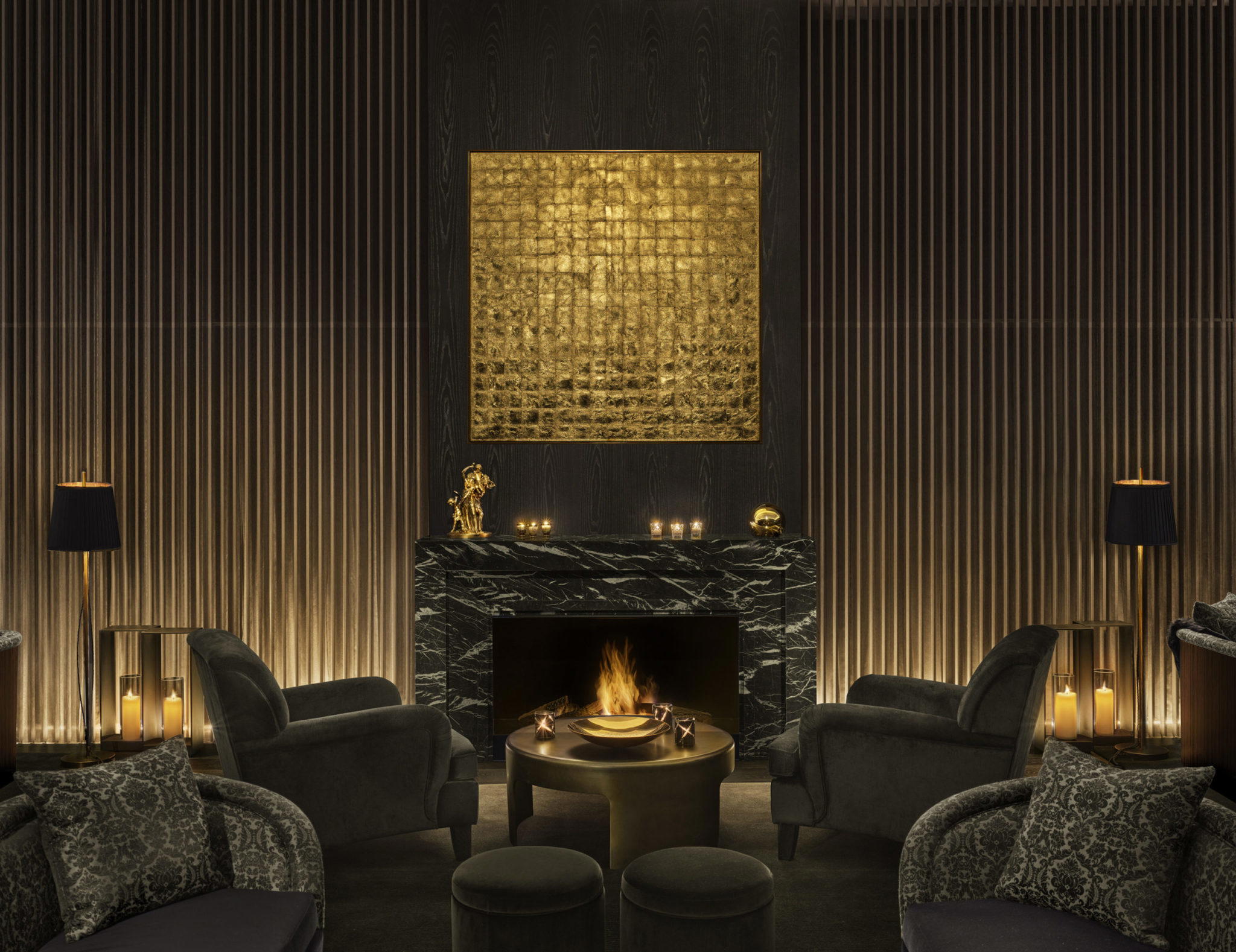
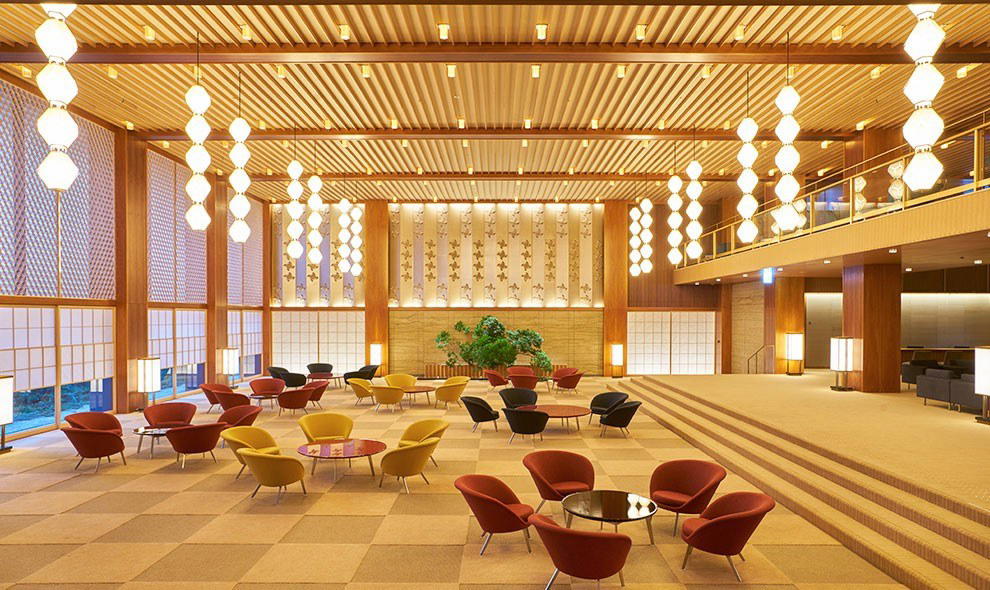
Understated elegance with warm woods, measured lighting, and a counter theater fostering unhurried, intimate attention in a sophisticated adult space.