
A Michelin Bib Gourmand soba counter in Nakagyo Ward where the cooking draws as much from northern Italy as from buckwheat tradition. The signature Daigo Soba, draped in Parmigiano Reggiano and finished with bonito broth and olive oil, frames the kitchen's cross-cultural instinct. An eight-metre gold-leaf ceiling painting of tigers and rabbits sets the theatrical register before a single bowl arrives.
Pearl is the En Primeur Club membership app — saves, bookings, and concierge access live there. Same editors, same standards.
- Address
- 321-2 Shinnyodocho, Nakagyo Ward, Kyoto, 604-0853, Japan
- Phone
- +81 75-585-2420
- Website
- saryo-tessin.instatry.org
- Directions
- Get directions
 Saves & bookings on Pearl
Where the Ceiling Sets the Scene
Before the soba arrives, the room itself makes a claim. An eight-metre-wide gold-leaf painting spans the ceiling of Saryo Tesshin, depicting three tigers and two rabbits in a composition scaled for a theatre backdrop rather than a dining room. The effect is deliberate: the painting behaves like a stage drop, framing the meal as something more considered than a quick noodle lunch. Kyoto has many rooms with historical weight, kaiseki houses at the ¥¥¥¥ tier from Gion Sasaki to Kyokaiseki Kichisen invest heavily in environment, but Saryo Tesshin applies similar attention to atmosphere at a price point that sits at the entry tier of the city's formal dining spectrum. That positioning is part of what earned it a Michelin Bib Gourmand in 2025, following a Michelin Plate recognition in 2024.
Fusion Soba as Performance
The editorial angle assigned to this venue is the cooking-as-theatre frame, and at Saryo Tesshin that frame is not metaphorical. The kitchen's most discussed preparation, the Daigo Soba, arrives at the table as a visual event: a fall of finely grated Parmigiano Reggiano covers the noodles like snow, referencing daigo, the ancient dairy product mentioned in early Japanese texts and considered a precursor to cheese. The dish then draws in bonito broth and olive oil, placing Japanese and Italian ingredients in direct conversation.
This is not novelty for its own sake. Across Japan, a small cohort of soba kitchens has been testing the category's tolerance for outside influence. Where traditionalist counters, including Akasaka Sunaba in Tokyo and Ayamedo in Osaka, hold to the dipping-sauce orthodoxies of Edo-period soba culture, the restaurant works from a different hypothesis: that the buckwheat noodle is a platform elastic enough to carry European dairy and fat. Chef Marcel Frei's position in a Kyoto soba kitchen, European name, European techniques, Japanese format, is itself the argument made visible. The Daigo Soba is the thesis statement.
The choice of Parmigiano Reggiano is worth noting in context. At the ¥¥¥ Italian tier, cenci applies European technique to Japanese ingredients. The restaurant inverts that logic, applying a European ingredient to a Japanese form. Both approaches are legitimate; the point is that Kyoto's mid-tier dining has developed a coherent vocabulary for this kind of translation.
The Bib Gourmand Signal
A Michelin Bib Gourmand denotes cooking that inspires inspectors while remaining within a moderate price range. In Kyoto's context, where the kaiseki tradition anchors the city's dining reputation and high-end Japanese cooking at venues like Ifuki operates at the ¥¥¥¥ bracket, the Bib Gourmand tier serves a different function: it identifies places where creative intent and execution land at accessible price levels. The restaurant's 2025 Bib Gourmand, progressing from the 2024 Plate recognition, tracks a kitchen that Michelin inspectors have watched develop over at least two consecutive guide cycles.
For the visiting diner, the Bib Gourmand read is practical: the kitchen takes the cooking seriously, the price won't strain a broader Kyoto itinerary, and the room, with its gold-leaf ceiling and theatrical proportions, offers a spatial experience that punches well above the price tier.
Nakagyo Ward and the Broader Table
The restaurant sits in Nakagyo Ward at 321-2 Shinnyodocho, a central Kyoto address that places it within reach of the city's main temple circuits and commercial corridors. Nakagyo is not the preserved-street-front neighbourhood of Gion, but it functions as the connective tissue of central Kyoto, practical, walkable, and increasingly populated by kitchens that don't fit the city's formal dining archetypes.
Kyoto's soba tradition runs alongside but distinct from its kaiseki identity. Soba houses here operate across a wide range of registers, from the buckwheat-focused purist counters to the more experimental kitchens. The restaurant occupies the experimental end of that spectrum without abandoning the form's essential discipline: the noodle quality and preparation remain the structural frame around which the Italian references are placed, not the other way around.
Planning Your Visit
Address: 321-2 Shinnyodocho, Nakagyo Ward, Kyoto, 604-0853. Budget: ¥ tier, Michelin Bib Gourmand pricing, accessible for the category. Dress: No dress code on record; the room's theatrical ceiling reads formal but the price tier signals relaxed. Chef: Marcel Frei. Recognition: Michelin Bib Gourmand (2025), Michelin Plate (2024).6 from 191 reviews.
Comparable Options
Comparable venues nearby, for context on price, style, and recognition.
| Venue | Cuisine | Price | Notes |
|---|---|---|---|
| Saryo TesshinThis venue — the venue you are viewing | Creative Japanese Soba Fusion | $$$ | Not listed |
| Shigetsu | Traditional Shojin Ryori (Zen Buddhist Vegan) | $$$ | Ukyō |
| Ajiro | Shojin Ryori Temple Cuisine | $$$ | Ukyō |
| Washoku Haru | Traditional Japanese Izakaya | $$ | Shimogyō |
| Itsutsu | Luxury Soba Kaiseki | $$$ | Kita |
| Pontocho Masuda | Kyoto-style Obanzai | $$$ | Nakagyō |
Recognition history
Dated appearances from independent guides and award organizations, with the underlying list record or original source where available.
Michelin Bib Gourmand
Michelin
Michelin Bib Gourmand
Michelin
Michelin Plate
Michelin
Continue exploring
More in Kyoto
Restaurants in Kyoto
Browse all →
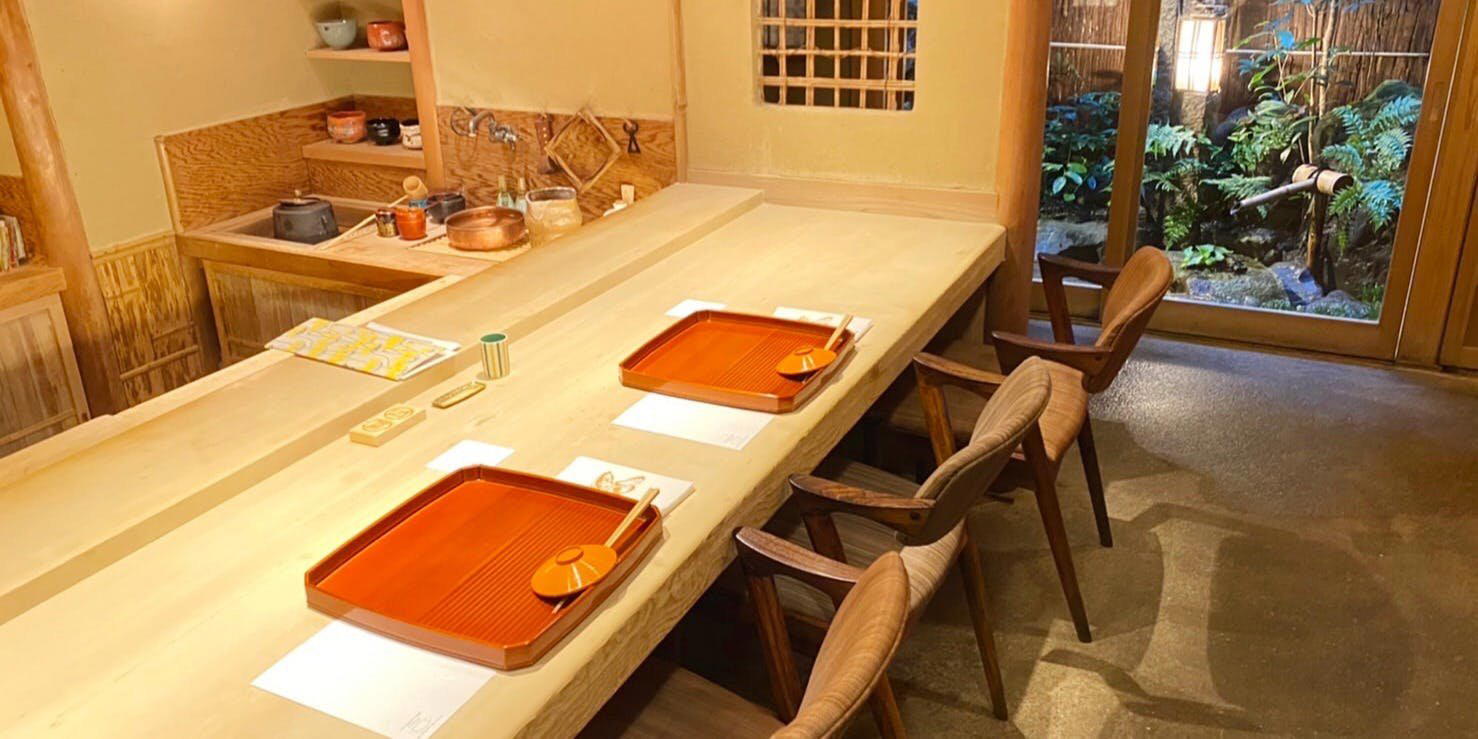
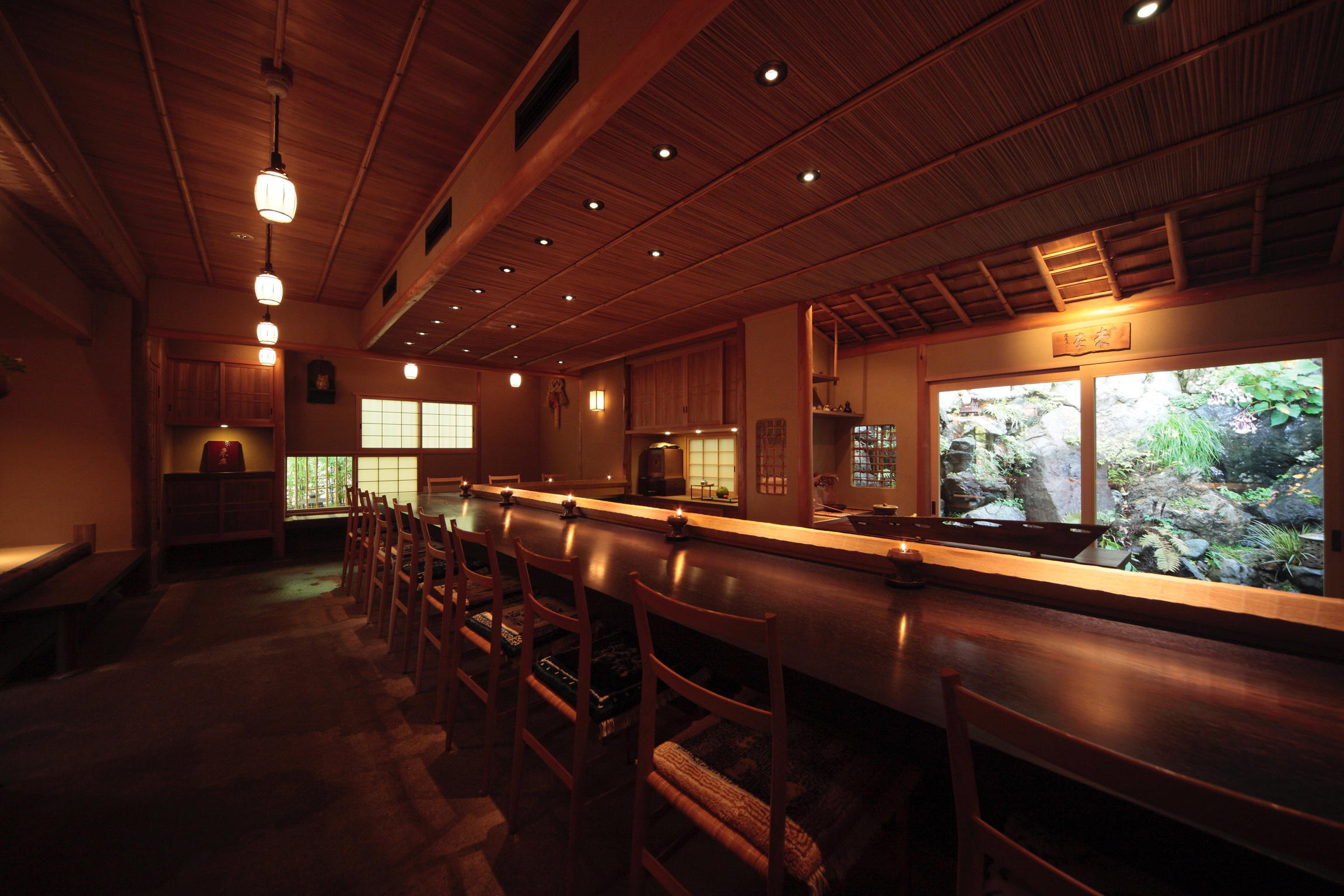
Bars in Kyoto
Browse all →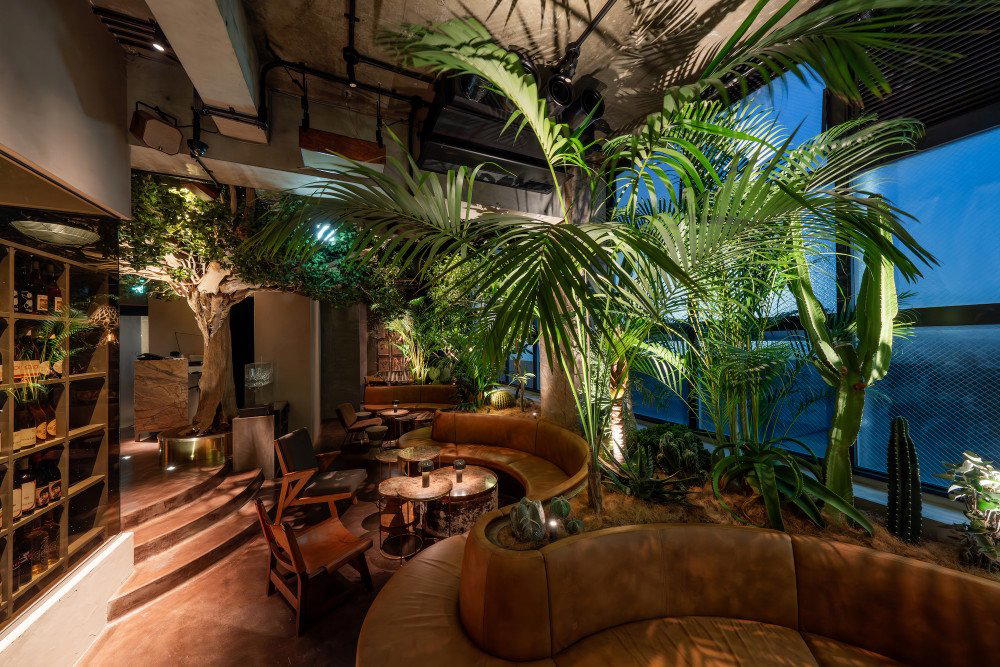
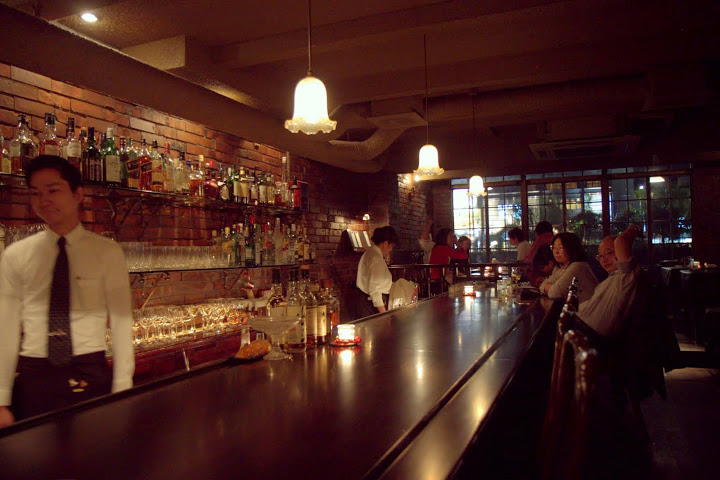
Hotels in Kyoto
Browse all →
Wineries in Kyoto
Browse all →
At a Glance
- Elegant
- Cozy
- Sophisticated
- Intimate
- Classic
- Special Occasion
- Business Dinner
- Garden
- Historic Building
- Sake Program
- Garden
Current opening hours
- Monday
- 8 AM–3:15 PM, 5–8:15 PM
- Tuesday
- 8 AM–3:15 PM, 5–8:15 PM
- Wednesday
- Closed
- Thursday
- 8 AM–3:15 PM, 5–8:15 PM
- Friday
- 8 AM–3:15 PM, 5–8:15 PM
- Saturday
- 8 AM–3:15 PM, 5–8:15 PM
- Sunday
- 8 AM–3:15 PM, 5–8:15 PM
Hours can change for holidays and private events. Last verified .
Ornate interior blending grandeur and wabi-sabi with gold leaf art, washi paper counter, coffered ceilings, bonsai, and garden views creating a refined traditional Japanese atmosphere.