Restaurant Allen





2 Michelin Stars · La Liste Top Restaurants · Star Wine List
Our verdict
Restaurant Allen holds two Michelin stars and consecutive Star Wine List number-one rankings for 2025 and 2026, placing it among Seoul's most decorated contemporary addresses. Located in Gangnam's Teheran-ro corridor, it pairs a seasonal, regionally grounded menu with a 1,400-bottle cellar weighted toward France and Italy. The format moves fluidly between formal tasting and convivial snack-and-wine drinking, making it one of the few starred rooms in the city that sustains both registers convincingly.

Pearl is the En Primeur Club membership app, where members save venues, book tables and use the concierge.
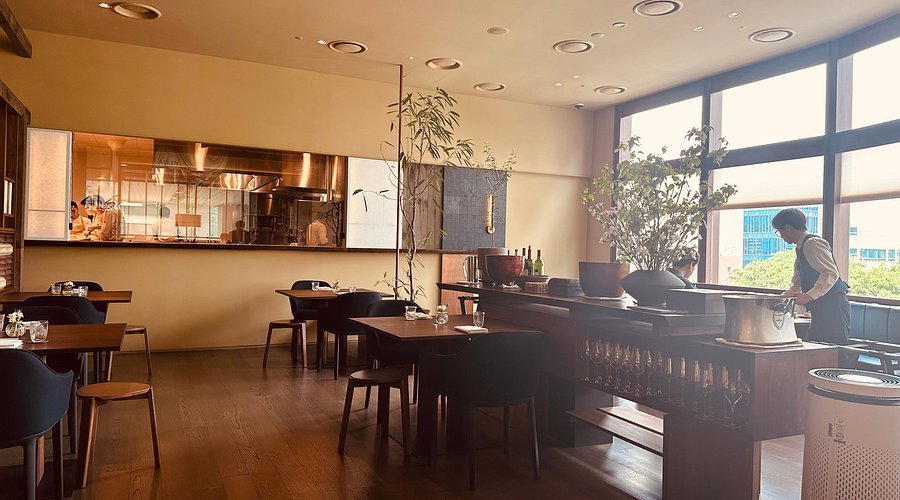
Gangnam's Two-Star Standard-Bearer
Teheran-ro is not a street that rewards slow walking. The broad Gangnam artery runs hard through Seoul's financial core, and most of what lines it was built for speed and commerce. Which makes the second floor of building E205 something of a counterpoint: a two-Michelin-starred room that has earned consecutive Star Wine List number-one rankings in 2025 and 2026, and an 86-point placement on La Liste's 2026 global rankings, up from 85 points the previous year. The room earns its place in that company not by contrasting its surroundings but by absorbing the district's seriousness and redirecting it toward the table.
Seoul's contemporary fine-dining tier has clarified considerably over the past five years. At one end sit the tasting-format rooms that lean into Korean culinary heritage, restaurants like Gaon and Kwon Sook Soo, which frame seasonal produce through the grammar of traditional Korean cooking. At the other end sits a cohort that works the international contemporary idiom, letting regional and seasonal sourcing do the cultural work without restricting itself to a single culinary vocabulary. Restaurant Allen belongs to the second group, and within that group it occupies the upper bracket on both the critical and the wine dimensions simultaneously, a combination that remains genuinely rare in the city.
Contemporary Korean Cooking in Its International Register
Korean cuisine's engagement with the contemporary fine-dining format is no longer a novelty worth explaining. The country's producers, from the highland vegetable growers of Gangwon-do to the seafood suppliers operating out of the southern coastal markets, have become a serious sourcing infrastructure for chefs working at this level. Restaurant Allen's menu draws on that infrastructure under the labels of regional and seasonal cooking, which in practice means a menu that shifts with the year's produce rather than one anchored to fixed signatures.
The format accommodates multiple modes of eating: lunch and dinner are both offered, and the room is explicitly designed to allow both a full tasting sequence and a lighter arrangement of snacks paired with wine from the list. This flexibility is worth noting as an editorial point about where Seoul's top tier is heading. The rigidity of the multi-course-only format, which defined the first generation of Korean fine dining's international ambitions, is loosening at certain addresses. Solbam operates in a similarly flexible register at the same price tier; Eatanic Garden maintains a stricter tasting structure. Restaurant Allen's decision to hold both modes open in the same room reflects a particular understanding of hospitality: that a Michelin-starred meal and an informed glass of Burgundy with snacks are not mutually exclusive evenings.
The Wine Program as a Parallel Credential
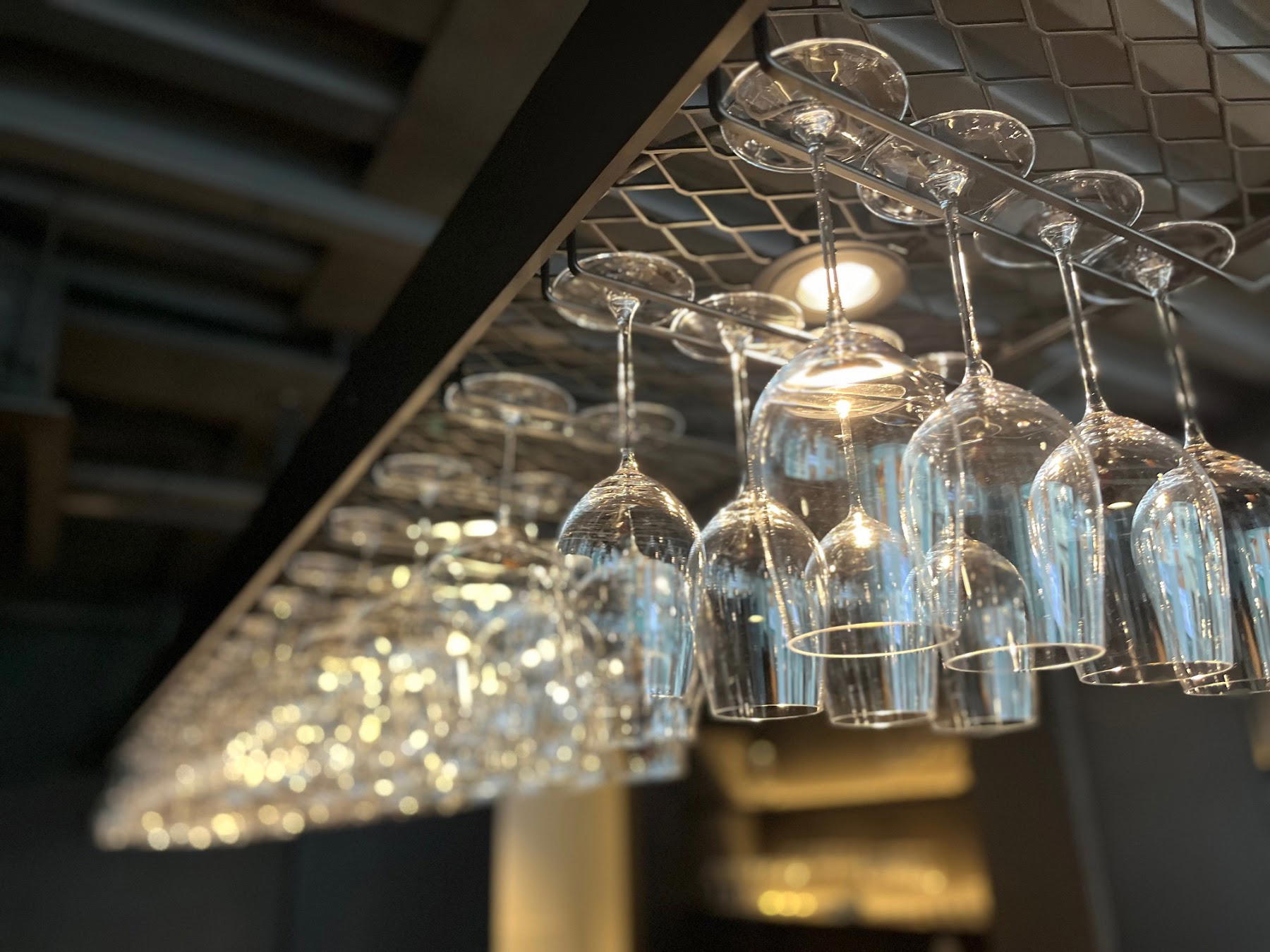
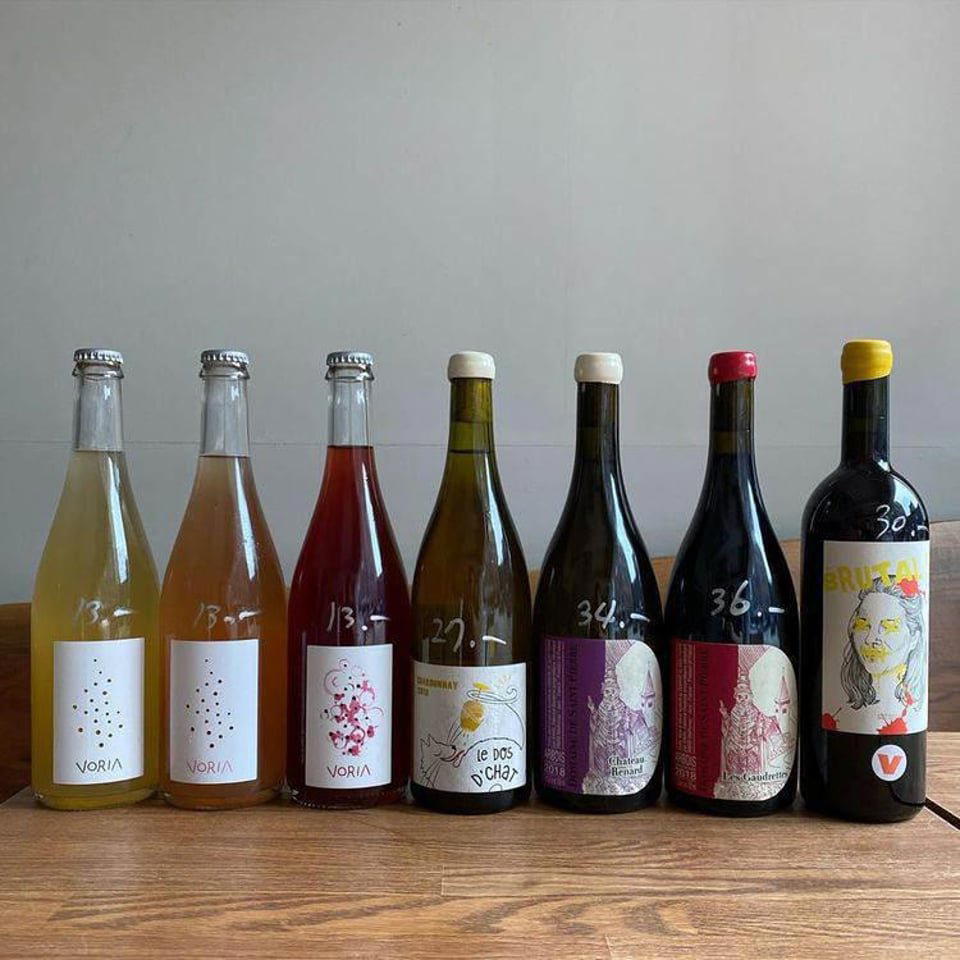
In most two-star rooms, the wine program is secondary evidence, confirmation that the kitchen's seriousness extends to the cellar. At Restaurant Allen, the cellar is a co-equal credential. Star Wine List awarded it the number-one ranking in Seoul in both 2025 and 2026, placing it ahead of every other restaurant in the city by that metric. Wine Director Soohyeon Heo oversees a list of approximately 425 selections drawn from an inventory of 1,400 bottles, with France, particularly Champagne, Burgundy, and Bordeaux, and Italy forming the backbone, and California represented as a secondary strength.
The pricing tier for the wine list is classified at the upper bracket: many bottles exceed the $100 threshold, which positions the list against serious collector-oriented programs rather than accessible by-the-glass menus. A corkage fee of $110 applies, which at that level functions less as an invitation to bring your own bottles and more as a signal about the room's expectations around wine. For a meaningful comparison in the global contemporary tier, consider how Alo in Toronto or César in New York City have used ambitious wine programs to establish a second critical identity alongside their kitchens. Restaurant Allen is operating in that same logic, and the consecutive number-one rankings suggest it is executing it as convincingly as any contemporary address in Asia.
The France-weighted cellar is not arbitrary in Seoul's fine-dining context. Burgundy in particular has become a kind of shared reference language among the city's serious wine rooms, in part because Korean cuisine's umami registers and fermentation traditions create real structural affinities with the minerality and tension of good Pinot Noir and Chardonnay. Whether that affinity drives the list's composition or the list composition reflects collector demand in Gangnam's business dining culture is a question worth asking. The answer is probably both.
At the ₩₩₩₩ price tier, the competitive field in Seoul is specific. Jungsik operates two Michelin stars and frames its cooking as Korean-inflected contemporary in the international sense, the closest direct peer in terms of both cultural positioning and price. Exquisine and Goryori Ken represent different inflections of the top tier, Japanese-adjacent in the case of the latter. The Korean-French hybrid rooms like Zero Complex operate in the same price bracket but with a more explicit acknowledgment of European culinary grammar as a structural element, not just a reference point.
Restaurant Allen's two-star hold across both 2024 and 2025 editions of the Michelin Guide, combined with the La Liste recognition and the double Star Wine List leading ranking, places it in a short list of Seoul addresses that are simultaneously credentialed by the three most internationally legible fine-dining validation systems. Among its immediate Gangnam peers, that combination is distinctive. For Korean fine dining benchmarks outside Seoul, Mori in Busan offers a point of comparison at the regional level, while Baegyangsa Temple in Jangseong-gun represents the opposite pole of the country's culinary geography. Internationally, the contemporary format without fixed cultural allegiance is a well-populated category: Orfali Bros in Dubai works a comparable hybrid register with similar critical traction.
Google's is a secondary signal, but worth reading in context. An 82-review base at 4.5 is consistent with a room that is booking tightly and drawing a repeat clientele rather than one generating high-velocity tourist traffic.
Planning Your Visit
Location: E205 E. 2F, 231 Teheran-ro, Gangnam-gu, Seoul. The address sits in the core of Gangnam's business district, accessible from Samseong or Gangnam stations on Line 2. Service: Lunch and dinner. Format: Full tasting or snack-and-wine format available; the room supports both registers without forcing a choice. Budget: Cuisine pricing at the $$$ tier (above ₩66+ for a typical two-course meal, excluding beverages); wine list at the $$$ tier with many bottles above the $100 equivalent threshold. Corkage fee $110 if bringing your own bottle. Reservations: Advance booking strongly advised given the starred status and repeat clientele pattern; specific booking channels are not published. Wine team: Wine Director Soohyeon Heo; General Manager Kihyun Kim.
For broader context on where Restaurant Allen sits within the city's dining options, see our full Seoul restaurants guide, or explore adjacent categories: Seoul bars, Seoul hotels, Seoul wineries, and Seoul experiences.
What do regulars order at Restaurant Allen?
The menu's regional and seasonal structure means the specific dishes shift, so repeat visitors tend to orient around the wine pairing rather than a fixed signature. The combination of Chef Allen Suh's contemporary kitchen with Wine Director Soohyeon Heo's France-and-Italy-weighted list means that regulars who know the room well often come for the snack-and-wine format rather than the full tasting sequence: a considered selection from the Burgundy or Champagne section of the 425-selection list, matched with whatever the kitchen is running as small plates in that season. The awards record and the La Liste score suggest the kitchen's output is consistently strong across both modes, so the format choice is genuinely a matter of tempo and appetite rather than a trade-off in quality.
In Context: Similar Options
| Venue | Cuisine | Price | Awards | Notes |
|---|---|---|---|---|
| Restaurant AllenThis venue (the venue you are viewing) | Contemporary French with Korean Seasonal Ingredients | $200–300 | 2 Michelin Stars · La Liste Top Restaurants | Not listed |
| 7th Door | Modern Korean Fermentation Fine Dining | $100–150 | 1 Michelin Star · World's 50 Best #49 | Korean, Contemporary |
| Solbam | Contemporary Neo-Classical Korean | $200–300 | 1 Michelin Star · World's 50 Best #55 | Contemporary |
| Onjium | Modern Korean Royal Court Cuisine | Not listed | 1 Michelin Star · World's 50 Best #14 | Korean |
| L'Amitié | Classic French Fine Dining | $100–150 | 1 Michelin Star · La Liste Top Restaurants | French |
| Zero Complex | Modern French Neo-Bistro | $100–150 | 1 Michelin Star · La Liste Top Restaurants | Korean-French, Innovative |
Recognition history
Dated appearances from independent guides and award organizations, with the underlying list record or original source where available.
Michelin 2 Stars
Michelin
La Liste Top Restaurants
La Liste
Star Wine List
Star Wine List
Opinionated About Dining Top Restaurants in Asia Recommended
Opinionated About Dining
Wine Spectator Best of Award of Excellence
Wine Spectator
Full recognition history (10 entries)
La Liste Top Restaurants
La Liste
Michelin 2 Stars
Michelin
Star Wine List
Star Wine List
Wine Spectator Best of Award of Excellence
Wine Spectator
Michelin 2 Stars
Michelin
Continue exploring
More in Seoul
Restaurants in Seoul
All restaurants in Seoul →
Bars in Seoul
All bars in Seoul →
Restaurant Allen
The wine
Restaurant Allen holds the Wine Spectator Best of Award of Excellence, which Wine Spectator gives to lists of usually 350 or more selections.
- Wine program
- Deep wine list
- Wine Spectator
- Wine Spectator Best of Award of Excellence
- Selections
- 425
- Bottles in cellar
- 1,400
- List strengths
- France, Champagne, Burgundy, Bordeaux, Italy, California
- Wine director
- Soohyeon Heo
- Extensive wine list
Details
- Elegant
- Sophisticated
- Modern
- Intimate
- Date Night
- Special Occasion
- Celebration
- Open Kitchen
- Extensive Wine List
- Local Sourcing
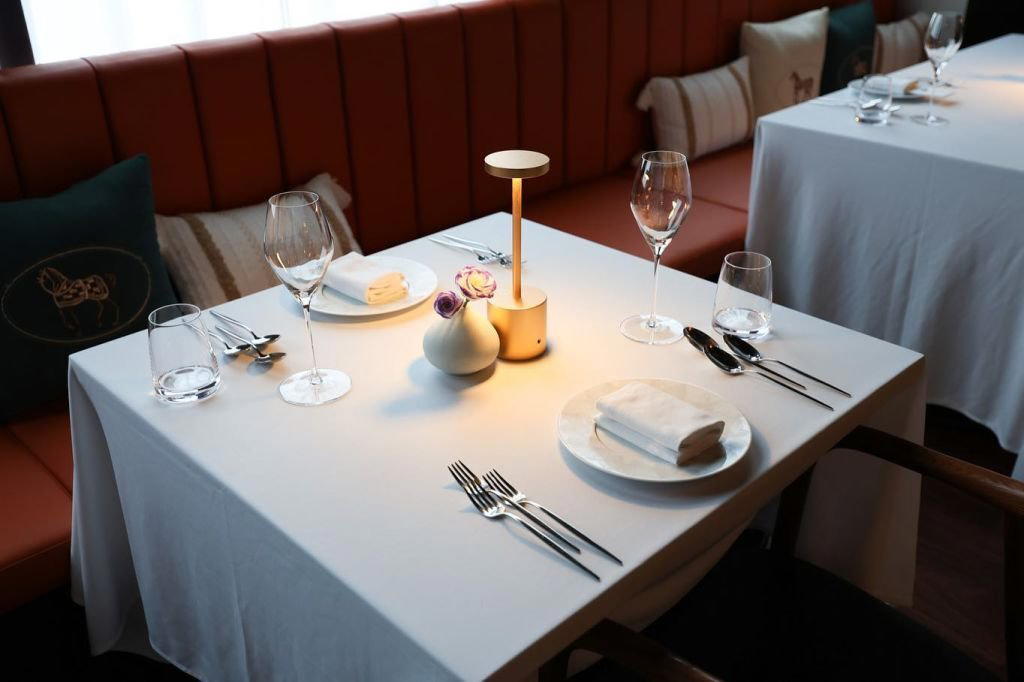
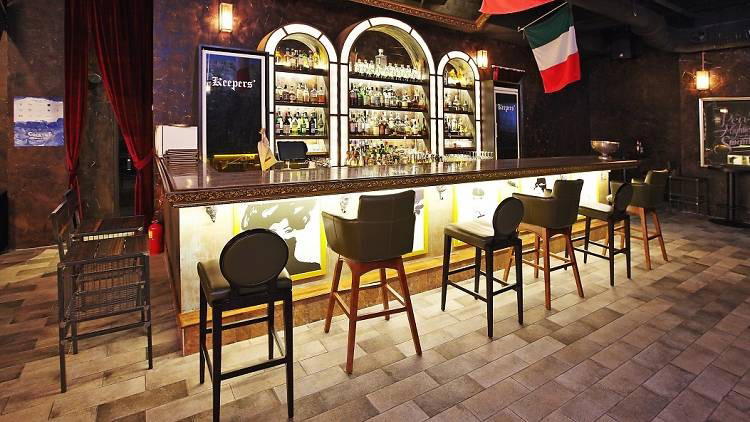
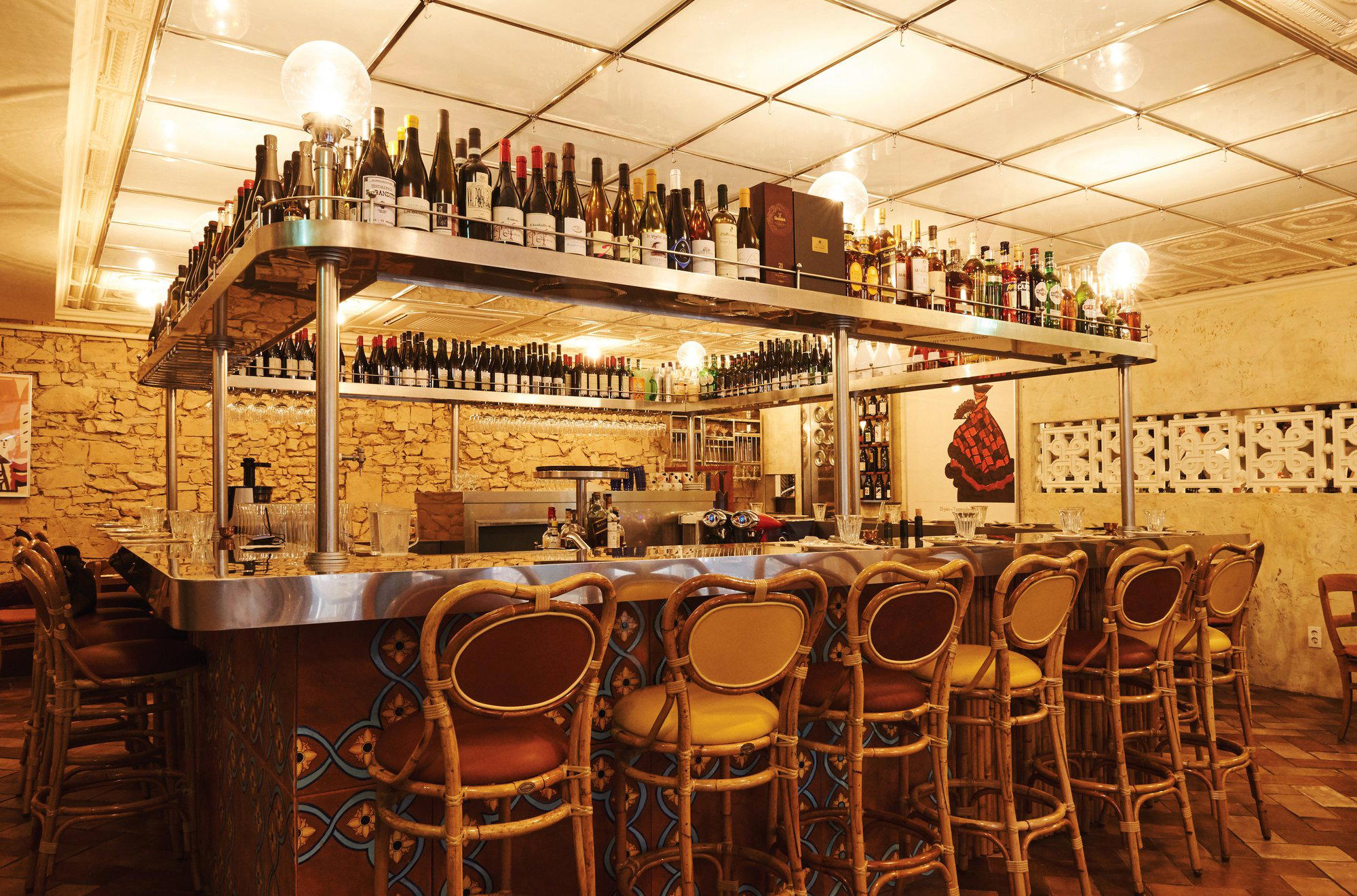
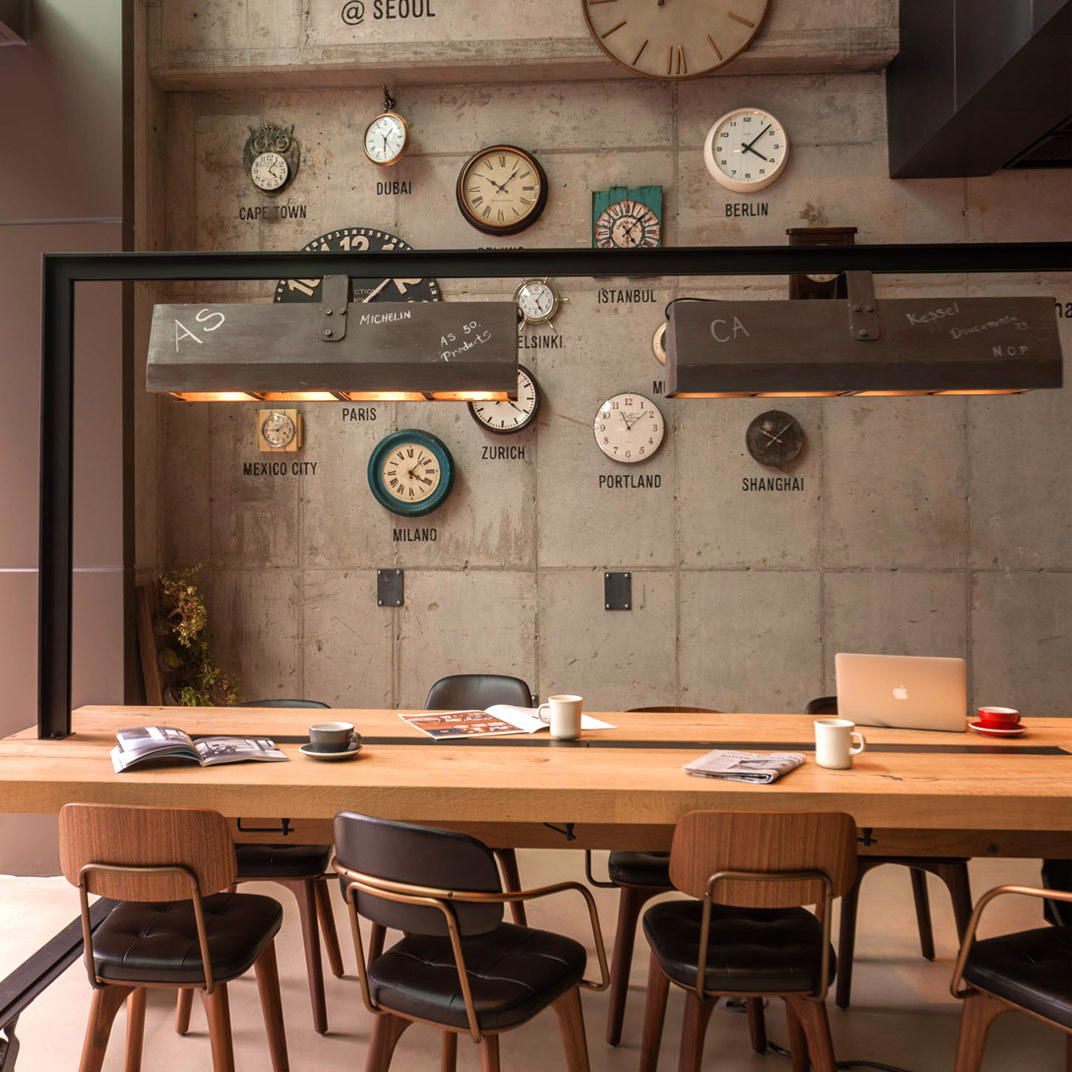
Elegant yet comfortable dining room with dark wood furniture, low-key private setting, and views into the orderly kitchen.