Miro Sikdang
Miro Sikdang sits in Mapo-gu's Hongdae-adjacent streets, where Seoul's independent dining scene has quietly sharpened into something worth planning around. The address on Wausan-ro 30-gil places it among a cluster of neighbourhood restaurants that operate outside the obvious fine-dining corridors of Gangnam and Jongno, making advance research and deliberate booking the standard approach for visitors working from limited time in the city.
- Address
- 80 Wausan-ro 30-gil, Mapo-gu, Seoul, South Korea
- Phone
- +8223263777
- Directions
- Get directions
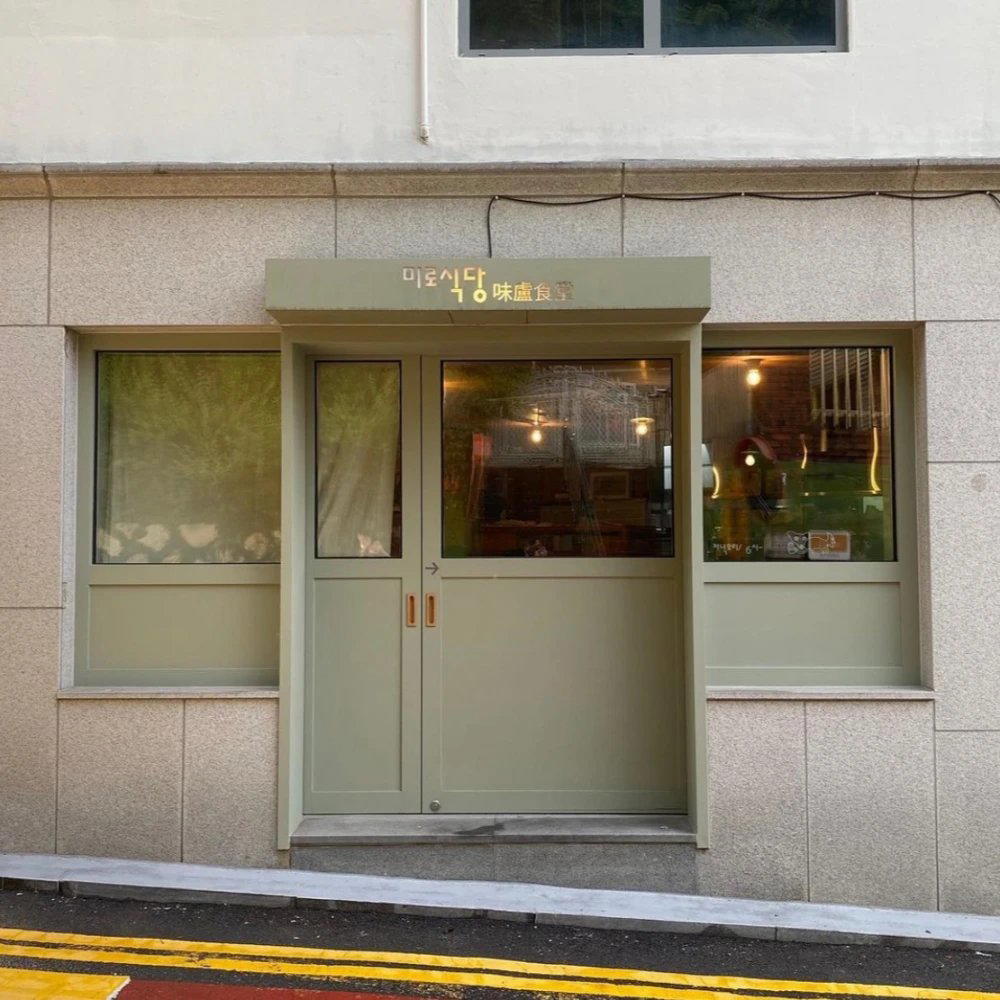
Mapo-gu and the Case for Dining Outside the Centre
Seoul's restaurant conversation tends to orbit a handful of fixed reference points: the Michelin-dense blocks of Gangnam, the hanok-lined lanes of Jongno, the tasting-menu corridor that runs through Cheongdam. Mapo-gu sits outside that circuit. The district, which includes the university quarter around Hongdae and the residential streets climbing toward Mapo, has developed a dining character shaped more by neighbourhood regulars and independent operators than by international award cycles. Wausan-ro 30-gil, the address where Miro Sikdang operates, belongs to that texture, a side street in Mapo-gu.
That geography matters practically. Visitors arriving from central Seoul will find Mapo-gu accessible by subway on Line 2 or the Airport Railroad, with Hongik University Station the useful stop for the Wausan-ro area. Travel time from Myeongdong or Gangnam runs between twenty and thirty-five minutes depending on the line. The neighbourhood itself is walkable once you arrive, and the streets around Wausan-ro carry enough cafés and small bars to make an evening here feel self-contained rather than a detour.
How Seoul's Independent Tier Books
The editorial angle worth setting before you plan any visit to a Mapo-gu restaurant is how Seoul's non-Michelin independent tier actually operates. Unlike the city's headline tasting-menu counters, venues like Mingles, Jungsik, or Kwonsooksoo, which run formal online reservation systems and book weeks to months ahead, neighbourhood restaurants in this part of the city often operate on shorter booking windows, phone-first reservations, or a walk-in culture that varies by day of week. The practical consequence is that the research burden shifts to the traveller: confirming current hours, preferred contact method, and whether a reservation is necessary at all for your preferred time.
For Miro Sikdang specifically, one practical approach is to check current listing details before visiting. If you are visiting Seoul without Korean-language capability, asking your hotel concierge to call ahead is one reliable method, a strategy that applies broadly to independent Mapo-gu restaurants and removes the ambiguity around seating and timing.
The Broader Dining Pattern in Mapo-gu
What defines the Mapo-gu dining scene is a compression of formats. Within a short walk of Wausan-ro you will find anything from pojangmacha-style street eating to small independent restaurants that plate with considerably more care than their modest frontages suggest. Seoul's fine-dining tier, venues such as Soigné, alla prima, or the Korean-French innovative operators catalogued in the city's upper tier, operates at price points that start around ₩100,000 per person and climb well above ₩200,000 for full tasting menus. Mapo-gu's independent bracket typically sits below that, which changes the calculation for a multi-dinner itinerary: you can reasonably eat here early in an evening and treat it as part of a wider neighbourhood exploration rather than committing a full tasting-menu evening to the visit.
That pattern mirrors what has happened in comparable neighbourhoods in other cities where a university-area address becomes a testing ground for independent operators before they either expand or earn the attention that moves them into award conversations. Seoul's food media has tracked a version of this cycle in Mapo-gu over the past decade, and some of the neighbourhood's better-regarded independents have moved from local word-of-mouth to coverage in Korean food publications without necessarily appearing in international ranking systems.
Placing Miro Sikdang in Context
The restaurant belongs to the category of Seoul restaurants that require ground-level verification before you visit. That is not a disqualification, many of the city's most interesting meals happen at venues that operate below the noise of international travel media. Korean dining culture supports a dense ecosystem of specialist restaurants, neighbourhood institutions, and mid-format independents that never intersect with Michelin or the Atomix-tier conversation that Seoul exports internationally, but which represent how the city actually eats.
For comparison, Seoul's fine-dining tier includes venues like 7th Door, Onjium, and Zero Complex, where Korean culinary tradition is being reinterpreted through contemporary technique at premium price points. The independent Mapo-gu bracket sits structurally apart from that conversation, serving a different kind of diner with a different set of expectations. Whether the restaurant operates at the neighbourhood end or is moving toward something more formally recognised is information that current local sources will provide more accurately than any static international listing.
For a broader read on where Seoul's dining sits, the city's categories range from street-level to tasting counter. Travellers extending into other South Korean cities will also find relevant context at Mori in Busan, Dining Room in Busan, and regional specialists including 88돼지 in Jeju, Black Pork BBQ in Seogwipo, Badang Lounge in Jeju, Hinode in Seogwipo, Gobojeong Galbi in Suwon, Doosoogobang in Suwon, Hwangnam Bread and Busan Steamed Bun in Gyeongju, and Gyeongju Wonjo Kongguk. For international reference points in Korean-rooted fine dining, Le Bernardin in New York City illustrates how tasting-menu discipline translates across contexts, while Atomix represents the Korean fine-dining export conversation at its current ceiling.
Planning Your Visit
The restaurant's address at 80 Wausan-ro 30-gil, Mapo-gu places it within a ten-minute walk of Hongik University Station. One reliable pre-visit approach is to check Naver Maps for current hours and contact details, then call or message ahead, particularly for weekend evenings, when the Hongdae area draws larger crowds and neighbourhood restaurants fill earlier than midweek. Visiting during Seoul's shoulder seasons, March to May and September to November, keeps the surrounding streets at their most manageable and the area's outdoor café culture at its most active, which makes the neighbourhood worth time before or after a meal rather than just a destination transit.
Comparable Spots
Comparable venues nearby, for context on price, style, and recognition.
| Venue | Cuisine | Price | Notes |
|---|---|---|---|
| Miro SikdangThis venue — the venue you are viewing | Modern Korean Pub Classics | $$ | Not listed |
| Wangbijib (왕비집) | Traditional Korean BBQ | $$ | Myeongdong |
| Baek Nyeon Baekse Ginseng Chicken Soup | Traditional Korean Ginseng Chicken Soup | $$ | 연남동 |
| ê´í문êµë°¥ | Korean Restaurant | Not listed | Sajik-dong |
| MapleTree House | Korean BBQ | $$ | 이태원동 |
| Junco Music Town | Korean Gastropub Karaoke | $$ | 잠원동 |
Continue exploring
More in Seoul
Restaurants in Seoul
Browse all →
At a Glance
- Cozy
- Lively
- Casual Hangout
- Open Kitchen
- Sake Program
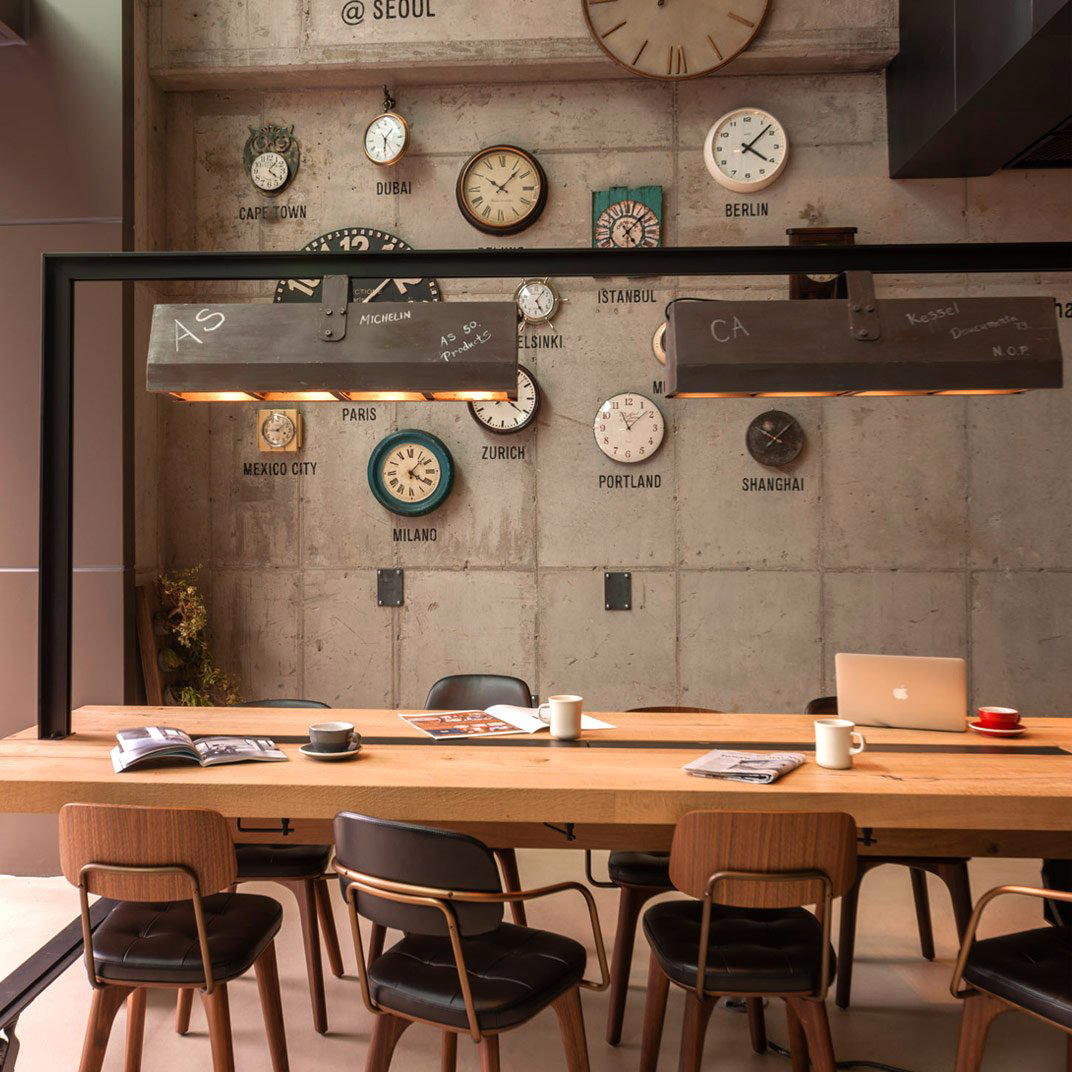
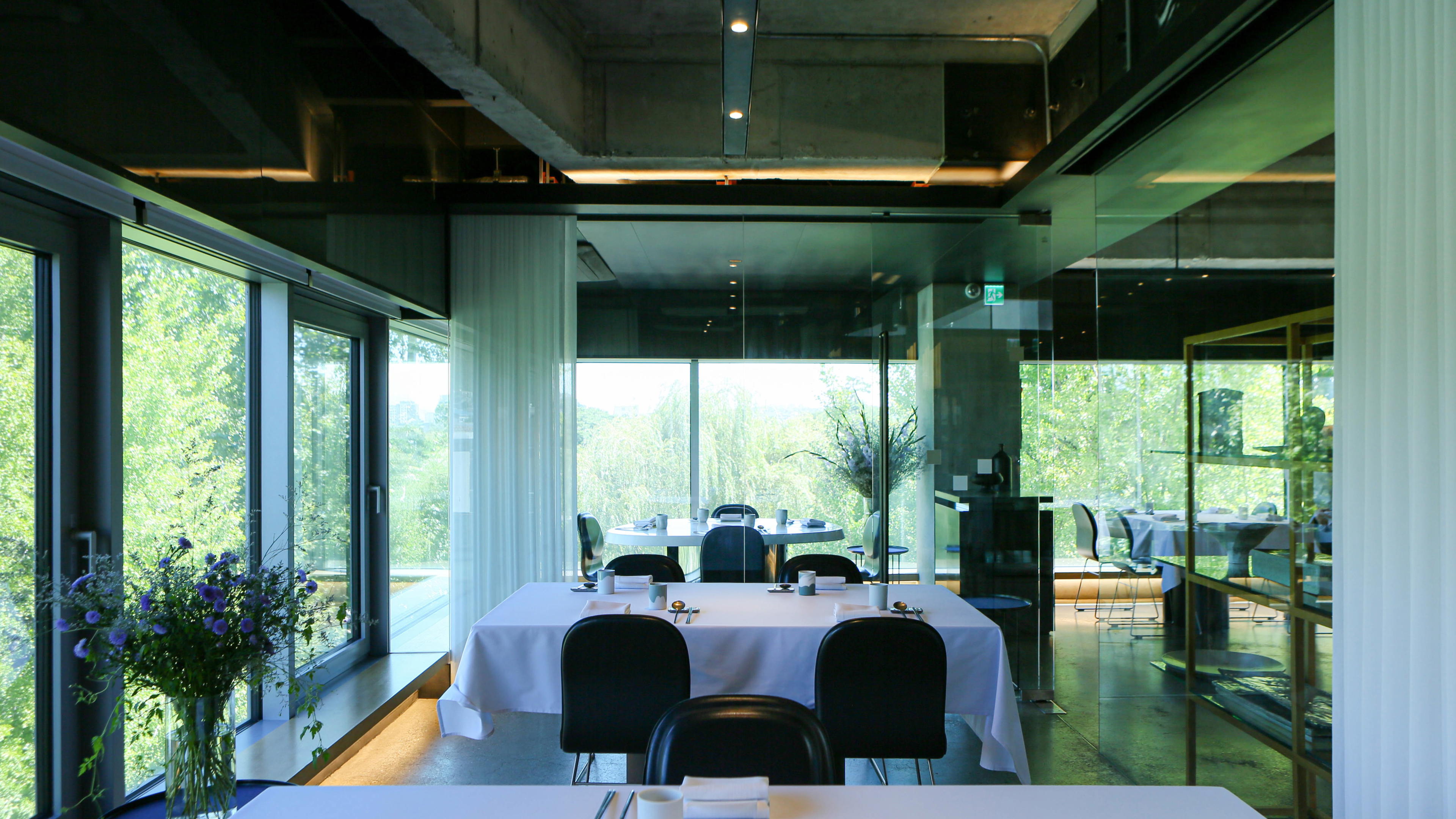
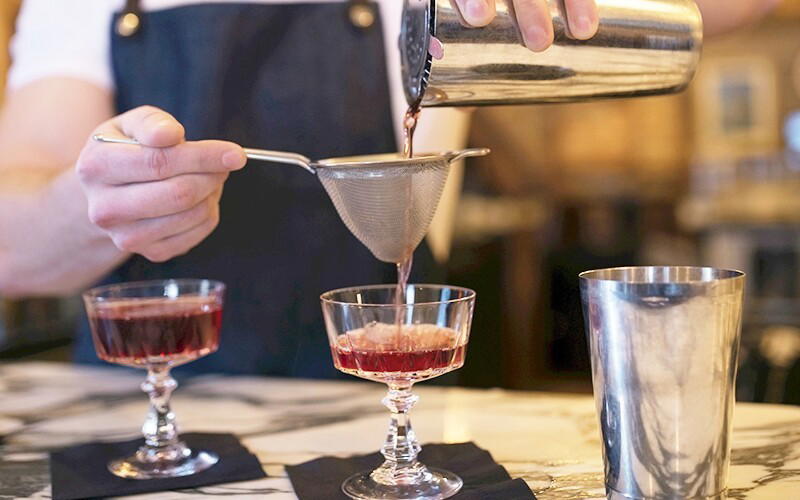
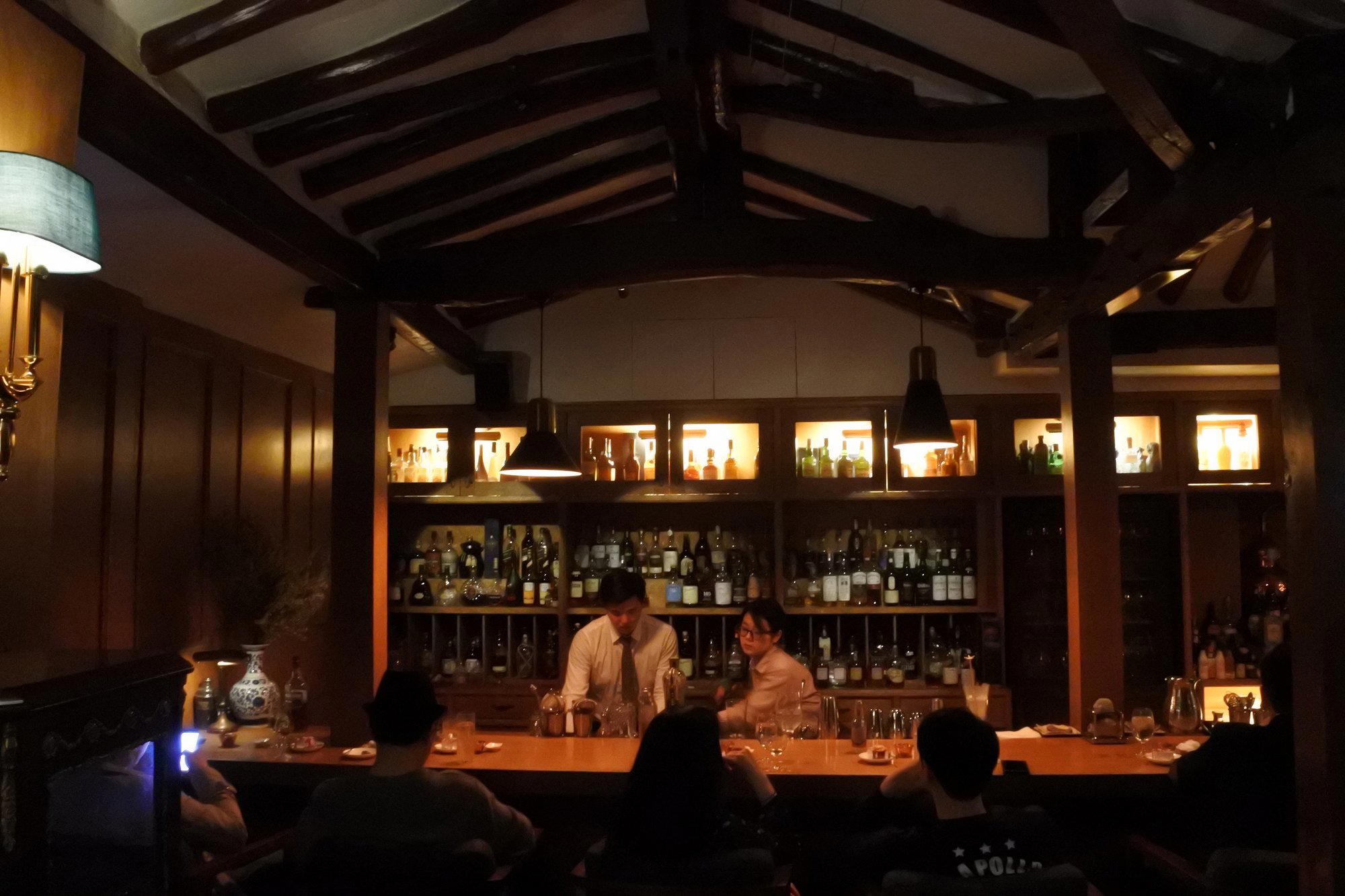
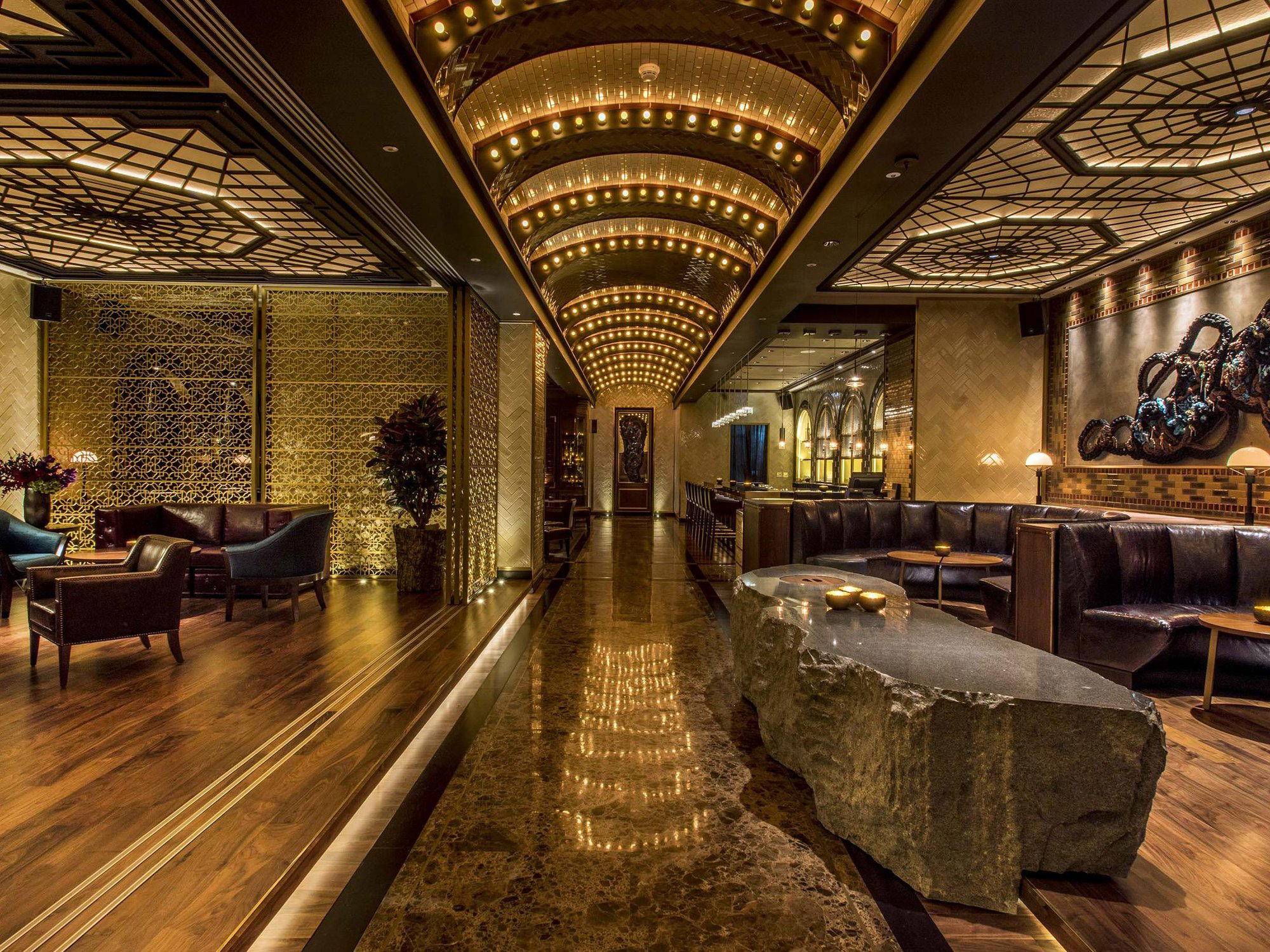
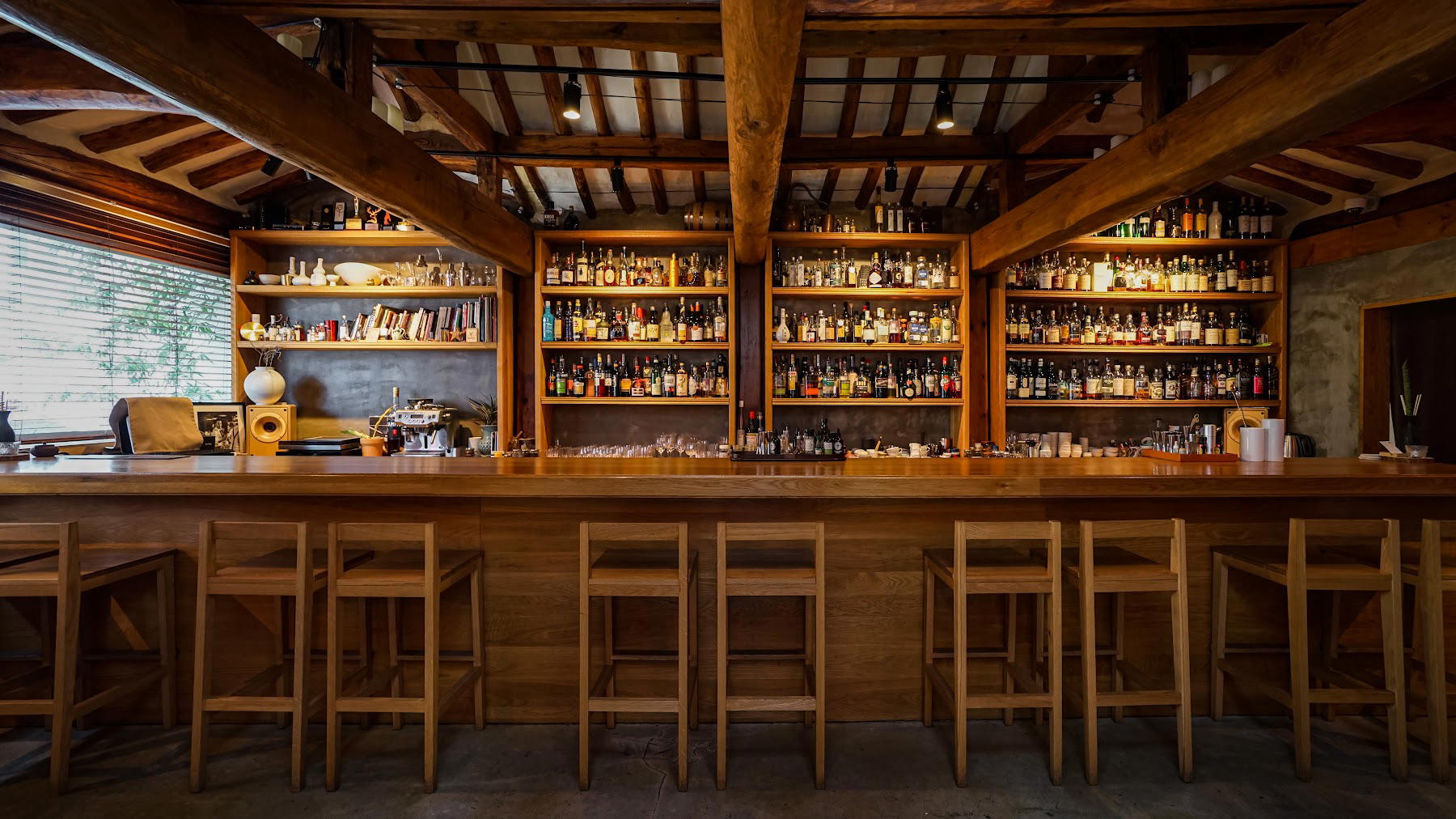
Part pub, part snack bar with a homely, casual atmosphere.