Dogokokk

Star Wine List
A five-table natural wine bar beside Yangjae Creek in Dogok-dong, Dogokokk has operated since 2019 as one of Seoul's quieter alternatives to the Itaewon and Gangnam bar circuit. The format is unhurried and conversational, with owner Dongwoo Choi typically present to guide the wine selection. It sits firmly in the low-key, neighbourhood-specialist tier of Seoul's growing natural wine scene.

Pearl is the En Primeur Club membership app, where members save venues, book tables and use the concierge.
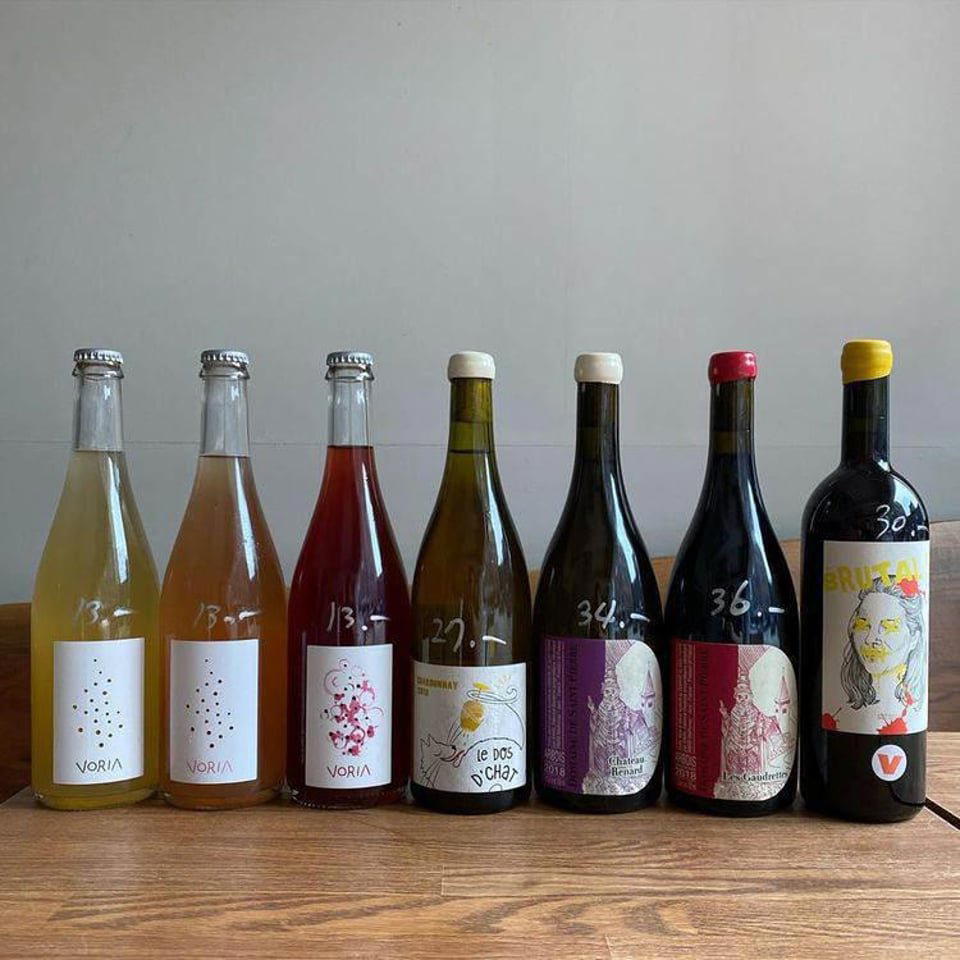
Where Seoul's Natural Wine Scene Slows Down
Seoul's bar and wine culture has spent the past decade sorting itself into distinct registers. At one end sit the high-concept cocktail programs of Gangnam and Itaewon, venues like Alice Cheongdam, Charles H, and Bar D. Still, where production value and bar theatre are part of the proposition. At the other end, a smaller and less publicised tier has developed around neighbourhood wine bars that trade in proximity, informality, and the kind of conversation that only happens when a room holds five tables and the owner is standing three feet away. Dogokokk, open since 2019 in the residential Dogok-dong area of Seocho District, belongs firmly to that second register.
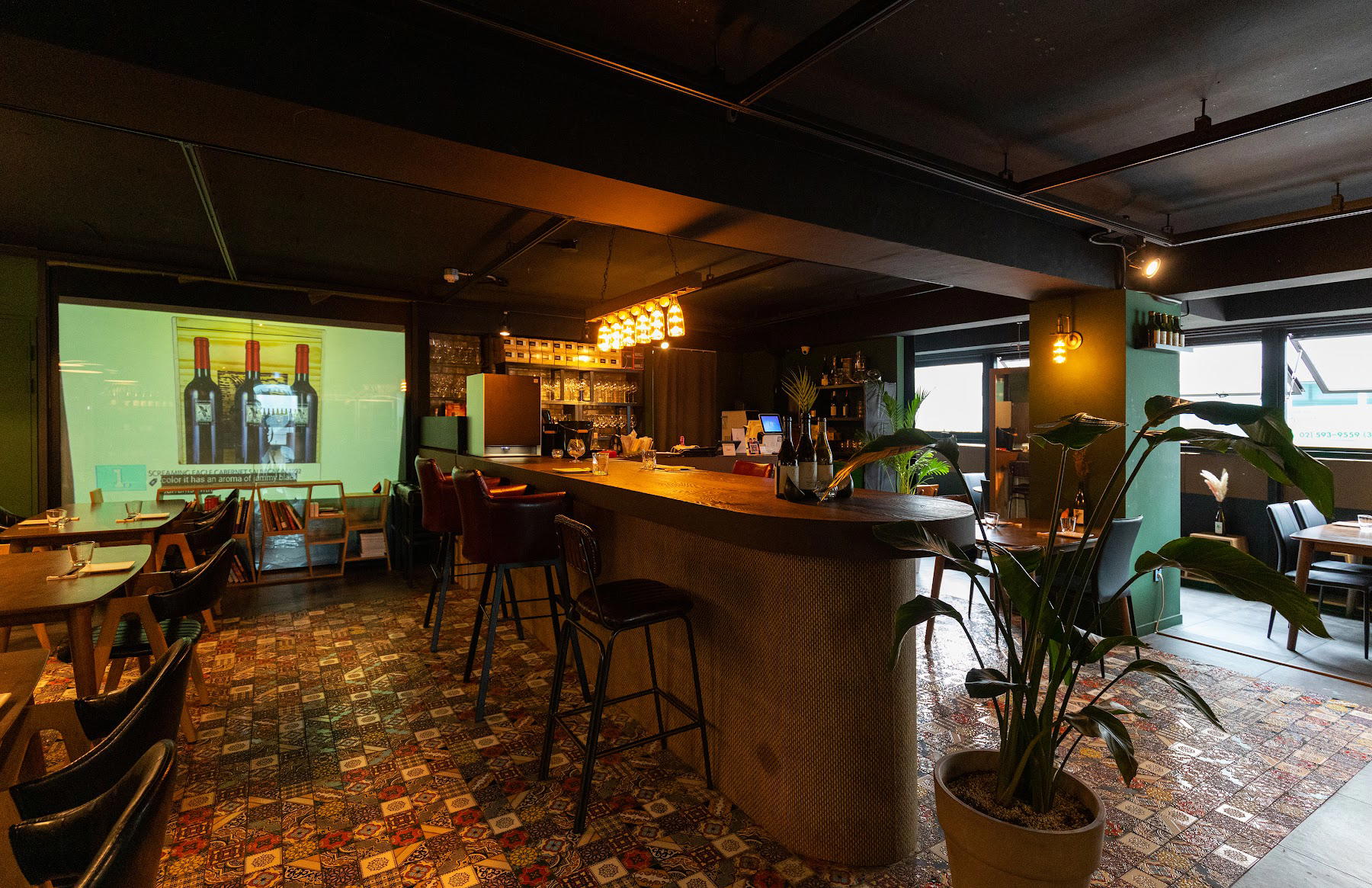
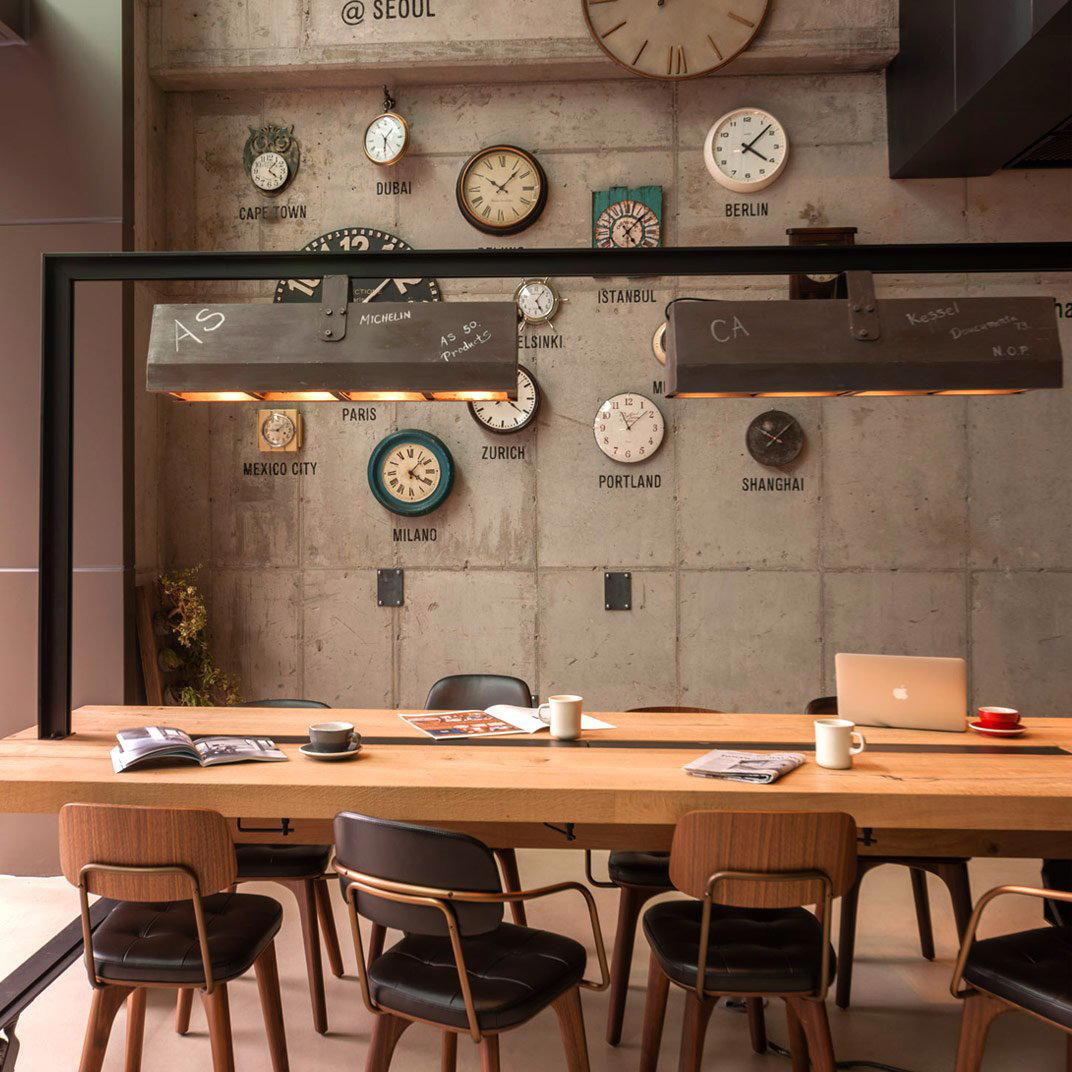
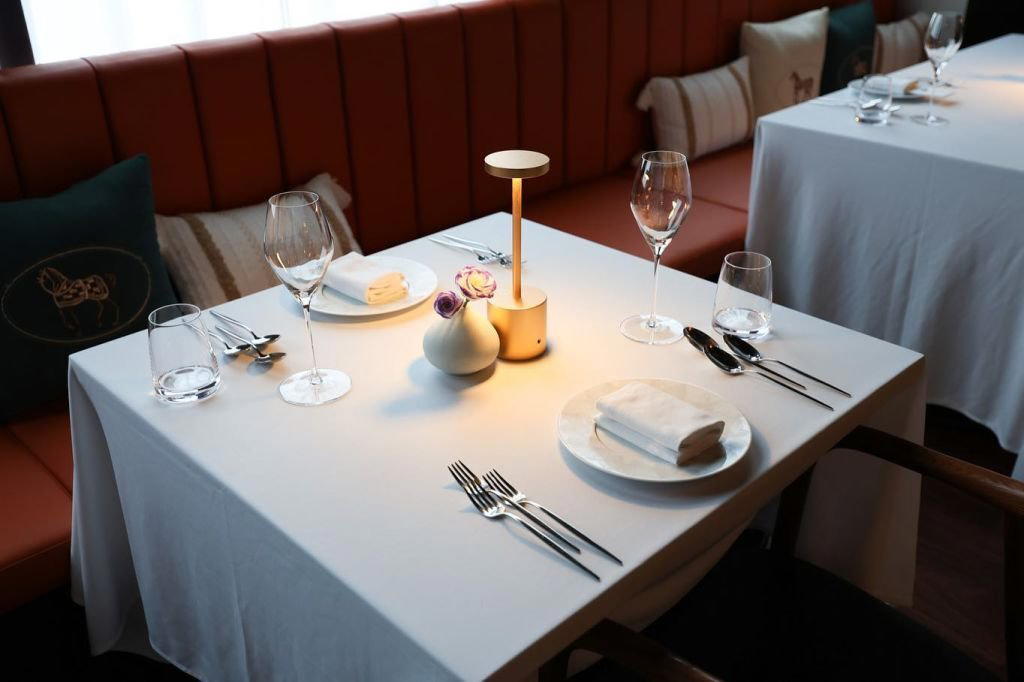
The address alone signals intent. Dogok-dong sits east of the Gangnam core, beside Yangjae Creek, a low-traffic neighbourhood where the clientele is mostly local and repeat. This is not a destination engineered for out-of-towners or social media documentation. The bar's scale reinforces that positioning: five tables, simple interiors, and a room designed for conversation rather than spectacle. In a city where many wine and cocktail venues compete on atmosphere and visual identity, the deliberate restraint here reads as a statement about what the experience is actually for.
The Ritual of the Small Room
Natural wine bars operate on a different social contract than conventional wine lists. This produces a particular dining ritual: rather than scanning a menu and ordering independently, the guest typically enters into a dialogue, about what they have been drinking lately, what flavours they are after, how much structure or funk they can tolerate. In a small room with an engaged host, that conversation becomes the actual mechanism of the visit.
At Dogokokk, owner Dongwoo Choi's presence at the bar is reported to be consistent and attentive, which places the venue squarely in the host-led model that characterises the most respected small natural wine bars globally. The format asks something of the guest: a degree of openness to recommendation, a willingness to discuss rather than just order. In exchange, it offers the kind of specificity about what is actually in the glass that larger venues, even very good ones, rarely have time to deliver. Bar Cham in Seoul operates at a different scale and with a different technical vocabulary, but both venues share the underlying premise that a small room with a knowledgeable host produces a different quality of experience than a large one with a polished menu.
Natural Wine in Seoul: A Category Gaining Ground
South Korea's wine market has grown sharply since the mid-2010s, and natural wine has tracked that growth at the premium-curious end of the consumer base. The category carries some of the same tensions it does elsewhere: debates about consistency, sulphite thresholds, and whether the marketing around natural production has outrun the actual quality in the glass. What has emerged in Seoul, as in Tokyo, Paris, and New York before it, is a smaller cohort of bars that approach the category with genuine rigour, sourcing from specific producers, maintaining relationships with importers, and treating the selection as an editorial act rather than a trend to ride.
Dogokokk opened in 2019, which places it at an interesting point in that arc: early enough to predate the wave of natural wine bars that proliferated in Seoul's trendier districts post-pandemic, established enough to have built a local following that is not contingent on novelty. The parallel in other Korean cities is instructive, Climat in Busan and Muyongdam in Jeju Si both represent the spread of this kind of specialist bar culture beyond Seoul, each adapting the format to a local clientele and a different hospitality pace. The common thread is the small-room, host-present model that makes the natural wine bar distinct from a conventional wine list at a restaurant.
Getting There and Planning Your Visit
Dogokokk is located at 87-7 Yangjae-dong in Seocho District, beside Yangjae Creek, a 10-to-15-minute journey from the central Gangnam bar strip by taxi, or accessible via Yangjae station on subway line 3 and the Shinbundang Line. The neighbourhood has none of the foot traffic of Itaewon or Apgujeong, so arriving with the address confirmed in advance is advisable. The five-table format means capacity is limited and walk-in availability on weekends is not guaranteed. Given that Choi's engaged hosting style is part of what the visit offers, arriving when the bar is not full enough for that dynamic to function is worth factoring into timing decisions.
Pricing details are not publicly listed in the venue's available information, but natural wine bars in Seoul's neighbourhood tier generally sit below the premium cocktail venues of the Gangnam core while above casual convenience-store drinking culture, a middle position that reflects the cost of quality natural wine imports rather than any particular service premium. For visitors building a Seoul drinking itinerary across multiple neighbourhoods, the contrast with high-production venues like Charles H or technically precise programs like Bar D. Still is worth planning deliberately. Dogokokk occupies a register that those venues do not, and the two types of evening are genuinely different in pace and purpose.
For those extending beyond Seoul, the specialist bar model translates interestingly to other Korean cities and regions. Anjuga in Ansan Si, Regency Club in Incheon, and Seuwichi in Heungdeok each represent variations on the intimate, specialist format in different urban contexts. Internationally, the host-led small-bar model has analogues in venues like Bar Leather Apron in Honolulu and Jewel of the South in New Orleans, different categories, but a similar philosophy about what intimacy and host knowledge add to the experience. Our full Seoul restaurants and bars guide maps the city's drinking scene across price tiers and neighbourhoods for those planning a broader itinerary.
Cuisine-First Comparison
Comparable venues nearby, for context on price, style, and recognition.
| Venue | Cuisine | Price | Awards | Notes |
|---|---|---|---|---|
| DogokokkThis venue (the venue you are viewing) | wine_bar | $30–50 | Star Wine List | Not listed |
| Bellevue 벨뷰 | lounge | Not listed | Not listed | 압구정동 |
| Somm J Wine Bar | wine_bar | Not listed | Star Wine List | 잠원동 |
| Vampire Weekend Cheong Dam | wine_bar | $50–100 | Star Wine List | 압구정동 |
| VIN 114 | wine_bar | Not listed | Star Wine List | 압구정동 |
| Pomme | cocktail_bar | $30–50 | Tatler Listed in Best Bars Asia-Pacific | 효자동 |
Recognition history
Dated appearances from independent guides and award organizations, with the underlying list record or original source where available.
Star Wine List
Star Wine List
Continue exploring
More in Seoul
Bars in Seoul
All bars in Seoul →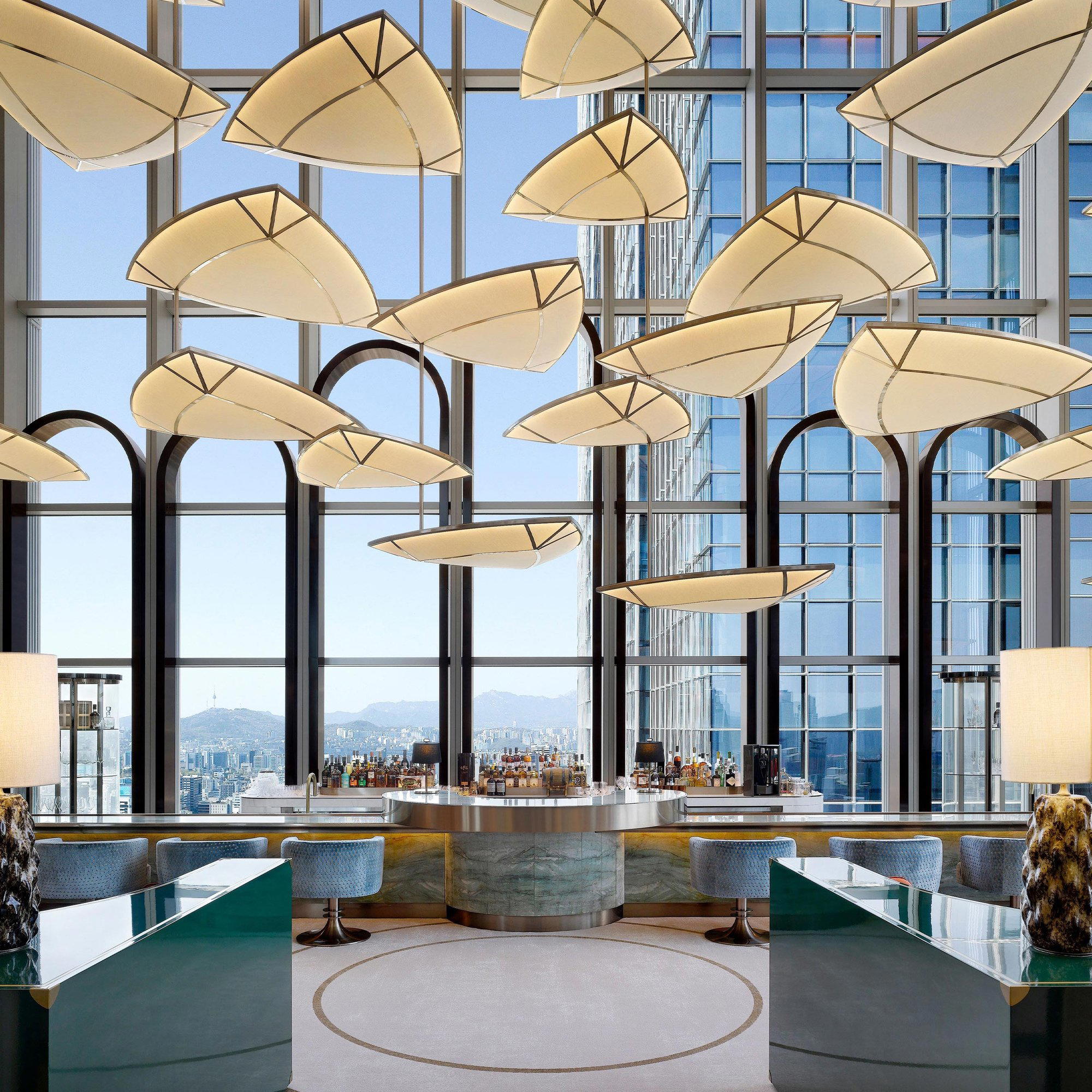
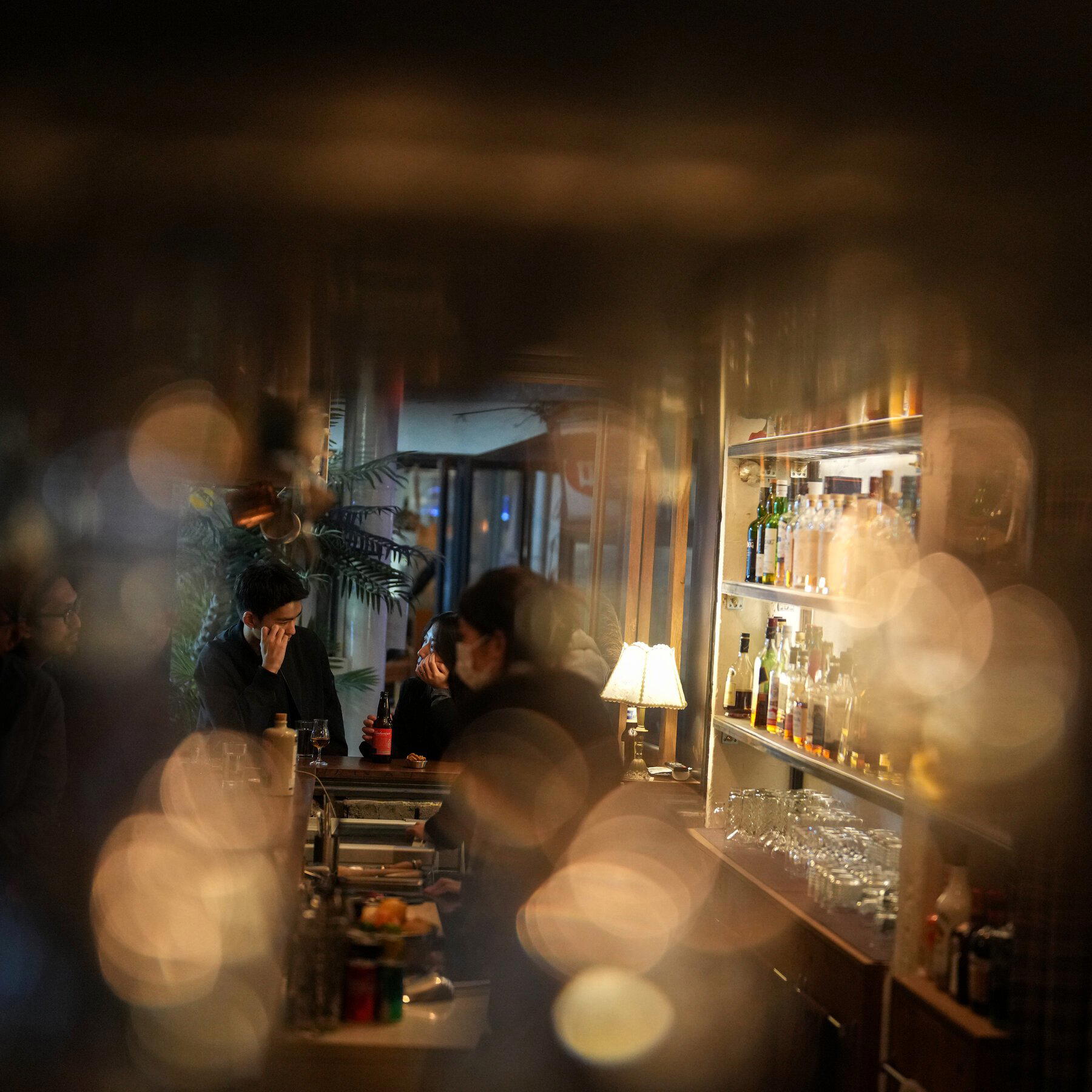
Restaurants in Seoul
All restaurants in Seoul →
Details
- Cozy
- Intimate
- Sophisticated
- Date Night
- Casual Hangout
- After Work
- Standalone
- Design Destination
- Seated Bar
- Lounge Seating
- Natural Wine
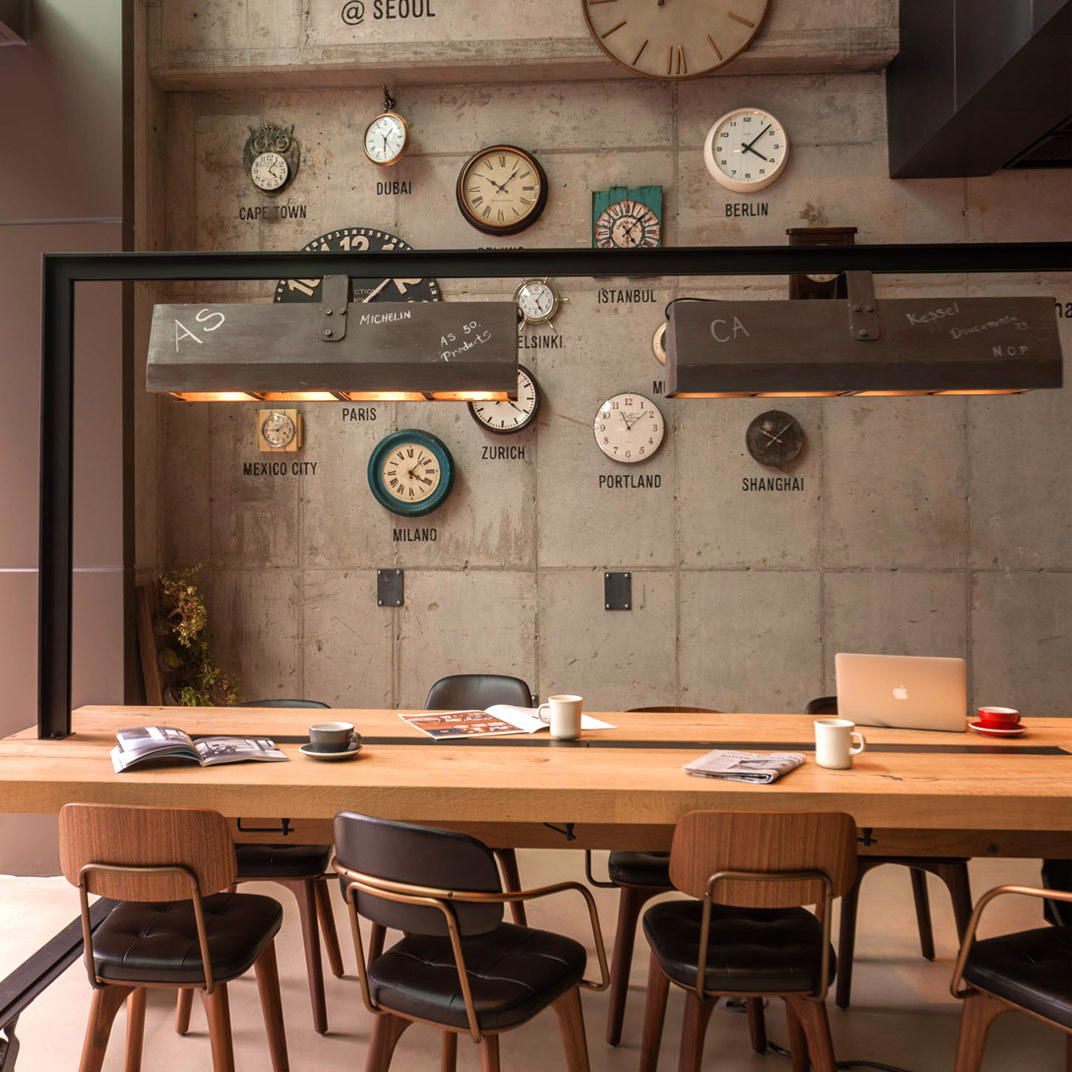
Cozy and intimate with simple interiors, five tables, and a warm atmosphere enhanced by the owner's genuine passion for natural wines.