Sinseon Seolnongtang
Seolnongtang — the long-simmered ox-bone broth that has anchored Seoul's working-class food culture for centuries — finds a focused expression at Sinseon Seolnongtang, where the bowl arrives pale, gelatinous, and unadorned, inviting the diner to season to taste. The format is spare by design: a single dish, a ceramic bowl, a side of kimchi. In a city increasingly drawn to tasting menus and international citations, this kind of singular, tradition-rooted offering occupies its own lane entirely.
Pearl is the En Primeur Club membership app — saves, bookings, and concierge access live there. Same editors, same standards.
- Address
- Seoul, South Korea
- Directions
- Get directions
 Saves & bookings on Pearl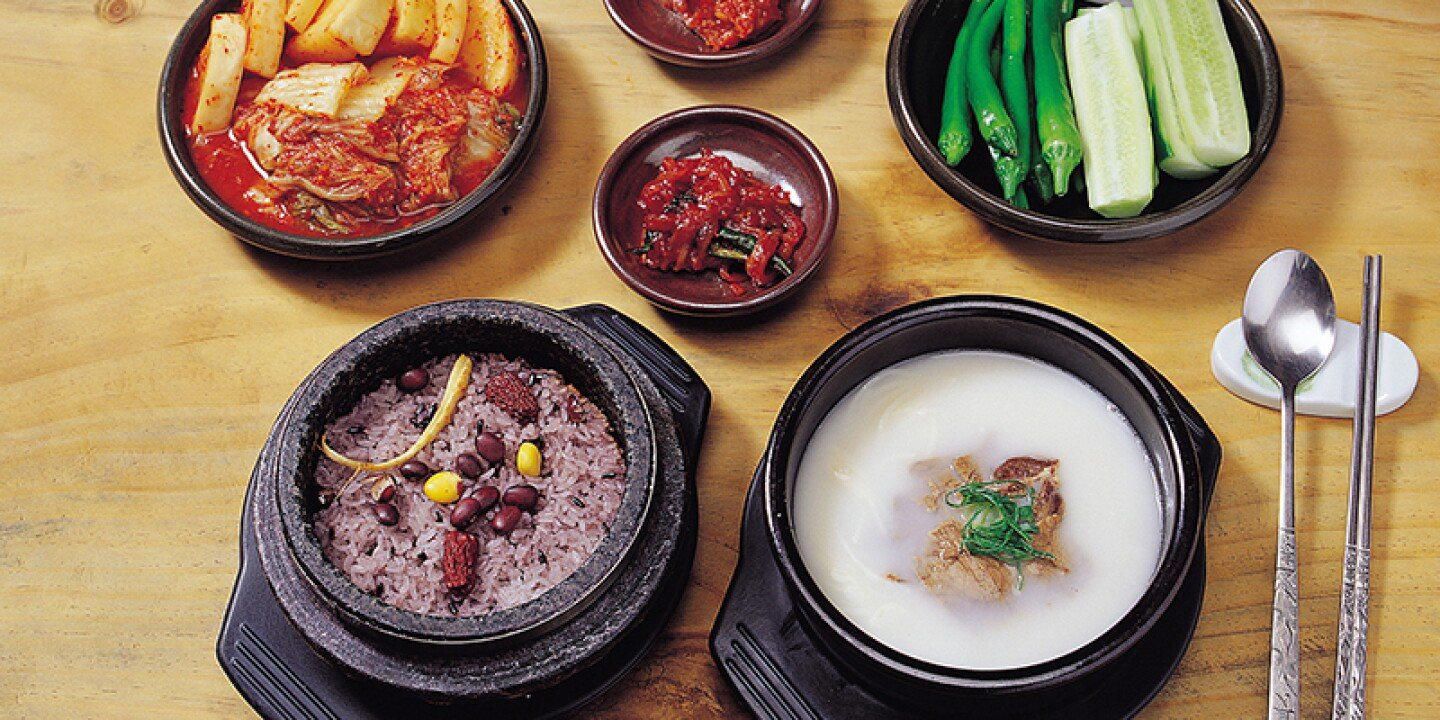
The Bowl Before the Broth: Seoul's Seolnongtang Tradition
Seoul has a category of restaurant that tasting-menu culture has not displaced and probably never will. These are the seolnongtang houses: plain-lit rooms, communal or close-set tables, a menu that is essentially one item, and a broth that has been on the fire since before the first customer arrived. The cooking logic is geological rather than culinary — time and collagen doing the work that technique cannot replicate. In neighbourhoods across the city, from Jongno to Mapo, these places operate on schedules that predate the modern restaurant, often opening before dawn and closing when the pot empties. Sinseon Seolnongtang belongs to this tradition.
To understand what Sinseon Seolnongtang offers, it helps to understand what seolnongtang is. The dish traces to the Joseon dynasty, when communal feasts required the full use of an ox, bones included. Extended simmering extracts collagen and fat into a milky-white broth that is at once rich and clean. The bowl arrives unseasoned — pale, faintly trembling, with rice either inside or on the side, and the diner salts and peppers to their own threshold. That act of seasoning is not a finishing touch but a ritual, a small but deliberate transfer of authorship from kitchen to table. It is one of the more democratic gestures in any cuisine.
Lunch in a Seolnongtang House: The Tempo Is Different
The lunch and dinner divide matters in this category of Seoul dining, and the difference is largely about tempo and crowd. Seolnongtang houses draw their sharpest character at lunch, when the clientele skews local, the turnover is fast, and the room feels like a functioning part of the neighbourhood rather than a dining destination. Workers, older residents, and regulars who order without consulting the menu occupy tables with the ease of routine. At places like Sinseon Seolnongtang, this is the hour that most clearly reflects what the format was always meant to be: sustaining, efficient, honest.
Dinner shifts the register only slightly. The pace slows, the crowd may include more out-of-neighbourhood visitors or travellers who have come specifically for the experience, and the room can feel quieter. The broth does not change, the pot has been running all day, but the atmosphere is less charged, more contemplative. For visitors trying to calibrate their visit, lunch delivers the fuller social texture. Those who prefer a less crowded, more unhurried bowl may find the evening sitting suits them better. Neither is wrong; they are genuinely different experiences of the same dish.
Where Seolnongtang Sits in Seoul's Wider Eating Map
Seoul's restaurant culture in 2024 is one of the more stratified in Asia. At the top tier, Michelin-recognised kitchens like Mingles, Jungsik, and Kwonsooksoo compete on technique, sourcing provenance, and the architecture of a tasting menu. Innovative formats at places like alla prima and Soigné pursue a different kind of recognition, one grounded in genre-crossing and creative ambition. Our full Seoul restaurants guide maps the full range of what the city offers across price tiers and cuisine types.
Seolnongtang houses occupy a position orthogonal to all of that. They are not entry-level fine dining, nor are they casual in the dismissive sense. They are specialists operating in a single, deeply understood format, and the best of them earn their reputations the way a craftsman does: through consistency across thousands of repetitions rather than through any single spectacular performance. The competition set for Sinseon Seolnongtang is not the tasting-menu rooms of Gangnam, it is the handful of other seolnongtang houses in Seoul that have maintained the standard across decades. That is a demanding peer group in its own right.
For travellers accustomed to the reference points of Western fine dining, the comparison is instructive rather than direct. The single-dish dedication at a serious seolnongtang house is not unlike the focused obsession of a great ramen counter in Tokyo or the tripe specialists of Rome's Testaccio neighbourhood, kitchens where the menu's narrowness is the argument, not a limitation. Further afield in Korea, equally focused regional traditions show up at places like Mori in Busan and Doosoogobang in Suwon, where local ingredient logic drives a similarly uncompromising menu architecture.
The Value Equation
Seolnongtang is one of Seoul's most democratically priced serious eating experiences. A bowl at an established house typically costs a fraction of what a set lunch at even a mid-tier contemporary Korean restaurant commands, and the bowl itself, with its hours of accumulated cooking time, represents a different kind of value calculation than the price tag suggests. For visitors working through Seoul's eating options, a seolnongtang lunch can function as both a cultural anchor and an affordable counterweight to more expensive meals elsewhere in the week. The format rewards repeat visits: the first bowl teaches you how you like to season it; subsequent bowls are more satisfying for that knowledge.
For context on how this price positioning compares across the regional food scene, venues like Market Café in Incheon, Double T Dining in Gangneung, and Injegol in Inje County each occupy distinct price-to-tradition ratios in their own local contexts, a reminder that value in Korean eating is almost always tied to format and regional specificity rather than to the size of the menu.
Planning Your Visit
Seolnongtang houses operate on schedules shaped by the broth, not by conventional restaurant hours. Many open early, some before 7am, and close when the day's pot is exhausted, which can be mid-afternoon at busier locations. Arriving at an off-peak lunch hour, between 10am and 11:30am or after 1:30pm, tends to reduce wait times at popular spots. No reservation infrastructure exists at most traditional seolnongtang houses; the format is walk-in by definition. For visitors arriving from outside Seoul, the city's metro system connects most seolnongtang-dense neighbourhoods efficiently. Baegyangsa Temple in Jangseong-gun and destinations like Cheon Jee (천지) in Jeju offer complementary traditional Korean experiences for those building a broader cultural itinerary around the peninsula. International travellers who have made the pivot from celebrated Western addresses like Le Bernardin in New York or Lazy Bear in San Francisco often find that Seoul's traditional eating houses offer the sharpest contrast, and some of the most instructive eating, on any multi-city trip.
Cuisine and Credentials
| Venue | Cuisine | Price | Awards |
|---|---|---|---|
| Sinseon SeolnongtangThis venue — the venue you are viewing | This venue | Not listed | Not listed |
| Eatanic Garden | Contemporary | ₩₩₩₩ | Michelin 1 Star |
| Onjium | Korean | ₩₩₩₩ | Michelin 1 Star |
| 7th Door | Korean, Contemporary | ₩₩₩₩ | Michelin 1 Star |
| L'Amitié | French | ₩₩₩ | Michelin 1 Star |
| Zero Complex | Korean-French, Innovative | ₩₩₩₩ | Michelin 1 Star |
Continue exploring
More in Seoul
Restaurants in Seoul
Browse all →
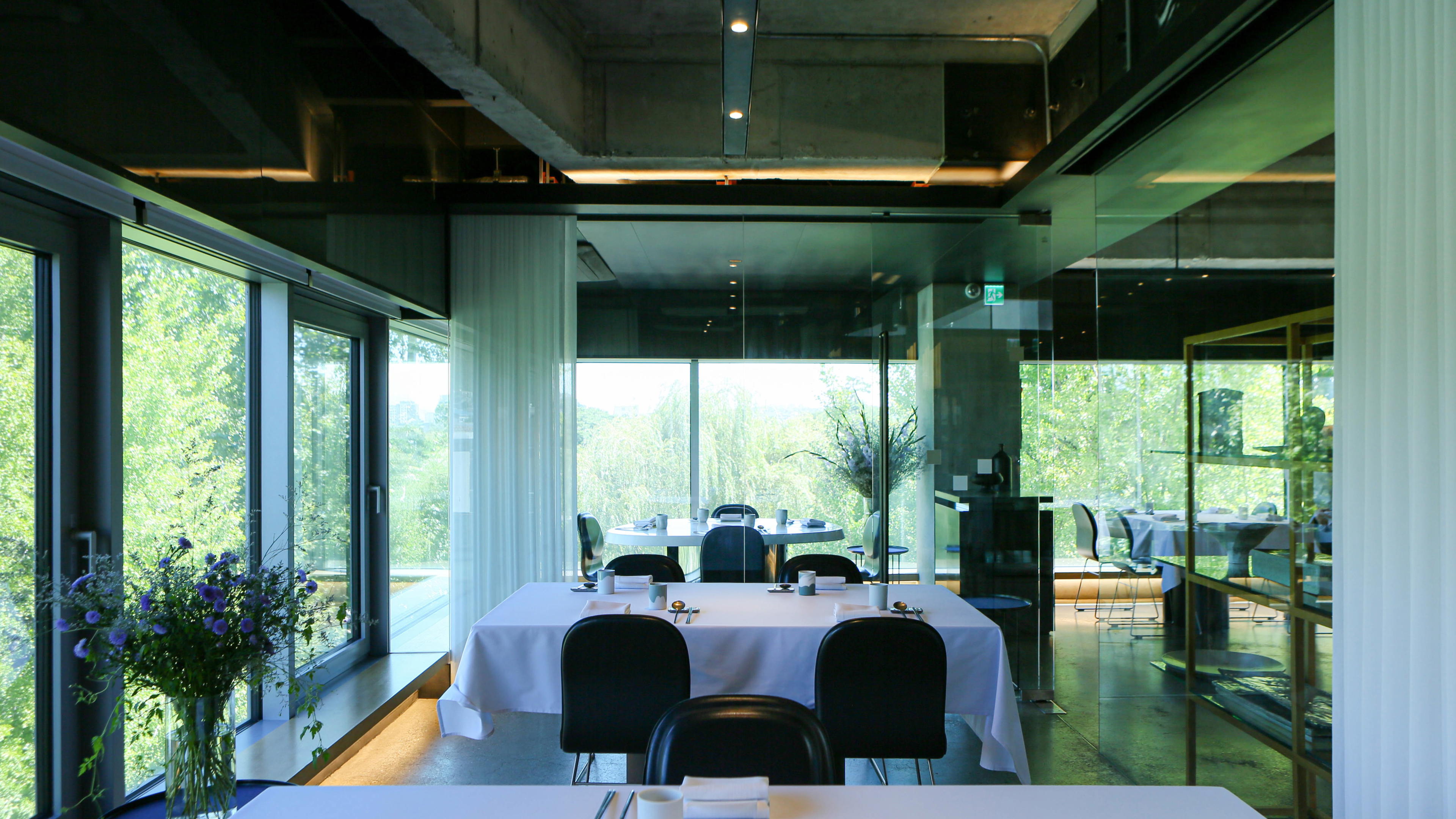
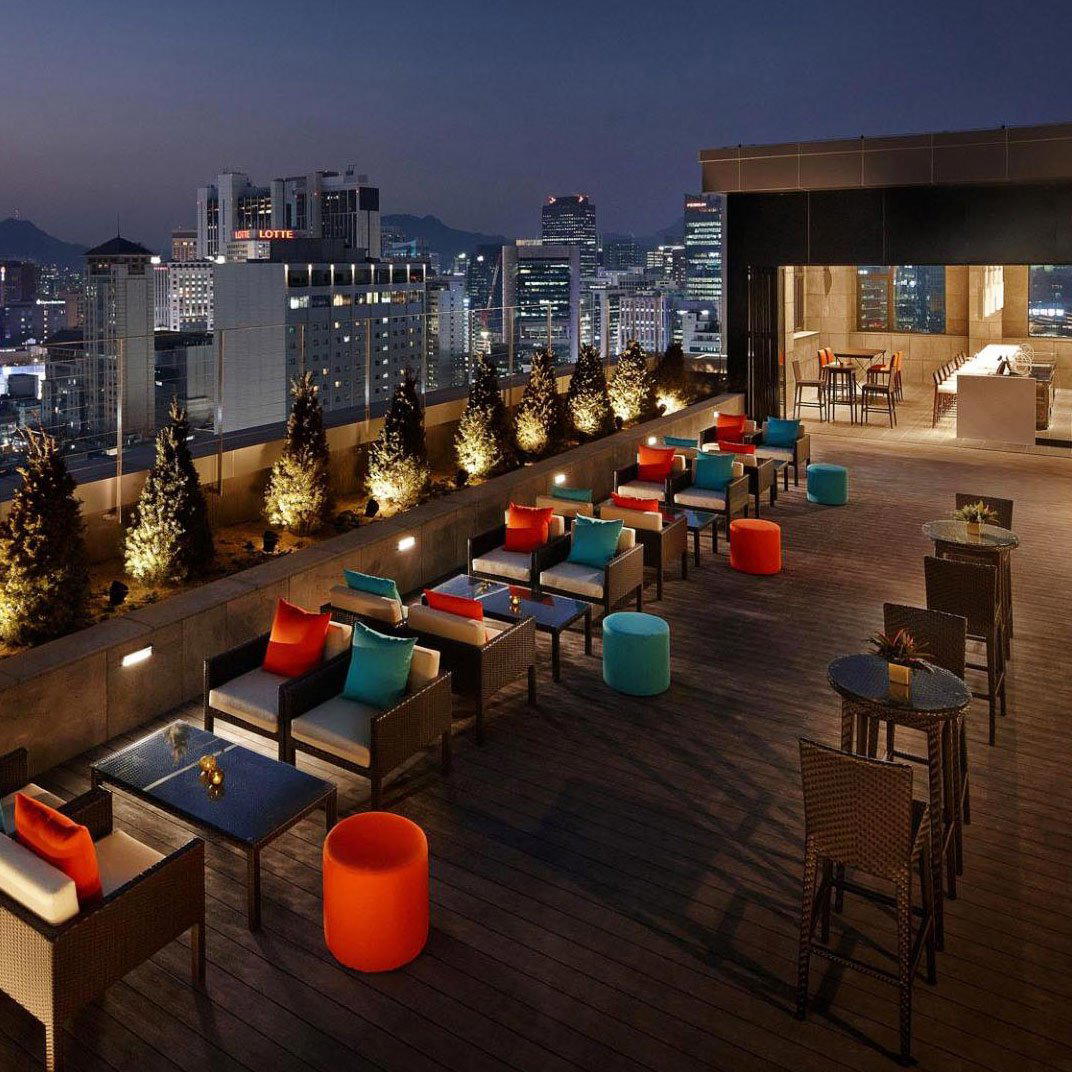
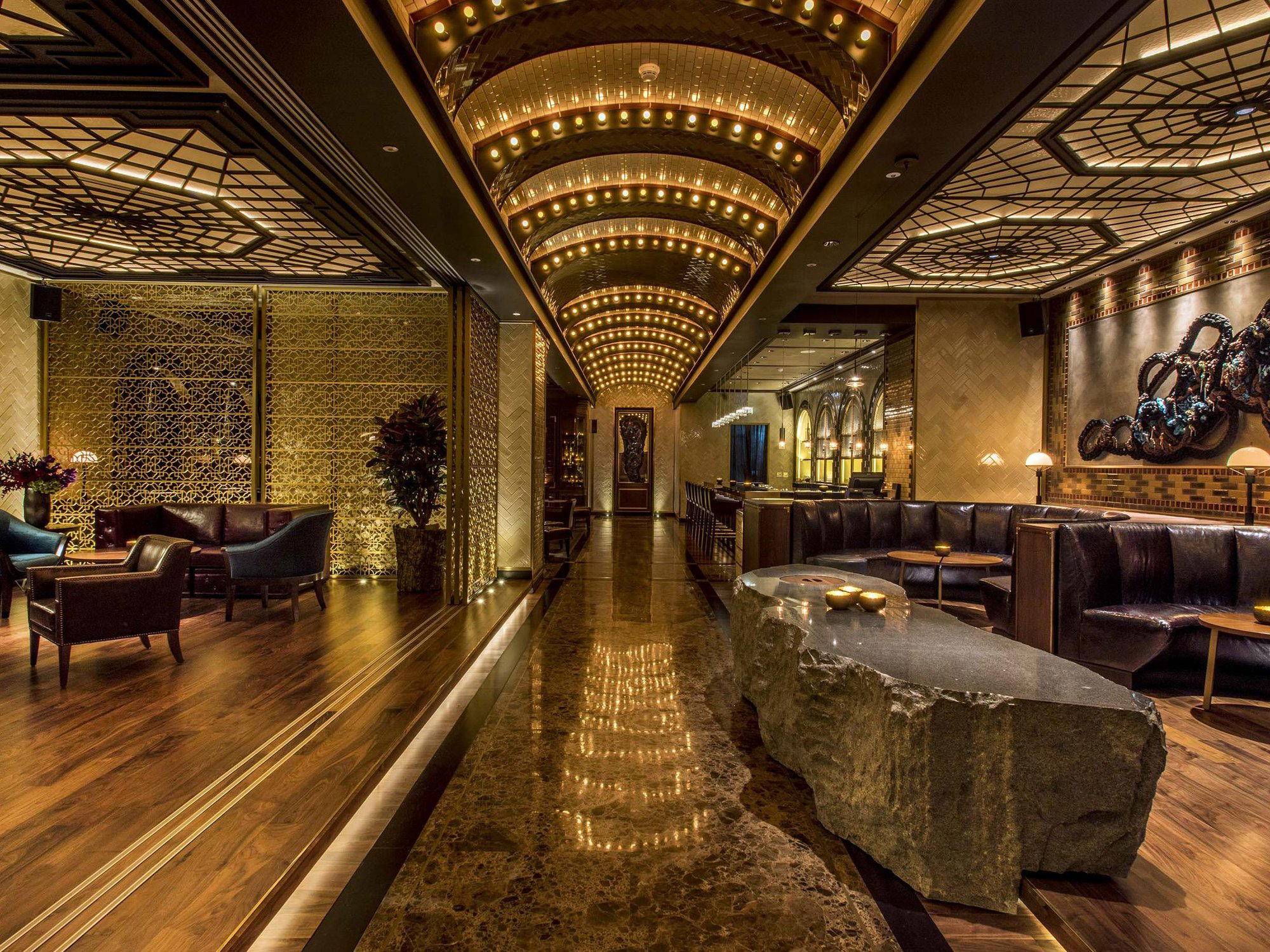
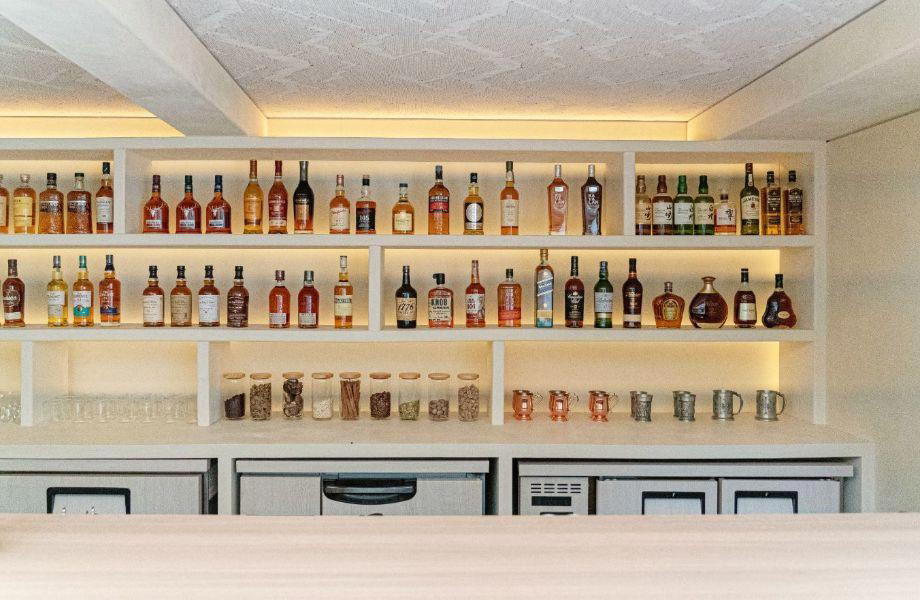
At a Glance
- Classic
- Cozy
- Casual Hangout
- Late Night
- Standalone
Cozy and casual Korean spot offering comforting, nourishing soups in a direct atmosphere ideal for any meal.