Baek Nyeon Baekse Ginseng Chicken Soup
Baek Nyeon Baekse Ginseng Chicken Soup in Mapo-gu represents Seoul's enduring commitment to samgyetang as a serious culinary form. The restaurant holds a specific address on Yanghwa-ro in a neighbourhood where traditional Korean cooking sits alongside a rapidly changing food scene. For visitors tracing the city's relationship with restorative, single-dish cooking, it offers a focused and purposeful point of reference.
Pearl is the En Primeur Club membership app — saves, bookings, and concierge access live there. Same editors, same standards.
- Address
- 118 Yanghwa-ro, Mapo-gu, Seoul, South Korea
- Phone
- +82 2-325-3399
- Website
- 100tojong.com
- Directions
- Get directions
 Saves & bookings on Pearl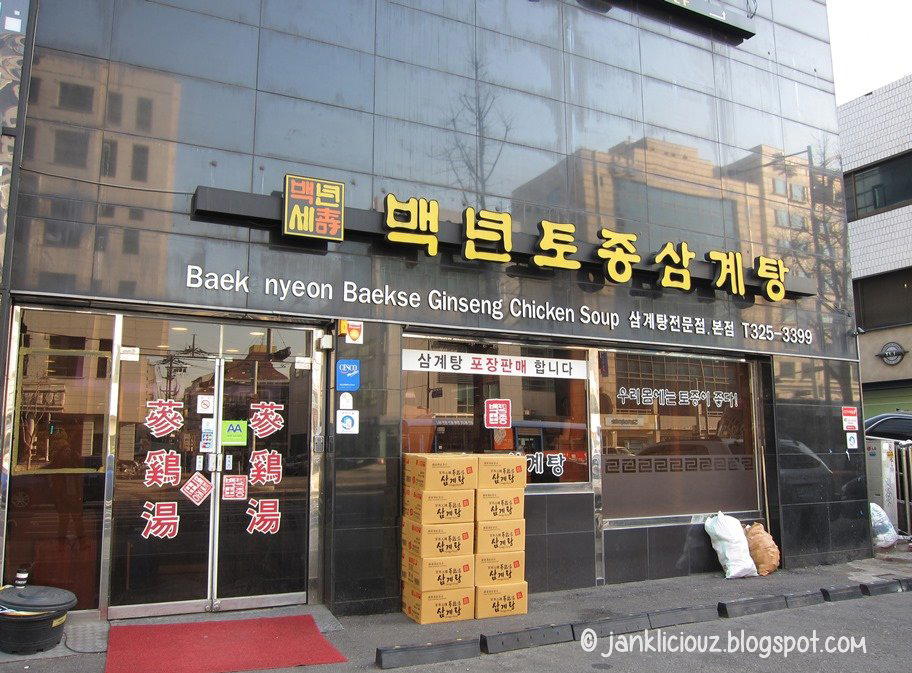
Samgyetang in Seoul: The Case for a Single-Dish House
Seoul's dining scene receives most of its international attention through fine-dining channels: the tasting-menu counters of Cheongdam-dong, the Michelin-recognised Korean cuisine of venues like Mingles and Kwonsooksoo, and the cross-cultural experimentation at places such as Jungsik or Soigné. That focus is understandable, but it crowds out a category of Korean restaurant that is equally serious about its craft: the specialist single-dish house, built around one preparation refined over decades. Baek Nyeon Baekse Ginseng Chicken Soup, located at 118 Yanghwa-ro in Mapo-gu, belongs to that second tradition. The name itself signals the premise. Baek nyeon translates loosely to a hundred years, and baekse is a reference to vitality and long life — framing the restaurant within the long Korean cultural association between ginseng chicken soup and restorative eating.
What Samgyetang Means in the Korean Kitchen
Samgyetang — a whole young chicken stuffed with glutinous rice, ginseng, jujube, and garlic, then simmered in a broth until the meat collapses from the bone, occupies a particular position in Korean food culture that has no direct Western equivalent. It sits between medicinal food and everyday comfort, eaten specifically during the hottest days of summer (the three bok days on the lunar calendar) as a means of replenishing energy lost to heat. That seasonal context gives samgyetang a cultural specificity unusual for a dish of its simplicity. Unlike the elaborate fermentation logic of kimchi or the ceremony surrounding jeong-sik set meals, samgyetang's complexity is concentrated in the broth: the quality of the ginseng, the age of the jujube, the ratio of rice to cavity space, and the length of the simmer are the variables that separate a competent version from a distinguished one.
Mapo-gu is a practical location for this kind of restaurant. The district sits on the southern bank of the Han River, in a part of the city that has absorbed both residential density and a growing concentration of independently run food businesses, without the premium positioning of Gangnam or the heritage symbolism of Jongno. Visitors arriving from central Seoul can reach Mapo via the Mapo or Hapjeong subway stations on lines 5 and 2 respectively, or via connections from the Hongdae interchange, making the address accessible without being on the tourist circuit proper. For a review of the wider city's eating geography, the full Seoul restaurants guide maps the distinctions between districts.
Lunch and Dinner at a Samgyetang Specialist
The lunch-versus-dinner divide plays differently at a samgyetang house than it does at a tasting-menu restaurant. At venues like alla prima or the contemporary Korean tables operating at the ₩₩₩₩ tier, including operations comparable to Onjium and 7th Door, the evening service carries additional formality, a longer menu, and a materially different price point. At a single-dish specialist, the gap is narrower in structural terms, but the experiential difference is real. Lunch at a samgyetang house draws workers from nearby offices and locals who understand the dish as sustaining midday fuel; the pace is efficient and the atmosphere functional. The lunch crowd at established Seoul ginseng chicken houses tends to arrive in waves rather than by reservation, producing queues that form before opening and clear by mid-afternoon.
Evening visits shift the register slightly. The restorative logic of samgyetang translates well into a slower dinner pace, and the absence of the midday queue pressure allows for a longer sit. For visitors coming from other parts of the city after sightseeing or business, the dinner window at a Mapo-gu specialist is the more practical entry point. The dish itself does not change between services, samgyetang is not a cuisine that carries separate lunch and dinner menus, but the context around it shifts enough to matter for how the meal lands.
The value argument is also different from either end of the day. Samgyetang, even at a specialist house with premium ginseng sourcing, sits at a price point well below the tasting-menu tier that defines Seoul's international fine-dining reputation. That positioning is part of the category's honesty: the dish does not perform luxury, it delivers density and technique in a format that has not chased the pricing conventions of contemporary Korean fine dining. For calibration, the ₩₩₩₩ end of Seoul's Korean cuisine market, represented by venues such as Onjium and Zero Complex, operates in a register that is categorically different, both in format and in what it asks of the diner.
Where Baek Nyeon Baekse Fits in Seoul's Traditional Eating Circuit
Seoul has a legible circuit of traditional Korean cooking that operates in parallel to its fine-dining infrastructure. Samgyetang houses, sundubu-jjigae specialists, and haemul pojangmacha stalls occupy the lower-profile tier of that circuit, visited regularly by Seoulites and less systematically by international visitors who concentrate on either street food or tasting menus. Baek Nyeon Baekse Ginseng Chicken Soup represents the specialist end of that circuit: a restaurant organised around a single preparation rather than a broad Korean menu, with a name that encodes its commitment to the dish's traditional health associations.
For readers exploring Korean food more broadly across the peninsula, the single-dish specialist format appears in different registers across regions, from the pork-focused houses of Jeju documented at 88돼지 and Black Pork BBQ in Seogwipo, to the galbi concentration of Suwon represented by Gobojeong Galbi and Doosoogobang, to the regional bean-soup tradition at Gyeongju Wonjo Kongguk. The appetite for this kind of focused, craft-led single-dish cooking is consistent across the country. Baek Nyeon Baekse is Seoul's version of that logic, applied to arguably the most culturally embedded of all Korean restorative dishes.
Visitors spending time in Busan or along the southern coast can cross-reference the regional variation in focused Korean cooking at Mori in Busan and Dining Room in Busan. Those interested in how Korean culinary tradition translates at the fine-dining level internationally should look at Atomix in New York City, which draws on similar cultural references through a tasting-menu format, or the seafood rigour of Le Bernardin as a point of comparison for single-minded precision in a different tradition. For Jeju-based eating, Badang Lounge and Hinode cover different ends of the island's food scene, while Hwangnam Bread and Busan Steamed Bun in Gyeongju illustrates how a single regional product can become a destination in its own right.
Planning Your Visit
Baek Nyeon Baekse Ginseng Chicken Soup is located at 118 Yanghwa-ro, Mapo-gu, Seoul. The Mapo and Hapjeong subway stations provide the most direct access from central Seoul. The summer visit, specifically around Chobok, Jungbok, and Malbok, which fall across July and early August, carries cultural weight that an off-season lunch does not; if timing is flexible, aligning a visit with those dates makes the meal read differently.
How Baek Nyeon Baekse Ginseng Chicken Soup Seoul compares with similar nearby venues.
| Venue | Cuisine | Price |
|---|---|---|
| Jin Jin | Chinese | ₩₩ |
Continue exploring
More in Seoul
Restaurants in Seoul
Browse all →
At a Glance
- Cozy
- Classic
- Rustic
- Casual Hangout
- Family
- Solo
- Standalone
- Local Sourcing
Current opening hours
- Monday
- 9 AM–10 PM
- Tuesday
- 9 AM–10 PM
- Wednesday
- 9 AM–10 PM
- Thursday
- 9 AM–10 PM
- Friday
- 9 AM–10 PM
- Saturday
- 9 AM–10 PM
- Sunday
- 9 AM–10 PM
Hours can change for holidays and private events. Last verified .
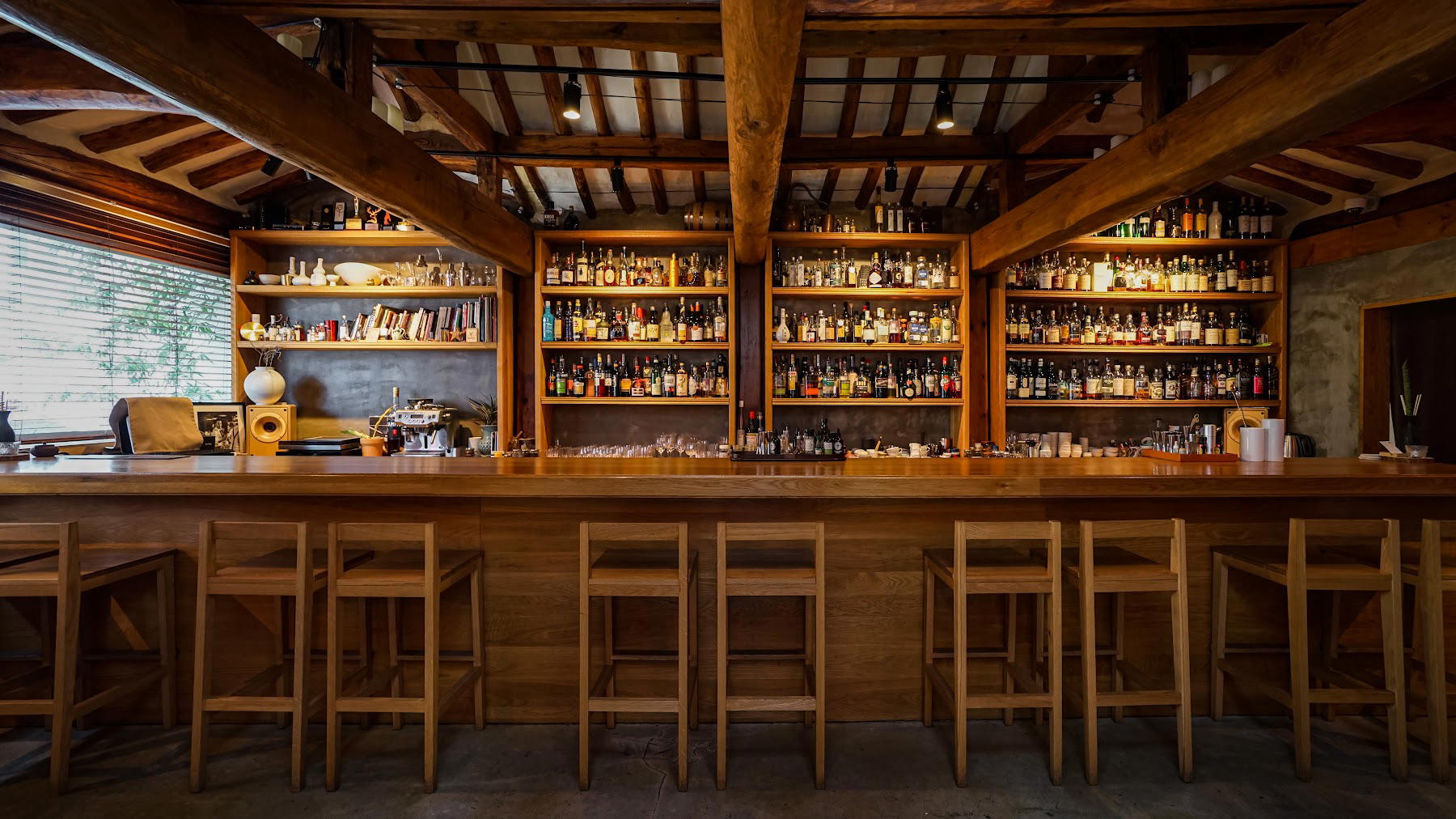
Homely and nourishing atmosphere, popular for its warm, comforting environment ideal for cold weather dining.
Know Before You Go
- Getting there
- 118 Yanghwa-ro, Mapo-gu, Seoul, South Korea