영동설렁탕
영동설렁탕 sits in Jamwon-dong, just off Gangnam-daero in Seocho-gu, serving one of Seoul's most enduring slow-bone broths. The kitchen draws on a long tradition of overnight simmering that defines the seolleongtang category, producing a milky, collagen-rich soup that belongs to a distinct lineage of Korean comfort cooking. For visitors tracing authentic everyday food culture beyond the city's fine-dining circuit, this address carries weight.
Pearl is the En Primeur Club membership app — saves, bookings, and concierge access live there. Same editors, same standards.
- Address
- 서초구 강남대로101안길 24, 잠원동, 서울특별시, 서울특별시, 06525
- Directions
- Get directions
 Saves & bookings on Pearl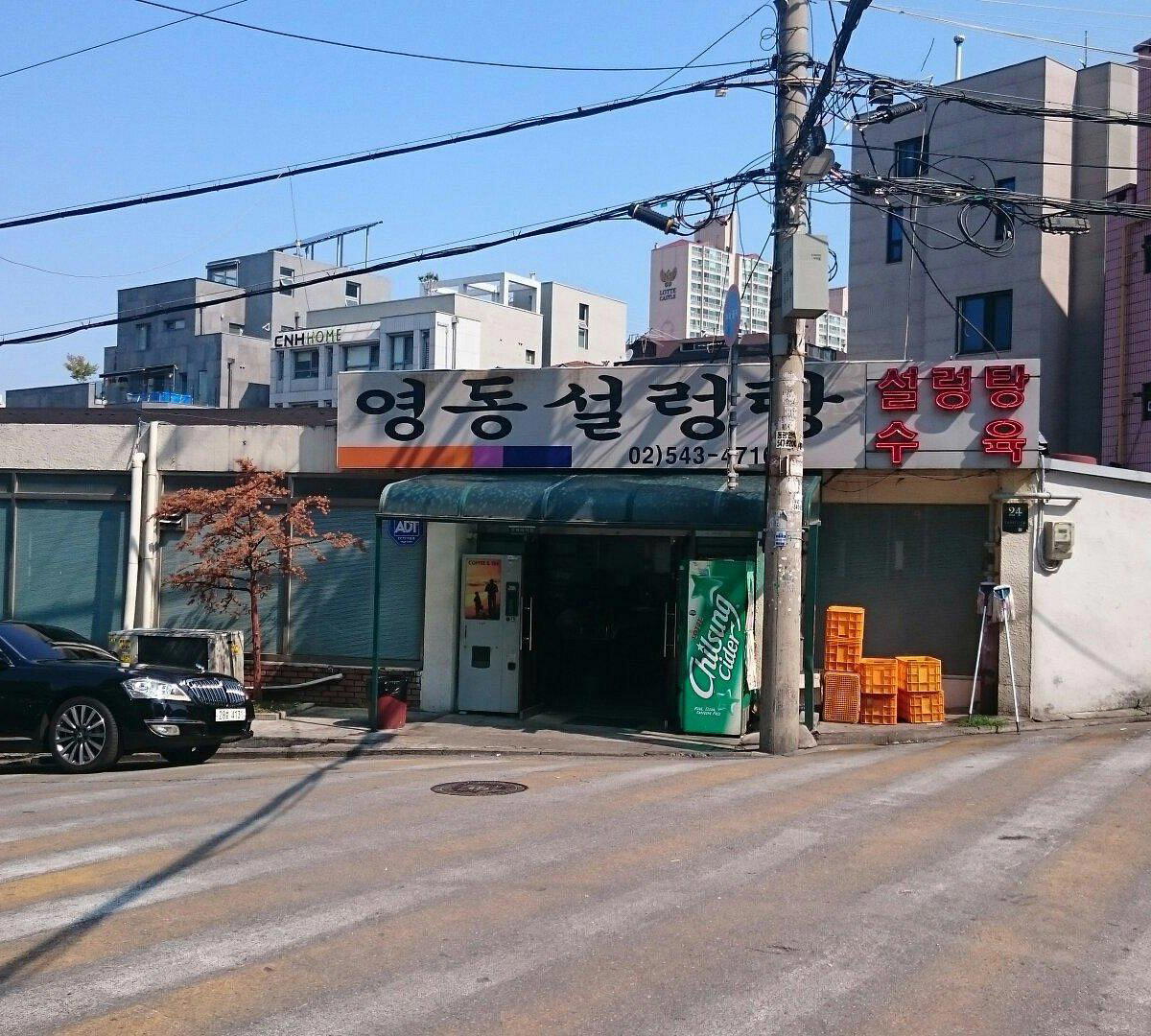
What Seolleongtang Actually Is, and Why Jamwon-dong Has It
Seoul's broth culture does not begin or end with the upscale soup courses served at places like Mingles or Jungsik. Long before the Gangnam dining corridor filled with tasting menus and contemporary Korean kitchens, the neighbourhood streets of Seocho-gu were home to a quieter, more functional food tradition: the seolleongtang house. These are places built around a single disciplined act, simmering ox bones and brisket for many hours until the collagen dissolves into the broth and the liquid turns the colour of unbleached linen. The result is a soup that carries no seasoning until it reaches your table, where salt, chopped spring onion, and fermented kimchi are added by the diner. The flavour is entirely in the process, not the pantry.
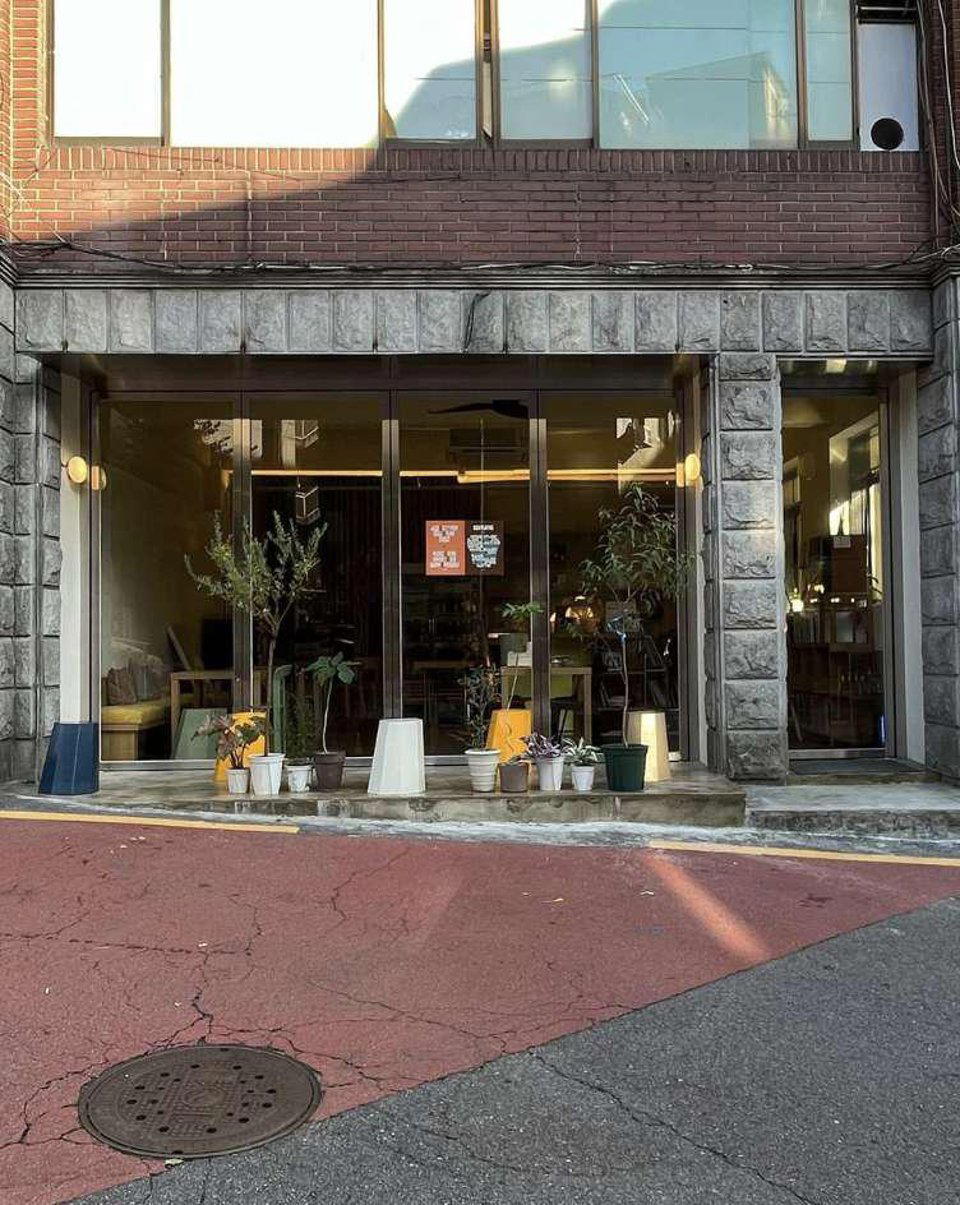
영동설렁탕 occupies a lane off Gangnam-daero in Jamwon-dong, one of the quieter residential pockets tucked between the commercial density of Seocho-gu and the Han River. The address places it within walking distance of Sinbanpo and Jamwon subway stations, making it accessible from central Seoul without requiring a destination-dining expedition. What you find when you arrive is not a restaurant designed to perform. The physical environment follows the conventions of its category: plain tables, efficient service, ceramic bowls that prioritise function over presentation, and a dining room that fills quickly during morning and lunch hours when seolleongtang is consumed most naturally.
The Sourcing Logic Behind a Milky Broth
Seolleongtang's ingredient list is deceptively short: ox leg bones, knuckles, brisket, water, and time. The milky opacity of a properly made bowl comes from the emulsification of bone marrow fat and collagen proteins during extended simmering, a process that can take anywhere from eight to over twelve hours depending on the kitchen's method. This is not a broth that can be rushed or approximated with stock powder. The quality ceiling of the dish is set almost entirely by the sourcing and handling of the raw material before the pot is even lit.
Korean seolleongtang houses that take their category seriously source Korean beef — hanwoo where possible — for the bones, because the fat distribution and collagen density of domestic cattle produces a richer, more stable emulsion than imported alternatives. The brisket slices that arrive in the bowl alongside the broth are a secondary indicator: they should be tender enough to separate with chopsticks but not so overcooked that they fall apart on contact. Getting both the broth and the meat right simultaneously requires timing discipline that distinguishes a practised kitchen from one simply going through the motions.
This sourcing and process logic is what separates the seolleongtang category from casual beef soup and places it in a tradition with genuine technique at its centre. Venues in Seoul's established seolleongtang circuit, of which 영동설렁탕 is part, carry their reputations primarily through consistency over time, not through menu innovation or chef-driven reinvention. Compare this to the ambition being pursued in the same city at Kwonsooksoo or Soigné, where Korean ingredients are being pushed into new formal territory. The seolleongtang house operates on an entirely different register: its authority comes from doing one thing without compromise, repeatedly, over years.
Where This Fits in Seoul's Eating Geography
Seocho-gu is not the first neighbourhood most international visitors reach for when building a Seoul food itinerary. The instinct is to start in Insadong, Itaewon, or the Gangnam blocks that cluster around the fine-dining addresses covered in our full Seoul restaurants guide. But the district between Gangnam-daero and the river contains a layer of everyday Korean eating that the tasting-menu circuit does not represent. Seolleongtang houses, galbitang spots, and sundubu-jjigae kitchens operate here for a local clientele with long memories and low tolerance for deteriorating standards.
This pattern repeats across Korean cities. Restaurants like Gobojeong Galbi #1 in Suwon and Doosoogobang hold similar positions in their local food cultures: places that anchor a neighbourhood's eating identity without requiring press recognition to sustain their patronage. Further afield, operations like Gyeongju Wonjo Kongguk in Gyeongju demonstrate the same principle with a different broth tradition, the slow-extracted kongguksu, where regional loyalty and product discipline are the primary credentials.
Seoul's more formal Korean dining rooms, and for that matter its internationally positioned addresses like alla prima, draw on the same depth of product culture that these everyday kitchens sustain. The seolleongtang house is not the raw material for fine dining reinvention, but it is evidence of how seriously Korean food culture treats its foundational techniques.
Morning Service and the Logic of When to Go
Seolleongtang is structurally a morning and midday food in Korean eating culture. The broth has been simmering through the night and is at its most concentrated and consistent in the early hours of service. Most dedicated seolleongtang houses open at breakfast, and the peak window is between 7am and noon, when the dining room fills with regulars who treat the bowl as a functional start to the day rather than an occasion. Visiting in this window reflects how the category is meant to be experienced. An evening visit is not wrong, but it is a different context, and the broth may have been replenished rather than running from a single overnight batch.
For visitors building a Seoul itinerary that moves between registers, a morning bowl at 영동설렁탕 pairs logically with an afternoon or evening booking at one of the city's more formal Korean addresses. The contrast is useful: it shows the range of ambition within a single national cuisine, from a bowl of milky bone broth seasoned at the table to the structured tasting formats being explored at venues like Atomix in New York's Korean fine-dining diaspora or, closer to home, the contemporary Korean rooms that have defined Seoul's international dining reputation over the past decade.
Those travelling beyond Seoul will find related traditions worth tracing: Mori in Busan, 88돼지 in Jeju, and Black Pork BBQ in Seogwipo each represent regional product culture that rewards the same kind of attention. The Badang Lounge in Jeju, Hwangnam Bread in Gyeongju, Hinode in Seogwipo, and Dining Room in Busan round out a picture of Korean regional food that goes well beyond the capital's fine-dining circuit. Even across the Pacific, the Korean culinary tradition has found sophisticated expression at places like Le Bernardin in New York, where precision technique and sourcing rigour echo the same values that a good seolleongtang kitchen applies to a very different product.
Know Before You Go
- Location: 강남대로101안길 24, 잠원동, 서초구, Seoul 06525
- Nearest subway: Sinbanpo or Jamwon stations (Seoul Metro Line 3 / Line 9 corridor)
- Ideal time to visit: Morning to midday, seolleongtang is traditionally a breakfast and lunch category; early service reflects peak broth quality
- Booking: Walk-in format typical for this category; no booking information available
- Phone / website: Not publicly listed at time of publication
- What to order: The seolleongtang bowl is the category's anchor dish; season at the table with salt and spring onion to taste
Style and Standing
A quick peer list to put this venue’s basics in context.
| Venue | Cuisine | Price | Awards |
|---|---|---|---|
| 영동설렁탕This venue — the venue you are viewing | Not listed | Not listed | Not listed |
| 7th Door | Korean, Contemporary | ₩₩₩₩ | Michelin 1 Star |
| Eatanic Garden | Contemporary | ₩₩₩₩ | Michelin 1 Star |
| Onjium | Korean | ₩₩₩₩ | Michelin 1 Star |
| L'Amitié | French | ₩₩₩ | Michelin 1 Star |
| Zero Complex | Korean-French, Innovative | ₩₩₩₩ | Michelin 1 Star |
Continue exploring
More in Seoul
Restaurants in Seoul
Browse all →
At a Glance
- Classic
- Rustic
- Well Known
- Late Night
- Solo
- Casual Hangout
- After Work
- Standalone
Know Before You Go
- Getting there
- 서초구 강남대로101안길 24, 잠원동, 서울특별시, 서울특별시, 06525