
1 Michelin Star
Our verdict
Jean-Georges at The Shinmonzen brings Vongerichten's borderless French cooking to Higashiyama Ward, where terrace tables beside the Shirakawa River draw early reservations through the warmer months. Citrus-forward flavours and spice-led aromatics carry the same culinary logic as the New York flagship, recontextualised within a setting defined by traditional Kyoto streetscape.

Pearl is the En Primeur Club membership app, where members save venues, book tables and use the concierge.
The menu
What to order
- Uni Toast with Yuzu
- Sea Trout Crispy Sushi
The Shirakawa Setting and What It Demands of a Kitchen
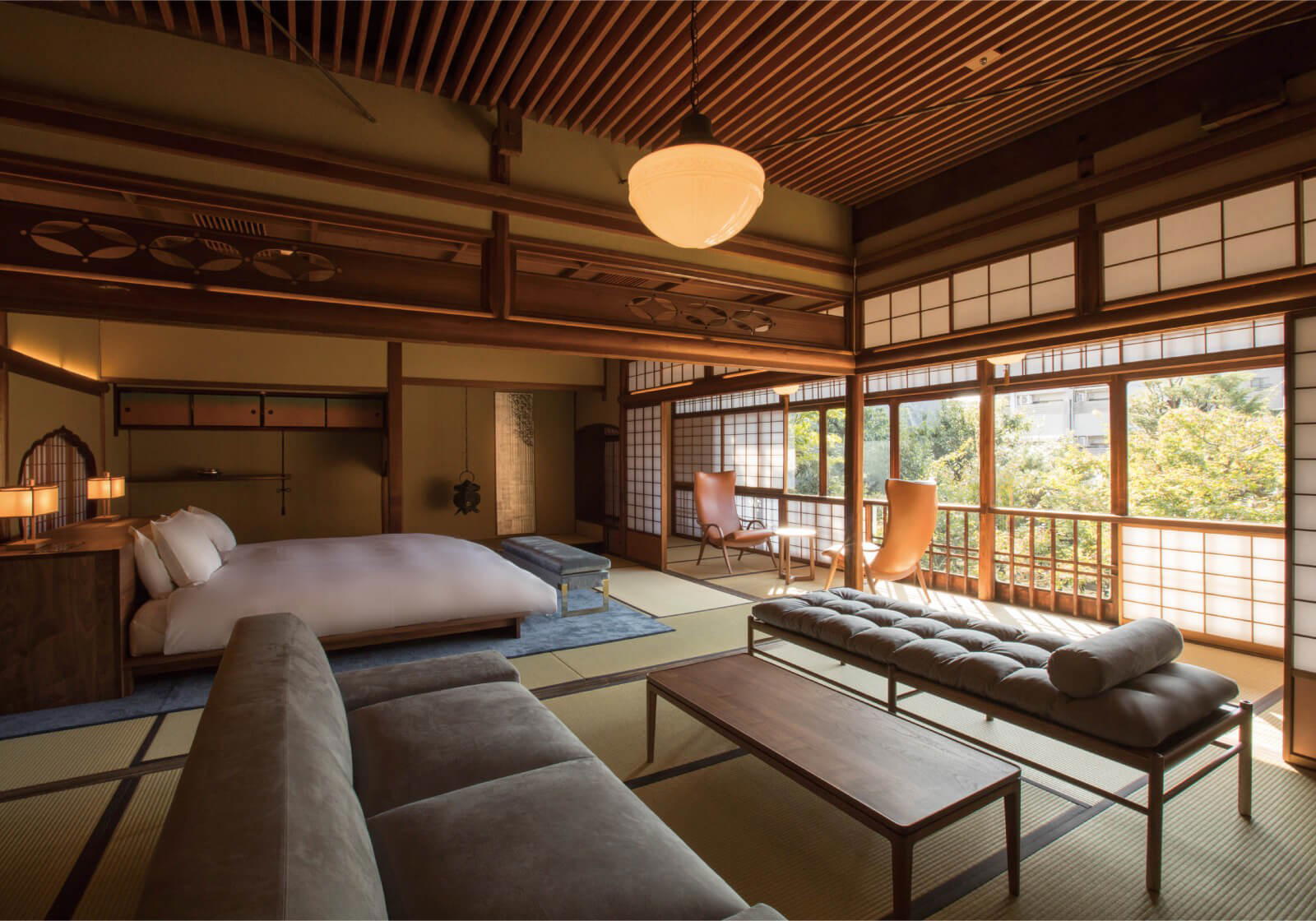
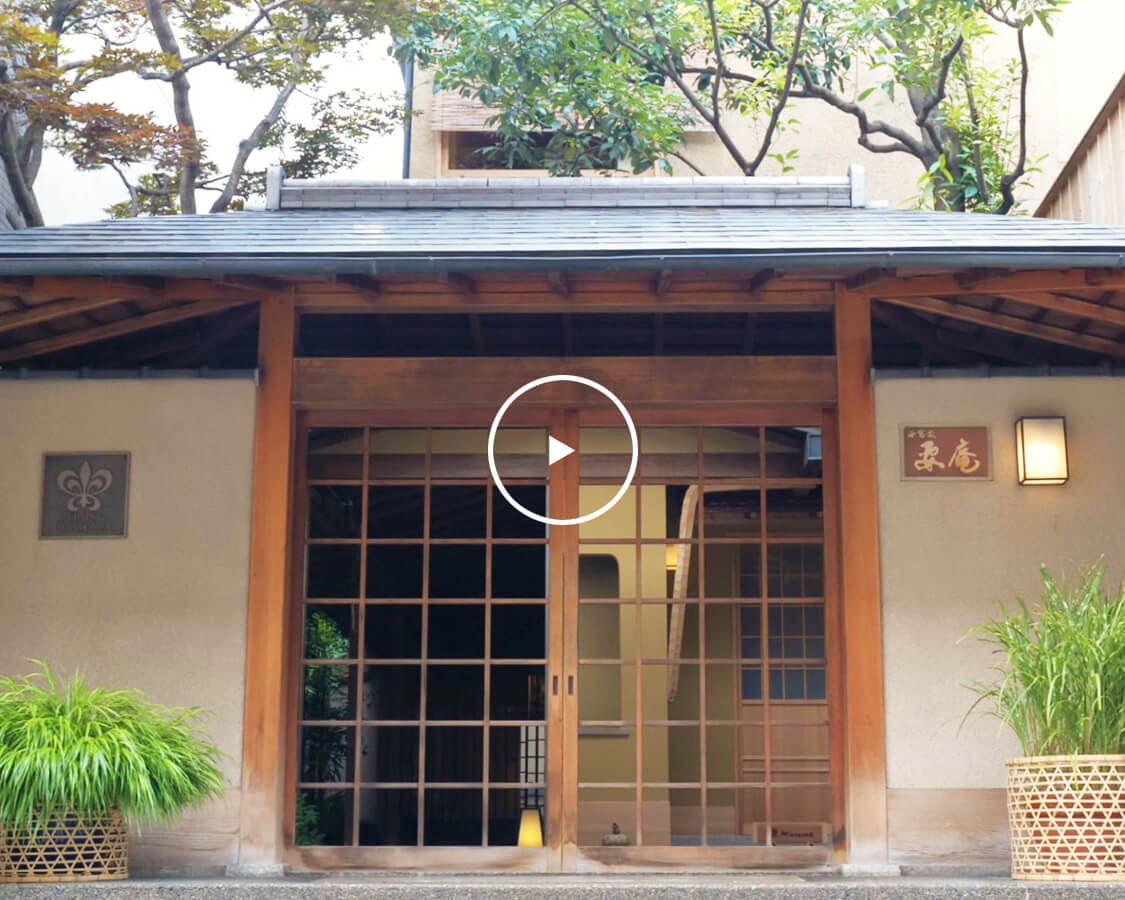
Higashiyama Ward is one of the few parts of Kyoto where a Western kitchen can operate without appearing to argue with its surroundings. The canal streets here, stone-paved, low-lit at dusk, flanked by machiya townhouses, provide enough atmospheric insulation that a French dining room feels less like an intrusion and more like a considered counterpoint. Jean-Georges at The Shinmonzen sits along the Shirakawa River at this latitude of the city, and the physical address does much of the framing before a dish arrives. When the terrace opens in warmer months, riverside tables fill quickly; that kind of booking pressure, at a ¥¥¥ tier property in a neighbourhood with limited Western fine dining, signals genuine demand rather than novelty traffic.
Kyoto's high-end dining scene is weighted heavily toward kaiseki. Venues like Hiramatsu Kodaiji and anpeiji sit within that dominant tradition, as do Michelin-starred kaiseki houses such as Gion Sasaki at ¥¥¥¥ and Ifuki at ¥¥¥¥. The comparatively small cohort of French and European kitchens in the city, among them Droit, la bûche, and La Biographie···, operates within that broader context, each negotiating the question of what French cooking means when the city around it has its own deeply codified culinary language. Jean-Georges at The Shinmonzen answers that question with a specific position: not fusion, not deference, but a cuisine that has absorbed Asian registers over decades and now deploys them with fluency.
A Kitchen Built Around Borderless Logic
The culinary philosophy at work here predates the Kyoto address by some decades. Jean-Georges Vongerichten's formative years in Asia produced a cooking style that treats spice and citrus not as accents borrowed from another tradition but as structural elements in their own right. Acidity from citrus replaces the heavier cream-and-butter scaffolding of classical French, and spice is used to build aroma and complexity rather than heat. The result is a style of French cooking that sits lighter on the palate than its formal antecedents, a quality that has particular relevance in a dining environment like Kyoto, where subtlety carries cultural weight.
The recipes at The Shinmonzen draw directly from the New York flagship, which means the kitchen is executing a program with a long, public track record. This is not a satellite experiment or a regional adaptation; it is the same culinary logic deployed in a radically different urban context. For diners who know the New York restaurant, the Kyoto version offers an interesting point of comparison. For those encountering Vongerichten's cooking for the first time, the setting adds a layer of meaning that the Manhattan room cannot provide.
The Role of the Room and the Team That Runs It
In French fine dining at this price tier, the interplay between kitchen, floor, and wine program tends to determine whether a meal holds together as an experience or fragments into disconnected courses. At The Shinmonzen, the editorial angle worth examining is how the front-of-house positions Vongerichten's borderless cooking for a clientele that may arrive with expectations formed by Kyoto's dominant kaiseki tradition. That translation work, explaining the culinary logic of citrus-forward French cooking to guests accustomed to dashi-led precision, requires a floor team that understands both registers. The sommelier's task is comparably specific: pairing a menu built around spice and acidity against a guest list that may span European wine knowledge and Japanese sensibilities in equal measure.
Western kitchens that have succeeded long-term in Kyoto tend to be those where the floor program matches the kitchen's ambition. The physical environment here helps: a riverside terrace in Higashiyama, with views of traditional streetscape, creates a context where the wine and service experience can carry cultural resonance rather than working against it. A well-chosen Alsatian white or a restrained Burgundy finds a natural logic alongside food built on aromatic spice and citrus, and a floor team that can articulate those connections transforms what might otherwise read as a New York import into something locally meaningful.
For broader context on how French cooking has embedded itself in Japan's second and third cities, the approaches at akordu in Nara and Hotel de Ville Crissier in Crissier offer useful points of reference for how different kitchens frame the relationship between European technique and non-European context. In Japan specifically, Harutaka in Tokyo, Goh in Fukuoka, 1000 in Yokohama, and 6 in Okinawa each demonstrate how premium dining outside Tokyo's mainstream develops its own character through specific regional grounding.
What the Numbers Suggest
The ¥¥¥ pricing places Jean-Georges at The Shinmonzen in the same tier as La Biographie··· and Kyo Seika, and below the ¥¥¥¥ bracket occupied by the city's leading kaiseki houses. Within Western fine dining in Kyoto, that price point represents the upper-mid tier: serious enough to attract guests with clear expectations, accessible enough to compete for tables with kaiseki alternatives at similar spend.
Seasonal timing matters here more than at many restaurants. The terrace along the Shirakawa River is the room's defining physical asset, and its opening in warmer months shifts the reservation dynamic. Tables with river views and Kyoto scenery are a finite resource; booking lead time during peak terrace season should be factored into planning for anyone prioritising that experience over indoor seating.
Know Before You Go
- Address: 235 Nishinocho, Higashiyama Ward, Kyoto, 605-0088, Japan
- Price tier: ¥¥¥
- Cuisine: Contemporary French with Asian spice and citrus influences
- Terrace: Available in warmer months; riverside tables with Shirakawa River views fill quickly, advance booking advised
- Getting there: Higashiyama Ward is accessible by bus from central Kyoto; the Shirakawa River area is walkable from Gion-Shijo Station on the Keihan Line
Frequently asked questions
Is Jean-Georges at The Shinmonzen expensive?
Pricing at Jean-Georges at The Shinmonzen is listed as ¥¥¥.
Reputation First
A quick peer list to put this venue’s basics in context.
| Venue | Cuisine | Price | Awards | Notes |
|---|---|---|---|---|
| Jean-Georges at The ShinmonzenThis venue (the venue you are viewing) | Contemporary French-Asian Fusion | $150–200 | 1 Michelin Star | Not listed |
| Gion Sasaki | Modern Kaiseki | $300–500 | 3 Michelin Stars · La Liste Top Restaurants | Kaiseki, Japanese |
| cenci | Innovative Italian-Japanese Fusion | $100–150 | 1 Michelin Star · World's 50 Best #76 | Italian |
| Ifuki | Sumibi Kappo Kaiseki | $200–300 | 2 Michelin Stars · La Liste Top Restaurants | Kaiseki |
| Kyokaiseki Kichisen | Kyoto Kaiseki | $200–300 | 2 Michelin Stars · La Liste Top Restaurants | Japanese |
| Kyo Seika | Modern Chinese Fine Dining | $150–200 | 1 Michelin Star · Tabelog Bronze #216 | Chinese |
Recognition history
Dated appearances from independent guides and award organizations, with the underlying list record or original source where available.
Michelin 1 Star
Michelin
Full recognition history (2 entries)
Michelin Plate
Michelin
Continue exploring
More in Kyoto
Restaurants in Kyoto
All restaurants in Kyoto →
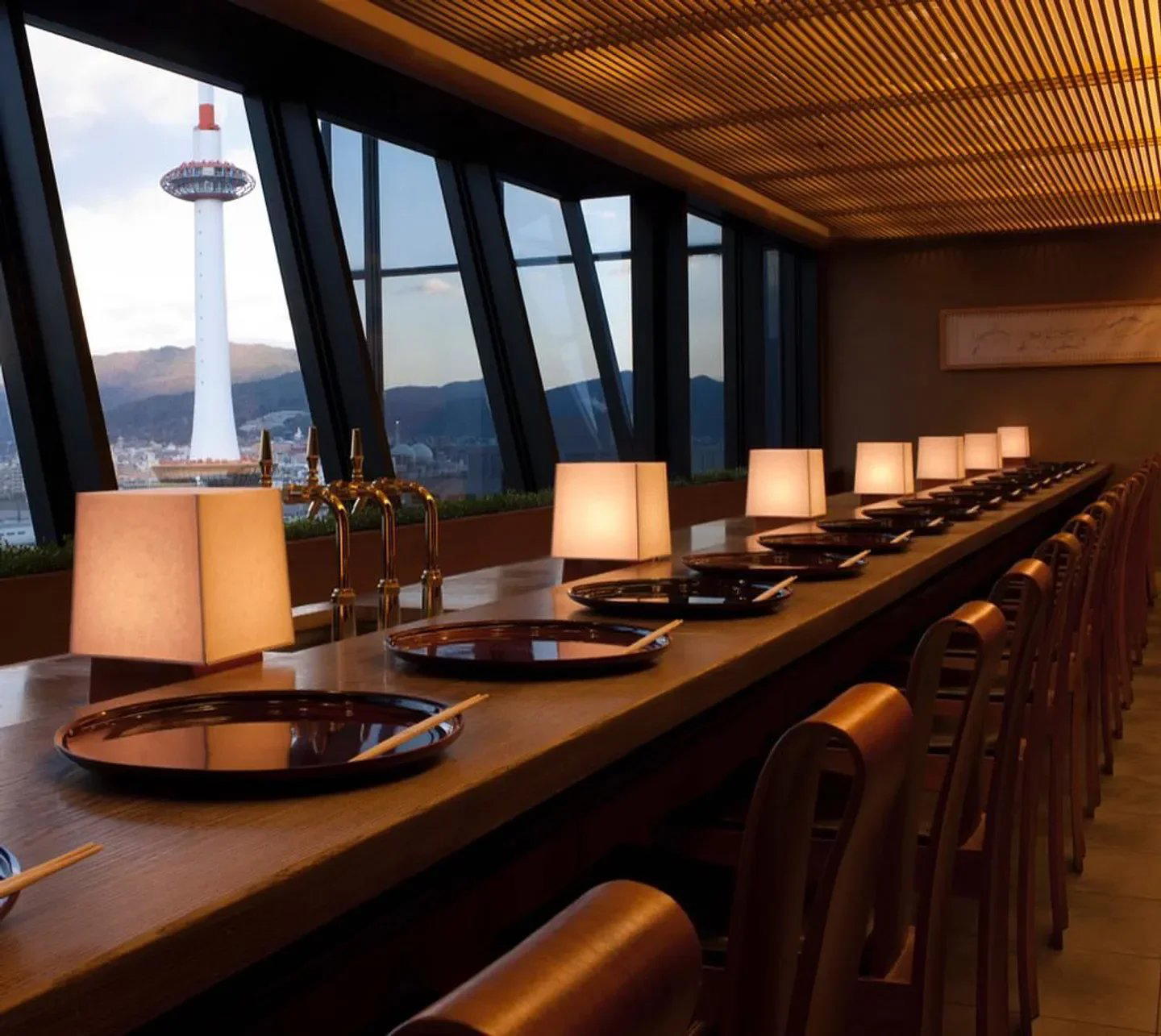
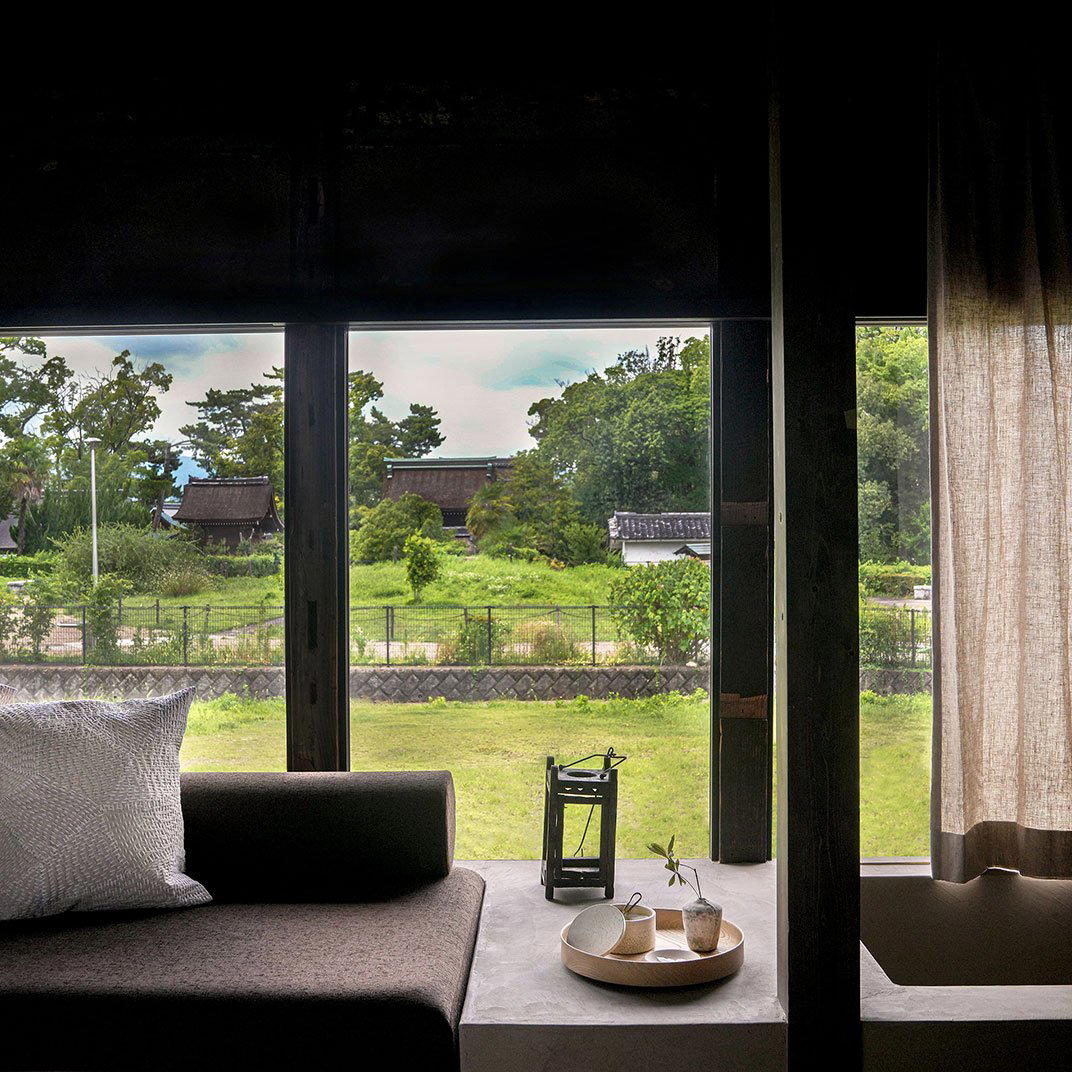
Bars in Kyoto
All bars in Kyoto →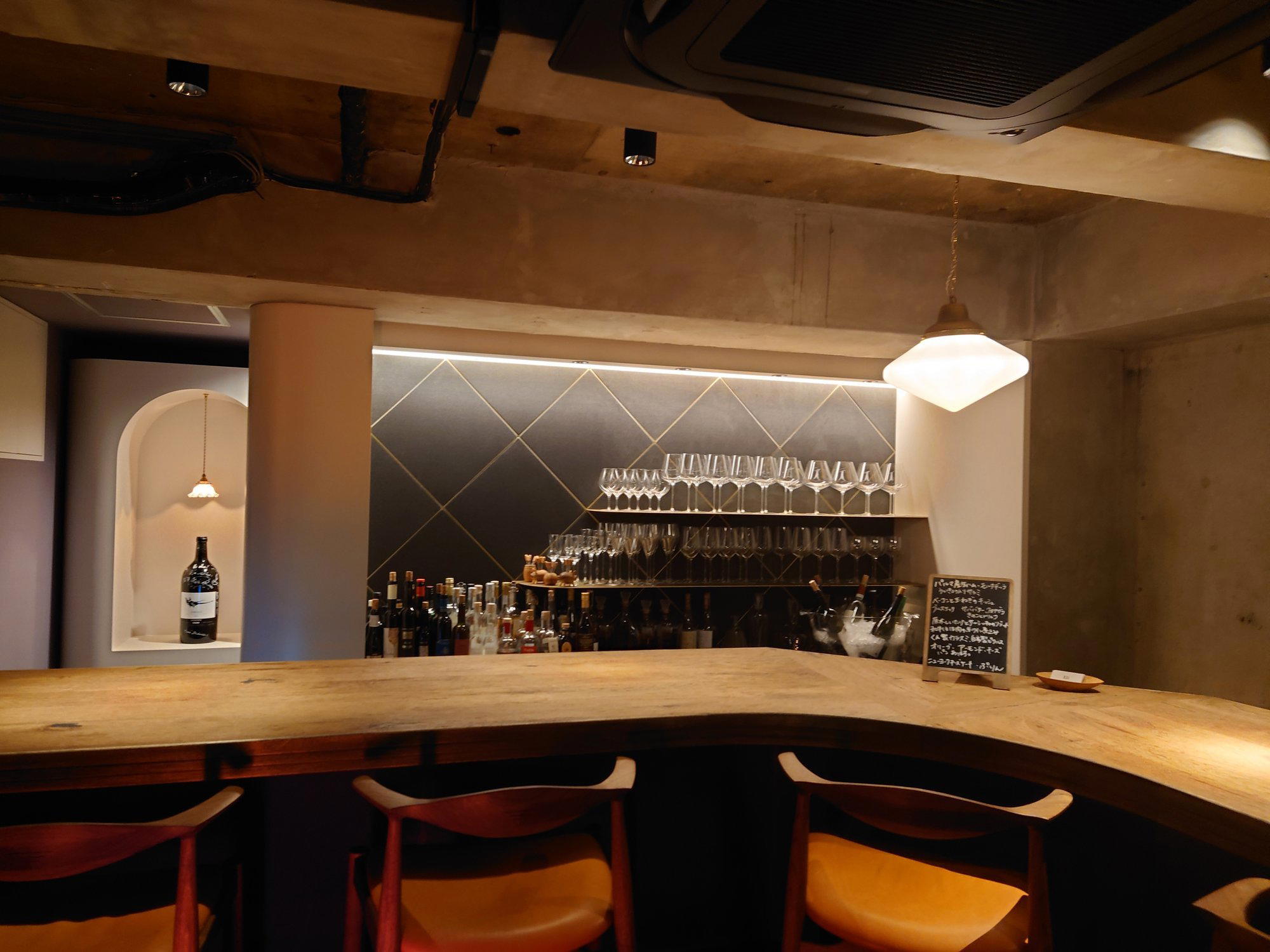
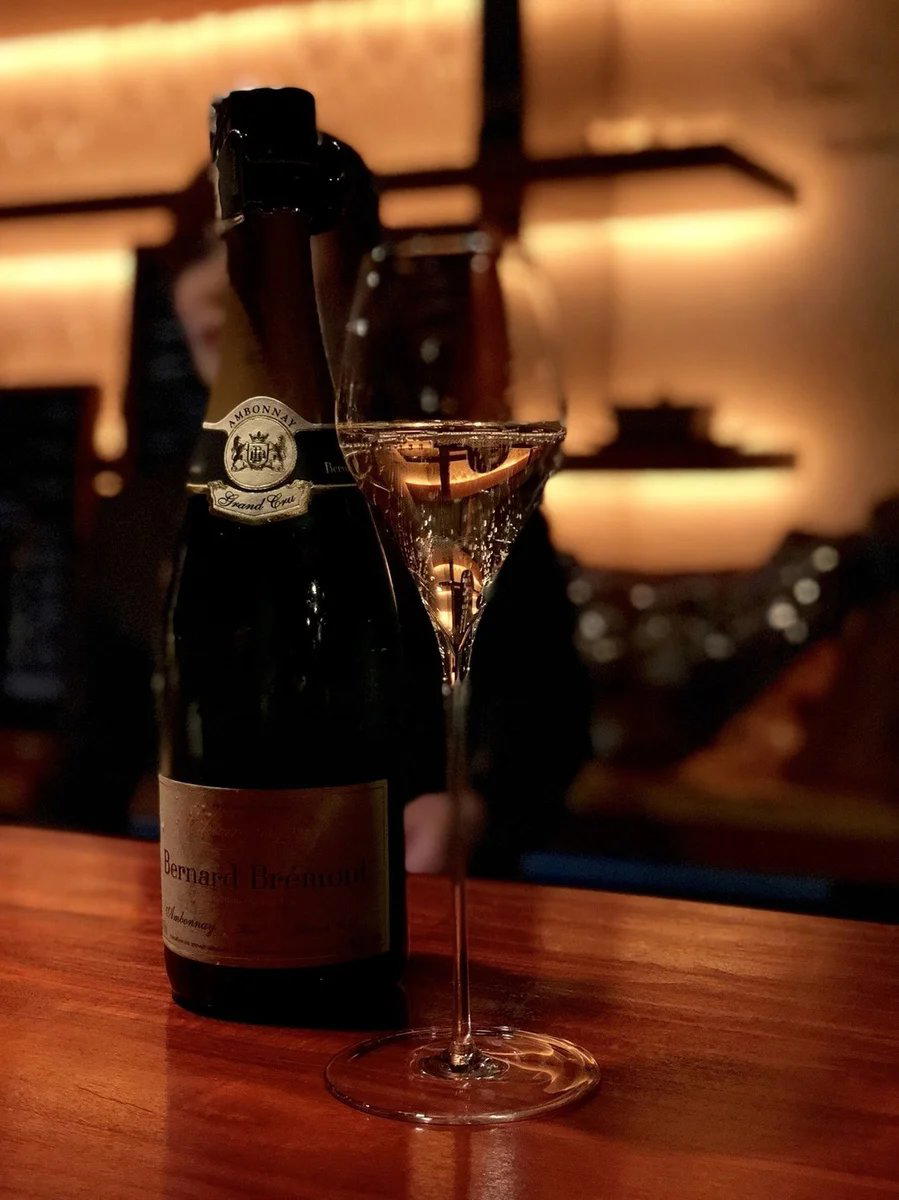
Hotels in Kyoto
All hotels in Kyoto →
Wineries in Kyoto
Browse all →
Jean-Georges at The Shinmonzen
The wine
- Wine program
- Deep wine list
- Extensive wine list
- Sommelier-led
Details
- Elegant
- Intimate
- Sophisticated
- Modern
- Date Night
- Special Occasion
- Business Dinner
- Hotel Restaurant
- Open Kitchen
- Terrace
- Extensive Wine List
- Sommelier Led
- Local Sourcing
- Street Scene
- Tasting Menu
- Prix Fixe
- Sake Program
- Vegetarian Friendly
Current opening hours
- Monday
- 8:30–9:30 AM, 12–1:30 PM
- Tuesday
- 8:30–9:30 AM, 12–1:30 PM
- Wednesday
- 8:30–9:30 AM, 12–1:30 PM
- Thursday
- 8:30–9:30 AM, 12–1:30 PM
- Friday
- 8:30–9:30 AM, 12–1:30 PM
- Saturday
- 8:30–9:30 AM, 12–1:30 PM
- Sunday
- 8:30–9:30 AM, 12–1:30 PM
Hours can change for holidays and private events. Hours as of .
Sleek yet inviting interior with green marble kitchen backdrop, seasonal florals, Murano glass lights, custom Kyoto ceramics, and soft natural light creating an elegant, art-like intimate atmosphere.