Jazz Bar Gentry occupies a specific niche in Nara's compact after-dark scene: a jazz-focused bar that draws on the city's unhurried pace and proximity to some of Japan's oldest culinary traditions. In a city where most evenings end early, Gentry operates as one of the few venues with a genuinely late-night character, pairing its music program with considered drinks.
- Address
- Nara, Japan
- Directions
- Get directions
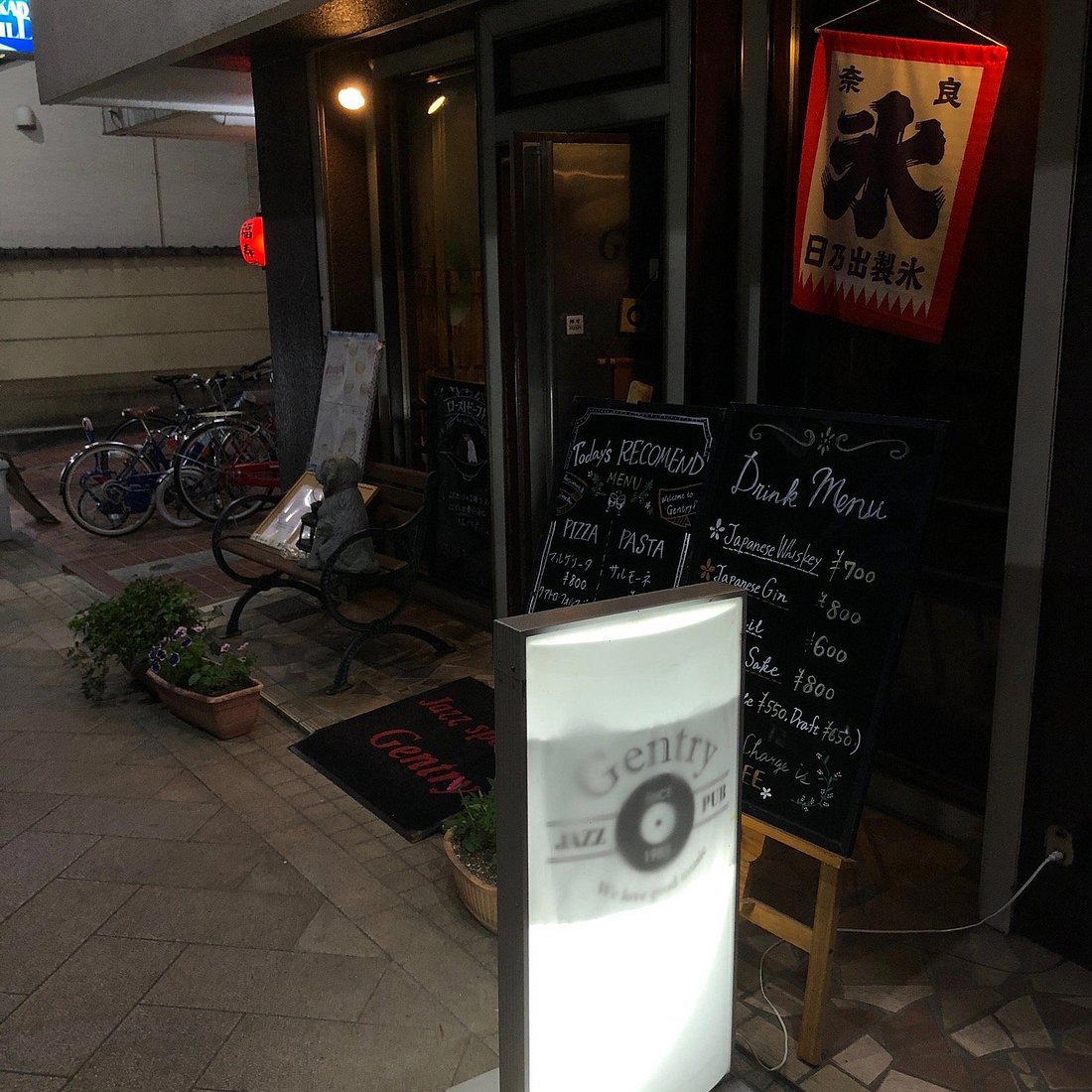
Nara After Dark: The Case for a Jazz Bar in a Temple City
Most visitors to Nara treat it as a half-day trip from Kyoto or Osaka, arriving for the deer and the daibutsu and leaving before dinner. The city's resident dining and drinking culture is, as a result, both compressed and particular. It serves a local crowd that knows what it wants, and a smaller contingent of travellers who have chosen to stay overnight. Jazz Bar Gentry fits that second category almost precisely: a venue that rewards the decision to linger. Jazz Bar Gentry is a permanently closed restaurant in Nara, Japan, with a price tier of 2.
Nara's evening scene clusters around a handful of streets south of Kintetsu Nara Station, where the daytime tourist infrastructure gives way to smaller, more personal operations. The jazz bar format has held a durable place in Japanese cities since the 1950s, when the genre arrived with post-occupation cultural enthusiasm and settled into a listening-room tradition that still operates differently from its Western counterpart. Japanese jazz kissa and jazz bars tend toward the serious: vinyl collections treated as reference libraries, volume calibrated for attention rather than atmosphere, and a compact drinks menu that doesn't compete with the music for complexity. Gentry belongs to this tradition,
What the Jazz Bar Format Signals in a Japanese Context
Understanding what to expect from a venue like Gentry requires understanding the category. The jazz bar in Japan is not a live-music venue in the conventional sense, though some do feature performances. More commonly, it is a carefully curated audio environment, where the owner's record collection and speaker system define the experience as much as anything poured into a glass. The format rewards patience and repeat visits. A first-time guest absorbs the room; a returning guest begins to map the programming logic and the rhythm of the night.
This matters for Nara specifically because the city's other premium dining options occupy a distinctly different register. Akordu, which brings Spanish innovative technique to the city, and Oryori Hanagaki, working in the Japanese tradition with kaiseki-adjacent precision, represent the formal dinner tier. Tsukumo and Ajinokaze Nishimura anchor the Japanese mid-range. NARA NIKON occupies the contemporary Japanese space. Gentry sits outside this food-first peer group entirely, functioning as the post-dinner destination rather than the dinner itself, a place that follows a meal rather than constituting one.
Nara as a Source City: Why Provenance Matters Here
The editorial angle on ingredient sourcing applies to Nara in a broader sense than any single menu. The prefecture is one of Japan's oldest agricultural zones: Yamato vegetables (Yamato yasai) have been cultivated in the region for centuries, and producers here supply kaiseki kitchens in both Kyoto and Osaka. Nara Prefecture also has a documented sake-brewing tradition, with the Miwa area around Omiwa Shrine considered the historical origin of Japanese sake production. Any serious drinks operation in the city exists in proximity to this heritage, whether it acknowledges it directly or not.
For a bar in this context, the provenance question shifts from food to spirits and mixers: whether local sake, umeshu, or regional shochu appear on the back bar, and whether water and base ingredients reflect the soft-water profile that defines Nara's brewing tradition. These are the right questions to ask when planning a visit, and the answers will tell you whether the bar is operating with genuine local literacy or simply occupying a physical space in the city.
Placing Gentry in Japan's Wider Bar Conversation
Japan's bar culture at the summit of the market is concentrated in Tokyo and Osaka. The former has produced internationally documented programs, with venues drawing comparisons to the technical ambition visible at places like Le Bernardin in New York City in terms of craft-level seriousness, and the latter has venues like HAJIME in Osaka demonstrating how a city can sustain multiple formats of premium hospitality simultaneously. Harutaka in Tokyo and Gion Sasaki in Kyoto represent the kind of single-discipline seriousness that Japan's hospitality culture rewards most readily. Even Goh in Fukuoka shows how regional cities can anchor premium experiences outside the obvious capitals.
Nara is not in direct competition with any of these. Its dining and drinking scene operates at a different scale and with different expectations. What it offers instead is density of historical context: a city where the built environment is genuinely ancient, and where an evening out carries a different weight than the same evening in a converted warehouse in Osaka's Kitahama district. A jazz bar in this setting is not a concession to urban sophistication; it is a specific and coherent choice for a city that already has its own character without needing to borrow one.
Visitors who have spent time at Atomix in New York City or comparable precision-hospitality operations elsewhere will notice that Nara's bars operate without that tier's infrastructure: no extensive cocktail development programs, no international press profiles, no reservation queues measured in months. The trade-off is immediacy and a certain lack of performance. You can walk in, sit down, and be in the room quickly in a way that Michelin-tracked venues in larger cities rarely allow.
Planning a Visit
Nara is accessible from Kyoto in roughly 45 minutes by the Kintetsu Kyoto Line, and from Osaka's Namba in a similar window via Kintetsu Namba. The city's walkable core means that moving between dinner and an after-dinner bar requires no transit at all. For visitors staying overnight, which produces a qualitatively different experience of the city than a day-trip, an evening at a venue like Gentry represents the kind of unhurried close to a day that Nara's pace actually supports. Given the limited confirmed public data on Jazz Bar Gentry's current program, one reliable approach is to arrive as a walk-in during what would conventionally be evening service hours.
For a longer Japan itinerary, comparable regional venues include: Nanao's Japanese dining, Sapporo's scene, Takashima, Nishikawa Machi, Birdland in Sakai, and Bistro Ange in Toyohashi all demonstrate how Japan's secondary cities sustain serious hospitality outside the major metro circuits.
Fast Comparison
Comparable venues nearby, for context on price, style, and recognition.
| Venue | Cuisine | Price | Notes |
|---|---|---|---|
| Jazz Bar GentryThis venue — the venue you are viewing | Jazz Bar | $$ | Not listed |
| 奈良 而今 | :null | Not listed | Nara |
| 鮨處Wasabi | Casual Japanese Wasabi Cuisine | $$ | Nara |
| kuruminoki Ichijou ten | Seasonal Japanese cafe with obanzai lunch and cakes | $$ | Nara |
| Nakatani Do | Traditional Japanese mochi shop | $ | Nara |
| MENYA BIBIRI | Ramen & chicken–seafood soba | $ | Nara |
Continue exploring
More in Nara
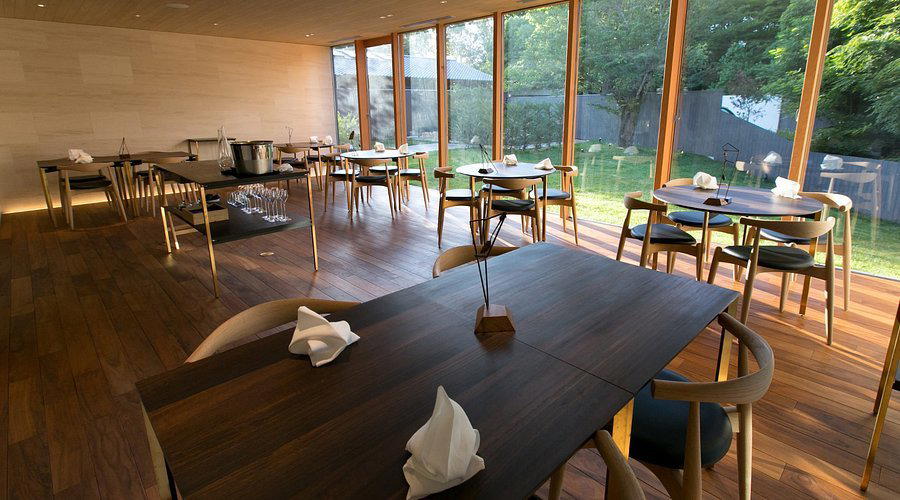




Bars in Nara
Browse all →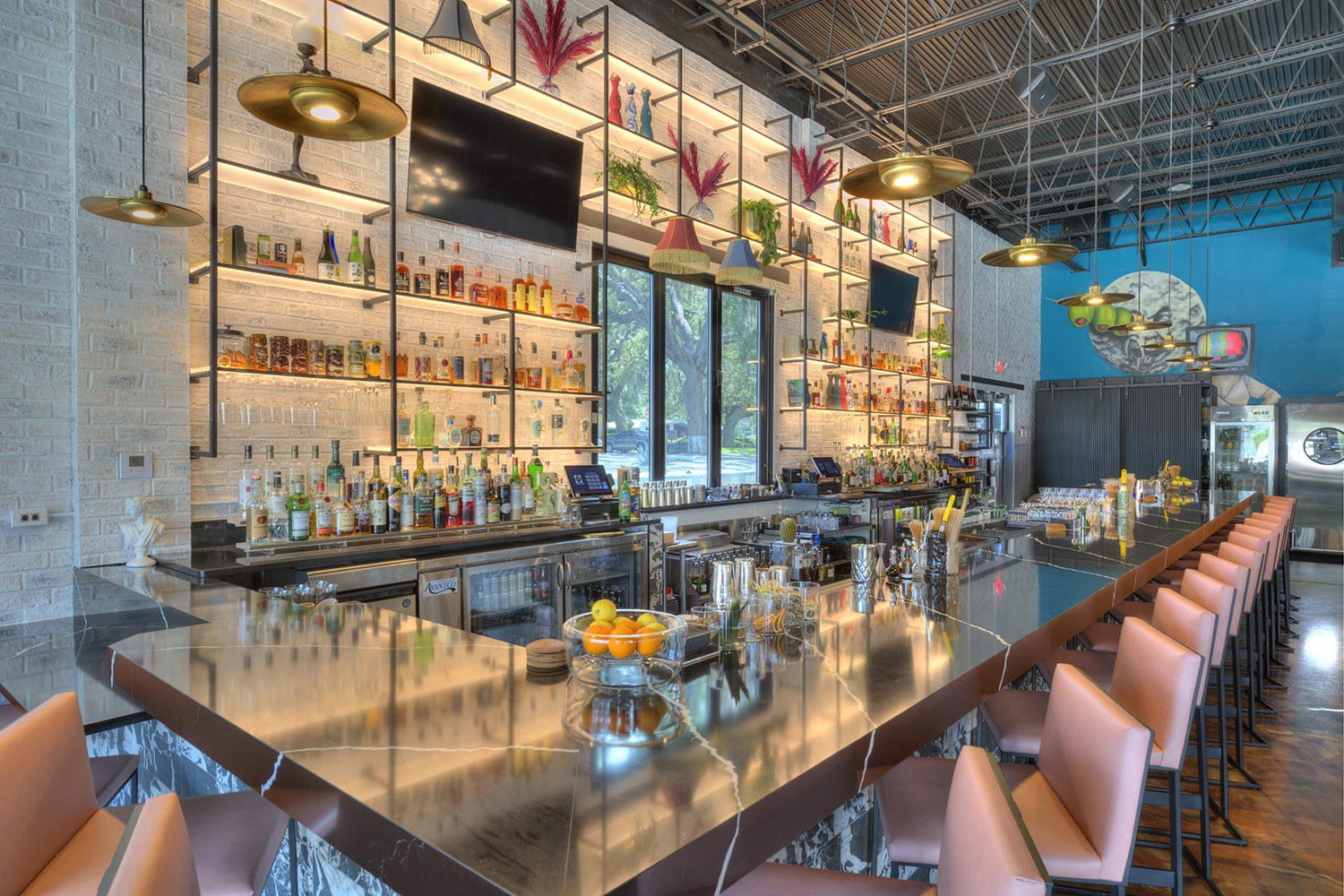
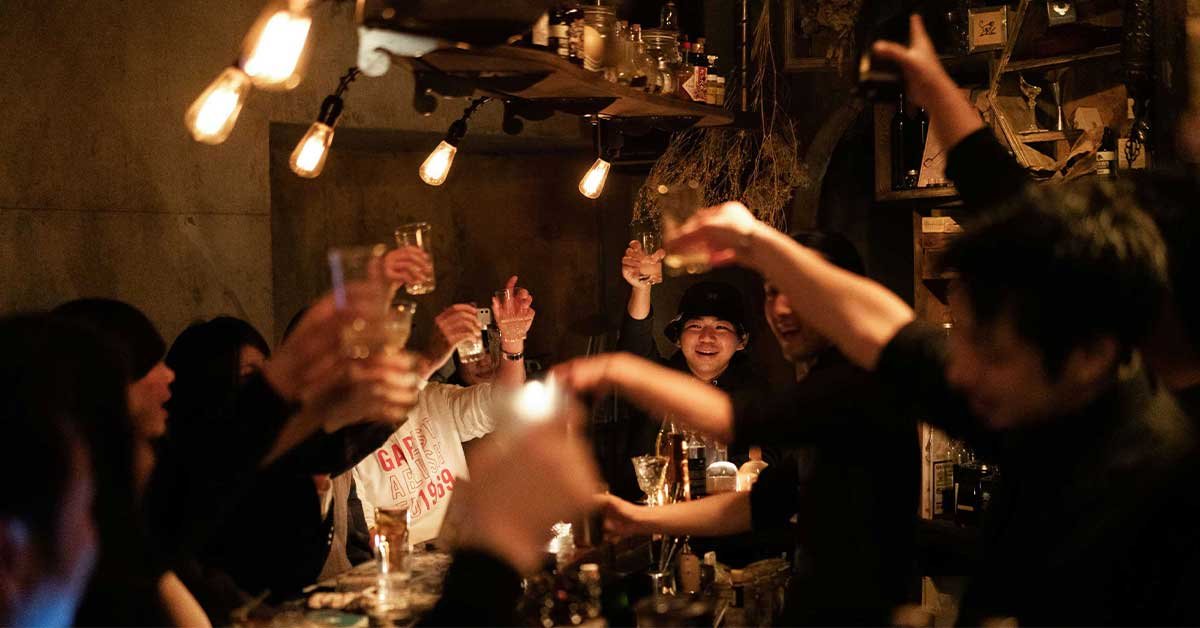

Hotels in Nara
Browse all →



Wineries in Nara
Browse all →
At a Glance
- Intimate
- Classic
- Date Night
- Late Night
- Live Music
- Sake Program
Cozy and classic jazz club atmosphere with intimate seating and a longstanding local vibe.