
kuruminoki Ichijou ten gives Nara’s cafe culture a slower, produce-led register: cafe, Japanese cooking, and cake folded into a house-restaurant format rather than a quick coffee stop. Its 2025 Tabelog Cafe WEST 100 selection, modest lunch pricing, and long-running local presence make it a useful counterpoint to Nara’s kaiseki, sushi, and destination dining rooms.
Pearl is the En Primeur Club membership app — saves, bookings, and concierge access live there. Same editors, same standards.
- Address
- 奈良県奈良市法蓮町567-1
- Phone
- +81742238286
- Website
- kuruminoki.co.jp
 Saves & bookings on Pearl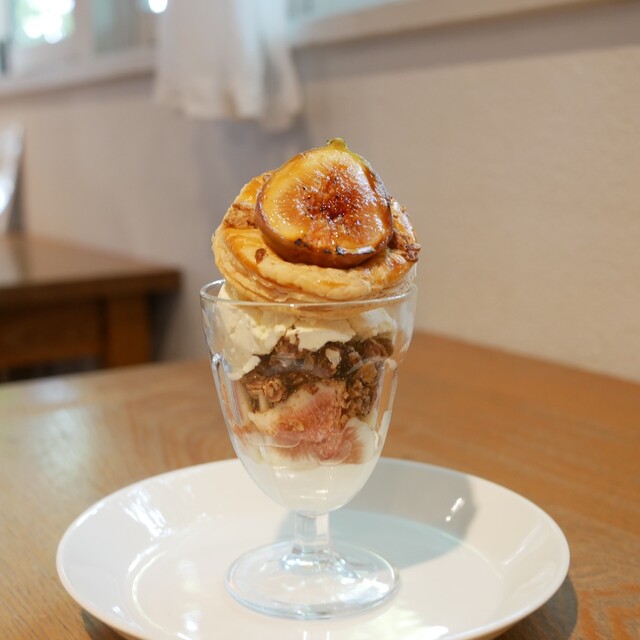
Approaching a house-style cafe in Horencho changes the tempo of eating in Nara. The city is often associated with temple-adjacent tea, formal Japanese cooking, and compact counters, but its quieter cafe culture runs on daily rhythm: vegetables, rice, simple sweets, and set lunches locals cross town for. kuruminoki Ichijou ten fits that tradition, combining cafe, Japanese cuisine, and cake in a format that feels domestic without being throwaway casual.
Nara is easily misread as a day-trip city where meals are squeezed between deer, shrines, and train times. A slower reading suits it better. Selected for Tabelog 100 Cafe WEST 2025, scored 3.61 on Tabelog, and opened on 7 July 1984, this cafe has built authority through longevity, repeat local use, and a midday format people actually want. It sits outside the luxury bracket of comparison venues such as Wa Yamamura for kaiseki, Shikinosushi KROUTO for sushi, or BANCHETTI for Italian, and that difference is the point.
A produce-led Nara cafe format, not a condensed fine-dining meal
Japanese cafe cooking has its own grammar, borrowing from home cooking, shokudo set meals, kissaten pacing, and the seasonal side-dish logic of obanzai without imitating a formal ryotei. The listed categories, cafe, Japanese cuisine, and cake, put the meal in that hybrid zone. The food description points to a health and wellness menu, while the house-restaurant setting suggests lingering rather than turnover theatre.
The key distinction is ingredient rhythm, not chef performance. In Nara, where agriculture and preserved food traditions sit close to the old capital’s temple culture, a vegetable-forward lunch can say as much about place as multi-course kaiseki. Rice, soup, side dishes, and cake are not lesser signals; they express seasonality closer to domestic tables and local shopping patterns. A modest cafe can share the city map with higher-spend Japanese rooms without competing on the same terms.
For category comparison, Kawanami and Ajinokaze Nishimura point toward more recognisably Japanese restaurant meals, while akordu brings an innovative Spanish lens to Nara. This cafe works when the day calls for a grounded lunch rather than a long formal dinner, giving the city’s dining scene a needed middle layer between snack stops and reservation-heavy rooms.
Useful nearby reading across Nara’s restaurant spectrum includes 37+1 - Sanjuhachi, A VOTRE SANTE (French), Ajinokaze Nishimura (Japanese), Ajinotabibito Roman (Japanese), and akordu (Spanish, Innovative). For wider planning, use Our full Nara restaurants guide, alongside Our full Nara hotels guide, Our full Nara bars guide, Our full Nara wineries guide, and Our full Nara experiences guide.
Why the Tabelog cafe signal carries weight here
Tabelog’s Cafe WEST 100 list is not a Michelin-style luxury filter. For this category, it is more useful because it rewards places travellers can miss while chasing formal awards: cafes with regional pull, regular custom, and a clear identity inside Japan’s everyday dining culture. A 2025 selection places kuruminoki Ichijou ten in western Japan’s cafe conversation, not only Nara’s neighbourhood roster.
The scale sets expectations. With 44 table seats, no private rooms, and private use listed for 20 to 50 people, the experience is social and domestic rather than hushed or counter-driven. It is better judged against house cafes and lunch rooms than against Shabushabu Kanoko’s higher-spend shabu-shabu format or Wa Yamamura’s kaiseki structure. The absence of chef-led biographical theatre is not a weakness; the room, menu category, and long operating history do the editorial work.
Pricing reinforces that role. Lunch is JPY 1,000 to JPY 1,999, with dinner listed below JPY 999, so the appeal is not scarcity pricing. Recognition and affordability meet without forcing the meal into a special-occasion frame. In a city where many visitors budget attention rather than money, the cafe offers a local meal without committing the evening to a formal restaurant.
How to fit it into a Nara day
The practical read is direct. This is a daytime cafe with reservations available, including seats and limited lunch options through the website. The schedule runs from late morning to late afternoon, with food last order earlier than drinks and Wednesday closed, so it belongs before or between sightseeing rather than after a long evening itinerary. Access is tied to Shin-Omiya Station and local bus routes from Kintetsu Nara, making it better for travellers willing to step beyond the densest tourist path.
Families get a mixed but useful signal: children are welcome and children’s chairs are available, though stroller movement is constrained by narrow passage and steps. Parking is listed at 22 spaces, payment includes major credit cards, transit IC, iD, QUICPay, and PayPay, and the room is non-smoking. These details make planning easier than at many small independent cafes in Japan, especially for visitors moving around Nara by car or with a family group.
As a city choice, kuruminoki Ichijou ten is strongest when the brief is lunch, quiet conversation, and ingredient-led cafe cooking. It is not for a late, high-spend dinner or a counter seat built around performance. Nara’s more formal restaurants still have their role, while this cafe covers a different, equally revealing slice of the city: the everyday meal treated with care.
For broader Japan context beyond Nara, compare category and city fit through -Grilled beef Sukiyaki- KAMAKURA TANUKIAN 鎌倉 たぬき庵 in Kamakura. 鮪と炭火焼き うお炭 秋葉原店 in Tokyo.cafe in Osaka.know in Kumamoto, (Shoku) Vietnam in Kawasaki, and [Curry Senmon Ten] Maruyama Kyoju. in Sapporo. Japanese food culture abroad follows different pressures, shown by Jōdo Saké Bar in Los Angeles and Onigiri Time in Pasadena.
In Context: Similar Options
Comparable venues by cuisine and price in the same metro.
| Venue | Cuisine | Price | Notes |
|---|---|---|---|
| kuruminoki Ichijou tenThis venue — the venue you are viewing | Seasonal Japanese cafe with obanzai lunch and cakes | $$ | Not listed |
| Soba Kiri Momoyo Zuki | Traditional Soba Noodle Shop | $$ | Nara |
| Yorozu Onkashi Atsurae Dokoro Kashiya | Traditional Japanese Wagashi & Cafe | $$ | Nara |
| Houseki Bako | Japanese Kakigori Cafe | $$ | Nara |
| Housekibaco (Jewelry Box) | Nara Kakigori Specialty | $$ | Naramachi |
| Ocha no Ko | Tea Cafe / Japanese Dessert Shop | $ | Nara |
Recognition history
Dated appearances from independent guides and award organizations, with the underlying list record or original source where available.
Tabelog 100 #31 · No. 31
Tabelog · Tabelog 100 - Cafe - WEST - 2025
Continue exploring
More in Nara




Bars in Nara
Browse all →


Hotels in Nara
Browse all →



Wineries in Nara
Browse all →
At a Glance
- Cozy
- Classic
- Rustic
- Casual Hangout
- Solo
- Date Night
- Family
- Brunch
- Garden
- Design Destination
- Standalone
- Local Sourcing
A warm, nostalgic cafe atmosphere with simple, home-style decor and soft lighting, creating a relaxed, lived-in feel more like a neighborhood living room than a formal restaurant.