
MENYA BIBIRI belongs to Nara’s everyday ramen circuit rather than its temple-district fine-dining route, with a Tabelog Ramen WEST “Tabelog 100” selection in 2023, 2024, and 2025 giving it a clear credential beyond local word of mouth. The appeal is ritual as much as cooking: counter seats, quick pacing, solo-friendly habits, and a format that rewards diners who understand ramen as a focused stop, not a long lunch.
Pearl is the En Primeur Club membership app — saves, bookings, and concierge access live there. Same editors, same standards.
- Address
- 165-1 Shichijocho, Nara, 630-8051, Japan
- Phone
- +81 742-31-4999
- Website
- menya-bibiri.net
 Saves & bookings on Pearl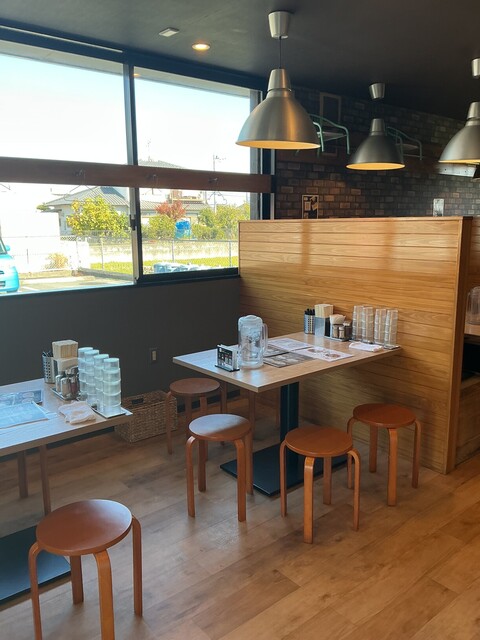
Approaching a serious ramen shop in Nara changes the day’s tempo. The city’s sightseeing rhythm is deliberately slow, shaped by temple approaches, deer crossings, and long walks between precincts; ramen compresses that into another ritual: one bowl, a short wait, a narrow window of attention. MENYA BIBIRI sits there. It is not part of the polished kaiseki-and-inn conversation behind much of Nara’s luxury dining reputation, which is why it matters: the city’s everyday food culture has its own hierarchy, with ramen shops judged by repeatability, speed, and whether the bowl can carry the room without ceremony.
For travellers expecting historic dining in Nara to mean only multi-course Japanese cuisine, the distinction helps. A meal here belongs to a more democratic Japanese tradition: rooms turn quickly, counter seats matter, and the diner’s role is active but minimal. Order decisively, eat while the noodles hold their intended texture, and treat the bowl as the event. The recognition is not decorative. Selection for Tabelog Ramen WEST “Tabelog 100” in 2023, 2024, and 2025 places the shop inside western Japan’s competitive ramen conversation, where small price differences matter less than consistency and local loyalty.
Nara ramen as a short, disciplined ritual
Visitors often misunderstand ramen etiquette because it looks casual. The form is relaxed; the pacing is not. A bowl is built for immediacy: noodles keep changing after serving, toppings are arranged for sequence rather than lingering, and the counter creates an unspoken contract between kitchen and diner. MENYA BIBIRI’s 30-seat layout, including counter seating, tables, and tatami rooms, signals a broader audience than the tiny urban ramen counters of Osaka or Tokyo, but the ritual stays intact. Solo diners can move efficiently; families get a more forgiving setup than at many narrow shops.
Nara’s geography shapes the meal. The city has destination restaurants such as Ajinokaze Nishimura (Japanese) and A VOTRE SANTE (French), where dinner is usually planned around the evening. Ramen works differently. It fits between museum hours, shrine visits, and rail transfers, but the better shops are not interchangeable convenience stops. In the same local field as Chukasoba Oshitani, another Nara ramen reference point, MENYA BIBIRI represents the category’s practical strength: accessible, specialized, and judged by returning diners rather than travellers seeking theatre.
The Chinese category attached to the shop is also telling. In Japan, ramen’s modern identity grew through Chinese-style noodle culture adapted into regional Japanese forms; many ramen addresses retain that dual identity. The point is not fusion as slogan, but inheritance. The bowl sits at the intersection of broth discipline, noodle timing, and side-dish habits developed outside formal washoku, making it a useful counterweight to Nara’s heritage-coded dining rooms, from Japanese cuisine specialists to newer international formats such as akordu (Spanish, Innovative).
Recognition without fine-dining theatre
Tabelog’s Hyakumeiten lists matter in Japan because they capture prestige unlike Michelin-style luxury. For ramen, the signal is especially relevant: a place can be inexpensive, quick, and deeply scrutinized at once. The restaurant’s repeated inclusion in the Ramen WEST selection benchmarks the meal within a crowded regional category, not just Nara. It tells the reader to treat the stop with intent, while keeping expectations aligned with the format. This is not a tasting menu, and it needs no borrowed fine-dining language to justify the detour.
The comparison with Nara’s wider restaurant scene sharpens the decision. 37+1 - Sanjuhachi, Ajinotabibito Roman (Japanese), and Le Bois sit closer to the city’s composed Japanese dining spectrum, where pacing, service, and room tone carry greater weight. Ramen asks a narrower question: does the shop deliver enough focus to beat a casual station meal? Here, repeated ramen-specific recognition answers more persuasively than a long narrative about personality or philosophy.
Popularity also needs cultural reading. In major Japanese cities, a queue can be blunt, inflated by social media and tourist circulation. In Nara, away from the heaviest restaurant districts, repeat local use carries more value. A shop with counter seating, family accommodation, and solo-dining suitability is built for regular life as much as culinary tourism. That mixed-use character is part of the appeal: it places the bowl in the city’s rhythm rather than outside it.
How to place it in a Nara itinerary
For a food-focused Nara trip, the restaurant works as the casual anchor, not the formal centrepiece. Use it to break up a day heavy on temples and set-course meals. The city rewards contrast: ramen for speed and concentration, Japanese cuisine for seasonality and technique, patisserie or café stops for quieter afternoon hours. Broader planning can start with Our full Nara restaurants guide, then widen into Our full Nara hotels guide, Our full Nara bars guide, Our full Nara wineries guide, and Our full Nara experiences guide for the rest of the stay.
Readers building a wider Japan eating map should treat this as one expression of a national habit: specialized, low-friction, and more exacting than its informality suggests. The same logic can connect Nara ramen with highly specific regional stops elsewhere, from -Grilled beef Sukiyaki- KAMAKURA TANUKIAN 鎌倉 たぬき庵 in Kamakura and. 鮪と炭火焼き うお炭 秋葉原店 in Tokyo to.cafe in Osaka.know in Kumamoto, (Shoku) Vietnam in Kawasaki, and [Curry Senmon Ten] Maruyama Kyoju. in Sapporo. For readers tracking Japanese food culture abroad, Jōdo Saké Bar in Los Angeles and Onigiri Time in Pasadena show how narrower Japanese formats travel when stripped down to one strong premise.
The editorial case is simple: Nara’s dining identity is larger than heritage cuisine, and ramen makes that visible without formality. The restaurant belongs on a serious food itinerary because it gives the city another register, measured in timing, repetition, and the quiet discipline of a bowl served for immediate attention.
- Gyokai Tori Soba (魚介鶏そば)
- Maze Soba (まぜそば)
- Niku Shoyu Ramen (肉醤油ラーメン)
- Fried Rice (炒飯)
- Char siu platter (チャーシュー盛り)
- Limited tsukemen (つけ麺)
What It’s Closest To
Side-by-side context: comparable cuisine and price.
| Venue | Cuisine | Price | Notes |
|---|---|---|---|
| MENYA BIBIRIThis venue — the venue you are viewing | Ramen & chicken–seafood soba | $ | Not listed |
| Menya Eguchi | Ramen & Tsukemen Shop | $ | Nara |
| Wakakusa Curry Honpo | Japanese Curry House with Vegan & Gluten-Free Options | $ | Nara |
| Nakatani Do | Traditional Japanese mochi shop | $ | Nara |
| Kanakana | Japanese cafe with healthy set meals and curry | $ | Nara |
| Ocha no Ko | Tea Cafe / Japanese Dessert Shop | $ | Nara |
Recognition history
Dated appearances from independent guides and award organizations, with the underlying list record or original source where available.
Tabelog 100 #13 · No. 13
Tabelog · Tabelog 100 - Ramen - WEST - 2025
Continue exploring
More in Nara




Bars in Nara
Browse all →


Hotels in Nara
Browse all →



Wineries in Nara
Browse all →
At a Glance
- Lively
- Cozy
- Modern
- Solo
- Family
- Casual Hangout
- Group Dining
- Late Night
- Standalone
- Local Sourcing
Current opening hours
- Monday
- 11 AM–2:55 PM, 6–8:55 PM
- Tuesday
- 11 AM–2:55 PM, 6–8:55 PM
- Wednesday
- 11 AM–2:55 PM, 6–8:55 PM
- Thursday
- 11 AM–2:55 PM, 6–8:55 PM
- Friday
- 11 AM–2:55 PM, 6–8:55 PM
- Saturday
- 11 AM–2:55 PM, 6–8:55 PM
- Sunday
- 11 AM–2:55 PM, 6–8:55 PM
Hours can change for holidays and private events. Last verified .
Clean, modern-feeling ramen shop with counter, table, and tatami seating; bright and casual, often busy but orderly, emphasizing safety, cleanliness, and a relaxed family-friendly atmosphere.