Hoshinoya Nara Prison is one of Nara’s more architecturally charged hotel propositions, set by name and address against the city’s older civic fabric rather than the standard resort template. With limited public operational detail in the available record, the draw is the idea of staying at 18 Hannyajicho as part of Nara’s wider shift toward design-led hospitality.
Pearl is the En Primeur Club membership app — saves, bookings, and concierge access live there. Same editors, same standards.
- Address
- 18 Hannyajicho, Nara, 630-8102, Japan
- Website
- hoshinoresorts.com
- Directions
- Get directions
 Saves & bookings on Pearl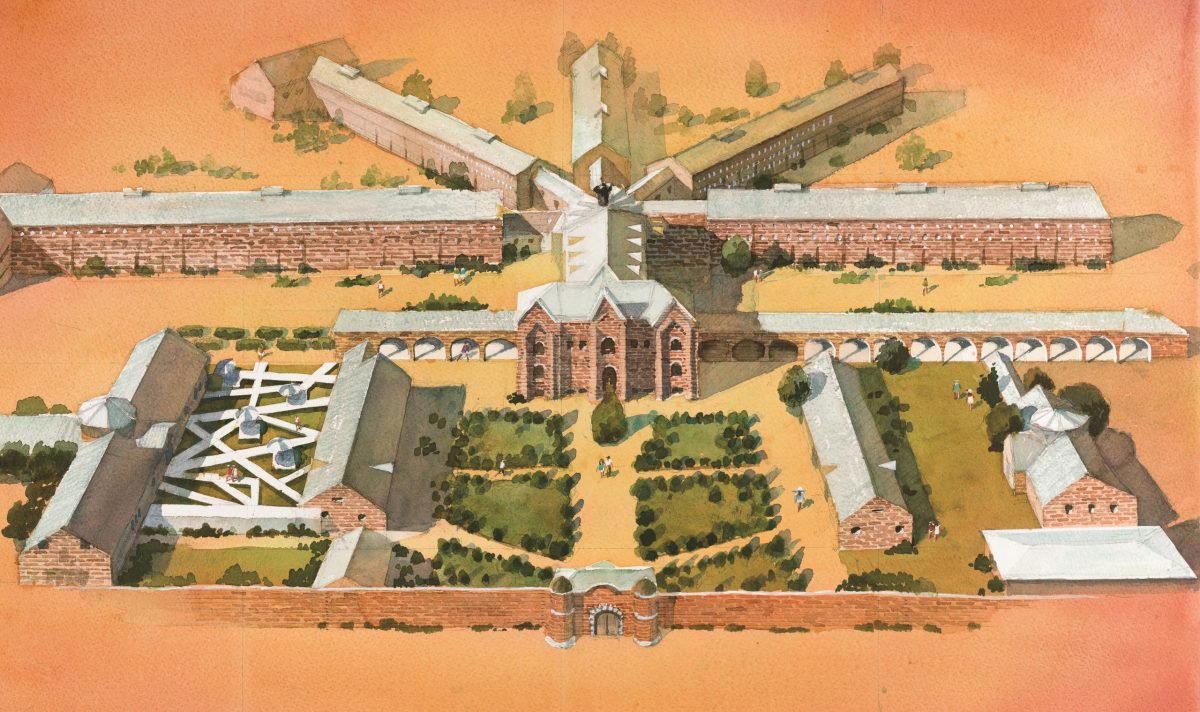
Arrival in Nara's heavier architectural register
Approaching Hoshinoya Nara Prison begins with a different mental image from the one usually attached to Nara travel. The city is often sold through deer, temple precincts, moss, lanterns, and low-slung ryokan calm; this address at 18 Hannyajicho points instead toward enclosure, masonry, and institutional memory. That tension is the point. Nara’s hotel scene has been moving beyond the conventional choice between shrine-adjacent ryokan and efficient city hotels, and this property sits at the design-led end of that shift, where the building carries as much narrative weight as the room category.
Hoshinoya Nara Prison is listed in Nara, Japan, at 18 Hannyajicho, 630-8102. That absence matters editorially. It means the property should be read, for now, through place and architectural premise rather than through service claims or amenity inventory. In a market where luxury hotels often compete on branded spas, suite square footage, and dining partnerships, this one draws attention because the name itself refuses the soft-focus language of resort hospitality.
Why this matters in Nara's hotel scene
Nara has a particular problem for hotel developers: the city’s cultural gravity is immense, but its accommodation identity has long been quieter than Kyoto’s and less internationally legible than Tokyo’s. The result is a compact but increasingly varied hotel field. Traditional calm appears at Fufu Nara, urban international polish at JW Marriott Hotel Nara, hillside retreat language at Ando Hotel Nara Wakakusayama, and more accessible design-hotel framing at Miroku Nara by THE SHARE HOTELS. Against that group, Hoshinoya Nara Prison belongs to a narrower category: hotels whose architectural shell is not decoration but the principal argument.
This is a meaningful distinction. Many Japanese luxury properties use historical references with great restraint: a garden wall, a tea-room proportion, a view corridor, a craft material. A prison-conversion premise, by contrast, shifts the emphasis from serenity to adaptive reuse. It asks hospitality to work with restraint, repetition, thresholds, corridors, and the psychological charge of a former civic structure. That makes it closer in spirit to cultural-hotel projects than to a standard leisure resort. In Nara, where the built environment already carries centuries of religious and administrative history, the appeal is not simply sleeping near heritage. It is sleeping inside a building type that forces a more complicated conversation about preservation.
Architecture as the headline, not the backdrop
Design-led hotels often divide into two camps. Some use architecture as scenery: photogenic lobbies, local materials, rooms calibrated for social media, and a restaurant that does the commercial work. Others are more demanding. The building imposes a rhythm, and the guest experience adapts to it. Hoshinoya Nara Prison, on the evidence available, should be understood in the second camp. The name alone sets an expectation of strong spatial discipline, and the address places the property within Nara rather than on a remote resort plot where a hotel can invent its own context from scratch.
That matters because Nara rewards slower architectural looking. Kyoto often overwhelms with abundance; Tokyo compresses eras into vertical layers. Nara is lower, older in atmosphere, and more legible on foot. Its hotels do not need to compete with neon or skyline drama. They need to manage silence, scale, and proximity to cultural sites without turning the city into a stage set. A prison hotel in this setting is therefore not an eccentric novelty. It is an extreme example of a broader hospitality question: how much of a difficult building’s original character should remain visible when it becomes a place of comfort?
The answer is not stated in the record. There are no supplied details on architect, materials, room layouts, preserved features, dining rooms, lighting strategy, or public areas. The editorial expectation, however, is clear: the success of the property will depend less on generic luxury markers than on whether the design can hold the tension between confinement and refuge. If that tension is flattened into theme-hotel theatre, the premise weakens. If it is handled with discipline, the building can give Nara a hotel with a sharper cultural register than the usual temple-town softness.
How it compares with Nara's established stays
Nara’s premium hotel set is small enough that comparisons are useful. Noborioji Hotel Nara reads through classic city-hotel discretion. Shisui, a Luxury Collection Hotel, Nara brings international luxury branding into a heritage-sensitive city. Villa Communico belongs to a smaller-format, design-conscious conversation. Hoshinoya Nara Prison would not be competing only on room comfort within that set. It would be competing on the authority of its conversion, the seriousness of its conservation decisions, and the degree to which the guest experience feels rooted in the actual building rather than placed over it.
For travellers comparing Nara with Kyoto, the calculus is different again. Kyoto has a denser field of luxury openings, from estate-scale properties to machiya conversions, and HOTEL THE MITSUI KYOTO in Kyoto shows how a major Japanese city can absorb high-end hospitality into a layered historic district. Nara’s advantage is not volume. It is atmosphere and a lower level of commercial saturation. A project like Hoshinoya Nara Prison can make sense precisely because the city has fewer comparable statements; the building has room to define its own category.
Within Japan, there are useful parallels outside Nara. Benesse House in Naoshima places lodging inside an art-and-architecture conversation, while Gora Kadan in Hakone and Asaba in Izu draw authority from ryokan lineage and setting. Amanemu in Mie works through resort quiet and coastal geography, and Zaborin in Kutchan uses remoteness and seasonal landscape in a contemporary ryokan idiom. The hotel, by contrast, is an urban-cultural proposition. Its peer group is less about hot springs or scenery and more about whether architecture can carry emotional and historical complexity without losing hotel functionality.
The Hoshinoya signal
The Hoshinoya name matters because Japan’s upper-tier domestic hospitality has become increasingly precise about place. The category is not merely luxury in the international sense; it often blends ryokan pacing, contemporary design, and a strong reading of local setting. That makes the Nara Prison project editorially interesting even without supplied ratings or awards. The trust signal here is the verifiable presence of the property in Nara at a specific address. Those are concrete facts, and they frame the page more responsibly than invented claims about service or cuisine would.
For international travellers, the comparison set may include grand European hotel palaces and urban design hotels, but the emotional register is different. The Fifth Avenue Hotel in New York City, Hôtel de Paris Monte-Carlo in Monte Carlo, and Badrutt's Palace Hotel in St. Moritz project hospitality through urban glamour, social history, or alpine ceremony. Nara asks for a quieter reading. A prison conversion here is not about grand arrival in the European palace sense; it is about the ethics and aesthetics of turning a controlled institutional environment into a place of rest.
Dining, bars, and the wider Nara plan
That should shape expectations. Travellers should not plan around a named dining program. In Nara, the wiser approach is to treat the hotel as the architectural anchor of the trip and build meals around the city’s broader restaurant field.
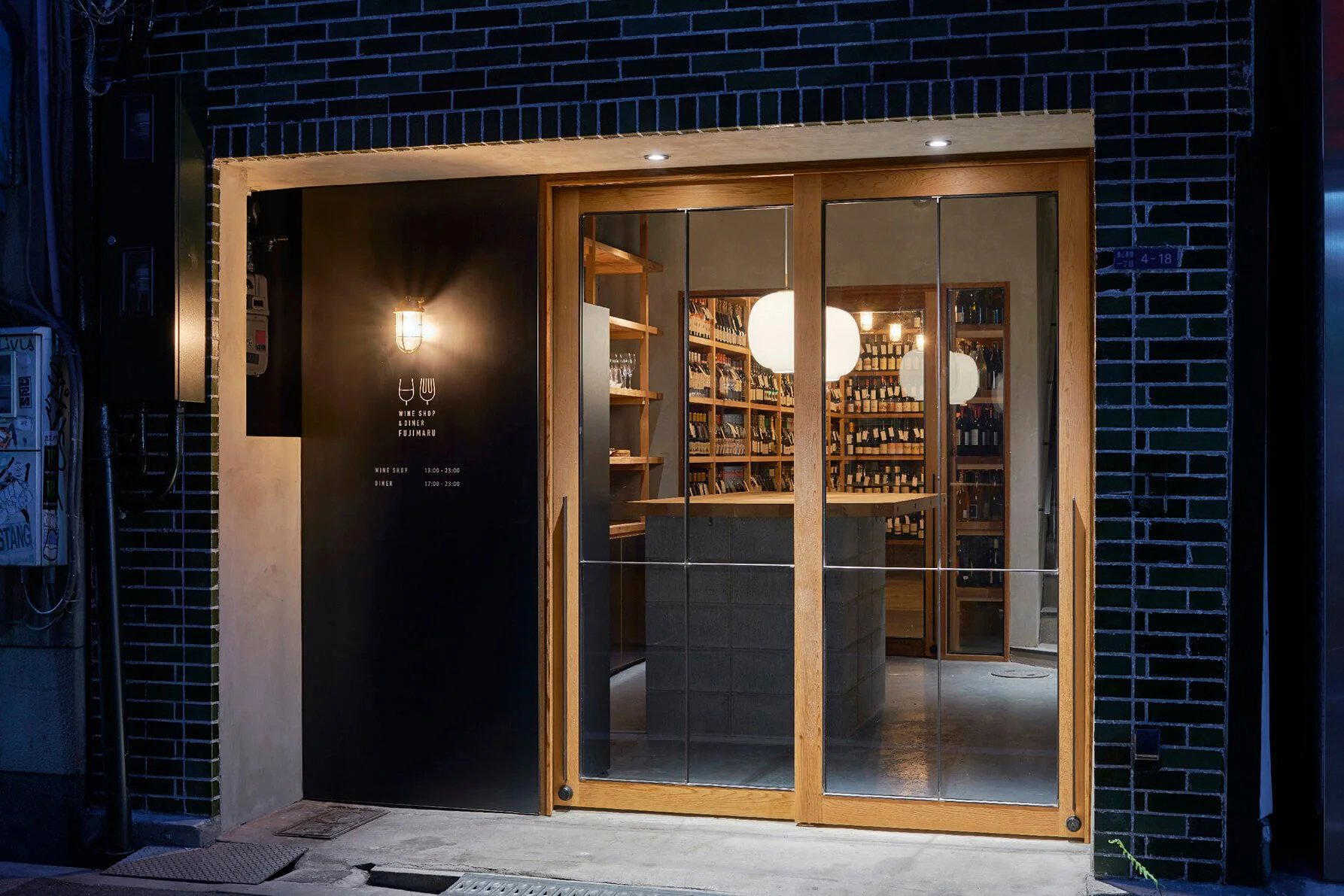
The same applies to drinking and secondary cultural planning. Nara’s bar scene is smaller and more local in scale than Tokyo’s or Osaka’s, but that is part of the city’s rhythm: evenings tend to be quieter, with dining and hotel choice carrying more of the itinerary. For current options beyond the property, use Nara bars, wineries, experiences, and hotels guides.
Planning the stay
The confirmed planning detail is the address: 18 Hannyajicho, Nara, 630-8102, Japan. The record does not list a phone number, website, booking method, hours, or guest-review volume. That absence is not a reason to fill the gaps with assumptions. It is a reason to plan conservatively: verify reservations through an official booking channel before arranging transport, meals, or a multi-city itinerary around the property. Walk-ins should not be assumed.
Nara works particularly well as part of a Kansai itinerary, but it should not be reduced to a Kyoto side trip if the hotel is the point. A longer stay would allow the architecture to register at different hours and leave space for Nara’s evening pace. Travellers connecting Nara with other Japanese stays might pair the city with Fufu Nikko in Nikko for another heritage-heavy setting, Kamenoi Besso in Yufu for ryokan tradition, or Sekitei in Hatsukaichi-shi for a quieter regional contrast. Tokyo arrivals considering a high-design urban opening before Kansai can compare the mood with Bvlgari Hotel Tokyo in Tokyo, though Nara’s appeal lies in a far more restrained cultural tempo.
In Context
Comparable venues nearby, for context on price, style, and recognition.
| Venue | Cuisine | Price | Awards | Notes |
|---|---|---|---|---|
| Hoshinoya Nara PrisonThis venue — the venue you are viewing | Not listed | $$$$ | 5-Star | Not listed |
| ふふ奈良 | 高畑町, 隈研吾設計の数奇屋風スモールラグジュアリーリゾート | $$$$ | 5-Star | Not listed |
| Villa Communico | Not listed | $$$$ | 5-Star | Nara, Contemporary gastronomic auberge harmonizing nature's five elements with luxury hospitality. |
| Ando Hotel Nara Wakakusayama | Not listed | $$$ | 4-Star | Nara, Japanese auberge with luxury renovations blending tradition and modernity |
| Noborioji Hotel Nara | Not listed | $$$$ | 4-Star | Nara, Intimate luxury boutique in historic Nara setting |
| Shisui, a Luxury Collection Hotel, Nara | Not listed | $$$$ | 5-Star | Nara, Historic Japanese residence renovated into luxury hotel blending tradition and modernity |
Continue exploring
More in Nara
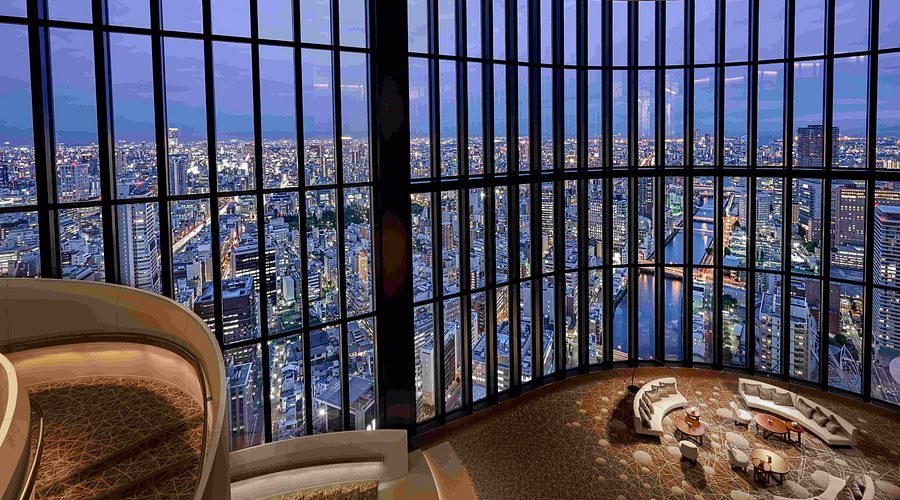
Hotels in Nara
Browse all →



Bars in Nara
Browse all →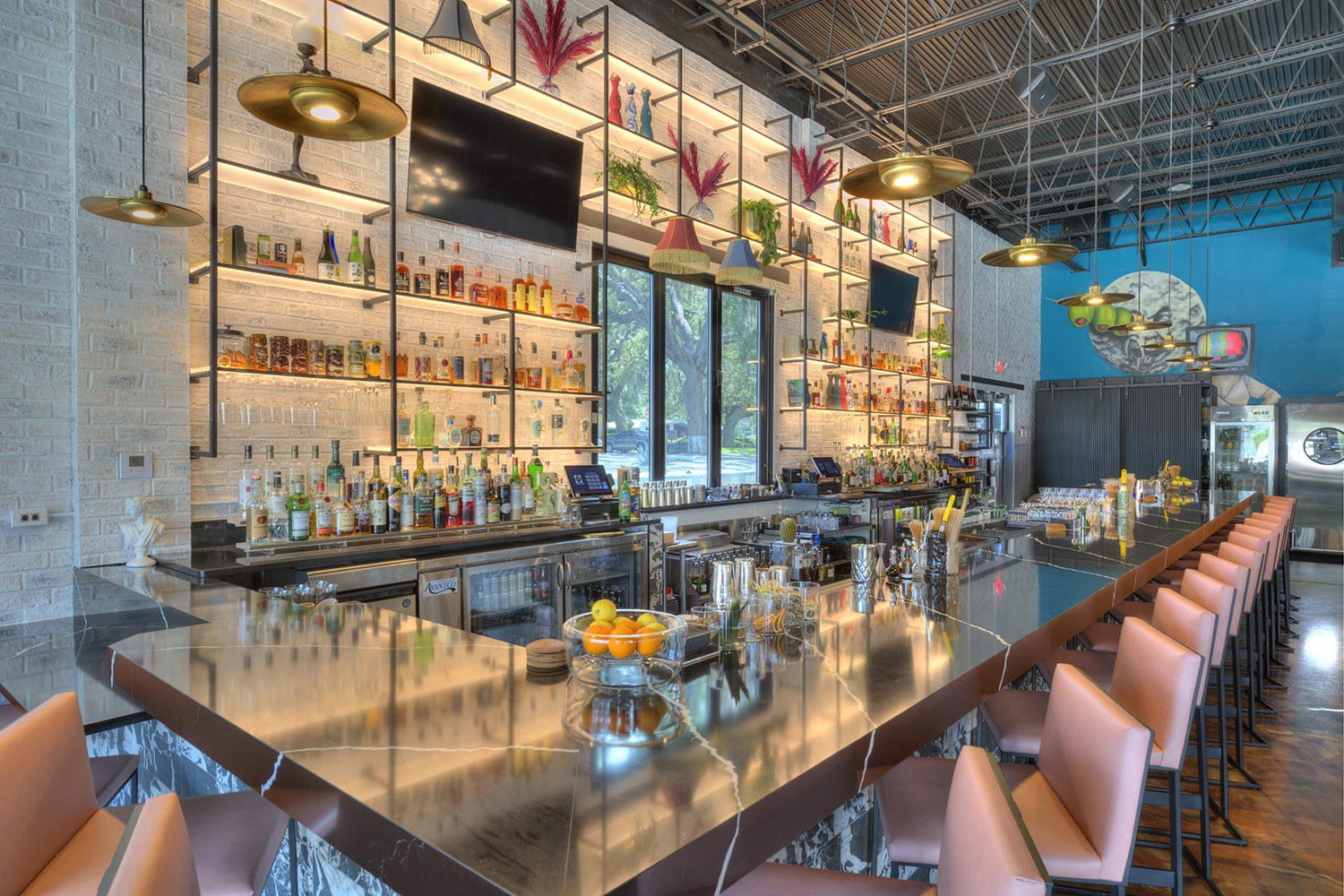






Wineries in Nara
Browse all →
At a Glance
- Historic
- Modern
- Elegant
- Sophisticated
- Well Known
- Romantic Getaway
- Anniversary
- Weekend Escape
- Business Trip
- Historic Building
- Design Destination
- Wi Fi
- Restaurant
- Spa
- Pool
- Public Bath
- Kids Club
- Free Parking
- Garden
- Street Scene
- Wi Fi
- Restaurant
- Spa
- Pool
- Public Bath
- Kids Club
- Free Parking
Quiet, refined, and historically immersive, with a striking contrast between the monumental red-brick prison architecture and modern luxury interiors.