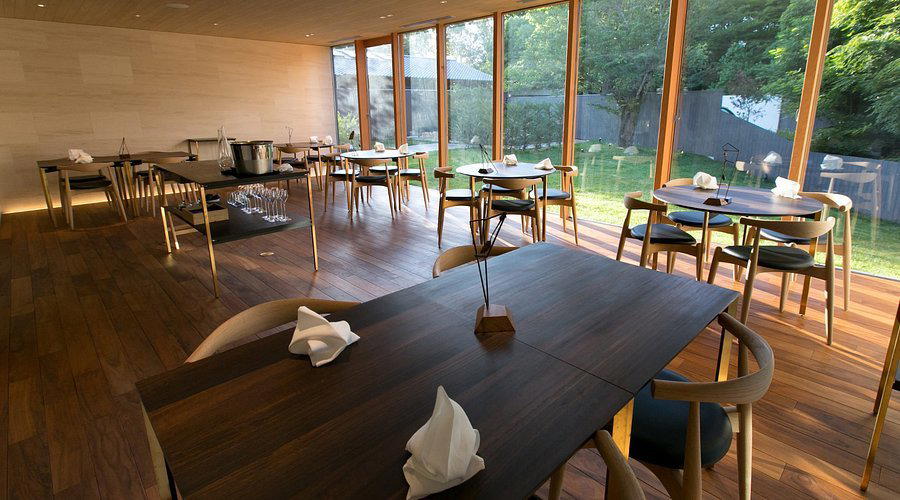
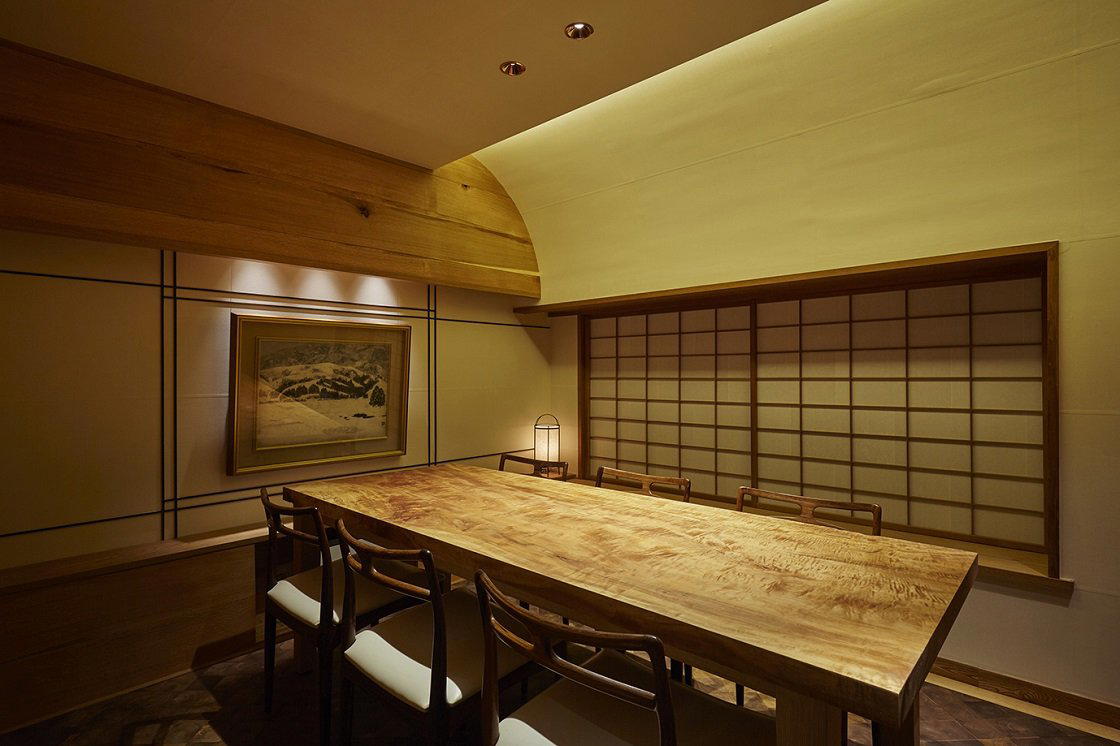
Located at 3 Nabeyacho in central Nara, 奈良 巽亭 sits within a city whose dining scene operates at a quieter register than Kyoto or Osaka but rewards careful attention. Nara's traditional restaurant culture draws on the same kaiseki lineage as its more celebrated neighbours while maintaining a local character shaped by the ancient capital's pace and its proximity to some of Japan's oldest culinary traditions.
Pearl is the En Primeur Club membership app — saves, bookings, and concierge access live there. Same editors, same standards.
- Address
- 3 Nabeyacho, Nara, 630-8264, Japan
- Phone
- +81742314276
- Website
- naranikon.com
 Saves & bookings on Pearl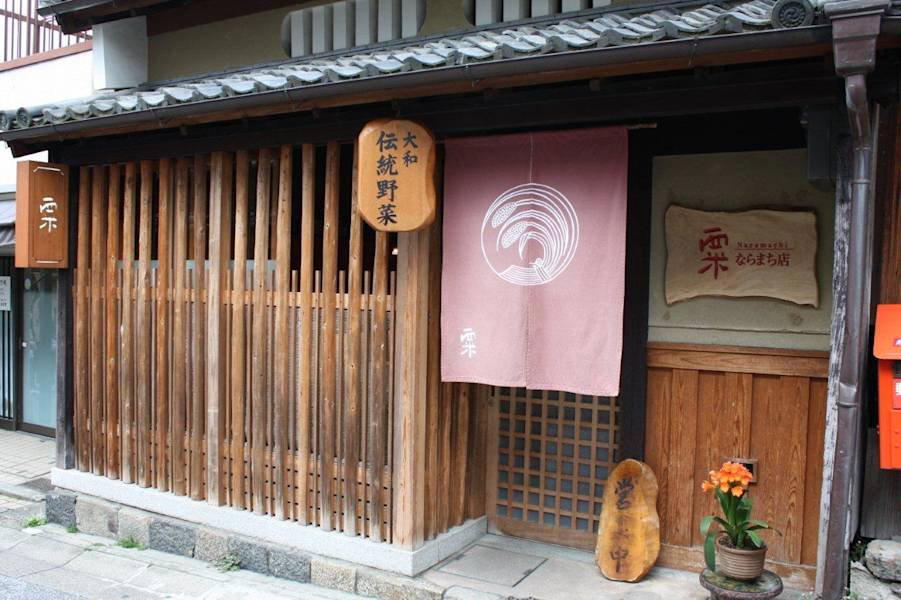
A City That Eats at Its Own Pace
Nara occupies a particular position in the itinerary of travellers moving along Japan's Kansai corridor. Most arrive for the deer park and the great Buddha at Tōdai-ji, then catch the next train to Kyoto or Osaka before dinner. That rhythm has kept Nara's restaurant scene smaller and less scrutinised than its neighbours, which is precisely why the city's serious dining rooms operate with a kind of confidence that doesn't depend on tourist footfall. The streets around Nabeyacho, where 奈良 巽亭 is addressed, are the kind of Nara that most day-trippers never reach: quieter lanes where the visual noise of souvenir shops gives way to older residential and commercial fabric.
That physical setting matters for understanding how a place like 奈良 巽亭 fits into the city's dining register. Nara has historically produced food culture shaped by its Buddhist and Shinto heritage, pickling traditions, fermented foods, austere vegetable preparations that predate the kaiseki codification later associated with Kyoto. Restaurants working in this tradition tend to foreground restraint in presentation and ingredient sourcing, letting the quality of a local product carry the argument rather than technique for its own sake.
The Atmosphere of Nabeyacho
The sensory approach to eating in this part of Nara is almost anti-theatrical. Where Kyoto's machiya dining rooms have been polished into a kind of self-conscious heritage aesthetic, places in Nara's quieter precincts tend to arrive at their atmosphere without visible effort. Natural light, the sound of the neighbourhood rather than curated background music, tableware that reads as inherited rather than designed, these are the signals of a dining room that has been operating at its own cadence for long enough not to need visual rhetoric to establish its credentials.
Nara's climate adds another layer. The city sits in a basin, giving it hotter summers and colder winters than coastal Kansai cities. Seasonal eating here is not a chef's marketing position but a practical response to an environment where the distance between summer abundance and winter austerity is genuinely felt. Early autumn, when Yoshino cedar country shifts colour and the heat breaks, is widely regarded as the period when Nara's traditional kitchens are at their most expressive, local mushrooms, mountain vegetables, and the first chestnuts from the surrounding hills arriving together in a short window that well-resourced restaurants plan their menus around months in advance.
Where 奈良 巽亭 Sits in Nara's Dining Tier
Nara's upper dining tier is smaller than Kyoto's but no less serious. The city has a coherent group of restaurants working across Japanese culinary formats, kaiseki, washoku, and various specialist traditions, that price and operate closer to Kyoto peers than to casual tourism dining. The comparison set includes Oryori Hanagaki and Tsukumo, both of which represent the kind of careful, ingredient-led Japanese cooking that defines the city's better rooms. Ajinokaze Nishimura occupies a similar register, and akordu, working in Spanish and innovative formats, has brought external critical attention to Nara's dining scene in a way that has raised the profile of the city's restaurants more broadly. NARA NIKON rounds out the contemporary Japanese tier.
Within that group, 奈良 巽亭 holds its address in Nabeyacho, a location that signals proximity to the older, less commercialised parts of the city centre. For reference points beyond Nara, the sensibility of restrained, place-rooted Japanese dining connects to what Gion Sasaki in Kyoto has long represented in its own city, or what Goh in Fukuoka demonstrates about the way regional Japanese cities sustain serious kitchens outside the Tokyo-Kyoto axis. At the farthest end of the spectrum, the precision-driven format of HAJIME in Osaka shows what the Kansai region produces when it fully commits to contemporary technique, a different register entirely, but useful context for calibrating where Nara's traditional rooms sit by comparison.
Japan's broader regional dining culture, from traditional rooms in Nanao to Sapporo's distinct northern kitchens, demonstrates how far the country's serious dining extends beyond its three main cities. Nara belongs to that pattern: a city with its own culinary logic, not a satellite of Kyoto.
Planning a Meal Here
For travellers building a Kansai itinerary, Nara's dining rooms reward a different kind of planning than Tokyo's reservation-intensive counters or Osaka's walk-in izakaya culture. The city is accessible from Kyoto in roughly 35 minutes by Kintetsu Limited Express, making an evening meal in Nara feasible without an overnight stay, though the restaurants in Nabeyacho and the surrounding lanes make a stronger case for slowing down. The address at 3 Nabeyacho is within walking distance of the central Kintetsu Nara Station area, which keeps logistics manageable.
Travellers who have spent time at technically demanding counters like Harutaka in Tokyo or the Korean-influenced precision of Atomix in New York City will find Nara's better traditional rooms operating in a different register, less performative in format, more dependent on the reader bringing their own attention to the meal. That is not a weakness. It is the point.
Further Afield: Japan's Regional Dining Context
For those building a broader picture of Japan's regional restaurant culture, properties like traditional rooms in Takashima, Nishikawa Machi, and Birdland in Sakai each demonstrate how Japanese culinary specificity plays out in cities that receive far less international coverage than Tokyo or Kyoto. Bistro Ange in Toyohashi adds another data point on how regional Japanese cities sustain serious Western-format kitchens alongside their traditional counterparts. Nara belongs to this map, a city with inherited culinary logic and a dining tier that has more coherence than its tourism profile might suggest. At 3 Nabeyacho, 奈良 巽亭 occupies a specific address in that story.
Comparable Spots
Comparable venues nearby, for context on price, style, and recognition.
| Venue | Cuisine | Price | Notes |
|---|---|---|---|
| 奈良 而今This venue — the venue you are viewing | , | ||
| kuruminoki Ichijou ten | Seasonal Japanese cafe with obanzai lunch and cakes | $$ | Nara |
| 鮨處Wasabi | Casual Japanese Wasabi Cuisine | $$ | Nara |
| Kinari Pizza | Neapolitan-style pizza truck with garden seating | $$ | Nara |
| Rokumei Coffee Nara ten | Specialty coffee & light café food | $$ | Nara |
| Patisserie Chocolaterie Emera | Classic French-style patisserie & chocolaterie | $$ | Nara |
Continue exploring