Our verdict
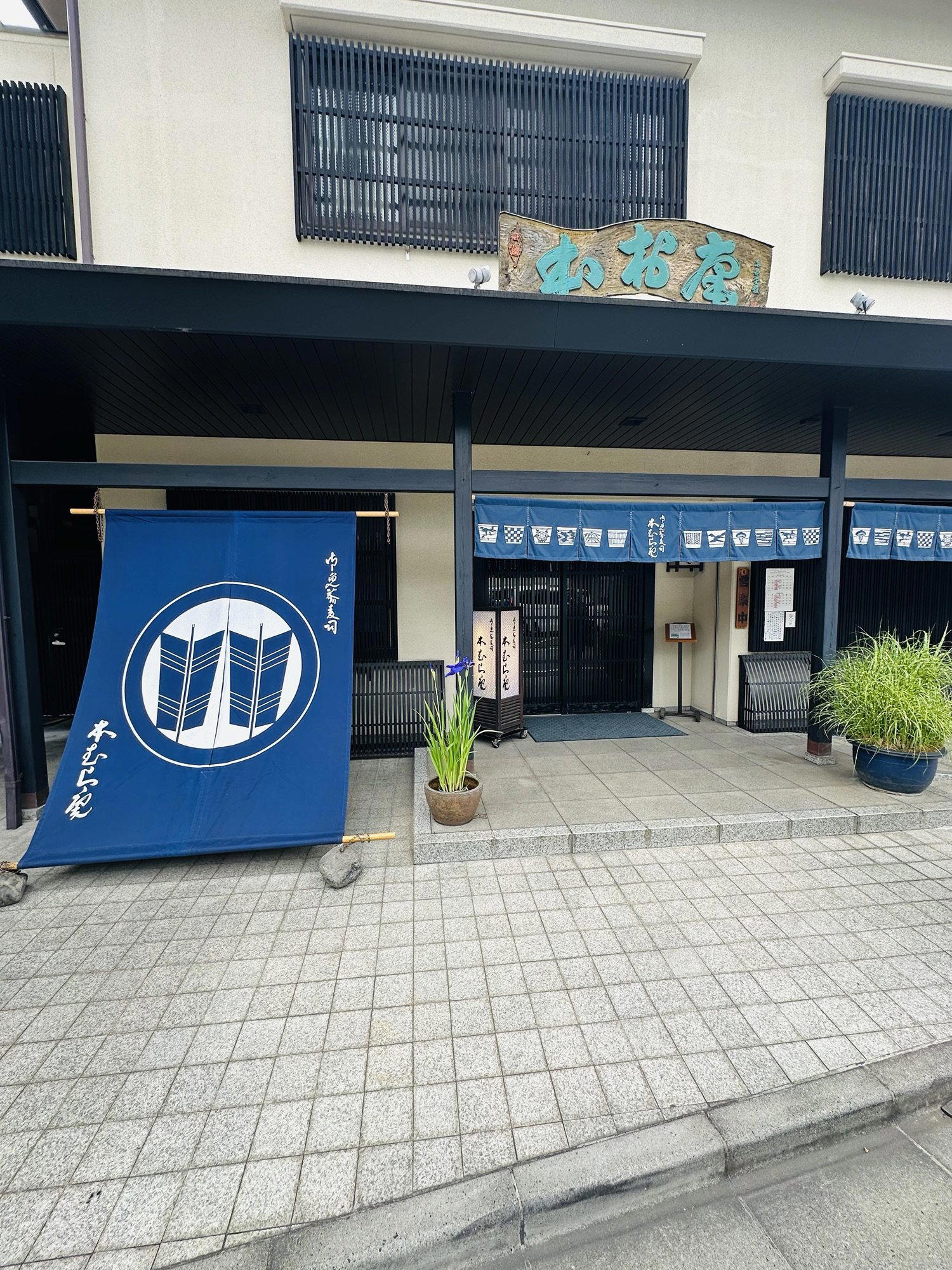
Honmura-An occupies a considered position in Roppongi's dining scene, where the craft of hand-cut soba meets the deliberate pacing of a full Japanese meal. The restaurant draws from a tradition that treats buckwheat noodles not as a side note but as the structural logic of a progression from delicate to deep. For visitors tracing Tokyo's specialist noodle culture, it represents a distinct stop.
The menu
What to order
- Cold soba
- Soba with duck
- Soba with uni
Where Soba Becomes the Architecture of a Meal
There is a particular quality to the better soba houses in Tokyo: the room tends toward restraint, the service paces itself without being prompted, and the menu reveals its logic slowly, course by course, rather than all at once. Roppongi, a district more associated with high-volume dining and late-night crowds, harbours a handful of specialist counters and traditional rooms that operate on a different register entirely. Honmura-An, at 7-chome in Minato City, belongs to this quieter internal current of the neighbourhood.
Soba, as a culinary tradition, carries more structural weight in Japan than its Western analogue of pasta. The craft sits inside a lineage that values the ratio of buckwheat to wheat flour, the temperature of the water, the cut width, and the moment of service with almost technical precision. Tokyo's soba culture, concentrated in areas like Kanda, Jimbocho, and pockets of Minato, treats the noodle as a full subject rather than a vehicle. Within that frame, a restaurant that anchors a multi-stage meal around soba is making a specific and deliberate argument about what the ingredient can carry.
The Logic of a Soba Progression
The tasting arc at a traditional Japanese soba meal moves in a recognisable sequence. Early courses typically feature lighter preparations, chilled tofu, seasonal vegetables, or carefully seasoned small dishes, that calibrate the palate before the noodle arrives. This is not merely a sequence of plates but a graduated approach to texture and temperature, allowing each stage to prepare for the next. The soba itself, when it arrives, is rarely the loudest thing on the table; it is the fulcrum the earlier courses have been building toward.
Cold seiro-style soba, the noodle served on a bamboo tray, dipped into a tsuyu of dashi, soy, and mirin, is the format that allows the buckwheat's own flavour to remain the subject. Hot preparations, by contrast, ask the broth to carry more of the conversation. The most considered soba rooms offer both registers, allowing a diner to feel the difference in the same sitting. Across Tokyo's specialist soba houses, the final ritual of sobayu, hot water used to cook the noodles, served at the meal's end to be added to the remaining tsuyu, functions as a kind of closing statement, extending the flavour through its dilution and signalling that the progression is complete.
This structural thinking about a meal places soba restaurants in an interesting position relative to Tokyo's broader fine dining scene. Where kaiseki at a restaurant like RyuGin builds its arc through dozens of precisely timed courses, and where French-influenced tasting menus at venues like L'Effervescence or Sézanne follow their own imported grammar, a soba progression operates on a more compressed and arguably more direct logic. The craft is exposed, the ingredient is singular, and there is nowhere for the kitchen to redirect attention.
Roppongi's Specialist Tier
Roppongi's dining reputation leans international and high-volume, which is exactly why its specialist rooms tend to be overlooked by visitors whose first instinct is to search the district's main corridors. The neighbourhood's proximity to embassies and corporate headquarters historically pulled it toward European-influenced dining rooms and high-end Japanese-western hybrid formats. The presence of a serious traditional soba house in this part of Minato City is, in that context, a deliberate counterweight.
Tokyo's specialist dining scene, particularly at the traditional Japanese end, has broadly bifurcated over the past decade. On one side sit the tasting-menu operations that have absorbed international influence and chase Michelin recognition, counters like Harutaka for sushi or Crony for Franco-Japanese innovation. On the other sit the category specialists: the soba masters, the tempura counters, the unagi rooms, each maintaining a more singular focus. Honmura-An's address in Roppongi places it inside this second group while operating in a district better known for the first.
Beyond Tokyo, the broader Japanese dining tradition that Honmura-An draws from finds expression across the country. The careful, ingredient-led restraint that underlies serious soba culture shares logic with the kaiseki tradition at Gion Sasaki in Kyoto, the seasonal precision at HAJIME in Osaka, or the producer-rooted approach evident at akordu in Nara. The connecting thread across these very different formats is a similar orientation: the ingredient, its origin, and its season hold more authority than the technique deployed around them.
For international reference points, the philosophical parallel runs closer to craft-focused tasting formats like Lazy Bear in San Francisco or the produce-led discipline at Le Bernardin in New York City than to most European fine dining, not in cuisine but in the sense that the primary material is taken seriously enough to structure everything around it. The additional comparison venues across Japan, including Goh in Fukuoka, Abon in Ashiya, affetto akita in Akita, Aji Arai in Oita, Ajidocoro in Yubari District, and Akakichi in Imabari, each illustrate how Japan's regional dining scene holds serious depth well beyond its two or three headline cities.
Planning a Visit
Honmura-An is located at 7 Chome-14-18 Roppongi in Minato City, reachable via the Hibiya or Oedo lines at Roppongi Station. As with most serious specialist rooms in Tokyo, confirming current hours and reservation availability directly or through a hotel concierge is the reliable approach; the restaurant does not publish a public website from which booking terms can be confirmed. Visitors should approach this category of Tokyo dining expecting to plan ahead, particularly if dining during peak travel periods in spring (cherry blossom season, late March to early April) or autumn (late October to mid-November), when the city's restaurant rooms fill at a different pace than the off-season. For a broader orientation to Tokyo's dining options across categories and price points, the EP Club Tokyo restaurants guide maps the city's full range, from counter sushi to French tasting menus. A companion stop in Sapporo at aki nagao rounds out a Japan itinerary with a northern counterpoint to Tokyo's density.
Frequently asked questions
Where exactly is Honmura-An?
Honmura-An is located at 7 Chome-14-18 Roppongi, Minato City, Tokyo 106-0032, Japan, Tokyo.
How does Honmura-An differ from Tokyo's more internationally known soba restaurants?
Honmura-An operates in Roppongi's Minato City, a district better known for high-volume international dining than traditional Japanese specialist rooms, which is precisely why it occupies a distinct position within the neighbourhood. Where many soba houses cluster in areas like Kanda or Yotsuya, Honmura-An has maintained its specialist format in a less expected setting. That separation from the city's main soba corridor means it draws a more mixed clientele without losing the format's traditional structure.
What's the signature dish at Honmura-An?
Honmura-An's reputation centres on hand-cut soba rather than a single dish. In the Tokyo specialist tradition, the noodle itself is the point: its texture, buckwheat ratio, and the temperature at which it arrives. Diners typically move through a progression of preparations rather than ordering around a headline item.
Should I book Honmura-An in advance?
For a traditional specialist room in Roppongi, a district that runs at high volume across lunch and dinner, booking ahead is the practical baseline. Tokyo's serious soba houses draw a loyal local clientele alongside visitors, which means walk-in availability is unreliable. Reservations are the standard approach, not a precaution reserved for busy periods.
Recognition Snapshot
| Venue | Cuisine | Price | Awards | Notes |
|---|---|---|---|---|
| Honmura-AnThis venue (the venue you are viewing) | Handmade Soba Noodles | Not listed | Not listed | Not listed |
| Harutaka | Edo-Style Omakase Sushi | $200–300 | 3 Michelin Stars · World's 50 Best #76 | Sushi |
| L'Effervescence | Modern French with Japanese Influences | $200–300 | 3 Michelin Stars · World's 50 Best #69 | French |
| RyuGin | Modern Kaiseki | $500+ | 3 Michelin Stars · World's 50 Best #41 | Kaiseki, Japanese |
| Crony | Modern French with Japanese Influences | $150–200 | 2 Michelin Stars · World's 50 Best #34 | Innovative, French |
| Den | Modern Japanese Kaiseki | $150–200 | 2 Michelin Stars · World's 50 Best #51 | Innovative, Japanese |
Continue exploring
More in Tokyo
Restaurants in Tokyo
All restaurants in Tokyo →

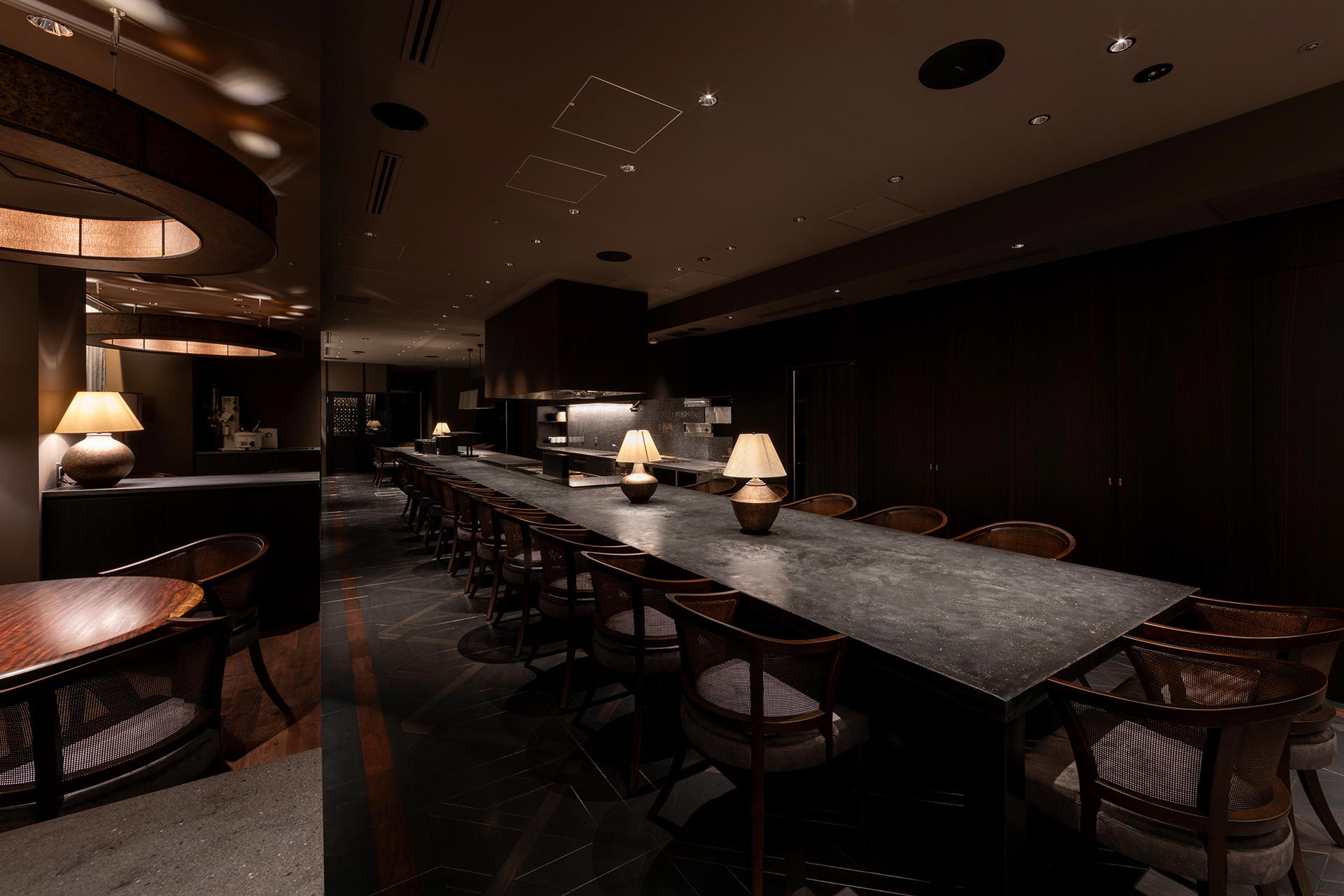
Bars in Tokyo
All bars in Tokyo →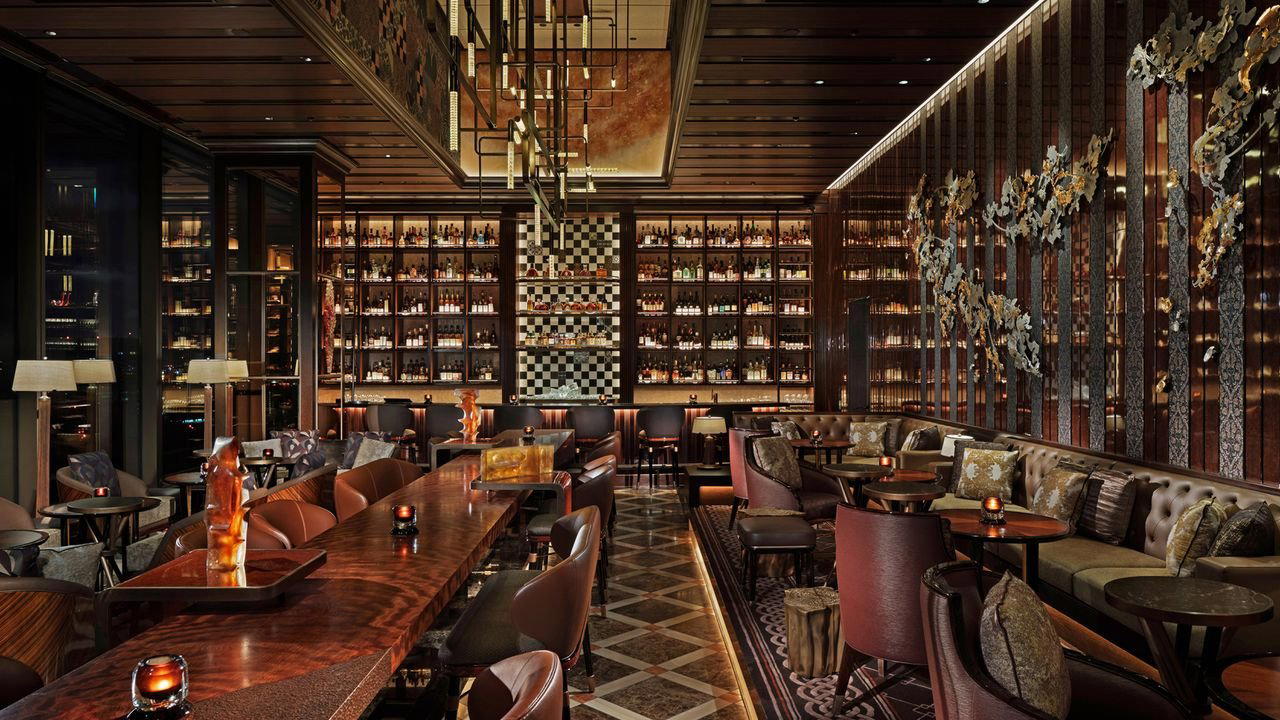





Details
- Elegant
- Quiet
- Cozy
- Classic
- Solo
- Date Night
- Special Occasion
- Open Kitchen
- Garden
- Sake Program
- Garden
- A La Carte
- Sake
- Shochu
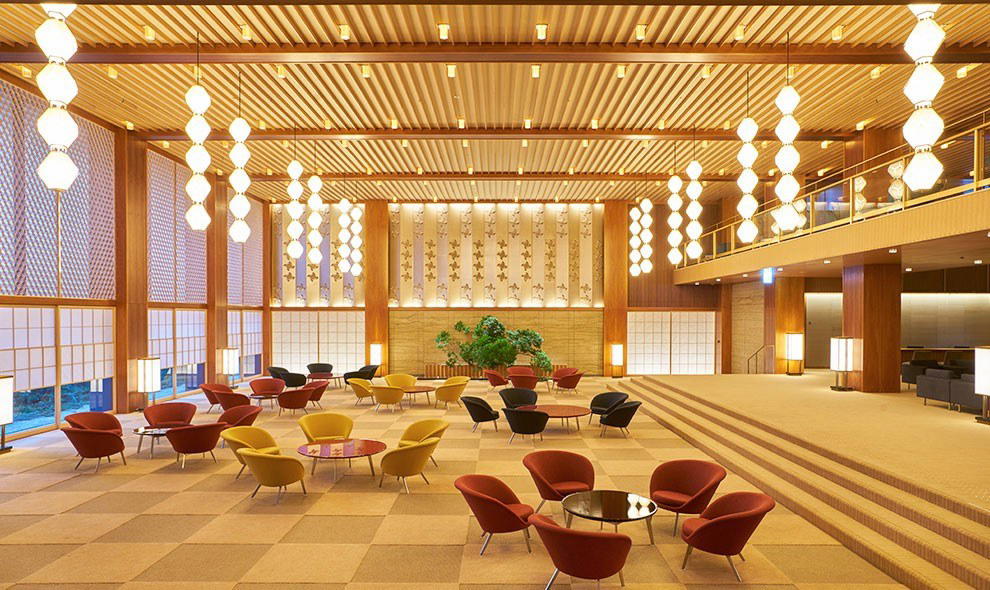
Serene and refined with natural light, simple modern decor featuring washi paper elements, warm wooden furniture, and views of a tranquil Japanese garden.