
Yakitori Katou belongs to Tokyo’s serious counter-yakitori tier: charcoal, regional jidori, and a drinks program that treats wine and sake as part of the meal rather than an afterthought. Its Tabelog Yakitori EAST 100 selections in 2024 and 2025 place it among the city’s recognized specialists, with a compact counter format that suits diners who care about grill discipline over spectacle.
Pearl is the En Primeur Club membership app — saves, bookings, and concierge access live there. Same editors, same standards.
- Address
- Japan, 〒108-0073 Tokyo, Minato City, Mita, 3 Chome−3−2 三田豊田ビル 2階
- Phone
- +81 3-6722-0977
- Website
- yakitorikato-japan.com
 Saves & bookings on Pearl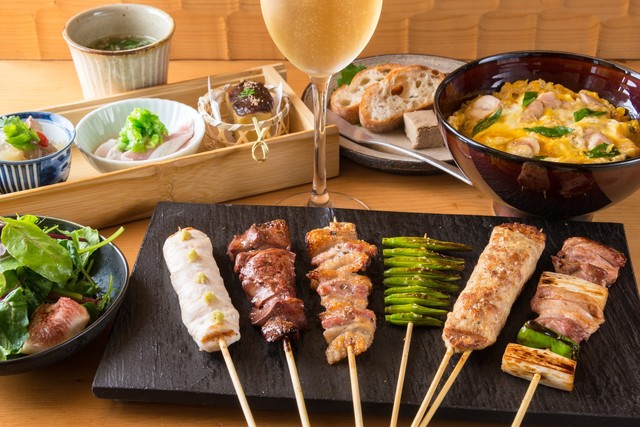
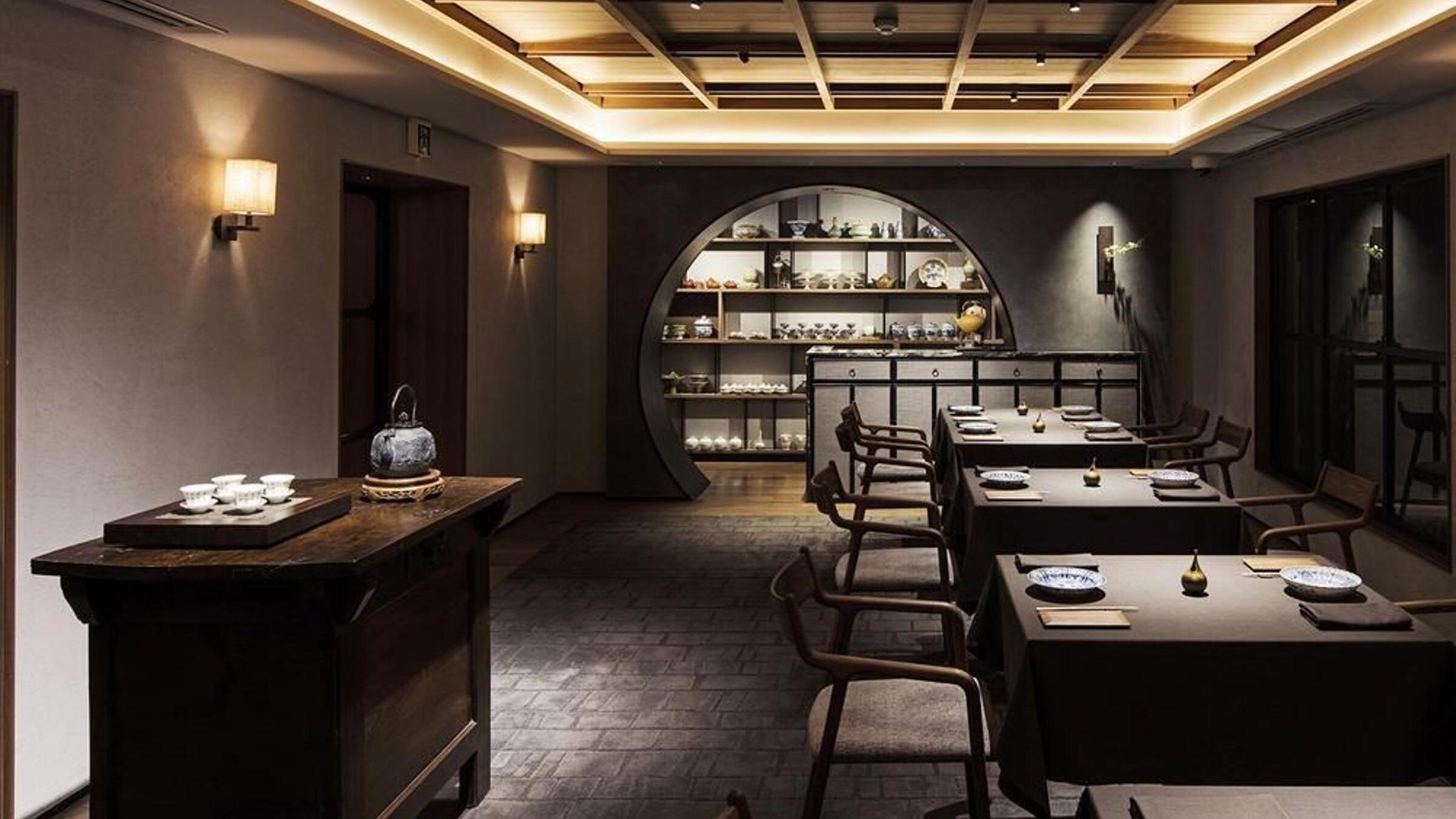
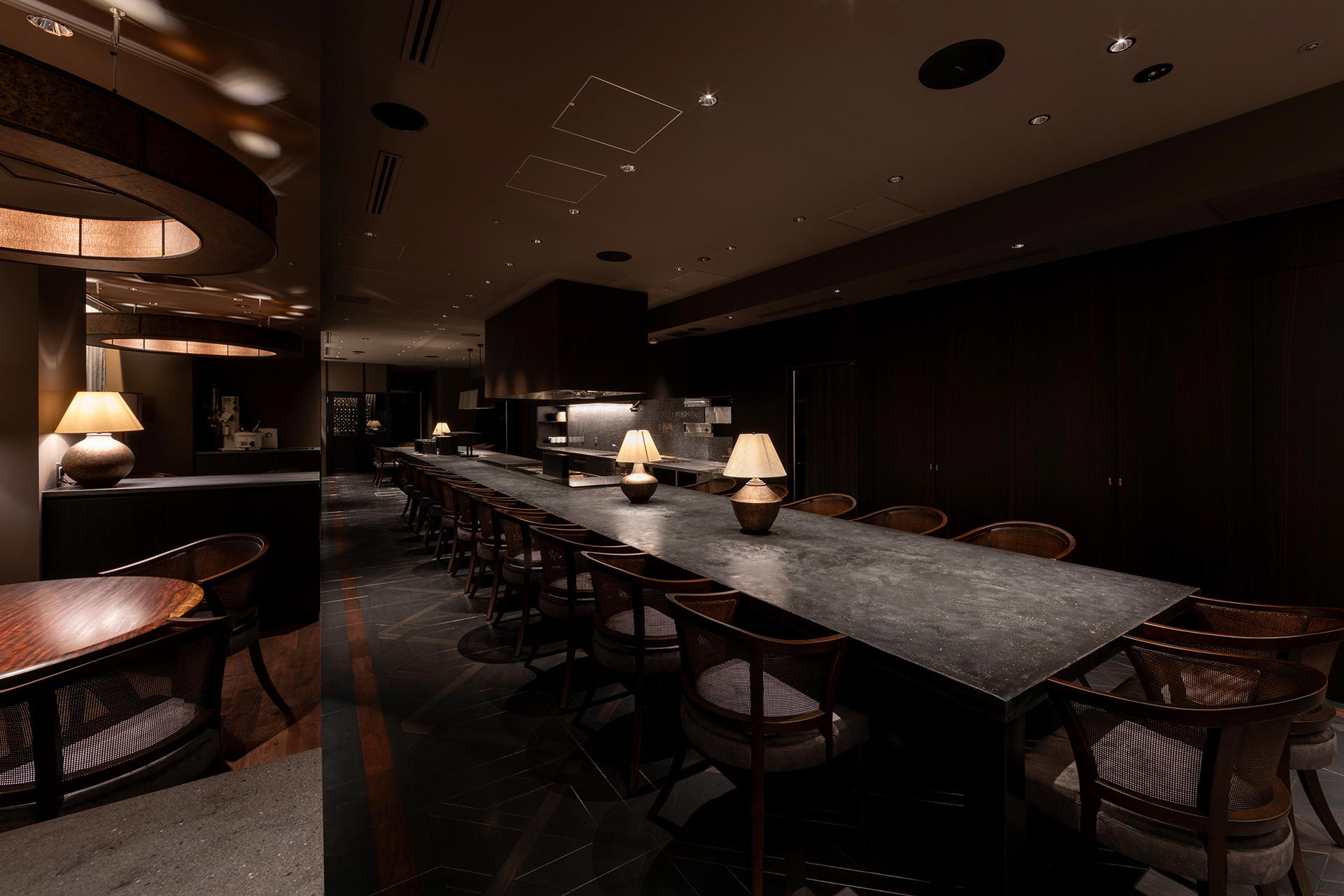
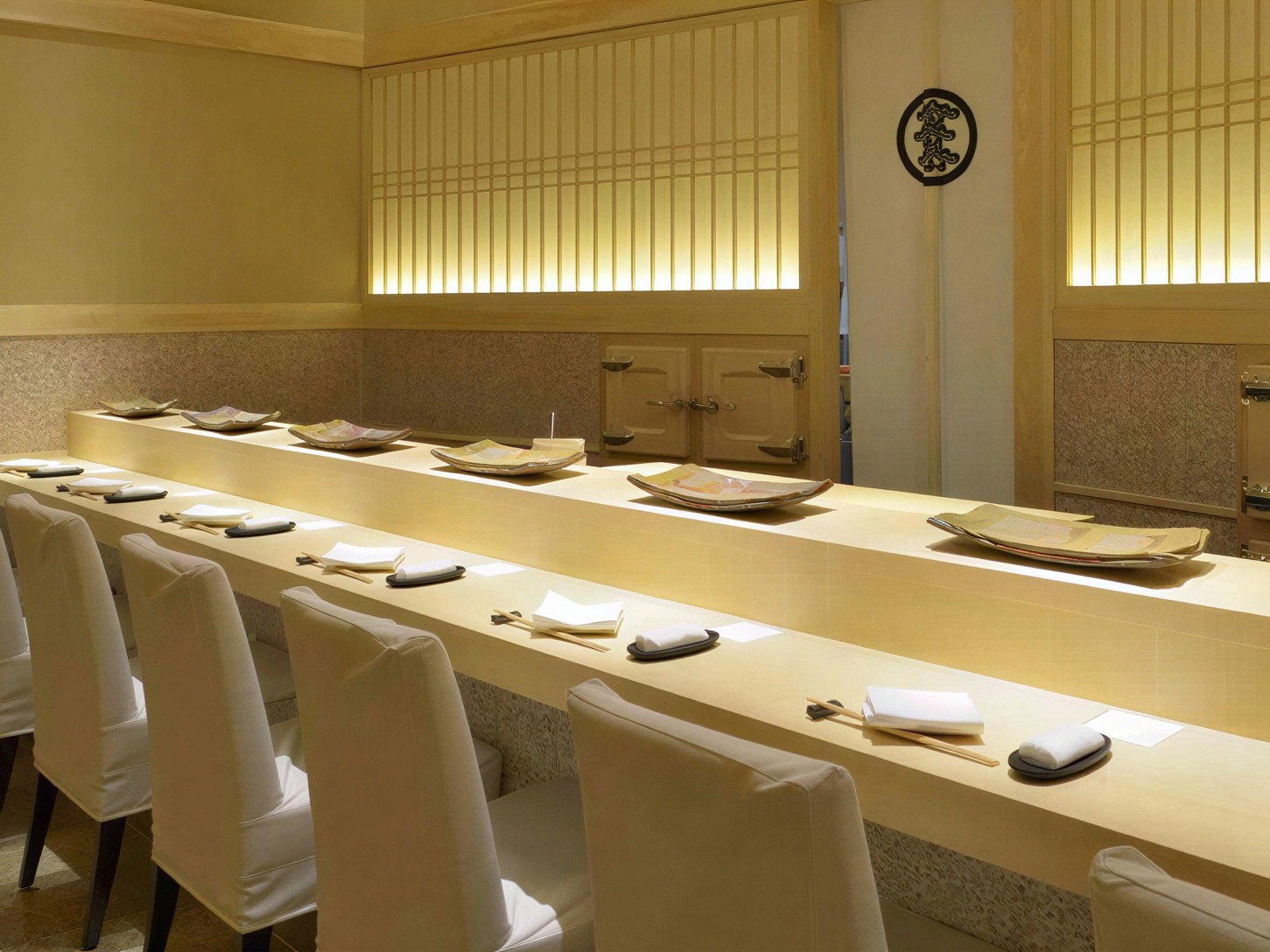
The room is built around the counter, the essential stage for Tokyo yakitori. Here, the grill is not background equipment; it controls pace, portioning, and the conversation between cook and diner. Smoke, heat, and timing matter more than decoration, and the leading counters make small differences visible: skewer order, fat handling, pauses between pieces, and the choice to pour sake or Burgundy with chicken rather than defaulting to beer.
Tokyo yakitori now runs in clear lanes: quick-drinking neighborhood shops, high-energy salaryman rooms, reservation-heavy tasting counters, and wine-conscious specialists priced closer to sushi or tempura than casual skewers. Yakitori Katou sits in the last bracket. Its listed dinner range of JPY 10,000 to JPY 14,999 is well above everyday yakitori but below Tokyo’s most expensive counter formats. In that middle-high tier, grill technique, sourcing, and beverage pairing must carry the argument.
Regional jidori, binchotan heat, and a wine-bar reading of yakitori
The central idea is Japanese chicken treated with the seriousness usually reserved for sushi neta or wagyu. The kitchen uses regional birds including Toyo no Shamo, Yamagata Jidori, Matsukaze Jidori, and Kuro Satsuma Chicken, grilled over Kishu binchotan charcoal. Jidori brings breed and provenance into the meal; binchotan gives the cook hot, steady fuel that can sear, render, and preserve moisture without turning every skewer into smoke theater.
The assigned comparison helps clarify the category. Tokyo has countless narrow specialists, but price and format separate casual concentration from destination seriousness. Ramen Jiro Mita honten operates in the sub-JPY 999 range, built on volume, speed, and appetite. Zero One Curry A.o.D. works in a lower tier, with curry as the organizing grammar rather than counter-by-counter grill control. Sushi Mikata belongs to another Japanese counter tradition, where rice temperature, fish handling, and pacing define value. Against those references, premium yakitori rests on live-fire precision and multiple chicken breeds, not luxury ingredients alone.
Beverage identity pushes the room into a contemporary Tokyo category. Yakitori has long suited beer, shochu, and sake; adding a wine-bar register changes how diners read char, fat, and salt. A Burgundy-led wine list, shochu, and sake from across Japan point to pairing rather than simple refreshment. That global technique-local product tension is increasingly visible in Tokyo: imported wine language, Japanese charcoal, regional poultry, and a deeply local counter rhythm.
Why Tabelog recognition matters in this category
For yakitori, guidebook recognition can be uneven, while local ranking culture carries weight. Selection for Tabelog Yakitori EAST 100 in both 2024 and 2025 is meaningful because the category is crowded and regionally competitive. It does not make the restaurant a Michelin-style luxury trophy; it places the counter among eastern Japan yakitori specialists serious local diners use for sorting decisions.
The Tabelog score of 3.71 should be read in Japanese rating culture. Scores above the mid-threes are not casual praise there; they usually indicate sustained approval in a precise, heavily trafficked market. The listed 14 counter seats sharpen the format. Small counters reduce anonymity and expose technique, leaving less room to hide behind design, a sprawling menu, or theatrical service.
That intimacy is why premium yakitori rewards diners who understand sequence. The pleasure is not one named dish or trophy skewer, but the accumulation of doneness levels, cuts, vegetable interludes, seasoning choices, and drink decisions. In Tokyo, this style sits closer to omakase thinking than to a pub crawl, even when the ingredients remain humble by fine-dining standards. Foreign shorthand for Japanese dining often jumps to sushi; yakitori counters like this show why chicken, charcoal, and sake can support an equally disciplined evening.
Mita gives the counter a different rhythm from Ginza or Shinjuku
Mita and Tamachi bring quieter Tokyo energy than the restaurant corridors of Ginza, Ebisu, or Shinjuku. Offices, universities, embassies, old commercial blocks, and transport links give dinner a local cadence. A serious counter here does not need nightlife-district neon; it can be a focused stop for diners who already know what they want from yakitori.
That matters for travelers planning meals across the city. Shinjuku can turn dinner into a district-wide event; Ginza often frames the evening through prestige; Mita is more discreet and practical. For an itinerary, this address works when the meal itself is the point rather than the surrounding bar crawl. Diners comparing formats can place it beside 124. KAGURAZAKA (Yakitori), or broaden the search through Our full Tokyo restaurants guide.
The broader context matters because Tokyo dining is not one hierarchy. A curry specialist, ramen institution, sushi counter, and yakitori room can all be serious without competing on the same terms. For nearby or category contrast, EP Club also tracks . 鮪と炭火焼き うお炭 秋葉原店, 12/10 Shinjuku ten, 2D Cafe, and 3 Chome no Curry Ya San. The point is not ranking them, but understanding how specific Tokyo can be when a room commits to a narrow form.
For wider trip planning, pair restaurant research with Our full Tokyo hotels guide, Our full Tokyo bars guide, Our full Tokyo wineries guide, and Our full Tokyo experiences guide. Regional comparisons also help: -Grilled beef Sukiyaki- KAMAKURA TANUKIAN 鎌倉 たぬき庵 in Kamakura.cafe in Osaka.know in Kumamoto, (Shoku) Vietnam in Kawasaki, [Curry Senmon Ten] Maruyama Kyoju. in Sapporo, [ki:] in Kyoto, Jōdo Saké Bar in Los Angeles, and Onigiri Time in Pasadena show how Japanese dining ideas travel, tighten, or loosen by city and audience.
The editorial read is clear: this is a counter for diners interested in yakitori as craft, not a casual prelude. The evidence is concrete: regional jidori, Kishu binchotan, a 14-seat counter, a wine-and-sake program, and repeat Tabelog Yakitori EAST 100 selection. In Tokyo, that places Yakitori Katou in the modern specialist lane, where local ingredients meet global drinking habits without losing the directness of skewers over charcoal.
Style and Standing
Comparable venues side-by-side for orientation.
| Venue | Cuisine | Price | Notes |
|---|---|---|---|
| Yakitori KatouThis venue — the venue you are viewing | Traditional Yakitori Counter | $$$ | Not listed |
| Iruka Tokyo Roppongi | Modern Ramen | $$$ | Roppongi |
| Arakawa (Kyoto) | Traditional Kyoto yakiniku (Japanese BBQ) | $$$ | Nakagyo Ward / Kawaramachi |
| 麻布 幸村 | Traditional Japanese Kaiseki | $$$ | Minato |
| Sushi Sagawa | Traditional Edomae Sushi | $$$ | Minato |
| Tempura Ginza Tentei | Traditional Ginza Tempura Counter | $$$ | Chūō |
Recognition history
Dated appearances from independent guides and award organizations, with the underlying list record or original source where available.
Tabelog 100 #82 · No. 82
Tabelog · Tabelog 100 - Yakitori - EAST - 2025










At a Glance
- Cozy
- Intimate
- Classic
- Date Night
- After Work
- Solo
- Special Occasion
- Chefs Counter
- Standalone
- Sake Program
- Local Sourcing
Current opening hours
- Monday
- Closed
- Tuesday
- 6–10 PM
- Wednesday
- 6–10 PM
- Thursday
- 6–10 PM
- Friday
- 6–10 PM
- Saturday
- 6–10 PM
- Sunday
- Closed
Hours can change for holidays and private events. Last verified .
A small counter-only yakitori house with a warm, traditional feel where guests sit close to the grill, watching skewers cooked over glowing binchotan; the mood is relaxed and intimate rather than loud or rowdy, making it feel like a classic neighborhood low-profile address.