Our verdict
Hatsune sits in Beijing's Chaoyang district at a point where the city's appetite for Japanese cuisine has grown sophisticated enough to demand sourcing precision alongside technique. The restaurant draws on ingredient provenance as its primary editorial argument, placing it within a Chaoyang dining tier that increasingly benchmarks against the regional heavyweights reshaping how Beijing eats.

Pearl is the En Primeur Club membership app, where members save venues, book tables and use the concierge.
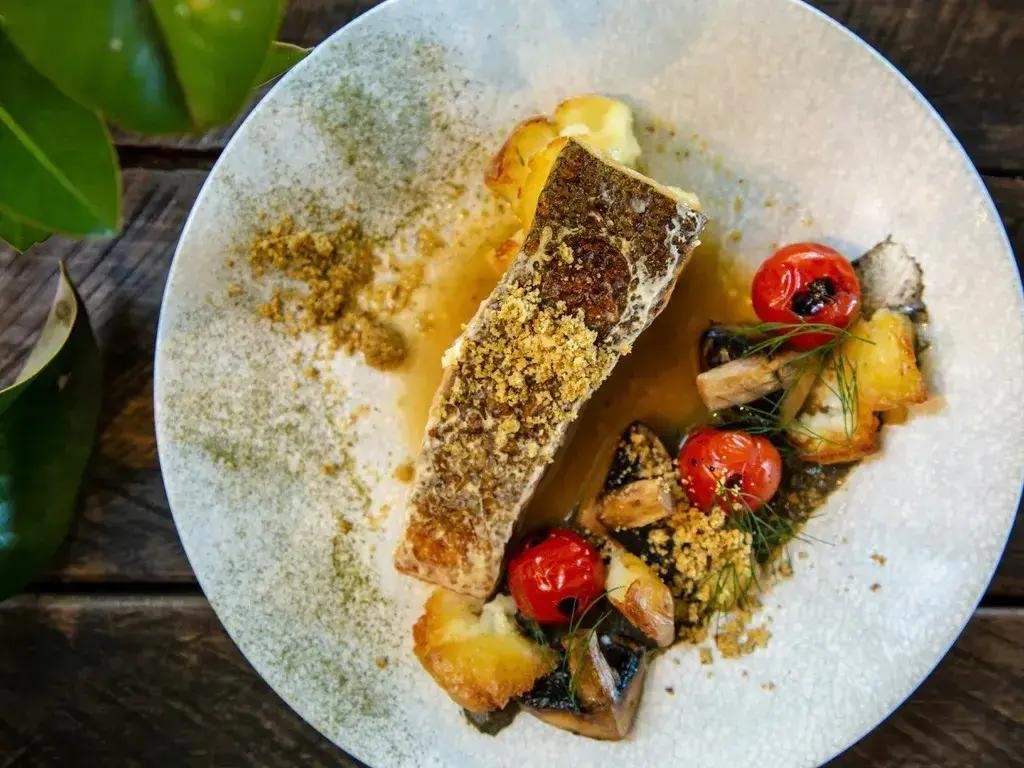
The menu
What to order
- Moto Roll
- 119 Roll
- Chu Toro Nigiri
Where Chaoyang's Japanese Dining Conversation Is Happening
Beijing's Chaoyang district has spent the better part of two decades absorbing international dining formats and then refining its expectations of them. Japanese cuisine followed a familiar arc: early wave restaurants competed on novelty, a consolidation phase sorted the credible from the casual, and a sharper cohort emerged that now benchmarks on sourcing standards rather than simply on Japanese-speaking staff or imported packaging. Hatsune occupies a position inside that sharper cohort, operating in a neighbourhood where diners cross-reference their Japanese meals against what they ate in Tokyo last quarter.
The comparison set in Chaoyang has grown demanding. Across the district, the premium end of the market now includes operators running ¥¥¥¥ pricing across categories as different as Taizhou seafood at Xin Rong Ji (Xinyuan South Road) and Chao Zhou at Chao Shang Chao, alongside plant-forward formats at Lamdre and traditional Beijing cuisine at Jingji. That competitive density pushes every serious operator in the area toward specificity: you need a clear argument for why your version of a given cuisine belongs at the table, and sourcing provenance has become one of the most legible ways to make that argument.
The Sourcing Argument in Practice
The editorial angle that matters most when reading any serious Japanese restaurant operating outside Japan is ingredient provenance. The gap between sourcing rhetoric and sourcing reality is wide in Beijing, as it is in any major city where Japanese cuisine has expanded faster than the logistics infrastructure supporting it. The restaurants that hold up over time are those with established supply lines for the ingredients that actually define quality: the fatty acid profiles of tuna vary by fishing ground and handling method; sea urchin flavour intensity is almost entirely a function of diet and water temperature at source; the texture of wagyu changes meaningfully across prefectures. Claiming Japanese quality without naming the supply chain behind it is a baseline marketing move that informed Chaoyang diners have largely learned to discount.
Broader pattern across China's tier-one cities is that Japanese restaurants with longevity tend to have either a parent operation in Japan that anchors the supply chain or a documented procurement relationship with a specific Japanese supplier or regional market. Shanghai's more established Japanese dining tier, including operators like 102 House, illustrates what sustained investment in sourcing consistency looks like at scale. Beijing has been slower to develop that kind of infrastructure depth, which makes the restaurants that have managed it more notable by contrast.
Chaoyang's Position in Beijing's Wider Dining Structure
Understanding where Hatsune sits requires a brief mapping of how Beijing's restaurant geography actually works. The city does not have a single dense fine-dining core the way Paris or Tokyo does. Premium restaurants distribute across districts: the hutong areas carry traditional Chinese formats with heritage credentials, while Chaoyang absorbs the international and contemporary Chinese operators who need larger footprints and proximity to the diplomatic and business communities that make up a significant share of high-spend covers. King's Joy, the vegetarian and Chinese format that draws serious attention from both local and visiting diners, operates in a different district entirely, which illustrates how fragmented the premium tier remains geographically.
For a broader orientation to how Beijing's restaurant scene is structured across cuisine types and price tiers, the full Beijing restaurants guide maps the relevant operators across the city. Chaoyang's advantage for Japanese dining specifically is the concentration of target diners: the international business community, returning expatriates, and Chinese professionals with direct Tokyo and Osaka experience who form the core audience for any operator trying to run a credible Japanese programme at premium pricing.
How This Fits the Wider Regional Picture
Beijing's premium dining development is not happening in isolation. Across mainland China, a pattern has emerged where second and third-wave fine dining consolidation produces a smaller, more defensible cohort of operators who compete less on concept novelty and more on execution consistency. Xin Rong Ji in Chengdu and Ru Yuan in Hangzhou represent that pattern in Chinese cuisine formats, while Imperial Treasure Fine Chinese Cuisine in Guangzhou and Dai Yuet Heen in Nanjing show how Cantonese and regional Chinese formats are staking positions in cities outside their home base. Dingshan·Jiangyan in Suzhou, Fleurs Et Festin in Xiamen, and Jiangnan Wok·Rong in Fuzhou round out the picture of how premium dining is dispersing across China's coastal cities rather than concentrating in one or two centres.
Macau's Chef Tam's Seasons and Shang Palace in Yangzhou operate in different market contexts, but they share a common challenge with any premium operator in Greater China: sustaining ingredient quality at a price point where the margin pressure is real and the diner sophistication is high. The restaurants that clear that bar tend to do so through supply chain discipline rather than through concept differentiation alone. For comparison, internationally recognised operators like Le Bernardin in New York City and Atomix in New York City demonstrate what sourcing-led narrative looks like when it is fully integrated into a restaurant's identity over decades, providing a useful reference point for the standard Beijing's premium tier is increasingly measured against.
Planning Your Visit
Hatsune is located in Chaoyang, Beijing's primary district for international dining. Given the density of premium options in the area and the expectation levels of the core Chaoyang diner, reservations rather than walk-in timing will generally produce a more considered experience, though the specific booking format and lead times are best confirmed directly with the venue. For visitors working through a broader Beijing itinerary, Chaoyang's concentration of premium restaurants makes it logical to cluster meals in the district rather than distributing across the city's geography.
Frequently asked questions
How do I find Hatsune?
Hatsune is located at Chaoyang, China, 100026, Beijing.
How does Hatsune fit into Beijing's Japanese restaurant scene compared to other Chaoyang options?
Chaoyang is Beijing's primary district for international dining, and its Japanese tier has developed over two decades into one of the more discerning markets for the format on the Chinese mainland. Hatsune operates within this context, where the credible operators are separated primarily by sourcing consistency and technique, not by décor or positioning. For visitors mapping Beijing's Japanese dining options, Chaoyang remains the logical starting point, and Hatsune is part of the conversation happening there.
What should I eat at Hatsune?
At a Japanese restaurant operating in Chaoyang, the most useful frame is sourcing: dishes that showcase direct Japanese provenance tend to reveal the kitchen's actual commitment level. Hatsune sits within a Chaoyang dining tier where ingredient origin has become the primary differentiator among credible Japanese operators. Ask the floor staff which items are sourced from Japan that week, as seasonal import cycles shape what the kitchen can execute at its highest level.
Do they take walk-ins at Hatsune?
Walk-in availability across Chaoyang's Japanese restaurants shifts significantly by day of week, with weekday lunch slots carrying the most realistic chances. Beijing's international business dining culture concentrates demand on weekday evenings and weekend services, meaning those windows at serious Japanese operators tend to fill in advance. Contacting Hatsune directly before arriving is the practical approach, particularly during peak business travel seasons in the Chaoyang district.
A Quick Peer Check
Comparable venues nearby, for context on price, style, and recognition.
| Venue | Cuisine | Price | Awards | Notes |
|---|---|---|---|---|
| HatsuneThis venue (the venue you are viewing) | California-style Japanese Fusion Sushi | $20–30 | Not listed | Not listed |
| Jing.YUZU | Modern Japanese Izakaya with Yuzu Focus | $30–50 | Black Pearl 1 Diamond | Not listed |
| Sushi Ryu | Modern Japanese Omakase | Not listed | Black Pearl 1 Diamond | Dongshenglu |
| Baowu | Fine Japanese Sushi | $50–100 | Not listed | Gongrentiyuchang |
| 1949-å ¨é¸å£ | Handmade Noodles | Not listed | Not listed | Chaoyangmen |
| Beijing Kitchen | High-end Cantonese | $50–100 | 1 Michelin Star · La Liste Top Restaurants | Balizhuang |
Continue exploring
More in Beijing
Restaurants in Beijing
All restaurants in Beijing →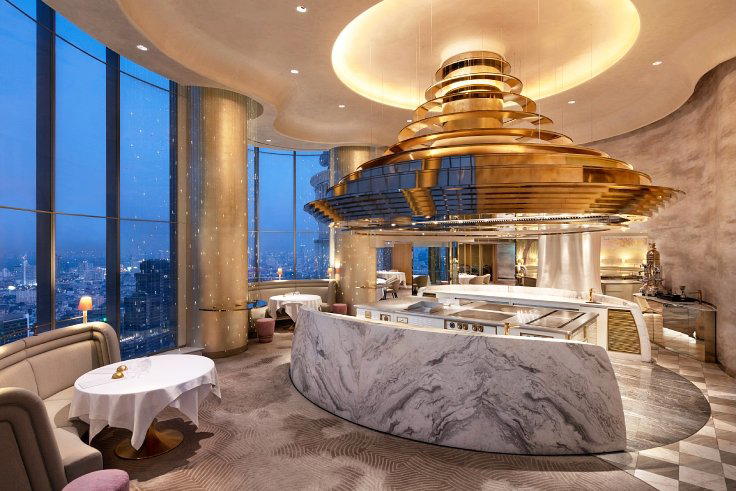
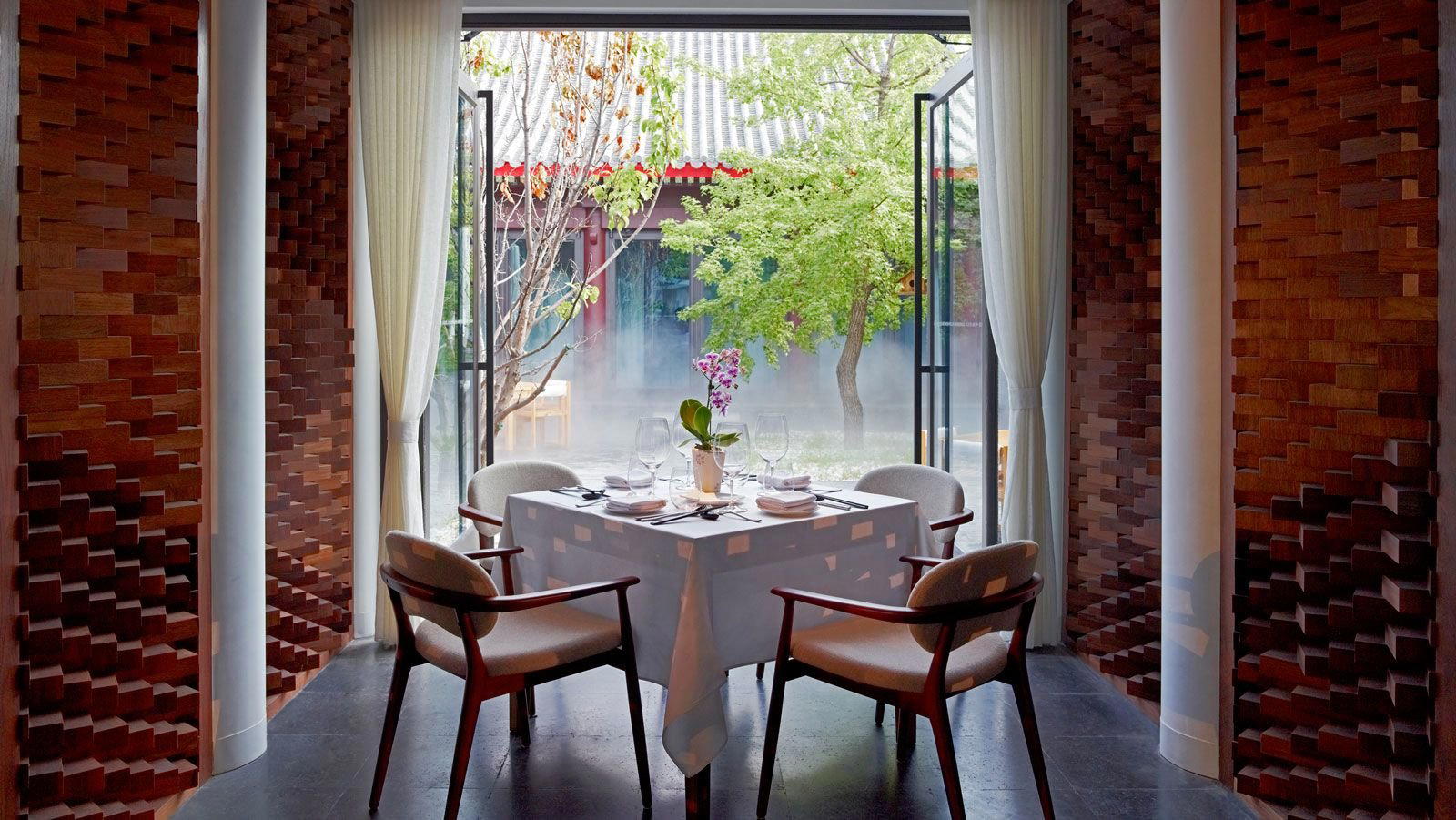
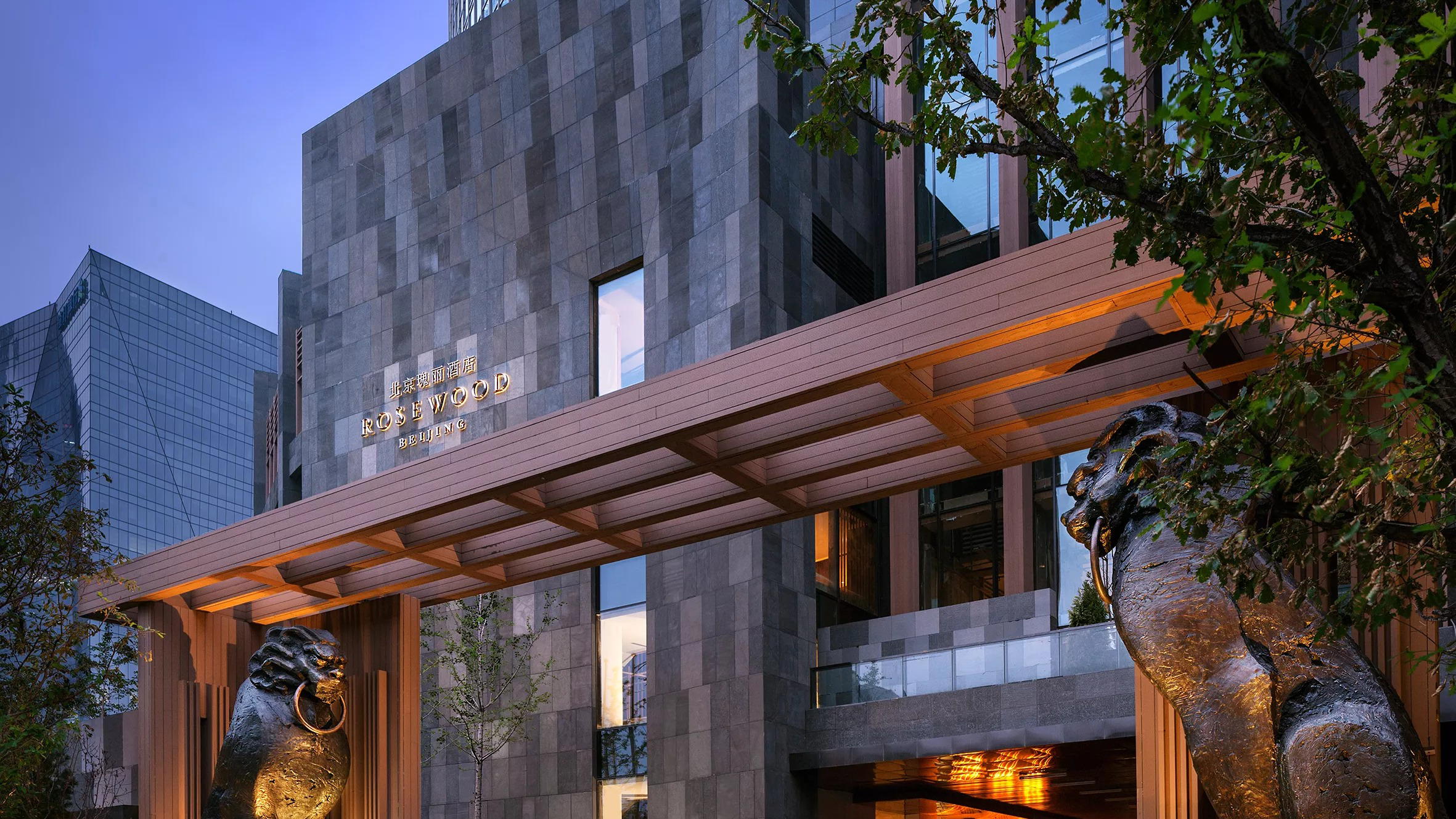
Bars in Beijing
All bars in Beijing →


Details
- Elegant
- Modern
- Trendy
- Date Night
- Group Dining
- Business Dinner
- Open Kitchen
- Sake Program
- A La Carte
- Small Plates
- Sake
- Vegetarian Friendly
Current opening hours
- Monday
- 10 AM–10 PM
- Tuesday
- 10 AM–10 PM
- Wednesday
- 10 AM–10 PM
- Thursday
- 10 AM–10 PM
- Friday
- 10 AM–10 PM
- Saturday
- 10 AM–10 PM
- Sunday
- 10 AM–10 PM
Hours can change for holidays and private events. Hours as of .
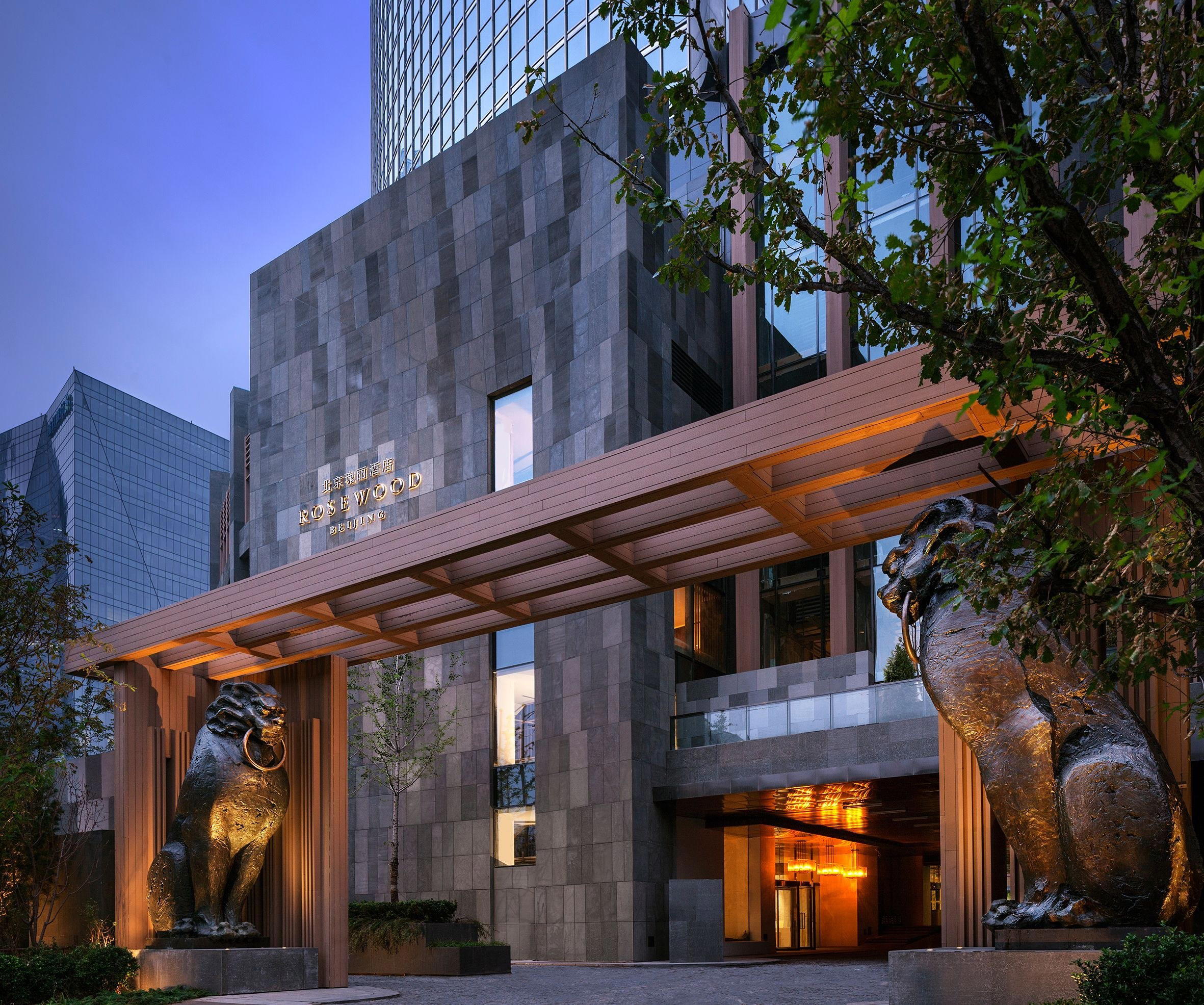
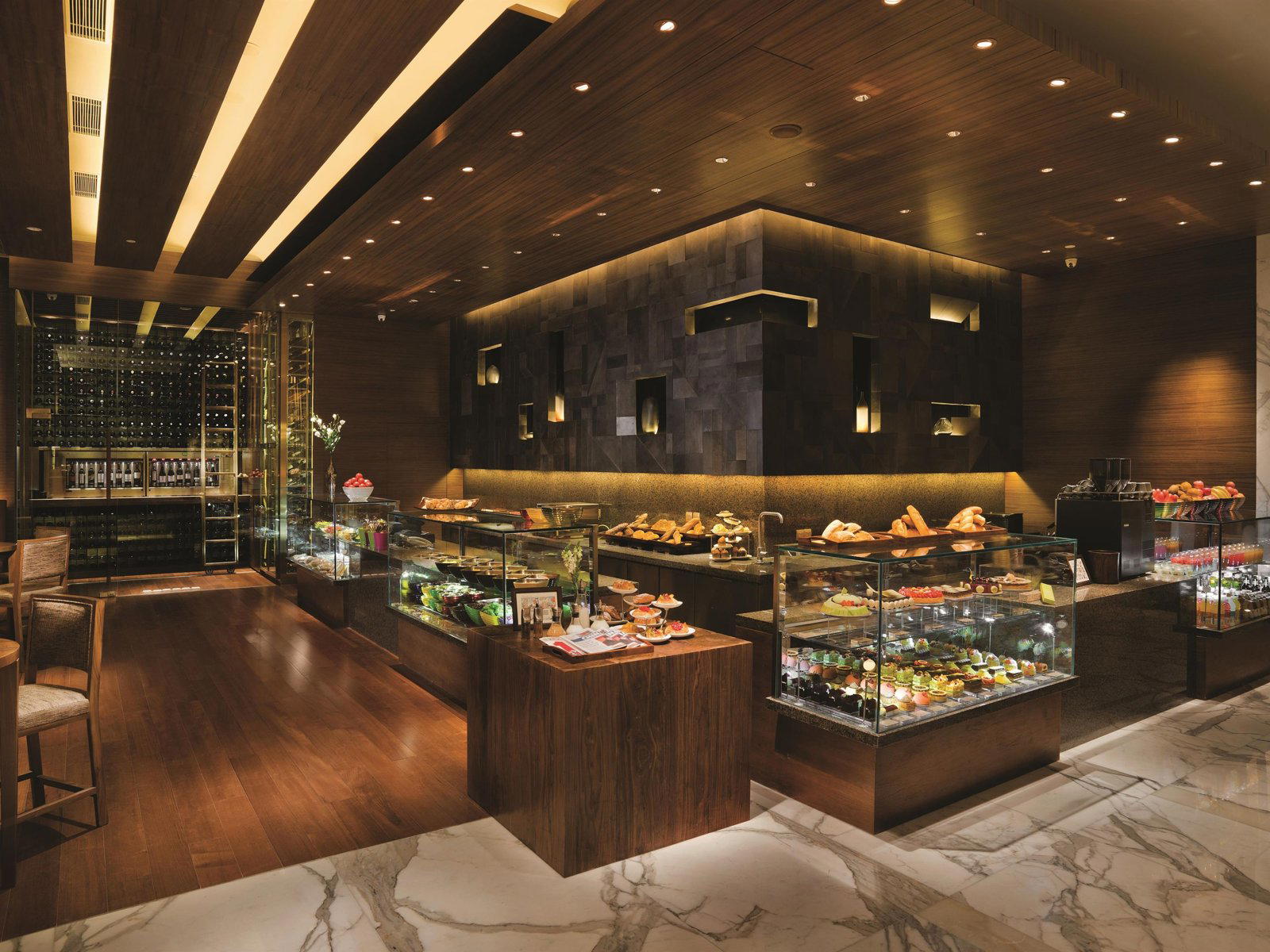
Elegant decor with a modern, stylish atmosphere blending neo-Japanese elements and lively energy.