
The Beijing outpost of Niko Romito's hotel restaurant concept occupies a high-ceilinged room at Qianhe Beijing East Tower in Chaoyang, dressed in Murano glass, marble, and warm leather. Classic Italian recipes are reworked with restraint and contemporary technique, placing this among the more formally composed Western tables in the city. For milestone meals requiring ceremony and architectural scale, few rooms in Beijing deliver the same register.
Pearl is the En Primeur Club membership app — saves, bookings, and concierge access live there. Same editors, same standards.
- Address
- China, 8, Chaoyang, Xinyuan S Rd, 8号CN 北京市1层启皓北京东塔 邮政编码: 100027
- Phone
- +86 10 8555 8585
- Directions
- Get directions
 Saves & bookings on Pearl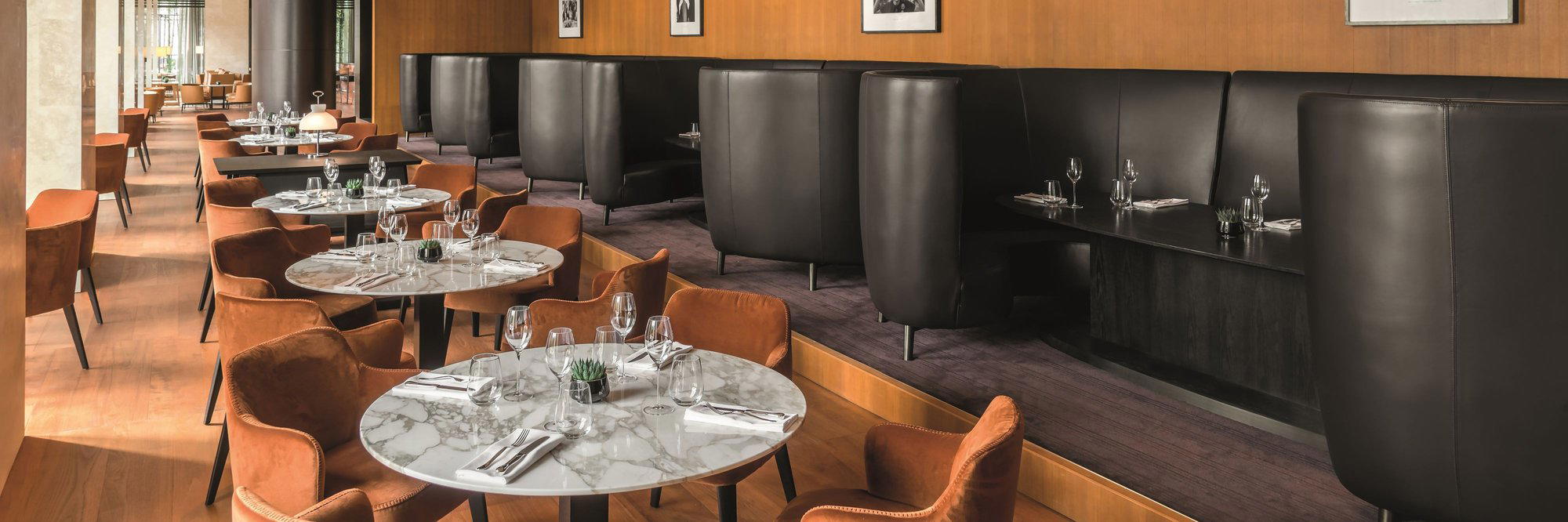
A Room Built for Occasions
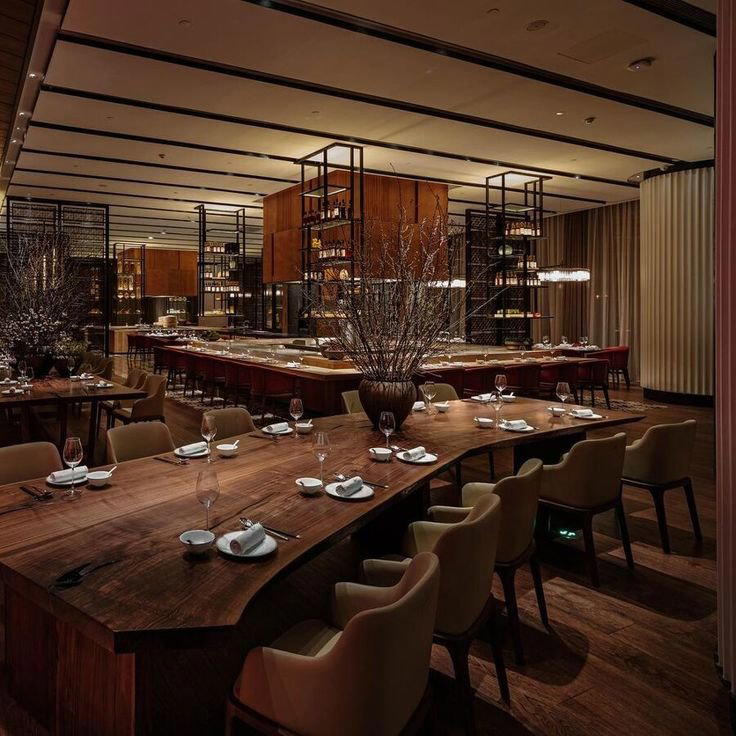
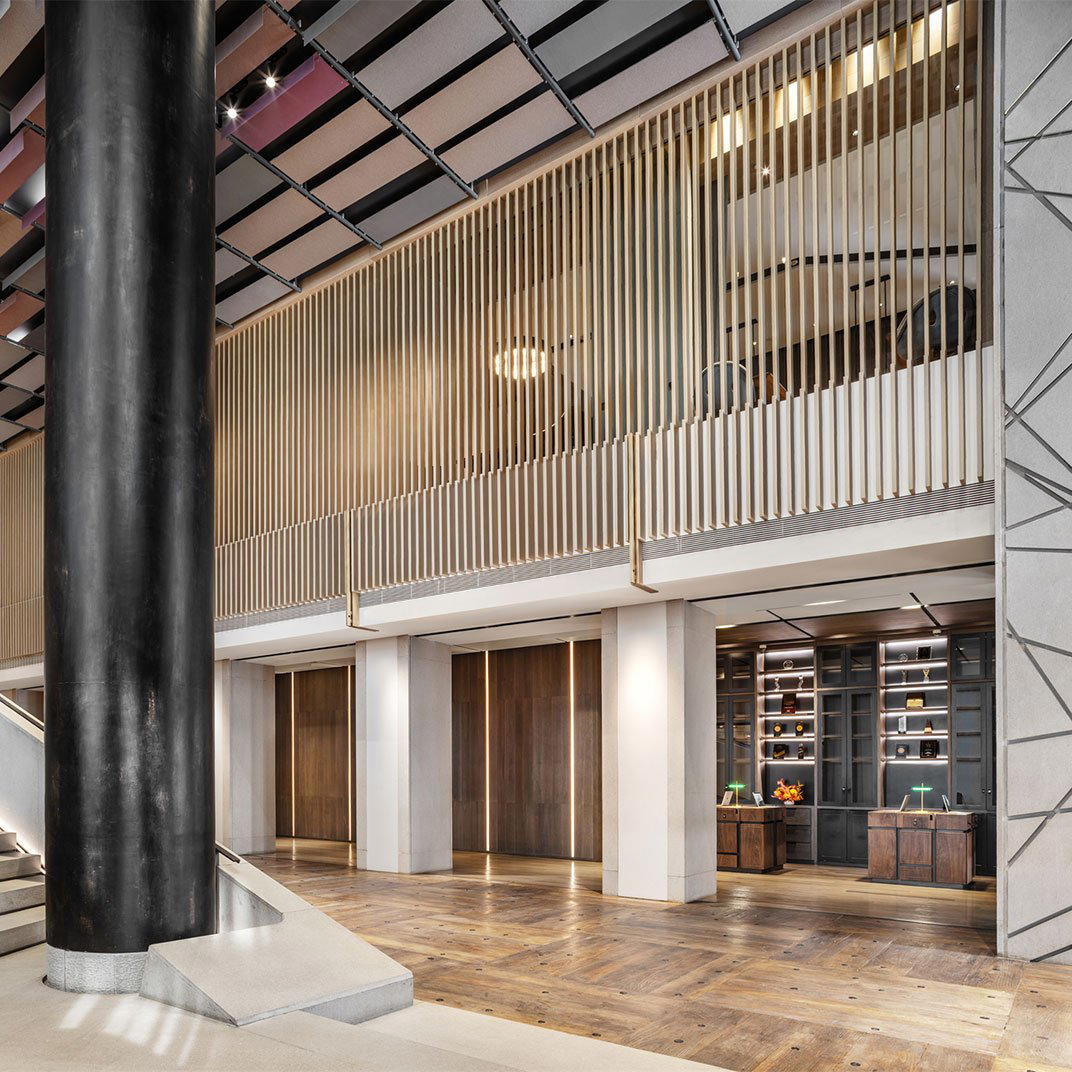
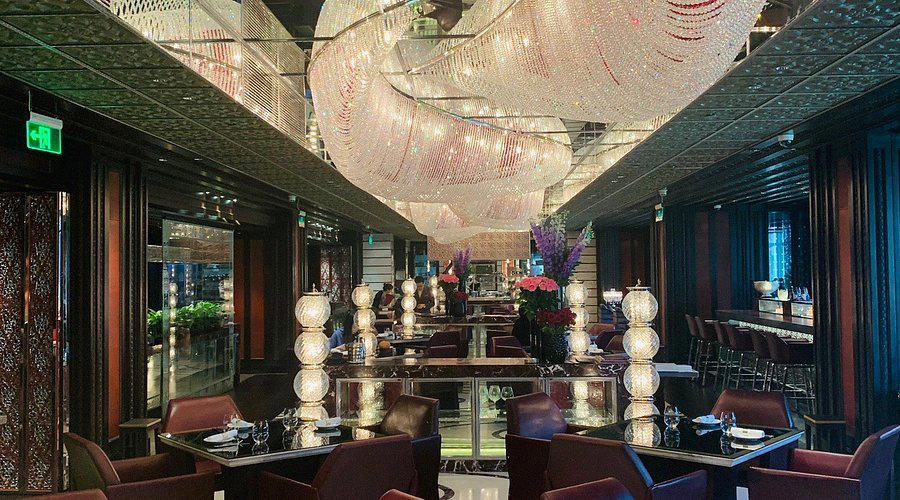
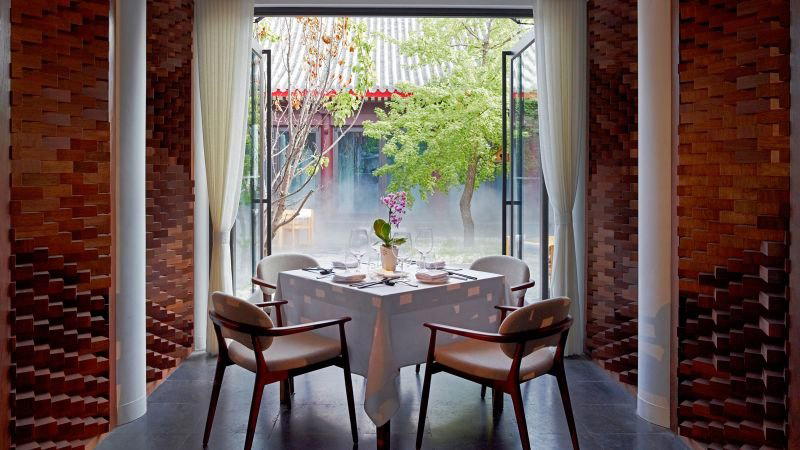
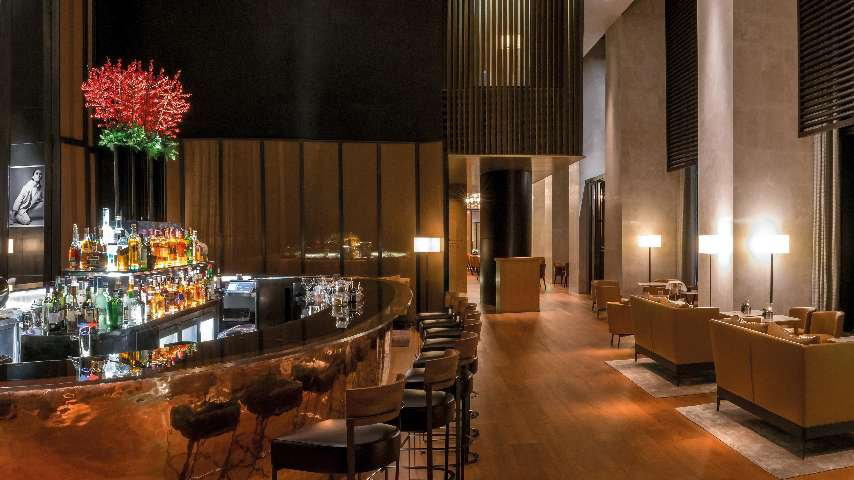
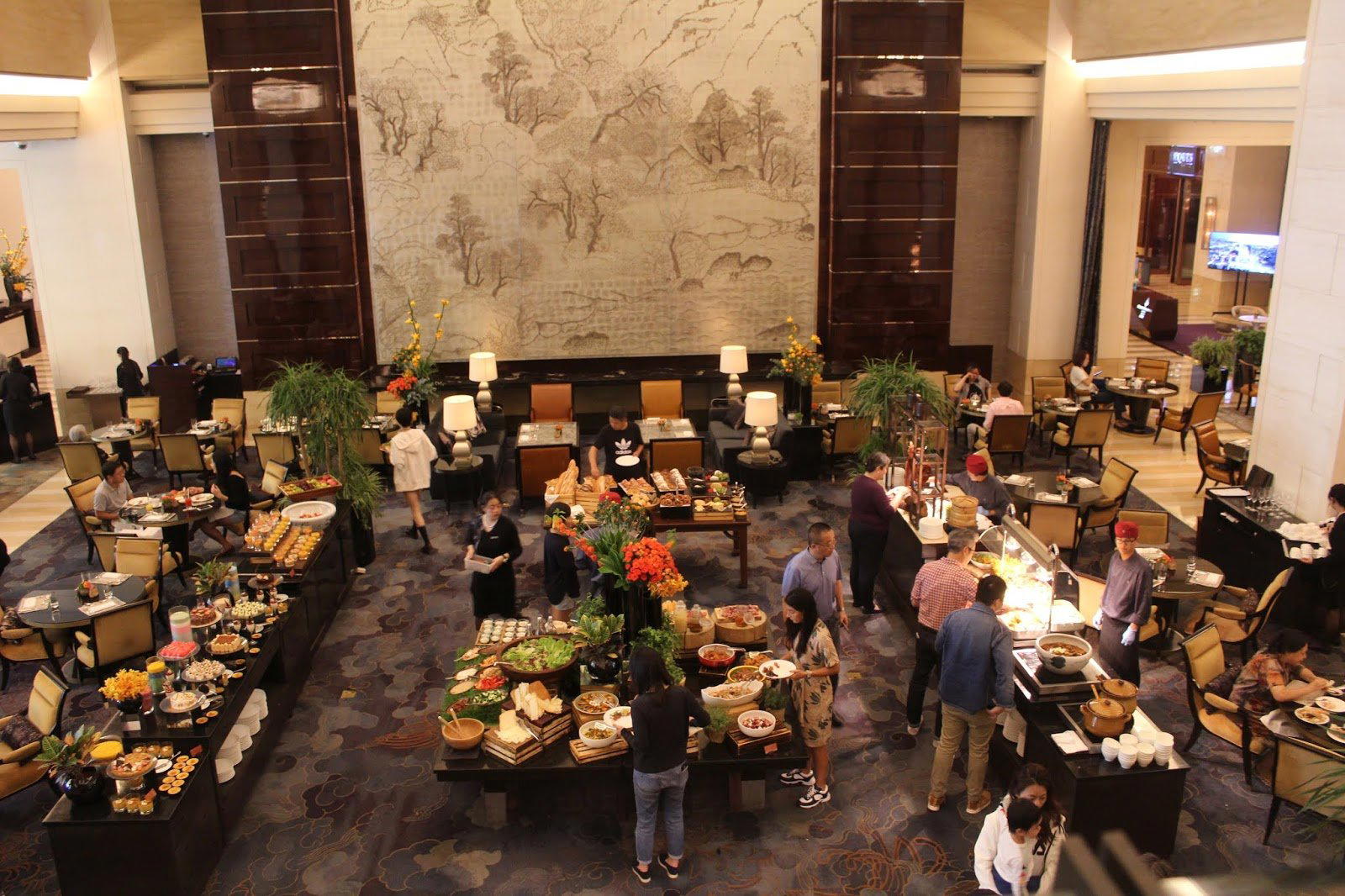
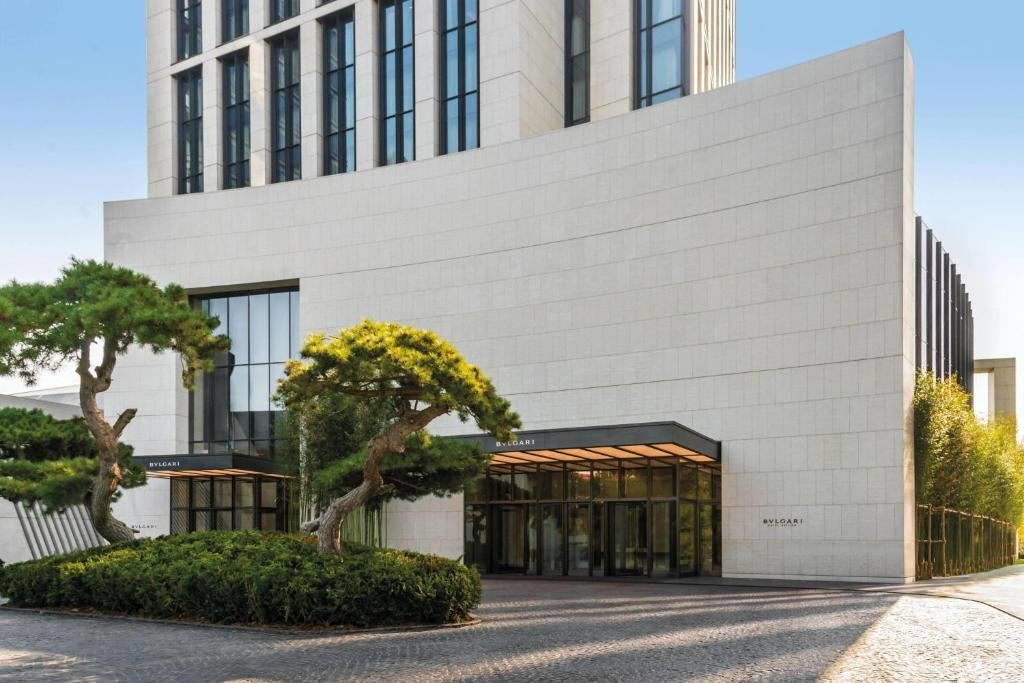
Beijing's upper-tier Western dining has long occupied hotel rooms, and the logic is direct: the capital's premium hospitality infrastructure gives European cuisine the architectural setting it rarely finds in standalone spaces. The dining room at Il Ristorante - Niko Romito, positioned within the Qianhe Beijing East Tower on Xinyuan South Road in Chaoyang, belongs to the more formal end of that tradition. The restaurant is a one-Michelin-star Contemporary Italian Fine Dining venue in Beijing at the ¥¥¥¥ tier. Murano glass chandeliers hang above a space clad in marble, warm wood, and leather, with a high ceiling and views over a manicured garden below. The room signals occasion before a single dish arrives.
That physical register matters in a city where milestone meals are planned with precision. Beijing diners selecting a venue for a significant celebration, a business dinner requiring gravitas, or a milestone anniversary are making an architectural choice as much as a culinary one. This room, by design, meets that brief.
Italian Luxury at the ¥¥¥¥ Tier
Premium Italian dining in Chinese cities sits in an interesting competitive position. At the ¥¥¥¥ price point, a table here competes not just against other Western restaurants but against the city's leading Chinese tables, several of which carry Michelin recognition. Xin Rong Ji on Xinyuan South Road and Chao Shang Chao in Chaoyang both operate at this tier with three Michelin stars apiece, which sets the benchmark against which serious occasion dining in the neighbourhood is measured. Italian cuisine at equivalent spend occupies a smaller niche, and the Niko Romito concept leans into that by positioning itself within a globally consistent identity rather than competing on local culinary terms.
The Romito dining concept, which operates across multiple Bulgari Hotel properties worldwide, draws on the Milanese luxury hotel tradition. The format is consistent: a European fine-dining framework with a high design standard, Italian culinary reference points, and a level of finish that aligns with the hotel group's positioning. For diners with experience of the Il Ristorante - Niko Romito in Shanghai, the Beijing version will feel like a continuation of that grammar, adjusted for its specific address.
The Culinary Approach
The kitchen's stated approach is classical Italian recipes with a modern reinterpretation that adds depth without obscuring the source material. That sensibility sits in a broader tradition of Italian fine dining that has been debated for decades: how far can technique travel from the original before the dish loses its referential point? The answer at this level of restaurant tends to be that restraint is the technique. Additions are subtractive in spirit, sharper acidity, cleaner fat, a more considered balance, rather than additive.
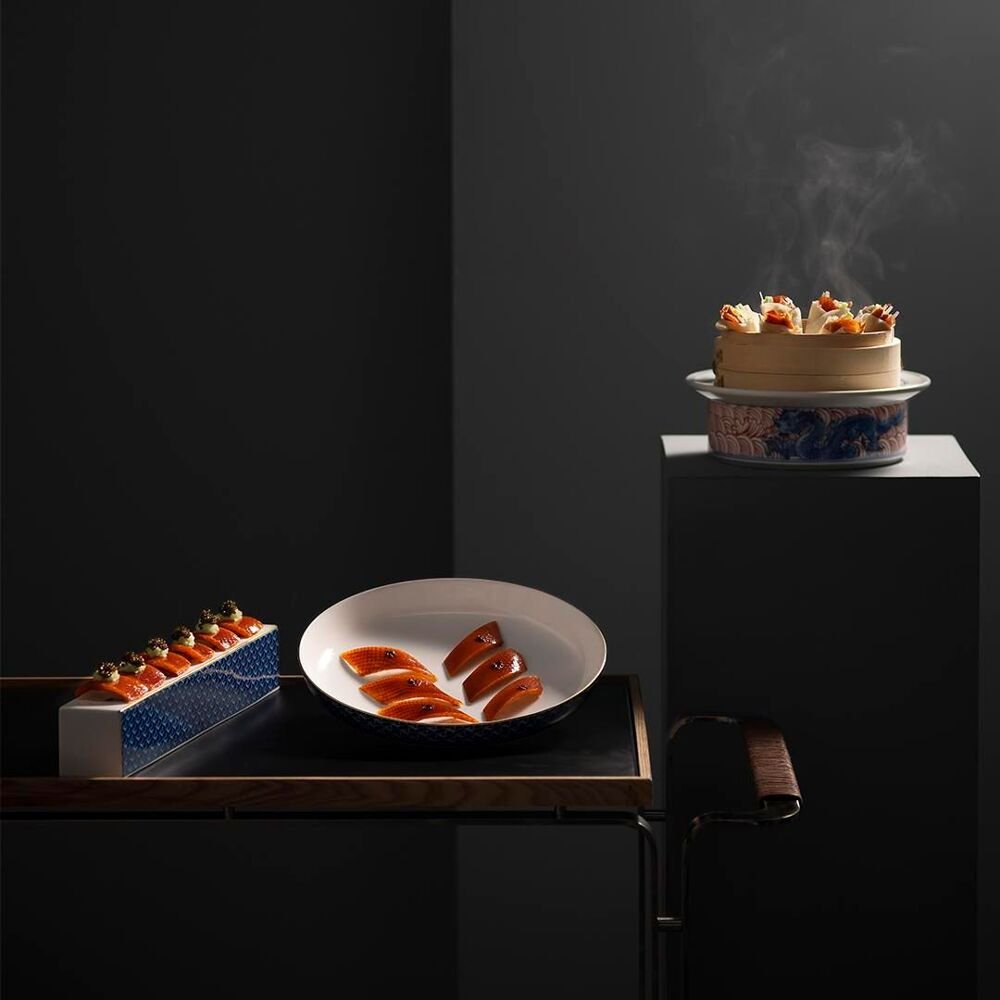
Vitello tonnato, cited as a signature opening course, illustrates the approach. Veal in tuna sauce is one of Italian cuisine's more unusual classical antipasti, a combination that reads as counterintuitive until you understand the Piedmontese tradition behind it. A kitchen working at this price tier will treat the tuna component as emulsified precision rather than chunky blending, and the veal as a question of temperature and slice thickness as much as anything else. That kind of technical attention is what separates the ¥¥¥¥ format from casual Italian.
Diners planning a celebratory menu should consider how Italian tasting formats work structurally: antipasto, primo, secondo, and dolce each occupy a different weight and richness register, which means a multi-course meal here has internal rhythm built into the tradition itself. That structure works well for long occasion dinners where pacing matters as much as the food.
Where It Sits in Beijing's Wider Dining Map
Chaoyang's restaurant concentration makes it Beijing's most internationally legible dining district. The neighbourhood holds several of the city's highest-ranked Chinese tables alongside its most formally appointed hotel restaurants, and the density means occasion diners have genuine options at every price point. Lamdre and Jingji represent Michelin-recognised Chinese alternatives in the same broad area, while King's Joy offers a distinctive vegetarian Chinese format at a comparable level of seriousness.
For diners specifically seeking a non-Chinese occasion table, the competitive set narrows considerably. Jing, the French Contemporary restaurant in Beijing, operates at ¥¥¥ with one Michelin star. Il Ristorante - Niko Romito prices at ¥¥¥¥ without recorded Michelin recognition in Beijing, which means it competes on brand authority and room quality rather than guide credentials. That is a legitimate position in the luxury hotel dining category, where the Bulgari name carries its own trust signal for a specific audience.
Across mainland China's premium restaurant scene, the Romito concept has counterparts in other cities that provide useful comparison. 102 House in Shanghai and Ru Yuan in Hangzhou represent the high-end Chinese dining that occupies the same occasion-dining tier in their respective cities. Chef Tam's Seasons in Macau and Imperial Treasure Fine Chinese Cuisine in Guangzhou similarly anchor stronger examples from their local markets. Placing the Beijing Niko Romito table in that regional picture clarifies its function: it serves the Western fine-dining demand among Beijing's international business and diplomatic community, and among Chinese diners for whom a European format is itself the statement.
For those building a broader itinerary around Beijing's high-end dining circuit, In an international context, the Niko Romito format invites comparison with destination-level European fine dining such as Le Bernardin in New York City, where classical European technique operates at full formal register with institutional consistency.
Planning a Meal Here
The restaurant sits at 8 Xinyuan South Road in Chaoyang, within the Qianhe Beijing East Tower complex, which is accessible from central Chaoyang and well positioned for visitors staying in the Sanlitun-to-CBD corridor. For an occasion dinner, the room's garden-facing orientation and ceiling height suggest requesting a table with garden views when booking. Given the ¥¥¥¥ pricing and the formal nature of the room, this is not a walk-in venue; advance reservation is expected practice for this category of hotel restaurant in Beijing, and for group occasion dinners, lead time of several weeks is prudent.
Visitors planning broader regional comparisons should note that Xin Rong Ji in Chengdu and Dai Yuet Heen in Nanjing represent the same tier of formal occasion dining in other Chinese cities, each with its own culinary character. The Niko Romito concept in Beijing functions as the Western counterpart to those tables: a room and a format built for meals that are meant to be remembered.
Fast Comparison
Comparable venues nearby, for context on price, style, and recognition.
| Venue | Cuisine | Price | Awards | Notes |
|---|---|---|---|---|
| Il Ristorante - Niko RomitoThis venue — the venue you are viewing | Contemporary Italian Fine Dining | $$$$ | Michelin 1 Star | Not listed |
| Xitan Beijing | Modern Chinese Fine Dining | $$$$ | Michelin 1 Key | Mentougou District |
| The House of Dynasties | Modern Cantonese Dim Sum & Zhanjiang Cuisine | $$$$ | Michelin 1 Star | Hujialou |
| Lu Style (Anding Road) | Modern Shandong Seafood | $$$$ | Michelin 1 Star | Sanlitun |
| Poetry‧Wine (Dongsanhuan Middle Road) | Modern Beijing Fine Dining | $$$ | Michelin 1 Star | Chuiyangliu |
| Furong | Modern Cantonese Dim Sum | $$$ | Michelin 1 Star | Fengsheng |
Recognition history
Dated appearances from independent guides and award organizations, with the underlying list record or original source where available.
Michelin 1 Star
Michelin

At a Glance
- Elegant
- Sophisticated
- Intimate
- Date Night
- Special Occasion
- Business Dinner
- Hotel Restaurant
- Design Destination
- Extensive Wine List
- Sommelier Led
- Local Sourcing
- Organic
- Garden
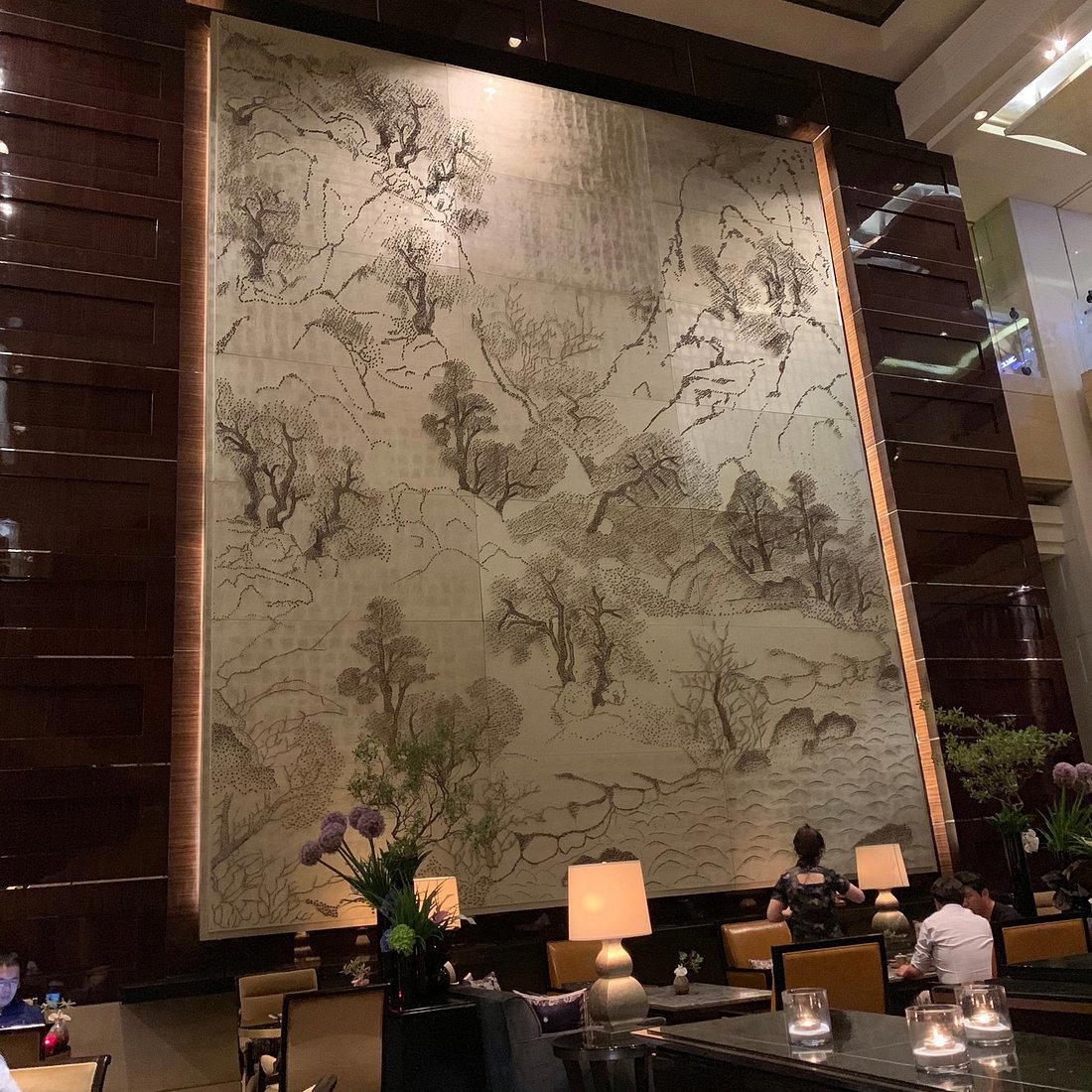
Elegantly appointed with Murano glass chandeliers, dark brown leather furnishings, warm wood, marble, and high ceilings, overlooking a manicured garden for a sophisticated and refined atmosphere.