
Forbes Recommended
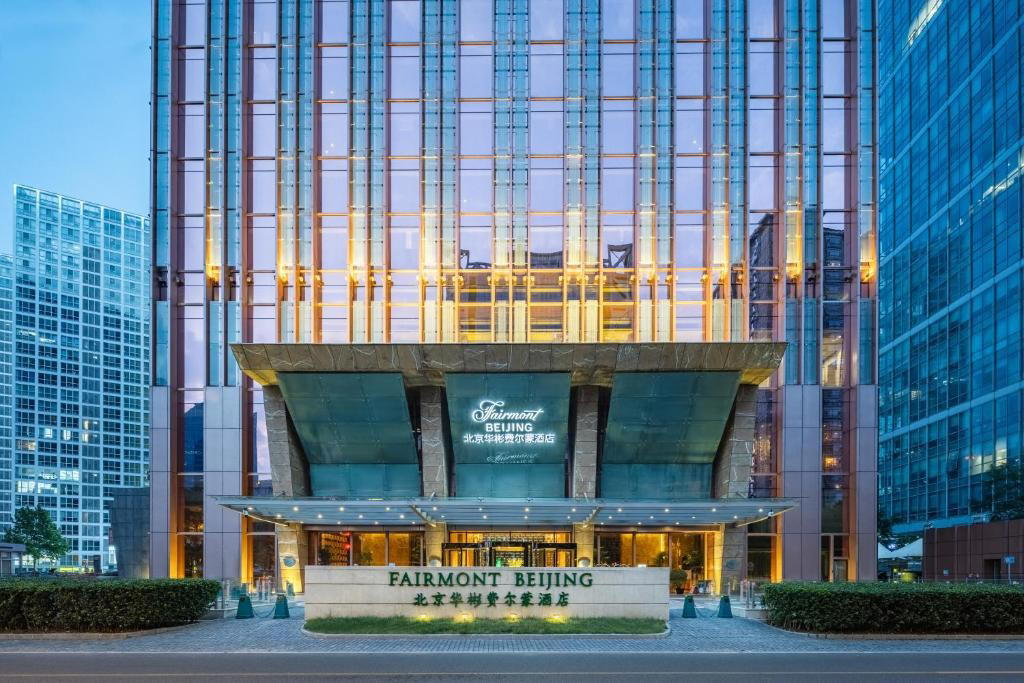
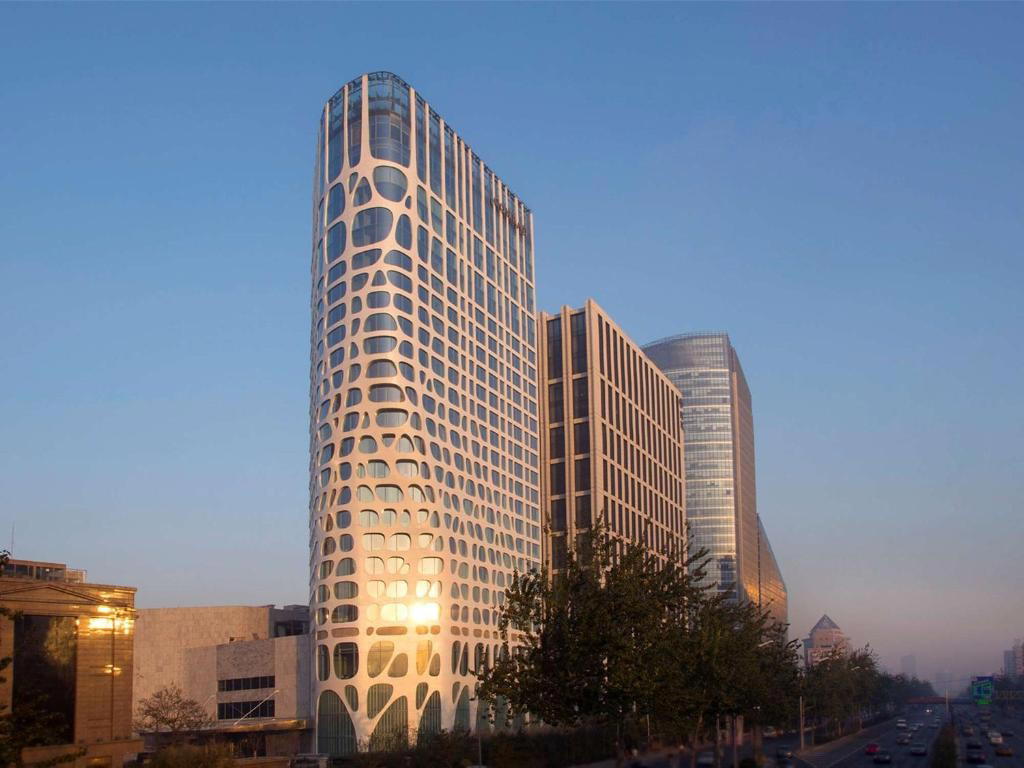
The Fairmont Beijing occupies a rose gold glass tower in the Central Business District, its bridge-shaped skybridge housing a spa, pool, and Fairmont Gold Club across three floors 21 storeys up.

Pearl is the En Primeur Club membership app, where members save venues, book tables and use the concierge.
A CBD Address With Altitude
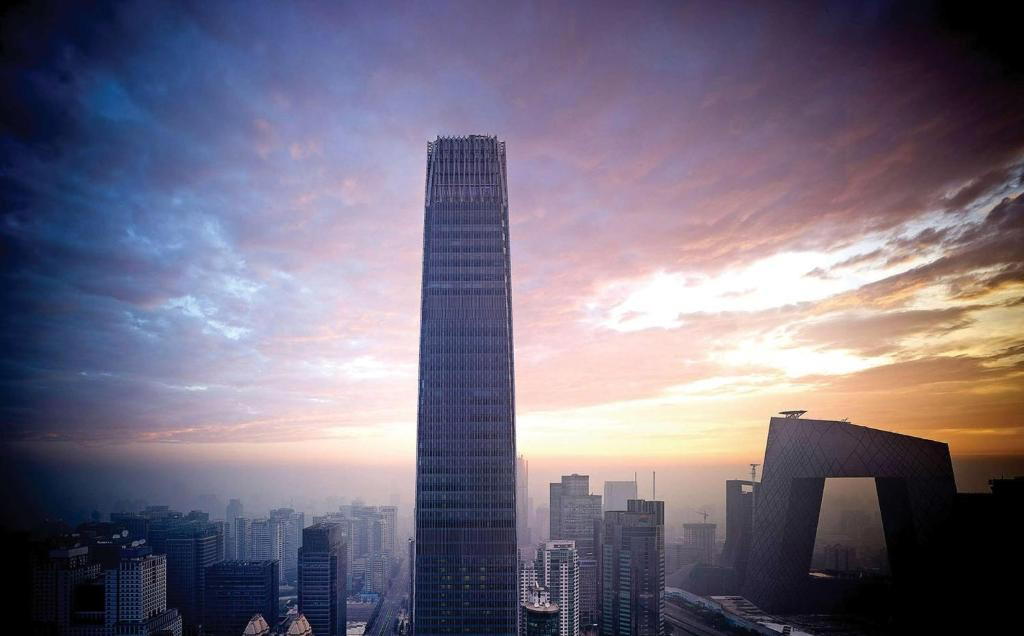
Beijing's Central Business District has consolidated its luxury hotel offer considerably over the past decade. Where once the east side of the city was dominated by business-grade internationals with little to distinguish them, a smaller cohort has separated itself through architectural ambition and programme depth. The Fairmont Beijing belongs to that cohort. Its rose gold glass facade and bridge-shaped structure are immediately legible from the Jian Guo Men Wai Avenue corridor, making it one of the more architecturally distinctive buildings in a district that tends toward the anonymous glass tower. That visual identity is not incidental: the skybridge design concentrates amenity floors at height, which changes the quality of the in-hotel experience in ways that a conventional tower layout cannot replicate.
Yonganli subway station on Line 1 sits two blocks from the entrance, which matters in a city where taxi availability can vary by district and time of day. For guests arriving at or departing to the airport, the practical geography of the CBD puts major commercial areas and several of Beijing's significant cultural sites within a short taxi ride. The hotel's position on the east side of the city means Tiananmen Square and the areas around the old imperial axis are accessible without crossing the central congestion of the second ring road on foot.
The Skybridge as Amenity Stack
Luxury hotels in major Chinese cities have increasingly competed on wellness infrastructure, and the arms race has produced facilities that range from token spa suites to genuinely substantial programmes. The Fairmont Beijing's approach concentrates its wellness offer across three floors of the skybridge at the 21st floor level, with a large gym, yoga studio, indoor swimming pool, and fully equipped locker rooms with steam room occupying the same connected structure. The Willow Stream Spa operates from the 22nd floor, with city views that improve the experience of treatments in the way that a basement spa, however well-appointed, cannot.
The tai chi offering is worth noting specifically in the context of responsible hospitality. Rather than outsourcing wellness theatre to a generic menu of Asian-inspired treatments, the hotel employs a resident tai chi master and provides guests with a traditional costume for practice sessions. This is a small but precise distinction: it ties the hotel's wellness programme to a local physical tradition rather than a globalised spa format, which is the kind of detail that separates properties making genuine cultural investments from those applying surface-level local colour. For guests who want to engage with Beijing's living practice traditions rather than simply observe them, the arrangement has real value.
Dining Across Four Formats
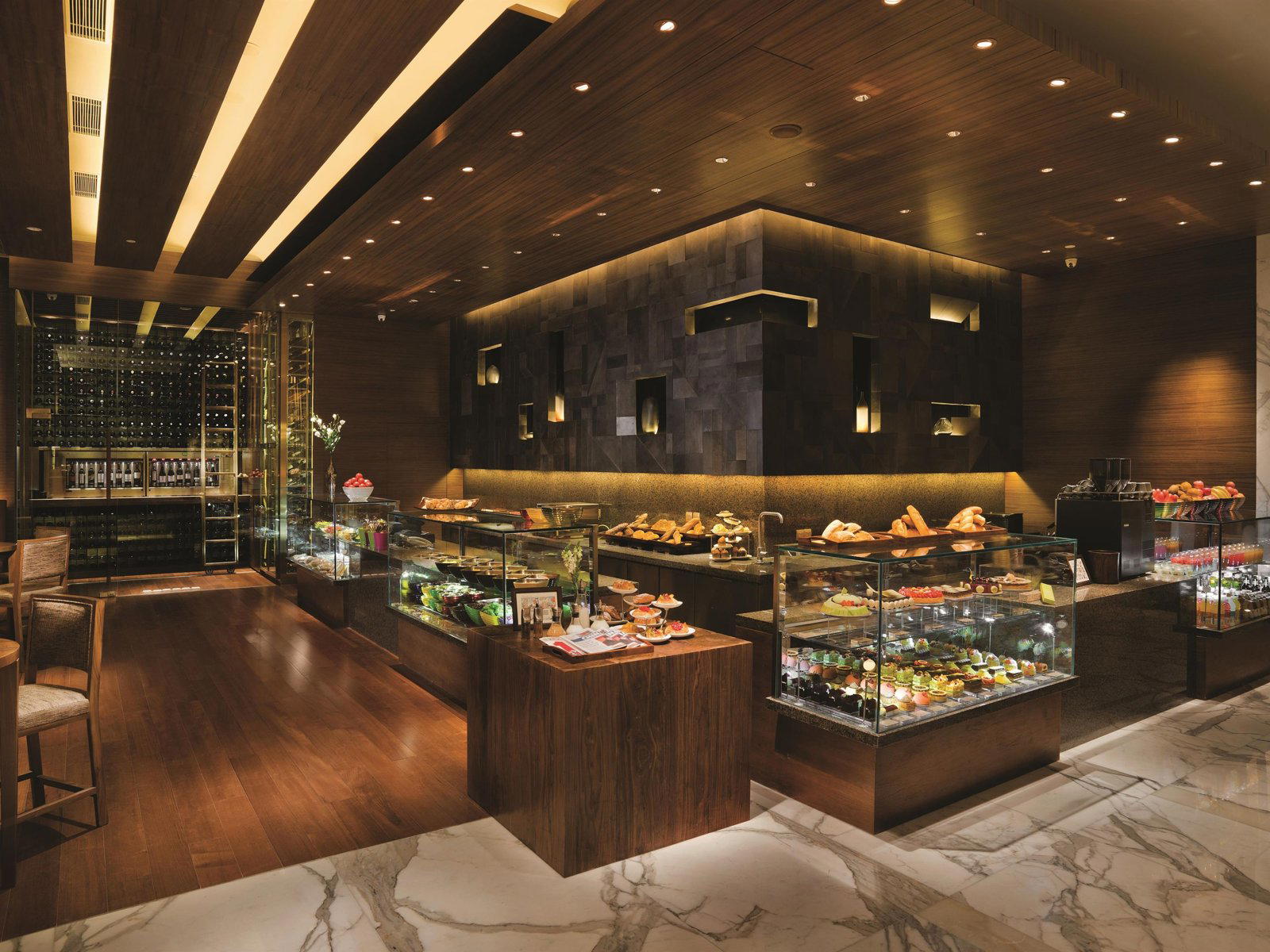
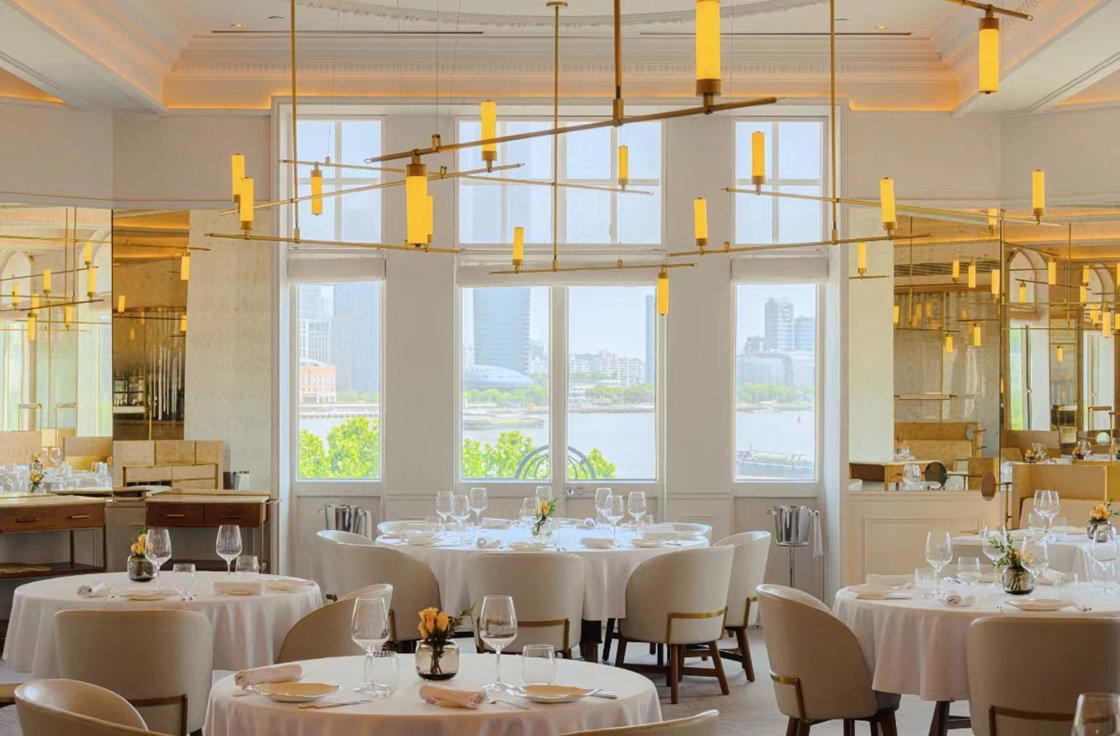
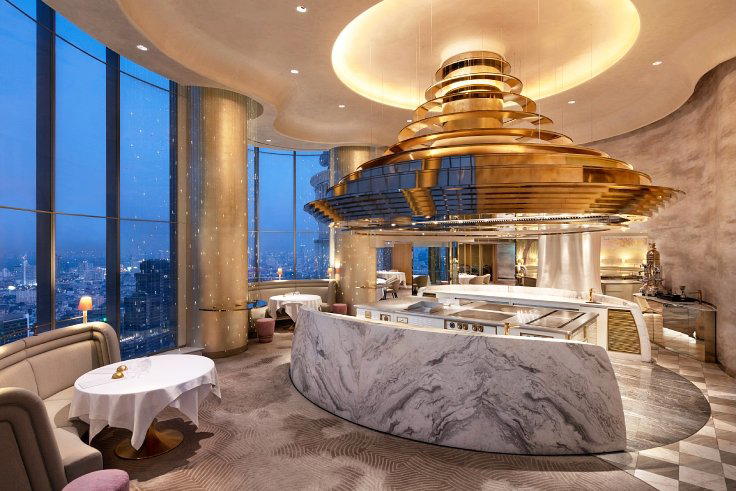
The CBD hotel dining market in Beijing has bifurcated sharply. Properties at the international luxury tier now generally offer multiple distinct restaurant formats rather than a single all-day dining room, and the quality differential between those formats has widened. The Fairmont Beijing runs four venues: Lobby Lounge Bar, Lunar 8, Champagne Bar, and The Cut, its steakhouse, which carries an award designation in the inspector record.
Fairmont Gold Club on the 20th floor adds a fifth dining register for guests who book rooms with Gold access. The club's breakfast spread and cocktail hour with canapés function as a semi-private dining tier above the main restaurant programme, and the afternoon tea offer, available in both English and traditional Chinese formats, is a structural choice that reflects the mixed international and domestic guest profile the hotel is clearly managing. That dual-format tea is not a trivial detail: it signals an intent to serve Chinese guests as primary users of the space rather than as an afterthought to a Western default.
Room Composition and the Gold Club Tier
222 rooms are distributed across a conventional tower section and the skybridge structure, with the Gold Club occupying the 20th floor of the latter. Room design runs to an understated modern register: beige marble in the entrance foyer, plush taupe carpeting, gold accent pieces including ochre leather club chairs and gold-upholstered sofas with silk throw pillows, and a floral gold-on-gold headboard pattern that reads as decorative without being maximalist. The marble bathrooms are positioned off the foyer rather than directly adjoining the bedroom, separated by a glass wall opposite a walk-in closet, which is a layout decision that improves the morning logistics of a two-person stay considerably.
Guests choosing between standard rooms and Gold Club access are essentially choosing between two different hotel experiences within the same building. The Gold Club's meeting room, cocktail hour, and premium breakfast spread make it a meaningful upgrade for extended stays or guests whose schedules require in-hotel productivity time. For shorter leisure stays where the public restaurant programme is sufficient, the premium may be less justified.
Within Beijing's luxury hotel tier, the Fairmont Beijing sits in a specific band: a large international-brand property with architectural identity and a concentrated amenity programme, positioned differently from the smaller design-led independents and differently again from the ultra-luxury flagships. Properties like Aman Summer Palace, Bvlgari Hotel Beijing, and Mandarin Oriental Qianmen occupy a different competitive register, with either location premiums tied to historic sites or ultra-low key counts. The Fairmont's 222 rooms and CBD address place it in a peer group that includes China World Summit Wing, Beijing, Four Seasons Hotel Beijing, and Conrad Beijing, where the differentiating variables are programme depth, dining quality, and wellness infrastructure rather than raw scale or location singularity.
For guests exploring broader China itineraries, the Accor portfolio extends to contrasting experiences: Brickyard Retreat at Mutianyu Great Wall offers a completely different register for those extending a Beijing trip to the wall. Further afield, Amanfayun in Hangzhou, Amandayan in Lijiang, and 1 Hotel Haitang Bay, Sanya represent the range of luxury hotel formats available across China's major leisure destinations. Internationally, the Fairmont brand's positioning can be cross-referenced against Aman New York or Aman Venice for guests calibrating expectations across global luxury tiers. See our full Beijing restaurants and hotels guide for broader context on where the Fairmont sits within the city's hospitality offer.
Planning Your Stay
The hotel address is 8 Yong An Dong Li, Jian Guo Men Wai Avenue, Chaoyang District, Beijing 100022. Yonganli station on Line 1 is the closest subway access point, two blocks from the hotel, making airport express connections direct via a change at Dongzhimen. Taxis are available directly from the main thoroughfare for guests who prefer not to use the subway. Room bookings can be made through the Accor platform or third-party channels. Guests considering the Gold Club upgrade should weigh the meeting room and breakfast programme against their specific travel purpose.
Cost and Credentials
Comparable venues nearby, for context on price, style, and recognition.
| Venue | Price | Awards | Notes |
|---|---|---|---|
| Fairmont Beijing HotelThis venue (the venue you are viewing) | Not listed | Forbes Recommended | Not listed |
| The St. Regis Beijing | $300–500 | Forbes Recommended | Chaoyang, Luxury urban palace with St. Regis traditions |
| The Ritz-Carlton, Beijing | Not listed | La Liste Top Hotels · Forbes 4-Star | Balizhuang, English manor-inspired luxury hotel |
| CHAO Sanlitun Beijing | $100–200 | Michelin Selected | Gongrentiyuchang, contemporary lifestyle hotel with cultural and event facilities |
| The Opposite House | Not listed | La Liste Top Hotels | Sanlitun, Trendy urban residence with art gallery vibe |
| Four Seasons Hotel Beijing | $500–750 | Michelin Selected · La Liste Top Hotels | Sanlitun, Contemporary luxury blending modern furnishings with traditional Chinese design elements; residential ambiance with state-of-the-art technology and bespoke wellness philosophy. |
Recognition history
Dated appearances from independent guides and award organizations, with the underlying list record or original source where available.
Forbes Recommended
Forbes
Continue exploring
More in Beijing
Hotels in Beijing
All hotels in Beijing →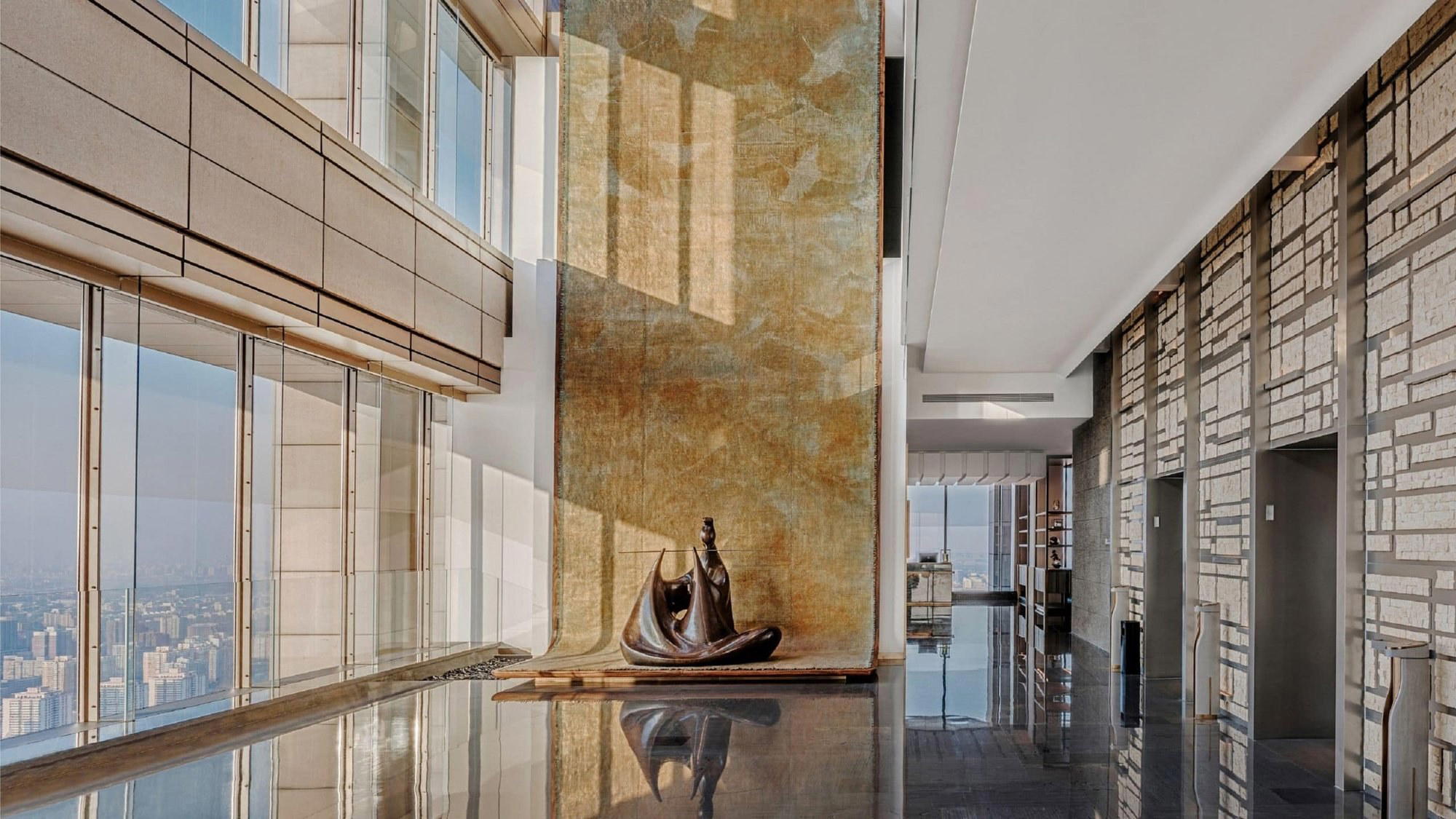
Bars in Beijing
All bars in Beijing →
Details
- Elegant
- Sophisticated
- Ornate
- Business Trip
- Romantic Getaway
- Wi Fi
- Pool
- Spa
- Fitness Center
- Room Service
- Concierge
- Business Center
- Valet Parking
- Skyline
- Wheelchair Accessible
- Elevator
- Accessible Parking
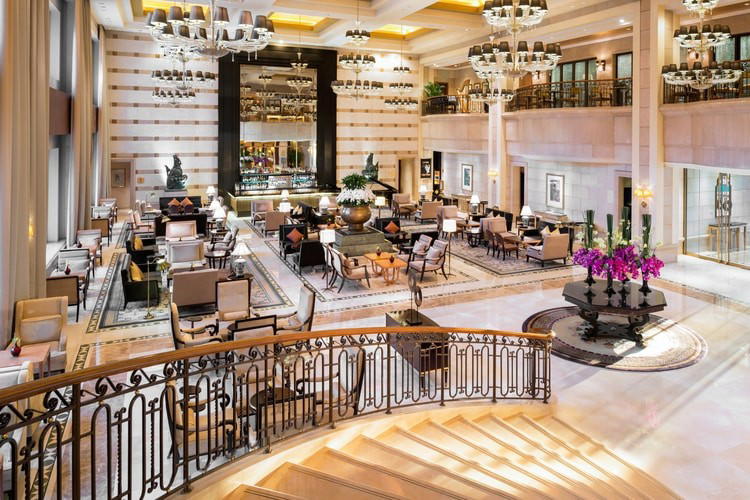
Ornate and art-driven with calming spa oasis, light and spacious rooms featuring old-school charm and modern luxuries.