Our verdict
Baowu sits in Sanlitun, Chaoyang, one of Beijing's most internationally trafficked dining corridors, where the competition for serious Chinese cooking runs from regional specialists to contemporary interpretations. The address places it squarely in the mid-to-upper tier of the neighbourhood's restaurant scene, a district where diners expect both culinary rigour and a degree of cosmopolitan polish.

Pearl is the En Primeur Club membership app, where members save venues, book tables and use the concierge.
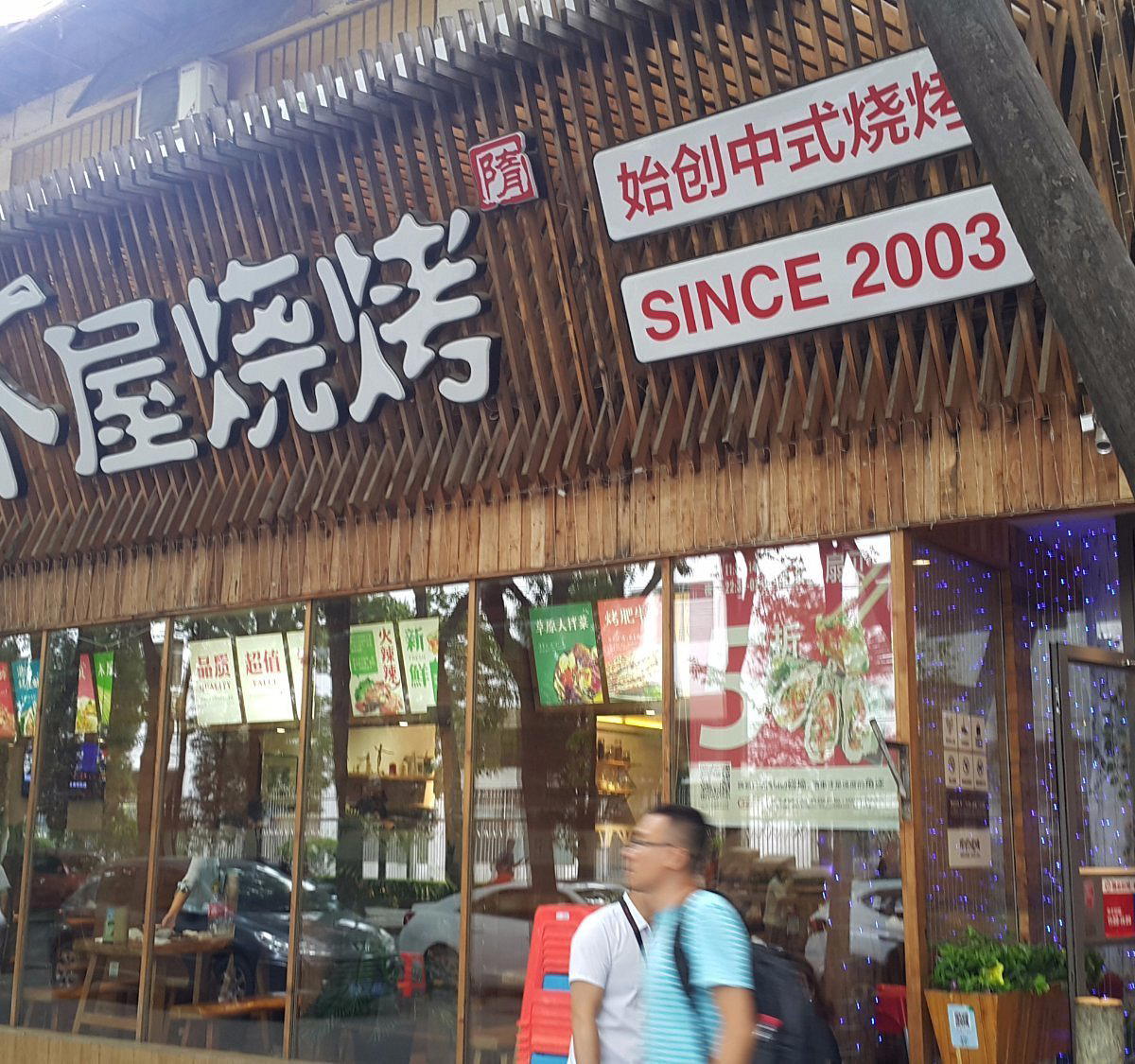
The menu
What to order
- Sushi
Sanlitun and the Architecture of Beijing's Modern Dining Scene
Chaoyang's Sanlitun corridor has functioned for years as the pressure point where international visitors meet Beijing's own appetite for upgraded dining. The district's restaurant density is high, the expectations higher. In a neighbourhood where Taizhou specialists like Xin Rong Ji (Xinyuan South Road) and Chao Zhou houses like Chao Shang Chao (Chaoyang) anchor the upper end of regional Chinese dining, the competitive bar is set by kitchens with a clear regional identity and technical consistency to match. Baowu occupies an address within this framework, on the third floor of a commercial centre on South Sanlitun Road.
That positioning matters more than it might seem. Sanlitun's restaurant scene has matured considerably over the past decade, shifting from a zone dominated by expat-facing international concepts toward a dining corridor that now hosts some of Beijing's more serious Chinese cooking. The floor-plan of a third-level commercial space is a familiar container in this part of the city: visible from the street yet insulated from it, drawing a crowd that knows where it is going rather than one that wanders in. It is a format that suits a certain kind of deliberate dining experience, where the journey upward filters for intent.
Beijing as a Stage for Chinese Regional Cooking
Understanding any serious Chinese restaurant in the capital requires some awareness of what Beijing itself represents within China's culinary geography. The city has always been a staging ground for regional traditions rather than a single-cuisine city. Imperial history drew cooks and ingredients from across the country, and that pluralism persists. Where Chengdu is defined by Sichuan heat and Guangzhou by Cantonese refinement, Beijing's identity is more curatorial: it houses exceptional regional cooking from elsewhere in China alongside its own duck and lamb traditions.
That context creates both opportunity and scrutiny. A restaurant in Beijing operating in the Chinese dining space sits within a city that has seen, and continues to see, some of the country's most technically demanding cooking. Vegetarian fine dining has found serious expression at addresses like King's Joy and Lamdre. Beijing-rooted cuisine has its own contemporary standard-bearers, including Jingji. Against that field, a Chaoyang restaurant's identity and positioning matter considerably to how it is read by the city's more informed diners.
Across China's restaurant cities, the tier of serious Chinese cooking has split into recognisable patterns: there are the regional purists, the contemporary reinterpreters, and the venues that blend both impulses. You can see this dynamic play out in different registers elsewhere Fu He Hui in Shanghai operates at the high-concept vegetarian end, Ru Yuan in Hangzhou at a different point on the spectrum, and further afield, addresses like Chef Tam's Seasons in Macau show how Cantonese technique can carry fine dining ambitions. Baowu's Sanlitun location places it within the Beijing chapter of this broader national conversation.
The Sanlitun Dining Environment
Third-floor restaurant spaces in Chaoyang's commercial centres have developed their own social grammar. The approach through a mall or mixed-use building creates a sense of separation from the street-level noise that the neighbourhood generates. By the time a diner reaches the entrance of a restaurant at this level, there is already a degree of enclosure and intention that shapes the experience before the first dish arrives.
This structural reality is part of what defines the Sanlitun dining tier. It is distinct from the hutong restaurant, where intimacy is architectural, and distinct from the hotel dining room, where formality is institutional. The commercial-centre format sits between those two poles: accessible, contemporary, capable of significant kitchen ambition, but operating within a container that is neither historically inflected nor ceremonially formal. Several of Beijing's more interesting recent openings have followed this model, using mall or commercial-centre footprints to house cooking that would have previously required a freestanding address or hotel backing.
Situating Baowu in a Wider Map
For visitors building a Beijing itinerary around serious dining, the Sanlitun zone offers enough density to anchor an evening or an afternoon. The full picture of what Beijing's restaurant scene offers across neighbourhoods and price tiers is covered in our full Beijing restaurants guide. Those planning to extend a China trip with comparable dining experiences will find relevant reference points in cities like Hangzhou, Chengdu, Guangzhou, and Fuzhou: Xin Rong Ji in Chengdu, Imperial Treasure Fine Chinese Cuisine in Guangzhou, Dai Yuet Heen in Nanjing, Wenru No.9 in Fuzhou, Pingjiangsong in Suzhou, Fleurs Et Festin in Xiamen, and Shang Palace in Yangzhou. For international comparison points in a different culinary tradition entirely, the precision-driven tasting format at Le Bernardin in New York City or the communal-table approach at Lazy Bear in San Francisco illustrate how format and ingredient sourcing interact with dining ambition across very different contexts.
Planning a Visit
Baowu's address in the third-floor commercial centre on South Sanlitun Road places it within walking distance of Sanlitun's main retail and hospitality cluster, which means transport access is direct via the Tuanjiehu or Sanlitun-adjacent options. The Chaoyang dining corridor is active across lunch and dinner services, and third-floor restaurant spaces in this zone tend to draw a mixed crowd of local professionals and internationally mobile visitors, particularly in the evening.
Frequently asked questions
Would Baowu be comfortable with kids?
Baowu sits within a third-floor commercial centre on South Sanlitun Road in Chaoyang, a district built around mixed-use retail and hospitality. Families visiting Sanlitun will find the surrounding area accommodating in general terms.
What's the vibe at Baowu?
Baowu occupies a third-floor position in one of Sanlitun's commercial centres along South Sanlitun Road, a corridor where Beijing's appetite for international-facing dining has concentrated over the past decade. Third-floor spaces in Chaoyang's mixed-use buildings tend to sit at a remove from street-level noise, creating a more contained atmosphere than ground-floor options in the same zone. The broader Sanlitun setting draws a mix of Beijing residents and international visitors.
Is Baowu in Sanlitun worth visiting for a sit-down lunch in Beijing?
Baowu's address in the third-floor commercial centre on South Sanlitun Road in Chaoyang puts it within the dense hospitality cluster that anchors daytime and evening dining for visitors to the area. Sanlitun's retail and restaurant mix makes it a practical base for a midday meal between other commitments in Chaoyang.
What dish is Baowu famous for?
Given the Sanlitun address and Beijing's role as a stage for both northern Chinese cooking and wider regional traditions, the kitchen likely draws on that broader context, but confirming any particular dish requires checking directly with the restaurant.
Where exactly is Baowu?
Baowu is located at China, Beijing, Chaoyang, 使é¦åº S Sanlitun Rd, 1å·3å±éçä¸å¿ é®æ¿ç¼ç , Beijing.
What's the best way to book Baowu?
The most direct approach is to visit the restaurant in person at the third-floor commercial centre on South Sanlitun Road in Chaoyang, or to check with the building's hospitality directory for current contact information.
What's the standout thing about Baowu?
Baowu's position on the third floor of a commercial centre on South Sanlitun Road places it at the centre of one of Beijing's most active dining corridors. Chaoyang's Sanlitun zone has built a concentration of serious restaurant options that few other districts in the capital can match for density and accessibility.
Price Lens
Comparable venues nearby, for context on price, style, and recognition.
| Venue | Cuisine | Price | Awards | Notes |
|---|---|---|---|---|
| BaowuThis venue (the venue you are viewing) | Gongrentiyuchang, Fine Japanese Sushi | $50–100 | Not listed | Not listed |
| Hatsune | California-style Japanese Fusion Sushi | $20–30 | Not listed | Hujialou, California-style Japanese Fusion Sushi |
| 游龙饭庄 | Traditional Beijing Imperial Cuisine | Not listed | Not listed | Chongwen District, Traditional Beijing Imperial Cuisine |
| 1949-å ¨é¸å£ | Chaoyangmen, Handmade Noodles | Not listed | Not listed | Not listed |
| Oyster Talks 蚝吧 | Premium Oyster Bar & Seafood | $50–100 | La Liste Top Restaurants · Black Pearl 1 Diamond | Gongrentiyuchang, Premium Oyster Bar & Seafood |
| Atmosphere | Cocktail Bar / Lounge and Bar | $20–30 | Not listed | Chaoyang District, Cocktail Bar / Lounge and Bar |
Continue exploring
More in Beijing
Restaurants in Beijing
All restaurants in Beijing →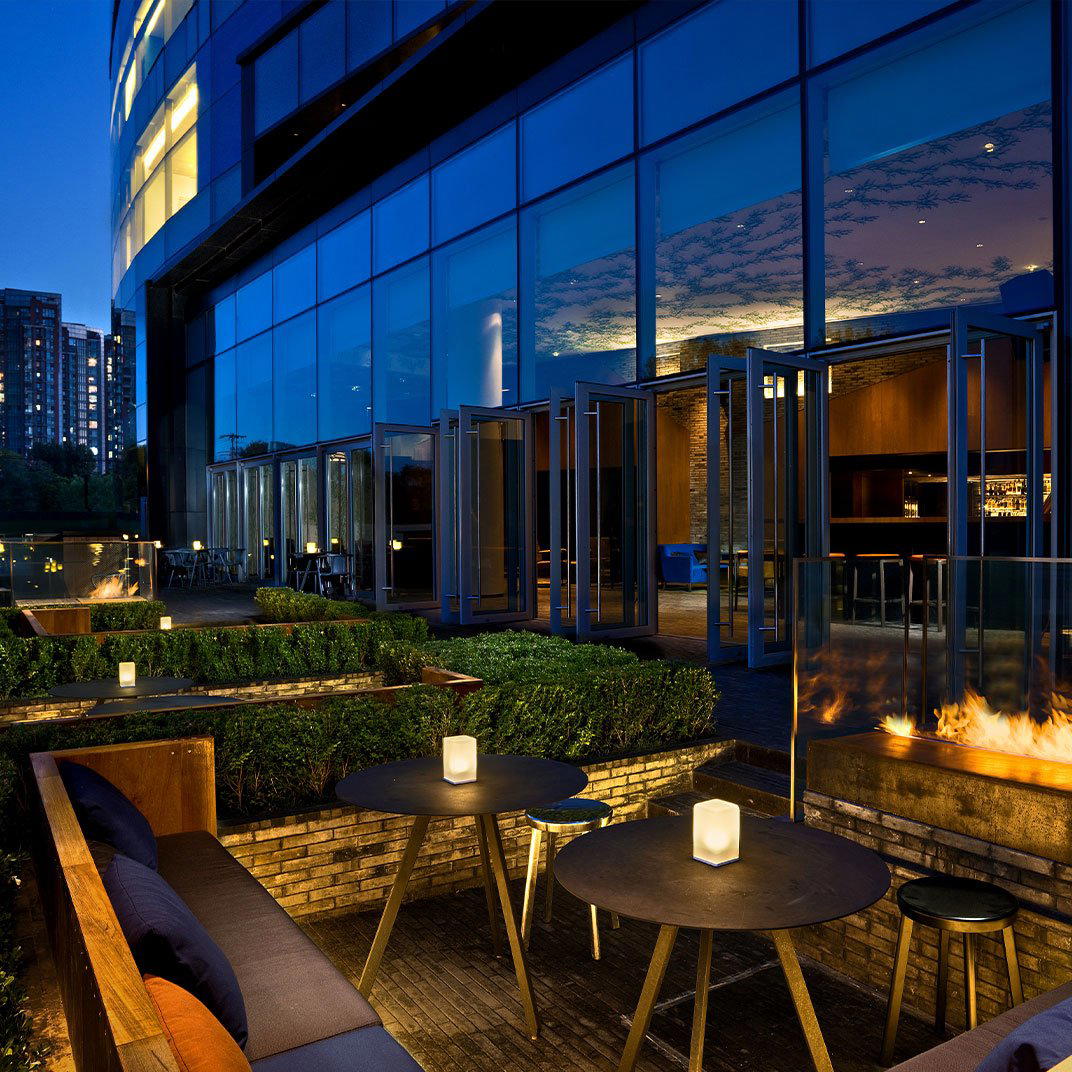
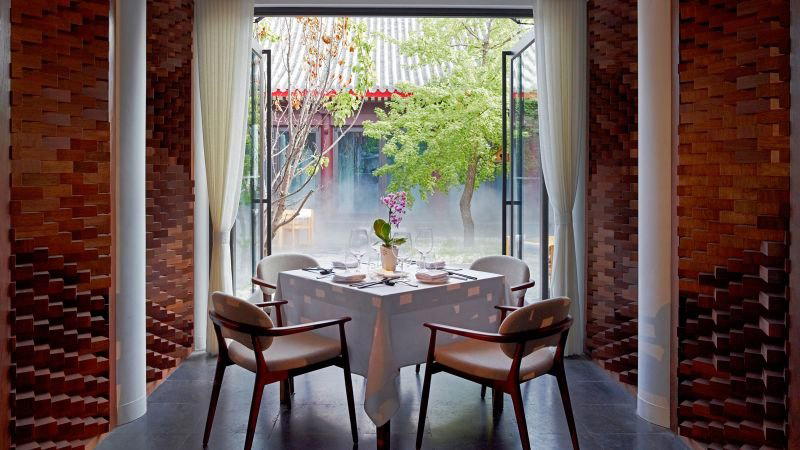
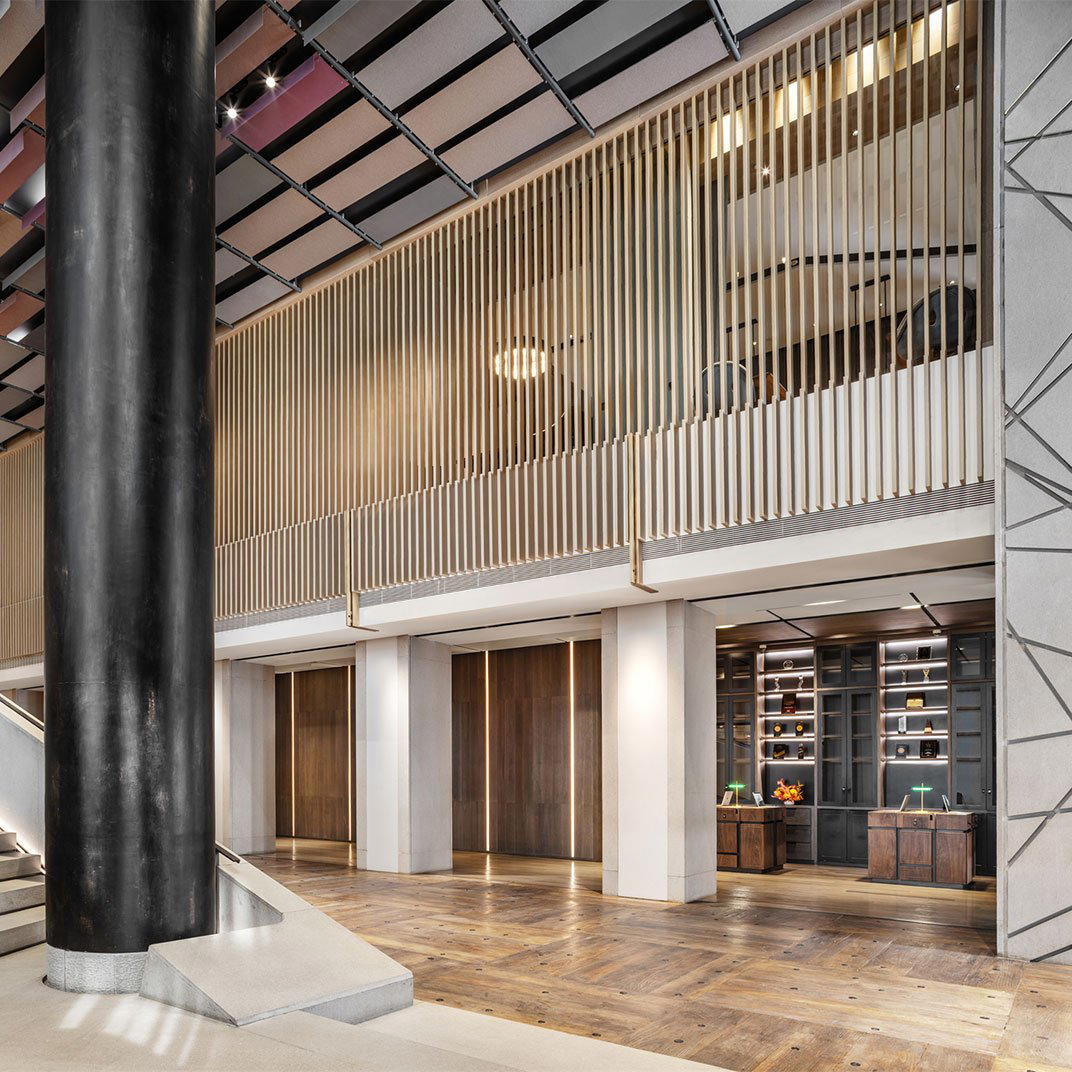
Bars in Beijing
All bars in Beijing →
Details
- Industrial
- Business Dinner
- Standalone
- A La Carte