

1 Michelin Star · Black Pearl 1 Diamond
Our verdict
Lu Style on Anding Road holds both a Michelin star and a Black Pearl Diamond, placing it among Beijing's most credentialed Shandong tables. The kitchen reframes the province's cooking through a seafood-forward lens, with daily deliveries from Weihai port anchoring a menu that runs from Laizhou Bay salads to slow-cooked donkey soup. The room carries traditional elegance at a mid-premium price point.

Pearl is the En Primeur Club membership app — saves, bookings, and concierge access live there. Same editors, same standards.
- Address
- China, 8, Chaoyang, Xinyuan S Rd, 8号CN 北京市1层启皓北京东塔 邮政编码: 100027
- Phone
- +86 10 6441 3777
- Directions
- Get directions
The menu
What to order
- Five-day Braised Sea Cucumber with Scallion
- Weihai Steamed Razor Clams with Garlic Soy
- Yimeng Six-flavor Pancake
- Bohai Bay Prawns and Cabbage
- Sea Urchin Dumplings
Where Shandong's Coastline Arrives in Chaoyang
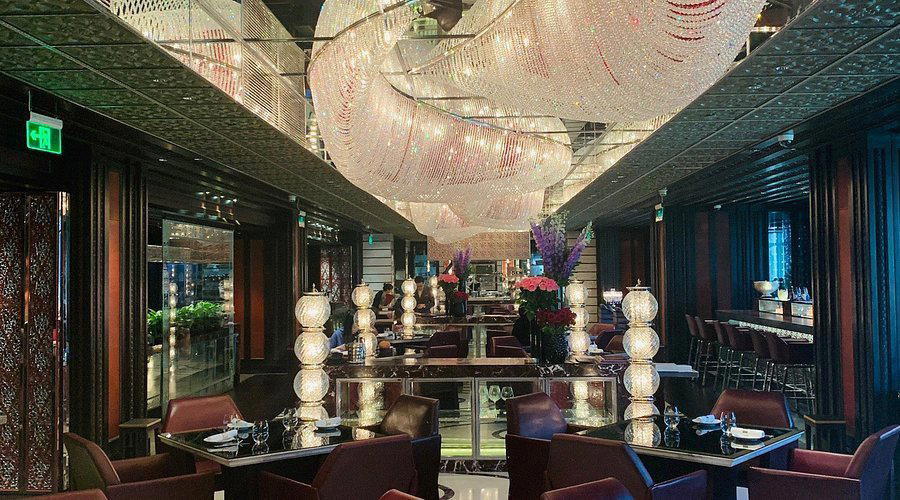
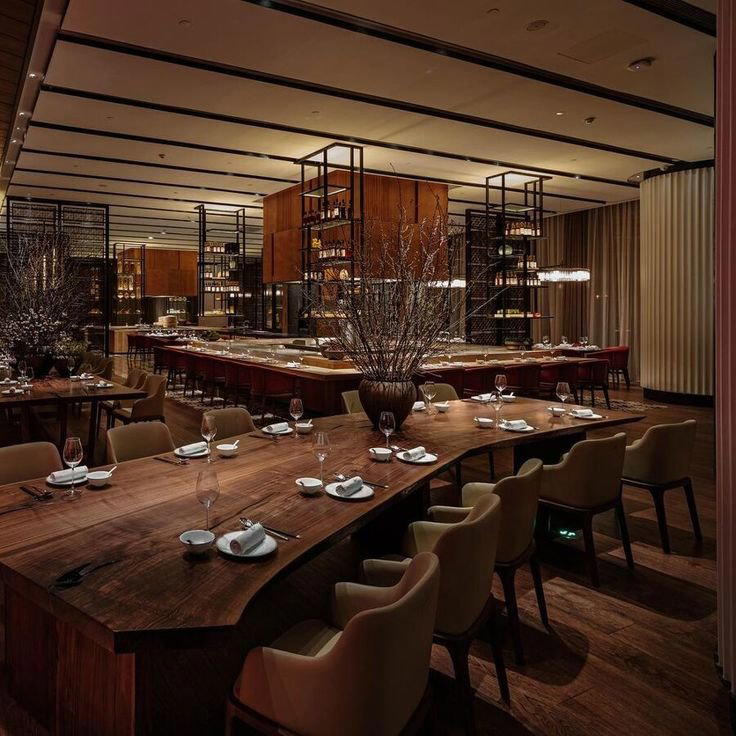
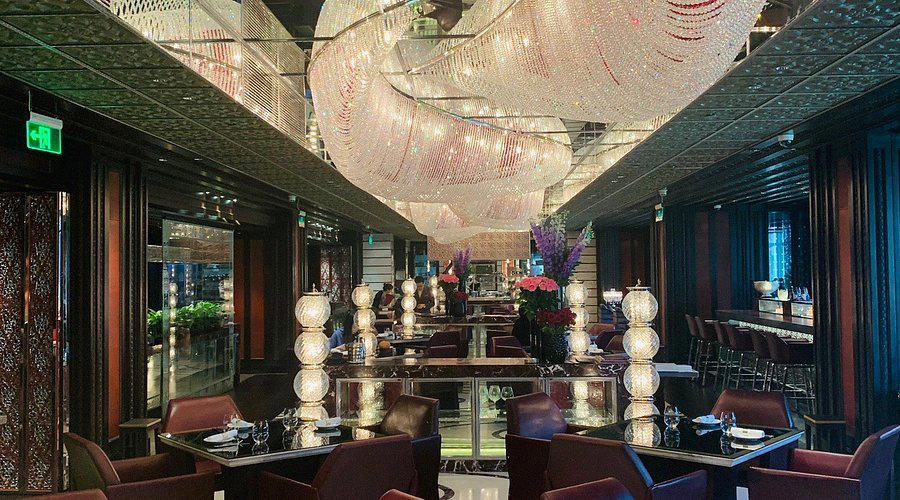
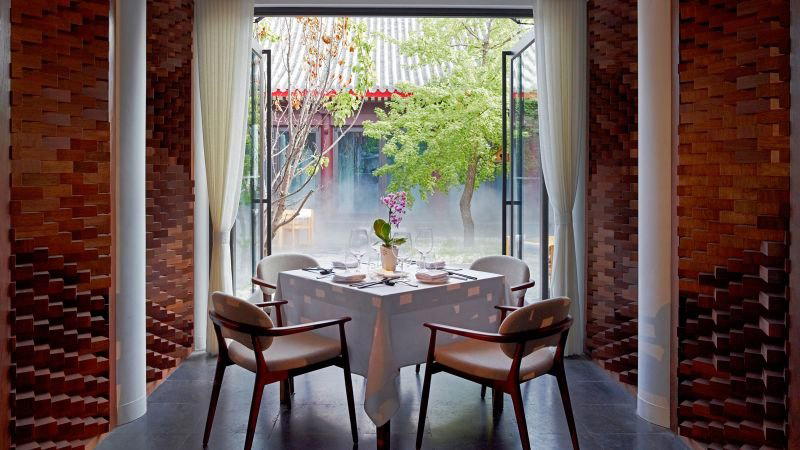
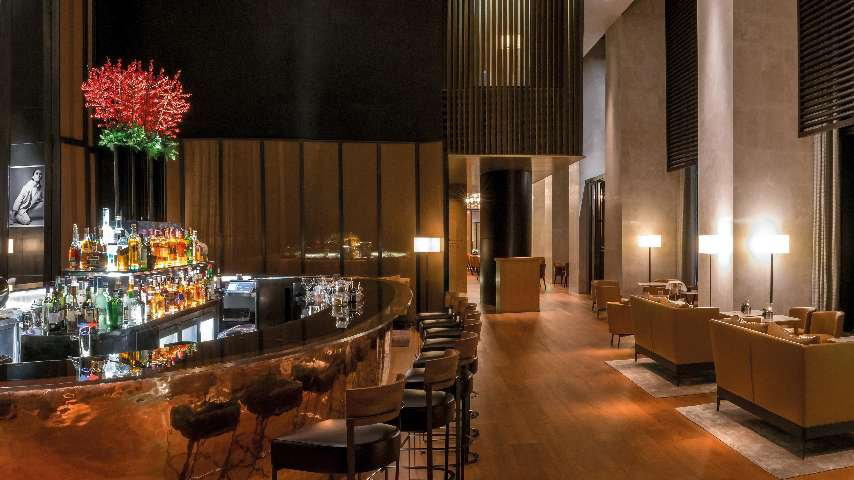
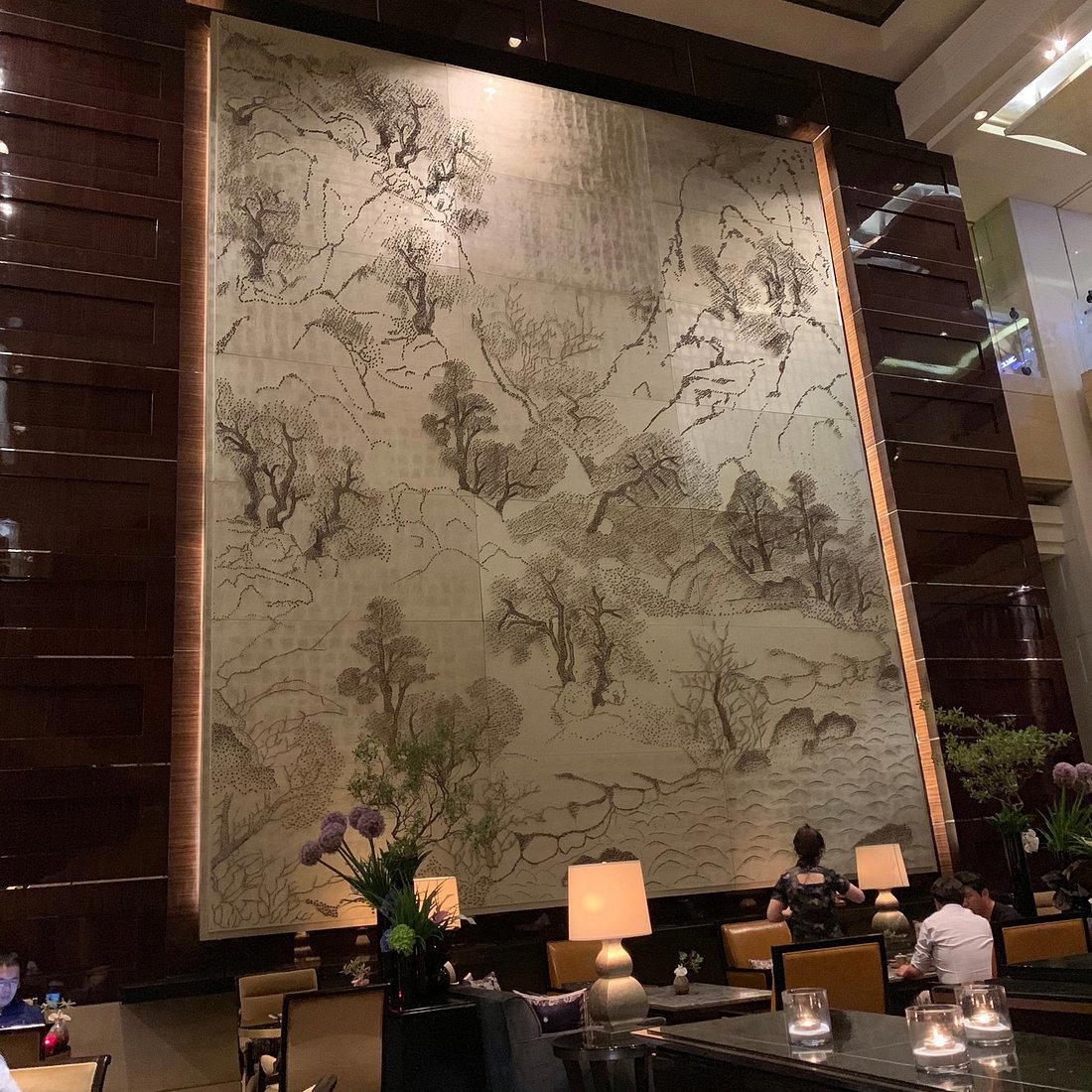
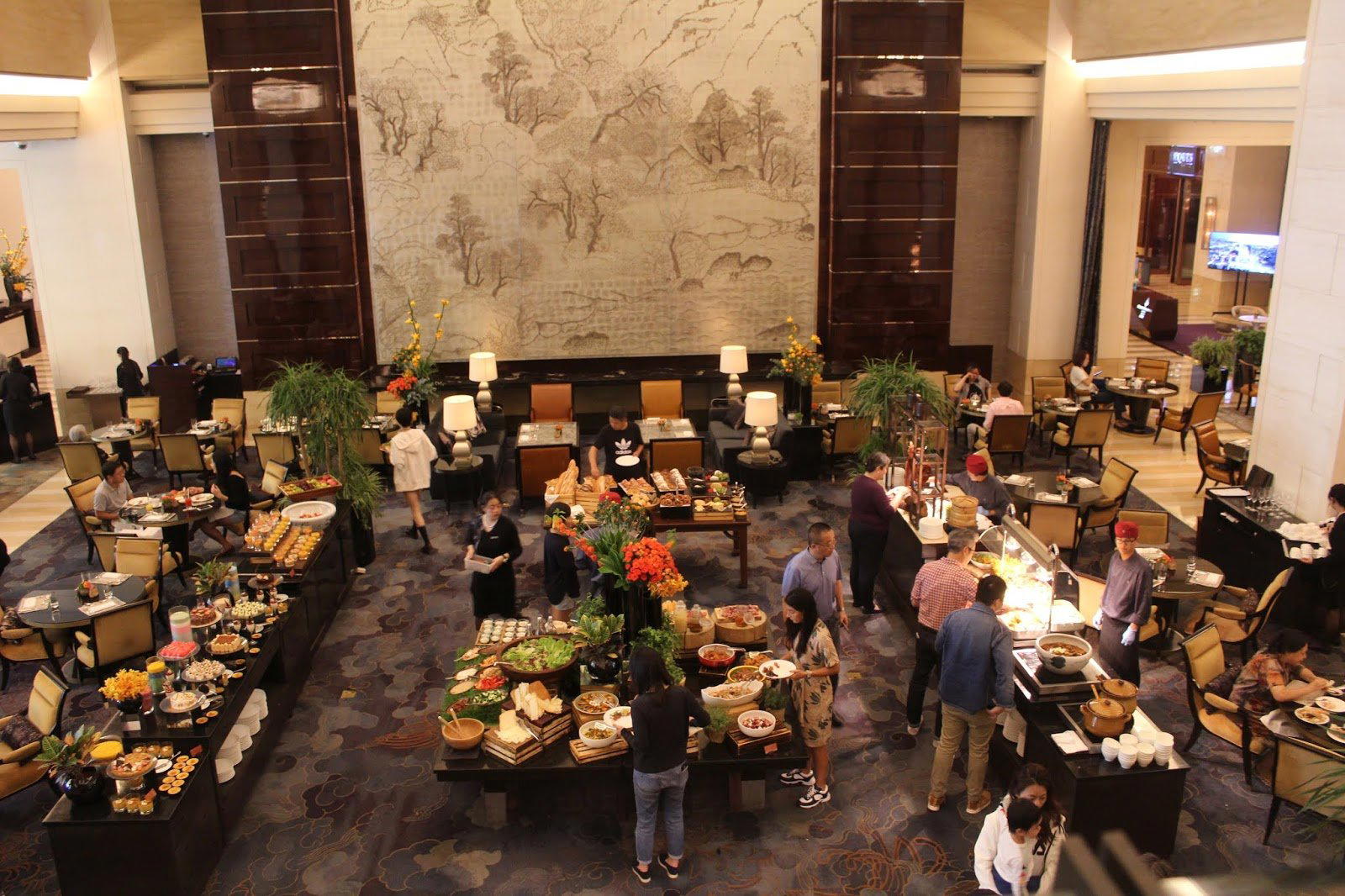
The dining room at Lu Style on Anding Road is composed rather than showy. Traditional motifs anchor the interior, the kind of considered restraint that signals a kitchen more interested in what arrives on the plate than in ambient theatrics. The address sits within the Qǐhào Beijing East Tower complex on Xinyuan South Road in Chaoyang, a district that hosts some of Beijing's most active fine-dining competition, including Xin Rong Ji (Xinyuan South Road), which operates a tier above at ¥¥¥¥. Entering Lu Style, the register drops slightly from spectacle to something more studied.
For context on why that composure matters: Lu cuisine, also called Shandong cuisine, is one of the Eight Great Cuisines of China and carries the longest documented court-cooking tradition of any regional style. Its techniques shaped Beijing's own palace kitchens for centuries. That historical weight tends to produce either museum-piece reverence or confident reinvention. Lu Style chooses the latter, and the meal sequence that follows is where that choice becomes visible.
The Arc of the Meal
Shandong's coastal geography is the organizing principle here. The province borders the Yellow Sea and the Bohai Gulf, and Weihai, its easternmost port city, is known for particularly clean, cold-water seafood. Lu Style receives daily shipments from Weihai, which means the menu's progression is built around ingredients that were in the water within the last 24 hours. This is not an unusual claim in coastal China, but it carries more weight when the kitchen is operating 600 kilometres inland.
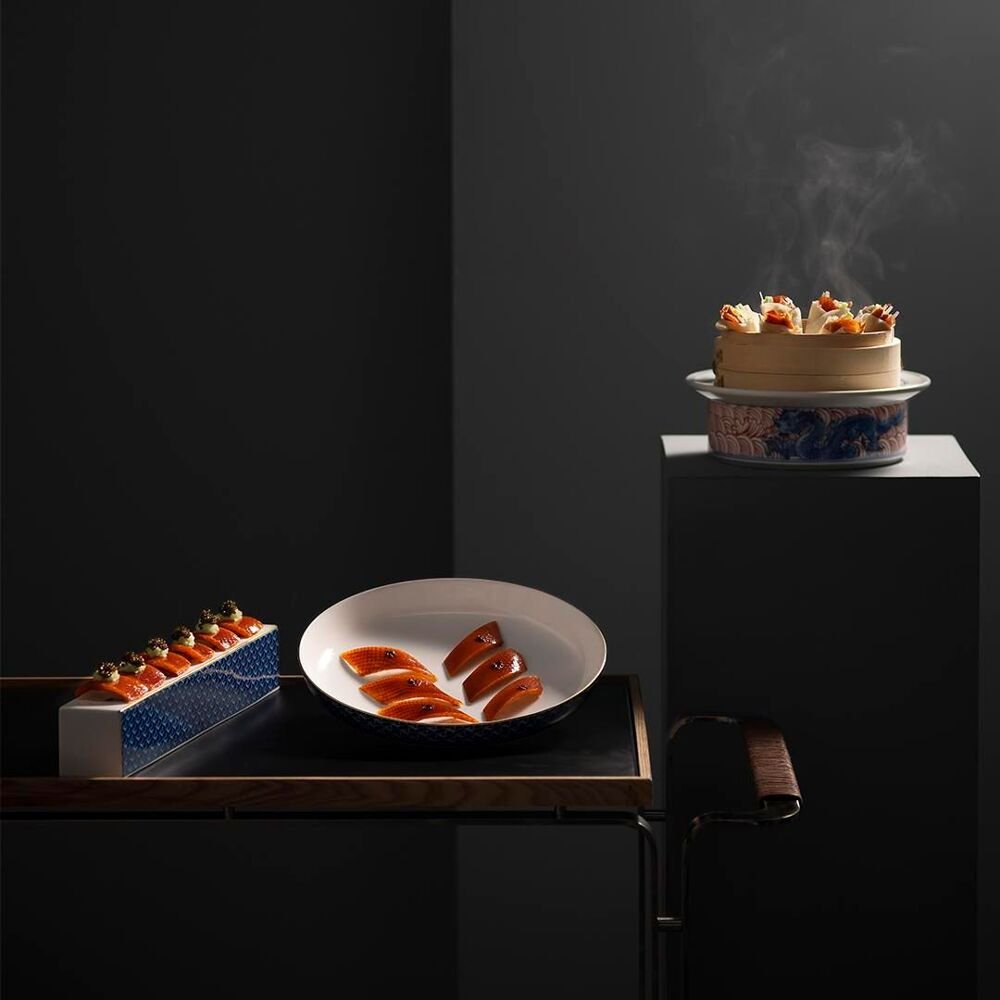
The meal tends to open with cold preparations that put the seafood's freshness on immediate display. The Laizhou Bay "penis fish" salad, served on a bed of ice plant, is the kitchen's sharpest early statement. Urechis unicinctus, the marine worm colloquially named for its shape, is a Shandong coastal staple with a mild, oceanic sweetness. Here it arrives crisp and tangy against the succulent texture of ice plant, a combination that reads as both regionally specific and technically precise. The ice bed is not decorative; it communicates a standard of temperature discipline that carries through the rest of the progression.
Mid-meal, the kitchen shifts register. Shandong cooking has always been as comfortable with braised meats and slow-cooked stocks as with seafood, and the donkey soup with Solomon's seal and black garlic is where that tradition surfaces. Slow-cooked for over ten hours, the broth develops a meaty sweetness, while donkey hide contributes a gelatinous body that reads almost like a rich collagen stock. Solomon's seal, a rhizome used in Chinese medicine for its slightly sweet, slightly bitter properties, and black garlic, fermented to lose its sharpness, add depth without obscuring the base. This is the kind of dish that requires both time and ingredient knowledge; it does not simplify itself for an unfamiliar palate.
Taken as a sequence, the meal moves from cold and bright to warm and dense, from coastal acidity to long-cooked earthiness. That arc is not accidental. It reflects how Shandong cooking historically structured formal banquets: seafood as aperture, braised preparations as the centre of gravity.
Standing in Beijing's Formal Chinese Dining Tier
Beijing's formal Chinese dining market has fragmented considerably over the past decade. At the leading sits a cluster of ¥¥¥¥ restaurants representing coastal and regional Chinese traditions: Chao Shang Chao (Chaoyang) for Cantonese Chaozhou cooking and Lamdre for high-end vegetarian both operate in that bracket. Lu Style sits one tier below at ¥¥¥, which positions it as a more accessible entry point to starred Shandong cooking without abandoning formal standards.
The awards record substantiates that positioning. A Michelin star in 2024 and a Black Pearl 1 Diamond in 2025 make Lu Style one of the few Beijing restaurants to hold simultaneous recognition from both major Chinese fine-dining rating systems. The Black Pearl Guide, operated by Meituan, applies local market knowledge calibrated to Chinese dining culture; Michelin applies international criteria. Carrying both signals broad credibility across different evaluative frameworks.
For Shandong cooking specifically, that dual recognition matters. Lu cuisine rarely gets the same headline attention in Beijing's dining media as Cantonese or Sichuan restaurants, despite its historical primacy.
The Regional Network
Lu Style's Anding Road address is part of a broader pattern of Shandong-derived or Shandong-influenced fine dining expanding across Chinese cities. In Shanghai, Lu Style (Huangpu) carries the brand to a second major market, while Bai Rong represents another Shandong interpretation in the same city. The comparison is instructive: each interprets the cuisine's coastal and braised traditions through a different editorial lens, and tracking those differences is one way to understand how a regional cuisine adapts across markets.
Elsewhere in China's fine-dining circuit, regional Chinese specialists are holding their own against the coastal-cuisine dominance. Ru Yuan in Hangzhou, Xin Rong Ji in Chengdu, and Dai Yuet Heen in Nanjing each demonstrate how serious regional investment and ingredient sourcing can compete with the major Cantonese and French Contemporary tables at places like Imperial Treasure Fine Chinese Cuisine in Guangzhou or Chef Tam's Seasons in Macau. 102 House in Shanghai adds another data point in the same direction.
Lu Style sits comfortably within this pattern: a regional specialist that has earned formal recognition by treating its source geography, Weihai's coastline and Shandong's braising tradition, as an asset rather than a constraint.
Know Before You Go
| Detail | Information |
|---|---|
| Address | 8 Xinyuan South Road, Chaoyang, Beijing (Qǐhào Beijing East Tower, Level 1) |
| Cuisine | Shandong (Lu) |
| Price range | ¥¥¥ |
| Awards | Michelin 1 Star (2024); Black Pearl 1 Diamond (2025) |
| Booking | Contact details not publicly listed; check current aggregators for reservations |
| Leading approach | Chaoyang district; accessible via Tuanjiehu or Hujialou subway stations |
For broader planning, see our full Beijing restaurants guide, our full Beijing hotels guide, our full Beijing bars guide, our full Beijing wineries guide, and our full Beijing experiences guide.
Frequently asked questions
What's the price range at Lu Style (Anding Road)?
Pricing at Lu Style (Anding Road) is listed as ¥¥¥.
What's the address for Lu Style (Anding Road)?
Lu Style (Anding Road) is located at China, 8, Chaoyang, Xinyuan S Rd, 8号CN 北京市1层启皓北京东塔 邮政编码: 100027, Beijing.
What awards or recognition does Lu Style (Anding Road) have?
Lu Style (Anding Road) has received recognition including: Black Pearl 1 Diamond (2025); Instead of typical Shandong classics, the chef, who hails from the province, champions a menu starring seafood that is shipped from Weihai port daily. The crisp and tangy Laizhou Bay "penis fish" salad on a bed….
What's the must-try dish at Lu Style (Anding Road)?
The Laizhou Bay "penis fish" salad served on ice plant is the kitchen's clearest statement of intent: Weihai seafood shipped daily to Beijing, presented with crisp acidity and temperature precision. It sits alongside a donkey soup slow-cooked for over ten hours with Solomon's seal and black garlic, which develops a gelatinous depth from the donkey hide — the two dishes together map the full range of what Lu Style argues Shandong cooking can be. Both appear on a menu built around the province's coastal geography rather than its better-known interior classics. The restaurant holds a 2024 Michelin star and a 2025 Black Pearl 1 Diamond, making it one of Beijing's more credentialed addresses for regional Chinese cuisine.
A Tight Comparison
| Venue | Cuisine | Price | Awards | Notes |
|---|---|---|---|---|
| Lu Style (Anding Road)This venue — the venue you are viewing | Modern Shandong Seafood | Not listed | 1 Michelin Star · Black Pearl 1 Diamond | Not listed |
| Jing | Modern French with Asian Influences | $300–500 | 1 Michelin Star · Black Pearl 1 Diamond | French Contemporary |
| Xin Rong Ji (Xinyuan South Road) | Taizhou Chinese Fine Dining | $300–500 | 3 Michelin Stars · World's 50 Best #84 | Taizhou |
| Chao Shang Chao (Chaoyang) | Modern Teochew (Chaoshan) Fine Dining | $200–300 | Michelin Plate · La Liste Top Restaurants | Chao Zhou |
| Lamdre | Modern Plant-Based Chinese Vegetarian | Not listed | 2 Michelin Stars · World's 50 Best #17 | Vegetarian |
| Jingji | Imperial Beijing Royal Cuisine | $200–300 | 2 Michelin Stars · La Liste Top Restaurants | Beijing Cuisine |
Recognition history
Dated appearances from independent guides and award organizations, with the underlying list record or original source where available.
Michelin 1 Star
Michelin
Black Pearl 1 Diamond
Black Pearl
Full recognition history (3 entries)
Michelin 1 Star
Michelin
Details
- Elegant
- Sophisticated
- Minimalist
- Cozy
- Business Dinner
- Special Occasion
- Group Dining
- Private Dining
- Open Kitchen
- Terrace
- Courtyard
- Extensive Wine List
- Sake Program
- Local Sourcing
- Sustainable Seafood
- Garden
- A La Carte
- Set Menu
- Allergy Accommodating
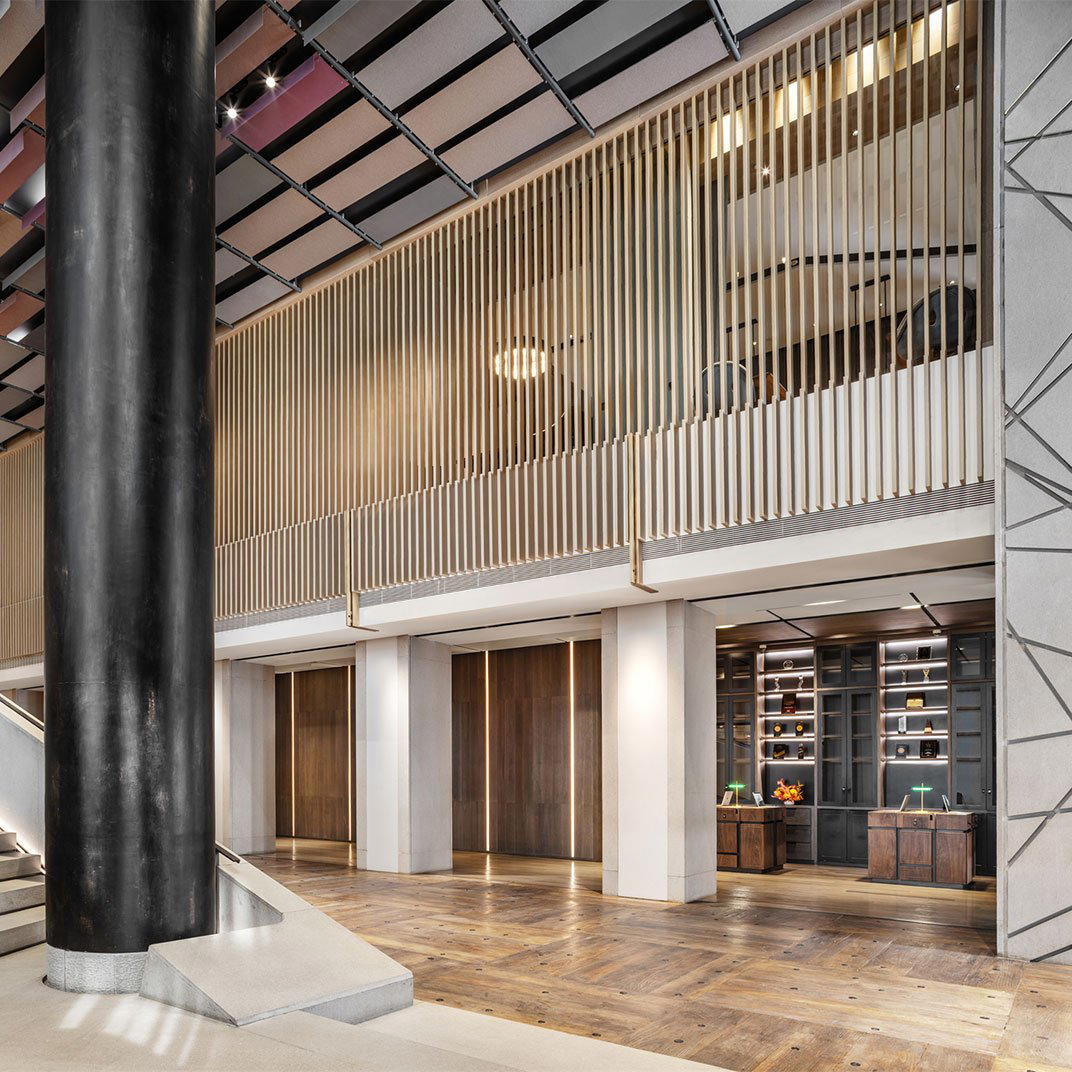
Elegant minimalist dining room with soft woods, pale stone, burnished brass, evoking coastal serenity; starry crystal chandelier ceilings and mood lighting create a warm, ceremonial atmosphere.