
Forbes Recommended
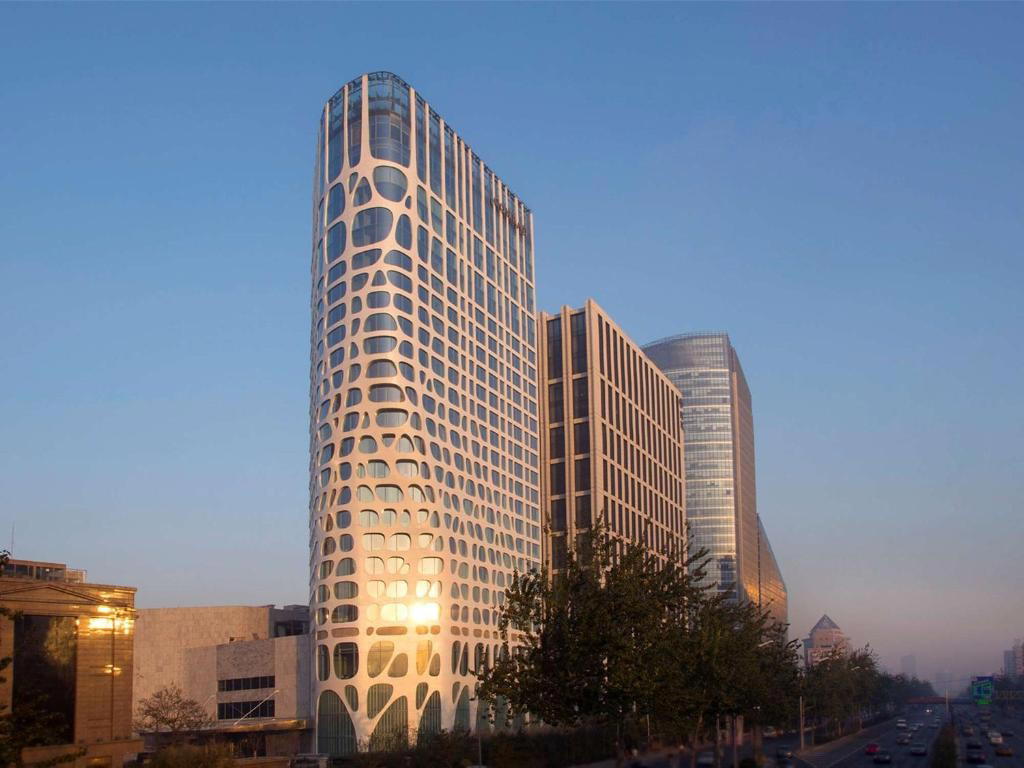
Conrad Beijing occupies a 29-story tower in Chaoyang, Beijing's principal business and diplomatic corridor, with guest rooms starting at 495 square feet and a suite category reaching 4,176 square feet. The property sits within the Hilton Worldwide portfolio and draws a mix of corporate and leisure travelers with five distinct food and beverage outlets, a five-room spa, and a 24-hour fitness center with heated indoor pool.

Pearl is the En Primeur Club membership app, where members save venues, book tables and use the concierge.
Chaoyang's Tower Logic
Beijing's premium hotel market has sorted itself into two broad clusters: the historically anchored properties around the Second Ring Road and the commerce-facing towers that line the Third Ring Road's eastern stretch. Conrad Beijing belongs firmly to the second group. Its 29-story tower rises at 29 Dong San Huan Bei Lu, placing it inside Chaoyang District's embassy and business belt, within walking distance of the Central China Television (CCTV) building and Silk Street Market. For travelers whose Beijing itinerary is organized around meetings, trade visits, or proximity to the capital's entertainment venues, that address is a practical argument in itself.
The Hilton Worldwide flag matters here as context rather than mere branding. Conrad operates as Hilton's upper-upscale tier, positioned above DoubleTree and Hilton proper but below the Waldorf Astoria in the group's hierarchy. In Beijing, that means the Conrad competes against properties like the Four Seasons Hotel Beijing, the Fairmont Beijing Hotel, and the China World Summit Wing, Beijing for corporate accounts that require a consistent international standard without the ultra-luxury premium of, say, the Bvlgari Hotel Beijing or the Aman Summer Palace. It opened in March 2013, which makes it a mid-cycle property in the current Beijing luxury hotel wave.
The Overnight Proposition: What the Room Actually Delivers
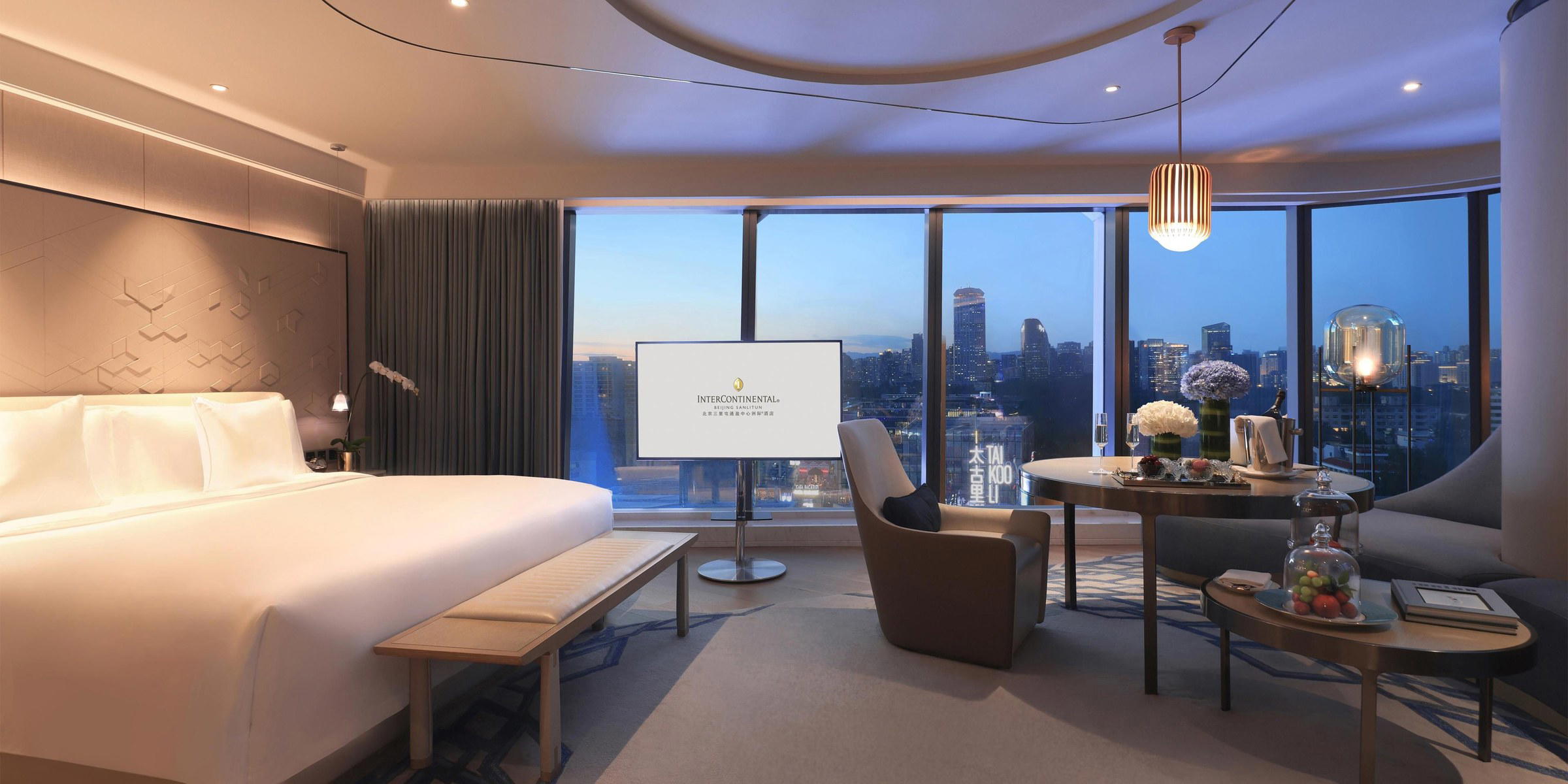
The floor area guarantee is the clearest statement Conrad Beijing makes about its positioning. Every guest room opens at 495 square feet, a threshold that places it comfortably above what most international chain hotels in Chinese cities offer at equivalent rates. The design language runs toward a modern monochrome palette: upholstered sectional couches, plush carpeting, and silk wall coverings with Chinese motifs that anchor the aesthetic in place without veering into decorative cliché. Wood and stone surfaces appear throughout, adding textural variation to what might otherwise read as a standard corporate brief.
Pillow menu is a detail that appears regularly in accounts of the property and reflects a broader shift in how upper-upscale hotels in Asia handle sleep personalization. The Conrad Beijing's version offers buckwheat (marketed for back and neck support), contoured alignment pillows, cassia (associated in traditional Chinese medicine with liver and eyesight function), and latex foam for guests with allergy concerns. The range is notable not as a novelty but as a signal of the hotel's intent: this is a property that has thought carefully about the mechanics of sleep, particularly for guests arriving jet-lagged from western time zones or from long domestic flights.
At the top of the room category ladder, the Presidential Suite reaches 4,176 square feet. That figure places it in a different functional category from the standard rooms: it is large enough to serve as a working suite for delegations or high-level corporate visitors who require meeting space without moving to a separate venue. The gap between the entry-level room (495 sq ft) and the leading suite (4,176 sq ft) is unusually wide, suggesting the property has been designed to accommodate a range of traveler profiles within a single address.
Five Venues, One Property: How the F&B; Stack Works
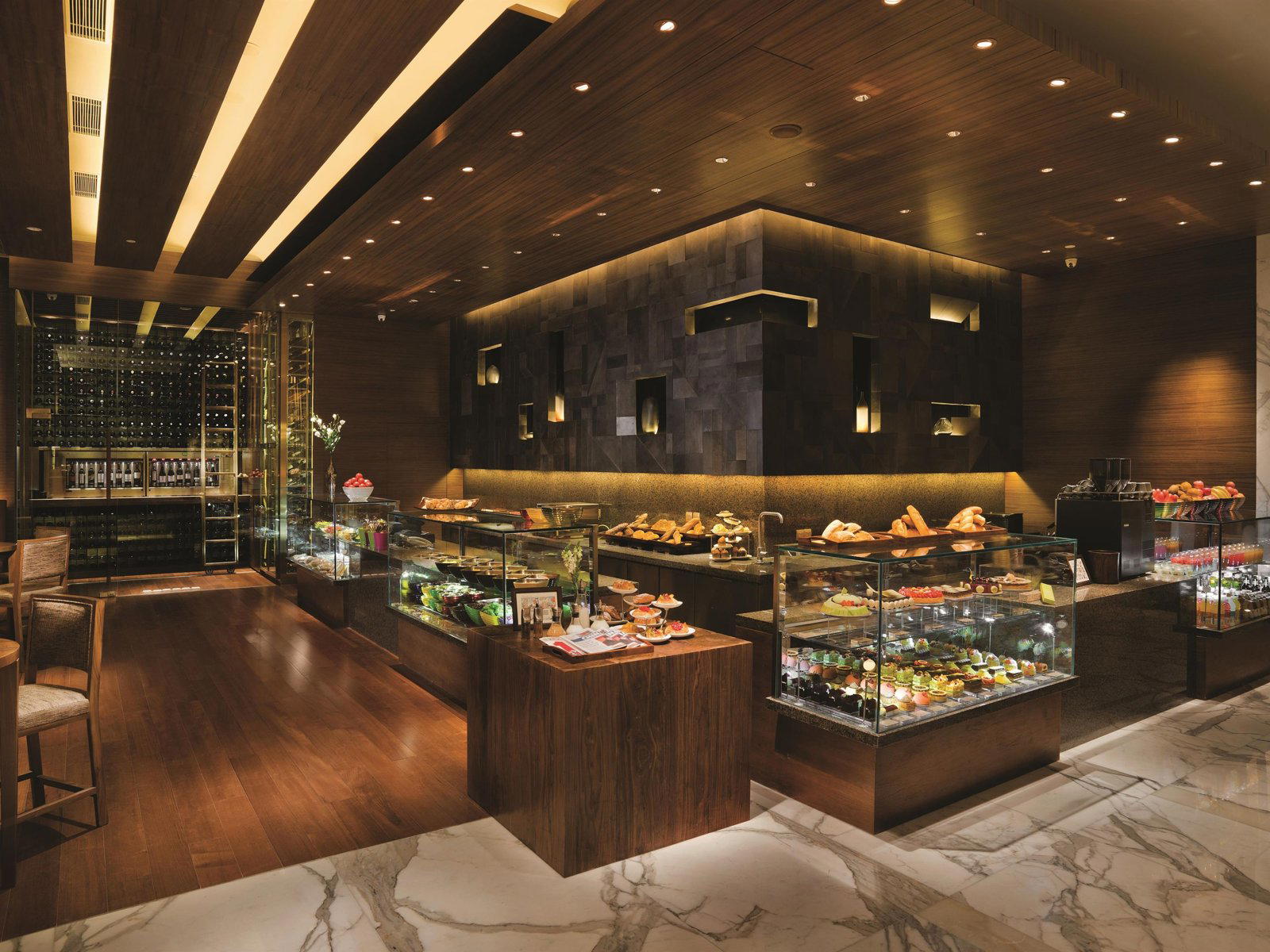
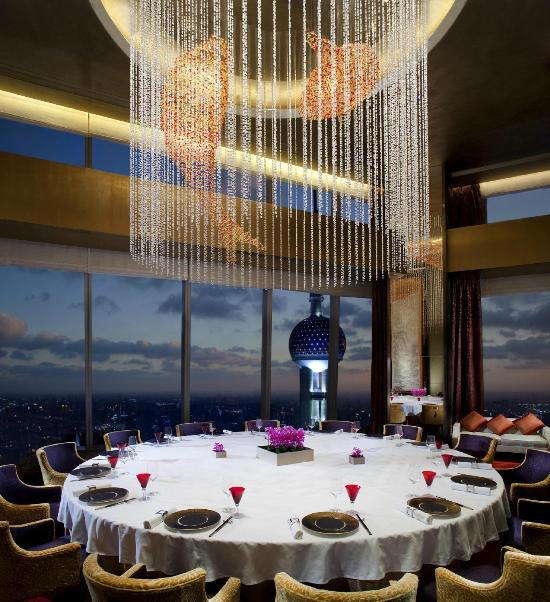
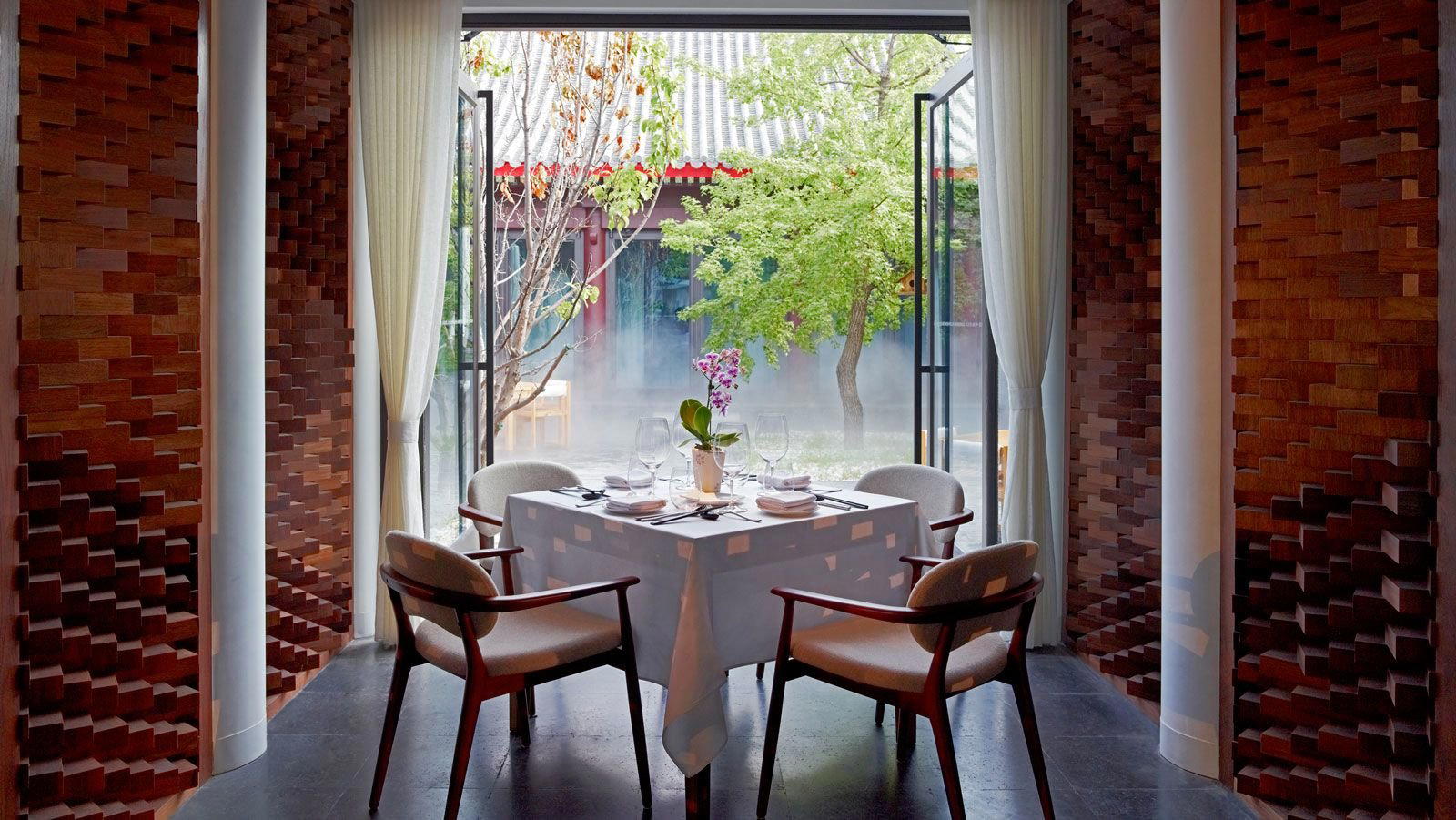
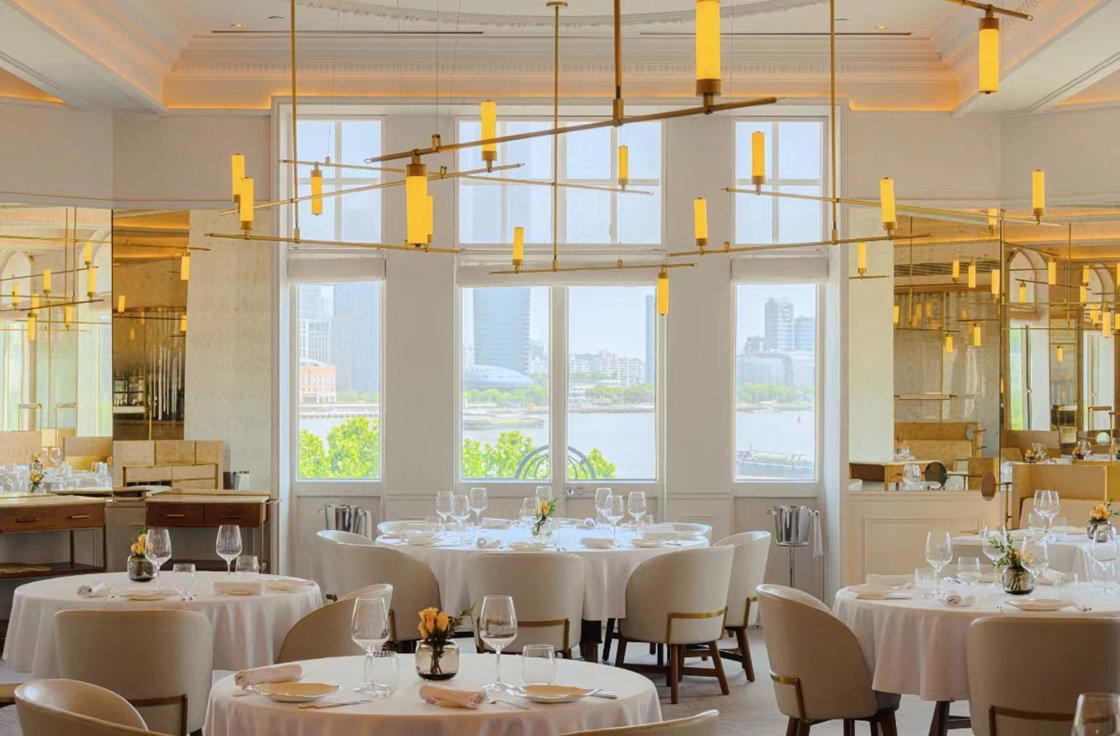
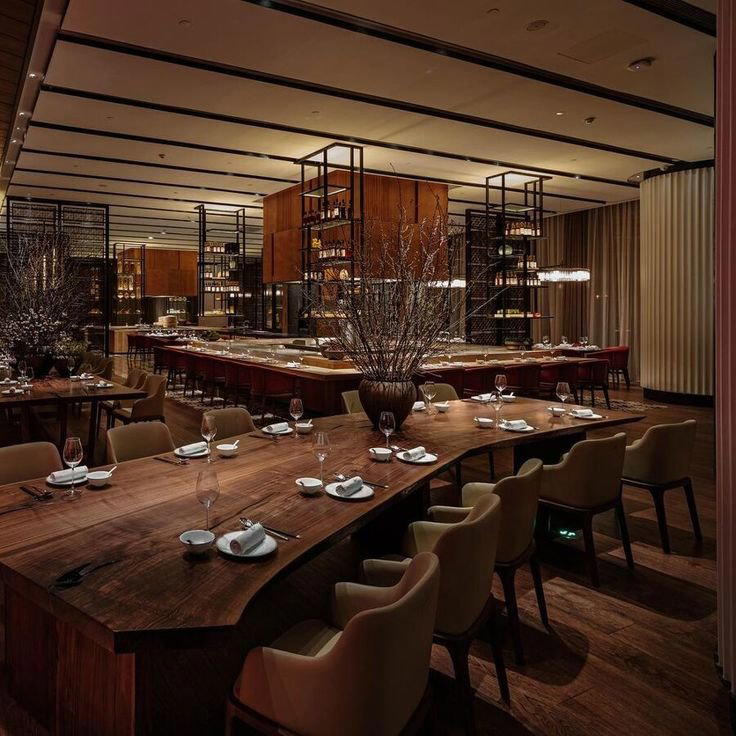
The food and beverage program at Conrad Beijing spans five distinct venues, a density that reflects the property's dual function as hotel and Chaoyang-area destination. Each venue targets a different occasion, which means the guest who checks in for four nights can, in theory, eat and drink differently every day without leaving the building.
Chapter, the all-day dining room, draws on an antique European library aesthetic that reads as a deliberate counterpoint to the tower's modern corporate exterior. The breakfast buffet here includes dim sum alongside more standard international options. Lu Yu, dedicated to Chinese tea culture, operates on a scale that makes the intention clear: a two-story wall displaying Chinese teas, with three varieties offered daily for pre-dinner tasting. The format positions tea not as an amenity but as a subject in itself, which aligns with Beijing's growing appetite for serious tea programming.
29 Grill handles the protein-forward end of the menu, with seafood and chops forming the core. The Lobby Lounge operates as the lowest-pressure option: light bites, afternoon tea, and wine in a casual setting. Vivid, the fifth venue, occupies the fifth floor and arrived after the hotel's original 2013 opening. It functions as a nightclub with an extensive cocktail list, enclosed nooks, and an outdoor area that becomes relevant in warmer months. The Vivid Punch, built on Hennessy VSOP, Belvedere vodka, dark rum, Grand Marnier, and pineapple and orange juices, has been cited as the signature drink.
For guests comparing this F&B; depth against alternatives in the city, properties like the Eclat Beijing or the Mandarin Oriental Qianmen offer different approaches to on-site dining. Our full Beijing restaurants guide maps the wider city dining picture for guests who want to range further.
Wellness Infrastructure
The spa operates across five treatment rooms, a compact footprint by the standards of larger resort properties but appropriate for an urban business hotel. Treatments cover the standard range: body scrubs, deep tissue massage, and hydrating facials. The fitness center runs 24 hours, carries cardio and strength equipment described as near-new at the time of the inspector's visit, and connects to a heated indoor pool and Jacuzzi. For a traveler whose schedule compresses workouts into early mornings or late evenings, the 24-hour access removes the timing friction that makes hotel gyms impractical.
Planning a Stay
Conrad Beijing sits at 29 Dong San Huan Bei Lu in Chaoyang District, with the CCTV building and Silk Street Market within the immediate neighborhood. The property falls under Hilton Worldwide's booking infrastructure, which means HHonors members can apply points and status benefits across the stay. Travelers comparing this address against design-led options like the Brickyard Retreat at Mutianyu Great Wall should note the Conrad's orientation is firmly urban and corporate rather than cultural or retreat-focused.
Internationally, the Conrad format contrasts interestingly with properties like Aman New York or Aman Venice, which represent a fundamentally different ownership and scale philosophy.
Quick Comparison
Comparable venues nearby, for context on price, style, and recognition.
| Venue | Cuisine | Price | Awards | Notes |
|---|---|---|---|---|
| Conrad BeijingThis venue (the venue you are viewing) | Contemporary luxury with natural wood, stone elements, and panoramic city views | $200–300 | Forbes Recommended | Not listed |
| Fairmont Beijing Hotel | Luxury urban hotel blending traditional and contemporary Chinese styles with distinctive architecture. | Not listed | Forbes Recommended | Chaoyang |
| The Ritz-Carlton Beijing, Financial Street | Contemporary luxury hotel embracing Feng Shui principles with glass and chrome exterior and warm interiors | Not listed | Michelin Selected · La Liste Top Hotels | Fengsheng |
| Hyatt Regency Beijing Wangjing | Modern urban oasis blending minimalist design with natural elements. | $200–300 | Michelin Selected · Conde Nast Best Hotels #18 | Dashanzi |
| Sofitel Beijing Central | Contemporary luxury hotel with French brand heritage positioned for culture industry professionals and younger affluent travelers seeking modern design and lively nightlife. | $100–200 | Michelin Selected | Balizhuang |
| The Opposite House | Trendy urban residence with art gallery vibe | Not listed | La Liste Top Hotels | Sanlitun |
Recognition history
Dated appearances from independent guides and award organizations, with the underlying list record or original source where available.
Forbes Recommended
Forbes
Continue exploring
More in Beijing
Hotels in Beijing
All hotels in Beijing →
Bars in Beijing
All bars in Beijing →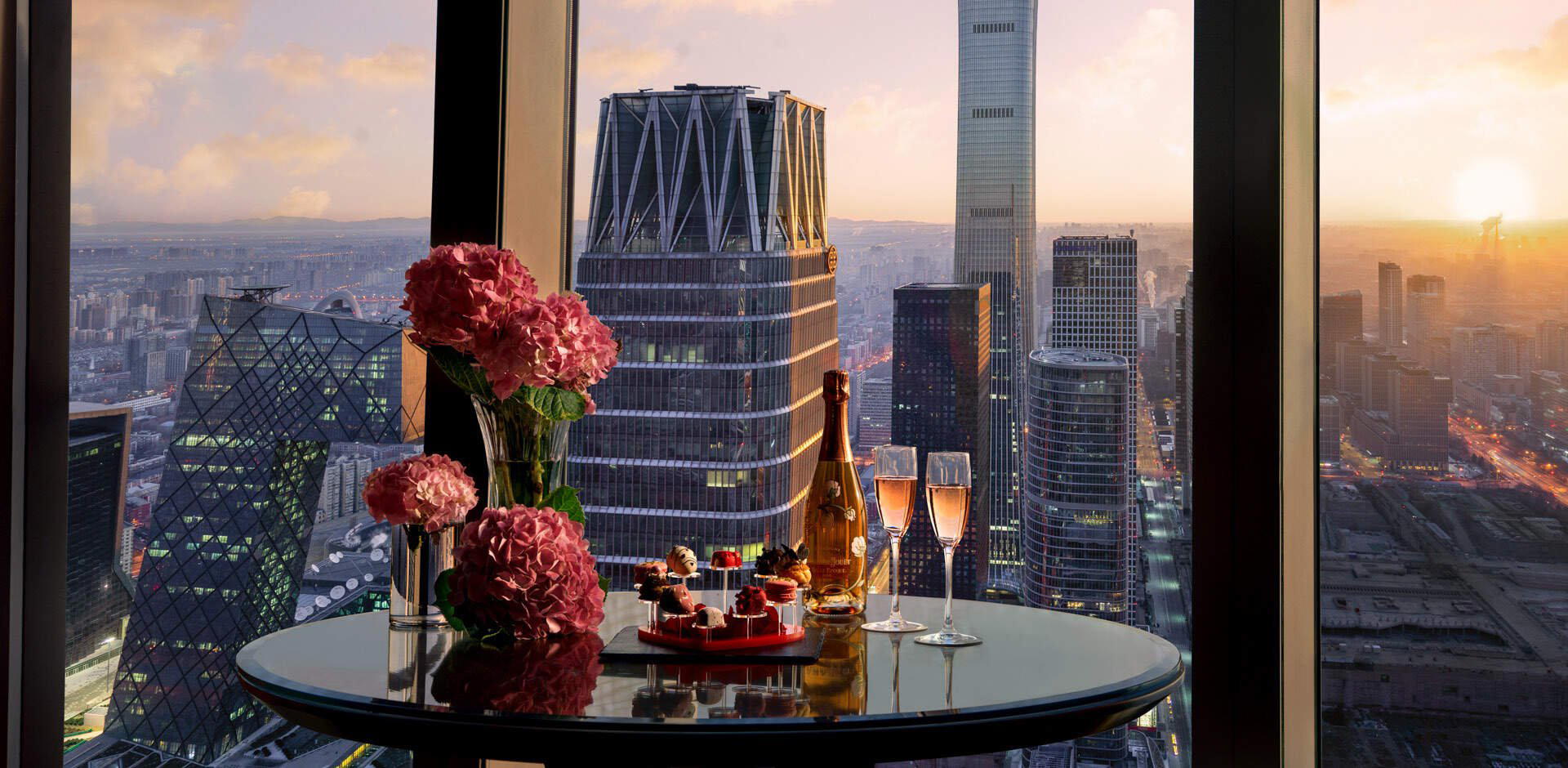
Details
- Modern
- Elegant
- Sophisticated
- Business Trip
- Romantic Getaway
- Panoramic View
- Rooftop Pool
- Indoor Pool
- Spa
- Fitness Center
- Room Service
- Concierge
- Business Center
- Wi Fi
- Restaurant
- Pool
- Skyline
- Wheelchair Accessible
- Elevator
Serene and luxurious with natural light, stylish interiors, marble bathrooms, and a tranquil atmosphere praised for its quietness despite urban location.