


1 Michelin Star · Black Pearl 1 Diamond
Our verdict
A Michelin-starred Cantonese restaurant operating inside a hotel in Beijing's Chaoyang district, Cai Yi Xuan holds a Black Pearl Diamond (2025) and an Opinionated About Dining top-400 Asia ranking. The menu turns on seasonal ingredients and regional technique, with a dining room that takes its cues from classical Chinese garden aesthetics. For Cantonese cooking at this level in the capital, the address is a consistent reference point.

Pearl is the En Primeur Club membership app, where members save venues, book tables and use the concierge.
The menu
What to order
- Peking Duck
- Wok-fried prawns with fermented black garlic
- Wok-fried Australian Wagyu Beef
Cantonese in Chaoyang: What the Neighbourhood Means for This Meal
Chaoyang is where Beijing's hotel dining concentrates. The district's broad avenues and embassy-quarter adjacency have made it the default home for the kind of formal restaurant that operates inside an international property, rooms where the kitchen is serious but the surroundings are calibrated to a business-travel and special-occasion clientele. Within that cluster, Cantonese cooking has historically occupied a particular position: it travels well to Beijing partly because the cuisine's technical demands reward a well-resourced hotel kitchen, and partly because Guangdong flavours read as suitably refined for the banquet and corporate-dinner circuits that Chaoyang venues rely on.
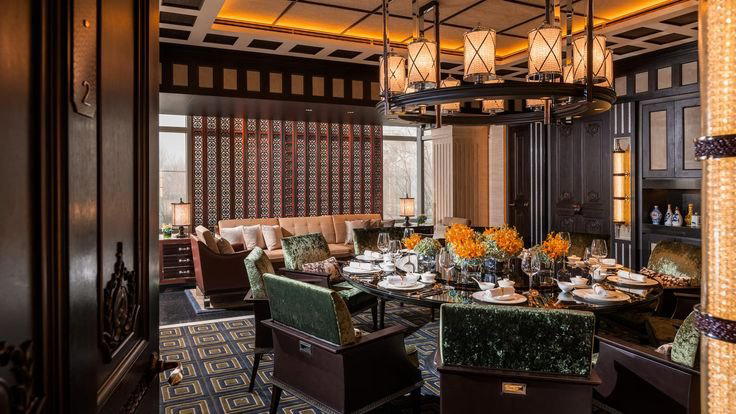
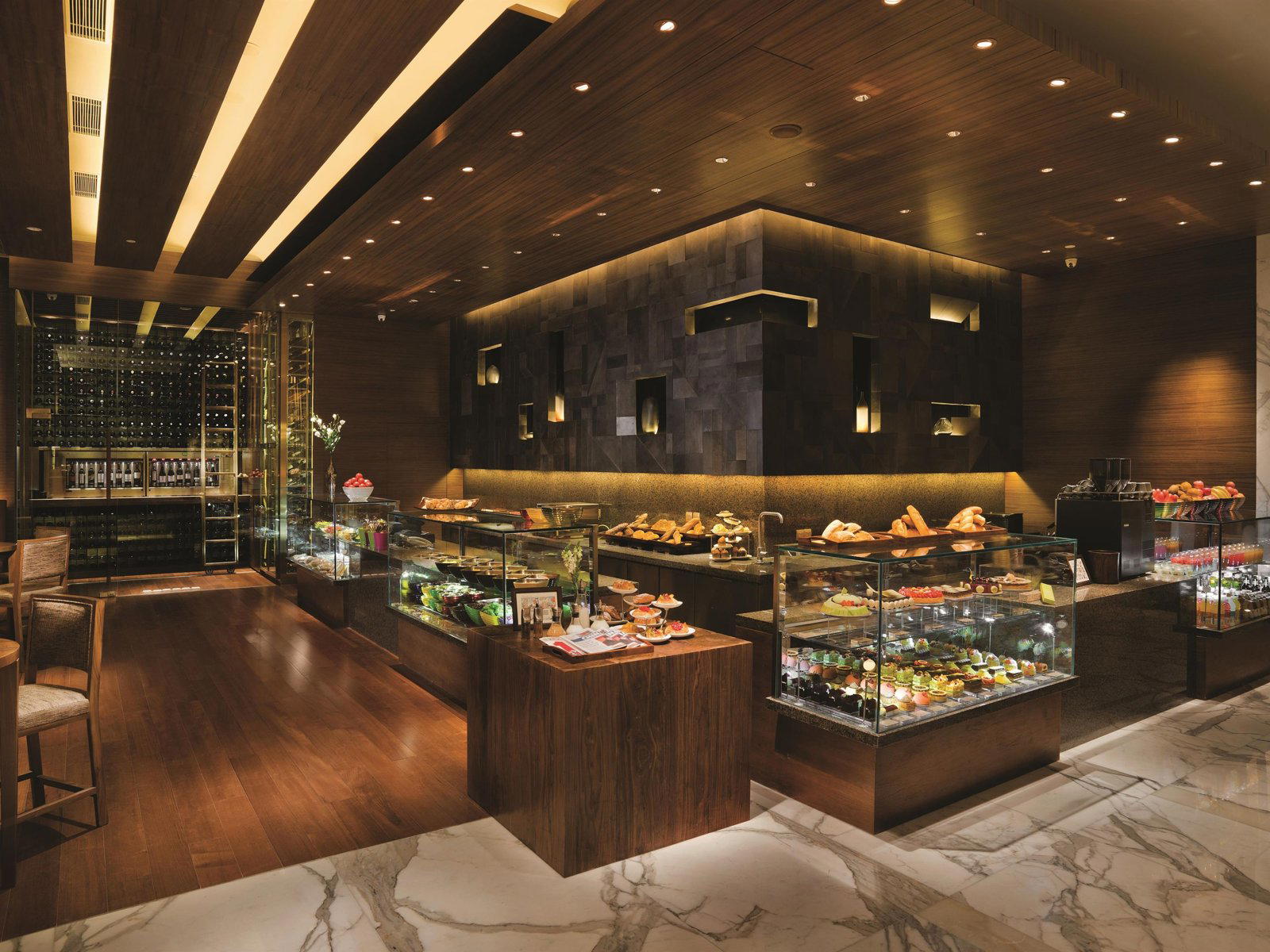
Cai Yi Xuan sits on Tuanjiehu South Road in that Chaoyang belt, and its competitive context is shaped accordingly. The dining room draws on garden-courtyard imagery, art pieces referencing Chinese decorative traditions, soft lighting, an upmarket material palette, which positions it in the tier of hotel restaurants that present Chinese cuisine formally rather than nostalgically. It is not trying to replicate a neighbourhood teahouse or a Hong Kong dai pai dong. The register is closer to the fine-dining Cantonese rooms found in Macau and Guangzhou, albeit adapted for a Beijing hotel setting.
Where Cai Yi Xuan Sits in Beijing's Awarded Dining Scene
Beijing's Michelin-starred Chinese restaurants now span several regional cuisines and price tiers. At the upper end, Xin Rong Ji (Xinyuan South Road) and Chao Shang Chao (Chaoyang) each hold three Michelin stars and price at ¥¥¥¥. Cai Yi Xuan occupies the tier below: one Michelin star, Black Pearl 1 Diamond (2025), and a ¥¥¥ price point that places it in roughly the same bracket as single-starred French contemporary rooms in the city. That combination, meaningful recognition across two independent rating systems at a relatively accessible price tier, defines its competitive position more clearly than any single award would.
The Opinionated About Dining trajectory is worth reading carefully. Cai Yi Xuan entered the OAD Asia recommendations list in 2023, moved to a ranked position at #392 in 2024, and climbed to #424 in 2025. That number looks like a decline, but OAD rankings expand as more restaurants enter the scored pool; maintaining a top-500 Asia position across three consecutive years against a growing field is a signal of consistency rather than plateau. For context, Beijing has a relatively small number of OAD-ranked addresses compared to Shanghai or Tokyo, which makes the appearance notable.
Across the region, the restaurants most directly comparable in format, Cantonese, hotel-anchored, single-star, formal setting, include Chef Tam's Seasons in Macau, Dai Yuet Heen in Nanjing, and Imperial Treasure Fine Chinese Cuisine in Guangzhou. The broader benchmark for Cantonese fine dining in Greater China runs through rooms like The Chairman in Hong Kong and The Eight in Macau.
The Menu: Cantonese Technique with Seasonal Logic
Cantonese cooking's reputation for precision over heaviness is well-documented: stocks built over hours, proteins handled to preserve texture, sauces that amplify rather than mask. In a Beijing hotel context, the kitchen at Cai Yi Xuan applies that tradition to a menu structured around seasonal ingredient availability, a framing common to Cantonese rooms that want to signal their sourcing seriousness rather than defaulting to a static year-round card.
Chef Li Qiang, who hails from Tianjin and has spent years working across teams within the hotel group, brings a background that reads more institutional than chef-patron: the kind of senior kitchen figure who understands how to run a hotel dining room at award level without the solo-operator ego that sometimes makes such rooms feel rigid. It is a Cantonese approach applied with a northern Chinese pantry influence, which makes some sense given the chef's Tianjin origins.
The wine list, according to award documentation, includes fine vintages, positioning Cai Yi Xuan in the tier of Chinese restaurant that treats wine pairing seriously rather than treating the list as an afterthought. For comparable Cantonese rooms in mainland China that take a similar wine-forward approach, Ru Yuan in Hangzhou and 102 House in Shanghai occupy a related space. Diners who approach Chinese fine dining with wine pairing expectations will find the cellar here more considered than at many regional peers.
Beijing's Cantonese Dining Tier and What It Means for the Reader
The presence of Cantonese restaurants at the upper end of Beijing dining is not self-evident. The capital's culinary identity runs through roast duck, lamb hotpot, and imperial banquet traditions. Cantonese cooking arrived in Beijing through hotel investment and a professional-class appetite for the kind of lighter, seafood-led Chinese cuisine associated with Guangdong. That means the city's Cantonese fine-dining rooms are almost always hotel-anchored rather than independent, and they compete not just against each other but against the city's growing range of other awarded cuisines.
For a reader deciding where Cai Yi Xuan fits, the relevant comparisons within Chaoyang itself include Chao Shang Chao at a higher price tier and star level, and properties that take a different Chinese regional approach like Jingji, which focuses on Beijing cuisine. Those who want to move outside the meat-and-duck traditions of the capital without leaving the familiar territory of hotel fine dining will find Cai Yi Xuan a coherent choice. The restaurant is also positioned differently from the vegetarian Chinese rooms that have attracted their own following in the city: Lamdre and King's Joy occupy that niche at various price points.
Planning a Visit
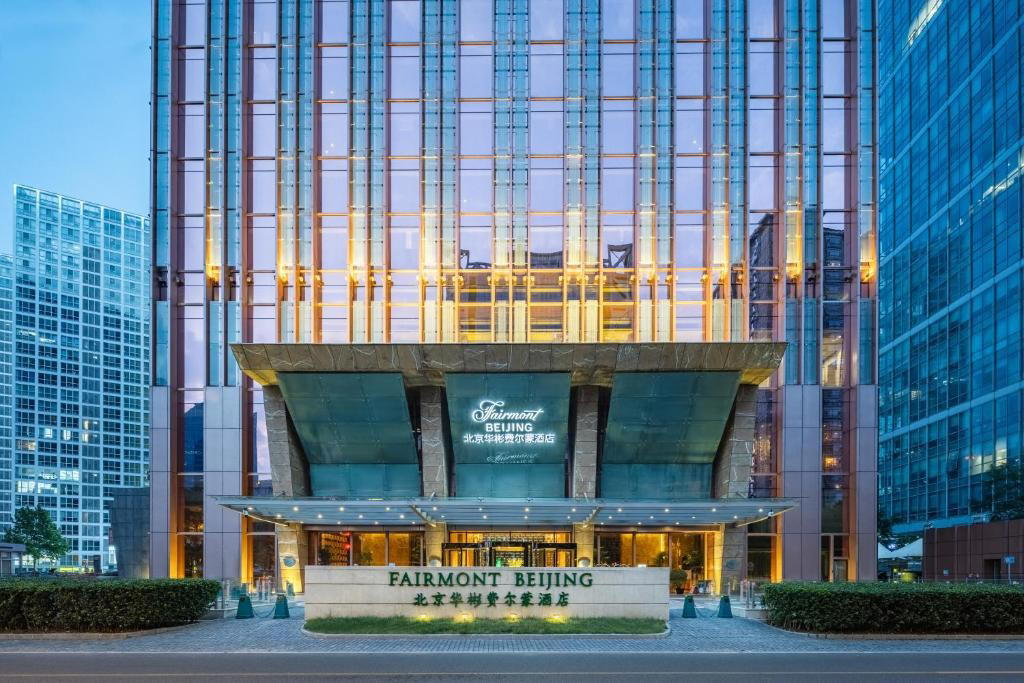
Cai Yi Xuan is located at 15 Tuanjiehu South Road, Chaoyang, in a part of the district well-served by both taxi and metro. The ¥¥¥ price tier puts it at a level where a full table meal with drinks represents a meaningful spend but not the top-tier outlay required at the three-star rooms. For Beijing visitors building an itinerary around the city's awarded dining, it functions as a reference point rather than a special-occasion-only address. For those exploring the wider regional scene, the EP Club guides to Beijing restaurants, hotels, bars, wineries, and experiences provide fuller context for building a trip around the city's current dining and hospitality offer.
Given the recognition profile, Michelin star, Black Pearl Diamond, and consistent OAD placement, demand for tables is unlikely to be casual. Advance planning is the sensible approach, particularly for weekend evenings and the high-volume periods around Chinese public holidays.
Cantonese Fine Dining Beyond Beijing
For readers whose interest in this style of cooking extends across China and the wider region, the Cantonese fine-dining circuit connects several cities. Xin Rong Ji in Chengdu represents a different regional cooking tradition at comparable recognition levels, while the Cantonese rooms in Hong Kong and Macau, including The Chairman and The Eight, set the benchmark against which mainland Cantonese rooms are often informally measured. Cai Yi Xuan's position in that extended conversation, a Michelin-starred, OAD-ranked room maintaining consistency across three years in a city not historically associated with Cantonese excellence, says something about how Beijing's fine-dining geography has shifted.
Frequently asked questions
Is Cai Yi Xuan okay with children?
Cai Yi Xuan is a Michelin-starred, Black Pearl–recognised dining room at the ¥¥¥ price tier in a Chaoyang hotel setting. The formal atmosphere, service rhythm, and price level make it a poor fit for young children. There is no stated prohibition, but the room is designed for adult dining.
What kind of setting is Cai Yi Xuan?
The dining room draws on garden-inspired design with upmarket Chinese décor and soft lighting, formal without being severe. It operates within a hotel in Chaoyang at the ¥¥¥ tier, placing it alongside Beijing's other awarded hotel restaurants rather than the city's casual Cantonese spots. The Black Pearl 1 Diamond and Michelin star recognitions confirm the level of formality you should expect.
What distinctions does Cai Yi Xuan have?
Cai Yi Xuan has received recognition including: Opinionated About Dining Top Restaurants in Asia Ranked #424 (2025); Black Pearl 1 Diamond (2025); Of art garden inspiration, the tasteful dining room boasts an upmarket Chinese décor and soft lighting. The main menu focuses on Cantonese fa….
What's the signature dish at Cai Yi Xuan?
Chef Li Qiang's wok-fried prawns with fermented black garlic and dried chillies is the preparation cited directly in the restaurant's award documentation and the dish Li specifically names as his signature. It encapsulates the kitchen's approach: Cantonese technique applied to ingredients at seasonal peak, with fermentation used for depth rather than novelty.
Is Cai Yi Xuan more mid-range or high-end?
Pricing at Cai Yi Xuan is listed as ¥¥¥.
What It’s Closest To
| Venue | Cuisine | Price | Awards | Notes |
|---|---|---|---|---|
| Cai Yi XuanThis venue (the venue you are viewing) | Michelin-Starred Cantonese | Not listed | 1 Michelin Star · Black Pearl 1 Diamond | Not listed |
| Jing | Modern French with Asian Influences | $300–500 | 1 Michelin Star · Black Pearl 1 Diamond | French Contemporary |
| Xin Rong Ji (Xinyuan South Road) | Taizhou Chinese Fine Dining | $300–500 | 3 Michelin Stars · World's 50 Best #84 | Taizhou |
| Chao Shang Chao (Chaoyang) | Modern Chaoshan (Teochew) Fine Dining | $300–500 | Michelin Plate · La Liste Top Restaurants | Chao Zhou |
| Lamdre | Modern Plant-Based Chinese Vegetarian | Not listed | 2 Michelin Stars · World's 50 Best #17 | Vegetarian |
| Jingji | Imperial Beijing Royal Cuisine | $200–300 | 2 Michelin Stars · La Liste Top Restaurants | Beijing Cuisine |
Recognition history
Dated appearances from independent guides and award organizations, with the underlying list record or original source where available.
Michelin 1 Star
Michelin
Opinionated About Dining Top Restaurants in Asia Recommended
Opinionated About Dining
Black Pearl 1 Diamond
Black Pearl
Full recognition history (7 entries)
Opinionated About Dining Top Restaurants in Asia Ranked #424
Opinionated About Dining
Michelin 1 Star
Michelin
Opinionated About Dining Top Restaurants in Asia Ranked #392
Opinionated About Dining
Opinionated About Dining Top Restaurants in Asia Recommended
Opinionated About Dining
Continue exploring
More in Beijing
Restaurants in Beijing
All restaurants in Beijing →
Bars in Beijing
All bars in Beijing →


Details
- Elegant
- Sophisticated
- Ornate
- Business Dinner
- Special Occasion
- Celebration
- Hotel Restaurant
- Private Dining
- Extensive Wine List
- Street Scene
- A La Carte
- Vegetarian Friendly
- Gluten Free Options
Current opening hours
- Monday
- 10:30 AM–10 PM
- Tuesday
- 10:30 AM–10 PM
- Wednesday
- 10:30 AM–10 PM
- Thursday
- 10:30 AM–10 PM
- Friday
- 10:30 AM–10 PM
- Saturday
- 10:30 AM–10 PM
- Sunday
- 10:30 AM–10 PM
Hours can change for holidays and private events. Hours as of .
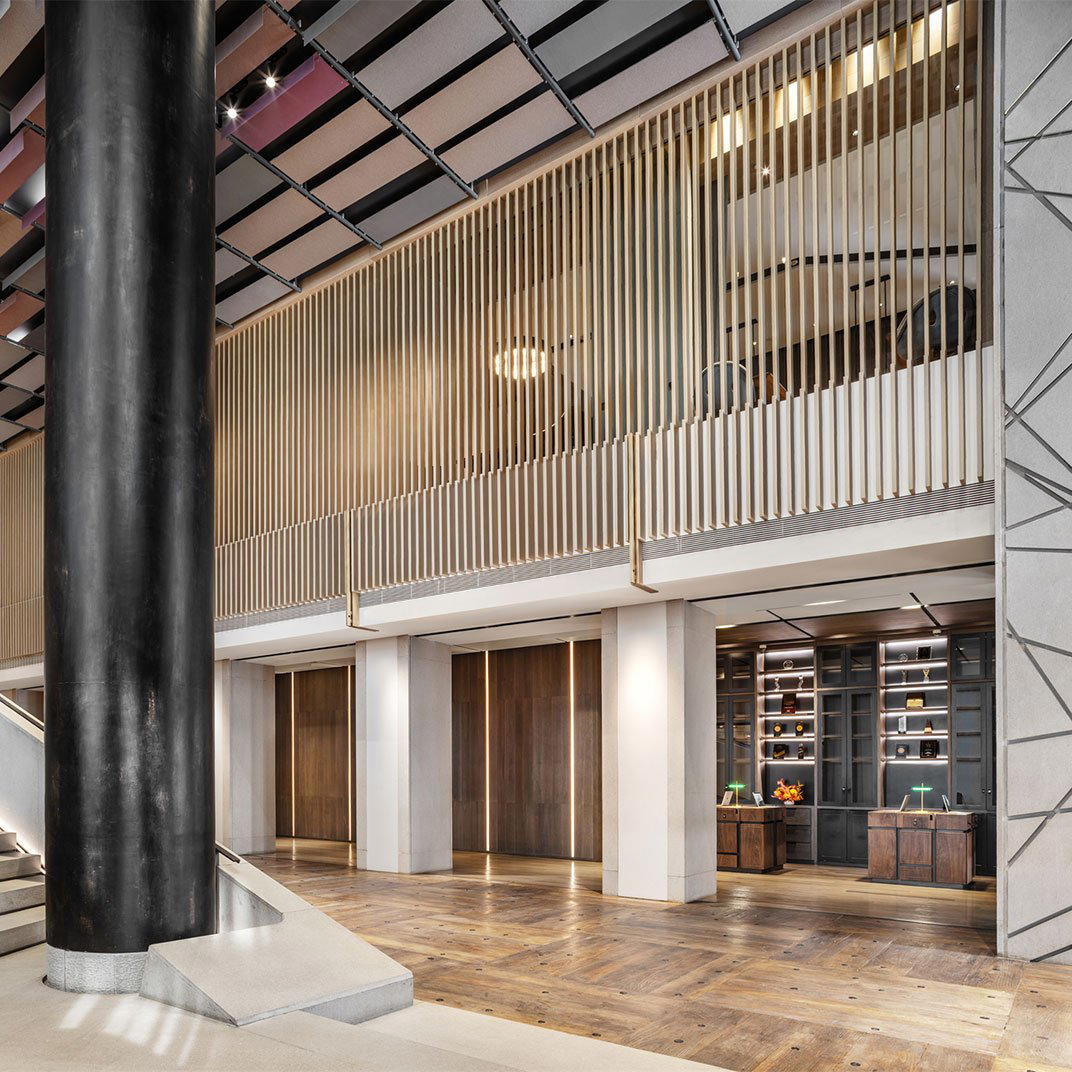
Tasteful dining room with upmarket Chinese décor, soft lighting, polished zebrawood floors, and art garden inspiration creating a refined and elegant atmosphere.