Haobin

Michelin Plate
Our verdict
Set in Jung District, the restaurant operates twice-daily service and maintains a repertoire spanning Cantonese refinement and Sichuan-inflected technique. The name translates as 'precious guests', a framing that shapes every element of the experience.

Pearl is the En Primeur Club membership app, where members save venues, book tables and use the concierge.
The menu
What to order
- Buddha Jumps Over the Wall
- Braised whole sea cucumber with Sichuanese sauce
- Fried noodles with stir-fried seafood
Where Seoul's Chinese Dining Tradition Runs Deepest
Jung District is not the obvious address for premium Chinese dining in Seoul, Gangnam holds more contemporary foot traffic, and Itaewon draws international curiosity, but Haobin at 287 Dongho-ro has spent decades making the case that provenance and continuity carry more weight than postcode. The dining room signals old-school conviction: formal service, a room built for ceremony rather than display, the kind of environment where the food is expected to justify the occasion rather than the other way around. It is a register that has largely disappeared from Seoul's newer fine-dining openings, which makes its persistence here legible as a statement.
Seoul's premium Chinese tier has thinned over the years. The generation of hotel-ballroom Cantonese restaurants that once anchored the category has contracted, while a newer wave of contemporary Chinese concepts, drawing on Taiwanese, Hong Kong, and mainland regional influences, has expanded at the ₩₩₩ and ₩₩₩₩ price points. Haobin sits in neither camp cleanly.
Noodles as a Lens on Regional Chinese Technique
Among the disciplines that separate serious Chinese kitchens from decorative ones, noodle craft is among the most demanding and the most revealing. The gap between hand-pulled lamian, knife-cut dao xiao mian, and the thinner, wok-finished formats associated with Cantonese cooking is not merely aesthetic, each requires a different dough hydration, a different resting time, and a fundamentally different relationship between the cook and heat. Seoul's Chinese restaurant scene has historically skewed toward the Korean-Chinese hybrid style (jjajangmyeon, jjamppong) at its most accessible, and toward refined Cantonese at its most formal, with relatively little space in between for the kind of noodle literacy associated with northern and western Chinese regional traditions.
Haobin's kitchen works inside that Cantonese and Sichuan register, which places its noodle work in the stir-fried and braised traditions rather than the pulled or cut styles of Shanxi or Yunnan. The restaurant's fried noodles with stir-fried seafood, one of its documented signature preparations, represent this approach directly: the technique prioritises wok heat management and the timing of protein addition over the dough manipulation that defines northern noodle culture. In Seoul's current fine-dining Chinese context, where venues like Hong Yuan and Jin Jin occupy adjacent positions in the premium tier, Haobin's noodle work functions as one marker within a broader commitment to classical southern Chinese cooking rather than as its own separate specialty. The distinction matters: this is a kitchen where noodle dishes earn their place through technical precision and ingredient sourcing, not through theatrical production or menu novelty.
The Dish That Defined a Generation
Korean-Chinese cuisine has its own distinct lineage, shaped by Shandong immigrants who arrived in the late nineteenth and early twentieth centuries and adapted regional techniques to local ingredients and tastes. That tradition produced its own canon, jjajangmyeon being the most durable example, but it also created space for more ambitious introductions at the upper end of the market. Chef Hu Deok-juk is credited with introducing Buddha Jumps Over the Wall to Korea, a soup of extraordinary ingredient complexity requiring extended preparation time and a sourcing list that spans sea cucumber, abalone, fish maw, and other premium components. The dish has since become Haobin's most discussed offering, the one item that frames how critics and regulars locate the restaurant within the broader story of Chinese fine dining in Korea.
Buddha Jumps Over the Wall is not a dish that translates easily across contexts, its preparation demands a kitchen with both the technical depth to execute a multi-day braise and the sourcing relationships to justify the ingredient cost at a price point that makes sense to diners. That Haobin has sustained it across decades, and that Chef Hu's introduction of it to Korea is treated as a formative moment in the country's premium Chinese dining history, positions the restaurant differently from peers who treat the dish as a periodic special. It is, in this kitchen, a signature in the full sense: the thing the place is known for, the reason the comparison gets made, and the evidence the Michelin inspector is presumably weighing when they award the star. For a fuller view of how Seoul's fine-dining scene distributes this kind of specialisation across Korean, French, and contemporary formats, our full Seoul restaurants guide maps the relevant tiers.
Braised Sea Cucumber and the Logic of the Menu
Beyond the soup, the kitchen's documented repertoire includes braised whole sea cucumber with Sichuanese sauce, a preparation that places Sichuan flavour logic (the numbing heat of doubanjiang and dried chilli) against an ingredient more typically associated with Cantonese delicacy cooking. This kind of cross-regional fluency is characteristic of the classical Chinese fine-dining tradition that Haobin represents: not fusion in the contemporary sense, but the accumulated knowledge of a chef who has worked at the intersection of regional styles long enough to move between them without contradiction. The restaurant also maintains a rotation of vigor-boosting dishes made with seasonal ingredients, a category that reflects both traditional Chinese medicinal food philosophy and the practical reality of sourcing in a city with distinct seasonal markets.
Venues like JUE, and further afield Gaon and Kwon Sook Soo, occupy that dominant tier. Haobin's Michelin recognition in 2024 makes it one of the very few Chinese restaurants to hold a star in Seoul, a credential that says as much about the scarcity of serious classical Chinese cooking at this level as it does about the kitchen's specific execution. Internationally, the comparison points are restaurants like Restaurant Tim Raue in Berlin, Mister Jiu's in San Francisco, and VELROSIER in Kyoto, Chinese kitchens earning serious critical attention outside mainland China, each doing so through a particular regional or technical commitment rather than through breadth.
Planning Your Visit
Haobin runs two services daily, every day of the week: lunch from 11:30 AM to 2:30 PM, and dinner from 6 PM to 10 PM. The consistency of that schedule across all seven days is itself a signal, this is not a kitchen that structures its week around chef rest days or reduced weekend service, which reflects both the demand the restaurant sustains and the operational discipline behind it. The address is 287 Dongho-ro in Jung District, accessible from central Seoul though not on a restaurant-dense strip, which means it functions as a destination rather than a walk-in option. Given the Michelin recognition and the reputation of the signature soup preparations, advance booking is advisable, particularly for dinner. No booking method is listed in the public record, so direct contact through the address is the recommended approach. The ₩₩₩₩ pricing tier puts Haobin in the same bracket as Seoul's other serious starred addresses; budget accordingly for a meal that includes one of the braised or soup preparations, which are priced to reflect ingredient cost rather than portion size. For those building a broader Seoul itinerary, our Seoul hotels guide, bars guide, and experiences guide cover the relevant context. Travellers exploring Korea's wider restaurant scene beyond Seoul may also find value in Mori in Busan and Baegyangsa Temple in Jangseong-gun as contrasting reference points, alongside The Flying Hog in Seogwipo for a completely different register.
Frequently asked questions
What dish is Haobin famous for?
Haobin is most closely associated with Buddha Jumps Over the Wall, a complex braised soup requiring days of preparation and a sourcing list built around premium ingredients including sea cucumber and abalone. Chef Hu Deok-juk is credited with introducing this dish to Korea, and it has remained the kitchen's defining preparation across the restaurant's history.
Recognition Snapshot
| Venue | Cuisine | Price | Awards |
|---|---|---|---|
| HaobinThis venue (the venue you are viewing) | Refined Cantonese Cuisine | $150–200 | Michelin Plate |
| 7th Door | Modern Korean Fermentation Fine Dining | $100–150 | 1 Michelin Star · World's 50 Best #49 |
| Solbam | Contemporary Neo-Classical Korean | $200–300 | 1 Michelin Star · World's 50 Best #55 |
| Onjium | Modern Korean Royal Court Cuisine | Not listed | 1 Michelin Star · World's 50 Best #14 |
| L'Amitié | Classic French Fine Dining | $100–150 | 1 Michelin Star · La Liste Top Restaurants |
| Zero Complex | Modern French Neo-Bistro | $100–150 | 1 Michelin Star · La Liste Top Restaurants |
Recognition history
Dated appearances from independent guides and award organizations, with the underlying list record or original source where available.
Michelin Plate
Michelin
Continue exploring
More in Seoul
Restaurants in Seoul
All restaurants in Seoul →
Bars in Seoul
All bars in Seoul →


Details
- Elegant
- Sophisticated
- Intimate
- Classic
- Date Night
- Business Dinner
- Celebration
- Special Occasion
- Family
- Private Dining
- Hotel Restaurant
- Open Kitchen
- Extensive Wine List
- Beer Program
- Local Sourcing
- Sustainable Seafood
- Tasting Menu
- Prix Fixe
- Family Style
- Wine
- Beer
Current opening hours
- Monday
- 11:30 AM–2:30 PM, 6–10 PM
- Tuesday
- 11:30 AM–2:30 PM, 6–10 PM
- Wednesday
- 11:30 AM–2:30 PM, 6–10 PM
- Thursday
- 11:30 AM–2:30 PM, 6–10 PM
- Friday
- 11:30 AM–2:30 PM, 6–10 PM
- Saturday
- 11:30 AM–2:30 PM, 6–10 PM
- Sunday
- 11:30 AM–2:30 PM, 6–10 PM
Hours can change for holidays and private events. Hours as of .
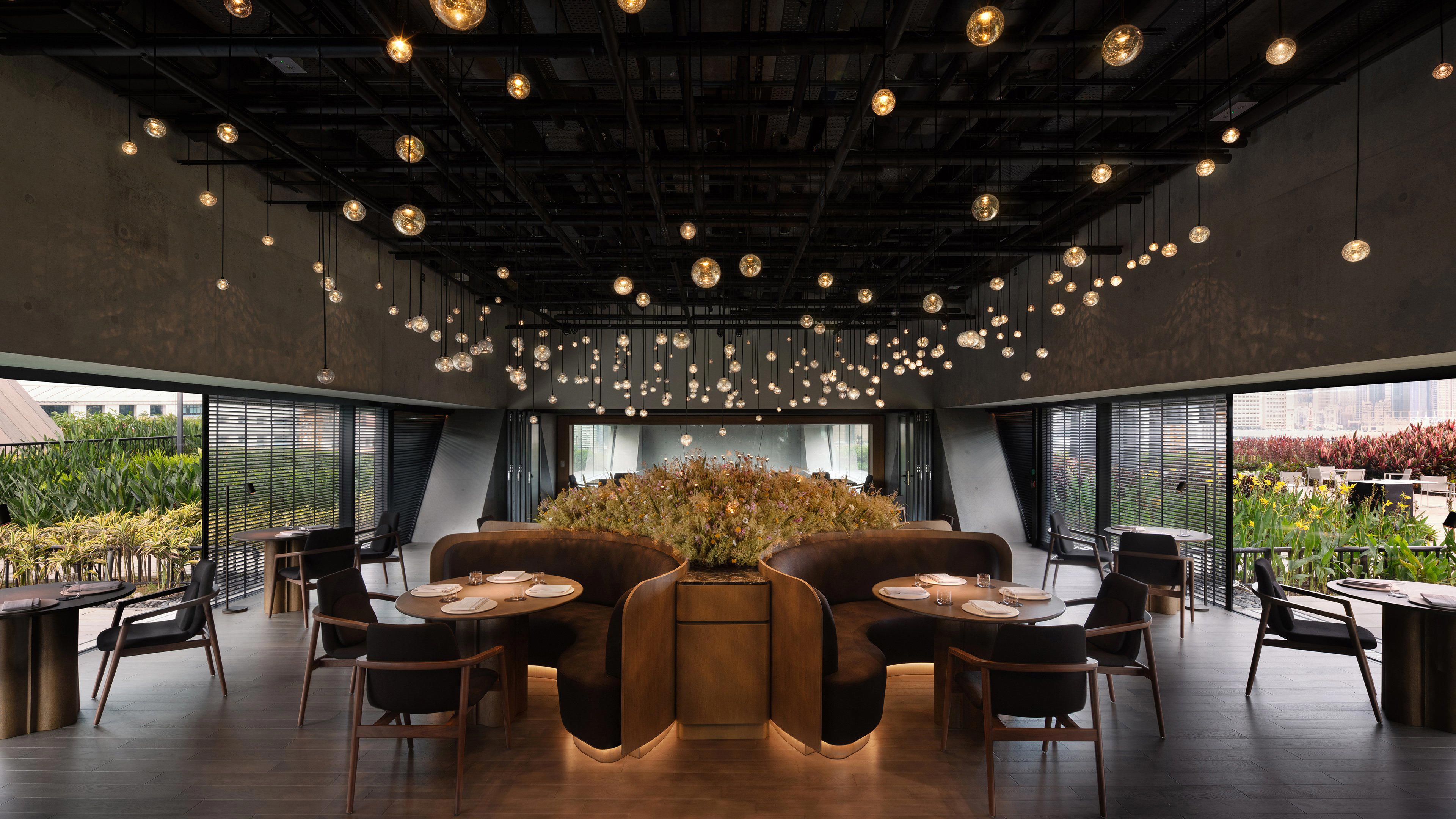
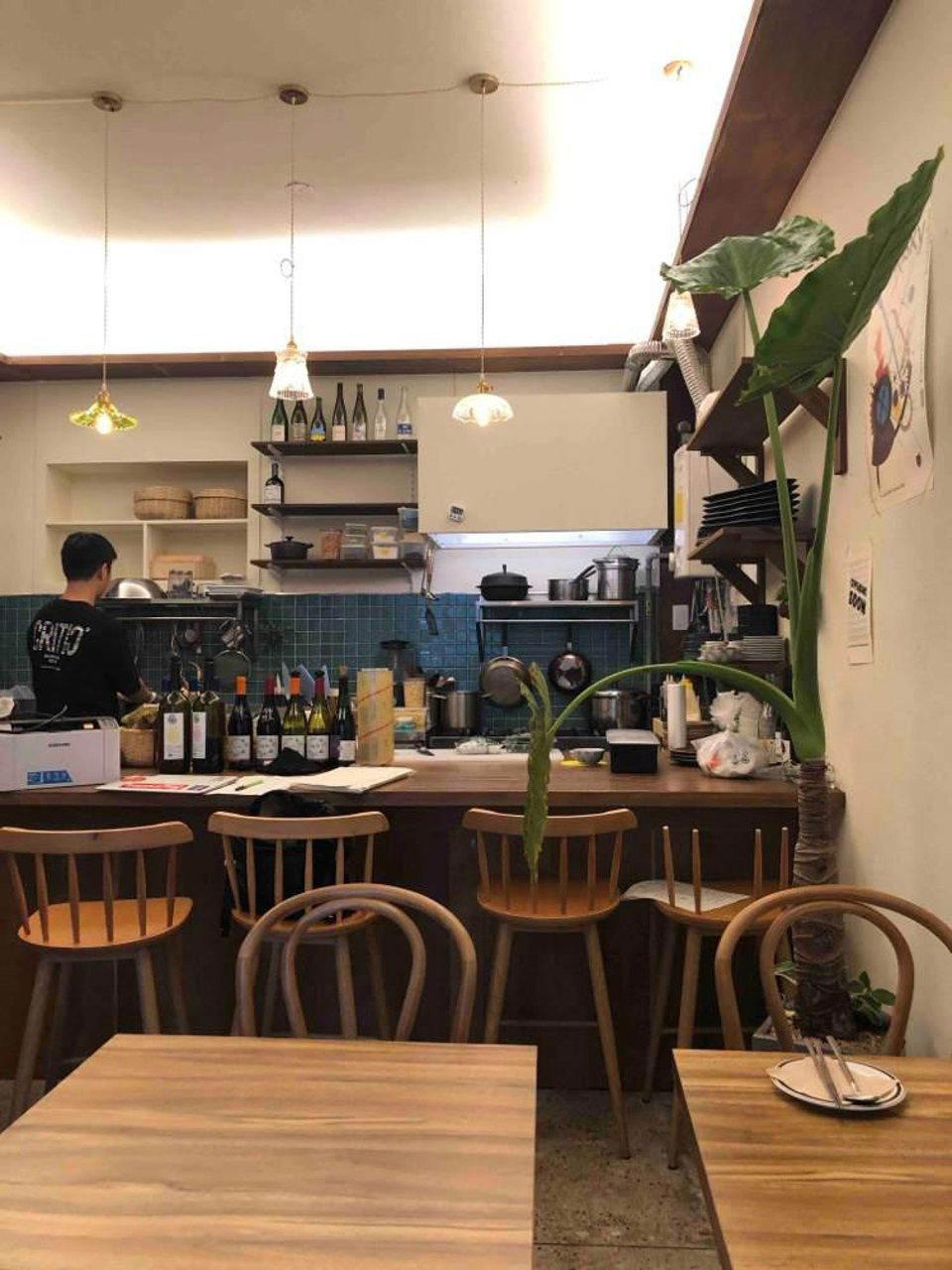
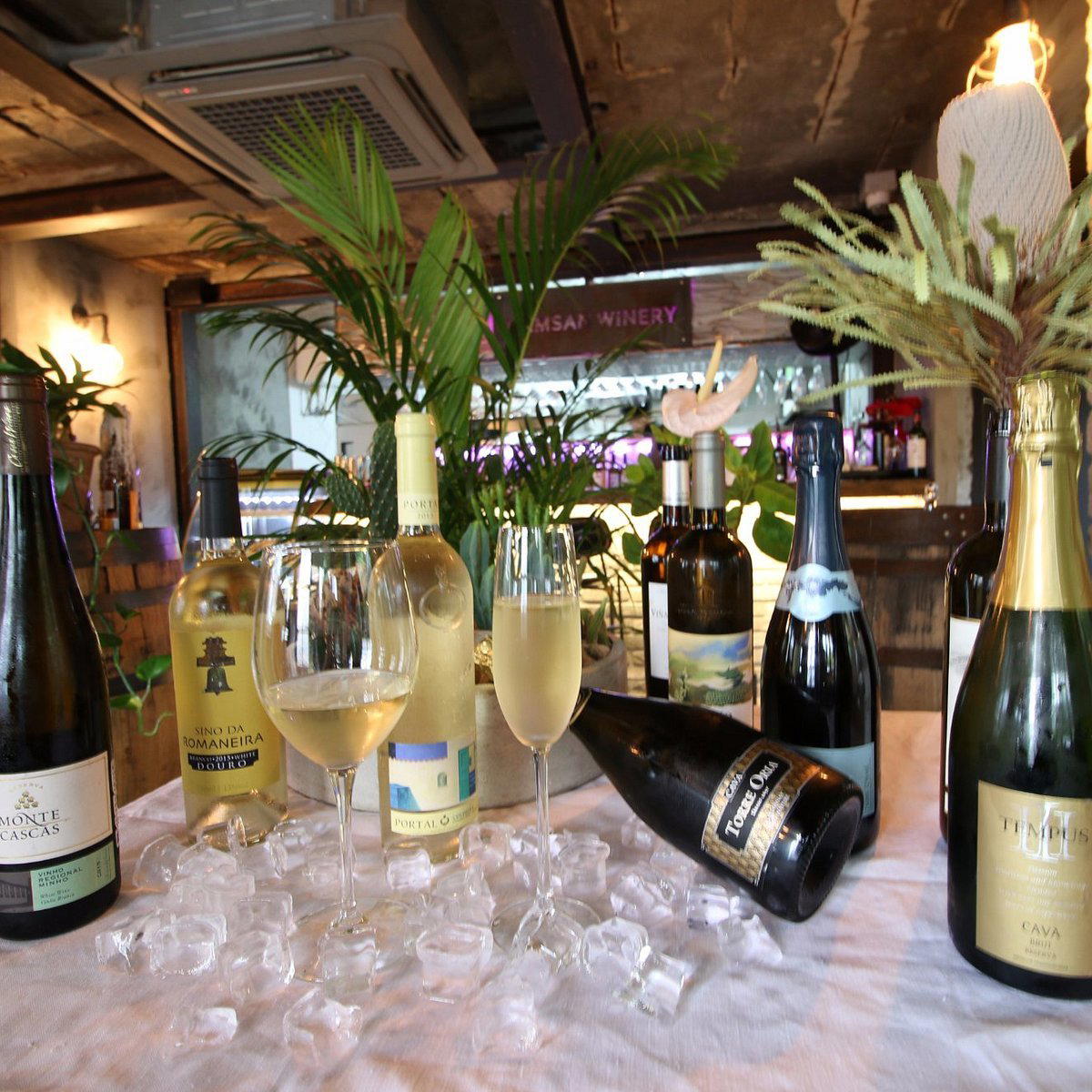
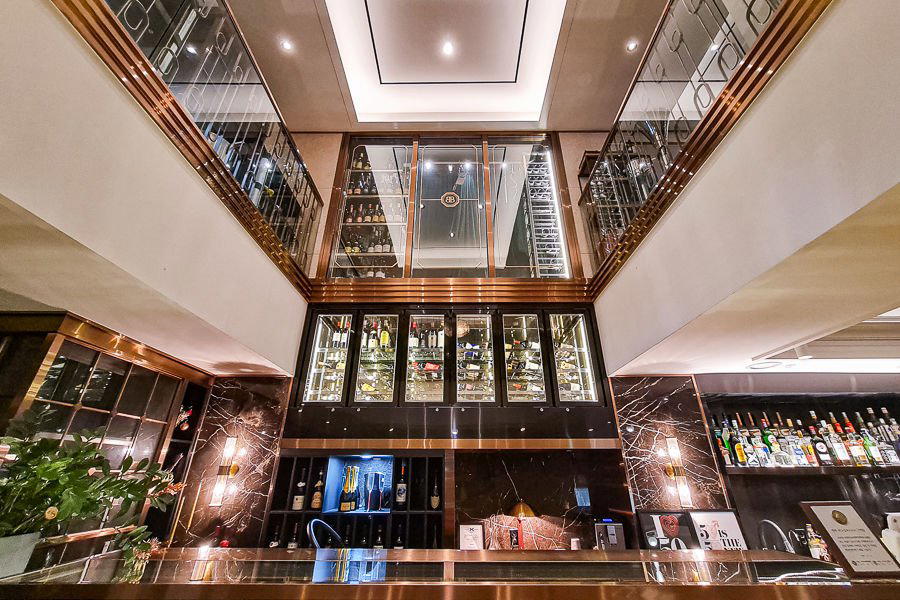
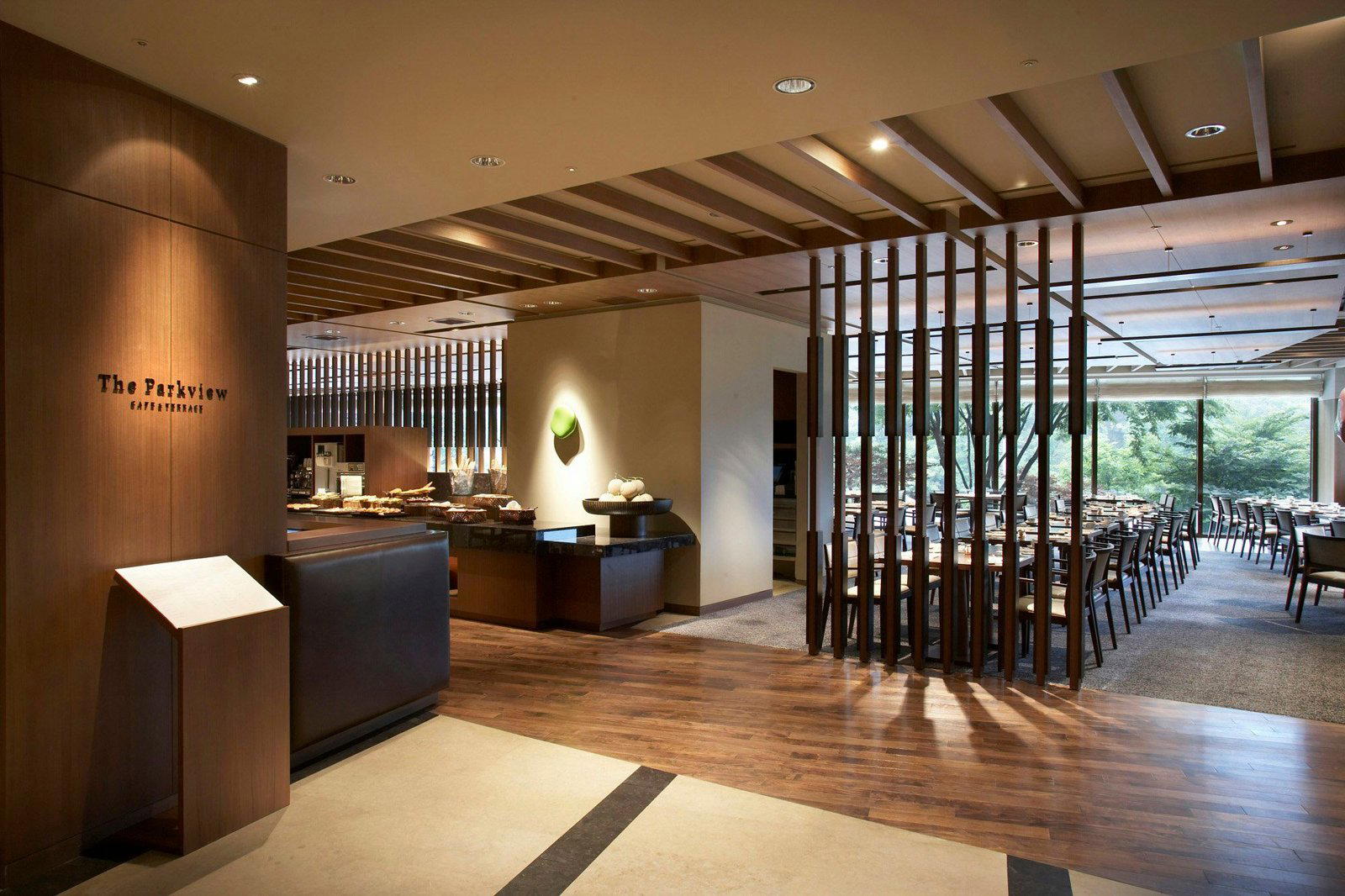
Warmly lit dining room with crystal chandeliers and elegant Chinese tableware, blending Eastern and Western aesthetics in a serene, graceful setting.