Gaon
Gaon occupies a precise position in Seoul's upper tier of Korean fine dining, where the sourcing of seasonal, often foraged, ingredients shapes every course as decisively as technique does. Located in the Dongjak District, the restaurant operates within a tradition that treats Korean cuisine as an evolving craft, placing it alongside Seoul's most formally ambitious Korean tables.
 Discover on Pearl
Pearl is the En Primeur Club membership app — saves, bookings, and concierge access live there. Same editors, same standards.
- Address
- South Korea, Seoul, Dongjak District, 노량진제1동 214-144
- Phone
- +8225459845 Restaurant website
- Website
- gaonkr.com
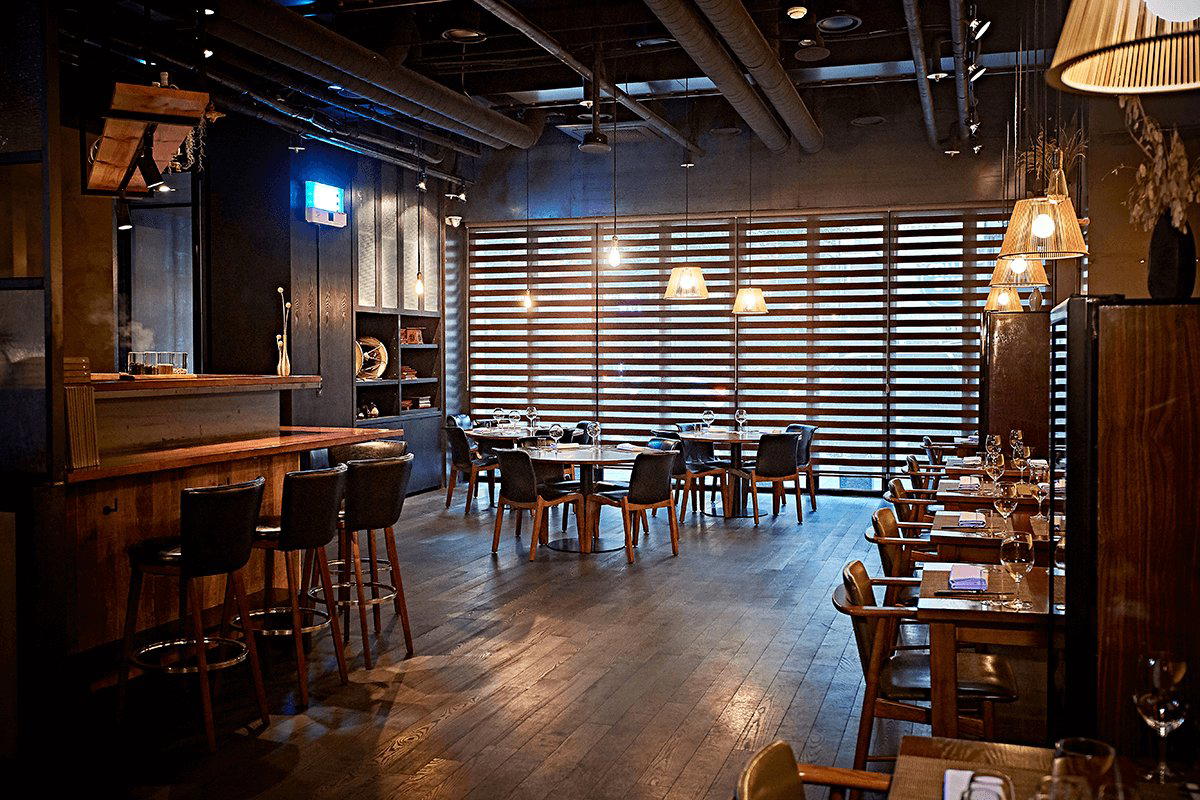
Where Seoul's Fine Dining Tradition Meets the Land
Seoul's premium Korean dining scene has, over the past decade, sorted itself into distinct strata. At the lower end, contemporary Korean tables adapt global techniques to domestic ingredients with varying degrees of discipline. At the upper end, a smaller cohort of restaurants treats Korean culinary heritage as the primary intellectual framework, with sourcing, seasonality, and historical recipes forming the structural backbone of every menu. Gaon is a restaurant in Seoul, South Korea, serving Korean Royal Court Cuisine at a price tier of $250 per person. La Yeon and 권숙수 - Kwon Sook Soo in Gangnam-gu, where the cuisine's depth is measured not by foreign influence absorbed but by Korean tradition preserved and interrogated.
Produce arriving from specific regional farms, fermented pastes aged across seasons, and wild-harvested mountain vegetables are the raw material of a cuisine whose sophistication is inseparable from where things come from. At this price tier, a dish of namul or a bowl of carefully composed porridge is not simple food refined by technique. It is technique deployed in service of materials that have their own history and geography.
The Ingredient Logic Behind Korean High-End Cuisine
Korean cuisine's most demanding expression revolves around the concept of jeong in cooking: patience applied to fermentation, drying, aging, and slow infusion. Doenjang, ganjang, and gochujang are not condiments at Gaon's level; they are multi-year projects whose character changes with terroir and production method as materially as any wine does. The finest Korean tables in Seoul source these directly from producers who work on generational timescales, and the distinction between a paste aged two years in an earthenware onggi and one aged eight is as legible to a trained palate as vintage variation in Burgundy.
This sourcing framework explains why Gaon and its peer-set competitors read differently from contemporary Korean restaurants like Mingles in Seoul, which works at the intersection of Korean and European tradition, or the single-Michelin-star contemporary tables such as Eatanic Garden and 7th Door, which operate with more hybrid menus. Gaon's editorial focus, as far as its reputation communicates, is on Korean ingredients and Korean culinary grammar used on Korean terms. That specificity places it closer to Onjium, the table dedicated to court cuisine and royal recipe reconstruction, than to Seoul's French-influenced fine-dining rooms like Pierre Gagnaire Seoul.
Dongjak District and the Question of Location
Dongjak District operates differently. It is not the neighbourhood that premium food media gravitates toward, which means that a high-end table operating there is either drawing from deep local reputation or occupying a deliberate remove from the Gangnam circuit. Either way, the location signals something about the restaurant's relationship to its audience. A venue drawing serious diners to the south bank of the Han River is not trading on neighbourhood foot traffic. It earns its reservations on the strength of reputation alone.
Mori in Busan and Baegyangsa Temple in Jangseong-gun both demonstrate that some of Korea's most considered food contexts exist at a deliberate distance from metropolitan concentration. Gaon's Dongjak address fits a similar pattern: the dining is the destination, not the neighbourhood's ambient appeal.
Seoul's Fine Dining in International Context
Seoul now sits alongside Tokyo, Hong Kong, and New York as a city where tasting-menu dining operates at a genuinely international standard. The comparison set for Gaon is not just domestic. Korean-inflected tasting menus at Atomix in New York City demonstrate how Korean culinary language travels when its ingredient logic is maintained. European three-star tables like Alain Ducasse at Louis XV in Monte Carlo or Le Bernardin in New York City have long defined what formal tasting-menu dining looks like within a specific culinary tradition. Seoul's upper Korean tables are doing something analogous: building a formal language around their own culinary heritage with the same rigour that French haute cuisine applied to its own over generations.
The difference is that Korean fine dining's primary material, fermentation, foraged mountain herbs, seasonal grains, heirloom soy products, is harder to source outside Korea than French luxury produce is outside France. Which is precisely why restaurants at this level hold the ingredient chain so closely and why visiting them in Seoul, rather than through any diaspora equivalent, carries a different quality of access. For a comparable contemporary table in a different register, Lazy Bear in San Francisco offers a useful structural parallel in terms of how a tasting-menu format can be built around local and foraged produce with similar intellectual seriousness. Those interested in how ingredient-led tasting menus operate at the highest level in other Asian cities can also reference 8½ Otto e Mezzo Bombana in Hong Kong and 더 플라잉 호그 - The Flying Hog in Seogwipo for regional context. Emeril's in New Orleans provides an instructive comparison in the Western context, where regional ingredient identity drives a formal dining program with similar conviction.
Planning a Visit
Visitors building a broader Seoul itinerary around formal Korean dining should consider how Gaon fits relative to options in Gangnam and Jongno, and whether combining it with a bar programme from Seoul's emerging cocktail scene makes logistical sense given the cross-river travel involved.
Fast Comparison
Comparable venues nearby, for context on price, style, and recognition.
At a Glance
- Elegant
- Minimalist
- Sophisticated
- Quiet
- Intimate
- Special Occasion
- Date Night
- Business Dinner
- Celebration
- Private Dining
- Design Destination
- Open Kitchen
- Extensive Wine List
- Sommelier Led
- Farm To Table
- Local Sourcing
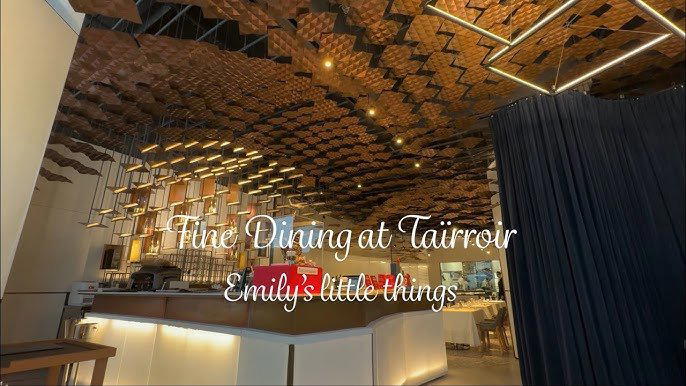
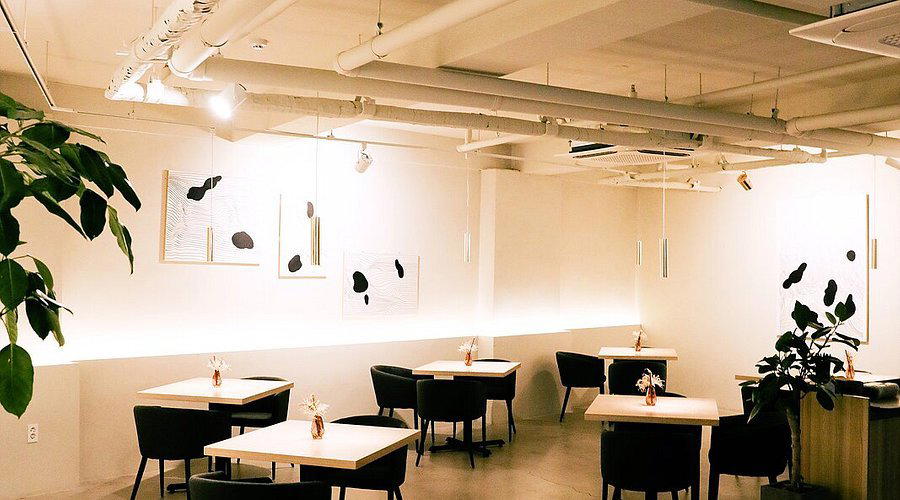
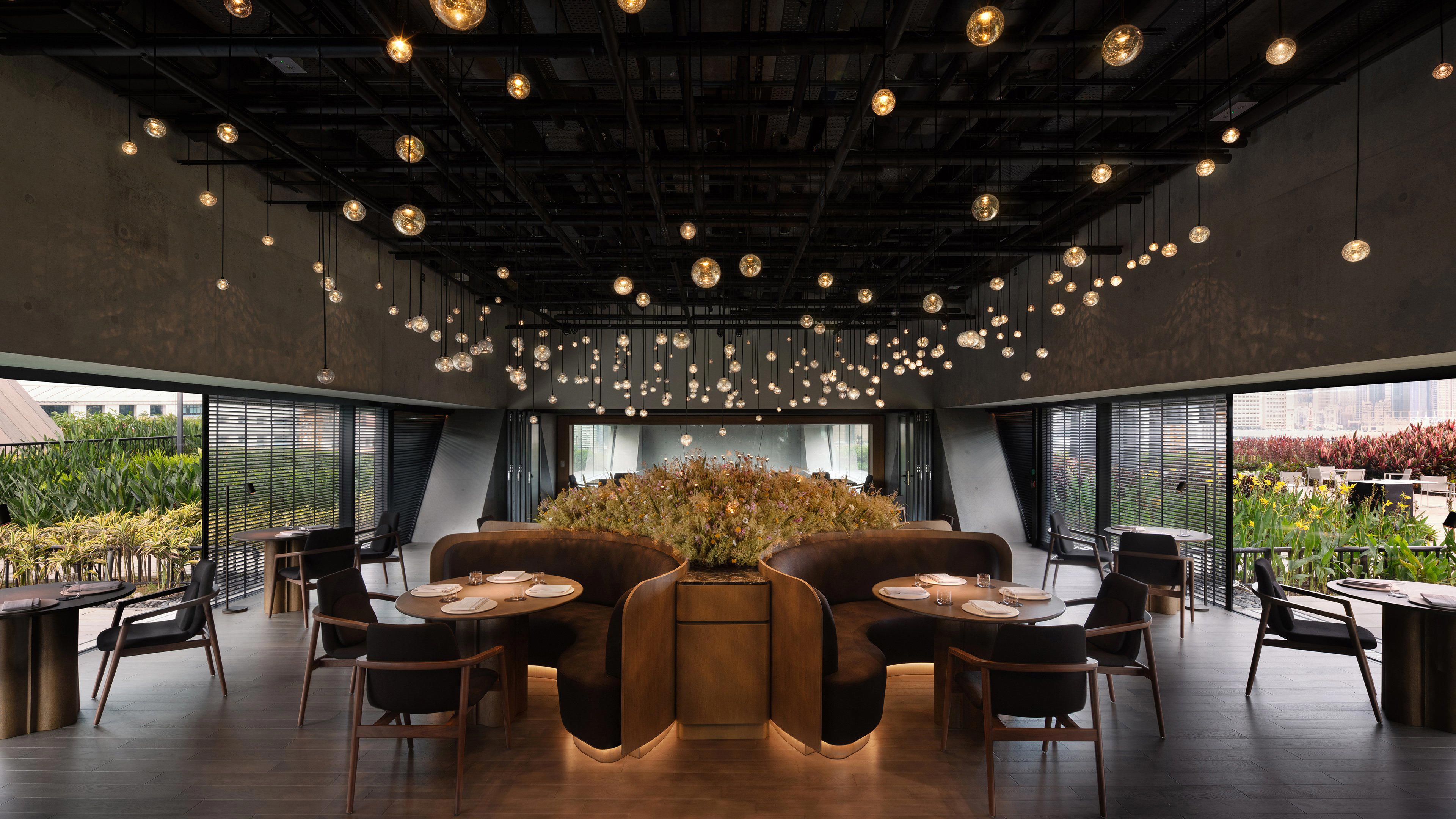
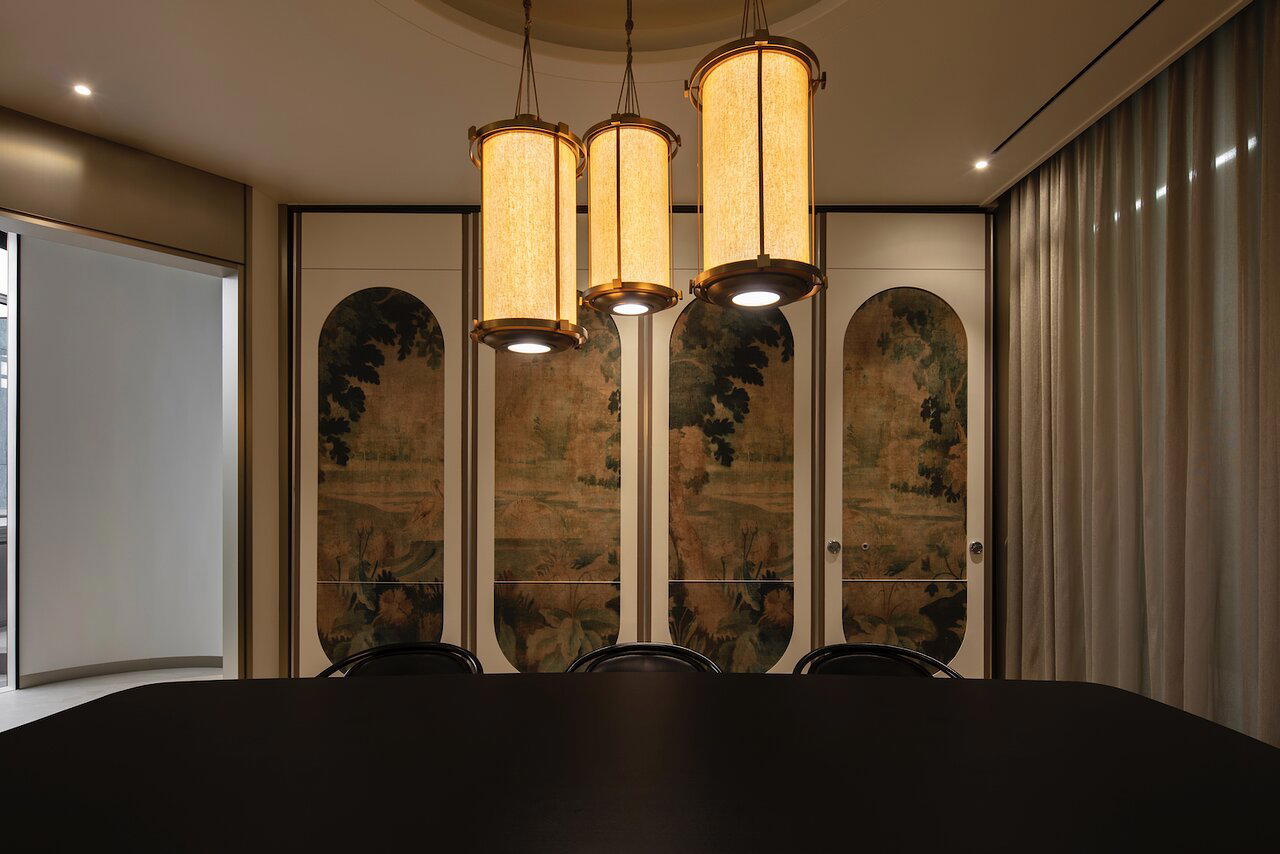
Minimalist, museum-like setting with austere design and tranquil atmosphere; three-floor space with unique motifs including illuminated color bars and vintage newspaper walls; focus on culinary presentation with elegant private dining rooms.