Yu Yuan


1 Michelin Star · Wine Spectator Best of Award of Excellence
Our verdict
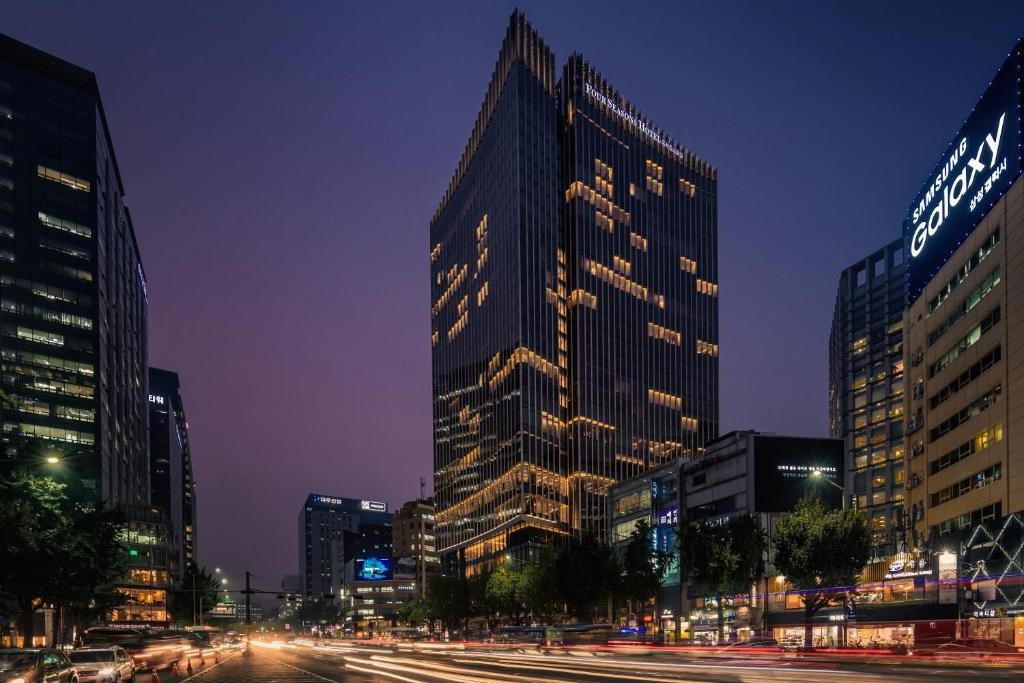
Yu Yuan sits on the eleventh floor of Seoul's Four Seasons Hotel, holding a Michelin star since 2024 for a menu that spans Cantonese dim sum, regional Chinese specialities, and a Peking duck program that draws repeat orders from regulars. The kitchen bridges Hong Kong-style technique with Korean ingredients, most visibly in dishes like wok-fried Hoengseong Hanwood beef with ginger. Open daily for both lunch and dinner service.

Pearl is the En Primeur Club membership app, where members save venues, book tables and use the concierge.
Chinese Fine Dining in a City That Does It Differently
Seoul's premium Chinese restaurant scene occupies an unusual position in Northeast Asia. Unlike Hong Kong, where Cantonese cooking sits at the centre of culinary identity, or Shanghai, where regional rivalries play out across hundreds of dining rooms, Seoul's top-tier Chinese addresses operate in a more selective tier, serving a clientele that tends to treat the cuisine as a considered occasion rather than an everyday default. The result is a smaller number of kitchens working at genuine ambition, and those that do, like Haobin, Crystal Jade, and Hong Yuan, tend to compete less on price and more on execution and setting. Yu Yuan, on the eleventh floor of the Four Seasons Jongno, sits firmly in that selective bracket and earns a Michelin star in 2024 to confirm it.
The Approach: Cantonese Foundation, Regional Range
The format at Yu Yuan follows an increasingly familiar model among premium hotel Chinese restaurants across Asia: a Cantonese backbone, anchored by dim sum at lunch, extended at dinner by specialities drawn from multiple Chinese regions. This structure lets a kitchen demonstrate technical range, from the delicate pleating of har gow to the precision of whole-bird roasting, without abandoning the accessible familiarity that makes Cantonese cooking such a reliable entry point for diners new to serious Chinese cuisine. At Yu Yuan, the Peking duck is the dish that most guests circle before they arrive. The Michelin inspector notes it as a favourite order, and its presence near the entrance of the dining room, in a display cabinet visible from the corridor, functions less as theatre and more as a direct statement of priority. Peking duck at this level is a test of a kitchen's discipline: the lacquer work, the rest time, the carving sequence. Restaurants that do it well tend to do other things well too.
The kitchen's use of Hoengseong Hanwood beef in a wok-fried preparation with ginger is the detail that most clearly marks Yu Yuan as a Seoul restaurant rather than a transplanted Hong Kong one. Hoengseong cattle are reared in Gangwon Province and carry a premium within the Korean domestic market comparable to what Wagyu commands in Japan. Deploying that ingredient inside a Chinese wok technique is a considered editorial choice: it tells you the kitchen is thinking about the conversation between Korean sourcing and Chinese craft, not simply replicating a menu that could sit unchanged in any city.
Tea as the Organising Logic
In serious Cantonese dining, tea is not an accompaniment, it is the framework. The tradition of yum cha, literally drinking tea, precedes dim sum as a meal format and persists as the rhythm around which individual dishes arrive. At hotel Chinese restaurants operating at a star level, the tea program rarely gets the attention it deserves from Western-facing critics, who tend to focus on food and wine pairings while overlooking the fact that a well-chosen Pu-erh or Tieguanyin can do more structural work alongside delicate Cantonese flavours than most wines.
The tea categories relevant to a menu like Yu Yuan's map fairly directly onto the meal's progression. Lighter green teas and white teas suit the early dim sum courses, where the kitchen's subtlety should not be overwhelmed by tannin. Oolong, particularly the roasted styles from Wuyi, carries through the middle of a meal and holds up against richer preparations. A well-aged Pu-erh, earthy and fermented, sits logically alongside Peking duck or wok-fried beef. This progression is not a gimmick; it reflects centuries of pairing intuition that predates the modern wine-with-food conversation by several hundred years. Diners who approach Yu Yuan through this lens, asking specifically about the tea selection and its relationship to the menu, will extract considerably more from the meal than those who treat it as a background ritual.
The broader context matters here too. Seoul has developed a serious domestic tea culture, with Korean green teas like Jeju Sejak and Hadong green teas gaining recognition beyond their home market. Whether a kitchen at this level draws on that domestic tradition alongside Chinese tea categories is the kind of detail worth asking about directly when you arrive, since it connects the tea program to the same local-ingredient logic visible in the Hanwood beef.
Lunch Versus Dinner: Different Meals, Different Logic
Split-service format, lunch from 11:30 AM to 2:30 PM, dinner from 5:30 PM to 9:30 PM daily, reflects a deliberate division in audience and purpose. Dim sum lunch at a Michelin-starred hotel Chinese restaurant is a social occasion with a different tempo from dinner. The table turns more, the mood is lighter, and the ordering logic is cumulative rather than progressive. Dinner, with its fuller menu of regional specialities and the availability of whole dishes like Peking duck, tilts toward a more composed experience where pacing becomes important.
For first visits, the lunch service gives a more efficient read of the kitchen's technical baseline. Dim sum is harder to hide behind: the skins, the fillings, the sealing and timing are all immediately legible. A kitchen that produces confident har gow, siu mai, and char siu bao at lunch is a kitchen with trained hands. The dinner menu's regional range, taking in dishes from beyond Canton, is worth exploring once you have that baseline confidence. Reservations are advisable for both services, given the Four Seasons address and the sustained Michelin attention since 2024.
Setting and Register
The eleventh floor position gives Yu Yuan the kind of remove from street-level Seoul that the Four Seasons format tends to cultivate. Jongno-gu, the district directly below, is one of Seoul's oldest administrative and cultural zones, with Gyeongbokgung Palace to the north and the dense commercial fabric of the city centre immediately south. The hotel's address at 97 Saemunan-ro places it within walking distance of the Gwanghwamun area, which means guests arriving for lunch from the business district around City Hall are a natural constituency, as are tourists using the Four Seasons as a base for the palace corridor.
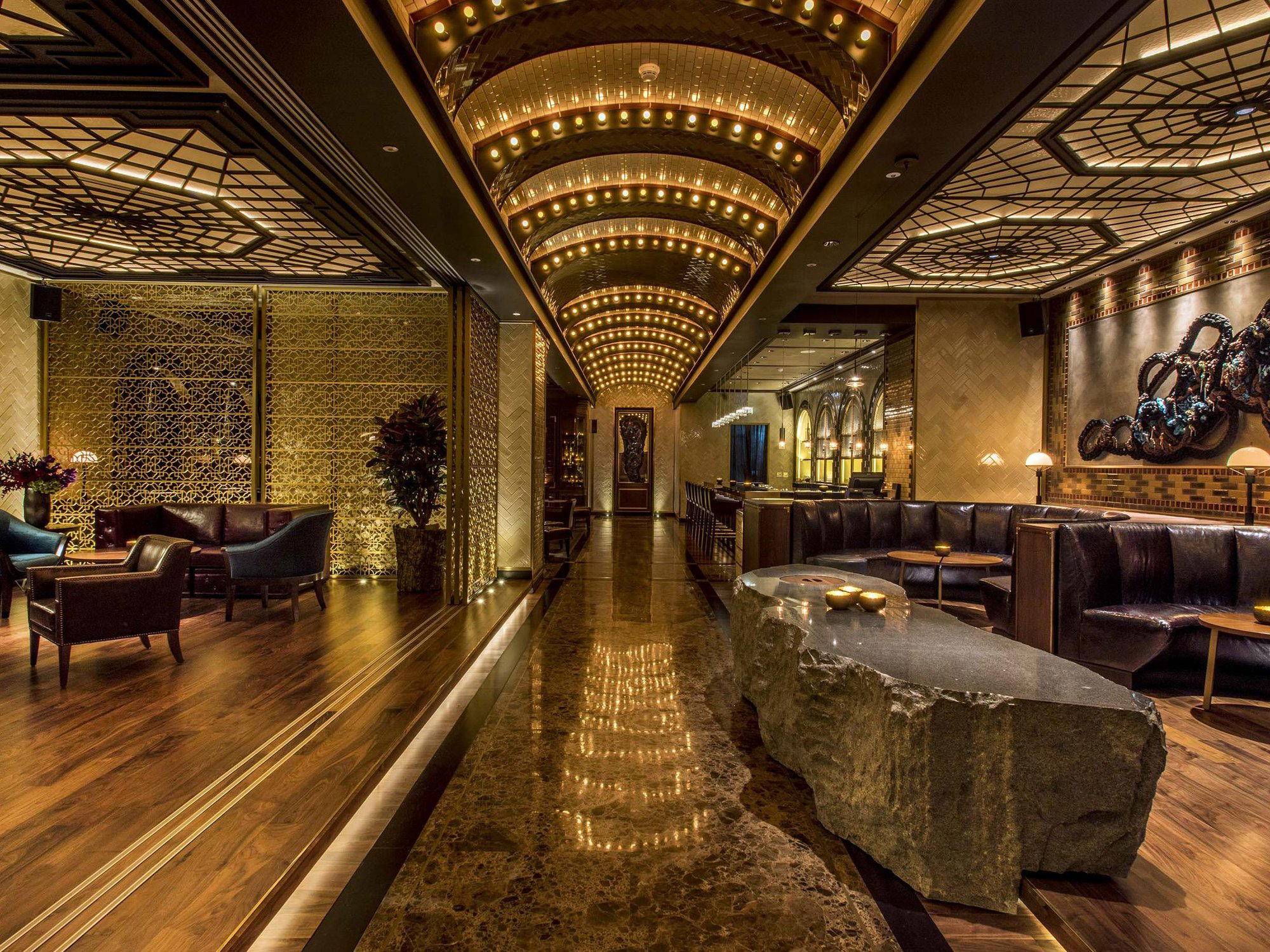
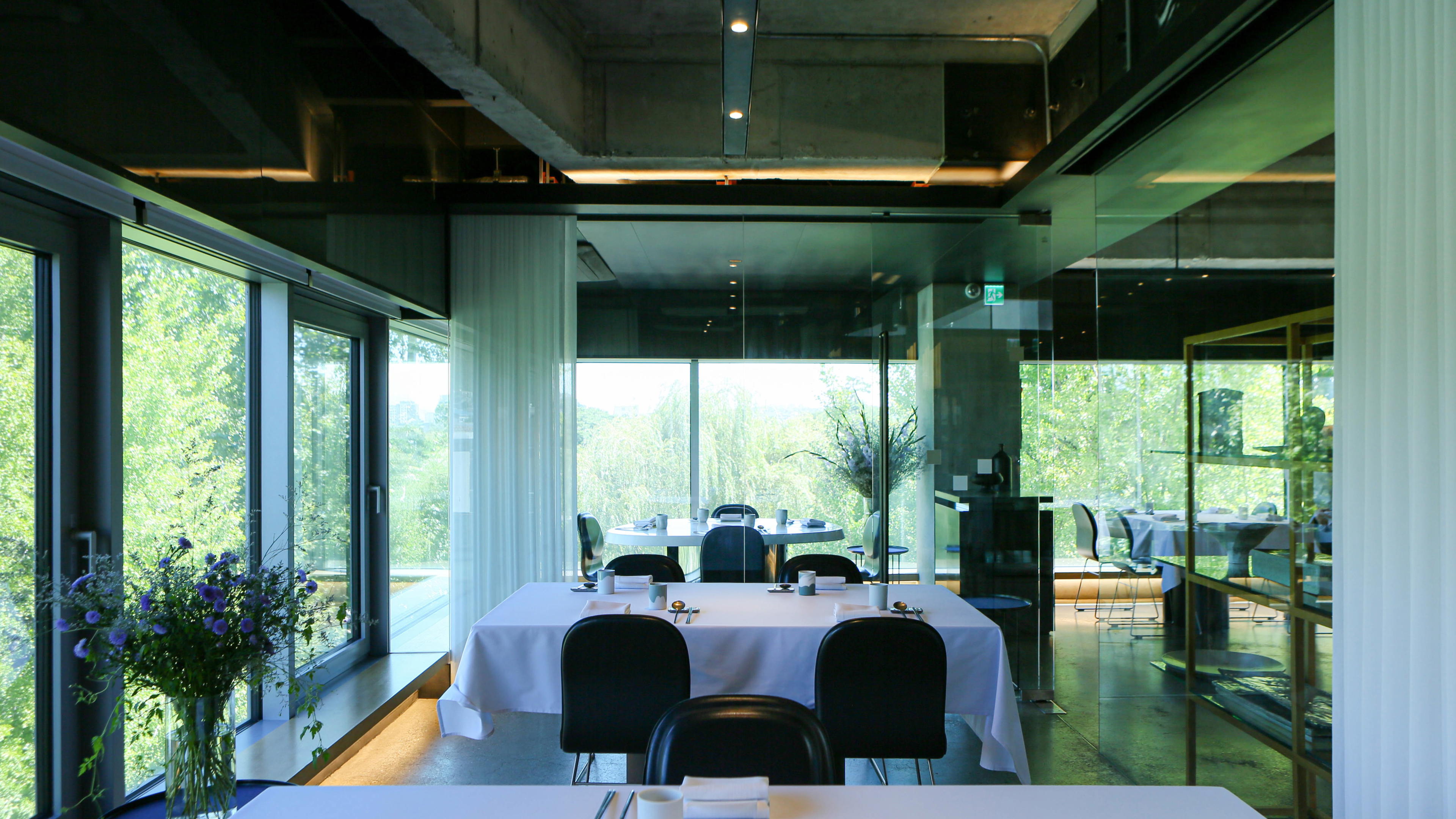
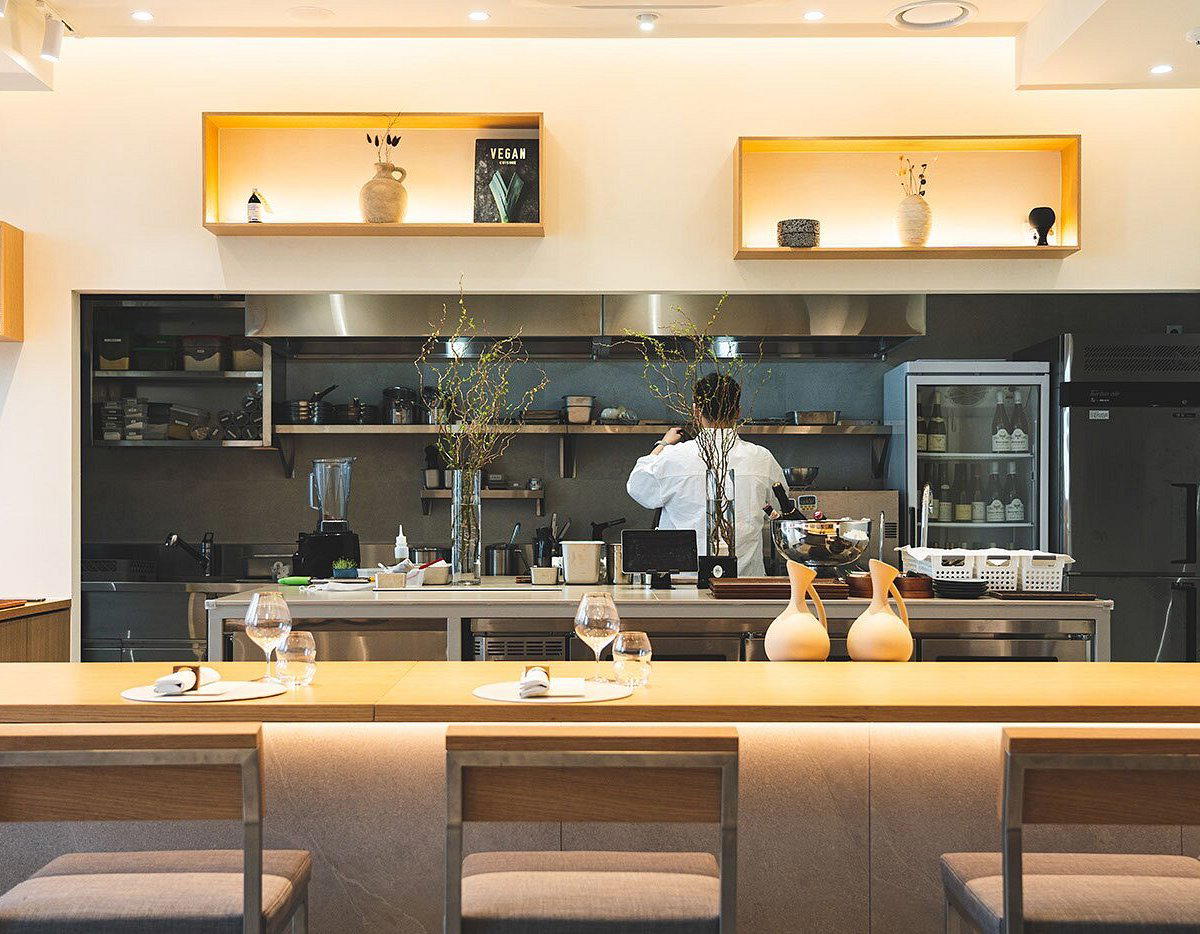
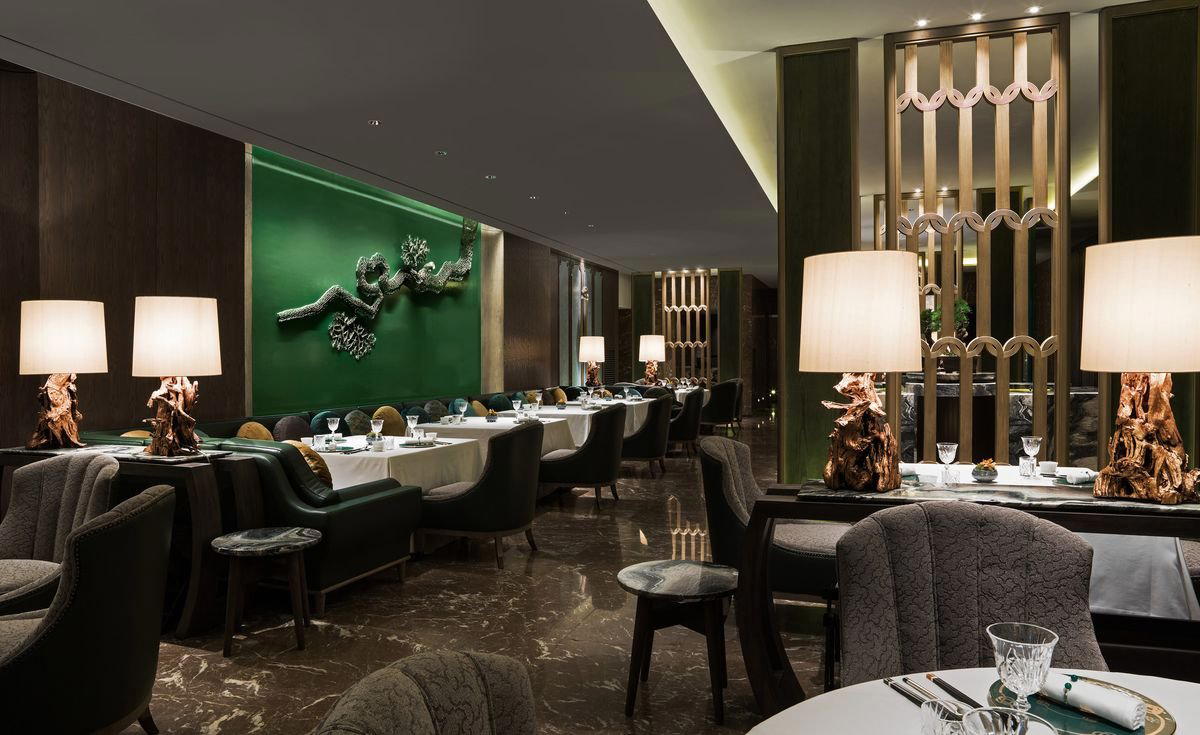
The dining room is described by the Michelin guide as handsome and comfortable, which in hotel-restaurant terms usually signals a formal but not stiff register: tablecloths, proper service sequence, and enough acoustic separation to hold a conversation without effort. By Seoul's own hierarchy of formal occasions, a starred hotel Chinese restaurant at Four Seasons pricing sits above the Cantonese mid-market addresses like Jin Jin and JUE, and in a different register from the Korean fine dining that dominates the city's starred tier, from Gaon to Kwon Sook Soo.
Global Context: Chinese Cooking at Hotel Addresses
Hotel-Chinese-restaurant model, at its most serious, has produced some of the most consistent Chinese cooking outside mainland China. Restaurant Tim Raue in Berlin and Mister Jiu's in San Francisco represent independent approaches to Chinese technique in non-Chinese cities, while VELROSIER in Kyoto shows how Chinese cooking navigates a Japanese fine-dining context. Yu Yuan operates in a different lane, using the hotel infrastructure as a platform for consistent execution rather than as a constraint, and the Michelin recognition suggests it is succeeding at that. For a broader picture of where Yu Yuan sits within Seoul's wider dining scene, see our full Seoul restaurants guide, or explore the city's hotels, bars, wineries, and experiences in full. Beyond Seoul, the quality of Korean table culture extends across the country: Mori in Busan and Baegyangsa Temple in Jangseong-gun represent how seriously Korea takes its own dining traditions outside the capital.
Planning Your Visit
| Venue | Cuisine | Price Tier | Service Format | Awards |
|---|---|---|---|---|
| Yu Yuan | Chinese (Cantonese + regional) | ₩₩₩₩ | Lunch + Dinner daily | Michelin 1 Star (2024) |
| Haobin | Chinese | ₩₩₩₩ | Check venue | Check venue |
| Crystal Jade | Chinese (Cantonese) | ₩₩₩₩ | Check venue | Check venue |
| Jin Jin | Chinese | Check venue | Check venue | Check venue |
Address: 11F Four Seasons Hotel, 97 Saemunan-ro, Jongno-gu, Seoul 03183
Hours: Daily, 11:30 AM–2:30 PM and 5:30 PM–9:30 PM
Reservations: Recommended; contact the Four Seasons concierge directly
Frequently asked questions
Is Yu Yuan formal or casual?
Yu Yuan runs at a formal register, the Four Seasons address, Michelin star (2024), and ₩₩₩₩ pricing all point in the same direction. Expect tablecloths, structured service, and a dining room designed for unhurried meals rather than quick visits. Lunch dim sum draws a slightly more relaxed midday crowd, but the room's tone remains consistent across both services.
How do I find Yu Yuan?
Yu Yuan is located at 11F Four Seasons Hotel, 97 Saemunan-ro, Jongno-gu, Seoul, 03183, South Korea, Seoul.
What kind of recognition has Yu Yuan received?
Yu Yuan has received recognition including: On your way to your table, you’ll walk past a cabinet of Peking duck that’s a favorite order of many of the guests here at this handsome and comfortable Chinese restaurant at the Four Seasons hotel. While the menu leans towards Cantonese cu….
What's the signature dish at Yu Yuan?
Peking duck is the dish most consistently flagged by guests, and the Michelin inspector's own commentary specifically calls it a favourite order, to the point where a dedicated display cabinet greets diners on the way to their tables. The wok-fried Hoengseong Hanwood beef with ginger is another dish the Michelin guide singles out, representing the kitchen's regional range beyond its Cantonese core.
What cuisine category does Yu Yuan fall under?
Standing Among Peers
A short peer table to compare basics side-by-side.
| Venue | Cuisine | Price | Awards | Notes |
|---|---|---|---|---|
| Yu YuanThis venue (the venue you are viewing) | Michelin-Starred Cantonese | $150–200 | 1 Michelin Star · Wine Spectator Best of Award of Excellence | Not listed |
| 7th Door | Modern Korean Fermentation Fine Dining | $100–150 | 1 Michelin Star · World's 50 Best #49 | Korean, Contemporary |
| Solbam | Contemporary Neo-Classical Korean | $200–300 | 1 Michelin Star · World's 50 Best #55 | Contemporary |
| Onjium | Modern Korean Royal Court Cuisine | Not listed | 1 Michelin Star · World's 50 Best #14 | Korean |
| L'Amitié | Classic French Fine Dining | $100–150 | 1 Michelin Star · La Liste Top Restaurants | French |
| Zero Complex | Modern French Neo-Bistro | $100–150 | 1 Michelin Star · La Liste Top Restaurants | Korean-French, Innovative |
Recognition history
Dated appearances from independent guides and award organizations, with the underlying list record or original source where available.
Michelin 1 Star
Michelin
Wine Spectator Best of Award of Excellence
Wine Spectator
Full recognition history (4 entries)
Michelin 1 Star
Michelin
Michelin 1 Star
Michelin