Hong Yuan


Michelin Plate · La Liste Top Restaurants
Our verdict
A Michelin Plate recipient sitting inside Seoul's top-tier Chinese dining bracket, Hong Yuan addresses the city's appetite for serious regional Chinese cooking with a price point that positions it alongside Michelin-starred Korean contemporaries.

Pearl is the En Primeur Club membership app, where members save venues, book tables and use the concierge.
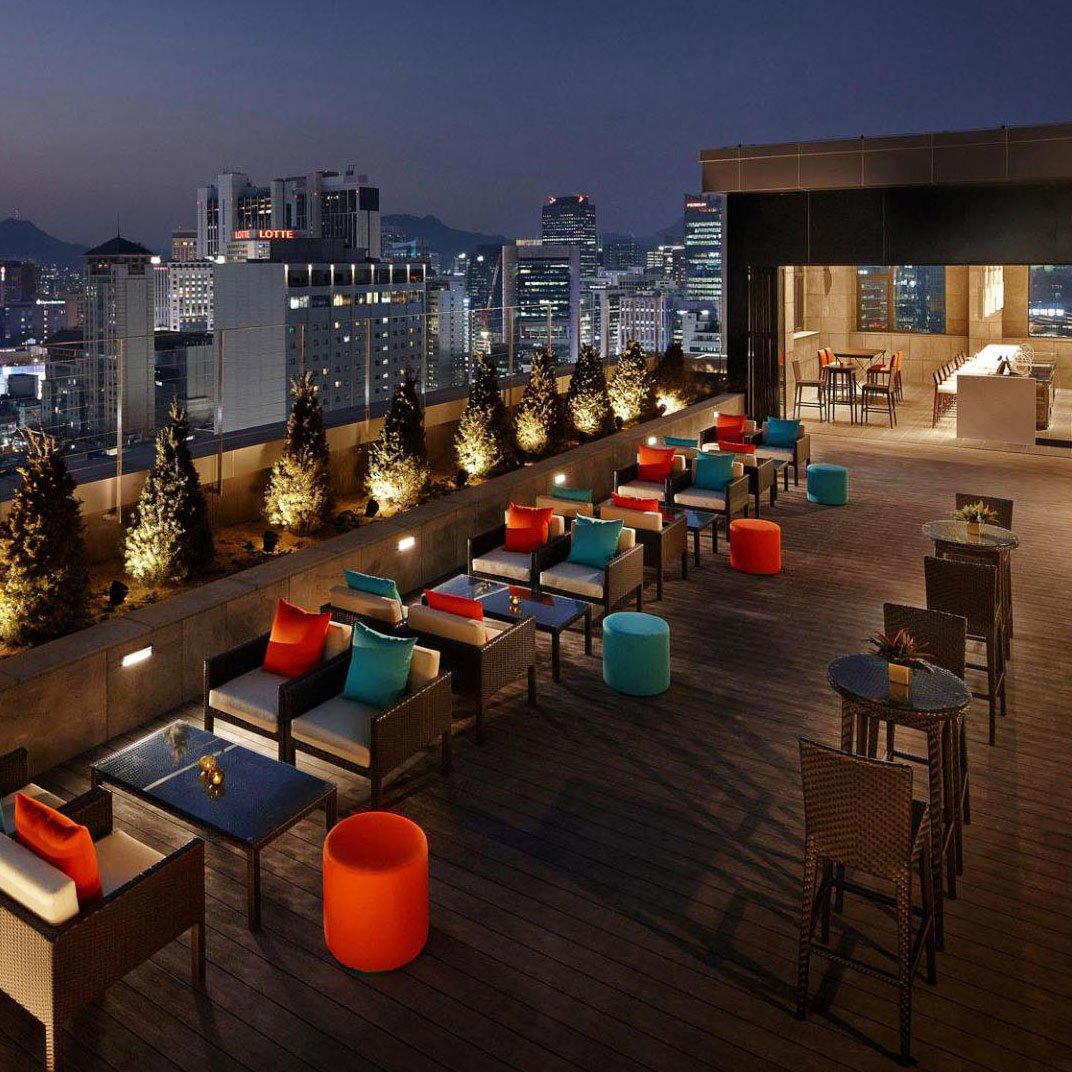
The menu
What to order
- Steamed live lobster with black soybean sauce
- Peking Duck
- Deep Fried Beef with Sweet and Sour Sauce
Chinese Dining at the top of Jung District
Sogong-ro, the broad commercial artery cutting through Jung District toward City Hall, has long anchored Seoul's business-dining circuit. The corridor draws a mix of corporate lunches, hotel restaurants, and the occasional outlier that earns recognition on its own terms. Hong Yuan operates in that last category: a Chinese restaurant with La Liste placement and consecutive Michelin Plate recognition, holding a price tier that puts it in direct comparison with Michelin-starred Korean contemporaries rather than the city's mid-range Chinese casual scene.
The broader context matters here. Seoul has developed a serious Chinese fine-dining segment over the past decade, moving well past the jajangmyeon-and-tangsuyuk comfort register that historically defined Chinese restaurants in the city. That shift has been uneven, some addresses lean heavily on luxury signifiers without much culinary depth, while a smaller cluster has earned sustained critical attention. Hong Yuan, with chef Brett Lavender at the pass, sits in the latter group.
Noodle Traditions and the Case for Regional Depth
Within Chinese cuisine, noodle craft serves as one of the clearest markers of kitchen discipline. Hand-pulled lamian, knife-cut daoxiao mian, and the thread-fine misua of Fujian each demand a different relationship between cook and dough, different hydration ratios, different tensile logic, different finishing times. A kitchen that commits to these techniques from scratch is making a statement about labour and sourcing that a kitchen using purchased noodles simply cannot replicate. That commitment tends to ripple outward: restaurants serious about noodle craft are usually serious about stock, about secondary protein cuts, about the long-cooked foundations that make a bowl more than the sum of its pulled strands.
Seoul's Chinese dining scene has historically been most confident in the Shandong-influenced cooking that arrived with early Chinese immigrant communities, thick, chewy noodles, soy-forward sauces, a certain robustness in the braising register. The finer-calibre addresses now in operation have pushed into different regional registers: Sichuan mala arithmetic, Cantonese dim sum discipline, the lighter, more herbaceous profiles of Yunnan and Guizhou. Where Hong Yuan positions itself within that range is part of what makes the ₩₩₩₩ price tier justifiable or not, depending on what arrives at the table.
Comparable Chinese restaurants operating at this recognition level in other cities, Restaurant Tim Raue in Berlin, Mister Jiu's in San Francisco, VELROSIER in Kyoto, have each had to answer a version of the same question: what does Chinese cooking mean when it operates outside its home region, at a price point that demands a clear editorial point of view? The answers have varied widely, from faithful regional reproduction to deliberate cultural hybridity. Hong Yuan's La Liste and Michelin recognition suggests it has found a credible answer for the Seoul context.
Where Hong Yuan Sits in Seoul's Fine Dining Map
Seoul's ₩₩₩₩ tier is crowded with Korean and Korean-adjacent menus: contemporary Korean tasting formats, Korean-French hybrids, and a handful of Japanese omakase counters occupy most of the critical attention. Chinese cooking at this price level is a smaller sub-segment, and one that faces a particular audience challenge, Korean diners have strong reference points for Chinese food, but those reference points are often rooted in the Korean-Chinese register rather than in, say, a Cantonese banquet tradition or a northern Chinese cold-dish spread.
Addresses like Jin Jin and JUE are working through similar questions in different registers. The comparison venues in Seoul's wider fine-dining bracket, 7th Door, Onjium, Zero Complex, all hold Michelin stars and operate at the same price tier, which gives Hong Yuan's Michelin Plate recognition a clear contextual meaning: it is recognised, but it sits one tier below the starred competition in formal terms, even as La Liste's 77-point score places it on the international reference radar.
At the ₩₩₩₩ level in central Seoul, that score reflects consistent execution rather than viral enthusiasm, guests spending at this level tend to be precise in their assessments.
Getting There and Planning Your Visit
Hong Yuan's address at 106 Sogong-ro places it in Jung District, within walking range of City Hall station (Seoul Metro Lines 1 and 2) and within a short cab or transit ride of the Myeongdong and Euljiro corridors. For visitors using Seoul as a base for wider travel, the Jung District location connects easily to the rest of the city, and the broader Seoul dining picture is covered in our full Seoul restaurants guide. Accommodation options across price tiers are mapped in our full Seoul hotels guide, with bar and drinks programming covered in our full Seoul bars guide. For those extending their Korea itinerary, dining references in other regions include Mori in Busan and Baegyangsa Temple in Jangseong-gun. Within Seoul's Korean fine-dining circuit, Gaon and Kwon Sook Soo represent the reference tier against which Hong Yuan's Chinese positioning reads most clearly. For a different end of the dining register entirely, The Flying Hog in Seogwipo offers a useful change of pace on Jeju. Additional Korea context is in our full Seoul experiences guide and our full Seoul wineries guide.
Given the ₩₩₩₩ price tier and the dual Michelin Plate recognition, the practical assumption is that advance reservation is advisable, particularly for weekend evenings and the business-lunch corridor that defines this part of Jung District.
Frequently asked questions
What do people recommend at Hong Yuan?
Chef Brett Lavender's presence gives the menu a clear authorial point of view within the Chinese fine-dining format. Given the editorial angle that makes Hong Yuan's case, regional Chinese depth at a serious price tier, noodle-centred dishes would be the logical focus for a first visit, representing the most direct test of kitchen craft and technique at this level. For context on how Hong Yuan fits Seoul's wider Chinese dining tier, Haobin and Crystal Jade are the nearest peer comparisons.
Should I book Hong Yuan in advance?
At ₩₩₩₩ pricing in Jung District, a neighbourhood where business dining and hotel-restaurant competition run at high volume, any address with La Liste placement and back-to-back Michelin recognition books ahead. Seoul's Chinese fine-dining tier is a smaller sub-segment than its Korean counterpart, which means the pool of reliably recognised addresses at this level is limited. Seats at Hong Yuan, like those at comparable city addresses including Jin Jin and JUE, should be secured before arrival rather than assumed walkable.
A small set of peers for context, based on recorded venue fields.
| Venue | Cuisine | Price | Awards | Notes |
|---|---|---|---|---|
| Hong YuanThis venue (the venue you are viewing) | Cantonese | $100–150 | Michelin Plate · La Liste Top Restaurants | Not listed |
| 7th Door | Modern Korean Fermentation Fine Dining | $100–150 | 1 Michelin Star · World's 50 Best #49 | Korean, Contemporary |
| Solbam | Contemporary Neo-Classical Korean | $200–300 | 1 Michelin Star · World's 50 Best #55 | Contemporary |
| Onjium | Modern Korean Royal Court Cuisine | Not listed | 1 Michelin Star · World's 50 Best #14 | Korean |
| L'Amitié | Classic French Fine Dining | $100–150 | 1 Michelin Star · La Liste Top Restaurants | French |
| Zero Complex | Modern French Neo-Bistro | $100–150 | 1 Michelin Star · La Liste Top Restaurants | Korean-French, Innovative |
Recognition history
Dated appearances from independent guides and award organizations, with the underlying list record or original source where available.
Michelin Plate
Michelin
La Liste Top Restaurants
La Liste
Full recognition history (3 entries)
Michelin Plate
Michelin
Continue exploring
More in Seoul
Restaurants in Seoul
All restaurants in Seoul →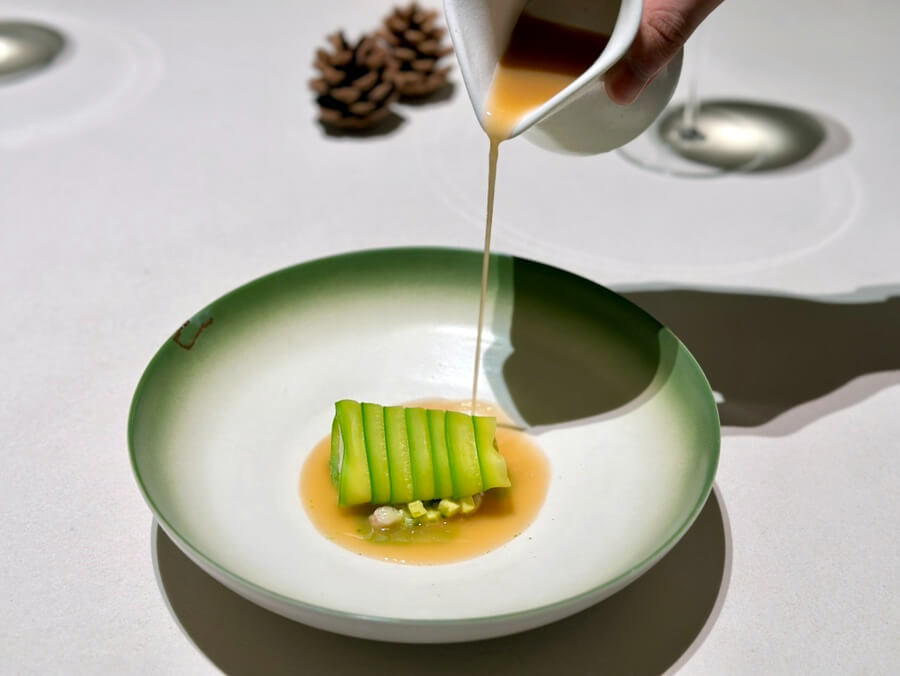
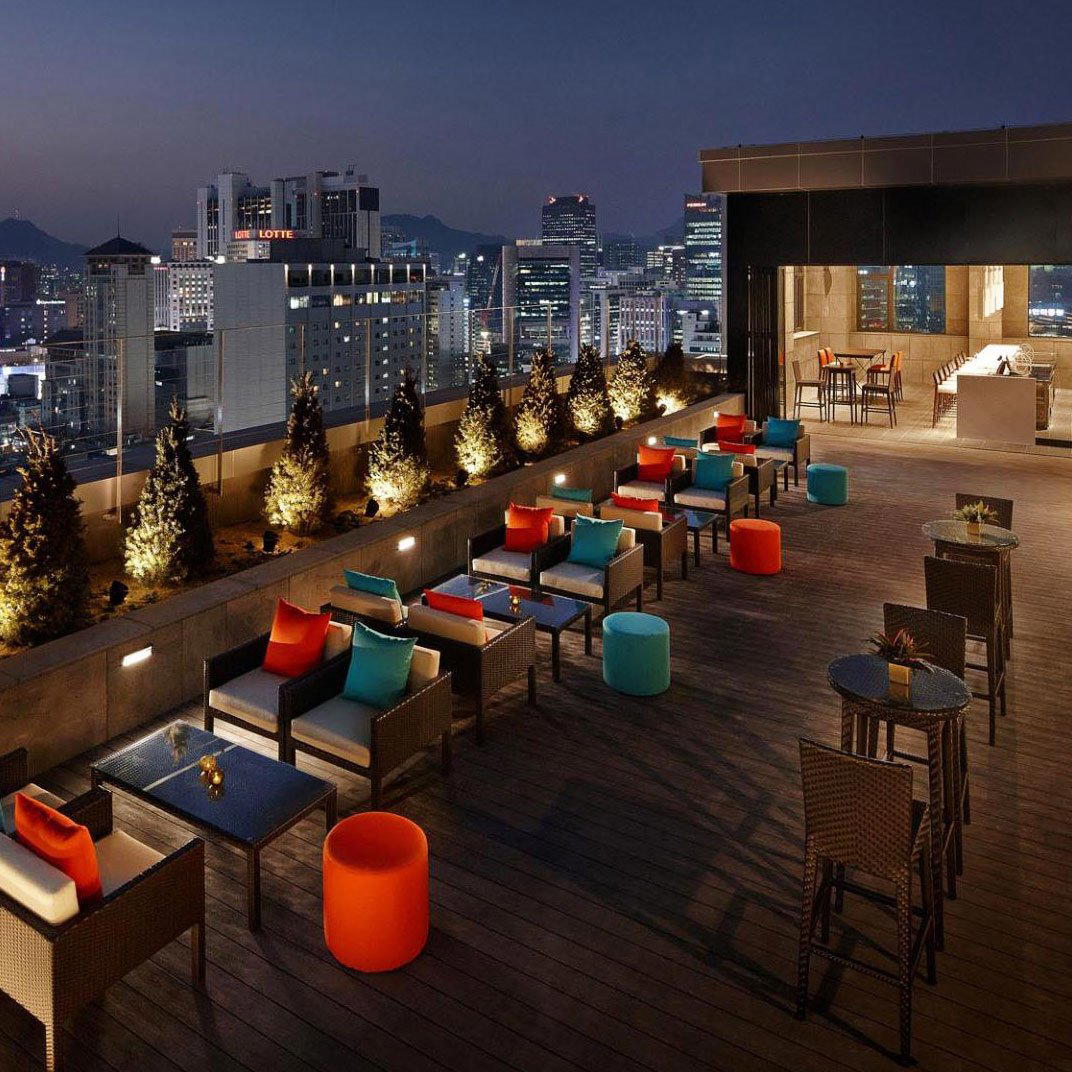
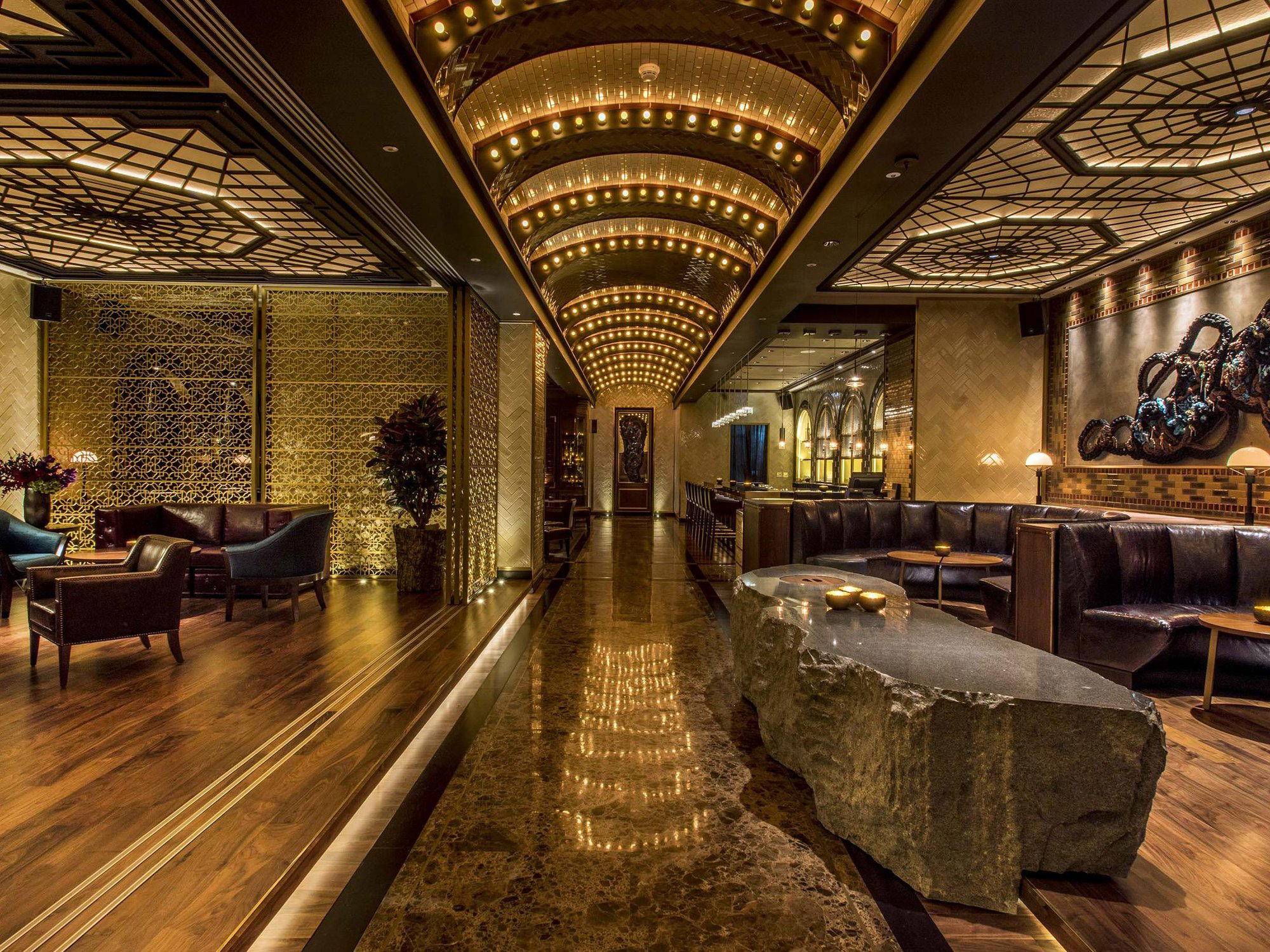
Bars in Seoul
All bars in Seoul →
Details
- Elegant
- Sophisticated
- Business Dinner
- Special Occasion
- Family
- Live Music
- Hotel Restaurant
- Sake Program
- Local Sourcing
- A La Carte
- Set Menu
- Vegetarian Friendly
Current opening hours
- Monday
- 12–3 PM, 6–10 PM
- Tuesday
- 12–3 PM, 6–10 PM
- Wednesday
- 12–3 PM, 6–10 PM
- Thursday
- 12–3 PM, 6–10 PM
- Friday
- 12–3 PM, 6–10 PM
- Saturday
- 12–3 PM, 6–10 PM
- Sunday
- 12–3 PM, 6–10 PM
Hours can change for holidays and private events. Hours as of .
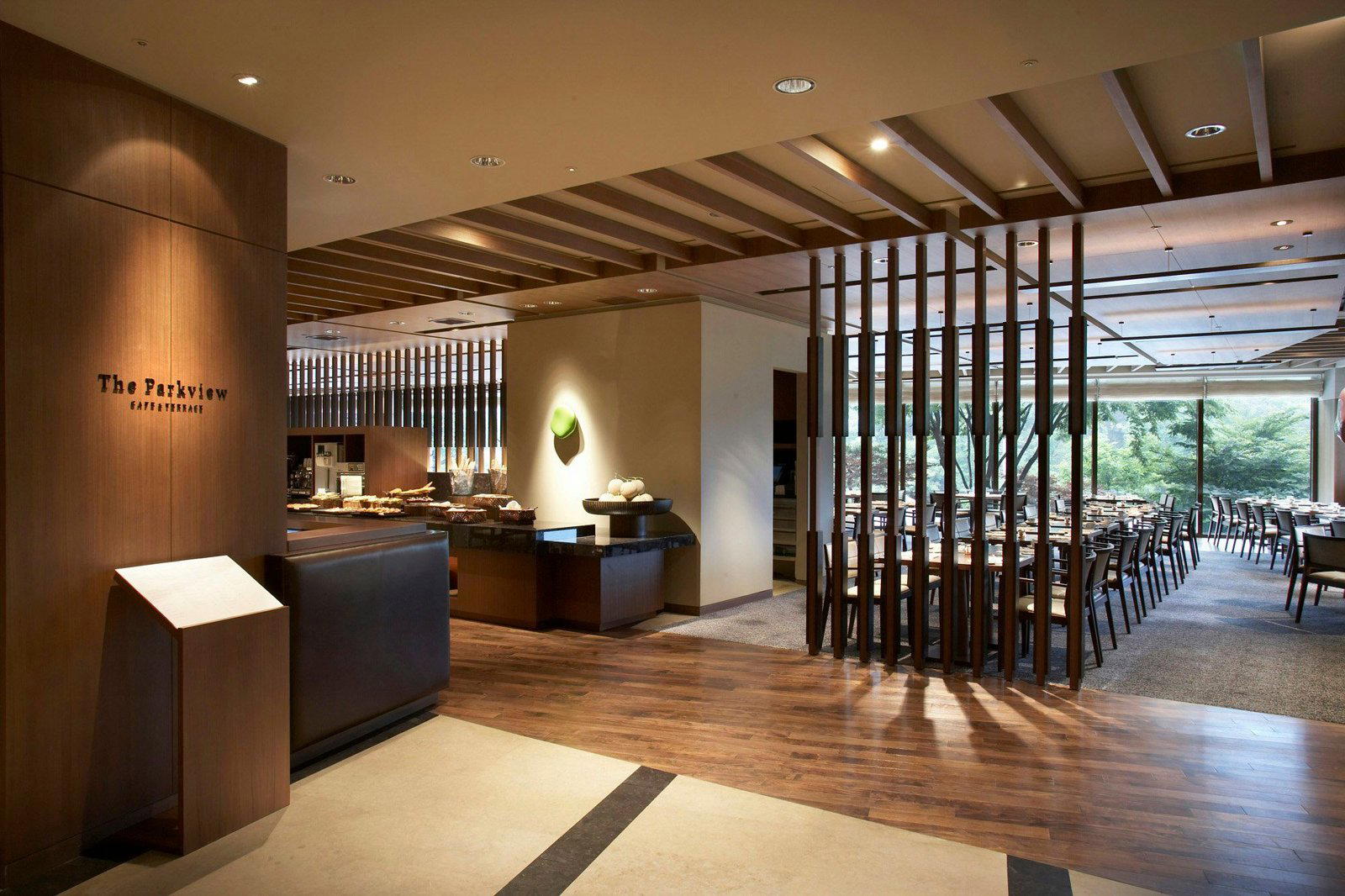
Elegant space with crimson décor, red carpet, black pillars and tables, offering a formal Chinese dining atmosphere.