Jin Jin

Michelin Bib Gourmand
Our verdict
Jin Jin has operated in Mapo-gu for over four decades, holding a Michelin Bib Gourmand in 2024 under chef Wang Yuk-sung's deliberate, pared-back approach to Chinese cuisine in Seoul. A menu of just ten dishes keeps quality consistent, with shrimp toast, stir-fried crab meat with egg white, and mapo tofu among the most ordered. At the ₩₩ price tier, it sits well below Seoul's starred Chinese rooms without compromising on craft.

Pearl is the En Primeur Club membership app, where members save venues, book tables and use the concierge.
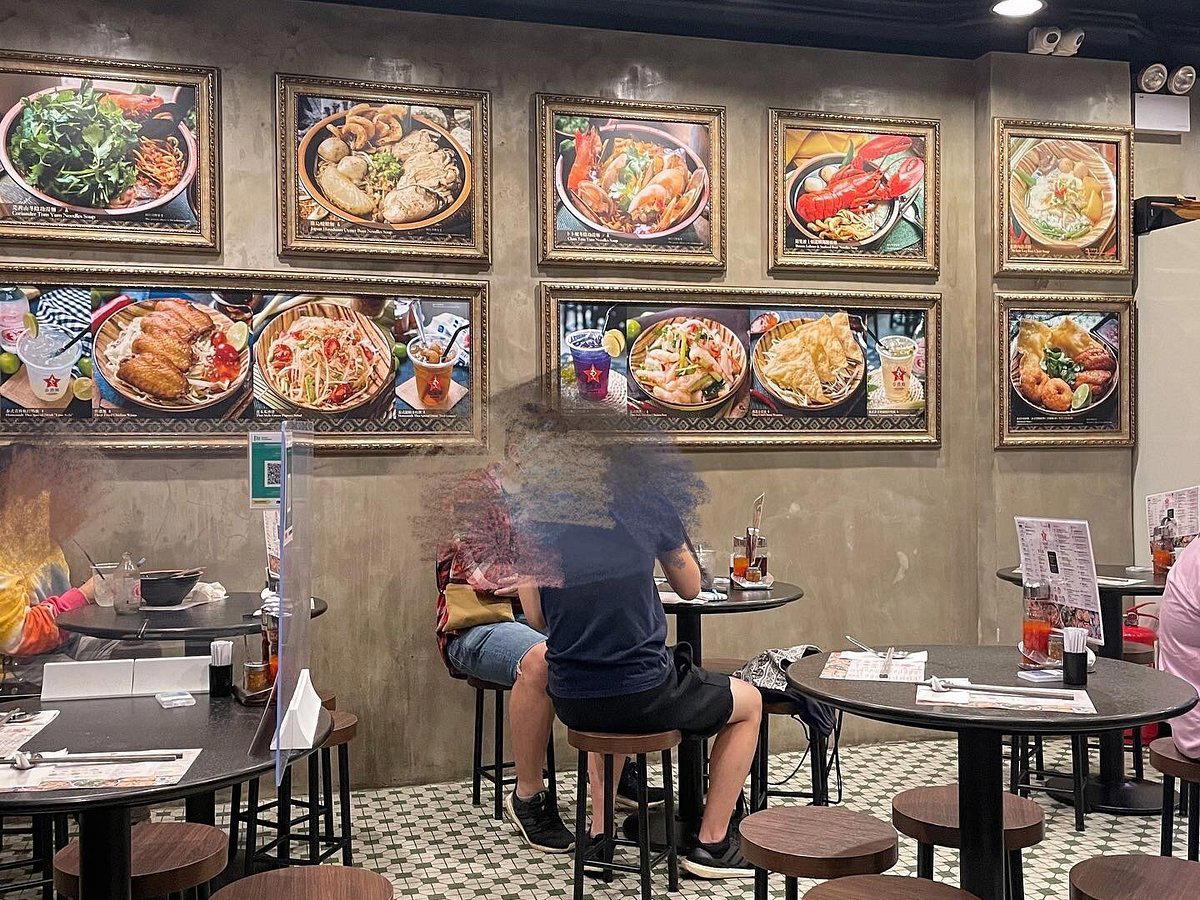
The menu
What to order
- Shrimp toast
- Menbosha
- Mapo tofu
- Stir-fried beef with gai lan
- Stir-fried crab meat with egg white
Chinese Cooking, Korean Context
Seoul's Chinese restaurant scene divides sharply between two poles. At one end sit the Jajangmyeon-and-tangsuyuk shops that have defined Korean-Chinese food for generations, operating as a fully absorbed local cuisine with its own conventions and expectations. At the other, a smaller group of restaurants works with classical Chinese technique and tighter menus, positioned closer to what you might encounter in Hong Kong or Taipei than in a typical Korean neighbourhood delivery shop. Jin Jin, at 60 World Cup buk-ro 1-gil in Mapo-gu, belongs firmly to the second category and has done so for more than forty years.
That longevity matters in a city where Chinese restaurants have historically struggled for critical recognition outside of the mainstream Korean-Chinese format. The 2024 Michelin Bib Gourmand nods to what regulars have understood for a long time: this is cooking that holds itself to a different standard, and at a ₩₩ price tier, it does so without asking for the premium that Seoul's starred rooms charge. For context, much of the Michelin-recognised Chinese dining in Seoul sits in the ₩₩₩ to ₩₩₩₩ bracket, occupied by addresses like Haobin, Yu Yuan, and Crystal Jade. Jin Jin's position in this scene is closer to the Bib Gourmand tier occupied by Hong Yuan, though it operates under a different logic: restraint over range.
The Logic of Ten Dishes
In Chinese restaurant culture, menu length has traditionally signalled capability. A full Cantonese house carries hundreds of items; a Sichuanese banquet kitchen might list dozens of preparations. The decision to cap the menu at ten dishes is a deliberate departure from that convention, and it shapes everything about the experience at Jin Jin. Chef Wang Yuk-sung's reasoning is transparent: fewer dishes, executed consistently, maintain a level of quality that an expansive kitchen cannot guarantee at every service.
The dishes that have remained most requested over the years reflect the range that a ten-item menu can still cover. Shrimp toast brings textural contrast, the crunch of fried bread against soft crustacean filling. Stir-fried crab meat with egg white is technically demanding, requiring precise heat control to keep the egg silky and the crab distinct. Mapo tofu in Korean-Chinese kitchens often softens the Sichuanese original; here the preparation sits closer to the source. Stir-fried beef with gai lan, a Cantonese staple, tests wok skill and timing. Together, these four dishes alone represent a cross-section of Chinese regional cooking rarely assembled under a single roof at this price point in Seoul.
Internationally, Chinese cooking in non-Chinese cities has followed a similar arc of reassessment: chefs like Brandon Jew at Mister Jiu's in San Francisco and Tim Raue at Restaurant Tim Raue in Berlin have built critical reputations by applying rigorous technique to Chinese frameworks in contexts where the cuisine had previously been undervalued. VELROSIER in Kyoto takes a comparable approach in Japan. Jin Jin's position in Seoul predates most of these conversations by decades.
Mapo-gu and the Surrounding Pull
Mapo-gu is not Seoul's primary dining district for international visitors. Gangnam concentrates most of the city's starred Korean rooms: Gaon and Kwon Sook Soo anchor a south-of-the-river scene that also carries addresses like JUE. The more experimental Korean dining sits in pockets around Jongno and Itaewon. Mapo-gu occupies a different register: a residential and commercial district on the Han River's north bank, associated more with neighbourhood eating than destination dining.
For Jin Jin, this location is part of the texture. The restaurant is not positioned as a destination in the way that multi-course tasting rooms position themselves. It serves the kind of meal that rewards repeat visits rather than single-occasion pilgrimage. The neighbourhood context means the atmosphere reads differently from the quiet formality of Yu Yuan or the polished service of a hotel Chinese room. It is a working restaurant that has earned its recognition through consistency rather than presentation.
Forty Years as a Signal
In the Korean dining scene, longevity functions as a particular kind of credential. The restaurants that survive four decades in Seoul have typically done so by maintaining a repeatable proposition for a local customer base, not by chasing critical attention. Chef Wang Yuk-sung's forty-plus years of operating Jin Jin predate the current wave of international interest in Seoul dining, which has accelerated significantly since the Michelin Guide arrived in the city in 2016.
The Bib Gourmand, awarded for good cooking at a moderate price, is a more appropriate recognition for Jin Jin than a star would be: the restaurant's argument is not about luxury or ceremony but about craft deployed consistently over time. It is also separate from the experiential and seasonal dining formats you find elsewhere in Korea, from Baegyangsa Temple in Jangseong-gun to Mori in Busan.
Planning Your Visit
Jin Jin sits in Mapo-gu, accessible from central Seoul by metro. At the ₩₩ price tier, it is one of the more accessible Michelin-recognised Chinese addresses in the city. For a broader picture of what Seoul's dining scene covers across all price tiers and cuisine types, see our full Seoul restaurants guide. For accommodation, transport, and neighbourhood context, our Seoul hotels guide covers the major districts. Those planning a longer stay can also browse our Seoul bars guide, wineries guide, and experiences guide for a complete picture of what the city offers beyond the table. For trips extending beyond Seoul, The Flying Hog in Seogwipo represents one of Jeju Island's more recognised casual addresses.
Frequently asked questions
What do people recommend at Jin Jin?
The most requested dishes at Jin Jin span several Chinese regional traditions within a single ten-item menu. Shrimp toast and stir-fried crab meat with egg white appear consistently as highlights, the latter requiring the kind of wok control that separates capable Chinese kitchens from competent ones. Mapo tofu and stir-fried beef with gai lan round out the core recommendations, covering Sichuanese and Cantonese registers respectively. Chef Wang Yuk-sung's decision to limit the menu to ten dishes ensures these preparations are executed at a standard that a larger menu would dilute. The 2024 Michelin Bib Gourmand recognition, combined with over forty years of operation, gives that consistency a verifiable track record. For comparable Chinese addresses in Seoul at different price tiers, Haobin, Crystal Jade, and Hong Yuan each take a different approach to the cuisine.
| Venue | Cuisine | Price | Awards | Notes |
|---|---|---|---|---|
| Jin JinThis venue (the venue you are viewing) | Traditional Chinese | $20–30 | Michelin Bib Gourmand | Not listed |
| 7th Door | Modern Korean Fermentation Fine Dining | $100–150 | 1 Michelin Star · World's 50 Best #49 | Korean, Contemporary |
| Solbam | Contemporary Neo-Classical Korean | $200–300 | 1 Michelin Star · World's 50 Best #55 | Contemporary |
| Onjium | Modern Korean Royal Court Cuisine | Not listed | 1 Michelin Star · World's 50 Best #14 | Korean |
| L'Amitié | Classic French Fine Dining | $100–150 | 1 Michelin Star · La Liste Top Restaurants | French |
| Zero Complex | Modern French Neo-Bistro | $100–150 | 1 Michelin Star · La Liste Top Restaurants | Korean-French, Innovative |
Recognition history
Dated appearances from independent guides and award organizations, with the underlying list record or original source where available.
Michelin Bib Gourmand
Michelin
Full recognition history (3 entries)
Michelin Bib Gourmand
Michelin
Michelin Bib Gourmand
Michelin
Continue exploring
More in Seoul
Restaurants in Seoul
All restaurants in Seoul →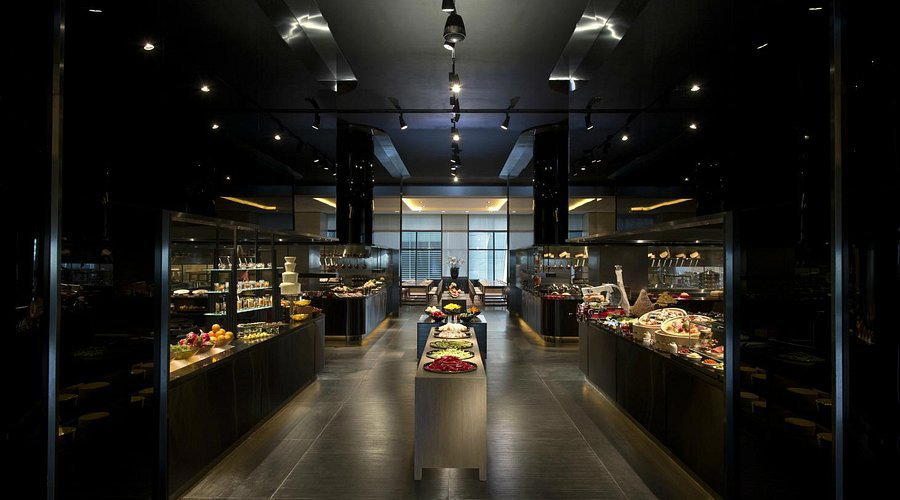
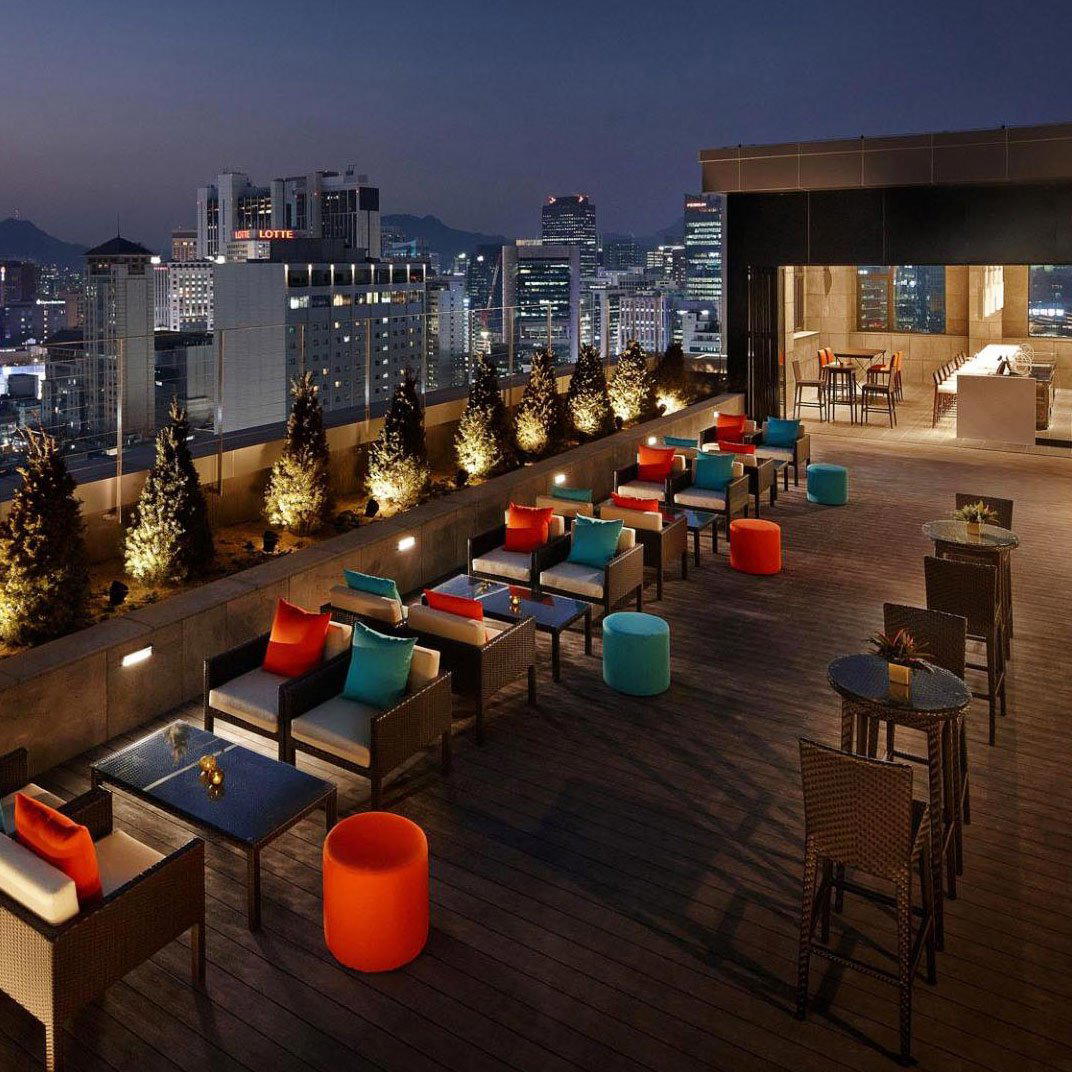
Bars in Seoul
All bars in Seoul →

Details
- Classic
- Group Dining
- Family
- A La Carte
Current opening hours
- Monday
- 11:30 AM–3 PM, 5–9 PM
- Tuesday
- 11:30 AM–3 PM, 5–9 PM
- Wednesday
- 11:30 AM–3 PM, 5–9 PM
- Thursday
- 11:30 AM–3 PM, 5–9 PM
- Friday
- 11:30 AM–3 PM, 5–9 PM
- Saturday
- 11:30 AM–3 PM, 5–9 PM
- Sunday
- 12–3 PM, 5–9:30 PM
Hours can change for holidays and private events. Hours as of .
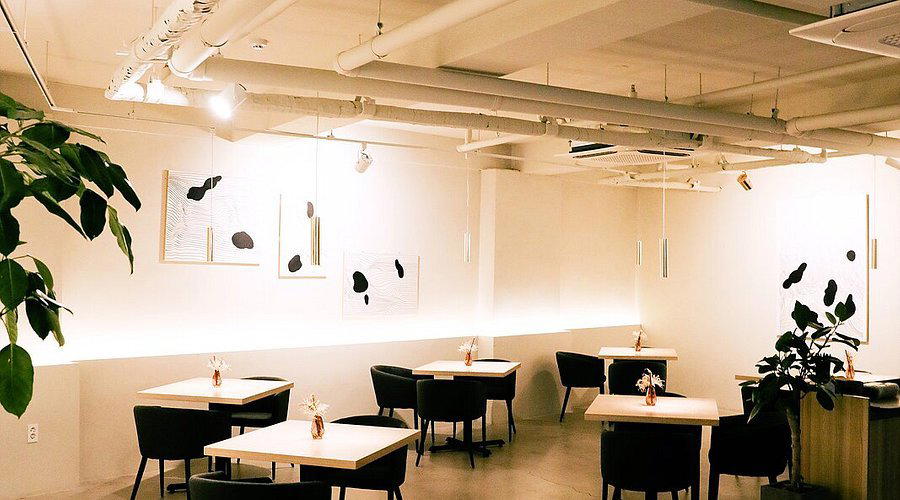
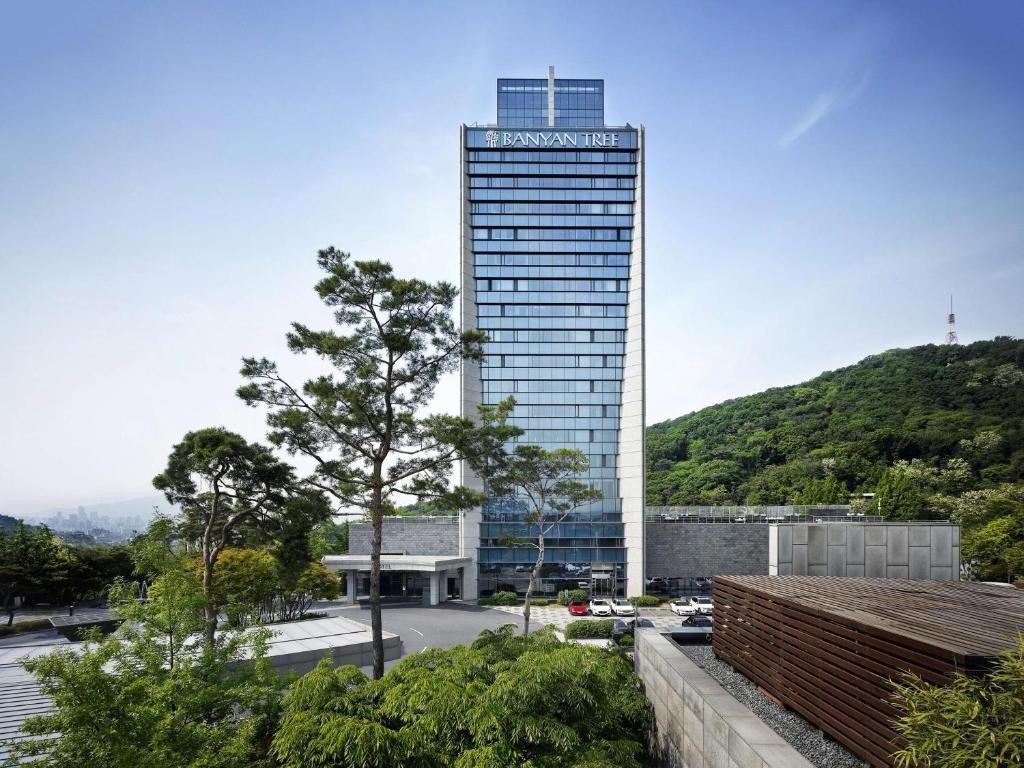
Spacious and simple environment focused on quality food.