

A six-seat counter in Nagoya's Showa Ward, Hama Gen has held a place on the Tabelog Sushi EAST 100 list consecutively since 2021 and earned the Tabelog Award Bronze in 2026 with a score of 3.92. Dinner runs JPY 30,000–39,999 per person, reservations are handled through OMAKASE, and seatings begin at 18:30. It operates as a reservation-only house restaurant with parking on site.
Pearl is the En Primeur Club membership app — saves, bookings, and concierge access live there. Same editors, same standards.
- Address
- 1 Chome-28 Minamiwakecho, Showa Ward, Nagoya, Aichi 466-0849, Japan
- Phone
- +81 52-853-1841
- Website
- hamagen.jp
- Directions
- Get directions
 Saves & bookings on Pearl
Showa Ward sits a subway stop south of Nagoya's commercial core, and the neighbourhoods around Gokiso Station carry none of the restaurant-district energy of Sakae or Fushimi. The streets are residential. The scale is domestic. It is precisely the kind of address where Japan's most serious small-counter sushi tends to appear: away from tourist sight lines, dependent entirely on reputation passed between people who already know.
Hama Gen operates from that address, about seven minutes on foot from Gokiso Station's Exit 2. The Tabelog listing characterises it as a house restaurant and a hideout, which, at a counter of six seats, is an accurate structural description rather than a marketing device. What the address and format together signal is a kitchen that does not need to compete for walk-in traffic and is not trying to. The counter fills on its own terms, through the reservation platform OMAKASE, and the cancellation policy, which charges 100% on the day and 50% the day before, reflects how tightly each seating is managed against ingredient procurement.
Where Hama Gen Sits in the Nagoya Sushi Conversation
Nagoya's high-end dining identity is frequently framed around its own regional traditions, but its premium sushi counters compete on national terms. The Tabelog Sushi EAST 100 list is one of the clearest benchmarks for that tier: it draws from the eastern half of Japan, encompasses Tokyo's most decorated counters, and selection reflects sustained reviewer consensus at volume rather than a single award cycle. Hama Gen has appeared on that list in 2021, 2022, and 2025, and in 2026 received the Tabelog Award Bronze with a score of 3.92. Consistent selection across multiple years carries more weight than a single-year appearance; it indicates that performance has held across different seasonal sourcing conditions and shifting reviewer populations.
Within Nagoya's broader premium dining scene, which includes kaiseki-rooted houses such as Hachisen (Kyoto Cuisine), French-inflected kitchens like French Ryori Kochuten, and European formats such as Cucina Italiana Gallura, Hama Gen occupies a specific lane: reservation-only, single-sitting counter sushi at a dinner price of JPY 30,000–39,999 on the listed scale, with review-based averages suggesting actual spend frequently reaches JPY 40,000–49,999. That puts it in a peer bracket that, nationally, includes counters like Harutaka in Tokyo and, internationally, draws comparison to counters such as Sushi Shikon in Hong Kong and Shoukouwa in Singapore, each of which operates on a similarly small-format, high-commitment model.
For a broader view of where Hama Gen fits within Nagoya's dining spectrum, our full Nagoya restaurants guide maps the city's premium options across cuisine categories.
The Sourcing Logic Behind a Six-Seat Counter
At this format and price point, the sourcing argument is the whole argument. A counter of six seats cannot absorb waste the way a larger kitchen can, and it cannot hide inconsistency behind volume. Every neta on the board has to justify its presence each evening, which means procurement decisions, aging choices, and fish selection carry direct consequence for the experience in ways that larger operations can buffer against.
Japan's top-tier sushi counters at this price bracket typically source through Toyosu Market in Tokyo, regional wholesale relationships, or direct arrangements with fishing cooperatives, depending on the protein and the season. The Nagoya market also provides access to Ise Bay catch, including species less common at Tokyo-centric counters. The specific sourcing relationships at Hama Gen are not documented in the public record, but the counter's sustained Tabelog 100 selection across 2021, 2022, and 2025, measured by reviewer consensus on ingredient quality, implies that the sourcing framework holds across seasons rather than peaking in one period.
The cancellation policy makes the procurement logic explicit: the restaurant states directly that ingredients are ordered in advance for each reservation and that other guests are turned away once a booking is confirmed. At six seats, a late cancellation does not just affect revenue; it means fish procured for that sitting cannot be redistributed to a fuller house. The strictness of the policy is an operational necessity rather than a formality.
Format and Practical Planning
Seatings begin at 18:30. The kitchen closes on Mondays, and once a month takes a longer weekend closure covering both Sunday and Monday. Anyone planning around a specific Nagoya trip window should confirm the monthly extended closure against their dates, since the Monday-only rule does not apply uniformly across the calendar.
Reservations are handled exclusively through OMAKASE, and the venue requests that the person who made the reservation attend in person where possible, a condition common at serious counters where the host-guest relationship is part of the format. The six-seat counter is available for full private hire, which at this capacity means a group of up to six takes the room entirely. There are no private rooms within the space, and the counter seating is the only configuration.
The payment setup accepts major credit cards including VISA, Mastercard, AMEX, and Diners, but does not accept electronic money or QR code payments. A service charge of JPY 1,650 per person is added to the meal charge. Drinks run to sake, shochu, and wine. Parking is available on site, which is relevant given the residential location and the absence of convenient paid parking infrastructure typical of central Nagoya.
The dress code guidance asks guests to consider other diners at the counter, flagging very light clothing, strong perfume, and cigarette odour as things the restaurant asks people to avoid. This is standard framing at intimate counter formats, where proximity and sensory environment affect every seat simultaneously.
Those exploring other formats in Nagoya alongside a Hama Gen booking might consider Hijikata or Ueda for contrast in style and structure. The city's hospitality options beyond dining are covered in our full Nagoya hotels guide, our full Nagoya bars guide, and our full Nagoya experiences guide.
Sushi at This Level Elsewhere in Japan
The small-counter omakase format, priced between JPY 30,000 and 50,000 and reliant on booking platforms and word-of-mouth, now operates in most major Japanese cities as a distinct and self-contained tier. In Osaka, kitchens like HAJIME represent the same premium single-sitting commitment applied to French technique. In Kyoto, Gion Sasaki occupies an analogous position in kaiseki rather than sushi. In Fukuoka, Goh and in Nara, akordu each demonstrate how the format applies across regional contexts and cuisine categories. In Yokohama, 1000 sits in a comparable premium bracket.
Hama Gen's three consecutive Tabelog 100 selections and 2026 Bronze award place it credibly within that national conversation from a Showa Ward address that, by all appearances, was never designed to be noticed from the outside. That is the point. For a broader view of what Nagoya's premium dining options include across all categories, our full Nagoya wineries guide and our full Nagoya restaurants guide provide the wider context.
How Hama Gen Nagoya compares with similar nearby venues.
| Venue | Cuisine | Price | Awards |
|---|---|---|---|
| Hama Gen | Sushi | JPY 30,000 - JPY 39,999 | Tabelog Bronze #94 (2026), Tabelog 100 #17 (2025) |
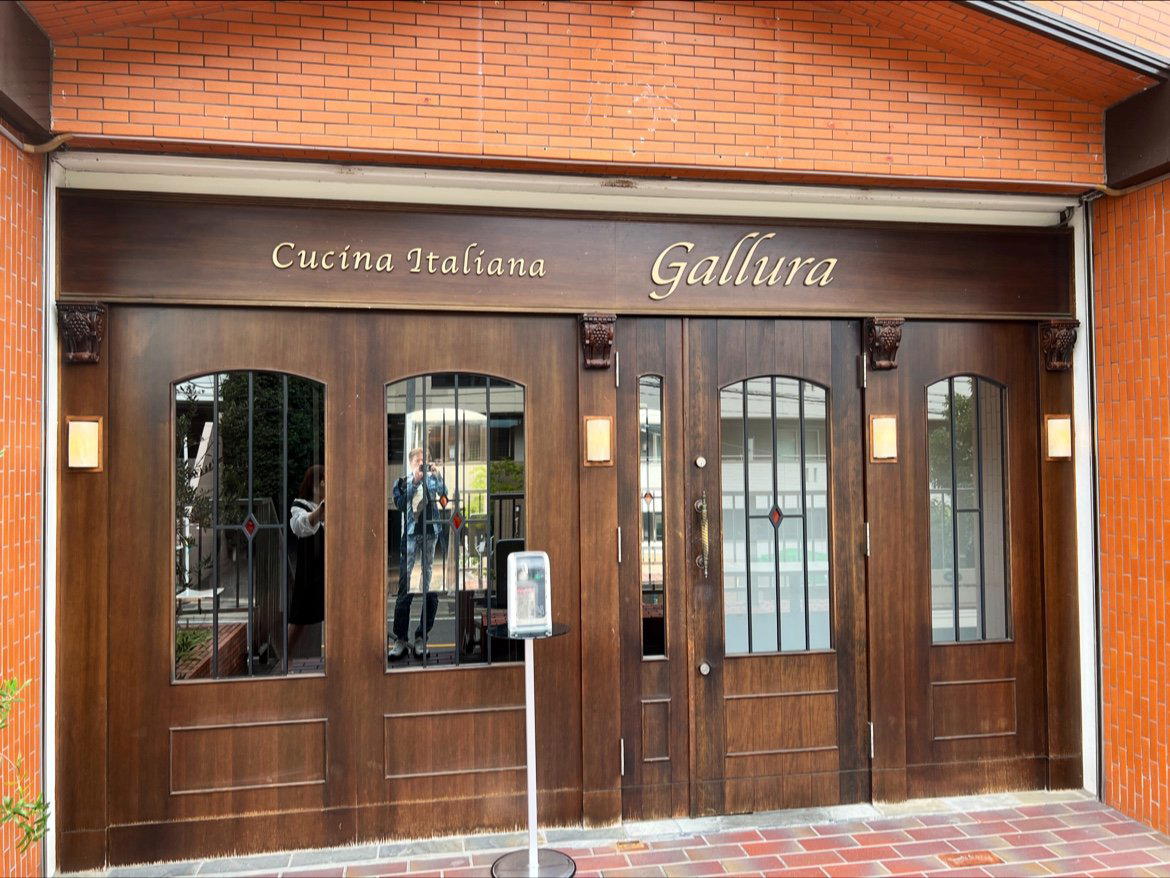
| Cucina Italiana Gallura | Sushi | Not listed | Not listed |
| Hijikata (土方) | Sushi | Not listed | Not listed |
| Ueda | Sushi | JPY 20,000 - JPY 29,999 JPY 10,000 - JPY 14,999 | Not listed |
| Edo Machi Sugimoto | Sushi | JPY 20,000 - JPY 29,999 JPY 15,000 - JPY 19,999 | Not listed |
| Komada | Sushi | Not listed | Not listed |
Recognition history
Dated appearances from independent guides and award organizations, with the underlying list record or original source where available.
Opinionated About Dining Top Restaurants in Japan Recommended
Opinionated About Dining
Tabelog Bronze #94
Tabelog
Tabelog 100 #17 · No. 17
Tabelog · Tabelog 100 - Sushi - EAST - 2025
At a Glance
- Elegant
- Intimate
- Sophisticated
- Classic
- Special Occasion
- Date Night
- Chefs Counter
- Open Kitchen
- Sake Program
- Local Sourcing
- Sustainable Seafood
Current opening hours
- Monday
- Closed
- Tuesday
- 6:30–11 PM
- Wednesday
- 6:30–11 PM
- Thursday
- 6:30–11 PM
- Friday
- 6:30–11 PM
- Saturday
- 6:30–11 PM
- Sunday
- 6:30–11 PM
Hours can change for holidays and private events. Last verified .
Warm traditional ambiance with retro antique decor, Saobuchi cedar beam ceiling, hinoki counter, and crane statue creating an immersive, relaxing counter-only space.
Know Before You Go
- Getting there
- 1 Chome-28 Minamiwakecho, Showa Ward, Nagoya, Aichi 466-0849, Japan