
French Ryori Kochuten belongs to Nagoya’s serious French tier: reservation-only, wine-focused, and recognized by The Tabelog Award 2026 Bronze with a 4.12 score. The appeal is not Parisian mimicry but the Japanese reading of French structure, where provenance, seasonality, and a restrained room matter as much as sauce work.
Pearl is the En Primeur Club membership app — saves, bookings, and concierge access live there. Same editors, same standards.
- Address
- Japan, 〒461-0004 Aichi, Nagoya, Higashi Ward, Aoi, 1 Chome−19−30 B2F
- Phone
- +81 52-508-8850
- Website
- kochuten.jp
- Directions
- Get directions
 Saves & bookings on Pearl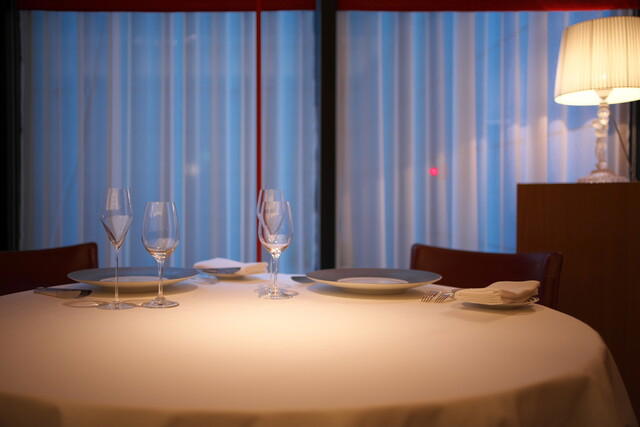
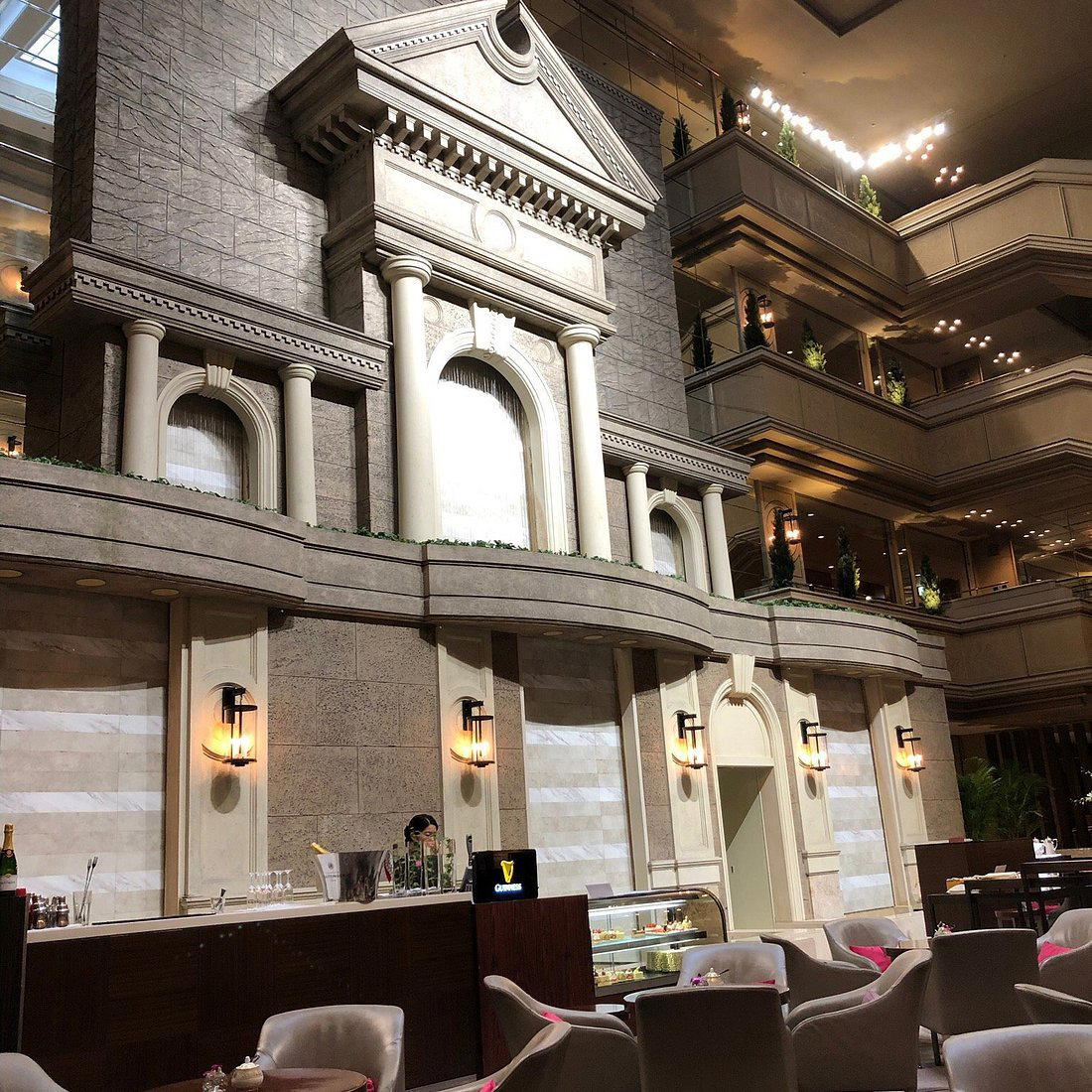
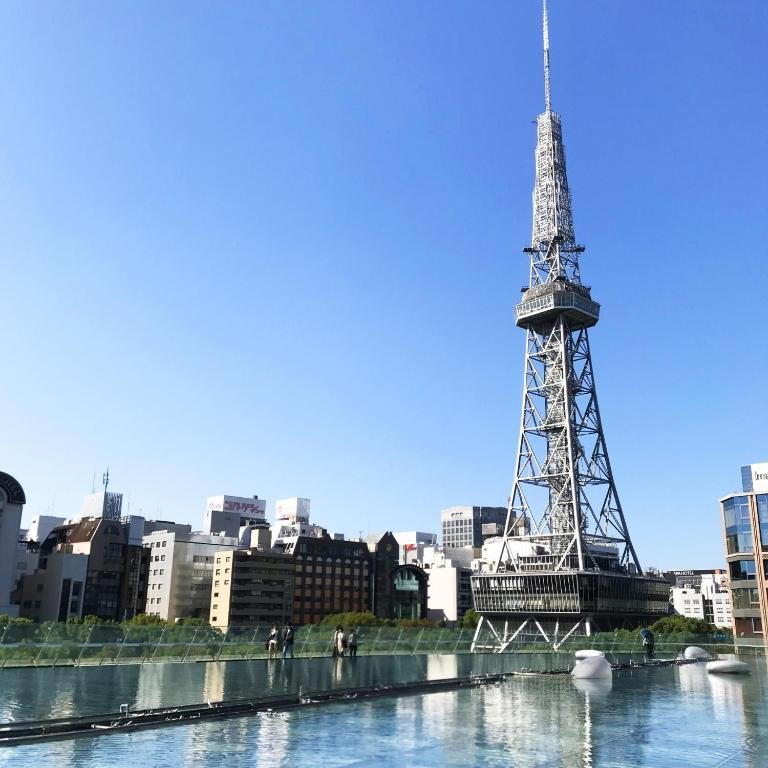
Approaching French Ryori Kochuten means leaving Nagoya’s street-level tempo for the basement level of Mazak Art Plaza in Aoi, near Shinsakae Machi. The setting suits the city’s quieter style of luxury: less theatre than Tokyo, less temple-like formality than Kyoto, and more confidence in rooms built for business meals, wine, and long-form French cooking. In Nagoya, French dining often has to justify itself against a strong local food culture built on miso, eel, kishimen, and tebasaki. The serious rooms do so by treating French technique as a framework rather than an imported costume.
That is the context in which Kochuten makes sense. Tabelog lists it as French, with recognition as a The Tabelog Award 2026 Bronze winner and a 4.12 score, plus selection for Tabelog French EAST “Tabelog 100” in 2025, 2023, and 2021. Those signals place it in a national conversation rather than a purely neighbourhood one, but the restaurant’s better argument is regional: French form filtered through Japanese pacing, portions, service discipline, and ingredient attention.
Nagoya French with a Japanese sense of place
French cooking in Japan has never been a simple act of imitation. The better end of the category has moved toward a Japanese grammar of seasonality, texture, and menu rhythm, while keeping French technique as the base code. In Nagoya, that shift has a particular tone. The city is commercially powerful but less performative than the capital, so its serious dining rooms often favour polish over spectacle. Kochuten fits that pattern: formal enough to sit in the premium French bracket, but not dependent on celebrity-chef mythology or novelty.
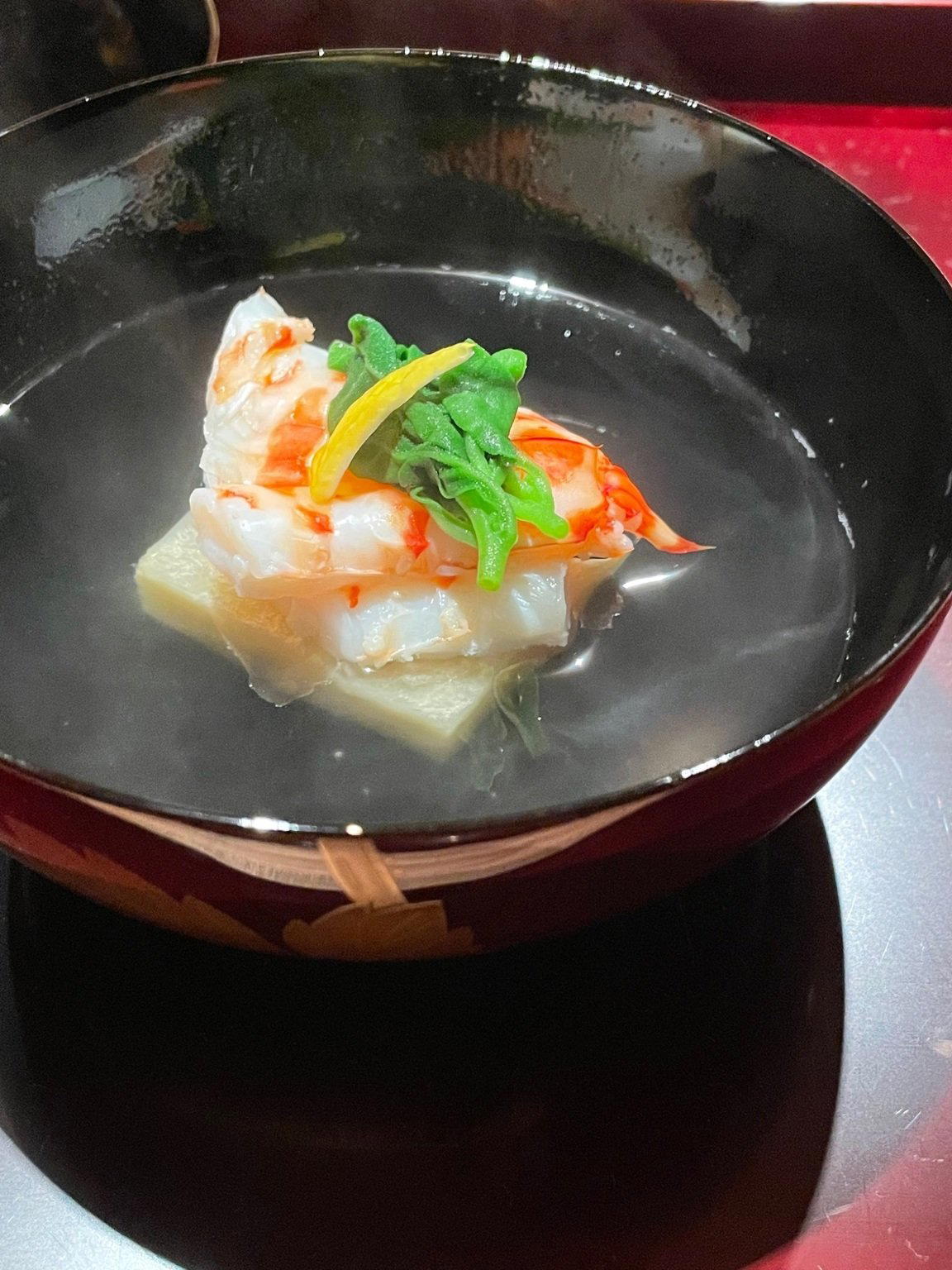
The phrase “French ryori” is useful here because it refuses a binary. It points to French cuisine translated through Japanese restaurant culture, where season, sourcing, and service sequence carry weight. Without named dish details, the reliable read is category-level rather than menu-specific: expect the logic of French dining, including wine service and course progression, interpreted for a Japanese audience that values restraint and precision. That is different from the bistro tier, and it is also different from the more theatrical dégustation rooms found in larger dining capitals.
Nagoya’s French set gives useful bearings. Reminiscence and Tout La Joie sit in the same city conversation, while newer or more niche listings such as 1022, 451, and Aaron show how broad the category has become locally. Kochuten’s awards history gives it a different kind of weight: repeated Tabelog Bronze recognition across 2017, 2018, 2019, 2020, 2021, 2022, and 2026 suggests continuity in a category where fashion can move quickly.
Wine, privacy, and the grown-up pace of the room
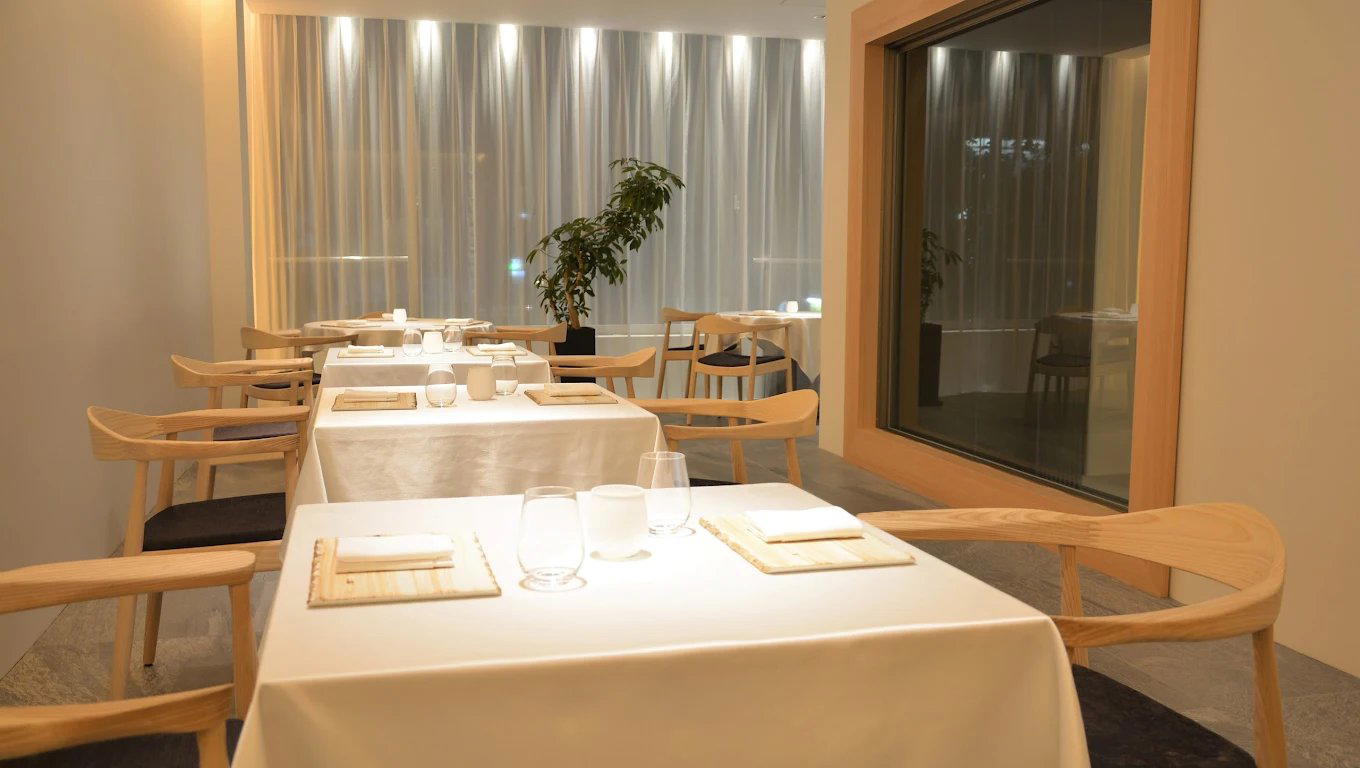
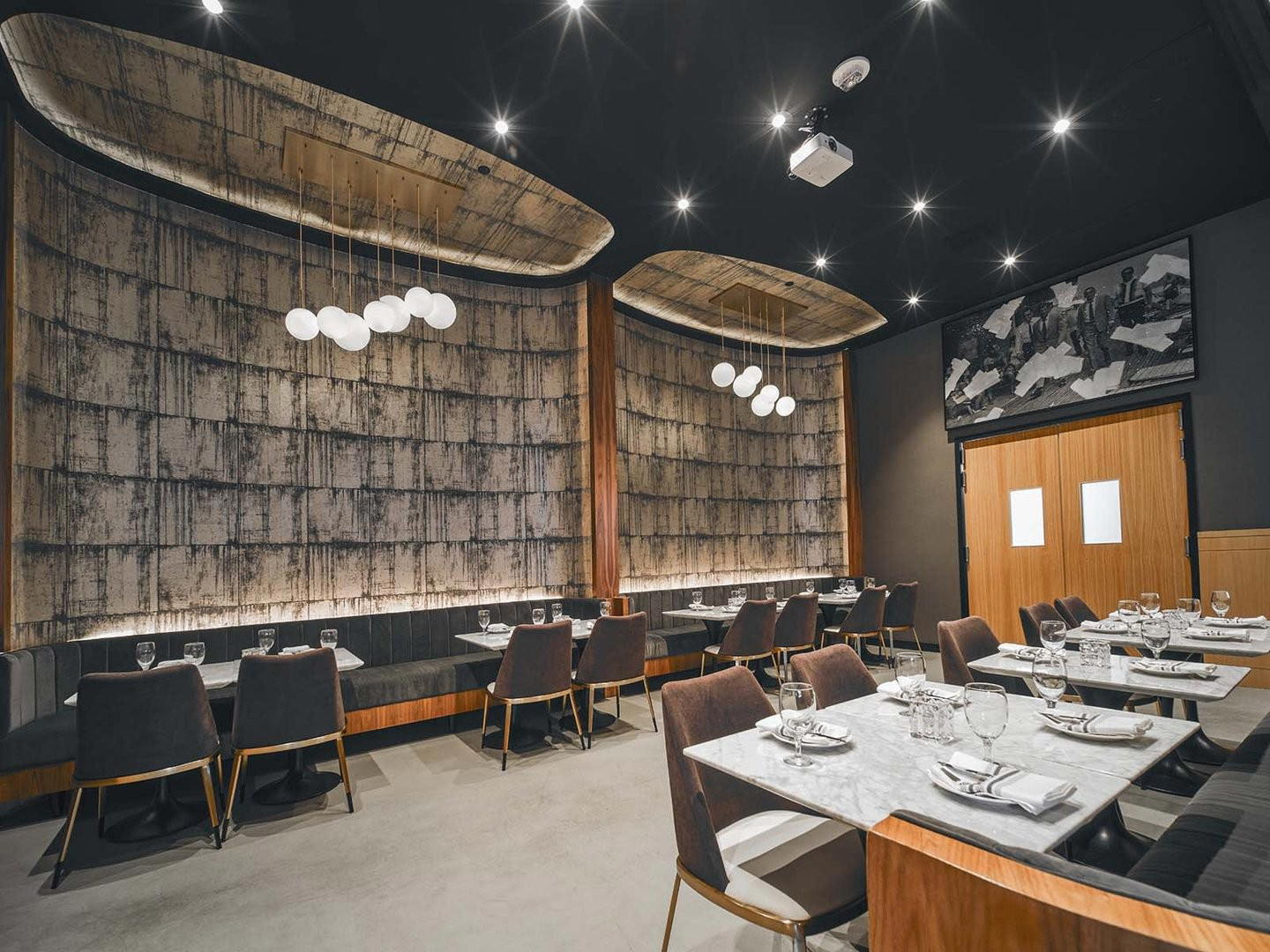
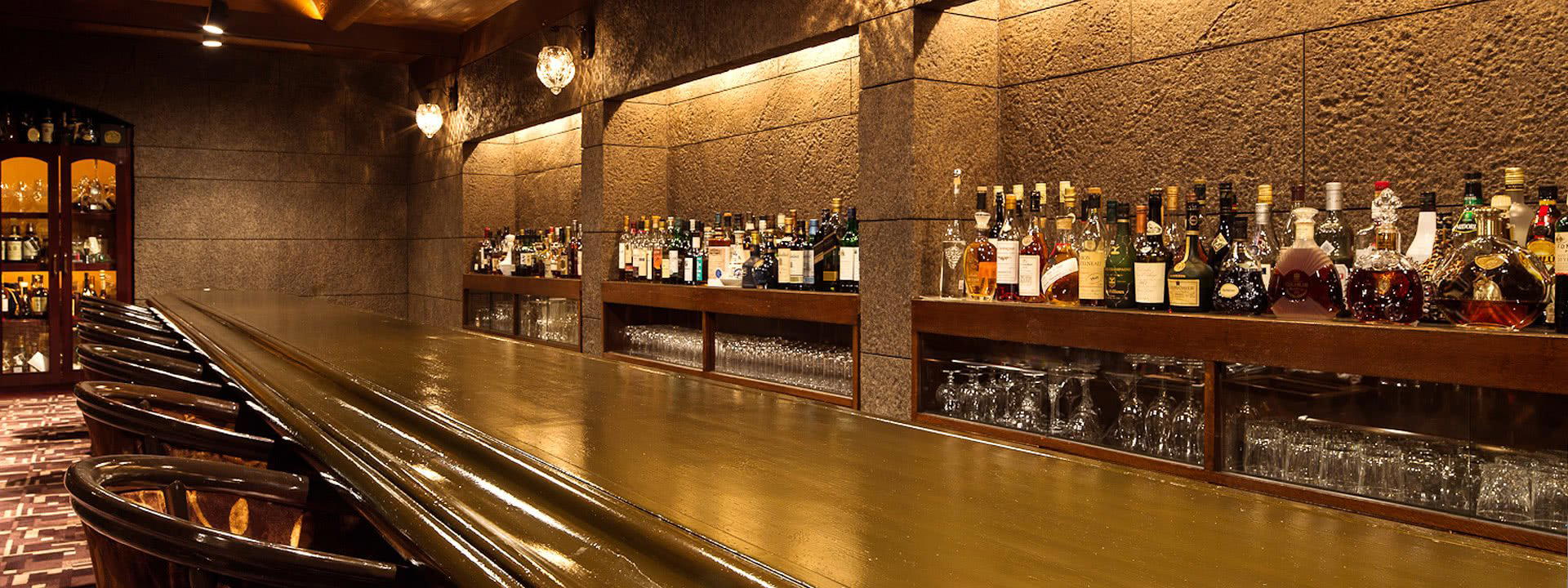
The room’s structure matters because Japanese French at this level is as much about cadence as cuisine. Kochuten has 38 seats, private rooms for 8, semi-private rooms, and private use for 20 to 50 people. That makes it better suited to measured meals than quick dining, and it explains why the restaurant is associated with business and friends rather than casual drop-ins. A sommelier is listed, wine and cocktails are available, and BYO drinks are part of the service framework. In a French restaurant, those details are not accessories; they define how the meal is meant to unfold.
The pricing also clarifies the tier. Dinner is listed at JPY 20,000 to JPY 29,999, with lunch at JPY 10,000 to JPY 14,999, plus a 10 percent service charge. In Nagoya, that puts Kochuten above the everyday celebratory bracket and into the category where diners are paying for composure: staff timing, glassware, private-room utility, and the confidence of a kitchen expected to deliver consistency rather than surprise alone. Credit cards are accepted, while electronic money and QR code payments are not, a small but telling signal of a more traditional premium dining format.
Terroir, in this context, should be read broadly. It is not only vineyard language or a claim about named farms. It is the link between place and table: Aichi’s central Japanese position, Nagoya’s business culture, the city’s appetite for substance over display, and the French tradition’s dependence on technique, sauce, wine, and season. Kochuten’s appeal sits in that intersection. The meal is for diners who want French cuisine in Japan without forcing it to behave like Paris, and without demanding the theatrical compression of a counter-only tasting format.
How to place it in a Nagoya itinerary
For travellers building a Nagoya dining schedule, Kochuten is a useful anchor for a polished evening rather than a casual add-on. Monday closure, limited lunch service on certain weekdays, and reservation-only status mean it should be planned before looser meals. The location near Shinsakae Machi also makes it practical for visitors staying in central Nagoya, especially those pairing restaurants with the city’s arts and business districts rather than making a food-only pilgrimage.
The smarter comparison is not with Tokyo’s headline French rooms, but with Nagoya’s own premium dining pattern. Here, value often lies in steadiness, spacing, and access to serious cooking without the same international demand pressure seen in larger markets. Kochuten’s repeated Tabelog recognition, 38-seat format, private-room capacity, wine service, and dress expectation create a clear reader decision: choose it when the occasion calls for formal Japanese-French dining with dependable recognition, not when the goal is a casual local-food crawl.
For wider planning, use Our full Nagoya restaurants guide alongside Our full Nagoya hotels guide, Our full Nagoya bars guide, Our full Nagoya wineries guide, and Our full Nagoya experiences guide. For contrast across Japan and beyond, compare how category expectations shift at -Grilled beef Sukiyaki- KAMAKURA TANUKIAN 鎌倉 たぬき庵 in Kamakura. 鮪と炭火焼き うお炭 秋葉原店 in Tokyo.cafe in Osaka.know in Kumamoto, (Shoku) Vietnam in Kawasaki, [Curry Senmon Ten] Maruyama Kyoju. in Sapporo, 3 Fils Counter, French in Dubai, and 3G Trois Gourmands, French in Ho Chi Minh City.
How French Ryori Kochuten Nagoya compares with similar nearby venues.
| Venue | Cuisine | Price | Awards |
|---|---|---|---|
| French Ryori Kochuten | French | JPY 20,000 - JPY 29,999 JPY 10,000 - JPY 14,999 | Tabelog Bronze #190 (2026), Tabelog 100 #25 (2025) |
| Reminiscence | French | Not listed | Not listed |
| Tout La Joie | French | Not listed | Not listed |
| Belle Equipe | French | JPY 10,000 - JPY 14,999 JPY 2,000 - JPY 2,999 | Not listed |
| Une Fleur | French | JPY 10,000 - JPY 14,999 JPY 8,000 - JPY 9,999 | Not listed |
| la bûche | French | ¥¥¥ | Not listed |
Recognition history
Dated appearances from independent guides and award organizations, with the underlying list record or original source where available.
Tabelog Bronze #190
Tabelog
Tabelog 100 #25 · No. 25
Tabelog · Tabelog 100 - French - EAST - 2025
At a Glance
- Elegant
- Sophisticated
- Intimate
- Cozy
- Date Night
- Special Occasion
- Business Dinner
- Wine Cellar
- Extensive Wine List
- Sake Program
Current opening hours
- Monday
- Closed
- Tuesday
- 6–10 PM
- Wednesday
- 11:45 AM–3 PM, 6–10 PM
- Thursday
- 11:45 AM–3 PM, 6–10 PM
- Friday
- 6–10 PM
- Saturday
- 11:45 AM–3 PM, 6–10 PM
- Sunday
- 11:45 AM–3 PM, 6–10 PM
Hours can change for holidays and private events. Last verified .
Stylish, relaxing space ideal for escaping the hustle and bustle, featuring beautiful Limoges dishware and a cellar room.
Know Before You Go
- Reservations
- Essential
- Dress code
- Smart casual
- Getting there
- Japan, 〒461-0004 Aichi, Nagoya, Higashi Ward, Aoi, 1 Chome−19−30 B2F