

Ueda belongs to Nagoya’s serious sushi tier: small counter format, shokunin discipline, and recognition from Tabelog and Opinionated About Dining rather than tourist visibility. The draw is not spectacle but concentration, the kind of room where training, fish selection, rice work, and counter etiquette matter more than a long public narrative.
Pearl is the En Primeur Club membership app — saves, bookings, and concierge access live there. Same editors, same standards.
- Address
- Japan, 〒454-0031 Aichi, Nagoya, Nakagawa Ward, Yahatahontori, 2 Chome−20
- Phone
- +81 52-353-6005
- Website
- tabelog.com
- Directions
- Get directions
 Saves & bookings on Pearl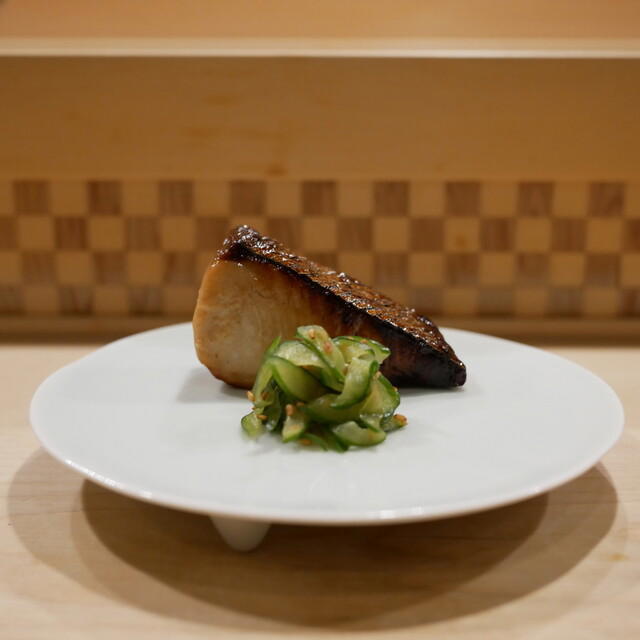
In Nagoya’s Nakagawa ward, the sushi counter becomes a test of concentration. There is no big-city theatre here, no luxury dining-room choreography designed for the camera. The signal is scale: six counter seats, a house-restaurant setting, and a format that puts every movement within view. In Japanese sushi culture, that intimacy changes the contract. Rice temperature, knife work, pacing, and silence carry more weight than décor, and a guest who understands the room will get more from it than one expecting a broad hospitality performance.
Ueda sits in the narrower Nagoya sushi conversation that serious diners follow alongside counters such as Hama Gen and Hijikata (土方). The city does not trade on sushi fame in the same way as Tokyo’s Ginza or Osaka’s high-end counter circuit, which makes its stronger addresses feel more local, more appointment-based, and less dependent on international mythology. Recognition helps separate signal from noise: Ueda is a Tabelog Award 2026 Bronze winner, has repeated Bronze recognition from 2022 through 2026, and appears in the Tabelog Sushi EAST 100 selections for 2021, 2022, and 2025. Opinionated About Dining also lists it as Recommended in its 2026 Japan restaurant coverage.
A six-seat counter built around apprenticeship discipline
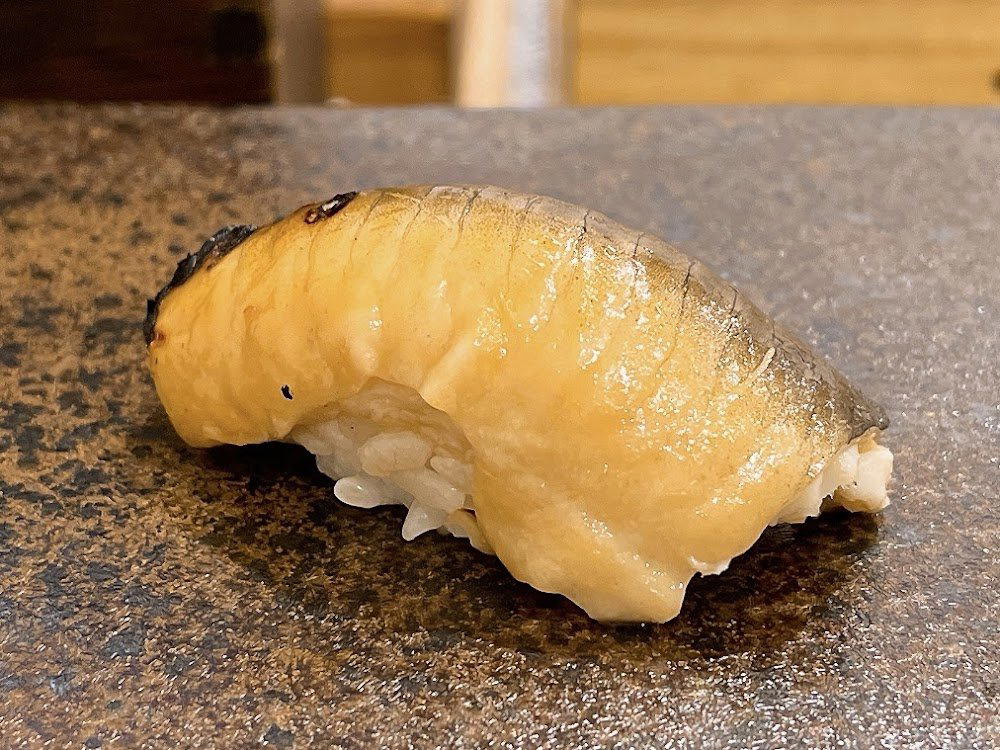
The useful way to read this kind of sushi room is through apprenticeship, not personality. Japanese counter sushi is still shaped by shokunin training: years spent absorbing sequence, pressure, correction, and repetition before personal style becomes visible. Chef Naoki Ueda’s name appears in award listings, but the broader point is the tradition he works inside. At this level, mastery is measured less by novelty than by control: how fish is handled, how rice is seasoned and portioned, how the meal’s rhythm tightens or relaxes across the counter.
That discipline explains why small Nagoya sushi counters can compete for serious attention without mimicking Tokyo’s more expensive reservation culture. A six-seat arrangement leaves little room for distraction. It also makes the guest part of the room’s tempo. Strong perfume, late arrivals, loud conversation, and menu-shopping all clash with the format because the counter is not just seating; it is the service structure. This is why the better sushi addresses in regional Japanese cities often feel less like restaurants in the Western sense and more like compact studios of learned craft.
Ueda’s awards matter because they reflect consistency in a category where reputation is usually built slowly. Tabelog’s Bronze tier and Sushi EAST 100 selections place it inside a competitive field that includes both Tokyo-area counters and regional specialists. That is a meaningful distinction for Nagoya: the city’s dining identity is often discussed through hitsumabushi, kishimen, miso katsu, and tebasaki, yet its serious sushi rooms show another side of local dining, one that is quieter, harder to access, and more dependent on regulars.
Where Nagoya's sushi culture differs from the capital circuit
Tokyo’s famous sushi counters often operate as destination dining with global demand built into the reservation calendar. Nagoya’s stronger counters tend to read differently. They are less theatrical, more embedded in neighbourhood routines, and often priced below the upper Tokyo bracket while still requiring commitment from the guest. The comparison is not about inferiority or scale; it is about audience. In Nagoya, a sushi meal at this level can feel closer to a local trust economy, where repeat custom and etiquette shape access as much as appetite.
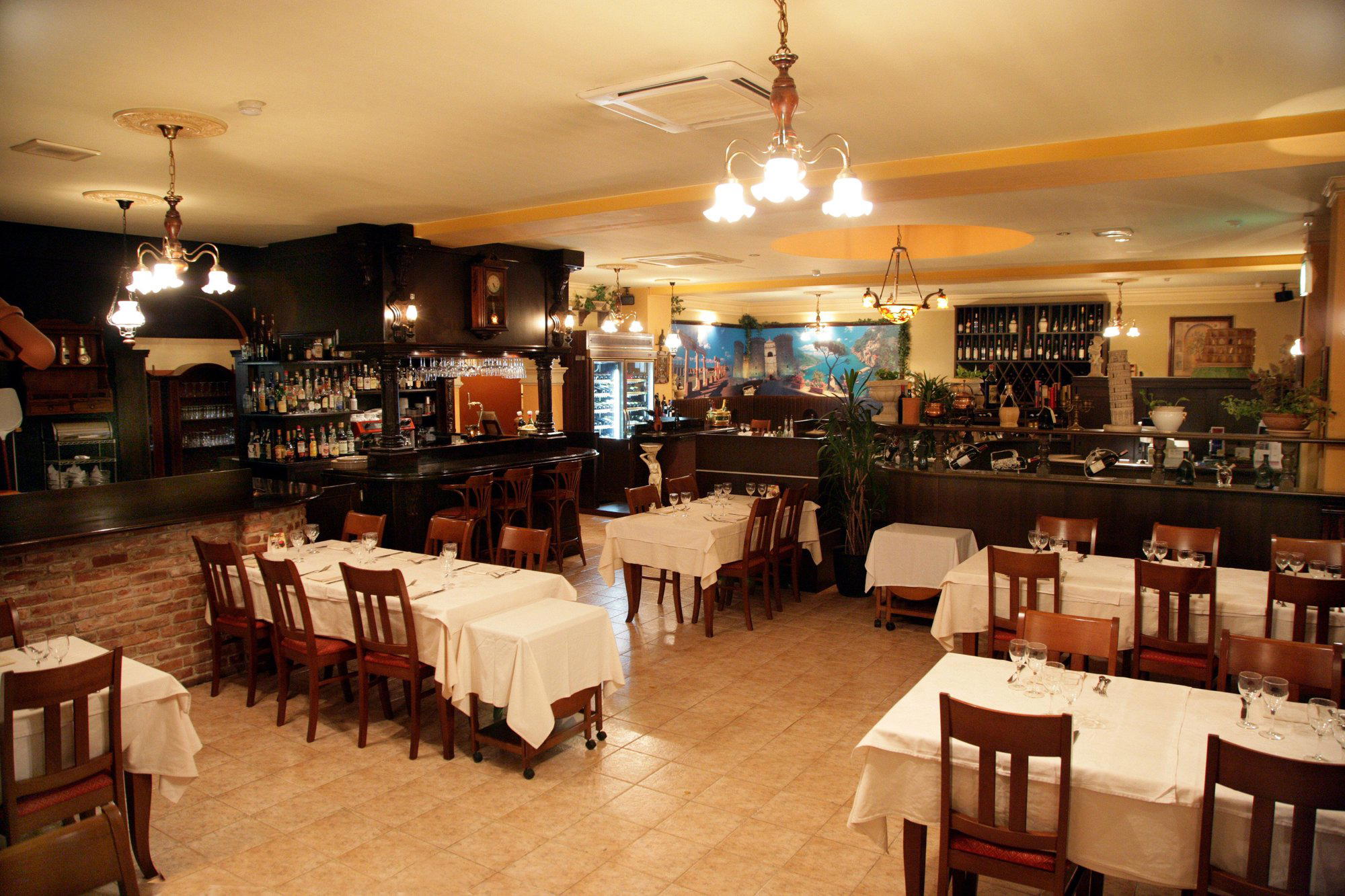
That context also helps explain why Ueda should not be judged by the cues of a grand restaurant. Private rooms are not the point. A broad à la carte experience is not the point. The counter is the point, and the counter compresses everything: chef, fish, rice, timing, and guest behaviour. For diners building a Nagoya itinerary, that makes it a different proposition from Italian-leaning fine dining at Cucina Italiana Gallura, broader city sushi choices such as Nojima, or another Nagoya counter like Ranmaru. The decision is less about variety and more about whether the guest wants a concentrated sushi format with little margin for casualness.
There is a practical implication to that editorial judgment. This is not the address for a spontaneous dinner, a large group, or a guest who needs flexible pacing. It is better suited to diners who already enjoy omakase logic and understand that a small counter can feel formal even without heavy luxury signals. In Japan, that formality often comes from precision rather than ceremony: the room asks the guest to pay attention.
How to place it in a Nagoya dining itinerary
For a high-end Nagoya trip, Ueda works as the sushi anchor rather than the all-purpose recommendation. The city rewards contrast: one tightly controlled counter meal, one local-specialty meal, one bar or hotel evening, and enough time outside Meieki and Sakae to understand how spread-out the dining map can be.
For wider Japan planning, keep the category distinctions clear. A sushi counter such as 3110, Sushi in Tokyo or AKA to SHIRO, Sushi in Osaka belongs to a different city rhythm, while casual or specialist addresses such as -Grilled beef Sukiyaki- KAMAKURA TANUKIAN 鎌倉 たぬき庵 in Kamakura. 鮪と炭火焼き うお炭 秋葉原店 in Tokyo.cafe in Osaka.know in Kumamoto, (Shoku) Vietnam in Kawasaki, and [Curry Senmon Ten] Maruyama Kyoju. in Sapporo answer different travel needs. Ueda is for the diner who wants Nagoya’s restrained sushi seriousness, not a checklist meal with broad comfort built in.
How Ueda Nagoya compares with similar nearby venues.
| Venue | Cuisine | Price | Awards |
|---|---|---|---|
| Ueda | Sushi | JPY 20,000 - JPY 29,999 JPY 10,000 - JPY 14,999 | Tabelog Bronze #495 (2026), Tabelog 100 #96 (2025) |
| Hijikata (土方) | Sushi | Not listed | Not listed |
| Hama Gen | Sushi | JPY 30,000 - JPY 39,999 | Not listed |
| Cucina Italiana Gallura | Sushi | Not listed | Not listed |
| Edo Machi Sugimoto | Sushi | JPY 20,000 - JPY 29,999 JPY 15,000 - JPY 19,999 | Not listed |
| Komada | Sushi | Not listed | Not listed |
Recognition history
Dated appearances from independent guides and award organizations, with the underlying list record or original source where available.
Opinionated About Dining Top Restaurants in Japan Recommended
Opinionated About Dining
Tabelog Bronze #495
Tabelog
Tabelog 100 #96 · No. 96
Tabelog · Tabelog 100 - Sushi - EAST - 2025
At a Glance
- Elegant
- Intimate
- Sophisticated
- Special Occasion
- Chefs Counter
- Sake Program
Current opening hours
- Monday
- Closed
- Tuesday
- 5:30–8 PM
- Wednesday
- 12–2 PM, 5:30–8 PM
- Thursday
- 12–2 PM, 5:30–8 PM
- Friday
- 12–2 PM, 5:30–8 PM
- Saturday
- 5:30–8 PM
- Sunday
- 12–2 PM, 5:30–8 PM
Hours can change for holidays and private events. Last verified .
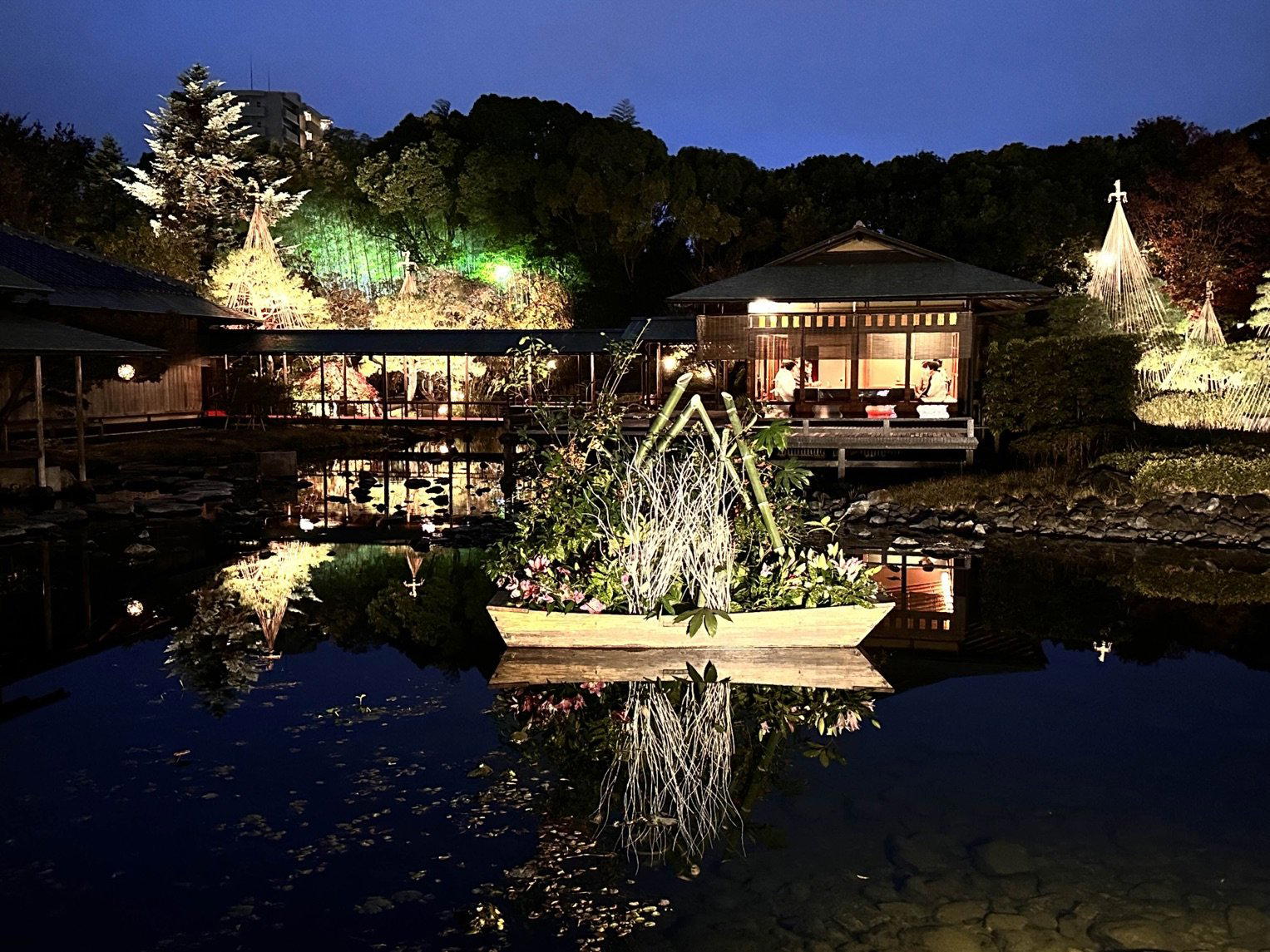
Cozy folk house-like atmosphere with relaxing counter seating focused on the sushi preparation.
Know Before You Go
- Reservations
- Essential
- Dress code
- Smart casual
- Getting there
- Japan, 〒454-0031 Aichi, Nagoya, Nakagawa Ward, Yahatahontori, 2 Chome−20