Tabelog Bronze #471
Our verdict
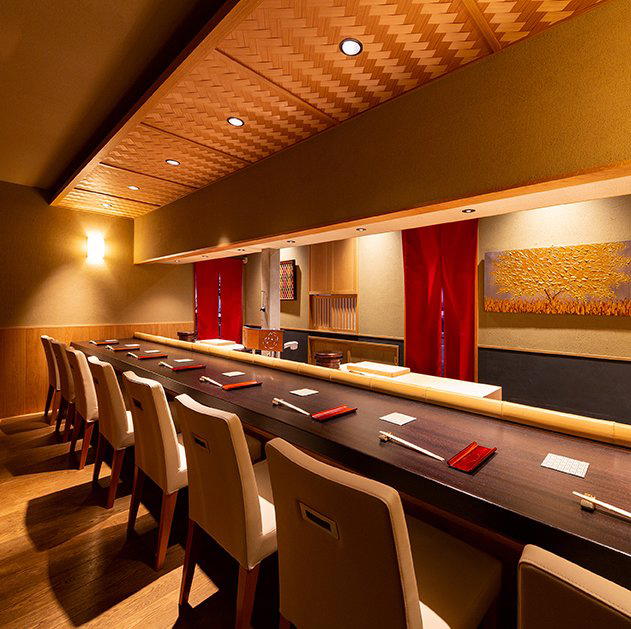
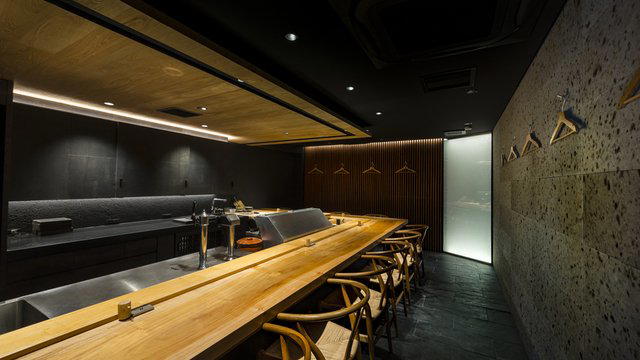
A six-seat counter in Fukuoka's Hirao district, torila operates on full referral, accepting around ten guests per night for an omakase built around aged local chicken. Tabelog has listed it among Japan's top yakitori for six consecutive years, including a Silver Award in 2022 and Bronze recognition through 2026. Access requires an introduction; payment is cash only.

Pearl is the En Primeur Club membership app — saves, bookings, and concierge access live there. Same editors, same standards.
- Address
- Japan, 〒810-0014 Fukuoka, Chuo Ward, Hirao, 3 Chome−10−9 イートオンプレイス平尾202
- Phone
- +81 90-2089-4890
- Hours
- Mon–Sat 5:45–11 PMSun Closed
- Website
- s.tabelog.com
- Directions
- Get directions
The menu
What to order
- Sasami (chicken breast)
- Minced red and white chicken meat nori roll
- White chicken liver
- Kumamoto corn
Six Seats, Referral Only: The Counter Format That Defines Fukuoka's Serious Yakitori
Japan's premium yakitori scene has, over the past decade, split cleanly into two tiers. The first is the accessible, high-volume neighbourhood grill where skewers arrive fast and informally. The second is a smaller, quieter cohort where the format looks more like an omakase sushi counter than a standing izakaya: fixed capacity, tightly controlled pacing, a single cook running the entire service, and entry that depends on knowing the right person. torila, in the Hirao neighbourhood of Fukuoka's Chuo Ward, belongs firmly to the second tier.
The counter seats six. Roughly ten guests are accepted on any given evening. New reservations are not taken from unknown callers — the restaurant operates on a complete referral basis, with booking requests sent via Instagram DM after 9:10 PM. Single-occupancy reservations are not accepted. These constraints are not affectations; they reflect the operational reality of a one-person kitchen where pacing is inseparable from quality. When a table runs late, the number of courses is reduced. The ritual of the meal begins before you arrive, in the discipline of showing up exactly five minutes before your reservation time.
Hirao and What It Signals About Where Fukuoka Eats
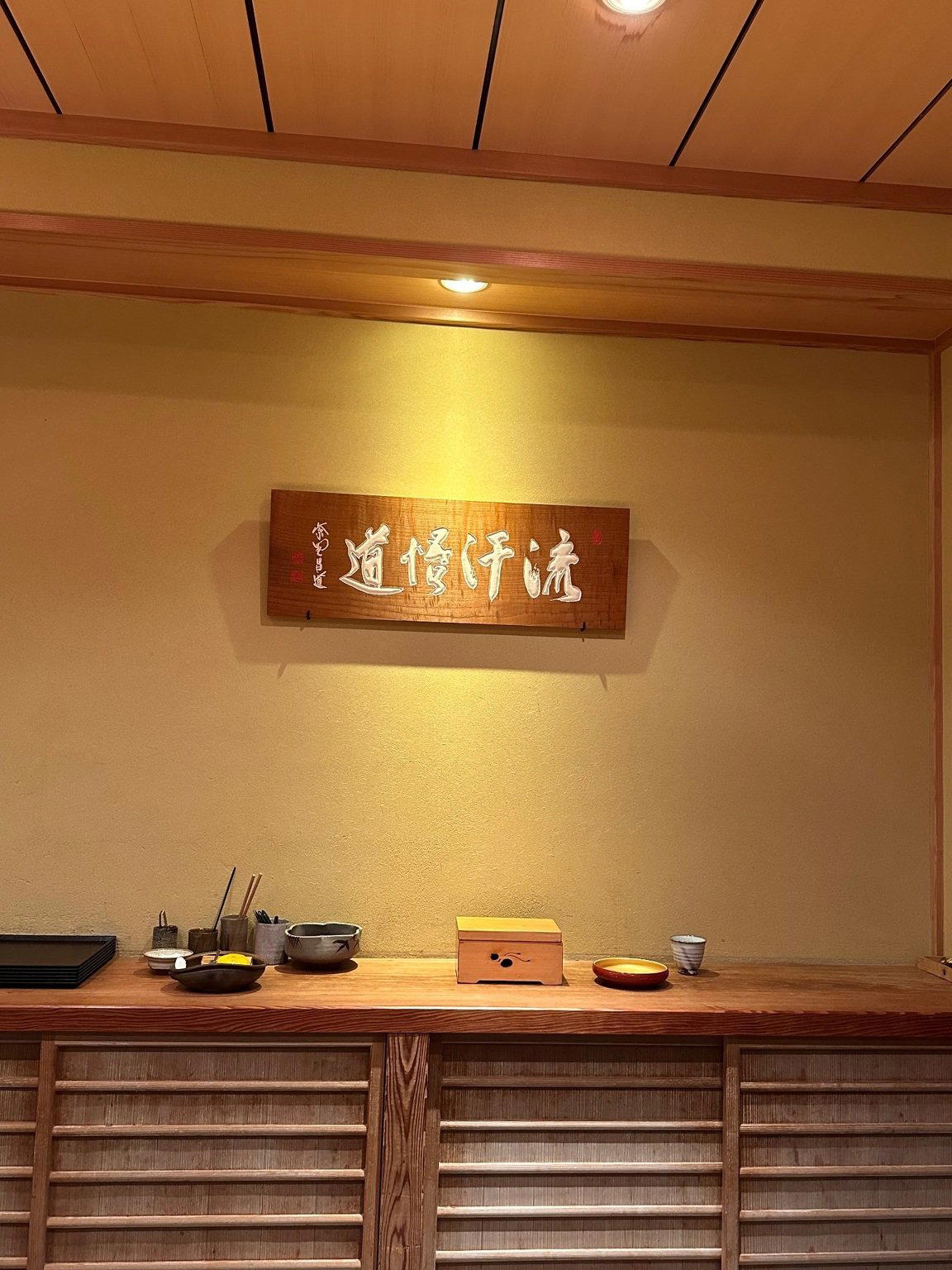
Fukuoka's dining gravity has historically centred on Tenjin and Nakasu, but serious neighbourhood-level restaurants have drawn a quieter following to the residential streets south of the city centre. Hirao, accessible from Nishitetsu Hirao Station around 400 metres away, sits in this quieter register. The address — a second-floor unit in a mixed-use building, carries none of the street-level signage that might attract passing trade. That, too, is part of the format's logic: the audience is not browsing, they are coming specifically.
For context on what else Fukuoka's serious dining scene offers, the city's French fine dining is anchored by Goh, while counter-format Japanese cuisine appears across categories including Chikamatsu in sushi and Asago. See the full Fukuoka restaurants guide for a wider view of the city's dining categories.
The Award Record and What It Means in Practice
Tabelog's annual awards represent one of Japan's most widely consulted restaurant rankings, aggregated from a large base of verified diner reviews rather than a small panel of critics. torila has appeared on the Tabelog Yakitori 100 list every year from 2019 through 2025, six consecutive selections, and has held a Tabelog Award each year from 2021 through 2026, with a Silver in 2022 and Bronze in all surrounding years. Its score of 4.36 places it at rank 471 nationally across all categories and rank 244 among Japan's top-rated restaurants on the Opinionated About Dining Japan list for 2025.
For yakitori specifically, these numbers are significant. The category has historically sat below sushi and kaiseki in terms of critical attention, but a handful of counters in Tokyo, Osaka, and now Fukuoka have repositioned it within the same conversation as other single-ingredient omakase formats. torila's consistent Tabelog 100 presence over six years is evidence of sustained peer recognition rather than a single breakout moment.
The Ritual of the Meal: Aging, Pacing, and the Logic of Omakase Yakitori
The defining logic of a counter format like torila's is that the cook controls the sequence entirely. There is no menu to order from. Skewers arrive as the chef, Koichi Inoue, determines, based on the heat of the binchōtan coals, the state of the proteins, and the rhythm of the evening. This is the same logic that governs high-end sushi omakase, applied to fire and chicken rather than knife and fish.
What distinguishes the serious end of the yakitori spectrum from the casual end is sourcing and process, particularly aging. The restaurant's own description references cultivating various local chickens to peak flavour through aging before skewering, a technique that places texture and depth ahead of the immediate brightness of fresh-killed bird. Japan's premium yakitori houses have moved toward aged, breed-specific sourcing in the same way that serious sushi counters have moved toward provenance-tracked fish. The omakase price, set at JPY 10,500 and above (excluding tax and service charge) from June 2024, reflects this positioning: it sits within the range of serious Japanese counter dining rather than the informal yakitori category.
The drink program reinforces the format's seriousness. The counter carries sake, shochu, and wine, with the listing noting particular care given to all three categories. At a six-seat counter with no background noise and no parallel conversation to manage, the drink-food pairing becomes part of the sequence rather than an afterthought. This is how omakase counters in Japan use beverage selection, not as an accompaniment but as a pacing tool that the host manages in alignment with the skewer sequence.
Planning a Visit: Access, Booking, and What to Know Before You Go
The practical requirements for torila are more demanding than for most restaurants at this price point, and they are worth understanding precisely. The venue operates Tuesday through Saturday, opening at 17:40 and closing at 23:00, with Wednesday, Sunday, and public holidays closed. Hours and cancellation notices are updated via Instagram, which is also the only channel for new reservations. Phone calls are not taken.
Because the operation is referral-only, visiting without a connection to an existing guest is not possible. For travellers building a Fukuoka itinerary around serious dining, this means torila should be treated as a longer-lead planning item, the kind of reservation that requires local contacts or hospitality concierge support rather than a direct booking made on arrival. The Tabelog budget listing shows an average dinner spend in the JPY 15,000 to JPY 19,999 range, with some reviewer-reported spending reaching JPY 20,000 to JPY 29,999 including beverages and service charges.
Payment is cash only: credit cards, electronic money, and QR code payments are all declined. The counter does not offer private rooms or private hire, and parking is unavailable. The venue is non-smoking, with e-cigarettes also prohibited. For those planning a broader Fukuoka visit, the Fukuoka hotels guide, bars guide, and experiences guide cover the full range of the city's options.
torila in the Wider Context of Japan's Counter Dining
Japan's highest-rated counter restaurants share a structural logic regardless of their specific food category: small capacity, fixed sequence, single-chef execution, and an access model that privileges repeat guests and referrals over open booking. torila applies this model to yakitori with the same discipline that counters like Harutaka in Tokyo apply to sushi, or that kaiseki-format restaurants apply to the full seasonal progression.
What makes the category comparison meaningful for travellers is that yakitori at this level occupies a different register from the yakitori most international visitors encounter. Fukuoka's dining scene is most commonly discussed in the context of ramen and hakata-style small dishes, and the city's serious counter restaurants, whether French-influenced like Bekk, traditional kaiseki like Chiso Nakamura, or yakitori-focused like torila, tend to sit below the radar of visitors whose Fukuoka knowledge is limited to the obvious categories. The six-year Tabelog 100 record is a reliable signal that this counter belongs in a different tier of attention.
torila fits that pattern precisely, with the additional distinction of being one of the few counters to have earned that positioning through a grilled-chicken format alone. Explore the Fukuoka wineries guide for more on the region's drink culture.
Frequently asked questions
Who is the chef connected to torila?
The chef associated with torila is Koichi Inoue.
What should I expect cuisine-wise at torila?
What do regulars order at torila?
There is no ordering at torila — the format is omakase, meaning the sequence of skewers is set entirely by chef Koichi Inoue. Regulars come knowing that the kitchen, not the diner, determines what arrives and when. The starting price for this omakase is JPY 10,500 excluding tax and service charge, with average spend per Tabelog reviews running JPY 20,000–29,999 at the higher end.
When can I go to torila?
Hours at torila: Mon, Tue, Thu, Fri, Sat 17:40 - 23:00.
Where do I go for torila?
torila is located at Japan, 〒810-0014 Fukuoka, Chuo Ward, Hirao, 3 Chome−10−9 イートオンプレイス平尾202, Fukuoka.
Does torila have a Michelin star or similar recognition?
torila has received recognition including: {"Year":"2026","Award Source":"Tabelog","Award Type":"The Tabelog Award","Award Group":"bronze","Award Group Rank":"471","Restaurant Name":"torila","Score":"4.36","Budget":"Dinner: JPY 15,000 - JPY 19,999; Lunch: -","Budget Dinner":"JPY 15,….
What's torila best at?
Torila's consistent recognition — Tabelog Silver in 2022, Bronze every year from 2021 through 2026, and inclusion in the Tabelog Yakitori Top 100 list continuously since 2019 — points to a kitchen that has held its standard across multiple years rather than peaking once. The venue's stated approach centres on aging local chicken varieties to develop flavour before grilling, a technique that separates it from high-volume neighbourhood yakitori. At six counter seats with a one-person operation, the format produces a level of precision that a larger kitchen cannot replicate.
The Minimal Set
A quick peer reference to anchor this venue in its category.
| Venue | Cuisine | Price | Awards | Notes |
|---|---|---|---|---|
| torilaThis venue — the venue you are viewing | Yakitori | Not listed | Tabelog Bronze #471 | Not listed |
| Chikamatsu | Edomae Sushi Omakase | $200–300 | La Liste Top Restaurants · Tabelog Gold #5 | Sushi |
| Gahoujin 我逢人 | Seasonal Sushi Omakase | $200–300 | Tabelog Bronze #80 | Sushi |
| Genkiippai | Hakata Tonkotsu Ramen | $10–20 | Tabelog 100 #51 | Ramen |
| Matsuyama | Seasonal Kyushu Kaiseki Omakase | $300–500 | Tabelog Silver #74 | Western |
| Mihara Tofuten | Traditional Japanese Tofu Izakaya | $30–50 | Not listed | Tofu |
Recognition history
Dated appearances from independent guides and award organizations, with the underlying list record or original source where available.
Opinionated About Dining Top Restaurants in Japan Recommended
Opinionated About Dining
Tabelog Bronze #471
Tabelog
Full recognition history (5 entries)
Opinionated About Dining Top Restaurants in Japan Ranked #244
Opinionated About Dining
Tabelog Bronze
Tabelog
Tabelog 100 #28 · No. 28
Tabelog · Tabelog 100 - Yakitori - WEST - 2025