.png)
A Michelin Plate recipient in Nara's mid-range dining tier, Inakajaya Chie brings Japanese cooking to a city better known for temples than tasting menus. With a 4.4 Google rating across 51 reviews, it sits in a price bracket that makes Michelin recognition relatively accessible by regional standards. For visitors building a serious eating itinerary around Nara, it belongs on the list.
Pearl is the En Primeur Club membership app — saves, bookings, and concierge access live there. Same editors, same standards.
- Address
- Inakajaya Chie, Nara, Japan
- Phone
- +81 744-43-0247
- Website
- i-chie.jp

Nara's Dining Scene and Where Inakajaya Chie Fits
Nara occupies an unusual position in Japan's culinary map. The city draws millions of visitors annually for its UNESCO World Heritage temples, Todai-ji's giant Buddha, and the famously free-roaming deer of Nara Park, yet its restaurant culture has developed more quietly than that of Kyoto or Osaka, the two cities that bracket it geographically and gastronomically. That relative quietness is partly structural: Nara lacks the density of high-end kaiseki houses that Kyoto has accumulated over centuries, and it doesn't carry the raucous, restaurant-rich street culture of Osaka. What it does have is a tier of mid-range Japanese restaurants that offer serious cooking at price points well below what equivalent Michelin recognition commands in Japan's larger cities.
Inakajaya Chie operates inside that tier. A Michelin Plate recipient in the 2024 guide, it sits at the ¥¥ price level, meaning it delivers food that Michelin inspectors consider worth including in the guide without the cost floor of Nara's starred establishments. For context, the city's Michelin-starred and two-starred venues, including NARA NIKON (two stars, ¥¥¥), operate at a substantially higher price point. Inakajaya Chie's recognition at the Plate level positions it as the kind of address that makes a Nara eating itinerary feel considered rather than accidental, quality signalled by an authoritative source, cost pitched at a level that doesn't require the same pre-planning as a full kaiseki booking.
The Character of Japanese Cooking at This Level
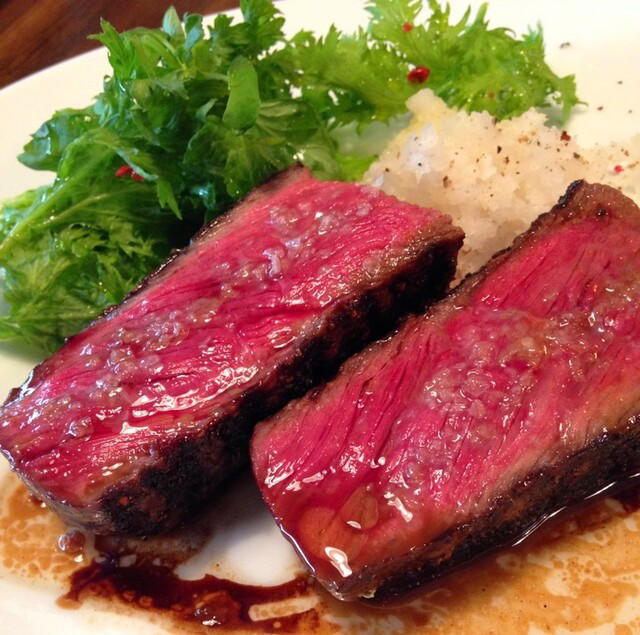
Japanese cuisine in the ¥¥ bracket tends to reward specificity of concept. Unlike the broad creative ambition of higher-priced tasting-menu formats, mid-range Japanese restaurants in smaller cities often orient around a single discipline, ramen, izakaya plates, seasonal set meals, or regional cooking, and execute it with a focus that reflects years of repetition rather than novelty-seeking. Inakajaya Chie's classification as Japanese cooking without a more specific sub-style label (kaiseki, sushi, tempura) suggests a format oriented toward the kind of generalist traditional cooking that forms the backbone of everyday dining in Japan: seasonal ingredients, disciplined technique, and a kitchen that isn't trying to attract international press attention.
This is worth placing in peer-set context. In Nara's Michelin tier, Oryori Hanagaki and Tsukumo occupy different positions in the local dining structure, while Ajinokaze Nishimura and Ajinotabibito Roman represent other approaches to Japanese cooking within the city. Inakajaya Chie's distinction within this peer group is its Michelin Plate at the ¥¥ tier, a combination that narrows its direct competitors considerably.
Drinks and the Question of the List
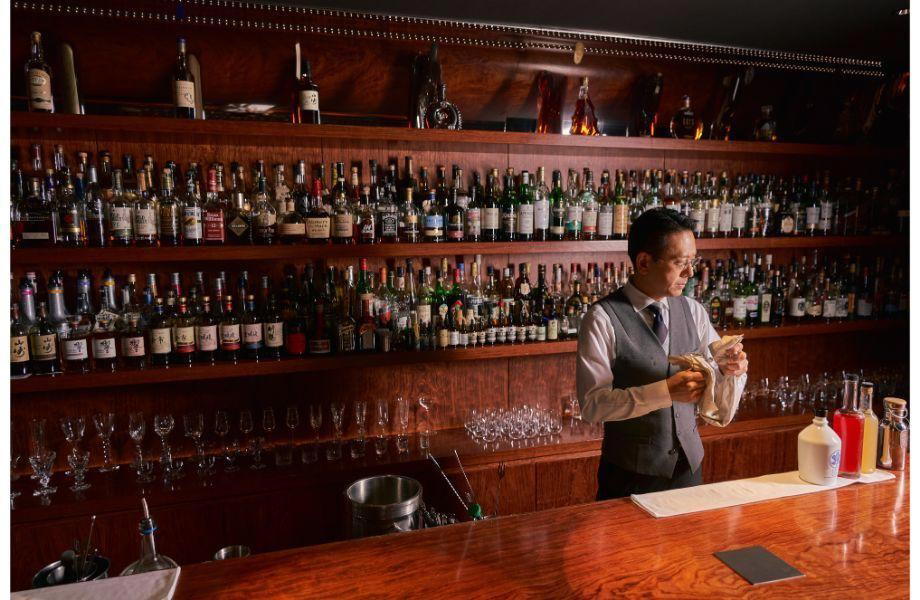
One of the more instructive ways to read a Japanese restaurant at this price level is through its drinks offering. In Japan, the divide between restaurants that treat sake, shochu, and nihonshu as an afterthought and those that approach them with the same seriousness as a Western wine program has become a meaningful quality signal. At the ¥¥ tier in a city like Nara, the expectation is typically a functional list: a selection of local or regional sake, perhaps a handful of shochu options, and standard beer and whisky. Nara Prefecture itself has a claim to sake history, the city is widely cited as one of the origins of Japanese sake brewing, with records dating back over a millennium to production at local temples. A restaurant with genuine local credentials has reason to lean into that heritage on its list.
The regional context is relevant. Nara sake, particularly from producers in the Miwa area to the south of the city, carries a distinct character shaped by the local water profile and a long brewing tradition. Restaurants that take this seriously tend to serve it with an explanation of origin rather than simply as an accompaniment. For visitors who approach a meal in this part of Japan as a regional experience rather than just a dining transaction, the drinks list is as much a record of local identity as the menu.
Placing Inakajaya Chie in a Wider Japan Eating Trip
Nara is most commonly visited as a day trip from Kyoto or Osaka, which means the city's restaurants compete against a strong gravitational pull back toward larger dining scenes. The case for eating in Nara rather than simply transiting through it rests on the specificity of the local food culture and the relative absence of tourist-oriented dining. Inakajaya Chie's 4.4 rating across 51 Google reviews is a modest sample, but the consistency of that score alongside a Michelin Plate suggests a kitchen that isn't coasting on visitor traffic.
For travellers building a multi-city Japan itinerary that includes serious eating, the peer comparisons outside Nara are instructive. HAJIME in Osaka and Gion Sasaki in Kyoto represent the upper end of the Kansai region's dining ambition. Harutaka in Tokyo, Myojaku, and Azabu Kadowaki show how the capital's Japanese cooking traditions operate at their most refined. Further afield, Goh in Fukuoka, 1000 in Yokohama, and 6 in Okinawa each anchor local dining cultures at the higher end of their respective city tiers. Inakajaya Chie sits well below that bracket in both price and star count, but within Nara's specific context it represents a credible, Michelin-endorsed option at an accessible price.
Planning Your Visit
As a ¥¥ venue with Michelin Plate recognition rather than a star rating, it is less likely to require the weeks-in-advance booking windows typical of Nara's starred addresses, but confirming availability before arrival is prudent for any dedicated dining stop.
Comparable Venues
Comparable venues nearby, for context on price, style, and recognition.
| Venue | Cuisine | Price | Awards | Notes |
|---|---|---|---|---|
| Inakajaya ChieThis venue — the venue you are viewing | Traditional Japanese Kaiseki | $$$ | Michelin Plate | |
| Kuramoto Ryori Maruto Shoyu | Modern Japanese Soy-Forward Tasting Menu | $$$ | Michelin Plate | Tawaramoto |
| Arigato | japanese | $$$ | Michelin Plate | Nara |
| 37+1 - Sanjuhachi | Japanese-Italian Farm-to-Table | $$$ | 1 recognition | Yamatotakada |
| Gojo GENBEI | Seasonal Vegetable Kaiseki | $$$ | Michelin Plate | Gojo Shinmachi |
| Kushizukushi | Kushiage (Deep-fried Skewers) | $$$ | Bib Gourmand | Nara |
Continue exploring
More in Nara
Restaurants in Nara
Browse all →Bars in Nara
Browse all →Hotels in Nara
Browse all →Wineries in Nara
Browse all →At a Glance
- Classic
- Cozy
- Elegant
- Intimate
- Special Occasion
- Historic Building
- Sake Program
- Local Sourcing
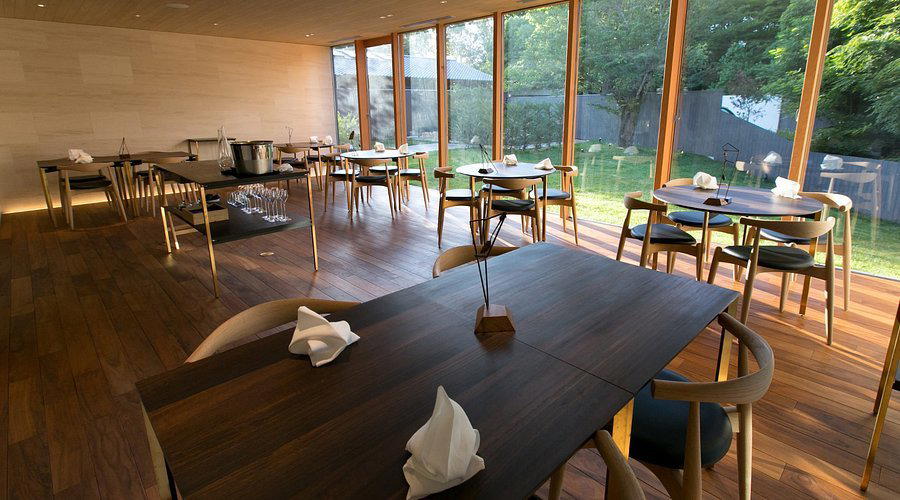
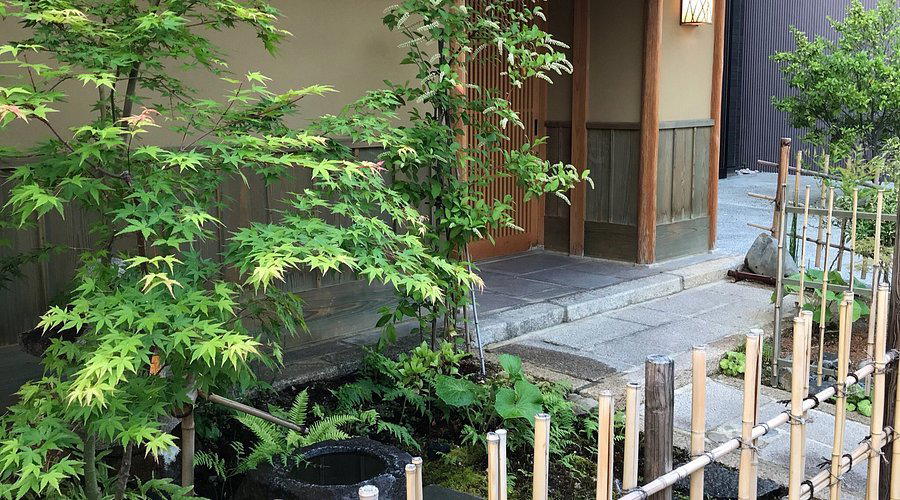
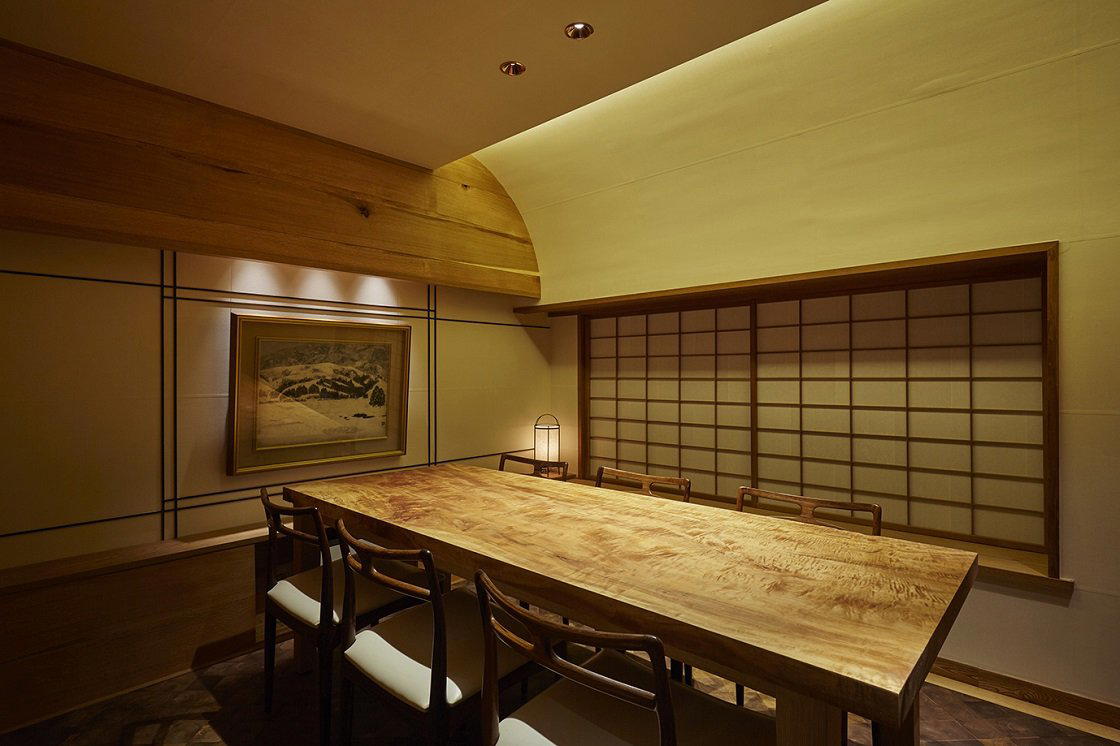
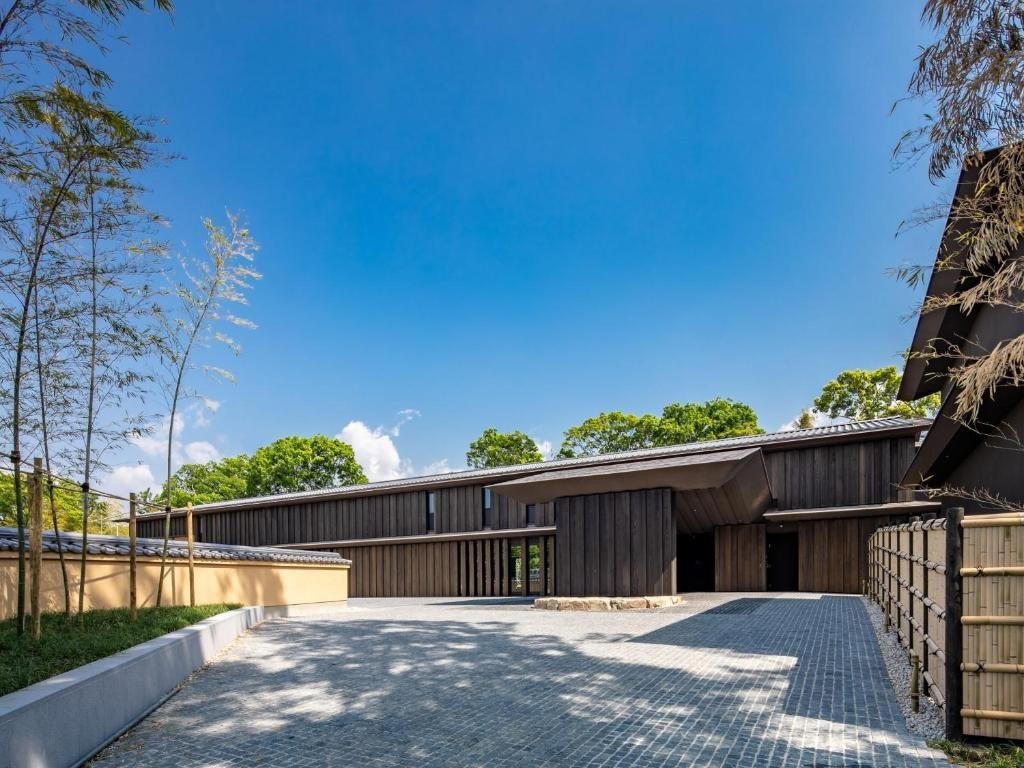
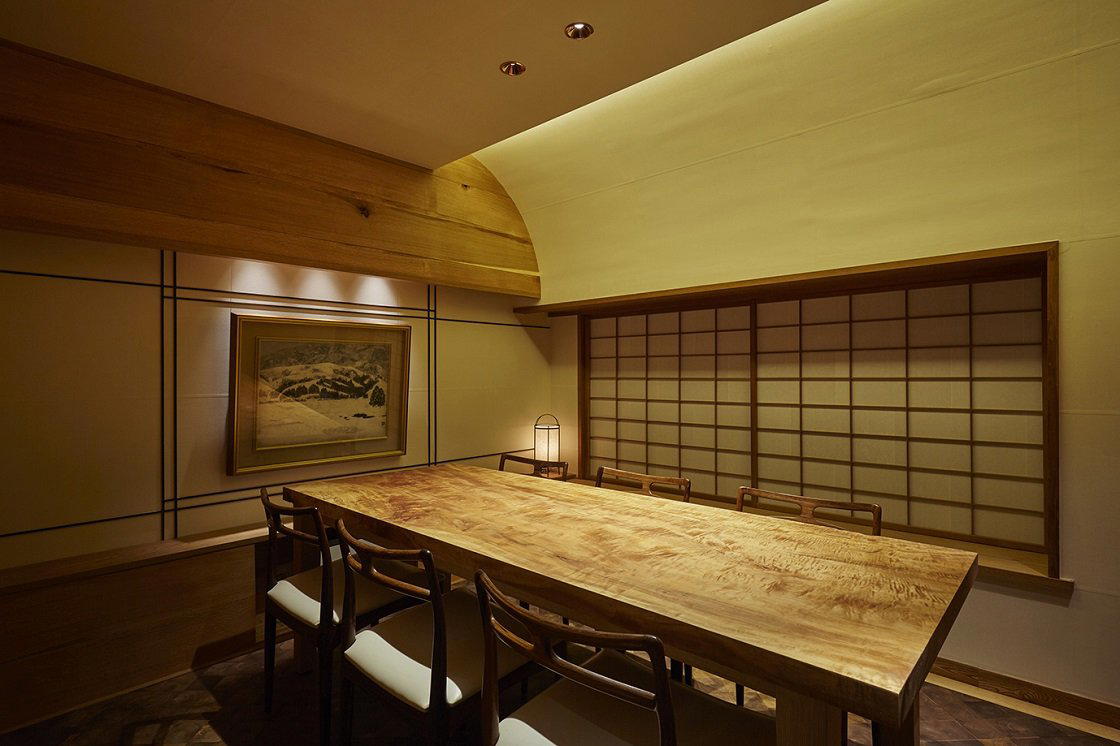
Refined tea house atmosphere in a historic farmhouse with tatami seating, evoking an elegant and upper-class traditional setting.