Michelin Plate
Our verdict
KOHYAMA holds a Michelin Plate recognition for 2024 and 2025 and sits in Yamatotakada, the quieter southern reaches of Nara Prefecture. At the ¥¥ price tier, it occupies an accessible position within a city whose dining scene is anchored more in Buddhist culinary tradition and regional Yamato ingredients than in capital-facing trend cycles. consistent operation.

Pearl is the En Primeur Club membership app, where members save venues, book tables and use the concierge.
The menu
What to order
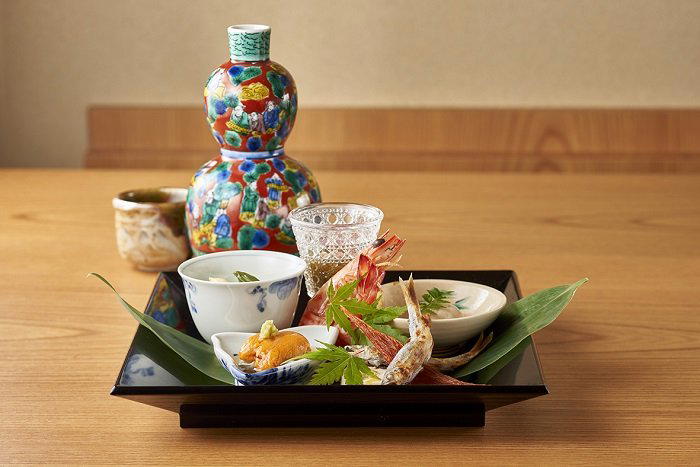
- Fried conger eel hot sandwich
- Charcoal-grilled sweetfish
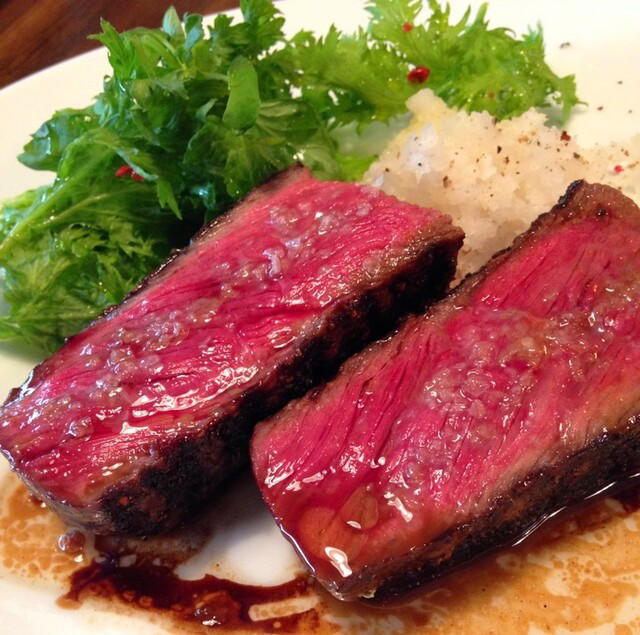
- Miyazaki black beef
Dining at the Margins of the Kansai Circuit
Nara tends to arrive in most visitors' itineraries as a half-day detour from Kyoto or Osaka, its restaurants treated as secondary to its temples and wandering deer. That framing shortchanges a prefecture whose food traditions run deep: Yamato vegetables, ancient rice-farming culture, and a Buddhist monastic legacy that shaped restraint and seasonality in cooking centuries before those ideas became fashionable talking points in Tokyo dining rooms. KOHYAMA sits inside this context, operating in Yamatotakada rather than central Nara city, which already positions it at a remove from the tourist corridors that feed more visible names. The Michelin Plate recognition it has carried in both 2024 and 2025 signals a level of technical and culinary consistency that the Guide's inspectors consider worth flagging, even if the venue has not crossed into the starred tier occupied by places like NARA NIKON or the kaiseki operations elsewhere in the Kansai region.
The Kansai Register: What Regional Cooking Actually Means Here
The distinction between Kansai and Kanto cooking is not merely a matter of soy sauce colour, though that difference is real: Kansai kitchens have historically leaned toward lighter dashi, sweeter mirin balances, and a preference for letting ingredient character carry the dish. Kanto, Tokyo in particular, built its identity around stronger, more assertive seasoning, partly a legacy of feeding a large urban working population. Nara sits within the Kansai sphere but occupies a position distinct even from Kyoto and Osaka. Where Kyoto kaiseki developed as an aristocratic and temple-serving tradition tied to elaborate seasonal presentation, and Osaka shaped itself around merchant-class eating culture and bold flavour abundance, Nara's food history is quieter, more agrarian, and less documented in the high-end restaurant literature. Yamato cuisine, the loose regional term for Nara's food identity, draws heavily on the prefecture's mountain vegetables, fermented foods, and ancient grain varieties. That heritage provides the raw material for restaurants in this range, and it is the lens through which KOHYAMA's Japanese cuisine makes most sense. For context on what Kansai-oriented precision cooking looks like at the starred level, Gion Sasaki in Kyoto and HAJIME in Osaka represent the upper tier of the regional circuit.
Price Position and What It Implies
The ¥¥ tier in Japan's restaurant hierarchy occupies a significant middle ground. It is above the casual ramen-and-set-lunch category but well below the multi-course kaiseki counters that define the ¥¥¥¥ end of Nara's table. Within Nara specifically, where comparison venues like Oryori Hanagaki and Tsukumo operate at ¥¥¥, KOHYAMA's positioning suggests either a more focused or abbreviated format, a shorter menu structure, or a deliberate decision to remain accessible to a local rather than destination-dining audience. That accessibility is not a concession to quality; Japan's ¥¥ tier has produced Michelin-recognised cooking across multiple cities, and the Plate distinction specifically signals that inspectors found the kitchen producing food worth noting. At the same price tier in wider Japan, places with Plate recognition frequently operate on the logic that craft at lower cost is its own editorial statement. Readers comparing KOHYAMA against higher-priced neighbours like Ajinokaze Nishimura or Ajinotabibito Roman should factor in that the price gap does not automatically imply a quality gap in this context.
Yamatotakada and the Logic of the Location
Yamatotakada is a small city in the southern part of Nara Prefecture, functionally distinct from Nara city proper. It lacks the tourist infrastructure of the prefecture's northern areas, and the address in 1OS Building, ground floor, Isonominamicho, does nothing to suggest destination grandeur. That is partly the point. Restaurants that hold Michelin recognition while operating in secondary cities within secondary prefectures tend to draw a particular kind of guest: the local regular who considers this a neighbourhood anchor, and the deliberate traveller who has done enough research to arrive with intent. For visitors building a Nara itinerary across more than a single day, the southern part of the prefecture rewards the extra planning it requires. Our full Nara hotels guide covers accommodation options if you are extending your stay, and our full Nara experiences guide maps what the prefecture offers beyond its central temple circuit.
How KOHYAMA Sits in the Wider Japanese Dining Picture
Japan's regional dining scene has been quietly shifting over the past decade. The dominance of Tokyo as the reference point for serious Japanese cooking has softened, partly because Michelin's annual Japan guides now document the depth of Kyoto, Osaka, and increasingly prefectural cities that were once overlooked. Nara has benefited from that broadening attention. Within Kanto, Harutaka in Tokyo, Myojaku, and Azabu Kadowaki represent the capital's approach to Japanese cuisine at the recognised level: high-specification ingredients, meticulous technique, and a guest profile that skews toward international visitors with high restaurant literacy. Nara's Michelin-tracked restaurants, including KOHYAMA, are operating for a different audience and within a different tradition. The comparison is not a hierarchy; it is a reminder that Japanese cuisine is not a single line of descent from Tokyo outward. Goh in Fukuoka, 1000 in Yokohama, and 6 in Okinawa all demonstrate the range of what recognised Japanese cooking looks like outside the capital's frame.
Planning Your Visit
KOHYAMA's address in Yamatotakada places it outside the typical Nara day-trip circuit. Yamatotakada is accessible by rail from Nara city and Osaka on the Kintetsu Osaka line, making it a plausible stop within a longer Kansai itinerary rather than a standalone destination. Contact and booking details are not publicly listed in current sources, so confirming reservations directly through local enquiry or third-party Japanese reservation platforms is the practical approach. Given the small review base and Michelin Plate consistency, seat count appears limited, which makes advance contact sensible for any firm travel date. The ¥¥ price point means budget planning is direct relative to the prefecture's higher-end kaiseki options. Our full Nara restaurants guide provides additional context across the prefecture's dining tiers, and our full Nara bars guide and our full Nara wineries guide cover the broader food and drink picture for those spending more than a day in the prefecture.
Frequently asked questions
Where is KOHYAMA located?
KOHYAMA is located at Japan, 〒635-0062 Nara, Yamatotakada, Isonominamicho, 2 1OSビル 1階, Nara.
What's the price range at KOHYAMA?
Pricing at KOHYAMA is listed as ¥¥.
What awards or recognition does KOHYAMA have?
KOHYAMA has received recognition including: Michelin Plate (2025); Michelin Plate (2024).
What dish is KOHYAMA famous for?
KOHYAMA holds a Michelin Plate for 2024 and 2025, indicating recognised cooking within the Japanese cuisine category. Given its location in Yamatotakada, Nara Prefecture, the kitchen likely draws on Kansai culinary traditions, where dashi-forward broths and lighter seasoning define the regional register.
What's the cuisine at KOHYAMA?
What's the best way to book KOHYAMA?
No phone number or website is currently listed in the public record for KOHYAMA. The venue is located at 2 IOS Building 1F, Isonominamicho, Yamatotakada, Nara (〒635-0062). Arriving via the Kintetsu Osaka line to Yamatotakada Station is the practical access route; contacting the restaurant directly on arrival or through a local concierge service is the most reliable approach given the absence of an online booking portal.
What's the defining dish or idea at KOHYAMA?
No specific dish is documented in the available record. What the Michelin Plate recognition across 2024 and 2025 does confirm is a consistent standard of Japanese cooking at the ¥¥ price tier, which in Japan sits above casual dining but below the omakase counter bracket. The location in Yamatotakada, away from the Nara tourist corridor, suggests a restaurant oriented toward local regulars rather than international foot traffic.
Price Lens
A quick snapshot of similar venues for side-by-side context.
| Venue | Cuisine | Price | Awards | Notes |
|---|---|---|---|---|
| KOHYAMAThis venue (the venue you are viewing) | Modern Japanese Fusion Omakase | Not listed | Michelin Plate | Not listed |
| akordu | Modern Spanish with Nara Influences | $150–200 | 2 Michelin Stars · La Liste Top Restaurants | Spanish, Innovative |
| Wa Yamamura | Traditional Kaiseki | $100–150 | 1 Michelin Star | Kaiseki, Japanese |
| Araki | Seasonal Japanese Tempura and Kaiseki | $100–150 | Michelin Plate · Tabelog Bronze #23 | Sushi, Japanese |
| Tama | French with Local Nara Ingredients | $50–100 | Michelin Plate | Okinawan, French |
| NARA NIKON | Kaiseki | $150–200 | 2 Michelin Stars · La Liste Top Restaurants | Japanese |
Recognition history
Dated appearances from independent guides and award organizations, with the underlying list record or original source where available.
Michelin Plate
Michelin
Full recognition history (3 entries)
Michelin Plate
Michelin
Michelin Plate
Michelin