

A Michelin Plate-recognised soba house in Nara's Fukuicho district, Gen sits within the city's quieter dining tier, where craft and restraint matter more than spectacle. The ¥¥¥ price point places it above casual buckwheat counters and signals a serious approach to a grain-based tradition that predates most of Japan's celebrated fine-dining formats. For visitors already exploring Nara's temple precincts, it offers one of the more considered lunch or dinner anchors in the city.
Pearl is the En Primeur Club membership app — saves, bookings, and concierge access live there. Same editors, same standards.
- Address
- 23-2 Fukuchiincho, Nara, 630-8381, Japan
- Phone
- +81 742-27-6868
- Website
- naragen.buyshop.jp
- Directions
- Get directions
 Saves & bookings on Pearl
Soba in the Old Capital: What Nara's Craft Buckwheat Scene Looks Like
Nara occupies an unusual position in Japan's dining geography. It sits between Kyoto's dense concentration of Michelin-starred kaiseki rooms and Osaka's louder, more populist food culture, yet it has cultivated its own quieter register of serious dining. That register favours restraint over theatre. The city's recognised restaurants tend to operate at a smaller scale, with menus anchored in Japanese culinary tradition rather than international fusion. Soba fits that character precisely: a discipline that rewards patience, sourcing discipline, and technical consistency over showmanship.
Within that context, Gen, at 23-2 Fukuicho in central Nara, occupies a specific tier. The ¥¥¥ price point moves it well above the casual buckwheat-lunch counters that serve tourists near Nara Park, and its 2025 Michelin Plate recognition confirms it has cleared the threshold of consistent kitchen quality that the guide uses as its baseline signal. A Michelin Plate does not carry the headline weight of a star, but in a city where starred restaurants are numbered in single digits, it places Gen in a short list of venues the guide found worth flagging. That framing matters when you are deciding where to direct a serious meal.
The Approach: Fukuicho and the Physical Register of the Space
Fukuicho sits in the older residential and temple-adjacent fabric of central Nara, away from the main tourist corridors. Approaching a soba-focused restaurant in this kind of district tends to mean a certain compression of scale: narrow frontages, restrained signage, interiors that do not announce themselves. The sensory logic of a serious soba-ya leans toward wood grain, the low sound of water, cool ceramic surfaces, and the faint mineral smell of freshly milled buckwheat flour that distinguishes a house working with quality grain from one relying on pre-made noodles.
That atmosphere is itself an argument. Soba at this level of price and recognition is not a fast transaction. The pacing, the temperature of the dashi, the sound of noodles being placed in a lacquered box, these details accumulate into something that resists being rushed. Nara's broader dining culture, shaped partly by its proximity to major Buddhist and Shinto sites, has absorbed some of that unhurried quality.
Where Gen Sits in Nara's Recognisable Dining Tier
To understand Gen's positioning, it helps to map the broader Nara scene. The city has two Michelin two-star restaurants, akordu (Spanish, Innovative) and NARA NIKON, operating at the upper end of international recognition. Below that, one-star kaiseki rooms like Wa Yamamura represent the formal Japanese fine-dining tier. Gen sits in a different lane: not competing with kaiseki rooms on ceremony or tasting-menu length, but making a case for soba as a serious craft medium at a price point that reflects ingredient quality and execution.
That comparable set within Nara's soba scene includes Kiminami, Nidaime Izumosoba Dandan, Noto Toto Teuchisoba Tabiki, and Soba Saishoku Ichinyoan. Each occupies a distinct position in how it sources, prepares, and prices buckwheat. The Michelin Plate recognition differentiates Gen from the broader pool and signals a consistency of execution.0 from 251 reviews reflects a cross-section of diner experience.
Soba as a Culinary Discipline: Why It Warrants This Level of Seriousness
Buckwheat soba has been produced in Japan for centuries, and its serious practice involves decisions at nearly every stage: the buckwheat's origin and milling ratio (the proportion of buckwheat flour to wheat flour in the dough), the water temperature, the resting time, the cutting width, and the dashi composition for the dipping broth. A high-buckwheat-ratio noodle, sometimes called juwari or close to it, is more fragile, more expressive of the grain's mineral character, and harder to execute consistently. The dipping broth, typically a combination of dashi, mirin, and soy, can range from pale and sweet in the Kansai style to darker and more assertive in the Kanto tradition.
Nara sits geographically closer to the Kansai camp, which tends to favour lighter, sweeter broths. For a broader comparison of how the soba discipline operates at recognised Tokyo and Osaka counters, Akasaka Sunaba in Tokyo and Ayamedo in Osaka offer useful reference points.
Planning a Meal at Gen
Gen is located at 23-2 Fukuicho, Nara, 630-8381. The ¥¥¥ pricing tier suggests a meal cost in a range consistent with Nara's serious dining tier, likely above the casual lunch counters around Nara Park but below the multi-course kaiseki and innovative tasting menus at akordu or NARA NIKON. Reservations are essential. Gen is open Tuesday to Friday for lunch and dinner, and Saturday for lunch only. Dress code is smart casual.
Nara is accessible from Kyoto in approximately 45 minutes by the Kintetsu Kyoto Line, and from Osaka in a similar window, making it a practical day-trip or short-stay destination from either city. Visitors extending beyond a single meal should consult our full Nara restaurants guide, and those planning overnight stays can find curated options in our full Nara hotels guide. For further planning across bars, wineries, and experiences in the city, see our Nara bars guide, our Nara wineries guide, and our Nara experiences guide.
For readers building a wider itinerary across Japan's serious dining scene, EP Club covers the full range: HAJIME in Osaka, Harutaka in Tokyo, Gion Sasaki in Kyoto, Goh in Fukuoka, 1000 in Yokohama, and 6 in Okinawa represent the spread of recognised cooking across the country's main dining cities.
Awards and Standing
Comparable venues nearby, for context on price, style, and recognition.
| Venue | Cuisine | Price | Awards | Notes |
|---|---|---|---|---|
| GenThis venue — the venue you are viewing | Traditional Juwari Soba | $$$ | Michelin Plate | Not listed |
| Oryori Kotan | Traditional Kaiseki | $$$ | Michelin Plate | Nara |
| Nidaime Izumosoba Dandan | Izumo Soba | $$ | Michelin Plate | Nara |
| Gojo GENBEI | Seasonal Vegetable Kaiseki | $$$ | Michelin Plate | Gojo Shinmachi |
| Sushidokoro WASABI | Sushi | $$$ | Michelin Plate | Nara |
| Sanjuhachi | Modern Japanese Fine Dining | $$$$ | Michelin Plate | Nara |
Recognition history
Dated appearances from independent guides and award organizations, with the underlying list record or original source where available.
Michelin Plate
Michelin
Michelin Plate
Michelin
Tabelog 100 #78 · No. 78
Tabelog · Tabelog 100 - Soba - WEST - 2025
Continue exploring
More in Nara
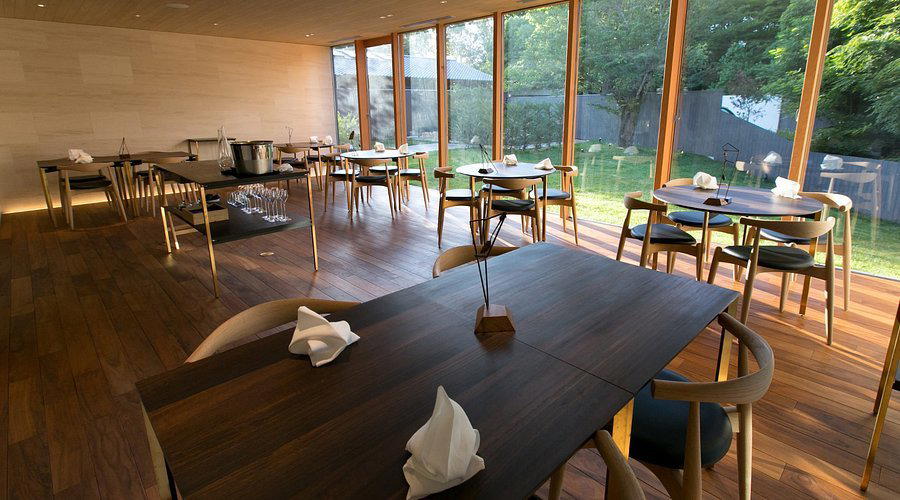




Bars in Nara
Browse all →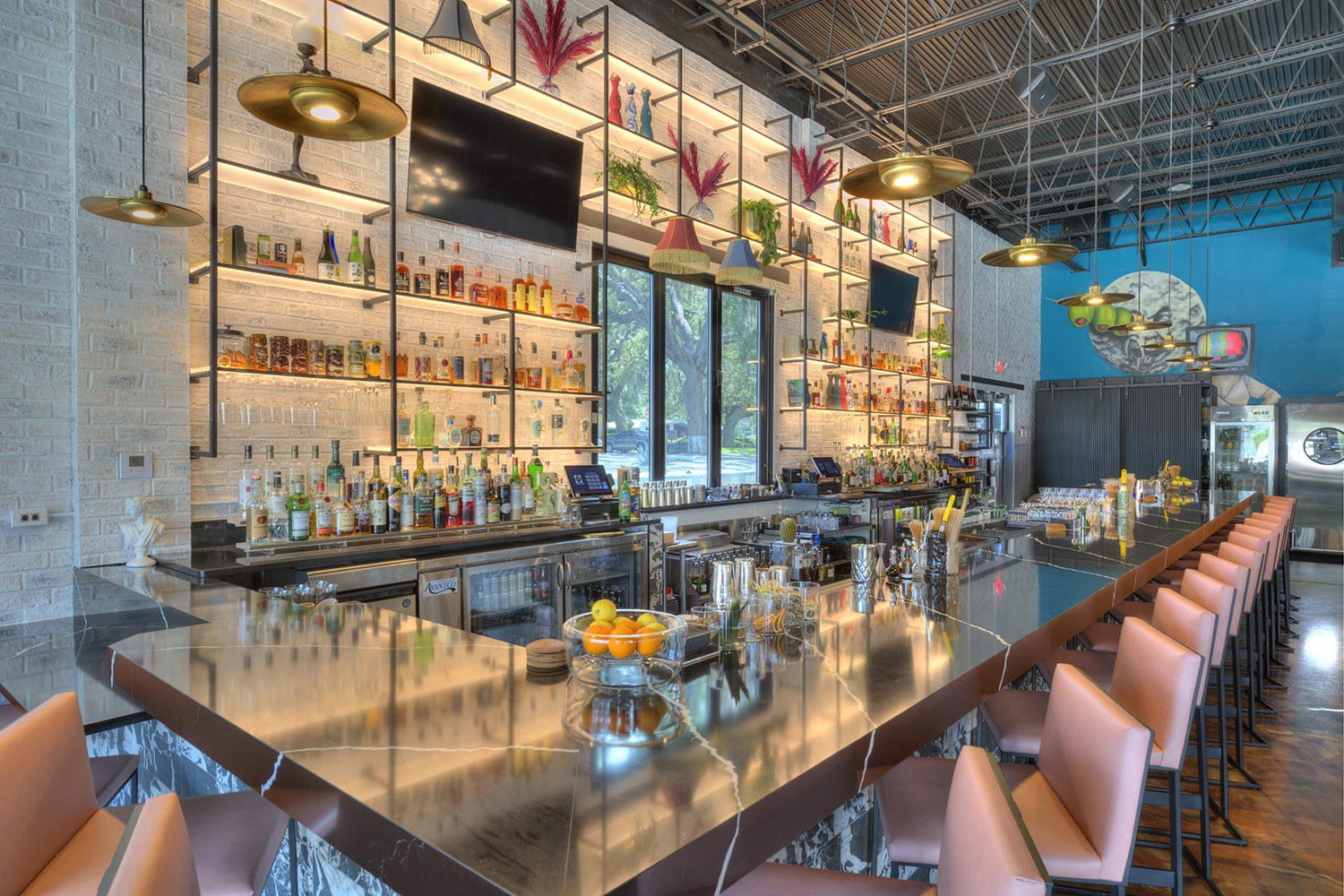

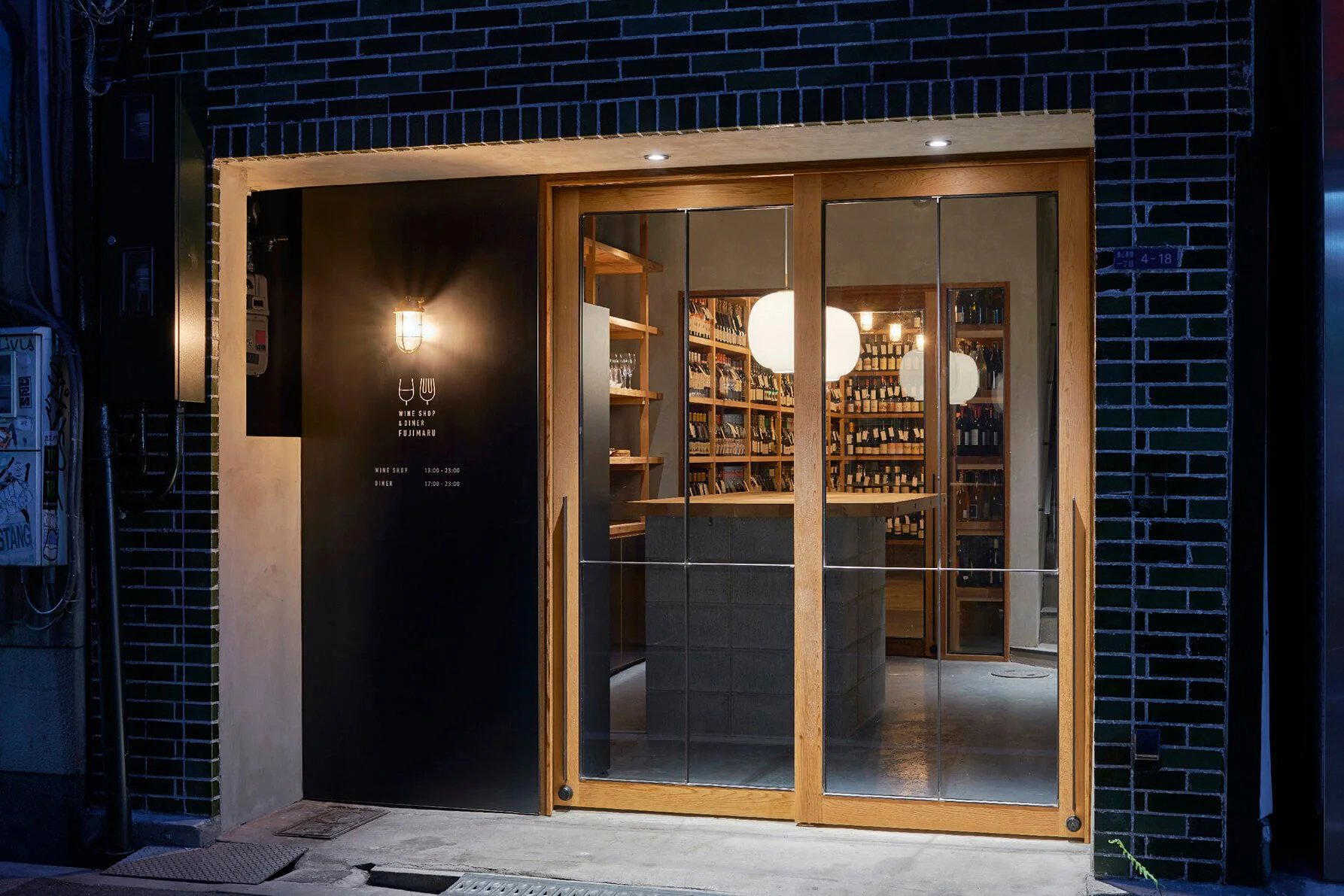

Hotels in Nara
Browse all →




Wineries in Nara
Browse all →
At a Glance
- Quiet
- Cozy
- Elegant
- Intimate
- Solo
- Special Occasion
- Garden
- Sake Program
- Local Sourcing
- Garden
Current opening hours
- Monday
- Closed
- Tuesday
- 11:30 AM–1 PM, 6–9 PM
- Wednesday
- 11:30 AM–1 PM, 6–9 PM
- Thursday
- 11:30 AM–1 PM, 6–9 PM
- Friday
- 11:30 AM–1 PM, 6–9 PM
- Saturday
- 11:30 AM–1 PM
- Sunday
- Closed
Hours can change for holidays and private events. Last verified .
Tatami seating in a relaxing machiya with garden views, offering a serene and sophisticated atmosphere.